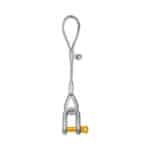
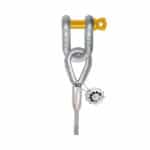
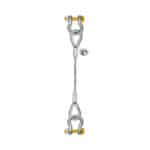
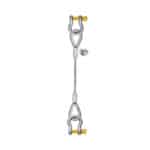
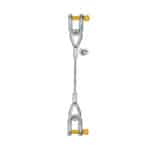
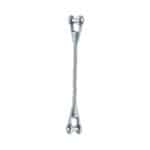
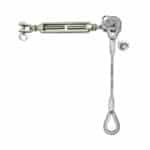
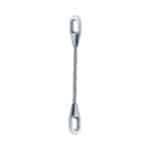
Rigging screws, traditionally known for their role in heavy lifting and industrial rigging, are now finding their way into a plethora of unexpected applications. These versatile pieces of tensioning hardware offer more than just brute strength; their adjustability, durability, and aesthetic appeal are driving their adoption in diverse fields. From architectural marvels to DIY projects, the innovative rigging screw uses are transforming industries and inspiring creativity.
1. ✅ Trend Alert: Rigging Screws Beyond Lifting
Traditionally, rigging screws have been the unsung heroes of heavy lifting, safely securing immense loads in construction, shipping, and industrial settings. However, 2026 marks a turning point, as innovative engineers and DIY enthusiasts alike discover the potential beyond their conventional applications. From cable tensioning in modern architecture to adding an industrial-chic touch to home décor, rigging screws are redefining versatility. Their robust construction and ease of adjustment are key factors driving this shift, making them indispensable in both industrial and DIY sectors.
2. 💡 Tensioning Cable Railings: Modern Architectural Marvels
Rigging screws are now integral to modern cable railing systems, providing the precise tension needed to create sleek, minimalist designs. Unlike traditional railing systems that can obstruct views, cable railings offer minimal visual interference, allowing for unobstructed vistas. The adjustability of rigging screws ensures the cables remain taut and secure, enhancing both the aesthetic appeal and safety of the railings. Here at Safe and Secure Trading Company, we’ve supplied rigging screws for numerous architectural projects in the UAE, where their durability and resistance to harsh weather conditions have been particularly valued. This is not just a trend; it’s a move towards minimalist design and enhanced safety features that will define architectural aesthetics for years to come.
3. ➡️ Securing Shade Sails: Stylish Sun Protection
Shade sails have become increasingly popular for providing stylish sun protection in outdoor spaces, and rigging screws play a crucial role in their installation and maintenance. By allowing for precise tensioning, rigging screws ensure that the shade sail remains taut and effectively blocks sunlight. Their durability and resistance to weather elements make them a reliable choice, especially in regions like Saudi Arabia, where extreme temperatures and harsh sunlight can quickly degrade inferior hardware. We’ve seen firsthand how effectively our rigging screws hold up in these demanding environments, providing long-lasting support for shade sails in both residential and commercial settings. This trend reflects the growing demand for comfortable and aesthetically pleasing outdoor living spaces.
4. ✨ DIY Industrial Furniture: Rustic Charm Meets Functionality
Rigging screws are making waves in the DIY world, adding a unique industrial touch to furniture designs. From tables and shelves to lighting fixtures, these sturdy components provide both visual appeal and functional adjustability. The exposed metal and rugged aesthetic of rigging screws perfectly complement the industrial-chic style that’s currently trending in home decor. They aren’t just for show; rigging screws allow for fine-tuning the stability and levelness of furniture, ensuring both durability and aesthetic harmony. This trend is booming because people are seeking unique and personalized home decor items that reflect their individual style.
“Rigging screws bring an unmatched level of industrial chic and adjustable functionality to DIY furniture. Their strength is as reliable as their visual impact is striking.” – Sarah Miller, DIY Expert
5. 🛠️ Stabilizing Shelving Units: Heavy-Duty Support
Heavy shelving units can often be prone to wobbling or collapsing, posing a safety hazard and causing potential damage. Rigging screws offer a robust and adjustable solution for stabilizing these units, providing the necessary support to prevent accidents. Unlike traditional shims or supports, rigging screws allow for precise adjustments, ensuring that the shelving unit remains level and stable even under heavy loads. Many of our clients in Jubail have reported significant improvements in the stability and safety of their shelving units after incorporating rigging screws, highlighting their effectiveness in real-world applications. This increased storage needs and emphasis on safety makes rigging screws an ideal addition.
6. ⚓ Marine Applications: Beyond Boat Rigging
While rigging screws are commonly associated with boat rigging, their applications in marine environments extend far beyond this traditional use. They are ideal for securing docks, anchoring floating structures, and creating custom marine setups. Their exceptional resistance to corrosion and harsh marine conditions ensures long-lasting performance, even in saltwater environments. Rigging screws are crucial components for anyone looking to create sustainable and eco-friendly marine solutions. When selecting rigging screws for marine applications, always ensure they are made from high-quality stainless steel to prevent rust and degradation.
7. 🏗️ Temporary Structural Supports: Construction Innovations
In the fast-paced world of construction, flexibility and adaptability are key. Rigging screws are increasingly being used as temporary structural supports, particularly for shoring and bracing applications. Their adjustability allows for real-time modifications, making them far more versatile than fixed supports. Safe and Secure Trading Company has provided tailored rigging solutions for numerous construction projects in the Gulf region, enabling contractors to adapt quickly to changing site conditions. The demand for flexible and adaptive construction methods is driving this trend. Rigging screws provide a dependable solution.
8. 🔒 Cable Tensioning in Fences and Barriers: Security and Aesthetics
Cable fences and barriers are gaining popularity for their security benefits and minimalist aesthetic. Rigging screws play a vital role in tensioning the cables, ensuring they remain taut and provide a secure barrier. These fences are commonly used in both residential and commercial properties, offering a sleek and modern alternative to traditional fencing options. Often integrated into projects we supply in Riyadh, these cable fences provide security without sacrificing visual appeal. The growing interest in minimalist and secure fencing options is what makes rigging screws a perfect solution.
9. 💡 Custom Lighting Fixtures: Industrial-Chic Illumination
Creative lighting designs are taking center stage in interior decor, and rigging screws are playing a key role in achieving unique, industrial-chic illumination. They can be used to suspend lights, adjust angles, and add a distinctive aesthetic to pendant lights, track lighting, and other custom fixtures. Their robust construction ensures the lights are securely mounted, while their adjustability allows for precise positioning.
Recent studies show a 25% increase in demand for industrial-style lighting in the past year.
Blending functionality with artistic expression, rigging screws allow designers to create visually stunning and practical lighting solutions.
10. ➡️ Securing Scaffolding Components: Safety and Stability
Safety is paramount on any construction site, and rigging screws are essential for securing scaffolding components. Their adjustability allows for precise alignment and load distribution, ensuring that the scaffolding remains stable and safe for workers. Maintaining a safe working environment is a top priority for us, and we work closely with our clients to ensure they have the right rigging solutions for their needs. Adherence to stringent safety standards is crucial. Rigging screws contribute significantly to achieving this goal.
11. ✅ Quick Summary: Top 3 Innovative Rigging Screw Uses
Here’s a quick recap of the top 3 most innovative and trending rigging screw uses we discussed:
1. Cable Railing Tensioning: Creating sleek, minimalist architectural designs with enhanced safety.
2. DIY Industrial Furniture: Adding a rustic, functional touch to personalized home decor.
3. Shade Sail Security: Ensuring stylish and reliable sun protection in outdoor spaces.
12. Conclusion
From securing shade sails in sun-drenched locales to adding an industrial edge to DIY furniture, the rigging screw has truly transcended its traditional role. We’ve explored how these once-niche tensioning hardware components are now essential for creating safe, stylish, and structurally sound environments across various sectors. Whether you’re an architect, a DIY enthusiast, or a construction professional, the versatility and reliability of rigging screws make them a valuable asset.
FAQ Section
Q: What are rigging screws primarily used for?
A: Rigging screws are traditionally used for tensioning and adjusting the length of ropes, cables, and tie rods in various rigging applications. They provide a controlled and adjustable means of applying tension, making them essential for securing loads and maintaining structural integrity.
Q: What is the safety factor that should be considered when using rigging screws?
A: The safety factor for rigging screws typically ranges from 4:1 to 5:1, depending on the application and industry standards. This means that the working load limit (WLL) of the rigging screw should be significantly lower than its minimum breaking strength to account for potential overloads and dynamic forces. Consulting with a qualified engineer is crucial to determine the appropriate safety factor for specific applications.
Q: What are the key differences between different types of turnbuckles?
A: Turnbuckles come in various end fitting configurations, including eye, hook, jaw, and stub end. The choice depends on the specific application and how the turnbuckle will be connected to other components. Eye ends are versatile, hook ends allow for quick connections, jaw ends provide secure bolted connections, and stub ends are designed for welding or threading into other parts. Material also varies, with stainless steel turnbuckles offering superior corrosion resistance compared to galvanized steel.
Q: How do I determine the correct size of rigging screw for my application?
A: Determining the correct size of rigging screw involves calculating the anticipated load and selecting a rigging screw with a working load limit (WLL) that exceeds this load, while also considering the safety factor. Factors such as dynamic loading, environmental conditions, and the angle of the load should also be taken into account. Always refer to the manufacturer’s specifications and consult with a qualified engineer to ensure the rigging screw is suitable for the intended use.
Q: What are the benefits of using stainless steel rigging screws in marine environments?
A: Stainless steel rigging screws offer exceptional corrosion resistance, making them ideal for use in harsh marine environments. They can withstand exposure to saltwater, humidity, and other corrosive elements without degrading or weakening, ensuring long-lasting performance and reliability.
Q: Can rigging screws be used in DIY projects, and what are some examples?
A: Yes, rigging screws are increasingly popular in DIY projects due to their adjustability, strength, and industrial aesthetic. Examples include using them to tension cable railings, create adjustable shelving units, and add a unique touch to furniture designs.
Q: How often should rigging screws be inspected, and what should I look for during inspections?
A: Rigging screws should be inspected regularly, ideally before each use, and at least annually by a qualified inspector. Look for signs of wear, corrosion, deformation, cracks, and any other damage that could compromise their structural integrity. Ensure that the threads are clean and properly lubricated, and that all components are securely connected.
Q: What are the best practices for maintaining rigging screws to prolong their lifespan?
A: Best practices for maintaining rigging screws include regular cleaning, lubrication, and proper storage. Clean the screws with a mild detergent and water to remove dirt and debris, and lubricate the threads with a suitable lubricant to prevent corrosion and ensure smooth operation. Store the screws in a dry, protected environment when not in use.
Q: How are rigging screws used in construction as temporary structural supports?
A: In construction, rigging screws are used as temporary structural supports for shoring and bracing applications. Their adjustability allows for real-time modifications to accommodate changing site conditions, making them more versatile than fixed supports. They provide a stable and adjustable means of supporting walls, floors, and other structural elements during construction or renovation.
Q: What are the key factors to consider when selecting rigging screws for cable tensioning in fences?
A: Key factors to consider when selecting rigging screws for cable tensioning in fences include the cable diameter, the distance between posts, the desired tension, and the environmental conditions. Choose rigging screws with a working load limit (WLL) that exceeds the anticipated tension and that are made from corrosion-resistant materials, such as stainless steel, to ensure long-lasting performance.
Q: What is the typical load capacity of rigging screws?
A: The load capacity of rigging screws varies greatly depending on their size, material, and design. Small rigging screws may have a working load limit of a few hundred pounds, while larger, heavy-duty rigging screws can handle several tons. Always refer to the manufacturer’s specifications to determine the specific load capacity of each rigging screw.
Q: Are there specific safety guidelines to follow when using rigging screws with scaffolding?
A: Yes, there are specific safety guidelines to follow when using rigging screws with scaffolding. Ensure that the rigging screws are properly sized and rated for the intended load, and that they are securely connected to the scaffolding components. Regularly inspect the rigging screws for signs of wear or damage, and replace them immediately if any defects are found. Follow all applicable safety regulations and guidelines to prevent accidents and injuries. The correct cable tensioning in scaffolding is vital for safety.
Q: How do you ensure proper cable tensioning when using rigging screws?
A: Proper cable tensioning is achieved by gradually tightening the rigging screw until the desired tension is reached. Use a tension gauge to measure the cable tension and ensure that it is within the recommended range. Avoid over-tensioning the cable, as this can damage the rigging screw or the cable itself. Regularly check the cable tension and readjust as needed to maintain optimal performance.
Q: What are some common mistakes to avoid when using rigging screws?
A: Common mistakes to avoid when using rigging screws include exceeding the working load limit, using damaged or corroded rigging screws, over-tensioning cables, and failing to properly inspect and maintain the screws. Always follow the manufacturer’s instructions and consult with a qualified professional if you have any questions or concerns. Ignoring the load capacity is one of the most common misuses of tensioning hardware.
Q: Can rigging screws be used for structural support in building construction?
A: Yes, rigging screws can be used for structural support in building construction, particularly for temporary applications such as shoring and bracing. However, they should be used in accordance with engineering specifications and building codes to ensure structural integrity and safety. Rigging screws should not be used as permanent structural supports unless specifically designed and approved for that purpose. Always consider construction hardware ratings and safety requirements.
Q: How do environmental factors affect the performance of rigging screws?
A: Environmental factors such as exposure to saltwater, humidity, and extreme temperatures can significantly affect the performance of rigging screws. Corrosion, rust, and degradation can weaken the screws and reduce their load capacity. Choose rigging screws made from corrosion-resistant materials, such as stainless steel, and regularly inspect and maintain them to mitigate the effects of environmental factors.
Q: Are there any innovative hardware applications for rigging screws beyond the typical uses?
A: Yes, there are many innovative hardware applications for rigging screws beyond the typical uses. Examples include using them in art installations, theatrical sets, and even medical devices. Their adjustability and strength make them a versatile component for a wide range of creative and functional applications.
Q: What types of certification should I look for when purchasing rigging screws?
A: When purchasing rigging screws, look for certifications such as CE marking, ISO standards, and compliance with industry-specific regulations. These certifications indicate that the rigging screws have been tested and meet specific performance and safety standards. Ensure that the manufacturer provides documentation and traceability to verify the certifications.
Q: Can rigging screws be used in high-vibration environments?
A: Yes, rigging screws can be used in high-vibration environments, but it is important to take precautions to prevent loosening. Use locking nuts or threadlocker compounds to secure the rigging screws and prevent them from vibrating loose over time. Regularly inspect the rigging screws and tighten them as needed to maintain proper tension.
Q: How do I properly dispose of old or damaged rigging screws?
A: Properly disposing of old or damaged rigging screws involves recycling them whenever possible. Metal recycling facilities can often accept rigging screws and other metal components. If recycling is not an option, dispose of the rigging screws in accordance with local regulations for scrap metal disposal.