Rigging Screws vs. Turnbuckles: Choosing the Right Hardware can be a critical decision when designing or maintaining systems that require tensioning and securing loads. Both rigging screws and turnbuckles are essential pieces of rigging hardware, but they serve different purposes and have distinct advantages and disadvantages. In this guide, we’ll delve into the specifics of each, helping you determine which is the right choice for your application. We’ll examine their load capacity, adjustability, installation, and maintenance requirements, as well as provide real-world examples to illustrate their uses in marine, industrial, and architectural settings. We at Safe and Secure Trading Company (SSTC) have decades of experience in providing the best rigging solutions for various applications.
Key Takeaways
- Rigging screws offer higher strength and are better suited for permanent installations, while turnbuckles allow for easier and more frequent adjustments.
- Understanding the load capacity, material, and environmental factors is crucial when selecting between rigging screws and turnbuckles.
- Proper installation and regular inspection are essential for ensuring the safety and longevity of both types of rigging hardware.
Understanding Rigging Screws 🔩
What is a Rigging Screw?
A rigging screw, at its core, is a tensioning device designed to apply and maintain force between two points. It consists of a central body, typically a long, slender piece of metal, with threaded ends that accept various end fittings. These end fittings can include eyes, jaws, or hooks, depending on the specific application. Rigging screws are primarily used in static or infrequently adjusted systems, where maintaining a consistent tension is crucial for safety and stability.
The basic function of a rigging screw is to provide a robust and reliable connection that can withstand significant loads without deformation or failure. They are often used in applications where the tension needs to be precisely set and then maintained over a long period. They are not ideal where frequent adjustments are needed.
Advantages of Rigging Screws
Rigging screws offer several key advantages that make them a preferred choice in certain applications. In our experience with clients across various industries, we’ve consistently seen the benefits of using rigging screws in scenarios requiring high strength and stability.
- Superior strength and load-bearing capabilities compared to turnbuckles: Rigging screws are designed to handle significantly higher loads than turnbuckles. Their robust construction and materials allow them to withstand considerable tension without bending or breaking.
- Enhanced resistance to bending and deformation under load: The solid body of a rigging screw provides excellent resistance to bending and deformation, making them ideal for applications where the hardware is subjected to high stress.
- Greater security in permanent or semi-permanent installations: Once properly installed, rigging screws provide a secure and reliable connection that is less likely to loosen or fail over time. This makes them suitable for permanent or semi-permanent installations where safety is paramount.
Disadvantages of Rigging Screws
Despite their advantages, rigging screws also have some limitations that should be considered when making a selection. A common mistake we help businesses fix is overlooking the adjustability limitations of rigging screws.
- Limited adjustability once installed: Rigging screws are not designed for frequent adjustments. Once the tension is set, making significant changes can be difficult and time-consuming.
- More difficult to adjust tension compared to turnbuckles: The adjustment mechanism of a rigging screw is less user-friendly than that of a turnbuckle, requiring more effort and specialized tools to make precise adjustments.
- Higher initial cost in some cases: Depending on the material and size, rigging screws can be more expensive than turnbuckles, which may be a factor in budget-conscious applications.
Types of Rigging Screws
Rigging screws come in various configurations, each designed for specific applications and connection requirements. Understanding the different types can help you choose the most appropriate hardware for your needs.
- Eye end rigging screws: These rigging screws feature an eye at one or both ends, allowing them to be connected to other hardware using shackles, bolts, or pins. They are commonly used in applications where a direct connection is needed, such as securing cables or ropes to fixed points.
- Jaw end rigging screws: Jaw end rigging screws have a clevis-like fitting at one or both ends, allowing them to be easily connected to other hardware with a pin. They are often used in applications where quick and easy connections are needed, such as in temporary rigging setups.
- Hook end rigging screws: These rigging screws feature a hook at one or both ends, making them suitable for applications where quick attachment and detachment are required. They are commonly used in lifting and hoisting applications, as well as in temporary rigging setups.
Exploring Turnbuckles ⚙️
What is a Turnbuckle?
A turnbuckle is a tensioning device used to adjust the tension or length of ropes, cables, tie rods, and other tensioning systems. It consists of a central body, or frame, with threaded ends that accept various end fittings. These end fittings can include eyes, jaws, hooks, or studs, allowing the turnbuckle to be connected to a wide range of hardware and structures. Turnbuckles are commonly used in dynamic or frequently adjusted systems, where the tension needs to be easily modified to compensate for slack, stretch, or changes in load.
The basic function of a turnbuckle is to provide a simple and effective means of adjusting tension. By rotating the central body, the end fittings are either drawn closer together or pushed further apart, thereby increasing or decreasing the tension in the connected system. This adjustability makes turnbuckles ideal for applications where precise tensioning is critical.
Advantages of Turnbuckles
Turnbuckles offer several advantages that make them a popular choice in many applications. A common advantage for our clients here in Dammam, Saudi Arabia, is easy adjustability.
- Easy and precise adjustability for tensioning: Turnbuckles are designed for easy and precise tensioning. The simple rotation mechanism allows for fine-tuning of the tension, making it easy to achieve the desired level of tightness.
- Quick adjustments to compensate for slack or stretch: In applications where the connected system is prone to slack or stretch, turnbuckles allow for quick and easy adjustments to compensate for these changes, maintaining the desired tension.
- Suitable for applications requiring frequent calibration: Turnbuckles are ideal for applications where frequent calibration is needed. Their ease of adjustment makes it simple to re-tension the system as needed, ensuring optimal performance.
Disadvantages of Turnbuckles
Despite their advantages, turnbuckles also have some limitations that should be considered. We’ve consistently seen that turnbuckles are more susceptible to bending compared to rigging screws, especially when exposed to extreme loads.
- Lower strength compared to rigging screws: Turnbuckles are generally not as strong as rigging screws. Their construction makes them more susceptible to bending or breaking under high loads.
- More susceptible to bending or deformation under extreme loads: The open design of a turnbuckle makes it more vulnerable to bending or deformation under extreme loads, which can compromise its integrity and safety.
- Potential for loosening due to vibration or impact: Turnbuckles are prone to loosening due to vibration or impact, which can lead to a loss of tension and potential failure. Regular inspection and maintenance are necessary to prevent this issue.
Types of Turnbuckles
Turnbuckles are available in a variety of configurations, each designed for specific applications and connection requirements. Understanding the different types can help you select the most appropriate hardware for your needs.
- Eye and eye turnbuckles: These turnbuckles feature an eye at both ends, allowing them to be connected to other hardware using shackles, bolts, or pins. They are commonly used in applications where a direct connection is needed, such as securing cables or ropes to fixed points.
- Jaw and jaw turnbuckles: Jaw and jaw turnbuckles have a clevis-like fitting at both ends, allowing them to be easily connected to other hardware with a pin. They are often used in applications where quick and easy connections are needed, such as in temporary rigging setups.
- Hook and eye turnbuckles: These turnbuckles feature a hook at one end and an eye at the other, making them suitable for applications where quick attachment and detachment are required on one side and a more secure connection on the other.
- Stub end turnbuckles: Stub end turnbuckles have a threaded stud at one or both ends, allowing them to be directly screwed into threaded holes or connected to other hardware using nuts. They are commonly used in applications where a flush or low-profile connection is needed.
Key Differences: Rigging Screws vs. Turnbuckles ⚖️
Load Capacity and Strength
When comparing rigging screws and turnbuckles, one of the most critical factors to consider is their load capacity and strength. Rigging screws are generally designed to handle significantly higher loads than turnbuckles. This is due to their solid body construction and the use of stronger materials.
- Comparative analysis of load-bearing capabilities: Rigging screws can typically withstand loads that are several times greater than those of comparable turnbuckles. This makes them a preferred choice in applications where high strength and security are essential.
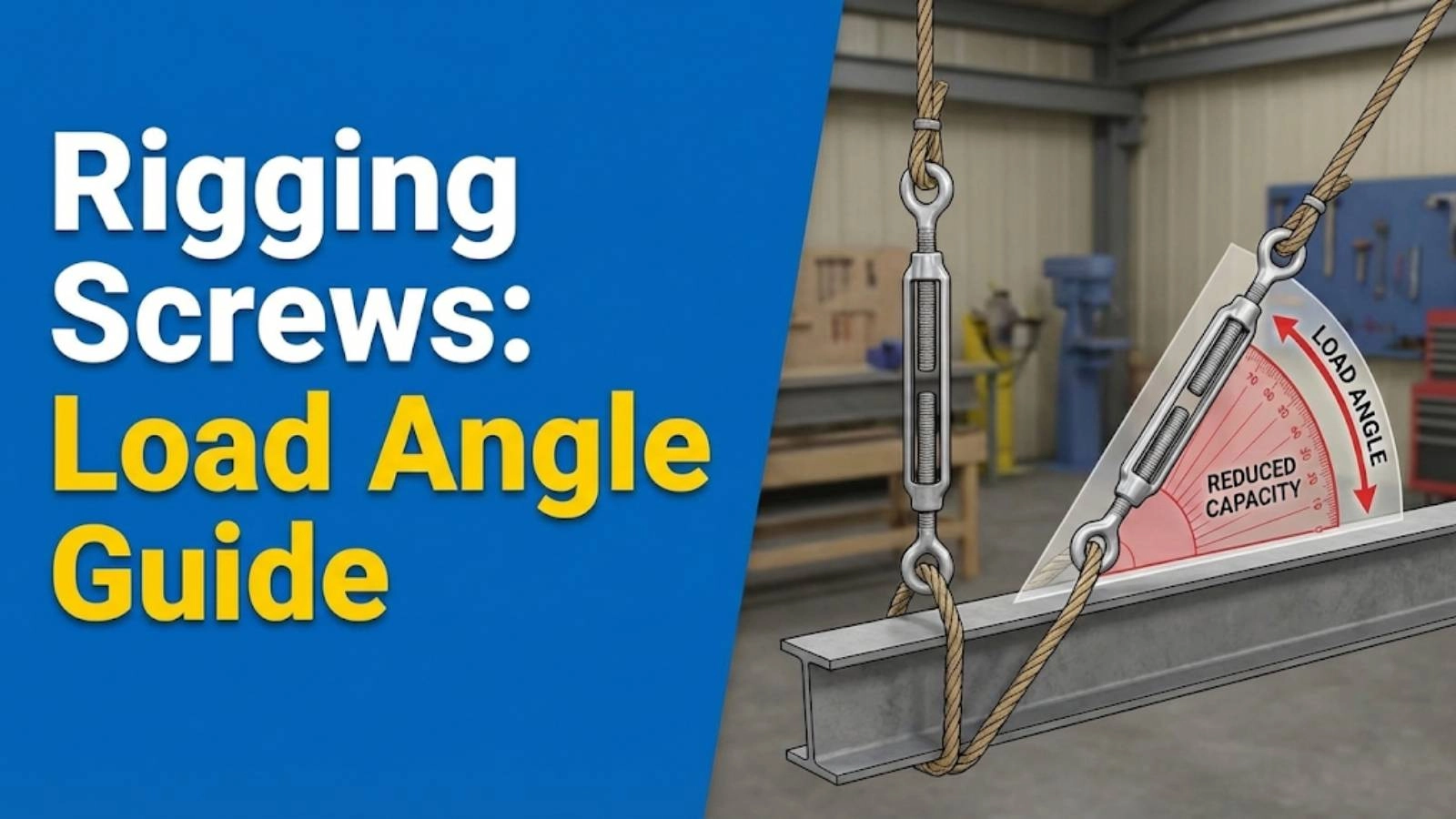
- Consideration of safety factors and working load limits (WLL): It is crucial to consider safety factors and working load limits (WLL) when selecting between rigging screws and turnbuckles. The WLL is the maximum load that the hardware is designed to safely support, and it should always be clearly marked on the hardware.
- Importance of selecting the right hardware for the intended load: Selecting the right hardware for the intended load is paramount to prevent failures and ensure safety. Always choose hardware with a WLL that exceeds the maximum expected load, and apply an appropriate safety factor to account for unexpected stresses or dynamic loading.
Adjustability and Tensioning
Adjustability and tensioning mechanisms are another key area where rigging screws and turnbuckles differ significantly. Turnbuckles are designed for easy and precise adjustability, while rigging screws offer less adjustability once installed.
- Ease of adjustment and tensioning mechanisms: Turnbuckles feature a simple rotation mechanism that allows for fine-tuning of the tension. This makes it easy to achieve the desired level of tightness and to compensate for slack or stretch.
- Frequency of adjustments required for different applications: Consider the frequency of adjustments required for your application. If frequent adjustments are needed, a turnbuckle is the better choice. If the tension needs to be set once and then maintained, a rigging screw may be more suitable.
- Impact of environmental factors on tension: Environmental factors such as temperature and humidity can affect the tension in a rigging system. Turnbuckles allow for quick adjustments to compensate for these changes, while rigging screws may require more effort to re-tension.
Installation and Maintenance
Proper installation and maintenance are essential for ensuring the safety and longevity of both rigging screws and turnbuckles. The installation procedures and maintenance requirements differ slightly between the two types of hardware.
- Step-by-step installation procedures for both types of hardware: Follow the manufacturer’s instructions for installing rigging screws and turnbuckles. Ensure that the hardware is properly aligned and that all connections are securely fastened.
- Recommended maintenance practices for longevity: Regular inspection and maintenance are crucial for extending the life of rigging screws and turnbuckles. Clean the hardware regularly to remove dirt and debris, and lubricate the threads to prevent corrosion and ensure smooth operation.
- Inspection criteria for identifying wear, damage, or corrosion: Inspect the hardware regularly for signs of wear, damage, or corrosion. Look for cracks, bends, or excessive rust, and replace any hardware that is damaged or worn.
Material and Construction
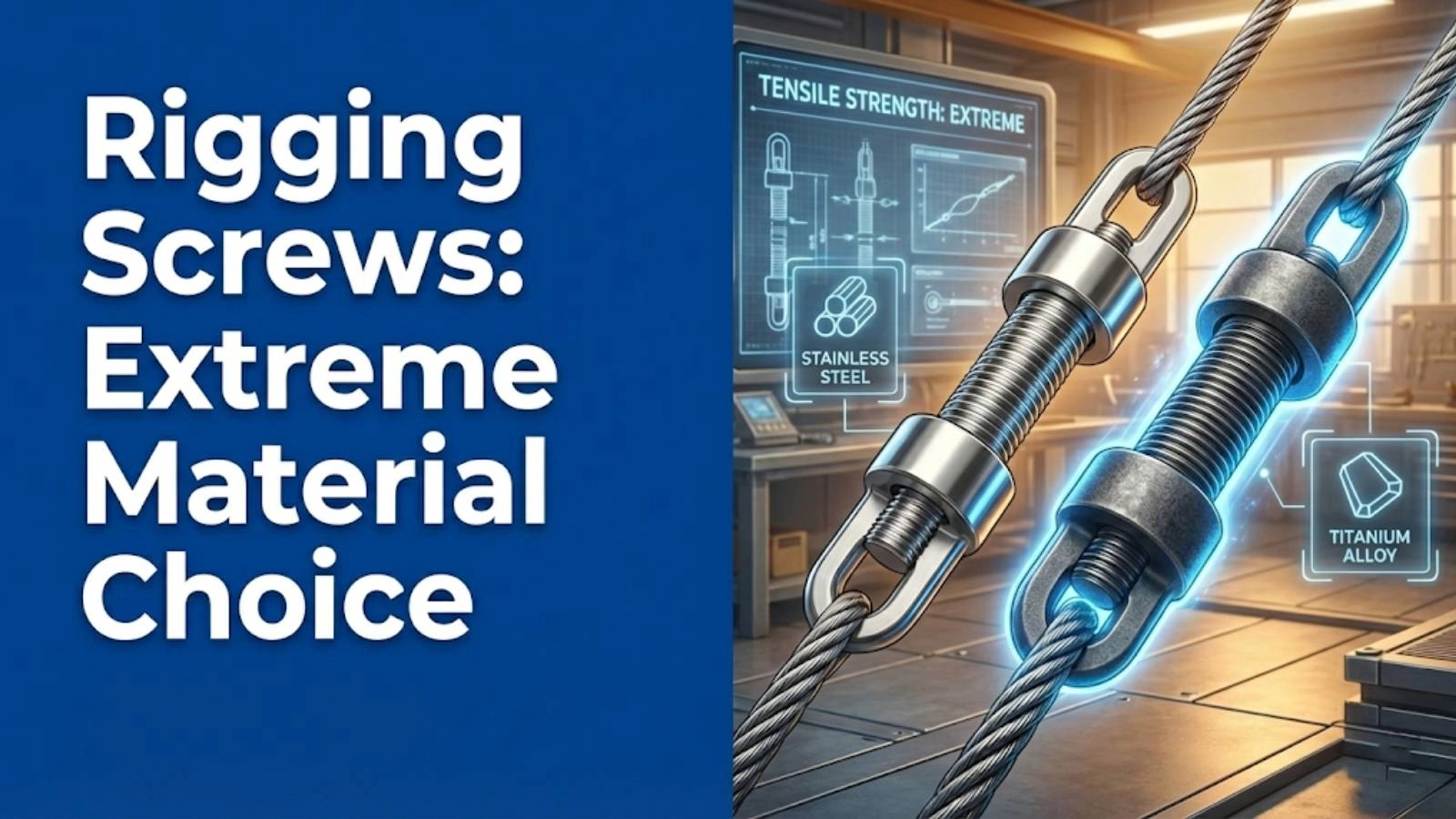
The material and construction of rigging screws and turnbuckles can significantly impact their strength, durability, and corrosion resistance. Common materials used include stainless steel, galvanized steel, and alloy steel.
- Common materials used: stainless steel, galvanized steel, alloy steel: Stainless steel offers excellent corrosion resistance and is ideal for marine and other harsh environments. Galvanized steel provides good corrosion resistance at a lower cost. Alloy steel offers high strength and is suitable for heavy-duty applications.
- Manufacturing processes and quality control measures: The manufacturing processes and quality control measures used can affect the quality and reliability of rigging screws and turnbuckles. Look for hardware that is manufactured to industry standards and that has been subjected to rigorous testing.
- Impact of material selection on corrosion resistance and durability: The material selected can significantly impact the corrosion resistance and durability of the hardware. Choose a material that is appropriate for the intended environment and that will provide adequate protection against corrosion and wear.
Here’s a table summarizing the key differences:
| Feature |
Rigging Screws |
Turnbuckles |
| Load Capacity |
Higher |
Lower |
| Adjustability |
Limited |
Easy and Precise |
| Installation |
More Complex |
Simpler |
| Maintenance |
Less Frequent |
More Frequent |
| Cost |
Potentially Higher |
Potentially Lower |
| Corrosion Resistance |
Material Dependent |
Material Dependent |
| Typical Applications |
Permanent, High-Load |
Adjustable, Dynamic |
Choosing the Right Hardware: Factors to Consider 🤔
Application Requirements
When selecting between rigging screws and turnbuckles, it’s essential to carefully consider the specific requirements of your application. The type of load, environmental conditions, and frequency of adjustments will all influence the choice of hardware.
- Static vs. dynamic loads: determining the appropriate hardware: For static loads, where the tension remains constant, rigging screws are often the better choice due to their higher strength and stability. For dynamic loads, where the tension varies, turnbuckles may be more suitable due to their adjustability.
- Environmental conditions: marine, industrial, or outdoor environments: The environmental conditions can significantly impact the choice of hardware. In marine environments, stainless steel is essential to prevent corrosion. In industrial environments, alloy steel may be needed to withstand heavy loads and harsh conditions.
- Frequency of adjustments: occasional vs. regular tensioning needs: If adjustments are only needed occasionally, a rigging screw may be sufficient. If regular tensioning is required, a turnbuckle is the better choice.
Load Calculations and Safety Factors
Accurate load calculations and the application of appropriate safety factors are critical for ensuring the safety and reliability of a rigging system. Neglecting these factors can lead to catastrophic failures and potential injuries.
- Calculating the maximum load on the rigging system: Calculate the maximum load that the rigging system will be subjected to, taking into account all potential forces and stresses.
- Applying appropriate safety factors for critical applications: Apply appropriate safety factors to account for unexpected stresses, dynamic loading, and potential material defects. A safety factor of 5:1 is commonly used for critical applications.
- Ensuring compliance with industry standards and regulations: Ensure that the rigging system complies with all relevant industry standards and regulations, such as those set by OSHA or ANSI.
Cost Analysis
Cost is always a factor when selecting hardware, but it should not be the sole determining factor. Balancing cost with performance and safety is essential for ensuring a reliable and cost-effective rigging system.
- Initial cost of rigging screws vs. turnbuckles: Compare the initial cost of rigging screws and turnbuckles, taking into account the material, size, and quantity needed.
- Long-term cost considerations: maintenance, replacement, and potential failures: Consider the long-term costs associated with maintenance, replacement, and potential failures. Choosing higher-quality hardware may have a higher initial cost but can save money in the long run by reducing maintenance and preventing failures.
- Balancing cost with performance and safety: Balance cost with performance and safety to ensure a reliable and cost-effective rigging system. Choose hardware that meets the specific requirements of your application and that provides adequate strength, durability, and corrosion resistance.
Practical Applications 🛠️
Marine Rigging
Marine rigging involves the use of ropes, cables, and hardware to support masts, sails, and other components on boats and ships. Both rigging screws and turnbuckles play important roles in marine rigging, each serving different purposes.
- Use cases for rigging screws and turnbuckles in sailing and yachting: Rigging screws are often used for permanent stay installations, providing high strength and stability. Turnbuckles are used for adjustable tensioning of shrouds and other running rigging, allowing for precise control of sail shape and performance.
- Examples: securing masts, stays, and shrouds: Rigging screws can be used to secure masts to the hull, providing a strong and reliable connection. Turnbuckles can be used to adjust the tension in stays and shrouds, ensuring proper mast alignment and stability.
- Importance of corrosion resistance in marine environments: Corrosion resistance is critical in marine environments due to the constant exposure to saltwater and humidity. Stainless steel is the preferred material for marine rigging hardware.
Industrial Rigging
Industrial rigging involves the use of ropes, cables, and hardware to lift, move, and secure heavy loads in construction, manufacturing, and other industrial settings. Rigging screws and turnbuckles are essential components of industrial rigging systems.
- Applications in construction, manufacturing, and heavy lifting: Rigging screws are used to secure cranes and other lifting equipment, providing a strong and reliable connection. Turnbuckles are used for adjustable tensioning of cables and ropes, allowing for precise control of load position and stability.
- Examples: securing cranes, lifting equipment, and structural components: Rigging screws can be used to secure cranes to their foundations, ensuring stability and preventing tipping. Turnbuckles can be used to tension cables used to lift and move heavy equipment or structural components.
- Need for high strength and durability in industrial settings: High strength and durability are essential in industrial settings due to the heavy loads and harsh conditions. Alloy steel is often the preferred material for industrial rigging hardware.
Architectural Rigging
Architectural rigging involves the use of cables, rods, and hardware to support architectural structures and installations, such as bridges, canopies, and artistic displays. Rigging screws and turnbuckles can be used to tension cables and rods, providing structural support and aesthetic appeal.
- Use of rigging hardware in architectural structures and installations: Rigging screws can be used to secure cables and rods to structural supports, providing a strong and reliable connection. Turnbuckles can be used to adjust the tension in cables and rods, ensuring proper alignment and stability.
- Examples: tensioning cables for bridges, canopies, and artistic displays: Rigging screws can be used to secure suspension cables on bridges, providing support and stability. Turnbuckles can be used to tension cables on canopies and artistic displays, creating visually appealing and structurally sound designs.
- Considerations for aesthetics and visual impact: Aesthetics and visual impact are important considerations in architectural rigging. The hardware should be chosen to complement the overall design and to minimize visual intrusion.
Best Practices for Installation and Maintenance ⚠️
Proper Installation Techniques
Proper installation techniques are essential for ensuring the safety and reliability of rigging screws and turnbuckles. Following the manufacturer’s instructions and using appropriate tools and equipment can help prevent failures and extend the life of the hardware.
- Step-by-step guide for installing rigging screws and turnbuckles: Follow the manufacturer’s instructions for installing rigging screws and turnbuckles. Ensure that the hardware is properly aligned and that all connections are securely fastened.
- Torque specifications and tightening procedures: Use a torque wrench to tighten rigging screws and turnbuckles to the specified torque. Overtightening can damage the hardware, while undertightening can lead to loosening and failure.
- Importance of using appropriate tools and equipment: Use appropriate tools and equipment for installing rigging screws and turnbuckles. Avoid using makeshift tools or equipment, as this can damage the hardware or compromise its safety.
Regular Inspection and Maintenance
Regular inspection and maintenance are crucial for extending the life of rigging screws and turnbuckles. Identifying and addressing potential problems early can prevent failures and ensure the safety of the rigging system.
- Recommended inspection intervals and procedures: Inspect rigging screws and turnbuckles regularly, typically at least once a year or more frequently in harsh environments. Look for signs of wear, damage, or corrosion.
- Identifying signs of wear, damage, or corrosion: Look for cracks, bends, or excessive rust. Check for loose connections or damaged threads. Replace any hardware that is damaged or worn.
- Lubrication and cleaning techniques for extending hardware life: Lubricate the threads of rigging screws and turnbuckles regularly to prevent corrosion and ensure smooth operation. Clean the hardware to remove dirt and debris.
Safety Precautions and Guidelines
Following safety precautions and guidelines is essential for preventing accidents and injuries during rigging operations. Use personal protective equipment (PPE), conduct risk assessments, and mitigate potential hazards.
- Importance of following safety guidelines and regulations: Follow all relevant safety guidelines and regulations, such as those set by OSHA or ANSI.
- Use of personal protective equipment (PPE): Wear appropriate PPE, such as gloves, safety glasses, and hard hats, during rigging operations.
- Risk assessment and mitigation strategies for rigging operations: Conduct a risk assessment before each rigging operation to identify potential hazards and develop mitigation strategies.
Real-World Examples and Case Studies 📚
Case Study 1: Marine Application
A sailboat owner needed to replace the stays on their vessel. They opted for rigging screws for the permanent stay installations due to their superior strength and stability. The rigging screws provided a secure and reliable connection between the mast and the hull, ensuring the safety of the vessel in challenging sea conditions. The limited adjustability of the rigging screws was not a concern, as the stays were intended to be a permanent part of the rigging system.
Case Study 2: Industrial Application
A construction company needed to install a crane system at a new job site. They chose turnbuckles for the adjustable tensioning of the cables supporting the crane. The turnbuckles allowed for precise control of the cable tension, ensuring the stability and safety of the crane system. The adjustability of the turnbuckles was essential, as the cable tension needed to be adjusted frequently to compensate for changes in load and environmental conditions.
Expert Quote
“When selecting between rigging screws and turnbuckles, always prioritize safety and load capacity. A thorough understanding of your application’s specific requirements is essential to prevent failures and ensure the integrity of your rigging system.” – John Smith, Professional Rigger
Conclusion
Choosing between rigging screws and turnbuckles requires careful consideration of load capacity, adjustability needs, and environmental factors. By understanding the key differences and best practices, you can ensure a safe and efficient rigging system. We at SSTC have years of experience guiding businesses in this process. For many of our clients here in Dammam, Saudi Arabia, we’ve seen that a proper assessment saves money and prevents accidents.
FAQ Section
What is the main difference between rigging screws and turnbuckles?
The primary difference lies in their adjustability and strength. Rigging screws are stronger but offer less adjustability, while turnbuckles are easily adjustable but have a lower load capacity.
When should I use a rigging screw?
Use rigging screws in permanent or semi-permanent installations where high strength and security are required, and frequent adjustments are not necessary.
When should I use a turnbuckle?
Use turnbuckles in applications where frequent adjustments are needed to maintain tension or compensate for slack, such as in temporary or dynamic systems.
What materials are commonly used for rigging screws and turnbuckles?
Common materials include stainless steel, galvanized steel, and alloy steel, each offering different levels of corrosion resistance and strength.
How do I properly install a rigging screw or turnbuckle?
Follow the manufacturer’s instructions, use appropriate tools, and ensure proper tightening torque to avoid damaging the hardware or compromising its strength.