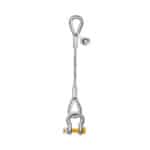
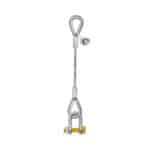
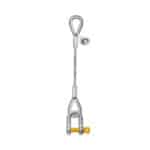
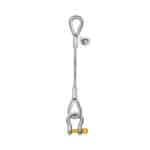
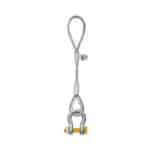
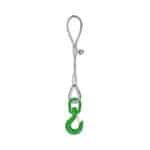
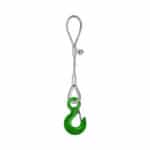
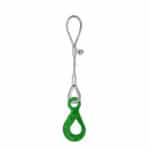
Rope Fittings: Strength or Size?
Introduction to Wire Rope Fittings
The Purpose of Wire Rope Fittings
Wire rope fittings are essential components used to connect, terminate, and secure wire rope in various applications. These fittings facilitate the transfer of load from the wire rope to other structural elements, ensuring structural integrity and safe operation. The primary function of these fittings is to provide a reliable and secure connection point. This connection is vital for maintaining the overall stability of the system. We at Safe and Secure Trading Company (SSTC) recognize that the selection of appropriate fittings is not just about connecting parts; it’s about ensuring the safety and efficiency of operations.
The role of wire rope fittings extends beyond simple connection. They are integral to the overall performance and longevity of the wire rope assembly. These fittings are designed to withstand significant forces and environmental conditions, protecting the wire rope from damage and degradation. Wire rope thimbles, for example, are used to prevent wear and deformation at the loop, extending the lifespan of the wire rope. Properly chosen and installed fittings ensure that the load is evenly distributed, reducing the risk of failure and enhancing the overall safety of the system.
The Importance of Proper Selection
Selecting the correct wire rope fittings is crucial for maintaining safety and preventing equipment failure, which can lead to severe injuries or fatalities. Incorrect fitting choices can compromise the entire system’s integrity, regardless of the wire rope’s strength. For instance, using a fitting with a lower working load limit (WLL) than required can result in the fitting failing under load, causing catastrophic consequences. As industry leaders here in Dammam, we’ve seen firsthand the consequences of neglecting proper fitting selection.
The implications of improper selection extend beyond immediate safety concerns. They also impact the long-term reliability and cost-effectiveness of operations. Using the wrong type of shackle or clip can lead to premature wear and tear on the wire rope, requiring frequent replacements and increased downtime. Moreover, incorrect fittings may not provide a secure connection, leading to slippage or loosening over time. This can compromise the stability of the structure or load, posing a significant safety hazard. Therefore, careful consideration of the application requirements and the appropriate fitting specifications is essential for ensuring both safety and operational efficiency.
Strength vs. Size: A Core Dilemma
The selection of wire rope fittings often involves a trade-off between strength and size. While a larger fitting may offer a higher load capacity, it may not always be practical or necessary for the specific application. Conversely, a smaller fitting may be more convenient to handle and install but might compromise the overall strength and safety of the system. We find that many clients struggle with this decision.
Several factors influence the choice between strength and size. These include the load requirements, space constraints, environmental conditions, and the type of wire rope being used. In some cases, a high-strength fitting is essential, regardless of its size, to ensure the safety of critical lifting operations. In other situations, a smaller, more compact fitting may be preferred to minimize weight and improve accessibility. Understanding these trade-offs and considering all relevant factors is crucial for making an informed decision. A client we worked with recently was torn between two options. They eventually found that the smaller option better fit their specific workflow in a confined space, despite the slightly lower load capacity.
Understanding Strength Ratings
Defining Key Strength Metrics
Understanding the strength ratings of wire rope fittings is essential for ensuring safe and reliable operation. The three primary metrics used to define the strength of these fittings are Minimum Breaking Load (MBL), Working Load Limit (WLL), and Proof Load. Each of these metrics provides valuable information about the fitting’s capabilities and limitations.
- Minimum Breaking Load (MBL): MBL refers to the minimum force at which a fitting is expected to fail under tensile load. It is a critical parameter for assessing the ultimate strength of the fitting. MBL is typically determined through destructive testing, where the fitting is subjected to increasing loads until it fractures. This value provides a benchmark for the fitting’s maximum capacity.
- Working Load Limit (WLL): WLL represents the maximum load that a fitting is designed to carry safely under normal operating conditions. It is calculated by dividing the MBL by a safety factor. The safety factor accounts for uncertainties in loading conditions, material properties, and environmental factors. WLL is a critical parameter for ensuring the safe use of wire rope fittings in lifting and rigging applications. Regulatory compliance, such as OSHA requirements, often mandates adherence to specific WLL values.
- Proof Load: Proof load is the maximum load that a fitting is subjected to during non-destructive testing to verify its structural integrity. It is typically higher than the WLL but lower than the MBL. Proof load testing ensures that the fitting can withstand a specified load without permanent deformation or damage. This testing is often performed as part of the manufacturing process to ensure quality control and compliance with industry standards.
Factors Affecting Strength
Several factors influence the strength of wire rope fittings, including material properties, manufacturing processes, and design considerations. Understanding these factors is crucial for selecting fittings that meet the specific requirements of the application. We always consider these elements when advising clients.
- Material properties: The type and grade of material used in the fitting significantly impact its strength. Steel grade and alloy composition are critical factors. For example, alloy steel offers higher strength and toughness compared to carbon steel. The material’s tensile strength, yield strength, and ductility all contribute to the fitting’s overall load-bearing capacity.
- Manufacturing processes: The methods used to manufacture the fitting, such as forging, casting, and machining, also affect its strength. Forged fittings typically exhibit higher strength due to the alignment of the material’s grain structure during the forging process. Casting can produce complex shapes but may result in lower strength due to porosity and other defects. Machining is used to refine the dimensions and surface finish of the fitting, which can impact its fatigue resistance.
- Design considerations: The design of the fitting, including its shape, dimensions, and stress concentration points, plays a crucial role in its strength. Fittings with sharp corners or abrupt changes in cross-section are more prone to stress concentrations, which can reduce their load-bearing capacity. Proper design ensures that the load is distributed evenly across the fitting, minimizing stress concentrations and maximizing strength.
Derating Factors and Their Significance
Derating factors are essential considerations when determining the safe working load of wire rope fittings. These factors account for various conditions that can reduce the fitting’s effective strength, such as angle loading, dynamic loading, and environmental conditions. We emphasize the importance of these factors during consultations.
- Effects of angle loading and dynamic loading on WLL: Angle loading occurs when the load is applied at an angle to the fitting, reducing its effective WLL. The greater the angle, the lower the WLL. Dynamic loading, such as sudden impacts or shock loads, can also significantly reduce the fitting’s capacity. These loads can create stress concentrations and exceed the fitting’s design limits.
- Impact of environmental conditions (corrosion, temperature): Environmental conditions, such as corrosion and extreme temperatures, can degrade the material properties of the fitting and reduce its strength. Corrosion can weaken the fitting by removing material and creating stress concentrations. High temperatures can reduce the material’s yield strength and tensile strength, while low temperatures can make it more brittle.
- Influence of wire rope condition on fitting capacity: The condition of the wire rope itself can also affect the fitting’s capacity. A worn or damaged wire rope may not be able to support the full load, placing additional stress on the fitting. Proper inspection and maintenance of the wire rope are essential for ensuring the safe use of wire rope fittings.
Evaluating Size Considerations
Physical Dimensions and Clearance
The physical dimensions of wire rope fittings and the available clearance around them are critical considerations in many applications. The size of the fitting can affect its ease of installation, accessibility, and compatibility with other components in the system. Here at SSTC, we understand that every project has unique spatial challenges.
The impact of fitting size on installation and accessibility is significant. Larger fittings may be more difficult to handle and install, especially in confined spaces. Smaller fittings, on the other hand, may be easier to maneuver but might not provide the required strength. Space constraints in rigging systems can also limit the size of fittings that can be used. In some cases, specialized fittings with compact designs may be necessary to fit within the available space. The choice of fitting size must balance the need for adequate strength with the practical limitations of the installation environment.
Weight and Handling
The weight of wire rope fittings can have a significant impact on ease of use and operator fatigue. Heavier fittings require more effort to handle and install, which can increase the risk of injuries and reduce productivity. Lightweight fittings, on the other hand, are easier to manage and can reduce the strain on operators.
The implications for overhead lifting and confined spaces are particularly important. In overhead lifting applications, the weight of the fittings contributes to the overall load being lifted, which must be considered when selecting the appropriate lifting equipment. In confined spaces, the weight of the fittings can make it difficult for operators to maneuver and install them safely. Therefore, careful consideration of fitting weight is essential for ensuring both safety and efficiency in these applications.
Compatibility with Wire Rope Diameter
Matching the fitting size to the specific wire rope diameter is crucial for ensuring a secure and reliable connection. Using an over-sized fitting can result in slippage and reduced holding power, while an under-sized fitting can damage the wire rope and compromise its strength. This is a common mistake, and we always double-check compatibility for our clients.
Avoiding damage from over or under-sized fittings is essential for maintaining the integrity of the wire rope assembly. Over-sized fittings may not grip the wire rope properly, allowing it to slip under load. Under-sized fittings can crush or deform the wire rope, reducing its strength and increasing the risk of failure. The fitting manufacturer typically provides guidance on the appropriate fitting size for different wire rope diameters. Following these recommendations is critical for ensuring a safe and reliable connection.
Types of Wire Rope Fittings and Their Applications
Wire Rope Clips (U-Bolts)
Wire rope clips, also known as U-bolts, are commonly used to create eye terminations or to splice wire rope. They consist of a U-shaped bolt, a saddle, and two nuts. When properly installed, wire rope clips can provide a secure connection, but their holding power is generally lower compared to other fitting types like swage fittings. Here’s what we know:
- Advantages and disadvantages: Wire rope clips are cost-effective and easy to install, making them a popular choice for many applications. However, they have a lower holding power compared to swage fittings, and their performance can be significantly affected by improper installation. They are also prone to loosening over time, requiring periodic re-tightening.
- Proper installation techniques and torque requirements: Proper installation is critical for ensuring the safe use of wire rope clips. The clips should be installed with the saddle on the live end of the wire rope and the U-bolt on the dead end. The nuts should be tightened evenly to the torque specified by the manufacturer. After the initial tightening, the clips should be re-tightened after the wire rope has been subjected to a load.
- Application examples: Wire rope clips are commonly used for temporary connections, light-duty applications, and situations where frequent adjustments are required. Examples include securing loads on trailers, creating temporary guy wires, and forming loops in wire rope for non-critical applications.
Swage Fittings
Swage fittings offer a high-strength, streamlined alternative to wire rope clips. These fittings are permanently attached to the wire rope using a swaging tool, which compresses the fitting material around the wire rope strands. The result is a strong, reliable connection that is well-suited for critical lifting and structural applications. We at SSTC recognize the importance of reliable fittings.
- Advantages: Swage fittings offer superior holding power compared to wire rope clips. They provide a clean, streamlined appearance and are less prone to loosening over time. Swage fittings are also more resistant to corrosion and environmental factors.
- Disadvantages: Swage fittings require specialized swaging equipment, which can be expensive. They are also more difficult to install compared to wire rope clips, requiring trained personnel and precise techniques. Once swaged, the fitting cannot be easily removed or adjusted.
- Application examples: Swage fittings are commonly used in critical lifting applications, architectural cable railings, and other situations where high strength and reliability are essential. Examples include crane cables, suspension bridge cables, and aircraft control cables.
Thimbles
Thimbles are essential components used to protect wire rope from wear and deformation at the loop. They are inserted into the loop of the wire rope to provide a smooth, hard surface for the wire rope to bear against, preventing abrasion and kinking. We often recommend these to clients to extend the life of their wire ropes.
- Purpose: Thimbles prevent the wire rope from being crushed or deformed when it is connected to other fittings, such as shackles or eye bolts. They also distribute the load evenly across the loop, reducing stress concentrations and increasing the wire rope’s lifespan.
- Material options and selection criteria: Thimbles are typically made from steel, stainless steel, or plastic. Steel thimbles are suitable for general-purpose applications, while stainless steel thimbles offer superior corrosion resistance for marine and chemical environments. Plastic thimbles are lightweight and non-conductive, making them suitable for certain specialized applications.
- Compatibility with various fitting types: Thimbles are compatible with a wide range of fitting types, including shackles, eye bolts, turnbuckles, and wire rope clips. They are available in various sizes to match different wire rope diameters and fitting dimensions.
Shackles
Shackles are versatile connecting devices used to join different components in rigging and lifting systems. They consist of a U-shaped body and a pin that can be removed or tightened to secure the connection. Shackles are available in various types, each designed for specific applications. SSTC prioritizes matching the right equipment to the task.
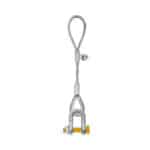
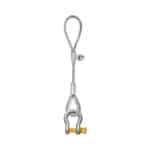
- Different types: D-shackles (also known as chain shackles) have a smaller, more rounded shape and are typically used for in-line connections. Bow shackles have a larger, more open shape and are suitable for multi-leg lifting and angled connections. Screw pin shackles have a threaded pin that can be easily removed and re-installed, while bolt-type shackles have a pin that is secured with a nut and cotter pin for added security.
- Load ratings and application-specific considerations: Each shackle type has a specific load rating, which should never be exceeded. D-shackles are generally stronger than bow shackles of the same size. Screw pin shackles are not recommended for applications where the load may shift or vibrate, as the pin can loosen over time. Bolt-type shackles are more secure and are suitable for critical lifting applications.
- Correct use and inspection procedures: Shackles should be inspected regularly for signs of wear, damage, or deformation. The pin should be fully engaged and properly secured. The shackle should be loaded along its centerline, avoiding side loading or bending forces.
Turnbuckles
Turnbuckles are used to adjust the tension in wire rope assemblies. They consist of a metal frame with threaded ends that can be rotated to tighten or loosen the wire rope. Turnbuckles are commonly used in rigging, tensioning cables, and adjusting the length of wire rope runs.
- Purpose: Turnbuckles provide a convenient way to adjust the tension in wire rope assemblies, ensuring that the load is evenly distributed and the system is properly tensioned.
- Types: Turnbuckles are available in various types, including jaw end, eye end, and stub end. Jaw end turnbuckles have a clevis fitting at each end, which can be connected to shackles or other fittings. Eye end turnbuckles have an eye at each end, which can be connected to hooks or loops. Stub end turnbuckles have a threaded stud at each end, which can be screwed into other fittings.
- Load capacity and thread engagement requirements: Each turnbuckle has a specific load capacity, which should never be exceeded. The threads should be fully engaged to ensure a secure connection. The turnbuckle should be lubricated regularly to prevent corrosion and ensure smooth operation.
Material Selection for Wire Rope Fittings
Carbon Steel
Carbon steel is a common material choice for wire rope fittings due to its cost-effectiveness and general-purpose applicability. It is suitable for many applications where high strength and corrosion resistance are not critical requirements. We find it to be a baseline option for many standard rigging needs.
- Cost-effectiveness and general-purpose applications: Carbon steel fittings are relatively inexpensive compared to fittings made from alloy steel or stainless steel. They are suitable for a wide range of applications, including construction, manufacturing, and transportation.
- Limitations in corrosive environments: Carbon steel is susceptible to corrosion, especially in moist or salty environments. It is not recommended for marine applications or situations where it will be exposed to chemicals or corrosive substances.
Alloy Steel
Alloy steel offers higher strength and toughness compared to carbon steel, making it suitable for demanding applications where high load-bearing capacity and resistance to impact are essential. Alloy steel fittings are often heat-treated to further enhance their performance.
- High strength and toughness: Alloy steel fittings can withstand higher loads and are less prone to deformation or fracture compared to carbon steel fittings. They are suitable for critical lifting applications and situations where the fittings may be subjected to dynamic loading or shock loads.
- Heat treatment processes: Heat treatment processes, such as quenching and tempering, can significantly improve the mechanical properties of alloy steel fittings. These processes increase the steel’s hardness, strength, and toughness.
Stainless Steel
Stainless steel is selected for its superior corrosion resistance, making it ideal for marine, chemical, and other harsh environments where carbon steel or alloy steel would quickly corrode. While stainless steel offers excellent corrosion protection, it typically has lower strength compared to alloy steel.
- Corrosion resistance: Stainless steel fittings are highly resistant to corrosion, even in harsh environments. They are suitable for marine applications, chemical processing plants, and other situations where the fittings will be exposed to moisture, salt, or chemicals.
- Limitations in strength compared to alloy steel: Stainless steel typically has lower strength compared to alloy steel. It is not recommended for applications where high load-bearing capacity is the primary requirement.
Other Materials
Besides carbon steel, alloy steel, and stainless steel, other materials like aluminum, bronze, and specialized alloys are used for specific wire rope fitting applications. Each of these materials offers unique properties that make them suitable for particular environments or operating conditions. We at SSTC are committed to offering solutions for all our clients’ specialized needs.
- Aluminum, bronze, and specialized alloys: Aluminum fittings are lightweight and corrosion-resistant, making them suitable for aerospace and other weight-sensitive applications. Bronze fittings offer good corrosion resistance and are often used in marine environments. Specialized alloys, such as titanium or nickel-based alloys, are used for extreme conditions where high strength, high temperature resistance, or exceptional corrosion resistance is required.
- Considerations for galvanic corrosion: Galvanic corrosion can occur when dissimilar metals are used in contact with each other in a corrosive environment. The more active metal will corrode preferentially, while the less active metal will be protected. To prevent galvanic corrosion, it is important to select compatible materials or to use insulating materials to separate the dissimilar metals.
Corrosion Resistance and Environmental Factors
Types of Corrosion
Understanding the different types of corrosion is crucial for selecting appropriate wire rope fittings and implementing effective corrosion prevention measures. The primary types of corrosion that affect wire rope fittings include galvanic corrosion, pitting corrosion, and crevice corrosion. We teach our clients the importance of preventative maintenance.
- Galvanic corrosion: Galvanic corrosion occurs when two dissimilar metals are in contact in the presence of an electrolyte, such as salt water. The more active metal corrodes preferentially, while the less active metal is protected.
- Pitting corrosion: Pitting corrosion is a localized form of corrosion that results in the formation of small pits or holes on the surface of the metal. It is often caused by chlorides or other corrosive agents.
- Crevice corrosion: Crevice corrosion occurs in confined spaces or crevices where stagnant conditions promote the accumulation of corrosive agents. Examples include the areas under washers, bolts, or gaskets.
Protective Coatings
Protective coatings are commonly applied to wire rope fittings to enhance their corrosion resistance and prolong their service life. Common types of protective coatings include galvanizing, zinc plating, and epoxy coatings.
- Galvanizing: Galvanizing involves coating the steel fitting with a layer of zinc. The zinc acts as a sacrificial anode, corroding preferentially to protect the steel.
- Zinc plating: Zinc plating is a similar process to galvanizing, but the zinc is applied using electrodeposition rather than hot-dipping. Zinc plating provides good corrosion resistance but is not as durable as galvanizing.
- Epoxy coatings: Epoxy coatings provide a barrier between the metal fitting and the environment, preventing corrosion. Epoxy coatings are available in various colors and formulations to suit different applications.
Inspection and Maintenance
Regular inspection and maintenance are essential for preventing corrosion and ensuring the continued safe operation of wire rope fittings. Proper cleaning and lubrication procedures can help to remove corrosive contaminants and protect the fittings from environmental damage.
- Regular visual inspection: Fittings should be inspected regularly for signs of corrosion, such as rust, pitting, or discoloration. Any fittings that show signs of corrosion should be removed from service and replaced.
- Proper cleaning and lubrication: Fittings should be cleaned regularly to remove dirt, salt, and other contaminants. Lubrication can help to prevent corrosion and ensure smooth operation.
Regulatory Standards and Safety Factors
OSHA Requirements
Compliance with OSHA (Occupational Safety and Health Administration) regulations is mandatory for all lifting and rigging operations in the United States. OSHA regulations specify the requirements for the design, construction, inspection, and maintenance of wire rope and wire rope fittings. We at Safe and Secure Trading Company (SSTC) prioritize adherence to all safety standards.
- Compliance with OSHA regulations: Employers are responsible for ensuring that all lifting and rigging equipment meets OSHA requirements and is used in accordance with safe operating procedures.
- Documentation and record-keeping: OSHA requires employers to maintain records of all inspections, maintenance, and repairs performed on lifting and rigging equipment. These records must be readily available for review by OSHA inspectors.
ANSI Standards
Adherence to ANSI (American National Standards Institute) standards is widely recognized as a best practice for ensuring the safety and reliability of wire rope and wire rope fittings. ANSI standards provide guidance on the design, testing, and certification of these products.
- Adherence to ANSI standards: Manufacturers and users of wire rope fittings should adhere to applicable ANSI standards to ensure that their products and practices meet recognized industry benchmarks.
- Impact on design, testing, and certification: ANSI standards influence the design, testing, and certification of wire rope fittings. Products that meet ANSI standards are typically considered to be safer and more reliable.
Safety Factors
Understanding the importance of safety factors in WLL (Working Load Limit) calculations is critical for preventing overloading and ensuring the safe use of wire rope fittings. Safety factors account for uncertainties in loading conditions, material properties, and environmental factors.
- Understanding the importance of safety factors: Safety factors are used to reduce the WLL below the MBL (Minimum Breaking Load) to provide a margin of safety. The safety factor is typically determined based on the application and the potential risks involved.
- Considerations for dynamic loading and shock loads: Dynamic loading and shock loads can significantly increase the stress on wire rope fittings. Safety factors should be increased for applications where these types of loads are likely to occur.
Advanced Considerations and Best Practices
Dynamic Loading and Shock Loads
Dynamic loading and shock loads can significantly impact the performance and lifespan of wire rope fittings. These types of loads involve sudden impacts or rapid changes in force, which can create stress concentrations and exceed the fitting’s design limits. Here at SSTC, we emphasize the importance of understanding load dynamics.
- Effects of sudden impacts and load variations: Sudden impacts and load variations can cause fittings to experience forces that are much higher than the static load. This can lead to premature failure or reduced service life.
- Selection of fittings with higher safety factors: For dynamic applications, it is essential to select fittings with higher safety factors to account for the increased stress. Fittings with robust designs and high-quality materials are also recommended.
Angle Loading
Angle loading occurs when the load is applied at an angle to the fitting, rather than along its centerline. This can reduce the fitting’s effective WLL and increase the risk of failure.
- Calculating reduced WLL for angled lifts: The reduced WLL for angled lifts can be calculated using trigonometric principles. The greater the angle, the lower the WLL.
- Use of spreader bars and lifting beams: Spreader bars and lifting beams can be used to minimize angle loading by distributing the load more evenly across the fittings.
Specialized Applications
Certain specialized applications, such as offshore rigging, crane operations, and architectural cable systems, require unique wire rope fitting configurations and safety considerations. These applications often involve extreme environmental conditions, high loads, and stringent regulatory requirements.
- Offshore rigging: Offshore rigging applications require fittings that are highly resistant to corrosion and can withstand extreme weather conditions. Stainless steel or specialized alloys are often used.
- Crane operations: Crane operations involve heavy lifting and require fittings that are designed for high load-bearing capacity and reliable performance. Regular inspection and maintenance are essential.
- Architectural cable systems: Architectural cable systems require fittings that are aesthetically pleasing and can withstand environmental exposure. Stainless steel is a popular choice for these applications.
Inspection and Retirement Criteria
Establishing a comprehensive inspection program is crucial for identifying worn or damaged fittings and preventing accidents. Clear retirement criteria should be defined to ensure that fittings are removed from service before they become a safety hazard. We always advise our clients to prioritize safety through rigorous inspection protocols.
- Establishing a comprehensive inspection program: The inspection program should include regular visual inspections, as well as periodic non-destructive testing.
- Defining clear retirement criteria: The retirement criteria should specify the conditions under which a fitting should be removed from service. Examples include excessive wear, corrosion, deformation, or cracking.
Conclusion: Strength vs. Size – Making the Right Choice
Recap of Key Considerations
Selecting the right wire rope fittings requires a careful evaluation of several factors, including strength ratings, size constraints, material properties, and environmental conditions. It’s crucial to understand the trade-offs between these factors and to prioritize safety and performance over short-term savings.
A Balanced Approach
A balanced approach to fitting selection involves weighing the strength, size, and cost considerations to determine the most appropriate fitting for the specific application. While high strength is always desirable, it may not always be practical or necessary. Similarly, while smaller fittings may be more convenient, they might not provide the required load-bearing capacity.
Final Recommendations
For critical lifting applications, prioritize fittings with high strength and robust designs. For applications with space constraints, consider compact fittings that offer adequate strength without compromising accessibility. For corrosive environments, select fittings made from stainless steel or other corrosion-resistant materials. We, at Safe and Secure Trading Company, are here to help you navigate these complex decisions.
FAQ Section
Q: What is the most important factor to consider when selecting wire rope fittings?
A: The most important factor is the Working Load Limit (WLL) of the fitting, which should always meet or exceed the maximum load that the fitting will be subjected to. Other important factors include material properties, environmental conditions, and the type of wire rope being used.
Q: How often should wire rope fittings be inspected?
A: Wire rope fittings should be inspected regularly, ideally before each use. A comprehensive inspection should be performed at least annually, or more frequently if the fittings are used in demanding applications or harsh environments.
Q: What are the signs of a worn or damaged wire rope fitting?
A: Signs of wear or damage include excessive corrosion, deformation, cracking, and wear on the threads or bearing surfaces. Any fitting that shows signs of wear or damage should be removed from service and replaced.
Q: Can I use different types of wire rope fittings in the same assembly?
A: It is generally not recommended to mix different types of wire rope fittings in the same assembly, as they may have different load ratings and performance characteristics. If different types of fittings are used, ensure that they are compatible and that the assembly is properly designed and tested.
Q: How do I determine the appropriate safety factor for wire rope fittings?
A: The appropriate safety factor depends on the application and the potential risks involved. A higher safety factor is generally recommended for critical lifting applications and situations where dynamic loading or shock loads are likely to occur. Consult with a qualified engineer or rigging specialist to determine the appropriate safety factor for your specific application.
Q: What is the difference between a D-shackle and a bow shackle?
A: A D-shackle (also known as a chain shackle) has a smaller, more rounded shape and is typically used for in-line connections. A bow shackle has a larger, more open shape and is suitable for multi-leg lifting and angled connections. Bow shackles generally have a lower WLL than D-shackles of the same size.
Q: How should I store wire rope fittings when they are not in use?
A: Wire rope fittings should be stored in a clean, dry place to prevent corrosion and damage. They should be protected from moisture, chemicals, and extreme temperatures. Lubricating the fittings before storage can also help to prevent corrosion.
Q: What is galvanic corrosion, and how can I prevent it?
A: Galvanic corrosion occurs when two dissimilar metals are in contact in the presence of an electrolyte, such as salt water. The more active metal corrodes preferentially, while the less active metal is protected. To prevent galvanic corrosion, use compatible materials or insulate the dissimilar metals from each other.
Q: Can I repair a damaged wire rope fitting?
A: It is generally not recommended to repair damaged wire rope fittings. Damaged fittings should be removed from service and replaced with new fittings that meet the required specifications and safety standards. Repairing a damaged fitting can compromise its strength and reliability.
Q: Where can I find more information about wire rope fittings and rigging safety?
A: You can find more information about wire rope fittings and rigging safety from industry associations, regulatory agencies, and qualified rigging specialists. Consult with experts at Safe and Secure Trading Company for additional guidance and support.