Wire rope slings are an indispensable part of lifting operations across various industries. Ensuring safety and efficiency hinges on selecting the right sling for the task at hand. This article will delve into a comprehensive comparison of wire rope slings and chain slings, providing insights into their respective strengths, weaknesses, and best-use scenarios.
Introduction: A Lifeline in the Balance
Setting the Stage: The Importance of Choosing the Right Sling
Imagine a construction site where a massive steel beam needs to be hoisted into place. The wrong choice of sling could lead to catastrophic consequences. We once worked with a client who, in an attempt to save costs, opted for a lower-grade sling that wasn’t suited for the load. Fortunately, a pre-lift inspection caught the issue, preventing a potentially disastrous accident. This illustrates why understanding the nuances between different sling types is absolutely crucial.
Lifting operations rely heavily on slings to safely and effectively move materials. The selection of an appropriate sling directly impacts the safety of personnel, the integrity of the load, and the overall success of the operation. Choosing the wrong sling can lead to equipment damage, injuries, or even fatalities. This article will provide a detailed comparison of wire rope sling and chain slings to help you make an informed decision.
The Key Players: Wire Rope Slings vs. Chain Slings
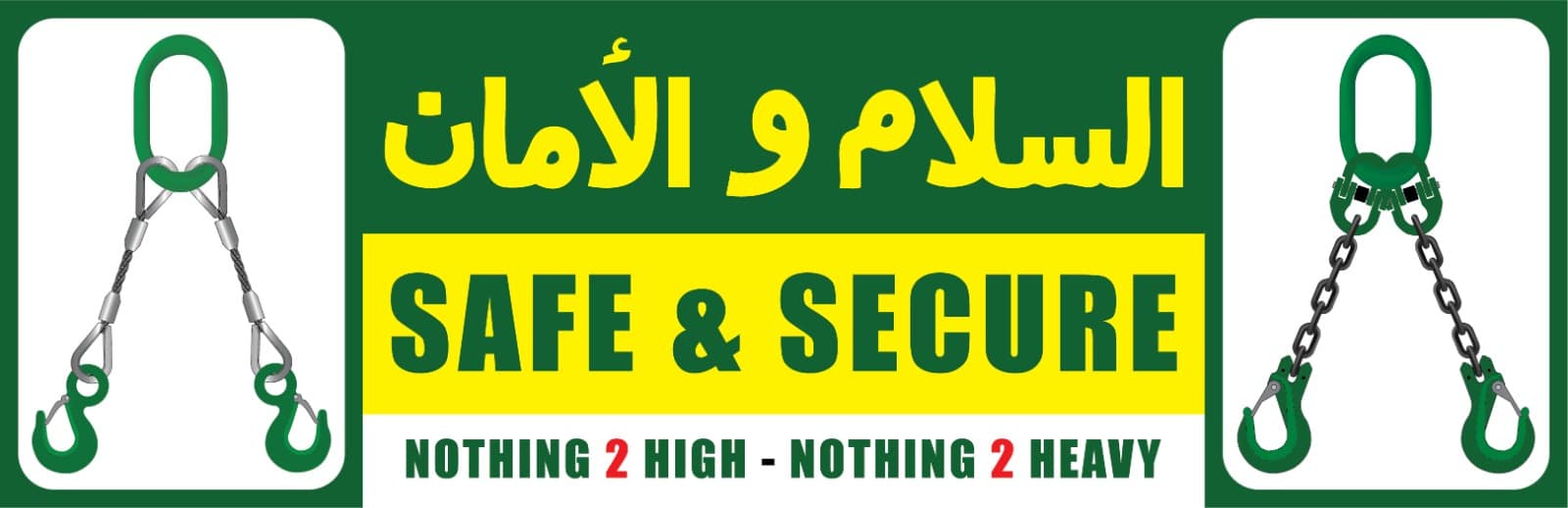
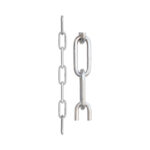
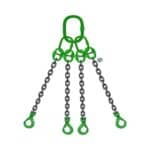
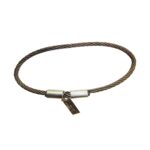
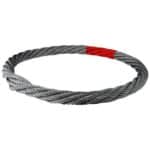
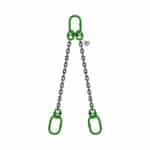
The two main contenders in the world of lifting are wire rope slings and chain slings. Wire rope slings are constructed from multiple strands of metal wire twisted together to form a strong and flexible rope, while chain slings are made from interconnected metal links. Each type has its own unique set of characteristics that make it suitable for different applications.
Wire rope slings are frequently used in construction, manufacturing, and rigging applications where flexibility, high strength-to-weight ratio, and cost-effectiveness are important considerations. On the other hand, chain slings excel in heavy-duty environments that require exceptional durability, heat resistance, and ease of inspection. Understanding these fundamental differences is the first step in choosing the right sling for your specific needs.
Deep Dive: Wire Rope Slings – Strength in Strands
Unraveling the Anatomy: Construction and Materials
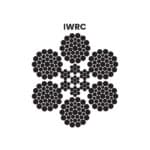
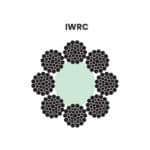
Wire rope slings are intricate assemblies built from several components. The core, often made of fiber or steel, provides support and acts as a foundation for the strands. These strands, comprising multiple wires twisted together, are then laid helically around the core. The “lay” refers to the direction and tightness of the strand wrapping, influencing the sling’s flexibility and resistance to abrasion.
The material used in wire rope construction significantly impacts its strength, durability, and resistance to environmental factors. Carbon steel is a common choice, offering a good balance of strength and cost-effectiveness. Stainless steel wire rope provides enhanced corrosion resistance, making it ideal for marine and chemical environments. Selecting the appropriate material is crucial for ensuring the sling’s longevity and safety.
[IMAGE: A cross-sectional diagram of a wire rope sling, highlighting the core, strands, and wires.]
The Pros: Flexibility, Strength-to-Weight Ratio, and Cost-Effectiveness
- ✅ High strength-to-weight ratio: Wire rope slings provide significant lifting capacity without being excessively heavy, making them easier to handle and maneuver on job sites. This is particularly advantageous in situations where manual handling is required.
- ✅ Flexibility: The construction of wire rope allows it to bend and conform to the shape of the load, providing a secure grip and minimizing stress concentrations. This flexibility makes wire rope slings ideal for lifting objects with irregular shapes or delicate surfaces.
- ✅ Cost-effective: Generally, wire rope slings have a lower initial cost than chain slings, making them an attractive option for budget-conscious projects. The lower cost can be beneficial for operations with high sling turnover or limited budgets.
For many of our clients here in Dammam, we’ve seen that the flexibility of wire rope slings translates to faster and more efficient lifting operations, particularly in complex rigging scenarios.
The Cons: Susceptibility to Damage and Inspection Challenges
- ❌ Susceptible to crushing and abrasion: The outer wires of a wire rope sling can be easily damaged by sharp edges, crushing forces, or abrasive surfaces. This damage can weaken the sling and reduce its lifting capacity.
- ❌ Difficult to inspect for internal damage: Internal corrosion or broken wires within the strands can be difficult to detect during routine inspections. These hidden defects can compromise the sling’s integrity and lead to unexpected failures.
- ❌ Requires more frequent replacement: Due to their susceptibility to damage and the challenges associated with inspection, wire rope slings typically require more frequent replacement than chain slings. This can increase the long-term cost of using wire rope slings.
We’ve observed that environments with heavy abrasion or frequent contact with sharp edges can significantly shorten the lifespan of a wire rope sling, necessitating more frequent inspections and replacements.
Deep Dive: Chain Slings – The Heavy-Duty Champion
Forged in Fire: Construction and Materials
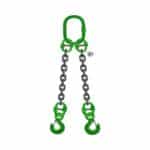
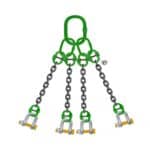
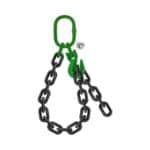
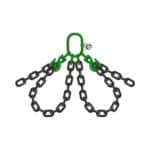
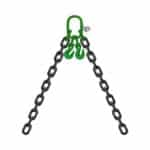
Chain slings are built to withstand immense loads and harsh conditions. They are typically constructed from alloy steel links that are forged and heat-treated to achieve exceptional strength and durability. The individual links are interconnected to form a chain, which is then fitted with master links at the top and hooks or other end fittings at the bottom.
Alloy steel is the material of choice for chain slings due to its superior strength, toughness, and resistance to wear and tear. The heat treatment process further enhances these properties, making the chain capable of withstanding high temperatures and impact loads. This robust construction ensures that chain slings can handle the most demanding lifting applications.
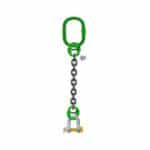
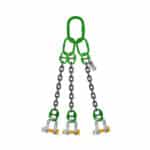
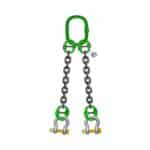
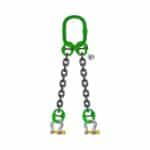
[IMAGE: A detailed view of a chain sling, showing the alloy steel links, master link, and hook.]
The Pros: Durability, Heat Resistance, and Easy Inspection
- ✅ Highly durable and resistant to abrasion: Chain slings are incredibly resistant to abrasion, cutting, and other forms of physical damage. This durability makes them ideal for use in harsh environments where slings are exposed to rough surfaces or sharp edges.
- ✅ Heat resistant: Alloy steel chain slings can withstand high temperatures without significant loss of strength, making them suitable for use in foundries, steel mills, and other high-heat environments. This heat resistance ensures that the sling will maintain its integrity even when exposed to elevated temperatures.
- ✅ Easy to inspect for wear and damage: The individual links of a chain sling can be easily inspected for wear, elongation, or other signs of damage. Clear visual indicators make it easy to identify and remove damaged slings from service.
One of our clients in the steel industry found that chain slings lasted significantly longer than wire rope slings in their high-temperature environment, resulting in reduced downtime and lower replacement costs.
The Cons: Weight, Cost, and Potential for Sudden Failure
- ❌ Heavy and difficult to handle, especially in larger sizes: Chain slings are significantly heavier than wire rope slings of comparable lifting capacity. This weight can make them difficult to handle, especially in larger sizes, and can increase the risk of operator fatigue and strain.
- ❌ More expensive than wire rope slings: The higher material and manufacturing costs of chain slings result in a higher initial purchase price compared to wire rope slings. This can be a significant factor for projects with limited budgets.
- ❌ Can fail suddenly without warning if overloaded: While chain slings are incredibly strong, they can fail suddenly and catastrophically if overloaded or subjected to excessive shock loads. This sudden failure can pose a significant safety risk.
We’ve seen instances where improper sling angle calculations led to overloading of chain slings, resulting in sudden failures and highlighting the importance of proper training and planning.
Head-to-Head: Key Factors Compared
Strength and Load Capacity: Which Sling Can Handle the Weight?
Wire rope slings and chain slings both offer impressive strength, but their working load limits (WLL) vary depending on their size, construction, and material. Generally, chain slings can handle heavier loads than wire rope slings of similar diameter. It’s crucial to always consult the manufacturer’s specifications and adhere to the recommended WLL.
Safety factors play a critical role in determining the safe working load of a sling. These factors, typically ranging from 4:1 to 5:1, provide a margin of safety to account for dynamic loading, shock loads, and other unforeseen conditions. Derating, or reducing the WLL, may be necessary in certain situations, such as when slings are used at angles or in high-temperature environments.
Durability and Resistance: Standing Up to the Elements
Chain slings demonstrate superior resistance to abrasion, cutting, and high temperatures compared to wire rope slings. This makes them ideal for use in harsh environments where slings are exposed to rough surfaces, sharp edges, or extreme heat. Wire rope slings, on the other hand, are more susceptible to damage from these factors.
Environmental conditions can significantly impact the lifespan of both types of slings. Corrosion, particularly in marine environments, can weaken both wire rope and chain slings. Regular inspection and maintenance, including lubrication and cleaning, are essential for mitigating the effects of environmental factors and extending sling lifespan. Alloy chain sling performs better in highly corrosive environments.
Flexibility and Handling: Ease of Use in Different Applications
Wire rope slings are generally more flexible and easier to handle than chain slings. Their ability to bend and conform to the shape of the load makes them well-suited for lifting objects with irregular shapes or delicate surfaces. Chain slings, due to their rigid construction, can be more difficult to maneuver and may require additional rigging hardware.
The weight of the sling can also impact operator fatigue. Wire rope slings are typically lighter than chain slings of comparable lifting capacity, which can reduce the physical strain on workers during lifting operations. Proper ergonomic practices and the use of lifting aids can further minimize the risk of fatigue-related injuries.
Inspection and Maintenance: Keeping Your Slings Safe
Regular inspection is paramount for ensuring the safety and reliability of both wire rope and chain slings. Inspections should be conducted before each use and at regular intervals, with the frequency depending on the severity of the operating environment and the frequency of use. Sling inspection is essential to avoiding hazards.
Wire rope slings should be inspected for signs of wear, broken wires, corrosion, and distortion. Chain slings should be inspected for wear, elongation, cracks, and other signs of damage. Any sling that fails inspection should be immediately removed from service and either repaired or replaced. Proper maintenance, including lubrication and cleaning, can also help extend the lifespan of slings.
Cost Analysis: Balancing Initial Investment and Long-Term Expenses
The initial cost of wire rope slings is generally lower than that of chain slings. However, the long-term costs can vary depending on the frequency of use, the severity of the operating environment, and the maintenance practices employed. Wire rope slings typically require more frequent replacement than chain slings, which can increase the long-term costs.
Chain slings, while more expensive initially, may offer a lower total cost of ownership in harsh environments where their durability and resistance to damage result in longer service life. A thorough cost analysis, considering both initial investment and long-term expenses, is essential for making an informed decision.
Real-World Scenarios: Choosing the Right Sling for the Job
Construction Sites: Heavy Lifting and Harsh Environments
Construction sites often involve heavy lifting in abrasive and unpredictable environments. Chain slings are generally recommended for lifting steel beams, concrete panels, and other heavy materials due to their superior durability and resistance to damage. The ability of chain slings to withstand harsh conditions makes them a reliable choice for construction applications.
However, wire rope slings can be used for lighter lifts and applications where flexibility is important. When using wire rope slings on construction sites, it’s crucial to protect them from sharp edges and abrasive surfaces to prevent damage and extend their lifespan. Synthetic sling options exist as well.
Manufacturing Plants: Precision Lifting and Repetitive Tasks
Manufacturing plants often require precision lifting and repetitive tasks. Wire rope slings are often preferred in these settings due to their flexibility, ease of handling, and lower weight. The ability of wire rope slings to conform to the shape of the load and minimize stress concentrations makes them ideal for lifting machinery, equipment, and components.
For heavier lifts or applications where durability is a concern, chain slings can be used. In repetitive tasks, ergonomic considerations are important. Using lighter wire rope slings can help reduce operator fatigue and improve efficiency.
Shipyards and Offshore Platforms: Corrosion Resistance and Heavy Loads
Shipyards and offshore platforms present unique challenges due to saltwater corrosion and extreme weather conditions. Chain slings made from corrosion-resistant alloys are often the best choice for lifting ship sections, containers, and offshore equipment in these environments. The durability and resistance to corrosion of chain slings ensure their reliability in harsh marine environments.
Wire rope slings can be used for certain applications, but they require careful inspection and maintenance to prevent corrosion. Regular lubrication and the use of corrosion-resistant coatings can help extend the lifespan of wire rope slings in marine environments.
Safety First: Best Practices for Sling Usage
Proper Sling Selection: Matching the Sling to the Load
Selecting the right sling for the specific load and application is crucial for ensuring safety. Factors to consider include the weight, shape, and dimensions of the load, as well as the lifting angle and environmental conditions. Always consult the manufacturer’s specifications and adhere to the recommended working load limit (WLL). Sling capacity should be considered carefully.
Never use a sling that is damaged, worn, or has been modified in any way. Ensure that the sling is compatible with the lifting equipment and that all rigging hardware is properly sized and installed. Training personnel in proper sling selection and usage is essential for preventing accidents.
Regular Inspections: Catching Problems Before They Happen
Regular inspections are essential for identifying potential problems before they lead to accidents. Inspections should be conducted before each use and at regular intervals, with the frequency depending on the severity of the operating environment and the frequency of use. Regular sling inspection is critical for safety.
Inspect wire rope slings for signs of wear, broken wires, corrosion, and distortion. Inspect chain slings for wear, elongation, cracks, and other signs of damage. Any sling that fails inspection should be immediately removed from service and either repaired or replaced. Keep a detailed record of all inspections and maintenance activities.
Safe Lifting Techniques: Minimizing Risks and Maximizing Efficiency
Using proper lifting techniques is crucial for minimizing risks and maximizing efficiency. Ensure that the load is properly balanced and secured before lifting. Use the correct hitch and avoid sharp edges that could damage the sling. Avoid sudden starts, stops, or swinging motions.
Communicate clearly with all lifting personnel and use hand signals or radio communication to coordinate the lift. Never exceed the sling’s working load limit (WLL). Keep personnel clear of the load during lifting operations. Training and experience are key factors in overhead lifting safety.
Expert Insights: Tips and Tricks from the Field
Maximizing Sling Lifespan: Proper Care and Maintenance
Proper care and maintenance can significantly extend the lifespan of wire rope and chain slings. Lubricate wire rope slings regularly to reduce friction and prevent corrosion. Clean chain slings to remove dirt, grease, and other contaminants. Store slings in a dry, protected environment to prevent damage.
Avoid dragging slings across abrasive surfaces or exposing them to harsh chemicals. Repair or replace damaged slings promptly to prevent further deterioration. Follow the manufacturer’s recommendations for care and maintenance.
Identifying Potential Hazards: Recognizing Warning Signs
Being able to identify potential hazards is crucial for preventing accidents. Watch for signs of overloading, such as excessive stretching or distortion of the sling. Look for signs of abrasion, cutting, or corrosion. Be aware of the potential for sharp edges to damage the sling.
Pay attention to environmental conditions, such as high temperatures or exposure to chemicals, that could weaken the sling. If you suspect that a sling is damaged or unsafe, remove it from service immediately and consult with a rigging expert.
Advanced Sling Techniques: Optimizing Performance and Safety
Advanced sling techniques, such as using multiple slings to distribute the load, can optimize performance and safety in certain situations. When using multiple slings, ensure that the load is evenly distributed among the slings and that the lifting angle is within the recommended limits.
Consider using specialized rigging hardware, such as spreader bars or equalizer beams, to improve load distribution and stability. Consult with a rigging expert to determine the best sling configuration for your specific application.
“The best safety device is a careful person.” Rigging Expert, SSTC
Conclusion: The Final Verdict
Wire Rope Sling: Best for applications prioritizing flexibility, weight, and cost-effectiveness.
Wire rope slings offer a good balance of strength, flexibility, and cost-effectiveness, making them a versatile choice for a wide range of lifting applications. Their lighter weight and ease of handling can improve efficiency and reduce operator fatigue.
Chain Sling: Best for heavy-duty applications requiring durability, heat resistance, and ease of inspection.
Chain slings excel in harsh environments where durability and resistance to damage are paramount. Their ability to withstand high temperatures and their ease of inspection make them a reliable choice for demanding lifting operations.
The Bottom Line: Choosing the Right Sling for Your Specific Needs
Ultimately, the best choice between wire rope sling and chain slings depends on the specific requirements of each lifting operation. Consider the weight, shape, and dimensions of the load, as well as the lifting angle and environmental conditions.
SSTC’s Recommendation
For our clients here in Dammam, we often recommend wire rope slings for lighter, more flexible lifting needs and chain slings for the demanding environments of the oil and gas industry.
FAQ Section
Q: How often should slings be inspected?
A: Slings should be inspected before each use and at regular intervals, with the frequency depending on the severity of the operating environment and the frequency of use. At a minimum, a thorough inspection should be conducted annually.
Q: What are the common causes of sling failure?
A: Common causes of sling failure include overloading, abrasion, cutting, corrosion, improper lifting techniques, and lack of inspection and maintenance.
Q: Can slings be repaired?
A: Some slings can be repaired, but only by qualified personnel and in accordance with the manufacturer’s recommendations. Wire rope slings can sometimes have broken wires repaired, while chain slings can have damaged links replaced. However, not all damage is repairable, and it is often safer and more cost-effective to replace a damaged sling.
Q: What is the working load limit (WLL)?
A: The working load limit (WLL) is the maximum weight that a sling is designed to lift safely. It is typically marked on the sling tag or in the manufacturer’s specifications. Never exceed the sling’s WLL.
Q: What is a safety factor?
A: A safety factor is a ratio of the sling’s breaking strength to its working load limit (WLL). It provides a margin of safety to account for dynamic loading, shock loads, and other unforeseen conditions. Common safety factors for slings range from 4:1 to 5:1.
Q: How should slings be stored?
A: Slings should be stored in a dry, protected environment to prevent damage. Avoid storing slings in direct sunlight or near chemicals that could corrode or damage them. Hang slings neatly or store them in a container to prevent tangling and damage.
Q: What is the difference between a wire rope sling and a synthetic sling?
A: Wire rope slings are made from strands of metal wire twisted together, while synthetic slings are made from materials such as nylon or polyester. Synthetic slings are lighter and more flexible than wire rope slings, but they may not be as durable or resistant to heat and abrasion.
Q: What is an alloy chain sling?
A: An alloy chain sling is a type of chain sling made from alloy steel. Alloy steel is a type of steel that has been strengthened by the addition of other elements, such as manganese, silicon, or chromium. Alloy chain slings are known for their high strength, durability, and resistance to wear and tear.