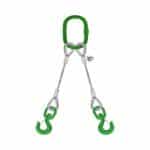
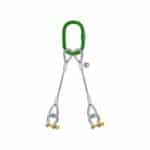
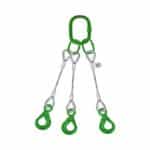
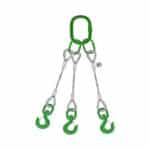
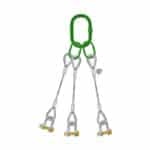
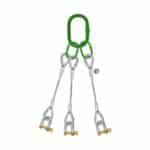
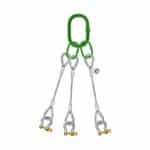
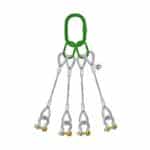
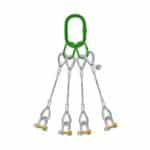
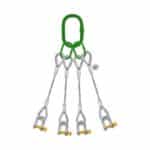
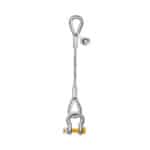
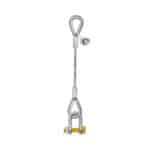
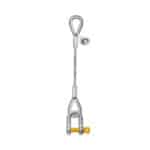
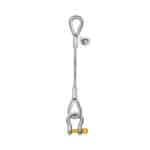
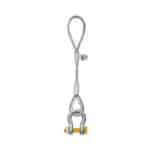
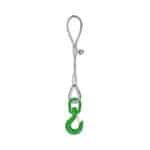
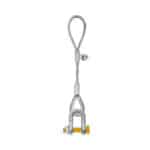
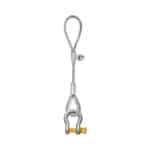
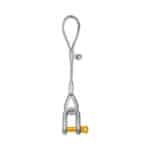
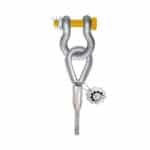
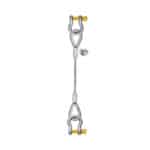
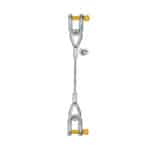
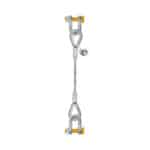
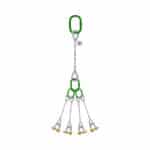
Shackles are the unsung heroes of rigging, playing a critical role in countless industries and applications. From construction sites to marine operations, these seemingly simple pieces of metal are essential for safe and efficient lifting and connection tasks. However, not all shackles are created equal. Different types of shackles are designed for specific purposes, each with its own strengths and limitations. Understanding these differences is paramount for ensuring the safety of personnel and the integrity of equipment.
1. Introduction: The Unsung Hero of Rigging
1.1. Shackles: More Than Just Metal Loops
Shackles are much more than simple metal loops; they are fundamental rigging components. They serve as the crucial link between loads and lifting devices, enabling the safe and efficient transfer of weight and force. Without shackles, many lifting and connection operations would be impossible, or at the very least, significantly more dangerous. Their robust design and reliable performance make them indispensable in a wide range of industries. We see our clients rely on shackles daily to keep their operations running safely and efficiently.
1.2. Why Understanding Shackle Types Matters
Selecting the right type of shackle for a specific application is vital for preventing accidents and ensuring structural integrity. Improper shackle use can lead to catastrophic failures, resulting in equipment damage, serious injuries, or even fatalities. According to recent industry reports, approximately 20% of rigging-related accidents are attributed to the use of incorrect or damaged shackles. For many of our clients here in Dammam, we’ve seen that understanding the subtle but critical differences between shackle types can prevent costly and dangerous accidents. Therefore, a thorough understanding of types of shackles and their appropriate uses is crucial for anyone involved in rigging and lifting operations.
1.3. Data-Driven Approach to Shackle Selection
Informed decision-making is essential when selecting shackles. It’s important to consider load capacities, environmental conditions, and specific operational requirements. Relying solely on guesswork or past practices can be risky. Instead, a data-driven approach, based on accurate load calculations, material specifications, and industry standards, is necessary. By carefully analyzing these factors, operators can choose the right shackle for the job, ensuring safety and efficiency.
2. D-Shackles (or Chain Shackles): The Workhorse
2.1. Design and Functionality
✅ D-shackles, also known as chain shackles, are characterized by their distinctive narrow “D” shape. This design makes them well-suited for single-leg lifting and connection applications where the load is primarily applied in a straight line. The compact shape also allows for easy integration into various rigging setups. They are a very common type of lifting shackle found in the industry.
2.2. Load Capacity Analysis
💡 Due to their shape, D-shackles typically have a lower load capacity compared to bow shackles. The D-shape concentrates stress at the curved portion of the shackle, limiting its overall strength. For example, a standard 3/4-inch D-shackle may have a Working Load Limit (WLL) of 4.75 tons, while a similarly sized bow shackle might have a WLL of 6.5 tons. We have found that this difference is crucial to understand when planning a lifting operation, and can be found on the shackle strength rating.
2.3. Ideal Applications
➡️ D-shackles find wide use in applications such as attaching slings to loads, connecting chains, and light-duty rigging. They are commonly used in construction, manufacturing, and transportation industries. Their simplicity and ease of use make them a popular choice for many general-purpose rigging tasks. For example, they are often used to connect a load to a crane hook or to join two sections of chain.
2.4. Limitations and Precautions
D-shackles are susceptible to side-loading issues, which can significantly reduce their load capacity and increase the risk of failure. Side-loading occurs when the load is applied at an angle to the shackle’s centerline, creating bending stresses. To prevent side-loading, it is essential to ensure that the load is applied in a straight line along the shackle’s axis. Additionally, proper pin tightening is crucial to ensure a secure connection and prevent the pin from loosening during operation.
3. Bow Shackles: For Wider Load Distribution
3.1. Design and Functionality
✅ Bow shackles distinguish themselves with their wider “O” shape, in contrast to the D-shackle’s narrower form. This design feature allows for multi-leg lifting configurations and accommodates greater angular loading. The increased bow area provides more space for attaching multiple slings or ropes, making them versatile for complex rigging setups. We’ve always recommended bow shackles when our clients need to accommodate multi-legged rigging operations.
3.2. Load Capacity Advantages
💡 The bow shackle‘s design facilitates a more even distribution of load across the shackle body, leading to a higher load capacity compared to D-shackles of similar size. This enhanced load distribution minimizes stress concentration points, resulting in greater overall strength and reliability. For instance, a 1-inch bow shackle might have a WLL of 8.5 tons, while a similarly sized D-shackle might only have a WLL of 6.5 tons.
3.3. Ideal Applications
➡️ Bow shackles are frequently employed in connecting multiple slings, providing a larger connection point, and handling heavy-duty rigging tasks. They are commonly utilized in construction, marine operations, and heavy machinery lifting. Their robust design and high load capacity make them well-suited for demanding applications where safety is paramount.
3.4. Considerations for Use
Bow shackles can be prone to deformation under extreme angular loads. Regular inspection is crucial to identify any signs of bending, cracking, or other damage. Angular loading should be minimized whenever possible to prevent premature wear and maintain the shackle’s integrity. Our team always reinforces the importance of proper rigging techniques with our clients to minimize these risks.
4. Screw Pin Shackles: Simplicity and Speed
4.1. Design and Functionality
✅ Screw pin shackles feature an easy-to-use threaded pin mechanism that allows for quick connections and disconnections. The pin is simply screwed into the shackle body, providing a secure connection without the need for additional tools. This design makes them convenient for applications where frequent changes are required.
4.2. Application Scenarios
💡 Screw pin shackles are particularly useful in situations where quick connections and disconnections are necessary, such as temporary setups and rigging adjustments. They are often used in construction, entertainment, and event industries, where speed and efficiency are essential. For example, they are commonly used to attach lighting fixtures to truss systems or to secure temporary scaffolding.
4.3. Safety Limitations
Screw pin shackles are NOT suitable for applications where the load may shift or rotate, as this can cause the pin to unscrew and potentially disengage. This limitation makes them unsuitable for critical lifting operations or applications where the load is subject to dynamic forces. We always advise our clients to carefully consider the potential for pin loosening before using screw pin shackles.
4.4. Visual Inspection is Key
➡️ Frequent visual inspections are essential to ensure the pin remains fully engaged. Operators should regularly check the pin to ensure it is properly screwed in and that there are no signs of loosening or damage. Any shackle with a loose or damaged pin should be immediately removed from service.
5. Bolt Type Shackles: Enhanced Security
5.1. Design and Functionality
✅ Bolt type shackles feature a bolt, nut, and cotter pin for a secure, vibration-resistant connection. The bolt is inserted through the shackle body and secured with a nut, which is then locked in place with a cotter pin. This design provides a high level of security and prevents the pin from loosening due to vibration or accidental impact.
5.2. Ideal Applications
💡 Bolt type shackles are ideal for scenarios requiring high security and resistance to vibration, such as permanent installations and critical lifting operations. They are commonly used in the oil and gas industry, offshore operations, and infrastructure projects. Their robust design and secure connection make them well-suited for demanding applications where safety is paramount.
5.3. Maintenance Requirements
Proper torqueing of the bolt is essential to ensure a secure connection. Regular inspection of the cotter pin is also necessary to ensure it remains in place and is not damaged. The bolt and nut should be tightened to the manufacturer’s specifications, and the cotter pin should be replaced if it shows any signs of wear or corrosion.
5.4. Disassembly Considerations
➡️ Disassembly of bolt type shackles requires tools, making them less suitable for applications needing frequent changes. The bolt and nut must be loosened with a wrench, and the cotter pin must be removed before the shackle can be disassembled. This process can be time-consuming and may require specialized tools.
6. Safety Shackles: Redefining Security
6.1. Design and Functionality
✅ Safety shackles typically feature a locking mechanism in addition to a bolt, for enhanced protection against accidental opening. This locking mechanism may consist of a secondary pin, a spring-loaded latch, or another type of locking device. The additional locking feature provides an extra layer of security, preventing the shackle from opening even if the primary bolt fails.
6.2. Enhanced Safety Measures
💡 Safety shackles provide increased security, especially in harsh environments or applications with high risk. They are designed to withstand extreme conditions and prevent accidental disconnections, reducing the risk of accidents and injuries. This additional level of security makes them a valuable asset in demanding applications where safety is paramount.
6.3. Application Niches
Safety shackles find their niche in applications where enhanced safety is paramount, such as offshore operations and critical infrastructure projects. They are often used in the oil and gas industry, marine operations, and construction of bridges and dams. Their robust design and enhanced safety features make them well-suited for these demanding environments.
6.4. Cost-Benefit Analysis
➡️ While safety shackles may have a higher cost compared to standard shackles, the increased safety and risk mitigation they provide often justify the investment. The cost of a shackle failure can be significant, including equipment damage, injuries, and downtime. By investing in safety shackles, operators can reduce the risk of these costly incidents.
7. Material Matters: Steel, Alloy, and More
7.1. Carbon Steel Shackles
✅ Carbon steel shackles are a cost-effective option for general-purpose applications. They offer good strength and durability for everyday lifting and rigging tasks. However, they are susceptible to corrosion in harsh environments and may not be suitable for heavy-duty applications. A typical carbon steel shackle has a tensile strength of around 60,000 psi.
7.2. Alloy Steel Shackles
💡 Alloy steel shackles offer enhanced strength and durability, making them ideal for heavy-duty lifting and demanding applications. They are made from a blend of steel and other elements, such as chromium, nickel, and molybdenum, which increase their strength, toughness, and resistance to wear. Alloy steel shackles can have a tensile strength of up to 120,000 psi, significantly higher than carbon steel shackles.
7.3. Stainless Steel Shackles
➡️ Stainless steel shackles are highly resistant to corrosion, making them suitable for marine and chemical environments. They are made from a blend of steel and chromium, which forms a protective layer that prevents rust and other forms of corrosion. Stainless steel shackles are commonly used in the food and beverage industry, pharmaceutical industry, and other applications where hygiene is critical.
7.4. Other Materials
Other materials used in shackle manufacturing include aluminum and specialized alloys. Aluminum shackles are lightweight and corrosion-resistant, making them suitable for applications where weight is a concern. Specialized alloys are used in shackles designed for extreme conditions, such as high temperatures or corrosive environments. The selection of shackle materials depends on the application.
8. Understanding Working Load Limit (WLL) and Safety Factor
8.1. Defining WLL
✅ Working Load Limit (WLL) is the maximum load that a shackle is designed to safely support in a given application. It is typically marked on the shackle itself and should never be exceeded. The WLL takes into account the strength of the shackle material, the design of the shackle, and the intended application. It is a crucial factor in ensuring safe lifting operations.
8.2. Safety Factor Explained
💡 The safety factor is a ratio that compares the shackle’s minimum breaking strength (MBS) to its WLL. It is designed to ensure that the shackle can withstand loads beyond its rated capacity without failing. A typical safety factor for shackles is 5:1, meaning that the shackle’s MBS is five times greater than its WLL. This safety factor provides a margin of safety to account for unexpected loads, dynamic forces, and other factors that can affect the shackle’s performance.
8.3. The Danger of Exceeding WLL
Exceeding the WLL can have severe consequences, including shackle failure, load dropping, and potential injuries. When a shackle is overloaded, it can deform, crack, or even break, causing the load to fall. This can result in serious damage to equipment, injuries to personnel, and even fatalities. According to the latest data from the Industrial Safety Council, 15% of all crane-related accidents are due to overloading rigging equipment.
8.4. Proper Load Calculation Techniques
Proper load calculation techniques are essential for selecting shackles with an appropriate WLL. Operators should accurately calculate the weight of the load to be lifted, taking into account any additional forces that may be applied, such as wind, acceleration, or impact. The selected shackle should have a WLL that is equal to or greater than the calculated load. It is always better to err on the side of caution and select a shackle with a higher WLL than necessary.
9. Inspection and Maintenance: Ensuring Longevity
9.1. Regular Inspection Procedures
✅ Regular inspection procedures are vital for ensuring the longevity and safety of shackles. Inspections should include checking for cracks, deformation, wear, and corrosion. Shackles should be visually inspected before each use, and a more thorough inspection should be conducted periodically, depending on usage and environmental conditions. Any shackle that shows signs of damage or wear should be immediately removed from service.
9.2. Frequency of Inspections
The frequency of inspections depends on the usage and environmental conditions. Shackles used frequently or in harsh environments should be inspected more often than those used infrequently or in mild environments. A general guideline is to inspect shackles daily for signs of damage or wear, and to conduct a more thorough inspection at least quarterly.
9.3. Proper Cleaning and Lubrication
Proper cleaning and lubrication are essential for preventing corrosion and ensuring smooth operation. Shackles should be cleaned regularly to remove dirt, debris, and other contaminants. They should also be lubricated with a suitable lubricant to prevent rust and corrosion. The lubricant should be applied to all moving parts, such as the pin and threads.
9.4. Replacement Criteria
➡️ Shackles should be replaced if they exceed wear limits, discover cracks, or experience deformation. The manufacturer’s recommendations should be followed when determining wear limits. Cracks can be detected through visual inspection or with the use of dye penetrant testing. Deformation can be measured with calipers or other measuring tools. Any shackle that exhibits these signs of damage should be immediately removed from service and replaced with a new one.
10. Case Studies: Real-World Applications
10.1. Construction Site Rigging
In a recent construction project in Riyadh, shackles were used to lift and position precast concrete panels. D-shackles were used to attach the panels to the crane hook, while bow shackles were used to connect multiple slings to the panels for balanced lifting. Safety shackles were used in critical lifting operations to provide an extra layer of security. The project managers reported that the use of appropriate types of shackles and regular inspections were essential for ensuring the safety of the workers and the integrity of the structure.
10.2. Marine Salvage Operations
In a marine salvage operation off the coast of Jeddah, shackles were used to lift a sunken vessel. Stainless steel shackles were used to resist corrosion from the saltwater environment. The salvage team faced the challenge of working in rough seas and strong currents. The use of high-strength shackles and careful rigging techniques were essential for successfully lifting the vessel without further damage.
10.3. Crane Lifting in Manufacturing
A manufacturing plant in Jubail uses cranes to lift and move heavy machinery components. Bolt type shackles are used to provide a secure and vibration-resistant connection. The plant operators emphasize the importance of selecting shackles with the appropriate WLL for repetitive lifting tasks. Regular inspections are conducted to ensure that the shackles are in good condition and that the bolts are properly torqued.
11. The Future of Shackle Technology
11.1. Smart Shackles with Load Monitoring
Smart shackles are equipped with sensors that monitor load and provide real-time data. These sensors can measure the weight of the load, the angle of the load, and the stress on the shackle. This data can be transmitted wirelessly to a central monitoring system, allowing operators to track the performance of the shackle and detect potential overloads or other problems.
11.2. Advanced Materials and Designs
New materials and designs are being developed to improve shackle strength, durability, and safety. These materials include advanced alloys, composites, and polymers. New designs are being developed to optimize load distribution and minimize stress concentrations. These advancements have the potential to significantly improve the performance and safety of shackles in a variety of applications.
11.3. The Role of IoT in Rigging
The Internet of Things (IoT) can be used to connect shackles and other rigging equipment, enabling remote monitoring and predictive maintenance. IoT sensors can track the condition of shackles, detect potential problems, and alert operators to take corrective action. This can help to prevent accidents and extend the lifespan of rigging equipment. We at Safe and Secure Trading Company see the promise of IoT in rigging and believe it will improve safety.
12. Conclusion: Choosing the Right Shackle for the Job
12.1. Key Takeaways: Shackle Selection Best Practices
Selecting the right shackle involves careful consideration of several factors, including load capacity, application, environment, and safety requirements. Always choose a shackle with a WLL that is equal to or greater than the calculated load. Consider the environmental conditions and select a shackle made from a suitable material. Prioritize safety and choose shackles with appropriate safety features.
12.2. Importance of Training and Competency
Proper training and competency in rigging and lifting operations are essential for ensuring safe shackle use. Rigging personnel should be trained in the proper selection, inspection, and use of shackles. They should also be familiar with industry standards and regulations. Only qualified and competent personnel should be allowed to perform rigging operations.
12.3. Final Thoughts: Prioritizing Safety
Prioritizing safety in all rigging activities is essential. By selecting the right shackles, following proper inspection and maintenance procedures, and ensuring that rigging personnel are properly trained, operators can significantly reduce the risk of accidents and injuries. Safety should always be the top priority in any rigging operation.
> “Safety is not an intellectual exercise to keep us in work. It is a matter of life and death. It is the sum of our contributions to safety management that determines whether the people we work with live or die.” – Sir Brian Appleton, Engineering Consultant
FAQ Section
Q: What is the difference between a D-shackle and a bow shackle?
A: A D-shackle has a narrower, D-shaped body, making it suitable for single-leg lifting. A bow shackle has a wider, O-shaped body, allowing for multi-leg lifting and greater angular loading.
Q: What is the Working Load Limit (WLL)?
A: The Working Load Limit (WLL) is the maximum load that a shackle is designed to safely support in a given application.
Q: What is a safety factor?
A: A safety factor is a ratio that compares the shackle’s minimum breaking strength (MBS) to its WLL, providing a margin of safety.
Q: How often should shackles be inspected?
A: Shackles should be visually inspected before each use and a more thorough inspection should be conducted periodically, depending on usage and environmental conditions.
Q: What are the signs that a shackle needs to be replaced?
A: Shackles should be replaced if they exceed wear limits, discover cracks, or experience deformation.