Sling Safety: Prevent Accidents
Slings are essential tools in various industries, but their misuse can lead to severe accidents. Understanding and implementing proper sling safety precautions is crucial for preventing workplace injuries and ensuring operational efficiency. This article outlines critical steps and best practices to maintain a safe lifting environment. Safe and Secure Trading Company is dedicated to providing expert guidance to keep your operations secure.
1. ✅ Conduct Regular Sling Inspections
Thorough inspection is paramount for identifying wear and tear. Regular checks can help catch any potential issues early, preventing accidents before they happen. We emphasize that a proactive approach to inspection is more effective. A recent study indicates that over 40% of sling failures are due to inadequate inspection protocols. This highlights the need for a robust inspection system.
1.1 Visual Inspection Checklist
Checking for cuts, abrasions, and damages is a key step in ensuring web sling safety. Look for signs of chemical damage or heat exposure that could compromise the sling’s integrity. Verifying the legibility of sling identification tags is equally important, as illegible tags make it difficult to determine the sling’s sling load capacity and other critical information. We always recommend that our clients use a detailed checklist during inspections to ensure no critical areas are overlooked.
1.2 Frequency of Inspections
Mandate daily inspections before each use to identify immediate issues that may have occurred since the last inspection. Implement monthly inspections for slings in regular use to catch developing problems. Conduct annual inspections by a qualified professional to provide a thorough assessment of the sling’s condition. Here at Safe and Secure Trading Company, we advise that you integrate these inspections into your regular maintenance schedule to maintain high safety standards.
1.3 Documenting Inspections
Maintaining a log of all sling inspections is essential for tracking the condition of your slings. Include details such as the date of inspection, the inspector’s name, and specific findings. Ensure the log is easily accessible for audits and reference. We’ve found that digital logs are particularly effective for our clients in managing inspection records efficiently.
2. 💡 Know Your Sling’s Load Capacity
Understanding and adhering to load limits prevents overloading and accidents. Exceeding a sling’s working load limit (WLL) can cause catastrophic failure, leading to serious injuries or fatalities. Always verify the load and sling load capacity before each lifting operation to ensure safety.
2.1 Working Load Limit (WLL)
Identifying the WLL marked on the sling tag is the first step in ensuring safe lifting. Understanding the difference between the WLL and breaking strength is crucial; the WLL is the maximum load a sling is designed to handle safely, while the breaking strength is the point at which the sling will fail. Ensuring the WLL matches the lifting task requirements is vital for preventing overloads. Our experience in Dammam has shown that clearly communicating the WLL to all personnel significantly reduces the risk of accidents.
2.2 Sling Angle Considerations
Understanding how sling angles affect load capacity is paramount for safe lifting. As the angle decreases, the tension on each sling leg increases. Calculating the effective load based on the sling angle is essential to avoid exceeding the WLL. Using appropriate hardware to maintain desired angles, such as spreaders, helps distribute the load safely. We often provide training sessions to our clients to help them understand these crucial concepts.
2.3 Dynamic Loading
Accounting for dynamic loading caused by sudden starts and stops is crucial for maintaining sling safety. Avoiding shock loads is essential to prevent overstressing the sling and potentially causing it to fail. Ensuring smooth and controlled lifting operations minimizes dynamic forces and enhances overall safety. Always check that your equipment is adequate to deal with any dynamic loading that may occur.
3. ➡️ Choose the Right Sling Type for the Job
Selecting the appropriate sling material based on the load and environment is essential for safe lifting operations. Different materials have different strengths and weaknesses, making certain slings more suitable for specific tasks. Using the wrong sling can lead to premature wear and failure, increasing the risk of accidents. Here’s a breakdown of the advantages and disadvantages of different sling types.
3.1 Web Sling Advantages and Disadvantages
Web slings are known for their flexibility and ease of use, making them suitable for a variety of lifting tasks. They are also relatively lightweight and can protect delicate loads from damage. However, web slings have limitations, especially in abrasive environments, where they can be easily cut or damaged. We recommend web slings for delicate loads and situations where flexibility is a priority.
3.2 Chain Sling Advantages and Disadvantages
Chain slings are highly durable and can withstand harsh conditions, including high temperatures and abrasive environments. They are ideal for heavy-duty applications and offer excellent strength. On the other hand, chain slings are heavier and can cause damage to sensitive loads. We often suggest chain slings for construction and heavy manufacturing environments.
3.3 Wire Rope Sling Advantages and Disadvantages
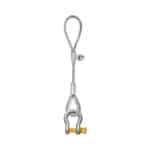
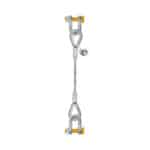
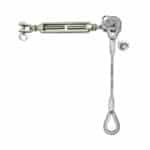
Wire rope slings offer a good balance of strength and abrasion resistance, making them suitable for high-cycle lifting operations. They are also relatively resistant to heat. However, wire rope slings can suffer from hidden damage, such as internal wire breaks, which can be difficult to detect. We recommend wire rope slings for tasks requiring high strength and durability, but regular inspections are crucial.
“Proper sling selection and regular inspections are key to preventing accidents and ensuring a safe lifting environment.” – John Smith, Certified Safety Engineer
4. 🔥 Protect Slings from Environmental Hazards
Exposure to chemicals, heat, and UV radiation can degrade sling materials, reducing their strength and lifespan. Protecting slings from these elements is crucial for maintaining their integrity and ensuring sling safety. A recent study showed that chemical exposure reduces sling lifespan by up to 50%, highlighting the importance of environmental protection.
4.1 Chemical Exposure
Identifying common chemicals that degrade synthetic sling safety is vital for preventing damage. Implementing proper cleaning procedures after chemical exposure can help mitigate the effects of contamination. Storing slings in a chemical-free environment prevents long-term degradation. We advise clients to always check the manufacturer’s guidelines for specific chemical compatibility information.
4.2 Heat Exposure
Understanding the temperature limits for different sling materials is crucial for preventing heat-related damage. Avoiding direct contact with heat sources, such as welding sparks or open flames, helps maintain sling integrity. Using heat-resistant slings in high-temperature environments, like foundries, provides an added layer of safety. Remember that extreme heat can significantly weaken the material of any sling.
4.3 UV Radiation
Protecting slings from prolonged exposure to sunlight can prevent UV degradation. Storing slings in shaded or covered areas reduces the amount of UV exposure they receive. Using UV-resistant slings for outdoor applications offers enhanced protection. We recommend clients in sunny climates to invest in UV-resistant options to extend the life of their slings.
5. 🧊 Proper Sling Storage
Correct storage preserves sling integrity and prevents damage. Improper storage can lead to kinks, cuts, and degradation, compromising the sling’s strength. Storing slings correctly can significantly extend their service life, reducing replacement costs and enhancing sling safety.
5.1 Storage Location
Choosing a clean, dry, and well-ventilated storage area prevents moisture and contaminants from damaging the slings. Avoiding areas with extreme temperatures or humidity helps maintain the material’s integrity. Ensuring the storage area is free from sharp objects prevents accidental cuts and abrasions. We always emphasize the importance of a dedicated storage space for all lifting equipment.
5.2 Sling Suspension
Hanging slings vertically prevents kinks and bends that can weaken the material. Using designated racks or hooks for storage keeps slings organized and easily accessible. Ensuring slings are not piled on top of each other prevents unnecessary pressure and potential damage. A well-organized storage system is a simple but effective way to extend the life of your slings.
5.3 Sling Protection
Covering slings protects them from dust and debris, which can cause abrasion and wear. Using sling protectors prevents abrasion, especially during storage and transportation. Regularly inspecting the storage area for potential hazards, such as sharp edges or chemical spills, ensures a safe environment for your slings.
6. 🧑💼 Train Personnel on Sling Safety
Proper training ensures that personnel understand safe lifting practices and adhere to safety procedures. Untrained workers are a major cause of sling-related accidents, highlighting the need for comprehensive training programs. Comprehensive training programs significantly reduce the risk of incidents and promote a culture of rigging safety.
6.1 Sling Inspection Training
Educating workers on how to conduct thorough lifting sling inspections is crucial for identifying potential defects. Providing hands-on training for identifying defects, such as cuts, abrasions, and chemical damage, ensures workers know what to look for. Ensuring workers understand the importance of documenting inspections reinforces accountability and helps maintain accurate records. We offer specialized training programs that focus on detailed inspection techniques.
6.2 Load Capacity Training
Teaching workers how to calculate load capacity based on sling angles is essential for preventing overloads. Providing practical exercises for determining safe lifting limits helps workers apply their knowledge in real-world scenarios. Ensuring workers understand the consequences of overloading reinforces the importance of adhering to WLL guidelines. Practical, hands-on training is always the most effective.
6.3 Safe Lifting Practices Training
Demonstrating proper lifting techniques, such as using tag lines and avoiding sudden movements, enhances sling safety. Teaching workers how to avoid shock loads and ensure smooth lifts prevents overstressing the slings. Ensuring workers understand the importance of clear communication during lifting operations promotes coordination and reduces the risk of miscommunication. Effective communication is key to any safe lifting operation.
7. ✍️ Follow Manufacturer’s Guidelines
Adhering to manufacturer’s recommendations ensures safe and effective sling use. Ignoring manufacturer’s guidelines can void warranties and increase the risk of accidents. Always consult the manufacturer’s manual for specific instructions on usage, maintenance, and inspection.
7.1 Reading the Manual
Thoroughly reviewing the manufacturer’s manual before using a sling ensures you understand its specific capabilities and limitations. Understanding the specific recommendations for each type of sling, including material, WLL, and environmental restrictions, is crucial for safe operation. Keeping the manual readily accessible for reference allows workers to quickly clarify any doubts or concerns. We always recommend that our clients keep a copy of the manual at the point of use.
7.2 Following Inspection Intervals
Adhering to the manufacturer’s recommended inspection intervals ensures timely detection of wear and tear. Understanding the criteria for removing a sling from service, such as specific types of damage or exceeding service life, prevents the use of compromised equipment. Maintaining detailed records of all inspections, including dates, findings, and actions taken, helps track the sling’s condition over time. Following the manufacturer’s inspection advice is a basic element of sling safety.
7.3 Using Recommended Accessories
Using only accessories approved by the manufacturer ensures compatibility and prevents potential hazards. Avoiding the use of makeshift or incompatible hardware, such as improperly sized shackles or hooks, protects from equipment failure. Ensuring all accessories meet the required safety standards and are properly rated for the intended load reinforces the safety of the lifting operation. Always double-check that your accessories are rated for the same WLL as your sling.
8. ⚖️ Understanding Regulatory Requirements
Compliance with safety regulations ensures a safe working environment and avoids legal penalties. Non-compliance can result in fines, penalties, and, more importantly, workplace accidents. Staying informed about the latest regulatory requirements is crucial for maintaining a safe and compliant operation.
8.1 OSHA Standards
Familiarizing yourself with relevant OSHA standards for sling safety ensures you meet the minimum safety requirements. Implementing procedures to comply with these standards, such as regular inspections and training programs, helps create a safe workplace. Regularly updating safety protocols to reflect changes in OSHA regulations ensures your operations remain compliant and safe. We offer consulting services to help clients navigate OSHA regulations.
8.2 ANSI Standards
Understanding ANSI standards related to sling use and inspection is essential for ensuring the quality and safety of your equipment. Ensuring that all slings meet ANSI requirements provides assurance that they have been tested and certified to meet specific performance criteria. Participating in ANSI training programs enhances your understanding of industry best practices and promotes sling safety. ANSI standards offer a valuable framework for maintaining safety.
8.3 Local Regulations
Staying informed about local regulations related to sling safety ensures you comply with all applicable laws and ordinances. Implementing procedures to comply with local requirements, which may vary from federal standards, is crucial for avoiding penalties. Working with local authorities to ensure compliance helps build a positive relationship and promotes a culture of safety. Local regulations can sometimes be more stringent than federal standards.
9. 🧪 Regularly Test and Certify Slings
Periodic testing and certification validate sling integrity, providing assurance that your equipment is safe to use. Regular testing can identify hidden defects, such as internal wire breaks or material degradation, that may not be visible during routine inspections. Certification ensures that slings meet required safety standards and have been tested by qualified professionals.
9.1 Frequency of Testing
Establishing a schedule for regular sling testing ensures that all slings are periodically assessed for their structural integrity. Conducting tests according to industry standards, such as those outlined by OSHA or ANSI, ensures that the testing procedures are valid and reliable. Documenting all test results, including the date of the test, the equipment used, and the findings, provides a record of the sling’s performance over time. A scheduled testing regime helps maintain the integrity of your slings.
9.2 Testing Procedures
Using calibrated testing equipment ensures accurate and reliable results. Following established testing protocols, such as proof testing or non-destructive testing methods, ensures the tests are conducted consistently. Ensuring that testing is performed by qualified personnel with the necessary training and expertise guarantees the validity of the results. Calibrated and standardized testing is fundamental.
9.3 Certification Requirements
Obtaining certification from accredited organizations provides independent verification that your slings meet required safety standards. Maintaining current certification records, including certificates and test reports, demonstrates your commitment to safety. Displaying certification labels on slings allows workers to quickly verify that the equipment has been tested and certified. Certification provides a clear indication of sling safety.
10. ⛓️ Implement a Sling Color-Coding System
A color-coding system simplifies inspection and ensures timely replacement of slings. Color-coding helps easily identify the last inspection date, making it simple to spot slings that are due for inspection or replacement. This system helps prevent the use of expired or unsafe slings, enhancing overall sling safety.
10.1 Color Rotation
Establishing a rotating color schedule ensures that each inspection period is assigned a unique color. Assigning a different color to each inspection period, such as quarterly or annually, makes it easy to identify slings that have not been recently inspected. Communicating the color schedule to all personnel ensures everyone understands the system and can identify outdated slings. Clear communication is key to a successful color-coding system.
10.2 Color Application
Applying color-coded tags or markings to slings makes the system visible and easy to implement. Ensuring the color is easily visible and durable, using weather-resistant paint or tags, ensures the color remains legible over time. Replacing the color code during each inspection cycle reinforces the system and keeps it current. Durable and visible markings are essential.
10.3 System Enforcement
Implementing procedures to enforce the color-coding system ensures that it is followed consistently. Training personnel to identify and report outdated slings helps prevent the use of unsafe equipment. Regularly auditing the system to ensure compliance, including checking slings for proper color codes and inspection dates, reinforces accountability. A well-enforced system greatly enhances sling safety.
11. 📱 Leverage Technology for Sling Management
Utilizing digital tools improves tracking and safety compliance in sling safety. Digital platforms streamline inspection and maintenance processes, making them more efficient and accurate. Technology enhances overall sling management efficiency, reducing the risk of errors and improving safety outcomes.
11.1 Digital Inspection Apps
Implementing mobile apps for lifting sling inspections allows workers to record inspection data directly on their smartphones or tablets. Using QR codes or RFID tags for sling identification enables quick and accurate tracking of each sling’s history and status. Storing inspection data in a centralized database allows for easy access, analysis, and reporting. Digital apps can significantly improve the efficiency and accuracy of inspections.
11.2 Cloud-Based Management Systems
Using cloud-based platforms for tracking sling usage and maintenance provides real-time visibility into the status of all your slings. Generating automated reports on sling performance, including inspection rates and failure trends, helps identify areas for improvement. Integrating with other safety management systems, such as incident reporting and training records, creates a comprehensive safety program. Cloud-based systems provide a holistic view of your sling management program.
11.3 Data Analysis for Predictive Maintenance
Analyzing inspection data to identify trends and predict potential failures enables proactive maintenance. Implementing proactive maintenance based on data insights, such as replacing slings before they reach their breaking point, enhances sling safety. Improving sling lifespan through data-driven decisions, such as optimizing storage practices and selecting more durable materials, reduces costs and improves safety outcomes. Data analysis can help you make informed decisions about your sling management program.
12. 👨🔧 Replace Worn or Damaged Slings Immediately
Prompt replacement of compromised slings prevents accidents and ensures the safety of lifting operations. Continuing to use damaged slings poses a significant safety risk and can lead to catastrophic failures. Immediate replacement reinforces a culture of safety and demonstrates a commitment to protecting workers.
12.1 Identifying Damage
Recognizing signs of wear and tear, such as cuts, abrasions, and chemical damage, is crucial for identifying slings that need to be replaced. Knowing when a sling should be removed from service, based on manufacturer’s guidelines and industry standards, prevents the use of unsafe equipment. Following established guidelines for sling replacement ensures that all damaged slings are properly disposed of and replaced with new ones. Proper identification of damage is the first step in ensuring sling safety.
12.2 Replacement Procedures
Removing damaged slings from service immediately prevents them from being used again. Disposing of damaged slings to prevent reuse ensures that they do not accidentally re-enter service. Documenting the replacement process, including the date of replacement, the reason for replacement, and the details of the replacement sling, provides a record of the action taken. Prompt removal and documentation are essential.
12.3 Stocking Replacement Slings
Maintaining an adequate supply of replacement slings ensures that you can quickly replace damaged slings without disrupting operations. Ensuring replacement slings meet required safety standards and are properly certified provides assurance that they are safe to use. Regularly checking the expiration dates of stored slings ensures that they are still within their service life. Adequate stock and proper certification are key to maintaining safety.
By implementing these sling safety precautions, companies can significantly reduce the risk of accidents and create a safer working environment. We always advise our clients to focus on training and regular inspections to maintain high safety standards. For many of our clients here in Dammam, we’ve found that digital inspection tools have greatly improved compliance. Remember, safety is not just a procedure; it’s a culture.
Conclusion
Adhering to sling safety precautions is essential for preventing accidents and ensuring a safe working environment. Regular inspections, proper training, and the use of appropriate equipment are critical components of a comprehensive sling safety program. By following the guidelines outlined in this article, companies can significantly reduce the risk of sling-related incidents. Remember, safety is a continuous effort that requires commitment and vigilance from everyone involved. We are committed to helping our clients maintain the highest standards of rigging safety and operational excellence.
FAQ Section
Q: How often should slings be inspected?
A: Slings should be inspected daily before each use, monthly for regular use, and annually by a qualified professional.
Q: What should I look for during a sling inspection?
A: Look for cuts, abrasions, chemical damage, heat exposure, illegible tags, and any other signs of wear and tear.
Q: What is the Working Load Limit (WLL)?
A: The WLL is the maximum load a sling is designed to handle safely. It is marked on the sling tag and should never be exceeded.
Q: How does sling angle affect load capacity?
A: As the sling angle decreases, the tension on each sling leg increases. It’s crucial to calculate the effective load based on the sling angle to avoid exceeding the WLL.
Q: What are the different types of slings?
A: The main types of slings are web slings, chain slings, and wire rope slings, each with their own advantages and disadvantages.
Q: How should slings be stored?
A: Slings should be stored in a clean, dry, and well-ventilated area, away from extreme temperatures and sharp objects. They should be hung vertically to prevent kinks and bends.
Q: Why is training important for sling safety?
A: Proper training ensures that personnel understand safe lifting practices, know how to conduct thorough inspections, and adhere to safety procedures, reducing the risk of accidents.
Q: What should I do if I find a damaged sling?
A: Remove the damaged sling from service immediately and dispose of it to prevent reuse. Replace it with a new sling that meets the required safety standards.
Q: What are OSHA and ANSI standards for slings?
A: OSHA and ANSI standards provide guidelines for sling safety, including inspection requirements, load capacity limits, and training programs. Compliance with these standards ensures a safe working environment.
Q: Why is it important to follow the manufacturer’s guidelines?
A: Adhering to the manufacturer’s recommendations ensures safe and effective sling use. Ignoring these guidelines can void warranties and increase the risk of accidents.