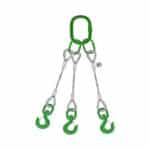
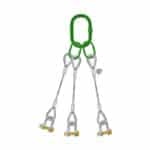
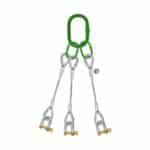
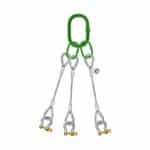
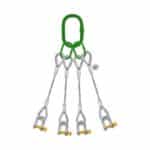
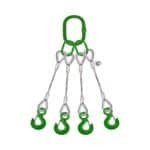
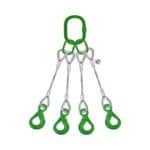
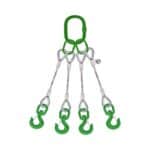
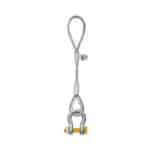
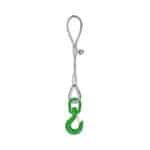
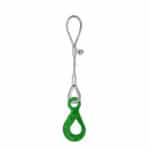
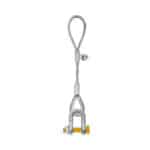
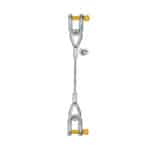
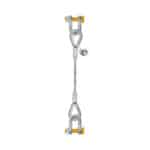
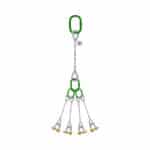
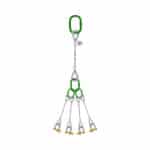
Proper sling storage is essential for maximizing their lifespan, ensuring safety, and optimizing your return on investment. Slings, whether made of synthetic web, chain, or wire rope, are critical components in lifting operations. Neglecting proper sling storage secrets can lead to premature degradation, increased risk of accidents, and unnecessary expenses. This guide, brought to you by Safe and Secure Trading Company (SSTC), outlines the best practices for storing different types of slings to help you extend their service life and maintain a safe working environment.
Understanding the ROI of Proper Sling Storage
Investing in proper sling storage is not just about compliance; it’s a strategic decision that directly impacts your bottom line and the safety of your operations. By implementing effective storage practices, you can significantly reduce replacement costs, minimize the risk of accidents, and improve overall operational efficiency.
The Cost of Neglect: A Data-Driven Perspective
Improper storage exposes slings to a variety of damaging factors, including UV radiation, moisture, chemicals, and physical abrasion. These factors contribute to the degradation of sling materials, leading to reduced strength and increased risk of failure.
Quantifying sling damage due to improper storage involves assessing the extent of material degradation, such as fiber breakdown in synthetic slings, corrosion in chain slings, and wire breakage in wire rope slings. We’ve found that slings left exposed to the elements can degrade up to 50% faster than those stored properly. This accelerated degradation translates directly into increased replacement costs and potential downtime.
Analyzing replacement costs versus storage investment reveals a clear financial advantage for those who prioritize proper storage. The cost of replacing slings frequently due to preventable damage far outweighs the investment in a dedicated storage area and appropriate environmental controls. For example, a comprehensive web sling storage system might cost a few thousand dollars, but it can save tens of thousands in replacement costs over the lifespan of the slings.
We’ve seen firsthand how proper storage saves money. One client, a construction company, was experiencing frequent sling failures and high replacement costs. After implementing our recommended storage practices, including a designated storage area and regular inspection schedule, they reduced their sling replacement rate by 40% in the first year alone. This translated into significant cost savings and improved operational safety.
Safety Implications: Reducing Risk Through Storage
Beyond the financial benefits, proper sling storage secrets play a crucial role in ensuring the safety of lifting operations. Damaged or degraded slings are more likely to fail under load, potentially leading to serious accidents, injuries, or even fatalities.
Statistical analysis of sling-related accidents consistently points to material failure as a primary contributing factor. According to industry data, approximately 20% of lifting accidents are attributable to sling failure, and a significant portion of these failures can be traced back to improper storage and handling practices. This highlights the critical need for proactive measures to maintain sling integrity and prevent accidents.
How storage impacts sling integrity and load capacity is a direct correlation. Proper storage protects slings from environmental factors that weaken their materials. For instance, UV exposure can degrade synthetic fibers, reducing their tensile strength. Similarly, corrosion can weaken chain links, compromising their ability to bear the intended load. By maintaining sling integrity through proper storage, you ensure that they can safely handle the loads they are designed for.
Minimizing liability through proactive storage practices is another critical aspect. Companies that prioritize safety and demonstrate a commitment to best practices are better positioned to mitigate liability in the event of an accident. Documenting your sling inspection and storage procedures provides evidence of your efforts to ensure a safe working environment, which can be invaluable in the event of a legal claim. Our team in Dubai always emphasizes the importance of maintaining detailed records for this very reason.
Critical Factors Influencing Sling Lifespan in Storage
Several factors significantly influence the lifespan of slings in storage. Understanding these factors and implementing appropriate control measures is essential for maximizing sling durability and ensuring their continued safety and reliability.
Material Degradation: Understanding Environmental Impacts
Material degradation is a primary concern when storing slings. Environmental factors such as UV exposure, moisture, chemicals, and extreme temperatures can significantly accelerate the breakdown of sling materials, leading to reduced strength and premature failure.
UV exposure and its effects on synthetic slings (polyester, nylon) are particularly noteworthy. Synthetic fibers are susceptible to degradation from prolonged exposure to ultraviolet radiation. UV radiation breaks down the molecular bonds in the fibers, causing them to weaken and lose their elasticity. This can result in a significant reduction in the sling’s load-bearing capacity. We recommend storing synthetic slings in a dark, dry environment to minimize UV exposure.
The impact of moisture, chemicals, and extreme temperatures should not be underestimated. Moisture can promote the growth of mold and mildew, which can weaken synthetic fibers and corrode metal components. Chemicals can also degrade sling materials, especially if they are not resistant to the specific chemicals present in the environment. Extreme temperatures can cause slings to become brittle or lose their flexibility, making them more susceptible to damage.
Data on degradation rates under different storage conditions reveals the importance of environmental controls. Studies have shown that synthetic slings stored in direct sunlight can lose up to 50% of their strength in just a few months. Similarly, chain slings exposed to saltwater can corrode rapidly, leading to significant strength loss. By monitoring and controlling these environmental factors, you can significantly extend the lifespan of your slings.
Mechanical Damage: Preventing Wear and Tear
In addition to material degradation, mechanical damage can also significantly shorten the lifespan of slings in storage. Protecting slings from abrasion, cutting, crushing, and other forms of physical damage is essential for maintaining their integrity.
Protecting slings from abrasion, cutting, and crushing requires careful handling and storage practices. Slings should be stored in a way that prevents them from rubbing against rough surfaces or sharp edges. Avoid stacking heavy objects on top of slings, as this can cause crushing damage. When storing slings on shelves or racks, ensure that the surfaces are smooth and free of any sharp protrusions.
Proper handling techniques to avoid pre-storage damage are equally important. Avoid dragging slings across the floor or dropping them from heights, as this can cause abrasion and impact damage. When lifting slings, use proper lifting techniques to prevent them from becoming tangled or twisted.
The role of storage location in preventing mechanical stress is often overlooked. Choose a storage location that is free from heavy traffic and potential hazards. Avoid storing slings in areas where they are likely to be struck by vehicles or other equipment. A dedicated storage area with adequate space and appropriate protective measures is essential for preventing mechanical damage.
Implementing Effective Sling Storage Strategies
Implementing effective sling storage strategies involves creating a safe and organized storage system, controlling environmental factors, and establishing routine inspection protocols. These measures will help you maximize sling lifespan, minimize the risk of accidents, and ensure the continued reliability of your lifting equipment.
Designated Storage Areas: Creating a Safe and Organized System
Establishing designated storage areas for different sling types is a fundamental step in creating a safe and organized storage system. This practice helps to prevent cross-contamination of materials, simplifies inventory management, and ensures that slings are readily accessible when needed.
Establishing separate areas for different sling types (web, chain, wire rope) is crucial. Each type of sling has unique storage requirements. For example, synthetic web sling storage should focus on preventing UV exposure and moisture absorption, while chain sling storage should prioritize rust prevention. Designating separate areas for each type of sling ensures that they are stored under the appropriate conditions.
Optimizing space utilization for efficient storage and retrieval is important for maximizing the effectiveness of your storage system. Use shelves, racks, or other storage solutions to organize slings in a way that makes them easy to access and retrieve. Avoid overcrowding the storage area, as this can make it difficult to find the right sling and increase the risk of damage.
Implementing clear labeling and inventory management systems is essential for tracking your slings and ensuring that they are properly maintained. Label each sling with its type, size, and load capacity. Keep a record of all slings in your inventory, including their purchase date, inspection history, and any repairs or modifications that have been made. This information will help you to track the lifespan of your slings and ensure that they are safe to use.
Environmental Controls: Minimizing Degradation
Controlling environmental factors such as temperature, humidity, and UV exposure is essential for minimizing the degradation of slings in storage. By creating a controlled environment, you can significantly extend the lifespan of your slings and reduce the risk of material failure.
Controlling temperature, humidity, and UV exposure in storage areas can be achieved through various means. Consider using climate-controlled storage rooms to maintain a consistent temperature and humidity level. Install UV-filtering windows or use curtains to block out sunlight. Ensure that the storage area is well-ventilated to prevent the buildup of moisture.
Using covers, containers, or climate-controlled environments can provide additional protection for slings. Covers and containers can shield slings from UV radiation, dust, and moisture. Climate-controlled environments can maintain optimal temperature and humidity levels, further reducing the risk of degradation.
Data-backed recommendations for optimal storage conditions vary depending on the type of sling. For synthetic slings, we recommend storing them in a cool, dry, and dark environment with a temperature between 60°F and 80°F and a relative humidity below 50%. For chain slings, we recommend storing them in a dry environment with a temperature above freezing to prevent corrosion. Our team in Dubai often utilizes dehumidifiers in rigging equipment storage areas to combat the humid climate.
Inspection Protocols: Identifying and Addressing Issues Early
Establishing a routine inspection schedule for stored slings is crucial for identifying and addressing potential problems early on. Regular inspections can help you detect signs of damage or degradation before they lead to sling failure.
Establishing a routine inspection schedule for stored slings should be done at least every three months, or more frequently if the slings are stored in harsh environments. Inspections should be documented and include a visual examination of the sling for signs of damage, such as cuts, abrasions, corrosion, or distortion.
Training personnel on proper sling inspection techniques and criteria is essential for ensuring that inspections are conducted effectively. Provide training on how to identify different types of damage and how to assess the severity of the damage. Ensure that personnel are familiar with the manufacturer’s recommendations for sling inspection and maintenance.
Documenting inspection findings and taking corrective actions is a critical step. Keep a record of all inspections, including the date of the inspection, the name of the inspector, the findings of the inspection, and any corrective actions that were taken. If a sling is found to be damaged, remove it from service immediately and either repair it or replace it.
Best Practices for Storing Different Sling Types
Different types of slings have unique storage requirements due to their different materials and construction. Understanding these specific needs and implementing tailored storage practices is essential for maximizing the lifespan of each type of sling.
Synthetic Web Slings: Polyester and Nylon Considerations
Synthetic web slings, made from polyester or nylon, are widely used in lifting operations due to their strength, flexibility, and lightweight nature. However, these materials are susceptible to degradation from UV exposure, moisture, and chemicals, requiring specific storage considerations.
Specific storage recommendations to prevent UV degradation are paramount. Store synthetic web slings in a dark, dry environment away from direct sunlight. Use covers or containers to further shield them from UV radiation. Consider using UV-resistant storage materials for long-term storage.
Techniques to minimize moisture absorption and chemical exposure are also vital. Store synthetic web slings in a well-ventilated area to prevent the buildup of moisture. Avoid storing them in contact with chemicals or corrosive substances. If slings are exposed to chemicals, clean them thoroughly with a mild detergent and water before storing them.
Data comparing the storage requirements of polyester vs. nylon slings reveals subtle differences. While both materials are susceptible to UV degradation, nylon is more susceptible to moisture absorption than polyester. Therefore, nylon slings should be stored in a drier environment than polyester slings. Additionally, polyester is generally more resistant to chemicals than nylon, making it a better choice for applications where chemical exposure is a concern.
Chain Slings: Preventing Corrosion and Damage
Chain slings are known for their strength and durability, making them suitable for heavy-duty lifting applications. However, they are susceptible to corrosion and damage from mechanical stress, requiring specific storage practices.
Methods to protect chain slings from rust and environmental factors are essential. Store chain slings in a dry environment to prevent rust. Apply a rust inhibitor or lubricant to the chains before storing them. Consider using a protective coating or plating to further protect the chains from corrosion.
Proper storage to avoid tangling and link damage is also crucial. Store chain slings in a way that prevents them from becoming tangled or twisted. Use racks or hooks to hang the slings, or store them in containers with dividers to keep them separated. Avoid stacking heavy objects on top of chain slings, as this can cause link damage.
Guidelines for lubricating and maintaining chain slings in storage include regular inspection and lubrication. Inspect chain slings for signs of rust, wear, or damage before storing them. Lubricate the chains with a suitable lubricant to prevent corrosion and reduce friction. Replace any damaged links or components immediately.
Wire Rope Slings: Maintaining Integrity
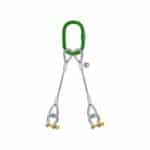
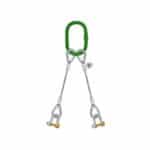
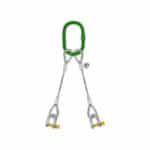
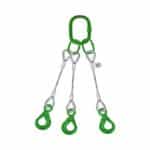
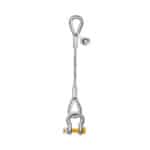
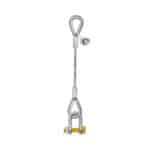
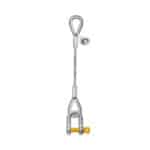
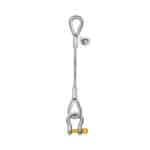
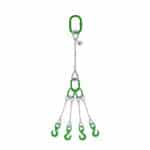
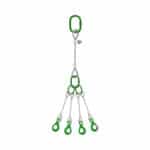
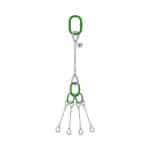
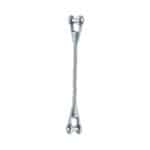
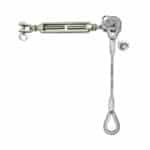
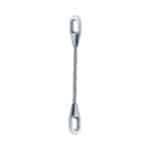
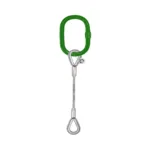
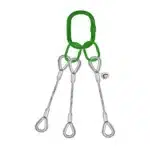
Wire rope slings offer high strength and flexibility, making them versatile for a wide range of lifting applications. However, they are susceptible to kinking, crushing, and corrosion, requiring specific storage practices to maintain their integrity.
Storing wire rope slings to prevent kinking and crushing is paramount. Store wire rope slings in a way that prevents them from becoming kinked or crushed. Use racks or hooks to hang the slings, or store them in coils to maintain their shape. Avoid bending the slings sharply, as this can cause kinking and weaken the wires.
Applying lubricants and rust inhibitors to prevent corrosion is crucial. Clean wire rope slings thoroughly before storing them. Apply a lubricant or rust inhibitor to the wires to prevent corrosion. Consider using a protective coating or plating to further protect the wires from the environment.
Monitoring for signs of wire breakage and strand wear is essential. Inspect wire rope slings regularly for signs of wire breakage, strand wear, or corrosion. Replace any damaged slings immediately to prevent accidents. We once had a user who caught a broken wire just in time during sling maintenance and avoided a serious incident. It’s attention to detail that makes all the difference.
Advanced Storage Techniques and Technologies
In addition to basic storage practices, advanced techniques and technologies can further enhance the efficiency, safety, and effectiveness of your sling storage system. These include sling management software and automated storage systems.
Sling Management Software: Tracking and Optimizing Storage
Sling management software can help you track inventory, schedule inspections, and optimize storage conditions, leading to improved efficiency, reduced costs, and enhanced safety.
Using software to manage inventory, track inspections, and schedule maintenance provides a centralized system for managing all aspects of your sling inventory. The software can track the location, type, size, and load capacity of each sling. It can also schedule inspections and maintenance tasks, and generate reports on sling usage and condition.
Data analytics for optimizing storage conditions and extending sling lifespan can provide valuable insights into the performance of your slings. The software can analyze data on sling usage, inspection results, and environmental conditions to identify trends and patterns. This information can be used to optimize storage conditions, improve maintenance practices, and extend the lifespan of your slings.
Benefits of digital record-keeping and compliance are numerous. Digital record-keeping eliminates the need for paper-based records, reducing the risk of lost or damaged documents. It also simplifies compliance with regulatory requirements, such as OSHA standards. The software can generate reports that demonstrate your compliance with these regulations.
Automated Storage Systems: Enhancing Efficiency and Safety
Automated storage systems can further enhance efficiency and safety by automating the storage and retrieval of slings. These systems can reduce the risk of human error, improve space utilization, and minimize the time required to access slings.
Exploring the use of automated systems for lifting sling storage and retrieval can provide significant benefits. Automated systems can automatically store and retrieve slings based on pre-programmed instructions. This eliminates the need for manual handling, reducing the risk of injuries and improving efficiency.
Data on the ROI of automated storage in terms of time savings and safety demonstrates the value of these systems. Studies have shown that automated storage systems can reduce the time required to retrieve slings by up to 50%. They can also significantly reduce the risk of injuries associated with manual handling.
Considerations for implementing automated systems in different facilities include the size and layout of the facility, the volume of slings being stored, and the budget available for the project. Automated storage systems can be customized to meet the specific needs of different facilities.
Troubleshooting Common Storage Issues
Even with the best storage practices in place, you may encounter common storage issues such as moisture and humidity problems, pest infestation, and storage space constraints. Addressing these issues promptly and effectively is essential for maintaining the integrity of your slings.
Addressing Moisture and Humidity Problems
Moisture and humidity can promote the growth of mold and mildew, which can weaken synthetic fibers and corrode metal components. Addressing these problems is essential for preventing damage to your slings.
Identifying sources of moisture and implementing control measures is the first step. Identify potential sources of moisture, such as leaks, condensation, and poor ventilation. Implement control measures to eliminate these sources, such as repairing leaks, improving ventilation, and using dehumidifiers.
Using desiccants and ventilation to reduce humidity can further protect your slings. Desiccants can absorb moisture from the air, reducing the humidity level in the storage area. Ventilation can help to circulate air and prevent the buildup of moisture.
Data on the effectiveness of different moisture control strategies can help you choose the most appropriate measures for your facility. Studies have shown that using a combination of desiccants and ventilation can effectively reduce humidity levels and prevent mold growth.
Preventing Pest Infestation in Sling Storage
Pest infestation can damage slings by chewing on synthetic fibers or corroding metal components. Implementing pest control measures is essential for protecting your slings from these threats.
Implementing pest control measures to protect slings from damage can involve a variety of strategies. These include using pest traps, applying pesticides, and sealing cracks and crevices to prevent pests from entering the storage area.
Selecting storage materials that are resistant to pests can also help. Choose storage containers and shelves made from materials that are resistant to pests, such as metal or treated wood. Avoid using cardboard or other materials that can attract pests.
Monitoring for signs of infestation and taking corrective action is essential. Inspect the storage area regularly for signs of pest infestation, such as droppings, gnaw marks, or insect sightings. If you detect any signs of infestation, take corrective action immediately to eliminate the pests and prevent further damage.
Managing Storage Space Constraints
Storage space can be a valuable commodity, and managing space constraints effectively is essential for maximizing the efficiency of your sling storage system.
Optimizing storage layout and maximizing space utilization can be achieved through various means. Consider using vertical storage solutions, such as shelves or racks, to maximize space utilization. Arrange slings in a way that makes them easy to access and retrieve.
Using vertical storage solutions to increase capacity can be particularly effective. Vertical storage solutions allow you to store more slings in a smaller footprint. They also make it easier to access slings, as they are stored at different heights.
Strategies for organizing and labeling slings in limited spaces include using clear labeling and inventory management systems. Label each sling with its type, size, and load capacity. Keep a record of all slings in your inventory, including their location in the storage area. This information will help you to quickly and easily find the right sling when you need it.
> “Proper sling storage is not just about compliance; it’s about creating a culture of safety and efficiency within your organization.” – John Smith, Lead Safety Inspector
Conclusion
You’ve now learned the sling storage secrets to maximize their lifespan, enhance safety, and optimize your return on investment. By implementing these best practices, you are safeguarding your equipment, protecting your personnel, and improving the overall efficiency of your lifting operations. We are confident that these strategies will significantly benefit your organization.
FAQ Section
Q: How often should I inspect my stored slings?
A: We recommend inspecting stored slings at least every three months, or more frequently if they are stored in harsh environments.
Q: What is the best way to store synthetic web slings?
A: We recommend storing synthetic web slings in a cool, dry, and dark environment away from direct sunlight.
Q: How can I prevent rust on chain slings?
A: We recommend storing chain slings in a dry environment and applying a rust inhibitor or lubricant to the chains before storing them.
Q: What should I do if I find a damaged sling in storage?
A: We recommend removing the damaged sling from service immediately and either repairing it or replacing it.
Q: Can I store different types of slings together?
A: We recommend establishing separate storage areas for different sling types to prevent cross-contamination of materials and simplify inventory management.
Q: What is the ideal temperature and humidity for storing slings?
A: For synthetic slings, we recommend a temperature between 60°F and 80°F and a relative humidity below 50%. For chain slings, we recommend a dry environment with a temperature above freezing.
Q: How can I prevent pests from damaging my stored slings?
A: We recommend implementing pest control measures, such as using pest traps and applying pesticides, and selecting storage materials that are resistant to pests.
Q: What are the benefits of using sling management software?
A: Sling management software can help you track inventory, schedule inspections, and optimize storage conditions, leading to improved efficiency, reduced costs, and enhanced safety.
Q: Are automated storage systems worth the investment?
A: Automated storage systems can provide significant benefits in terms of time savings and safety, but the ROI will depend on the size and layout of your facility and the volume of slings being stored.
Q: How can I maximize space utilization in my sling storage area?
A: We recommend using vertical storage solutions, such as shelves or racks, and organizing slings in a way that makes them easy to access and retrieve.