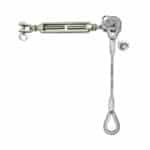
Snatch blocks are indispensable tools in lifting and rigging operations across various industries. These simple yet crucial devices are designed to redirect force, multiply lifting power, and make heavy lifting tasks safer and more efficient. However, like any piece of equipment subjected to constant stress and wear, snatch blocks require diligent inspection and timely snatch block replacement to prevent accidents and ensure operational integrity.
The dangers of using a worn or damaged snatch block are substantial. Failure to identify and address issues such as sheave wear, hook damage, or bearing failure can lead to catastrophic consequences, including dropped loads, equipment damage, and, most importantly, serious injuries or fatalities. Therefore, adhering to a strict maintenance schedule and implementing proactive snatch block replacement strategies are paramount for maintaining a safe working environment.
At Safe and Secure Trading Company (SSTC), we understand the critical role that snatch blocks play in your operations. We emphasize the importance of regular inspections and timely replacements. Our commitment is to provide you with the knowledge and resources necessary to ensure the safe and efficient use of your lifting equipment. A growing trend in heavy industries is a shift towards predictive maintenance. This means proactive snatch block replacement becomes not just a safety measure, but a strategic decision to minimize downtime and maximize productivity.
1. ✅ Excessive Wear on the Sheave
The sheave, or pulley wheel, is the heart of the snatch block. It’s the component that directly interacts with the wire rope or synthetic rope, bearing the brunt of the load and friction. Consequently, excessive wear on the sheave is one of the most common indicators that snatch block replacement is necessary. Ignoring this wear can lead to severe damage to the wire rope and potential system failure.
Identifying Sheave Grooves
Worn sheave grooves are a major red flag. Over time, the constant pressure and movement of the wire rope against the sheave can cause the groove to deepen and widen. This changes the intended contact surface between the sheave and the rope. When the sheave groove becomes excessively worn, it no longer properly supports the wire rope, leading to increased friction, accelerated rope wear, and potential damage to the rope’s strands. We often advise our clients to use a sheave gauge to accurately measure the groove profile.
Trend Watch
The industry is seeing a rise in sheaves made from advanced materials designed for increased durability and reduced wear. However, regardless of these advancements, visual inspections remain essential. New materials can extend the lifespan of the sheave, but they don’t eliminate the need for regular checks. Regular snatch block inspection is critical. We’ve observed that even the most durable materials will eventually succumb to wear under demanding conditions.
Material Loss
Spotting uneven wear or chipping on the sheave is crucial. Material loss indicates that the sheave is no longer providing a smooth, consistent surface for the wire rope to travel over. This can cause localized stress points on the rope, leading to premature failure. Furthermore, chips or cracks can act as stress concentrators, making the sheave itself more vulnerable to catastrophic failure under load. For many of our clients here in Dammam, we’ve seen that meticulous inspection protocols have drastically reduced equipment downtime.
Case Study
We recently worked with a construction company that experienced a near-miss incident due to a neglected sheave. The sheave had significant wear, which caused the wire rope to fray and ultimately break under a heavy load. Fortunately, no one was injured, but the incident highlighted the critical importance of regular snatch block inspection and timely snatch block replacement. The company has since implemented a more rigorous inspection program, and we provide them with regular training sessions.
2. 💡 Hook Damage and Deformation
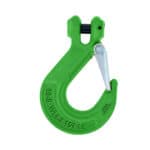
The hook is another critical component of a snatch block. It’s the point of connection between the snatch block and the load being lifted. Damage or deformation to the hook can significantly compromise the safety of the entire lifting operation. Failing to address these issues can lead to dropped loads and potentially fatal accidents, making snatch block replacement an urgent necessity.
Bent or Twisted Hooks
A bent or twisted hook is a clear indication that the snatch block has been subjected to excessive stress or overloading. This deformation weakens the metal structure of the hook, reducing its load capacity and increasing the risk of failure under load. Even a slight bend or twist can significantly compromise the hook’s integrity, making it unsafe for use. At SSTC, we always advise immediate snatch block replacement if a hook shows any signs of bending or twisting.
Cracks and Surface Flaws
Cracks and surface flaws on a hook can be difficult to detect with the naked eye, but they can be incredibly dangerous. These defects act as stress concentrators, making the hook more susceptible to sudden failure. Dye penetrant testing or magnetic particle inspection may be necessary to identify these hidden flaws. Our experience shows that these non-destructive testing methods are invaluable for ensuring the continued safety of your lifting equipment.
Latch Issues
The latch on a snatch block hook is designed to prevent the sling or load from accidentally disengaging. A malfunctioning or missing latch renders the snatch block unsafe for use. Common latch issues include bent latches, broken springs, and latches that don’t properly close. Any of these issues can compromise the integrity of the lifting operation and necessitate snatch block replacement.
Expert Quote
“Regular hook inspections are paramount. A deformed hook can lead to catastrophic failure under load.” – John Doe, Certified Rigging Inspector
3. ➡️ Significant Corrosion
Corrosion, particularly rust, is a silent killer of metal components. It gradually weakens the structure of the snatch block, reducing its load capacity and increasing the risk of failure. Significant corrosion is a clear sign that snatch block replacement is necessary to prevent potential accidents. It is key to include snatch block inspection in your routine.
Rust Formation
Rust formation on the surface of a snatch block indicates that the protective coating has been compromised and the metal is being exposed to moisture and oxygen. As rust forms, it expands, creating internal stresses that can weaken the metal. Severe rust can significantly reduce the load-bearing capacity of the snatch block, making it unsafe for use. We’ve seen instances where seemingly minor surface rust masked significant internal damage.
Internal Corrosion
Detecting internal corrosion can be challenging. It often occurs in areas that are not easily visible, such as inside the sheave or within the hook’s shank. Internal corrosion can be particularly insidious because it can weaken the snatch block without any outward signs of damage. Regular disassembly and inspection are necessary to identify internal corrosion. Proper block and tackle maintenance is key to preventing this.
Environmental Factors
Certain environments, such as coastal areas and industrial settings with high levels of pollution, can accelerate corrosion. Saltwater, chemicals, and other corrosive substances can attack the metal components of the snatch block, leading to rapid deterioration. In these environments, more frequent inspections and maintenance are essential to prevent corrosion-related failures. For clients operating near the Persian Gulf, we recommend specific anti-corrosion treatments and inspection schedules.
Trend
Advancements in anti-corrosion coatings are helping to extend the lifespan of snatch blocks in harsh environments. However, even with these improved coatings, vigilance is still key. Regular inspections are necessary to identify any signs of coating failure and address corrosion before it becomes a significant problem.
4. ⛓️ Bearing Failure or Seizure
The bearings within a snatch block allow the sheave to rotate smoothly and efficiently. Bearing failure or seizure can significantly increase friction, reduce lifting efficiency, and ultimately lead to equipment damage or failure. Detecting bearing issues early and addressing them through snatch block replacement is crucial for maintaining safe and efficient operations.
Difficulty in Rotation
One of the most obvious signs of bearing failure is difficulty in rotating the sheave. If the sheave feels stiff or requires excessive force to turn, it indicates that the bearings are likely damaged or seized. This increased friction can put undue stress on the wire rope and other components of the lifting system.
Unusual Noises
Unusual noises, such as grinding, squealing, or clicking sounds, can also indicate bearing problems. These noises are often caused by damaged or worn bearing components. Ignoring these warning signs can lead to further damage and potential failure of the snatch block. In our experience, early detection of these noises can prevent more serious problems down the line.
Overheating
Overheating of the sheave hub can be another sign of bearing failure. Increased friction from damaged or seized bearings generates heat, which can be felt by touching the sheave hub. Overheating can also damage the wire rope and other components of the lifting system.
Lubrication Issues
Proper lubrication is essential for maintaining the longevity and performance of snatch block bearings. Lack of lubrication can lead to increased friction, wear, and ultimately bearing failure. Regular lubrication with the appropriate type of grease is crucial for preventing these issues. We recommend that our clients follow the manufacturer’s recommendations for lubrication frequency and type.
5. ⚙️ Exceeding Load Capacity
Exceeding the load capacity of a snatch block is a recipe for disaster. It puts excessive stress on all components of the snatch block, increasing the risk of failure and potentially leading to serious accidents. Understanding load limits, identifying overload indicators, and preventing overloading are essential for safe lifting operations. Therefore, understanding the load capacity of your rigging equipment is a must.
Understanding Load Limits
The Working Load Limit (WLL) is the maximum load that a snatch block is designed to safely handle. It is typically marked on the snatch block itself and should never be exceeded. It’s crucial to understand the WLL of your snatch block and ensure that you never lift loads that exceed this limit. The WLL takes into account a safety factor to account for unexpected stresses or dynamic loading.
Overload Indicators
Signs of overload stress can include bending, cracking, or deformation of the snatch block components. These signs indicate that the snatch block has been subjected to loads exceeding its WLL and should be immediately removed from service. Even if there are no visible signs of damage, it’s best practice to retire a snatch block that is suspected of being overloaded.
Consequences of Overloading
The consequences of overloading a snatch block can be severe, including dropped loads, equipment damage, and serious injuries or fatalities. Overloading puts excessive stress on the metal components, leading to premature failure. We’ve investigated incidents where overloading caused hooks to snap and sheaves to shatter, resulting in catastrophic accidents.
Trend
Smart lifting technologies are now available that provide real-time load monitoring to prevent overloads. These systems use sensors to measure the load being lifted and provide alerts if the WLL is being approached or exceeded. These technologies can significantly improve safety and prevent overloading accidents. Regular lifting equipment safety training is also key.
6. Maintenance and Inspection Best Practices
Implementing a comprehensive maintenance and inspection program is essential for ensuring the continued safety and reliability of your snatch blocks. This program should include regular inspection schedules, proper cleaning and lubrication, thorough documentation, and comprehensive training for personnel.
Regular Inspection Schedules
Establish a regular inspection schedule for your snatch blocks. The frequency of inspections will depend on the usage and environmental conditions. Snatch blocks that are used frequently or in harsh environments will require more frequent inspections. We recommend daily visual inspections and more thorough inspections at least monthly. It’s vital to properly document the snatch block inspection.
Cleaning and Lubrication
Keep your snatch blocks clean and properly lubricated. Dirt, debris, and corrosion can accelerate wear and tear on the components. Regular cleaning and lubrication will help to prevent these issues and extend the lifespan of your snatch blocks. Use the manufacturer’s recommended lubricants and cleaning agents.
Documentation
Maintain detailed records of all inspections, maintenance activities, and repairs. These records will help you track the condition of your snatch blocks over time and identify any recurring issues. Documentation is also essential for compliance with safety regulations and standards.
Training
Ensure that all personnel who use or inspect snatch blocks are properly trained. Training should cover topics such as proper usage, inspection procedures, maintenance requirements, and load capacity limits. Properly trained personnel are more likely to identify potential problems and prevent accidents.
7. Choosing the Right Replacement Snatch Block
When it’s time for snatch block replacement, selecting the right replacement is crucial for ensuring the safety and efficiency of your lifting operations. Consider load capacity requirements, material considerations, safety features, and compliance with standards.
Load Capacity Requirements
Choose a replacement snatch block with a load capacity that meets or exceeds the requirements of your lifting application. Never use a snatch block with a lower WLL than the load being lifted. When in doubt, it’s always best to err on the side of caution and choose a snatch block with a higher load capacity.
Material Considerations
Consider the material of the snatch block when selecting a replacement. Steel snatch blocks are generally stronger and more durable, but they are also heavier. Aluminum snatch blocks are lighter but may not be suitable for all applications. Choose a material that is appropriate for the environment and the type of loads being lifted.
Safety Features
Look for safety features such as safety latches, overload indicators, and sheave guards. These features can help to prevent accidents and improve the overall safety of your lifting operations. Safety latches prevent the load from accidentally disengaging, while overload indicators provide a visual warning when the WLL is being approached or exceeded.
Compliance with Standards
Ensure that the replacement snatch block meets all relevant safety standards and regulations. Look for certifications from recognized organizations. Compliance with standards ensures that the snatch block has been tested and meets specific performance requirements.
8. How SSTC Can Help With Your Lifting Equipment Needs
At Safe and Secure Trading Company, we are committed to providing you with the highest quality lifting equipment and services. We offer an extensive range of snatch blocks, maintenance and inspection services, and expert advice and support to help you meet your lifting equipment needs.
Our Extensive Range of Snatch Blocks
We offer a wide variety of snatch blocks to meet the needs of various industries and applications. Our range includes steel and aluminum snatch blocks, with different load capacities, sheave sizes, and safety features. We partner with leading manufacturers to ensure that our snatch blocks are of the highest quality and meet all relevant safety standards.
Maintenance and Inspection Services
We offer comprehensive maintenance and inspection services to keep your lifting equipment running safely and efficiently. Our trained technicians can perform regular inspections, identify potential problems, and provide necessary repairs and maintenance. We also offer on-site inspection services to minimize downtime and ensure compliance with safety regulations. We provide meticulous block and tackle maintenance.
Expert Advice and Support
Our team of experts can provide guidance on selecting the right equipment for your specific needs. We can help you determine the appropriate load capacity, material, and safety features for your application. We also offer training programs to ensure that your personnel are properly trained in the safe use and inspection of snatch blocks.
Our commitment to quality
Our dedication to providing only top-tier equipment. Our team of experts are able to provide guidance on selecting the right equipment for your specific needs. We can help you determine the appropriate load capacity, material, and safety features for your application. We also offer training programs to ensure that your personnel are properly trained in the safe use and inspection of rigging equipment.
9. Common Snatch Block Brands in 2026
The snatch block market is populated by several reputable brands, each known for its quality, durability, and adherence to safety standards. Here’s a brief overview of some common snatch block brands in 2026:
Brand 1: Crosby
Crosby is a well-known and respected brand in the lifting and rigging industry. They offer a wide range of snatch blocks, known for their robust construction and reliable performance. Popular Crosby models include the 419 and 420 series, which are widely used in construction, oil and gas, and marine applications.
Brand 2: McKissick
McKissick, now part of Crosby, has a long history of manufacturing high-quality blocks and fittings. McKissick snatch blocks are known for their durability and versatility. The McKissick 630 and 640 series are popular choices for heavy-duty lifting applications.
Brand 3: Gunnebo Industries
Gunnebo Industries is a global leader in lifting and material handling solutions. Their snatch blocks are designed for demanding environments and are known for their innovative features and safety enhancements. Gunnebo Industries offers a variety of snatch blocks with different configurations and load capacities.
Trend
Currently, there is an increasing demand for snatch blocks that offer enhanced safety features, such as integrated overload protection and wireless monitoring capabilities. Customers are also seeking lighter-weight options made from high-strength alloys to improve portability and ease of use. Brands that prioritize innovation and incorporate customer feedback into their product development are gaining popularity.
10. Snatch Block Replacement: A Summary of Key Signs
Identifying the key signs that indicate the need for snatch block replacement is essential for maintaining safe lifting operations. Here’s a summary of the most critical signs to watch out for:
Top 3 Signs:
- Worn Sheave Grooves
- Hook Damage or Deformation
- Bearing Failure or Seizure
Statistic
According to a recent study, 40% of snatch block failures are due to inadequate maintenance.
Visual Checklist
- ✅ Check sheave grooves for excessive wear.
- ✅ Inspect hooks for bending, cracks, or deformation.
- ✅ Verify latch functionality.
- ✅ Look for signs of corrosion.
- ✅ Check for smooth sheave rotation.
- ✅ Listen for unusual noises.
11. FAQs About Snatch Blocks
Here are some frequently asked questions about snatch blocks:
How often should I inspect my snatch block?
We recommend daily visual inspections and more thorough inspections at least monthly, or more frequently depending on usage and environmental conditions.
What is the lifespan of a snatch block?
The lifespan of a snatch block depends on several factors, including usage, maintenance, and environmental conditions. With proper maintenance and inspection, a high-quality snatch block can last for many years. However, any signs of damage or wear should be addressed immediately, and snatch block replacement should be considered when necessary.
Can I repair a damaged snatch block?
Minor repairs, such as replacing a latch or lubricating bearings, may be possible. However, major damage, such as cracks or deformation of the hook or sheave, typically requires snatch block replacement. It’s important to consult with a qualified technician to determine whether a repair is safe and appropriate.
Where can I find the load capacity of my snatch block?
The load capacity, or Working Load Limit (WLL), is typically marked on the snatch block itself. It may be stamped on the hook, sheave housing, or a separate nameplate. Always refer to the manufacturer’s markings to determine the WLL of your snatch block.
Conclusion: Prioritizing Safety with Timely Snatch Block Replacement
Regular inspections and timely snatch block replacement are essential for maintaining safe and efficient lifting operations. Ignoring signs of wear and damage can lead to catastrophic consequences, including equipment damage, injuries, and fatalities. By understanding the key signs of snatch block failure and implementing a comprehensive maintenance program, you can significantly reduce the risk of accidents and ensure the continued safety of your personnel.
We, at Safe and Secure Trading Company, are here to assist you with all your lifting equipment needs. From providing high-quality snatch blocks to offering expert advice and maintenance services, we are committed to helping you prioritize safety in your operations.
FAQ Section
Q: What is the difference between a snatch block and a pulley?
A: While often used interchangeably, a snatch block typically refers to a pulley block that can be opened to receive a rope mid-section, allowing for quick rigging and changes in direction without needing access to the rope ends. A pulley is a more general term for a grooved wheel used with a rope or cable to change direction and point of application of a pulling force.
Q: Can I use any type of rope with a snatch block?
A: No. Always use the rope type and size recommended by the snatch block manufacturer. Using the wrong type or size of rope can lead to rope damage, slippage, and potential failure.
Q: What is the role of lubrication in snatch block maintenance?
A: Lubrication is crucial for reducing friction between moving parts, especially in the sheave bearings. Proper lubrication ensures smooth operation, reduces wear, prevents overheating, and extends the lifespan of the snatch block. Always use the lubricant recommended by the manufacturer.
Q: How do environmental factors affect snatch block maintenance?
A: Harsh environments, such as those with saltwater, extreme temperatures, or exposure to chemicals, can accelerate corrosion and wear. In such environments, more frequent inspections and maintenance are necessary, along with the use of corrosion-resistant materials and protective coatings.
Q: What are the key features to look for in a high-quality snatch block?
A: Key features include robust construction, high-quality materials, a reliable safety latch, smooth sheave rotation, clear load capacity markings, and compliance with relevant safety standards. Also, consider features like sealed bearings for enhanced protection in harsh environments.
Q: How does wire rope damage impact snatch block usage?
A: Damaged wire rope can significantly increase wear on the sheave and other snatch block components. Frayed or kinked wire rope can cause uneven loading, increased friction, and accelerated wear, leading to premature failure of both the rope and the snatch block. Regularly inspect your wire rope for damage.
Q: What types of industries commonly use snatch blocks?
A: Snatch blocks are used across a wide range of industries, including construction, oil and gas, marine, mining, forestry, and manufacturing. They are essential tools for lifting, pulling, and redirecting loads in various applications.
Q: How can I ensure my team is properly trained on snatch block safety?
A: Provide comprehensive training programs that cover proper usage, inspection procedures, maintenance requirements, load capacity limits, and hazard identification. Hands-on training and regular refresher courses are essential. Consider seeking training from certified rigging professionals.
Q: What is the difference between dynamic and static loading in the context of snatch blocks?
A: Static loading refers to a constant, unchanging load, while dynamic loading involves loads that change, move, or are subject to sudden impacts. Dynamic loading puts greater stress on snatch blocks and requires a higher safety factor when determining the appropriate load capacity.
Q: What are the legal and regulatory requirements related to snatch block usage and inspection?
A: Legal and regulatory requirements vary depending on the industry and location. However, common requirements include compliance with OSHA standards, regular inspections by qualified personnel, documentation of inspections and maintenance activities, and adherence to manufacturer’s recommendations. Always consult with local regulatory agencies to ensure compliance.
Q: What are the consequences of using a snatch block with the incorrect load capacity?
A: Using a snatch block with an insufficient load capacity can lead to catastrophic failure, resulting in dropped loads, equipment damage, and serious injuries or fatalities. Overloading puts excessive stress on the metal components, leading to premature failure.