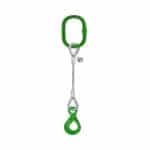
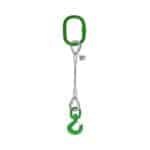
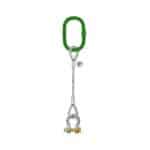
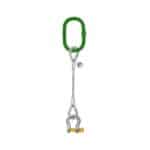
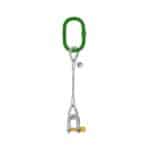
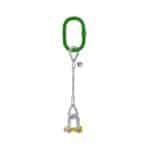
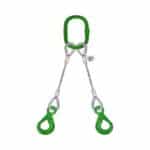
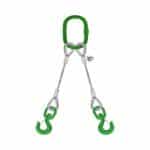
The world of heavy lifting and rigging is fraught with potential dangers, and among the most critical pieces of equipment are snatch blocks. These seemingly simple devices play a crucial role in redirecting force, increasing lifting capacity, and ensuring the safety of workers and equipment. However, selecting the correct snatch block size is not just a matter of convenience; it’s a fundamental requirement for safe and efficient operations. Choosing the wrong size can have catastrophic consequences.
A Personal Encounter with a Near Miss
I’ll never forget the day I witnessed a near miss on a construction site in Jubail. A team was attempting to lift a large precast concrete panel into place using a crane and a snatch block. The wire rope size looked adequate, but the snatch block itself seemed undersized for the massive load. As the crane began to lift, the block groaned under the strain. The frame visibly distorted, and there was a sickening creak of metal. Thankfully, the operator immediately lowered the load, averting what could have been a disastrous accident. The investigation later revealed that the snatch block capacity was significantly less than the actual weight of the concrete panel. It was a stark reminder of how critical it is to get the snatch block size right.
Why Snatch Block Size is a Non-Negotiable
The snatch block size is a non-negotiable aspect of any lifting operation. Selecting the wrong snatch block can lead to a cascade of negative consequences, jeopardizing the entire project and the safety of everyone involved.
- The domino effect of a single wrong choice: An undersized snatch block can be the weakest link in the entire rigging system. Its failure can lead to equipment damage, project delays, and, most importantly, serious injuries or fatalities. We’ve seen this firsthand with clients who prioritize cost savings over safety, only to face much larger expenses and devastating consequences when accidents occur. A common mistake we help businesses fix is understanding the full scope of potential risks associated with undersized lifting gear.
- Beyond the numbers: The impact of safety breaches extends beyond physical harm. They can erode team morale, diminish project confidence, and damage a company’s reputation. In our experience with clients here in Dammam, Saudi Arabia, we’ve seen that a strong safety culture is essential for maintaining a productive and positive work environment.
Key Takeaways
- Choosing the correct snatch block size is paramount for safety and efficiency in lifting operations.
- Factors like load weight, wire rope size, and safe working load (WLL) must be carefully considered.
- Regular inspection and maintenance are essential for ensuring the longevity and reliability of snatch blocks.
- Understanding the specific application and environmental conditions is crucial for proper selection.
Understanding the Anatomy of a Snatch Block 🪢
Deconstructing the Block: A Layman’s Guide
A snatch block may appear simple, but it’s a carefully engineered piece of equipment. Understanding its components is essential for safe and effective use. At its core, a snatch block consists of several key parts:
- The sheave: This is the grooved wheel that the wire rope runs over. The sheave’s diameter must be appropriate for the wire rope size to prevent excessive wear and damage.
- The hook or shackle: This is used to connect the snatch block to the load or the rigging point. The hook or shackle must have a safe working load (SWL) that is equal to or greater than the snatch block’s WLL.
- The frame: This is the structural body of the snatch block, providing support for the sheave and the hook or shackle. The frame must be strong enough to withstand the forces applied during lifting.
- The bearings: These allow the sheave to rotate smoothly, reducing friction and wear. Proper lubrication of the bearings is crucial for maintaining the snatch block’s efficiency and longevity.
The Role of Each Component in Safe Lifting
Each component of a snatch block plays a vital role in ensuring the safety and efficiency of the lifting operation. The sheave guides the wire rope, reducing friction and allowing for smoother lifting. The hook or shackle provides a secure connection to the load or rigging point. The frame supports the entire assembly, while the bearings minimize wear and tear. Neglecting any of these components can compromise the snatch block’s integrity and lead to potential failure. We’ve consistently seen that proper maintenance and inspection of each component are key to preventing accidents.
Calculating Your Load: A Crucial First Step ⚖️
Determining the Weight of Your Load: No Guesswork Allowed
Before even considering a snatch block, accurately determining the weight of the load is paramount. Guesswork simply isn’t an option; it’s a recipe for disaster. There are several reliable methods for determining the weight:
- Consulting manufacturer specifications: If the load is a manufactured item, the weight should be clearly marked in the product documentation.
- Using a calibrated scale: For smaller loads, a calibrated scale can provide an accurate weight measurement.
- Employing load cells: For larger, more complex loads, load cells can be used to measure the weight distribution and total weight.
Accounting for Additional Forces: Beyond Static Weight
It’s not enough to simply know the static weight of the load. You must also account for additional forces that can increase the effective load on the snatch block. These forces include:
- Dynamic loading: When a load is accelerated or decelerated, the forces on the snatch block increase. The faster the acceleration or deceleration, the greater the force.
- Angle of lift: When the wire rope is not vertical, the load on the snatch block increases due to the angle. The greater the angle, the greater the force.
- Friction: Friction between the wire rope and the sheave can also increase the load on the snatch block.
Decoding Snatch Block Specifications: What the Numbers Really Mean 🔢
Understanding Working Load Limit (WLL)
The Working Load Limit (WLL) is the maximum weight that a snatch block is designed to safely handle. It’s often marked on the snatch block itself and is a crucial specification to understand. Exceeding the WLL can lead to catastrophic failure. We once worked with a client who consistently overloaded their snatch blocks to save time. By educating them on the importance of WLL and implementing proper load calculation procedures, we helped them significantly reduce their risk of accidents. The WLL is determined by dividing the minimum breaking strength (MBS) of the snatch block by a safety factor.
Interpreting Safety Factors
The safety factor is a multiplier that accounts for uncertainties in load calculations, material strength, and operating conditions. It provides a margin of safety to prevent failure in case of unexpected overloads or stresses. Common safety factors for snatch blocks range from 4:1 to 5:1. This means that the snatch block’s MBS is four to five times greater than its WLL. The safety factor is determined by industry standards and regulatory requirements, such as those set by OSHA or ANSI. It’s a critical element in ensuring the overall safety of the lifting operation.
Matching Wire Rope Size to Sheave Diameter
The wire rope size must be properly matched to the sheave diameter of the snatch block. Using a wire rope that is too large for the sheave can cause excessive wear and damage to both the wire rope and the sheave. Conversely, using a wire rope that is too small can cause the wire rope to slip or become damaged. The correct sheave diameter is typically specified by the snatch block manufacturer. It’s essential to consult the manufacturer’s recommendations and ensure that the wire rope size is compatible with the sheave diameter. In our experience, this is a frequently overlooked detail that can have significant consequences.
Choosing the Right Material: Strength and Durability 💪
Steel vs. Aluminum: Pros and Cons
Snatch blocks are typically made from either steel or aluminum. Each material has its own advantages and disadvantages:
| Material |
Pros |
Cons |
| Steel |
High strength, high durability, good corrosion resistance |
Heavier than aluminum, more expensive |
| Aluminum |
Lighter than steel, good corrosion resistance, less expensive |
Lower strength than steel, less durable |
The choice between steel and aluminum depends on the specific application and the priorities of the user. For heavy-duty lifting applications, steel snatch blocks are generally preferred due to their superior strength and durability. For applications where weight is a concern, aluminum snatch blocks may be a better choice.
Environmental Considerations: Corrosion and Wear
Environmental factors like moisture, chemicals, and extreme temperatures can significantly affect the lifespan of snatch blocks. Corrosion can weaken the metal, reducing its strength and increasing the risk of failure. Exposure to extreme temperatures can also affect the material properties of the snatch block, making it more brittle or susceptible to damage. It’s essential to select snatch blocks that are suitable for the specific environmental conditions in which they will be used. Regular inspection and maintenance can also help to prevent corrosion and wear.
Application Matters: Matching the Block to the Task 🎯
Vertical Lifting: The Most Common Scenario
Vertical lifting is the most common application for snatch blocks. In this scenario, the snatch block is used to redirect the force of the wire rope, allowing the load to be lifted vertically. When selecting a snatch block for vertical lifting, it’s important to consider the weight of the load, the wire rope size, and the required safe working load (SWL). The snatch block should also be inspected regularly for any signs of damage or wear.
Angle Pulling: Changing Direction and Load Distribution
Angle pulling involves using a snatch block to change the direction of the pull. This can be useful for maneuvering loads around obstacles or for applying force at a specific angle. However, angle pulling also increases the load on the snatch block. The greater the angle, the greater the load. It’s essential to account for this increased load when selecting a snatch block for angle pulling. The load can be calculated using trigonometric principles, considering the angle of the pull and the weight of the load. When our team in KSA tackles this issue, they often find that users fail to account for the increased tension on the rigging and wire, which is crucial.
Winching Applications: Specialized Blocks for Heavy Pulling
Snatch blocks are often used in winching applications to increase the pulling power of a winch. By using a snatch block, the winch can pull twice the weight that it could pull on its own. However, winching applications also place a high degree of stress on the snatch block. It’s important to select a snatch block that is specifically designed for winching applications and that has a high safe working load (SWL).
Real-World Examples: Success Stories and Lessons Learned 📖
Case Study 1: Safe Lifting in Construction
On a recent construction project in Riyadh, a large steel beam needed to be lifted into place. The construction team carefully calculated the weight of the beam and selected a snatch block with an appropriate safe working load (SWL). They also inspected the snatch block before each use to ensure that it was in good condition. Thanks to their meticulous attention to detail, the lifting operation was completed safely and efficiently. The project manager later told us that the team’s commitment to safety was a key factor in the project’s success.
Case Study 2: Efficient Winching in Off-Road Recovery
A group of off-road enthusiasts were attempting to recover a stuck vehicle in the desert. The vehicle was deeply mired in the sand, and the winch on their recovery vehicle was struggling to pull it out. They decided to use a snatch block to double the pulling power of the winch. By carefully positioning the snatch block and using a sturdy anchor point, they were able to successfully extract the stuck vehicle without any damage to the vehicles or injuries to the participants. The team leader attributed their success to their knowledge of rigging equipment and their commitment to using the right tools for the job.
> “Selecting the correct snatch block is not just about lifting a load; it’s about lifting the burden of risk and ensuring the safety of everyone involved.” – Abdul Khan, SSTC Senior Safety Consultant
Inspection and Maintenance: Extending the Life of Your Block 🛠️
Pre-Use Inspection Checklist
Before each use, a thorough inspection of the snatch block is essential. Here’s a comprehensive checklist:
- Check for any signs of damage, such as cracks, dents, or corrosion.
- Ensure that the sheave rotates freely and smoothly.
- Verify that the hook or shackle is in good condition and that the safety latch is functioning properly.
- Inspect the wire rope for any signs of wear, damage, or kinking.
- Confirm that the snatch block’s WLL is clearly marked and that it is appropriate for the load to be lifted.
Regular Maintenance Procedures
In addition to pre-use inspections, regular maintenance is crucial for extending the life of your snatch blocks. This includes:
- Cleaning the snatch block regularly to remove dirt, grease, and other contaminants.
- Lubricating the sheave bearings with a high-quality lubricant.
- Replacing worn or damaged parts promptly.
- Storing the snatch block in a dry, protected environment when not in use.
Documentation and Record Keeping
Maintaining accurate records of inspections, maintenance, and repairs is essential for tracking the condition of snatch blocks over time. These records should include the date of the inspection or maintenance, the name of the person who performed the work, and any findings or repairs that were made. This documentation can help to identify potential problems early on and to ensure that snatch blocks are properly maintained. It also provides a valuable audit trail in case of accidents or incidents. The pulley block selection is an important safety concern.
Conclusion
Choosing the right snatch block size is a responsibility we take seriously at Safe and Secure Trading Company (SSTC). By understanding the principles outlined in this guide, you can ensure safer and more efficient lifting operations. We’ve seen firsthand the difference proper equipment makes, and we’re committed to helping you make the best choices.
FAQ Section
What happens if my snatch block is too small?
An undersized snatch block can fail, causing the load to drop, resulting in property damage, injuries, or even fatalities. The snatch block capacity must be sufficient for the job.
How often should I inspect my snatch blocks?
Snatch blocks should be inspected before each use and at regular intervals, depending on the frequency and severity of use. Snatch block safety is of utmost importance.
Can I use any type of lubricant on my snatch block?
No, use only lubricants recommended by the manufacturer to avoid damaging the block’s components. The wrong lubricant can cause premature wear.