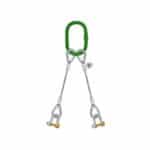
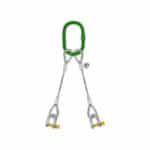
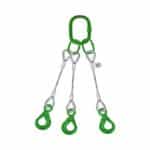
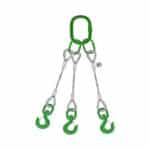
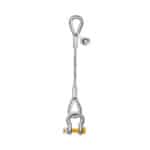
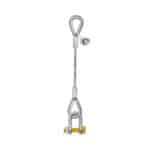
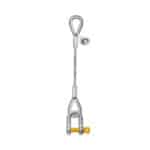
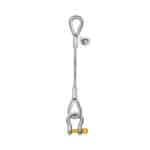
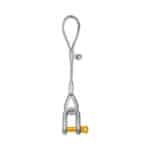
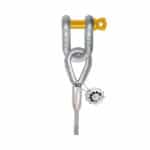
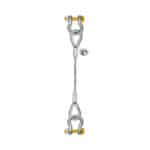
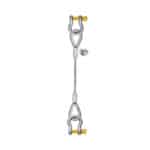
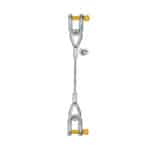
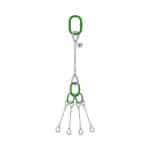
Spreader bars are essential pieces of lifting equipment, providing stability and load distribution for overhead lifting operations. However, their effectiveness hinges on strict adherence to safety protocols. Neglecting these protocols can lead to serious accidents, equipment damage, and even fatalities. At Safe and Secure Trading Company (SSTC), we prioritize workplace safety and want to highlight common mistakes to avoid in spreader bar safety, ensuring your lifting operations are as safe as possible.
1. Ignoring Pre-Lift Inspection Protocols
✅ Pre-lift inspections are the cornerstone of spreader bar safety. Failing to conduct a thorough inspection can lead to undetected defects and potential failures during critical lifts. We’ve observed that companies with rigorous inspection protocols significantly reduce the risk of accidents.
1.1. Mistake: Skipping the Visual Inspection
Thorough visual inspection of the spreader bar before each lift is crucial. Cracks, bends, or signs of wear can compromise its structural integrity. These visual cues often signal underlying structural weaknesses that, if ignored, can lead to catastrophic failures during a lift.
[IMAGE: A close-up image of a spreader bar with a visible crack. Text overlay: “Don’t ignore the signs! Inspect your spreader bar thoroughly.”]
1.2. Mistake: Overlooking the Importance of Documentation
Failing to maintain inspection logs and certifications makes it difficult to track the history of the spreader bar. This oversight can lead to using equipment that is no longer safe for operation. Without proper documentation, there’s no way to verify the spreader bar’s maintenance history, load limits, and previous incidents, all critical for ensuring safety.
1.3. Solution: Implementing a Detailed Checklist
Develop a comprehensive checklist that includes all critical inspection points and ensure it’s followed meticulously before every lift. Our experience shows that implementing such checklists standardizes the inspection process, ensuring no critical area is overlooked. For our clients here in Jubail, we’ve emphasized the importance of this checklist, and seen a noticeable improvement in adherence to safety standards.
2. Incorrectly Calculating Load Distribution
✅ Accurate load calculation is paramount for safe lifting operations. Miscalculating the weight or distribution of the load can lead to spreader bar overload and potential failure. Here at SSTC, we know this is a critical mistake that can have drastic consequences.
2.1. Mistake: Underestimating the Weight of the Load
Inaccurate weight estimations can cause the spreader bar to be overloaded, leading to failure. Always verify the weight of the load before lifting. Underestimating the load can put undue stress on the lifting equipment, drastically increasing the risk of failure.
2.2. Mistake: Failing to Account for Uneven Weight Distribution
Loads that are not evenly balanced put excessive stress on one side of the spreader bar. This can lead to instability and potential accidents. Uneven weight distribution can cause the spreader bar to tilt or sway, making it difficult to control the load and increasing the risk of dropped objects.
2.3. Solution: Using Load Cells and Dynamometers
Employ load cells and dynamometers to accurately measure the weight and ensure even distribution. This will prevent overloading and maintain stability. These devices provide precise measurements, helping to ensure that the load is within the spreader bar’s capacity and evenly distributed. For many of our clients here in Dammam, we’ve seen that using load cells and dynamometers have significantly improved lifting safety.
3. Using Damaged or Non-Compliant Rigging
✅ Rigging components are crucial for connecting the load to the spreader bar. Using damaged or non-compliant rigging can compromise the entire lifting system and lead to accidents. Our experts at SSTC always emphasize the need for high-quality, certified rigging.
3.1. Mistake: Using Worn or Frayed Slings
Damaged slings can break under load, causing the load to drop. Regularly inspect and replace worn or frayed slings. Worn or frayed slings can lose their strength and integrity, making them susceptible to failure under the stress of a lift.
3.2. Mistake: Mixing and Matching Rigging Components
Using rigging components from different manufacturers or of varying capacities can compromise the entire system. Ensure all components are compatible and rated for the intended load. Mixing and matching rigging components can create weak points in the system, as components may not be designed to work together safely.
3.3. Solution: Implementing Rigging Inspection and Replacement Programs
Establish a program for regular inspection and timely replacement of rigging equipment. This will ensure that all components are in good working condition. Such programs ensure that rigging equipment is regularly inspected for wear and tear, and replaced before it becomes a safety hazard. We always recommend this to our clients.
“Regular inspection and replacement of rigging components is not just a best practice; it’s a necessity for ensuring the safety of lifting operations.” – John Smith, Lead Safety Inspector
4. Neglecting Proper Spreader Bar Maintenance
✅ Regular maintenance is essential for prolonging the life of the spreader bar and ensuring its safe operation. Neglecting maintenance can lead to hidden defects and premature failure. SSTC recommends adhering to a strict maintenance schedule.
4.1. Mistake: Lack of Lubrication
Insufficient lubrication of moving parts can cause excessive wear and tear, reducing the lifespan of the spreader bar. Regularly lubricate all moving parts according to the manufacturer’s recommendations. Lack of lubrication can lead to friction and corrosion, which can weaken the components of the spreader bar over time.
4.2. Mistake: Ignoring Corrosion
Corrosion weakens the metal and can lead to structural failure. Implement a corrosion prevention program that includes regular cleaning and application of protective coatings. Corrosion can significantly reduce the load-bearing capacity of the spreader bar, making it unsafe for use.
4.3. Solution: Establishing a Preventative Maintenance Schedule
Develop and adhere to a preventative maintenance schedule that includes regular inspections, lubrication, and corrosion control. This will extend the life of the spreader bar and ensure its safe operation. Our team has seen that companies that follow a preventative maintenance schedule experience fewer equipment failures and a longer lifespan for their spreader bars.
5. Ignoring Training and Competency Requirements
✅ Properly trained personnel are crucial for safe and efficient lifting operations. Allowing untrained personnel to operate spreader bars can lead to accidents and injuries. SSTC strongly advocates for comprehensive training programs.
5.1. Mistake: Allowing Untrained Personnel to Operate the Equipment
Untrained operators are more likely to make mistakes that can lead to accidents. Ensure that all personnel operating the spreader bar are properly trained and certified. Untrained personnel may not be aware of the proper procedures for inspecting, operating, and maintaining the spreader bar, which can increase the risk of accidents.
5.2. Mistake: Failing to Provide Refresher Training
Skills and knowledge can degrade over time. Provide refresher training regularly to ensure that operators stay up-to-date on best practices. Refresher training helps to reinforce safe operating procedures and keep operators informed of any changes in regulations or best practices.
5.3. Solution: Implementing a Comprehensive Training Program
Develop a comprehensive training program that covers all aspects of spreader bar safety, including inspection, operation, and maintenance. A comprehensive training program ensures that operators have the knowledge and skills necessary to operate the spreader bar safely and efficiently. We offer such programs as part of our services.
6. Not Following Manufacturer’s Guidelines
✅ Manufacturer’s guidelines provide critical information for safe and effective use of the spreader bar. Ignoring these guidelines can lead to equipment damage and accidents. SSTC always emphasizes the importance of reading and understanding the manufacturer’s manual.
6.1. Mistake: Exceeding the Load Capacity
Operating a spreader bar beyond its rated load capacity can lead to catastrophic failure. Always adhere to the manufacturer’s load capacity limits. Exceeding the load capacity can cause the spreader bar to bend, crack, or even break, resulting in a dropped load and potential injuries.
6.2. Mistake: Modifying the Spreader Bar Without Authorization
Unauthorized modifications can compromise the structural integrity of the spreader bar. Never modify the equipment without the manufacturer’s approval. Unauthorized modifications can weaken the spreader bar and make it unsafe for use, potentially voiding any warranties.
6.3. Solution: Always Refer to the Manufacturer’s Manual
Always consult the manufacturer’s manual for specific guidelines and recommendations. This will help ensure that the spreader bar is used safely and effectively. The manufacturer’s manual contains important information about the spreader bar’s design, operation, and maintenance, which is essential for safe use.
7. Poor Communication and Coordination
✅ Effective communication is vital for safe lifting operations. Poor communication can lead to misunderstandings and accidents. SSTC stresses the importance of clear communication protocols and pre-lift meetings.
7.1. Mistake: Lack of Clear Hand Signals
Unclear or inconsistent hand signals can lead to confusion and errors during lifting operations. Establish and enforce a standardized set of hand signals. A lack of clear hand signals can result in miscommunication between the crane operator and the rigger, leading to unsafe movements of the load.
7.2. Mistake: Inadequate Communication Between Crane Operator and Rigger
Poor communication between the crane operator and rigger can result in miscoordinated movements and potential accidents. Implement clear communication protocols. The crane operator and rigger must communicate effectively to ensure that the load is lifted and moved safely.
7.3. Solution: Pre-Lift Meetings and Communication Protocols
Conduct pre-lift meetings to discuss the plan, identify potential hazards, and establish clear communication protocols. This will ensure that all team members are on the same page. Pre-lift meetings provide an opportunity for all team members to discuss the lift plan, identify potential hazards, and establish clear communication protocols.
8. Environmental Factors Ignored
✅ Environmental conditions can significantly impact lifting operations. Ignoring environmental factors such as wind and temperature can lead to instability and accidents. SSTC recommends a thorough site assessment before each lift.
8.1. Mistake: Ignoring Wind Conditions
High winds can create instability during lifting operations, increasing the risk of accidents. Monitor wind conditions and cease operations if winds exceed safe limits. High winds can cause the load to sway, making it difficult to control and increasing the risk of dropped objects or collisions.
8.2. Mistake: Not Considering Temperature Extremes
Extreme temperatures can affect the strength and flexibility of the spreader bar and rigging. Account for temperature variations when planning lifting operations. Extreme temperatures can alter the properties of the metal, potentially reducing its load-bearing capacity or making it more brittle.
8.3. Solution: Conducting a Thorough Site Assessment
Conduct a thorough site assessment to identify potential environmental hazards and develop mitigation strategies. This will help ensure that lifting operations are conducted safely in all conditions. A site assessment helps to identify potential hazards, such as wind, temperature, and overhead obstructions, allowing for the development of appropriate mitigation strategies.
9. Rushing the Lifting Process
✅ Prioritizing speed over safety is a dangerous practice. Rushing the lifting process often leads to shortcuts and errors that compromise safety. We at SSTC firmly believe that a deliberate, methodical approach is essential.
9.1 Mistake: Prioritizing Speed Over Safety
Rushing the lifting process often leads to shortcuts and errors that compromise safety. Prioritizing speed over safety can result in skipping important inspection steps, neglecting proper rigging techniques, and ignoring potential hazards.
9.2 Mistake: Lack of Proper Planning Due to Time Constraints
Insufficient planning, driven by time constraints, increases the likelihood of overlooking critical safety measures. When under pressure to complete a lift quickly, teams may fail to conduct thorough risk assessments or develop detailed lift plans.
9.3 Solution: Allocate Sufficient Time for Each Lift
Ensure adequate time for proper planning, inspection, and execution, prioritizing safety above speed. Allocating sufficient time allows for a more thorough assessment of the risks involved, proper inspection of equipment, and careful execution of the lifting operation. In the long run, this approach saves time and prevents accidents.
10. Failing to Document and Learn from Incidents
✅ A robust incident reporting system is crucial for continuous improvement. Failing to document and learn from incidents, including near misses, prevents the identification of underlying issues. SSTC advocates for a culture of open reporting and thorough investigation.
10.1 Mistake: Not Reporting Near Misses
Failing to report near misses prevents the identification of underlying issues that could lead to future accidents. Near misses provide valuable insights into potential hazards and weaknesses in the lifting process. Reporting them allows for corrective actions to be taken before an actual accident occurs.
10.2 Mistake: Not Investigating Incidents Thoroughly
Superficial investigations fail to uncover the root causes of incidents, hindering the implementation of effective corrective actions. A thorough investigation should identify all contributing factors, including human error, equipment failure, and environmental conditions.
10.3 Solution: Establish a Robust Incident Reporting and Investigation System
Implement a system for reporting all incidents, including near misses, and conduct thorough investigations to identify root causes and implement corrective actions. This system should include clear reporting procedures, investigation protocols, and a mechanism for tracking corrective actions to ensure they are implemented effectively.
11. Inadequate Storage Practices
✅ Proper storage is essential for maintaining the integrity of spreader bars. Inadequate storage practices can lead to corrosion, damage, and reduced lifespan. SSTC recommends implementing strict storage protocols.
11.1 Mistake: Storing Spreader Bars Improperly
Storing spreader bars in exposed or damp environments can lead to corrosion and damage. Exposure to the elements can accelerate corrosion, weaken the metal, and reduce the spreader bar’s load-bearing capacity.
11.2 Mistake: Stacking Spreader Bars Incorrectly
Improper stacking can cause structural damage and make it difficult to inspect the equipment thoroughly. Stacking spreader bars without proper support can cause them to bend or warp, compromising their structural integrity.
11.3 Solution: Implement Proper Storage Procedures
Establish procedures for storing spreader bars in a dry, protected environment, ensuring they are properly supported and accessible for inspection. These procedures should include guidelines for cleaning, inspecting, and storing the spreader bars to prevent damage and ensure they are ready for use when needed.
12. Not Using the Correct Spreader Bar for the Job
✅ Choosing the right spreader bar is critical for a safe and efficient lift. Not using the correct spreader bar can lead to instability and equipment failure. SSTC emphasizes the importance of a detailed lift assessment.
12.1 Mistake: Using a Spreader Bar with Insufficient Capacity
Using a spreader bar with a lower capacity than the load can lead to equipment failure. This can cause the spreader bar to bend, crack, or even break, resulting in a dropped load and potential injuries. Always verify the load weight and ensure the spreader bar’s capacity exceeds it.
12.2 Mistake: Using the Wrong Type of Spreader Bar
Using the wrong type of spreader bar for a specific lift can create instability. Different types of spreader bars are designed for specific types of loads and lifting configurations. Using the wrong type can compromise the stability of the load and increase the risk of accidents.
12.3 Solution: Conduct a Detailed Lift Assessment
Before each lift, assess the load and the environment to determine the correct type of spreader bar and capacity needed. This assessment should consider the load weight, shape, and center of gravity, as well as the lifting height, angle, and any potential obstructions.
[IMAGE: A diagram showing different types of spreader bars (fixed, adjustable, telescoping) and their ideal applications.]
Conclusion
Avoiding these common mistakes is essential for ensuring spreader bar safety. From pre-lift inspections to proper maintenance and training, each step plays a crucial role in preventing accidents and protecting personnel. By prioritizing safety and adhering to best practices, you can create a safer work environment and minimize the risk of lifting-related incidents. We’re committed to providing you with the highest quality lifting equipment and safety expertise. We’re here to help you elevate your safety standards.
FAQ Section
Q: How often should spreader bars be inspected?
A: Spreader bars should be inspected before each use, as well as periodically, depending on the frequency of use and environmental conditions. A detailed inspection should be conducted at least annually by a qualified inspector.
Q: What are the key elements of a spreader bar inspection?
A: Key elements include checking for cracks, bends, corrosion, wear, and damage to welds and other critical components. Ensure all markings are legible and that the spreader bar is within its certification period. Spreader bar inspection also includes verifying the functionality of all moving parts.
Q: What type of training is required for spreader bar operators?
A: Operators should receive comprehensive training that covers inspection procedures, safe operating practices, load calculation, rigging techniques, and emergency procedures. Training should be provided by a qualified instructor and include both classroom instruction and hands-on practice.
Q: How do I determine the correct size and capacity of a spreader bar?
A: The correct size and capacity of a spreader bar depend on the weight and dimensions of the load, as well as the lifting configuration. Consult the manufacturer’s guidelines and conduct a detailed lift assessment to determine the appropriate spreader bar for the job. Always err on the side of caution and choose a spreader bar with a higher capacity than the load weight.
Q: What should I do if I find damage or defects during a spreader bar inspection?
A: If you find any damage or defects during a spreader bar inspection, immediately remove the spreader bar from service and tag it as “Out of Service.” Do not attempt to repair the spreader bar yourself. Contact a qualified repair technician or the manufacturer for further instructions.
Q: What are the best practices for storing spreader bars?
A: Store spreader bars in a dry, protected environment to prevent corrosion and damage. Ensure they are properly supported to prevent bending or warping. Keep them accessible for inspection and maintenance.
Q: How does temperature affect spreader bar safety?
A: Extreme temperatures can affect the strength and flexibility of the spreader bar material. Consult the manufacturer’s guidelines for temperature limitations and adjust lifting operations accordingly. In cold temperatures, the steel may become more brittle. In high temperatures, the steel may lose some of its strength.
Q: What is the role of rigging safety in spreader bar operations?
A: Rigging safety is critical in spreader bar operations. Ensure that all rigging components, such as slings, shackles, and hooks, are in good condition and properly rated for the load. Use the correct rigging techniques and inspect the rigging before each lift.
Q: How does load distribution impact spreader bar safety?
A: Uneven load distribution can put excessive stress on one side of the spreader bar, leading to instability and potential accidents. Ensure that the load is evenly balanced and that the spreader bar is properly positioned to distribute the weight. Use load cells and dynamometers to verify even distribution.
Q: What is the importance of workplace safety in spreader bar operations?
A: Workplace safety is paramount in spreader bar operations. Ensure that all personnel are properly trained, equipped, and aware of the potential hazards. Implement safety protocols, such as pre-lift meetings, clear communication, and proper signage. 2026 brings even greater emphasis to these workplace safety priorities.