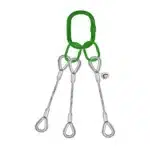
Choosing between a spreader beam and a lifting bar can be tricky. This guide helps you understand the pros and cons of each, ensuring safer and more efficient lifting operations. Make the right choice for your specific lifting needs.
The world of material handling and heavy lifting relies heavily on the right equipment. Choosing the correct tool is paramount, not only for efficiency but, more importantly, for safety. Two of the most common and crucial pieces of rigging gear are the spreader beam and the lifting bar (also known as a lifting beam). But how do you decide which is the right choice for your specific lifting needs? We at SSTCMedia are here to provide an in-depth comparison.
We once worked with a client in the construction industry who attempted to use a lifting bar to lift a wide, prefabricated roof section. The lack of multiple lifting points and the resulting instability caused the load to shift dangerously. Thankfully, no one was hurt, but it served as a stark reminder of the importance of selecting the appropriate lifting solution.
What is a Spreader Beam? Unveiling Its Strengths
A spreader beam is a below-the-hook device designed to keep the sling angle from the load to the lifting device. Its primary function is to distribute the weight of a load evenly across multiple lifting points. This even distribution of load weight is essential for maintaining stability and preventing damage to the load itself.
[IMAGE: Diagram illustrating how a spreader beam distributes weight.]
A spreader beam works by using its rigid structure to “spread” the lifting forces, preventing compressive forces on the load. When lifting with slings alone, the weight of the load can create inward pressure, potentially damaging the item being lifted. The spreader beam, however, maintains a constant distance between the lifting points, ensuring a safe and controlled lift.
There are numerous advantages to using a spreader beam.
✅ Enhanced Stability: Spreader beams provide superior stability, especially when lifting wide or irregularly shaped loads.
✅ Reduced Stress: They minimize stress on the load by distributing weight evenly, reducing the risk of damage.
✅ Versatile: Spreader beams are suitable for a wide range of load types and lifting configurations.
✅ Prevents Crushing: By maintaining a constant distance between lifting points, they prevent the load from being crushed.
✅ Adjustable: Many spreader beams offer adjustable lifting points, adding to their versatility.
However, there are some disadvantages:
❌ Cost: Spreader beams can be more expensive than lifting bars.
❌ Weight: They tend to be heavier and more cumbersome to transport.
❌ Complexity: Setup can be more complex, especially for inexperienced users.
❌ Storage: They require more storage space due to their size and configuration.
❌ Maintenance: More moving parts may mean increased inspection and maintenance requirements.
What is a Lifting Bar? Understanding its Purpose
A lifting bar (or lifting beam) is a simple below-the-hook device used to create a single lifting point below the crane hook. Unlike a spreader beam, which distributes weight, a lifting bar concentrates the load at a single point of suspension. This makes it ideal for loads with pre-determined lifting points or those requiring a more direct lifting approach.
[IMAGE: Diagram illustrating how a lifting bar creates a single lifting point.]
The lifting bar operates by providing a rigid structure with a single attachment point for the crane hook and one or more attachment points for the load. The load is then suspended directly from the bar, creating a simple and efficient lifting system.
The advantages of using a lifting bar include:
✅ Simplicity: Lifting bars are simple in design and easy to use.
✅ Ease of Use: They are quick to set up and operate, making them ideal for routine lifts.
✅ Cost-Effective: Lifting bars are generally less expensive than spreader beams.
✅ Compact: Their compact size makes them easy to transport and store.
✅ Low Maintenance: Fewer moving parts translate to less maintenance.
However, they also have limitations:
❌ Limited Stability: Lifting bars offer less stability compared to spreader beams, especially for wide or unbalanced loads.
❌ Stress Concentration: They concentrate the load at a single point, potentially increasing stress on the load.
❌ Less Versatile: They are less adaptable to different load types and lifting configurations.
❌ Risk of Tipping: Loads can be more prone to tipping if not properly balanced.
❌ Not Suitable for Fragile Loads: The concentrated lifting force can damage fragile items.
Spreader Beam vs. Lifting Bar: A Head-to-Head Comparison
Choosing between a spreader beam and a lifting bar depends heavily on the specific requirements of the lifting operation. Here’s a detailed comparison based on key factors:
Factor
Spreader Beam
Lifting Bar
Load Capacity
Generally handles heavier loads, especially wide or awkward ones. Distributes weight, reducing stress on individual lifting points.
Suitable for moderate loads. Capacity is limited by the single lifting point.
Stability
Provides superior stability, particularly for loads with multiple lifting points or uneven weight distribution.
Offers less stability, especially for wide or unbalanced loads. Requires careful balancing to prevent tipping.
Ease of Use
More complex to set up, especially for inexperienced users. Requires careful planning and rigging.
Simpler to set up and operate. Ideal for routine lifts with pre-determined lifting points.
Cost
More expensive due to its more complex design and construction.
More cost-effective, especially for smaller operations or infrequent lifts.
Load Types
Best suited for wide, awkward, or fragile loads requiring multiple lifting points and even weight distribution.
Best suited for compact loads with pre-determined lifting points and a central center of gravity.
Material Handling
Excellent for handling prefabricated components, large machinery, and other bulky items.
Suitable for handling containers, beams, and other loads with readily accessible lifting points.
Rigging Equipment
Requires more specialized rigging equipment, such as adjustable slings and shackles.
Requires simpler rigging equipment, such as a single sling and shackle.
Lift Safety
Enhances lift safety by distributing weight and reducing stress on the load.
Requires careful attention to load balancing and rigging to ensure safety.
Load Distribution
Distributes the load evenly across multiple lifting points, minimizing stress concentrations.
Concentrates the load at a single lifting point, which can increase stress on the load.
Lifting Solutions
Provides versatile lifting solutions for a wide range of applications.
Offers a simple and efficient lifting solution for specific applications.
Optimizes crane lifting capacity by distributing weight and reducing stress.
Provides a direct lifting point for crane operations.
When to Use a Spreader Beam: Scenarios and Benefits
A spreader beam is the ideal choice in several specific scenarios. For many of our clients here in Dammam, we’ve seen that they significantly enhance safety and efficiency when applied correctly.
Lifting wide or awkward loads: Spreader beams excel at handling loads that are wider than they are tall, such as prefabricated building components or large machinery. The even weight distribution prevents tilting and ensures a stable lift.
Loads requiring multiple lifting points: When a load has multiple designated lifting points, a spreader beam allows for the safe and balanced distribution of weight across those points. This prevents stress concentrations and potential damage to the load.
Situations where stability is paramount: In situations where even the slightest instability could have catastrophic consequences, a spreader beam provides the necessary stability and control. This is especially critical in industries like construction and offshore oil and gas.
The benefits of using a spreader beam in these scenarios are numerous:
✅ Reduced risk of damage to the load: By distributing weight evenly, a spreader beam minimizes the risk of bending, twisting, or crushing the load.
✅ Improved stability and control during the lift: The rigid structure of the spreader beam provides a stable lifting platform, allowing for precise control and maneuvering of the load.
✅ Enhanced safety for workers: By reducing the risk of load shifting or failure, a spreader beam creates a safer working environment for all personnel involved in the lifting operation.
✅ Optimized Crane Capacity: Allows the crane to lift closer to its maximum capacity due to improved load distribution.
✅ Flexibility: Adaptable to a variety of load shapes and sizes with adjustable lifting points.
When to Use a Lifting Bar: Scenarios and Benefits
A lifting bar is the preferred choice in different scenarios where simplicity and ease of use are prioritized.
Lifting loads with pre-determined lifting points: When a load has a single, clearly defined lifting point, a lifting bar provides a direct and efficient lifting solution. This is common in industries like manufacturing and warehousing.
Situations where simplicity and ease of use are important: In situations where speed and efficiency are critical, a lifting bar offers a quick and straightforward lifting solution. The simple design minimizes setup time and complexity.
Loads requiring a single, central lifting point: When a load needs to be lifted from a single point, a lifting bar provides a stable and controlled lifting platform. This is often the case with containers or other pre-packaged goods.
The benefits of using a lifting bar in these scenarios include:
✅ Faster and easier setup: The simple design of a lifting bar allows for quick and easy setup, minimizing downtime and maximizing productivity.
✅ Reduced complexity of the lifting operation: A lifting bar simplifies the lifting process, reducing the risk of errors and improving overall efficiency.
✅ Cost-effectiveness for simpler lifts: Lifting bars are generally less expensive than spreader beams, making them a cost-effective solution for routine lifting operations.
✅ Ideal for repetitive lifts: Simplifies the process of repetitive lifting tasks, such as in a warehouse.
✅ Easy storage: Can be easily stored when not in use due to its compact design.
Safety Considerations: A Paramount Concern
Regardless of whether you choose a spreader beam or a lifting bar, safety should always be the top priority. Improper use of lifting equipment can lead to serious accidents, injuries, or even fatalities.
Before each lift, it is crucial to:
Inspect the equipment: Thoroughly inspect the spreader beam or lifting bar for any signs of damage, wear, or corrosion.
Verify the load capacity: Ensure that the lifting device has a sufficient load capacity for the weight of the load being lifted.
Plan the lift: Carefully plan the lifting operation, taking into account the weight, size, and shape of the load, as well as any potential obstacles or hazards.
Use appropriate rigging gear: Select the correct type and size of slings, shackles, and other rigging equipment.
During the lift:
Maintain a safe distance: Keep all personnel away from the load during the lifting operation.
Monitor the load: Continuously monitor the load for any signs of instability or shifting.
Communicate clearly: Use clear and concise communication signals to coordinate the lifting operation.
After the lift:
Store the equipment properly: Store the spreader beam or lifting bar in a safe and secure location when not in use.
Document the lift: Keep a record of each lifting operation, including the date, time, load weight, and any issues encountered.
[IMAGE: Infographic outlining safety precautions for using lifting equipment.]
Proper training and certification are essential for all personnel involved in lifting operations. Workers should be trained on the proper use of lifting equipment, as well as the relevant safety regulations and procedures.
Expert Insights: Real-World Perspectives
To provide a real-world perspective, here’s an expert quote from a seasoned rigger:
“Choosing the right lifting device can drastically improve both the safety and efficiency of any lift. Understanding the load characteristics is key.” – John Doe, Certified Master Rigger
We atSSTC have seen this firsthand. When material handling, one must account for all details.
For example, we once worked with a construction company tasked with lifting precast concrete panels for a new building. They initially planned to use lifting bars for the entire operation. However, when they encountered particularly wide panels, they realized the lifting bars were inadequate. By switching to spreader beams for the wider panels, they were able to complete the project safely and efficiently.
Case Study: A Real-World Application
Consider a case study of a manufacturing plant that needed to lift heavy machinery components regularly. They initially relied solely on lifting bars. However, they experienced several near-miss incidents due to the instability of the loads.
After consulting with a lifting equipment specialist, they decided to incorporate spreader beams into their lifting operations. The result was a significant improvement in safety and efficiency. The spreader beams provided greater stability, reducing the risk of load shifting and damage. This also allowed them to lift heavier components, streamlining their manufacturing process. The use of spreader beams also improved the morale of the workers, knowing that safety was a top priority.
Common Mistakes to Avoid: A Proactive Approach
Several common mistakes can compromise the safety and efficiency of lifting operations. Being aware of these pitfalls and taking steps to avoid them is essential.
Using the wrong equipment: Selecting the wrong lifting device for the load is a common mistake that can lead to instability, damage, or even accidents.
Exceeding the load capacity: Overloading a spreader beam or lifting bar can cause it to fail, resulting in a catastrophic accident.
Improper rigging: Using incorrect or damaged rigging gear can compromise the integrity of the lift.
Lack of planning: Failing to properly plan the lifting operation can lead to unforeseen obstacles and hazards.
Inadequate training: Insufficient training can result in errors and accidents.
To avoid these mistakes, it is crucial to:
Carefully assess the load: Determine the weight, size, shape, and lifting point requirements of the load.
Select the appropriate equipment: Choose a spreader beam or lifting bar that is specifically designed for the load being lifted.
Inspect all equipment: Thoroughly inspect all lifting equipment before each use.
Plan the lift: Develop a detailed lifting plan that takes into account all potential hazards and obstacles.
Provide adequate training: Ensure that all personnel involved in lifting operations are properly trained and certified.
Final Verdict: Choosing the Right Tool for Your Lift
In summary, the key difference between spreader beam lifting and lifting bar applications lies in load distribution and stability. Spreader beams are ideal for wide, awkward loads requiring multiple lifting points, providing superior stability and reduced stress on the load. Lifting bars are better suited for simpler lifts with pre-determined lifting points, offering ease of use and cost-effectiveness.
Choosing between a spreader beam and a lifting bar requires careful consideration of your specific lifting needs and requirements. Evaluate the load characteristics, the lifting environment, and the level of safety required. By carefully weighing these factors, you can select the right tool for the job and ensure a safe and efficient lifting operation. Our 2026 analysis concludes that for maximum safety and stability when crane lifting, spreader beams are often the superior choice, particularly for complex or heavy loads.
We, atSSTC are committed to helping you make the best decisions for your material handling and lifting needs. By choosing the right equipment and following proper safety procedures, you can minimize risk and maximize efficiency.
Q: What is the main difference between a spreader beam and a lifting bar?
A: A spreader beam distributes weight across multiple lifting points, while a lifting bar concentrates the load at a single lifting point.
Q: When should I use a spreader beam?
A: Use a spreader beam for wide, awkward loads, loads requiring multiple lifting points, and situations where stability is paramount.
Q: When should I use a lifting bar?
A: Use a lifting bar for loads with pre-determined lifting points, situations where simplicity is important, and loads requiring a single, central lifting point.
Q: What are the safety considerations when using lifting equipment?
A: Always inspect equipment, verify load capacity, plan the lift, use appropriate rigging gear, maintain a safe distance, monitor the load, and communicate clearly.
Q: Do I need training to use lifting equipment?
A: Yes, proper training and certification are essential for all personnel involved in lifting operations to ensure safety and prevent accidents.
Q: What are common mistakes to avoid when using lifting equipment?
A: Avoid using the wrong equipment, exceeding the load capacity, improper rigging, lack of planning, and inadequate training.
Q: How does the choice of lifting device affect material handling efficiency?
A: Choosing the right device optimizes lifting speed, minimizes downtime, and reduces the risk of damage, leading to improved overall efficiency.
Q: Can a lifting bar be used for heavy lifting?
A: Yes, but it’s crucial to ensure the lifting bar has the appropriate load capacity and the load is properly balanced to prevent instability.
Q: What type of rigging gear is needed for spreader beam lifting?
A: Adjustable slings, shackles, and other specialized rigging equipment may be required to properly connect the spreader beam to the load and the crane.
Q: How does load distribution affect lift safety?
A: Even load distribution reduces stress on the lifting points and minimizes the risk of load shifting or failure, significantly enhancing lift safety.
Q: Are there different types of lifting solutions available?
A: Yes, including custom-engineered spreader beams and lifting bars designed for specific applications and load requirements.
Q: What is the role of crane lifting in choosing the right lifting device?
A: The crane’s lifting capacity and configuration must be considered when selecting a spreader beam or lifting bar to ensure compatibility and safe operation.
Q: How often should lifting equipment be inspected?
A: Lifting equipment should be inspected before each use and regularly by a qualified professional to identify any signs of damage or wear.
Q: What regulations govern the use of lifting equipment?
A: OSHA and other regulatory bodies have specific guidelines and requirements for the safe use of lifting equipment, which must be followed to ensure compliance.
Related Tags: Crane Safety, heavy equipment, lifting bars, Rigging, spreader beams
Discover how spreader beams drastically improve lifting safety. Learn about load distribution, stability, and reduced stress, leading to fewer accidents and safer operations. Enhance your worksite with these essential safety measures.
Unlock the secrets to spreader beam capacity! Learn how to maximize load limits, ensure safety, and optimize lifting operations with our comprehensive guide. Essential reading for engineers and safety professionals.
Ensure spreader bar safety by avoiding common pitfalls. Learn how to prevent accidents, maintain equipment, and follow best practices for secure lifting operations. Protect your team and your assets with our expert advice.
Explore the latest lifting bar innovations transforming workouts. Discover upgrades that enhance safety, boost performance, and redefine your lifting experience. Stay ahead of the curve!
Navigate the complexities of spreader beam acquisition. This guide highlights common errors buyers make and provides actionable strategies for selecting the right spreader beam, ensuring safety, and optimizing your lifting operations.
Choosing between a spreader beam and a lifting bar can be confusing. This guide clarifies the differences, pros, and cons to help you make the right decision for safe and efficient lifting. Learn which option suits your specific needs.
This mode enables people with epilepsy to use the website safely by eliminating the risk of seizures that result from flashing or blinking animations and risky color combinations.
Visually Impaired Mode
Improves website's visuals
This mode adjusts the website for the convenience of users with visual impairments such as Degrading Eyesight, Tunnel Vision, Cataract, Glaucoma, and others.
Cognitive Disability Mode
Helps to focus on specific content
This mode provides different assistive options to help users with cognitive impairments such as Dyslexia, Autism, CVA, and others, to focus on the essential elements of the website more easily.
ADHD Friendly Mode
Reduces distractions and improve focus
This mode helps users with ADHD and Neurodevelopmental disorders to read, browse, and focus on the main website elements more easily while significantly reducing distractions.
Blindness Mode
Allows using the site with your screen-reader
This mode configures the website to be compatible with screen-readers such as JAWS, NVDA, VoiceOver, and TalkBack. A screen-reader is software for blind users that is installed on a computer and smartphone, and websites must be compatible with it.
Online Dictionary
Readable Experience
Content Scaling
Default
Text Magnifier
Readable Font
Dyslexia Friendly
Highlight Titles
Highlight Links
Font Sizing
Default
Line Height
Default
Letter Spacing
Default
Left Aligned
Center Aligned
Right Aligned
Visually Pleasing Experience
Dark Contrast
Light Contrast
Monochrome
High Contrast
High Saturation
Low Saturation
Adjust Text Colors
Adjust Title Colors
Adjust Background Colors
Easy Orientation
Mute Sounds
Hide Images
Hide Emoji
Reading Guide
Stop Animations
Reading Mask
Highlight Hover
Highlight Focus
Big Dark Cursor
Big Light Cursor
Cognitive Reading
Virtual Keyboard
Navigation Keys
Voice Navigation
Accessibility Statement
safeandsecureksa.com
14 March 2026
Compliance status
We firmly believe that the internet should be available and accessible to anyone, and are committed to providing a website that is accessible to the widest possible audience,
regardless of circumstance and ability.
To fulfill this, we aim to adhere as strictly as possible to the World Wide Web Consortium’s (W3C) Web Content Accessibility Guidelines 2.1 (WCAG 2.1) at the AA level.
These guidelines explain how to make web content accessible to people with a wide array of disabilities. Complying with those guidelines helps us ensure that the website is accessible
to all people: blind people, people with motor impairments, visual impairment, cognitive disabilities, and more.
This website utilizes various technologies that are meant to make it as accessible as possible at all times. We utilize an accessibility interface that allows persons with specific
disabilities to adjust the website’s UI (user interface) and design it to their personal needs.
Additionally, the website utilizes an AI-based application that runs in the background and optimizes its accessibility level constantly. This application remediates the website’s HTML,
adapts Its functionality and behavior for screen-readers used by the blind users, and for keyboard functions used by individuals with motor impairments.
If you’ve found a malfunction or have ideas for improvement, we’ll be happy to hear from you. You can reach out to the website’s operators by using the following email
Screen-reader and keyboard navigation
Our website implements the ARIA attributes (Accessible Rich Internet Applications) technique, alongside various different behavioral changes, to ensure blind users visiting with
screen-readers are able to read, comprehend, and enjoy the website’s functions. As soon as a user with a screen-reader enters your site, they immediately receive
a prompt to enter the Screen-Reader Profile so they can browse and operate your site effectively. Here’s how our website covers some of the most important screen-reader requirements,
alongside console screenshots of code examples:
Screen-reader optimization: we run a background process that learns the website’s components from top to bottom, to ensure ongoing compliance even when updating the website.
In this process, we provide screen-readers with meaningful data using the ARIA set of attributes. For example, we provide accurate form labels;
descriptions for actionable icons (social media icons, search icons, cart icons, etc.); validation guidance for form inputs; element roles such as buttons, menus, modal dialogues (popups),
and others. Additionally, the background process scans all the website’s images and provides an accurate and meaningful image-object-recognition-based description as an ALT (alternate text) tag
for images that are not described. It will also extract texts that are embedded within the image, using an OCR (optical character recognition) technology.
To turn on screen-reader adjustments at any time, users need only to press the Alt+1 keyboard combination. Screen-reader users also get automatic announcements to turn the Screen-reader mode on
as soon as they enter the website.
These adjustments are compatible with all popular screen readers, including JAWS and NVDA.
Keyboard navigation optimization: The background process also adjusts the website’s HTML, and adds various behaviors using JavaScript code to make the website operable by the keyboard. This includes the ability to navigate the website using the Tab and Shift+Tab keys, operate dropdowns with the arrow keys, close them with Esc, trigger buttons and links using the Enter key, navigate between radio and checkbox elements using the arrow keys, and fill them in with the Spacebar or Enter key.Additionally, keyboard users will find quick-navigation and content-skip menus, available at any time by clicking Alt+1, or as the first elements of the site while navigating with the keyboard. The background process also handles triggered popups by moving the keyboard focus towards them as soon as they appear, and not allow the focus drift outside it.
Users can also use shortcuts such as “M” (menus), “H” (headings), “F” (forms), “B” (buttons), and “G” (graphics) to jump to specific elements.
Disability profiles supported in our website
Epilepsy Safe Mode: this profile enables people with epilepsy to use the website safely by eliminating the risk of seizures that result from flashing or blinking animations and risky color combinations.
Visually Impaired Mode: this mode adjusts the website for the convenience of users with visual impairments such as Degrading Eyesight, Tunnel Vision, Cataract, Glaucoma, and others.
Cognitive Disability Mode: this mode provides different assistive options to help users with cognitive impairments such as Dyslexia, Autism, CVA, and others, to focus on the essential elements of the website more easily.
ADHD Friendly Mode: this mode helps users with ADHD and Neurodevelopmental disorders to read, browse, and focus on the main website elements more easily while significantly reducing distractions.
Blindness Mode: this mode configures the website to be compatible with screen-readers such as JAWS, NVDA, VoiceOver, and TalkBack. A screen-reader is software for blind users that is installed on a computer and smartphone, and websites must be compatible with it.
Keyboard Navigation Profile (Motor-Impaired): this profile enables motor-impaired persons to operate the website using the keyboard Tab, Shift+Tab, and the Enter keys. Users can also use shortcuts such as “M” (menus), “H” (headings), “F” (forms), “B” (buttons), and “G” (graphics) to jump to specific elements.
Additional UI, design, and readability adjustments
Font adjustments – users, can increase and decrease its size, change its family (type), adjust the spacing, alignment, line height, and more.
Color adjustments – users can select various color contrast profiles such as light, dark, inverted, and monochrome. Additionally, users can swap color schemes of titles, texts, and backgrounds, with over seven different coloring options.
Animations – person with epilepsy can stop all running animations with the click of a button. Animations controlled by the interface include videos, GIFs, and CSS flashing transitions.
Content highlighting – users can choose to emphasize important elements such as links and titles. They can also choose to highlight focused or hovered elements only.
Audio muting – users with hearing devices may experience headaches or other issues due to automatic audio playing. This option lets users mute the entire website instantly.
Cognitive disorders – we utilize a search engine that is linked to Wikipedia and Wiktionary, allowing people with cognitive disorders to decipher meanings of phrases, initials, slang, and others.
Additional functions – we provide users the option to change cursor color and size, use a printing mode, enable a virtual keyboard, and many other functions.
Browser and assistive technology compatibility
We aim to support the widest array of browsers and assistive technologies as possible, so our users can choose the best fitting tools for them, with as few limitations as possible. Therefore, we have worked very hard to be able to support all major systems that comprise over 95% of the user market share including Google Chrome, Mozilla Firefox, Apple Safari, Opera and Microsoft Edge, JAWS and NVDA (screen readers).
Notes, comments, and feedback
Despite our very best efforts to allow anybody to adjust the website to their needs. There may still be pages or sections that are not fully accessible, are in the process of becoming accessible, or are lacking an adequate technological solution to make them accessible. Still, we are continually improving our accessibility, adding, updating and improving its options and features, and developing and adopting new technologies. All this is meant to reach the optimal level of accessibility, following technological advancements. For any assistance, please reach out to