- Material Handling Equipment
- Matterport Cameras
- Others
- Ropes
- Block / Hoist / Trolley
- Rigging Screws
- Cargo Accessories
- Snatch Block / Pulley
- Chains
- Stainless Steel Accessories
- Spreader Beam And Bar
- Desiccant
- Safety Shoes
- Load Monitoring
- Fall Protection
- Wire Rope Fittings
- Hooks
- Lifting Slings
- Rigging Accessories
- Shackles
- Lifting Clamps
Free shipping over 2000 SAR
- Home
- ShopHot
- Block / Hoist / Trolley
- Chains
- Fall Protection
- Hooks
- Lifting Clamps
- Shackles
- Cargo Accessories
- Lifting SlingsHot
- Wire Rope Fittings
- Ropes
- Snatch Block / Pulley
- Spreader Beam & Bar
- Material Handling Equipment
- Rigging Screws
- Lifting And Rigging Accessories
- Stainless Steel Accessories
- Desiccant
- Safety Shoes
- About
- About Us
- Sell Your Brand
- Become Our Sale Agent
- Exclusive Distributor Of Bull Rope Products In KSA
- Exclusive Distributor Of JB Lifting Products In KSA
- Exclusive Distributor of Modulift products in KSA
- Exclusive Distributor Of Safety Jogger Products In KSA
- All Exclusive Distributorship
- Procedure and Policies
- Services
- Calculators
- Brands
- Blog
- Contact
- Material Handling Equipment
- Matterport Cameras
- Others
- Ropes
- Block / Hoist / Trolley
- Rigging Screws
- Cargo Accessories
- Snatch Block / Pulley
- Chains
- Stainless Steel Accessories
- Spreader Beam And Bar
- Desiccant
- Safety Shoes
- Load Monitoring
- Fall Protection
- Wire Rope Fittings
- Hooks
- Lifting Slings
- Rigging Accessories
- Shackles
- Lifting Clamps
No products in the cart.
Return To ShopFree shipping over 2000 SAR
Precautions & FAQ's
Stainless steel lifting accessories, like shackles, hooks, and eyebolts, are used in various industries where corrosion resistance and durability are essential. To ensure safety and the proper use of stainless steel lifting accessories, consider the following precautions:
Material Selection: Ensure that the stainless steel lifting accessories are made from the appropriate grade of stainless steel for the specific application. Different grades of stainless steel offer varying levels of corrosion resistance, strength, and temperature resistance. Consult with a materials expert if necessary.
Environmental Compatibility: Consider the environment in which the stainless steel lifting accessories will be used. Some grades of stainless steel are better suited for particular environments, such as marine or chemical processing environments.
Proper Sizing: Ensure that the stainless steel lifting accessories are correctly sized for the intended application. Follow the manufacturer’s specifications and guidelines for the correct size and type of accessory.
Load Limits: Be aware of the Working Load Limit (WLL) of the stainless steel lifting accessories and do not exceed it. The WLL should be marked on the accessory or provided by the manufacturer.
Quality Assurance: Use high-quality stainless steel lifting accessories that meet relevant industry standards and certifications. Purchase accessories from reputable manufacturers or suppliers.
Proper Installation: Follow the manufacturer’s instructions for installing and using stainless steel lifting accessories. Ensure they are securely and correctly fastened or assembled in the intended application.
Regular Inspection: Periodically inspect stainless steel lifting accessories for signs of wear, corrosion, damage, or deformities. Stainless steel can corrode, albeit at a slower rate than many other materials, so it’s important to check for any signs of surface rust or pitting.
Maintenance: Perform regular cleaning and maintenance to remove contaminants or deposits that may affect the integrity of the stainless steel, especially in environments where it may come into contact with corrosive substances.
Training: Ensure that personnel involved in handling and using stainless steel lifting accessories are trained in their proper usage and maintenance procedures.
Clear Communication: Maintain clear and effective communication between workers to ensure they understand and follow safety procedures related to stainless steel lifting accessory usage.
Records and Documentation: Keep records of inspections, maintenance, and usage of stainless steel lifting accessories, and document any concerns or issues for future reference.
Environmental Considerations: Ensure proper disposal and recycling of stainless steel lifting accessories at the end of their life cycle, in compliance with environmental regulations.
By following these precautions, you can ensure the safe and effective use of stainless steel lifting accessories, extend their service life, and maintain their corrosion-resistant properties. Always adhere to safety regulations and industry standards when working with stainless steel lifting accessories.
Stainless steel accessories are various tools, components, or hardware made from stainless steel, a corrosion-resistant alloy. These accessories are used in a wide range of applications due to their durability and resistance to rust and corrosion.
Stainless steel is favored for its corrosion resistance, strength, and aesthetic appeal. It is suitable for use in environments where exposure to moisture, chemicals, or harsh weather conditions might cause other materials to corrode.
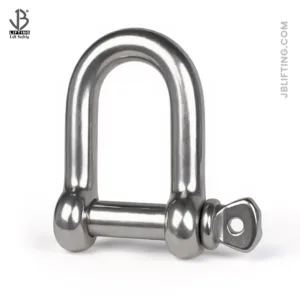
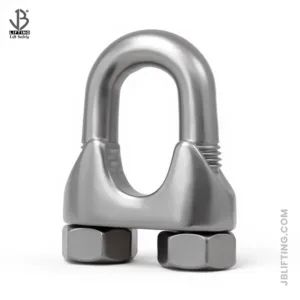
Stainless steel accessories include a wide range of items such as fasteners (screws, nuts, bolts), hinges, handles, brackets, hooks, shackles, and other hardware used in construction, manufacturing, marine applications, and more.
Yes, stainless steel accessories are well-suited for outdoor use. Their corrosion resistance makes them ideal for applications exposed to weather, moisture, and other environmental factors.
Yes, stainless steel comes in various grades, each with specific properties. Common grades include 304 (general-purpose), 316 (marine-grade with increased corrosion resistance), and 316L (low carbon for enhanced corrosion resistance).
Yes, stainless steel is highly resistant to corrosion, making it suitable for use in corrosive environments, such as coastal areas with saltwater exposure or industrial settings with chemicals.
Clean stainless steel accessories regularly with a mild detergent or stainless steel cleaner. Avoid abrasive cleaners that can scratch the surface. Routine cleaning helps maintain their appearance and corrosion resistance.
While stainless steel is often used for its natural appearance, it can be painted or coated for specific applications or aesthetic preferences. However, this may affect its corrosion resistance.
Yes, stainless steel is highly recyclable. The recycling process retains the material’s corrosion resistance and mechanical properties, making it an environmentally friendly choice.
While stainless steel is versatile, it may not be suitable for extremely high-temperature applications. Additionally, costs can be higher compared to other materials, but the durability often justifies the investment.
Got Questions? Ask Away!
If you have queries not covered in our FAQs, use this form to reach out.
- Polyester Web Slings
- Wire Rope Slings
- Chain Sings
- Steel Wire Rope
- Wire Rope Fittings
- Block / Hoist / Trolley
- Shackles
- Fall Protection
- Chains
- Hooks
- Material Handling Equipment
- Cargo Accessories
- Lifting Clamps
- Rigging Screws
- Stainless Steel Accessories
- Safety Shoes
- Polypropylene Rope
- High Strength Polypropylene Rope
- Polyester Rope
- Polyamide Nylon Rope