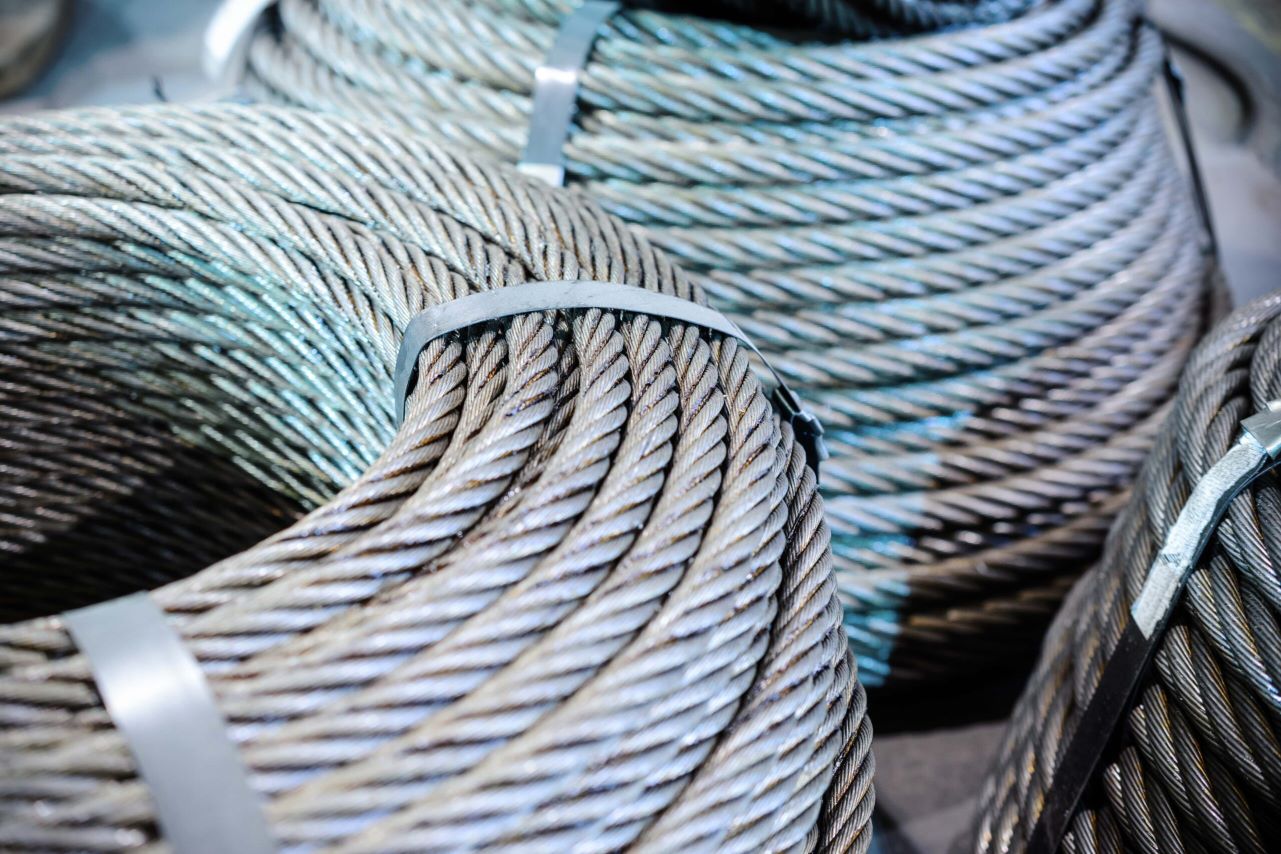
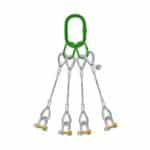
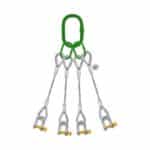
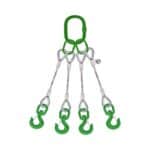
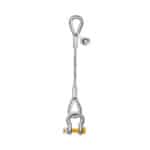
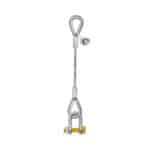
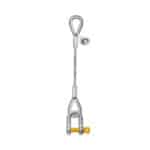
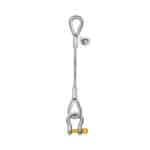
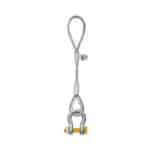
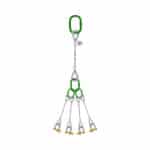
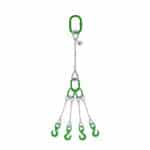
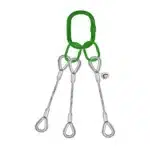
Steel wire rope is an essential component in numerous industries, providing the strength and reliability needed for lifting, hoisting, and securing heavy loads. Recent breakthroughs in material science, manufacturing techniques, and monitoring technologies have significantly enhanced the performance, safety, and lifespan of [main keyphrase]. These advancements not only improve operational efficiency but also contribute to a safer working environment. In this article, we will explore twelve of the most significant breakthroughs in [main keyphrase] technology, offering insights into how these innovations are shaping the future of the industry.
1. ✅ High-Strength Steel Alloys: The Foundation of Modern Wire Rope
1.1. Understanding Material Composition
Modern [main keyphrase] owes its enhanced performance to the development of high-strength steel alloys. These alloys are carefully formulated to maximize tensile strength, yield strength, and durability. By fine-tuning the chemical composition and employing advanced heat treatment processes, manufacturers can produce steel that withstands extreme loads and environmental conditions. This precise control over material properties is crucial for ensuring the reliability and safety of [main keyphrase] in demanding applications.
1.2. Improved Load Capacity
The implementation of stronger alloys directly impacts the load capacity of [main keyphrase]. These alloys allow for the production of ropes that can handle significantly heavier loads without compromising safety or structural integrity. For instance, the introduction of alloys with higher chromium and molybdenum content has led to a notable increase in the maximum working load limits for various [main keyphrase] configurations. This improvement is essential for industries such as construction, mining, and offshore drilling, where heavy lifting is a daily necessity.
1.3. Benefits for Heavy Lifting
The advancements in high-strength steel alloys provide substantial benefits for industries that rely on heavy lifting. Stronger [main keyphrase] means fewer rope failures, reduced downtime, and enhanced safety for workers. In our experience, for many of our clients in Jubail, we’ve observed a considerable reduction in maintenance costs associated with [lifting equipment] due to the increased lifespan of these advanced [main keyphrase]. Moreover, the improved load capacity enables companies to tackle more complex and demanding lifting projects.
2. 💡 Compacted Strand Technology: Maximizing Strength and Flexibility
2.1. What is Compaction?
Compacted strand technology is a manufacturing process that enhances the performance of [main keyphrase] by reshaping the individual strands. During compaction, the strands are drawn through specialized dies that reduce their diameter and increase their density. This process minimizes the voids between the wires, resulting in a smoother, more uniform surface. The compacted strands are then used to construct the [main keyphrase], creating a rope with superior strength, flexibility, and wear resistance.
2.2. Increased Density and Surface Contact
The primary advantage of compacted strand technology is the increased density and surface contact between the wires within the rope. By reducing the voids and increasing the contact area, the load is distributed more evenly across all the wires. This even distribution minimizes stress concentrations and reduces the risk of premature failure. The increased density also makes the rope less susceptible to deformation and wear, contributing to a longer service life.
2.3. Enhanced Abrasion Resistance
Compacted strand ropes exhibit significantly improved abrasion resistance compared to conventional [steel wire rope]. The smoother surface and tighter construction reduce friction between the rope and other surfaces, minimizing wear and tear. This is particularly important in applications where the rope is subjected to repeated bending, contact with sheaves, or exposure to abrasive materials. The enhanced abrasion resistance translates to a longer lifespan and reduced maintenance costs.
3. ➡️ Synthetic Core Innovations: Reducing Weight and Enhancing Flexibility
3.1. The Role of Synthetic Cores
Synthetic cores are increasingly used in [steel wire rope] to replace traditional steel cores. These cores, typically made from materials like polypropylene or high-performance polymers, offer several advantages over steel. The synthetic core provides support for the outer strands, maintaining the rope’s shape and preventing deformation under load. It also contributes to the rope’s overall flexibility and reduces its weight.
3.2. Weight Reduction Benefits
One of the key benefits of using synthetic cores is the significant reduction in weight compared to all-steel [wire rope]. This weight reduction makes the rope easier to handle and install, reducing the physical strain on workers. Lighter ropes also require less powerful lifting equipment, leading to energy savings and reduced operational costs. For many of our clients here in Dammam, we’ve seen that the reduced weight simplifies logistics and improves the efficiency of their operations.
3.3. Improved Flexibility and Handling
Synthetic cores enhance the flexibility of [steel wire rope], making it easier to bend and maneuver. This increased flexibility is particularly beneficial in applications where the rope is used in tight spaces or around complex geometries. The improved handling characteristics also reduce the risk of kinking and damage, extending the rope’s lifespan.
3.4. Application examples
Synthetic core [steel wire rope] is well-suited for a variety of applications where weight and flexibility are critical factors. For example, in the marine industry, these ropes are used for mooring lines, crane ropes, and towing cables. The reduced weight and increased flexibility make them easier to handle on deck and improve the efficiency of offshore operations. Another example is in the entertainment industry, where lightweight and flexible ropes are used for stage rigging and aerial performances. Using [synthetic ropes] in certain configurations of [lifting equipment] has proven beneficial in environments where equipment weight is an important variable.
4. ✨ Smart Sensors and Monitoring: Real-Time Data for Enhanced Safety
4.1. Integration of Smart Sensors
The integration of smart sensors into [steel wire rope] represents a significant advancement in safety and maintenance. These sensors, typically embedded within the rope’s core or on its surface, continuously monitor various parameters such as tension, temperature, and wear. The data collected by the sensors is transmitted wirelessly to a central monitoring system, providing real-time insights into the rope’s condition. This technology allows for proactive maintenance and prevents unexpected failures.
4.2. Data Collection and Analysis
Smart sensors collect a wide range of data that can be used to assess the health and performance of [steel wire rope]. Tension sensors measure the load on the rope, allowing operators to ensure that it remains within safe working limits. Temperature sensors detect overheating, which can indicate excessive friction or internal damage. Wear sensors monitor the rate of abrasion and corrosion, providing early warning of potential failure. This data is analyzed using sophisticated algorithms to identify trends, predict future performance, and optimize maintenance schedules.
4.3. Predictive Maintenance and Safety
The real-time data provided by smart sensors enables predictive maintenance, which is a proactive approach to preventing equipment failures. By analyzing the data, operators can identify potential problems before they lead to a breakdown. For instance, a gradual increase in tension or temperature might indicate that the rope is becoming overloaded or that internal damage is occurring. In such cases, maintenance can be scheduled to inspect and repair the rope before a catastrophic failure occurs. This predictive approach enhances safety, reduces downtime, and lowers maintenance costs.
4.4. IOT applications
Data from [steel wire rope] sensors is increasingly integrated into larger Internet of Things (IoT) applications, enhancing overall operational efficiency and safety. For example, in a construction site, data from crane ropes can be combined with data from other sensors to provide a comprehensive view of the site’s status. This information can be used to optimize workflows, prevent accidents, and improve resource allocation. Similarly, in the oil and gas industry, data from mooring lines and riser cables can be integrated into offshore platform management systems to enhance safety and prevent environmental damage. The use of [smart sensors] and [wire rope technology] makes operations far more streamlined.
5. 🛡️ Advanced Corrosion Protection: Extending Wire Rope Lifespan
5.1. Understanding Corrosion Challenges
Corrosion is a major challenge in [steel wire rope] applications, particularly in marine and industrial environments. Exposure to saltwater, chemicals, and high humidity can accelerate the corrosion process, weakening the rope and reducing its lifespan. Corrosion can occur on the surface of the wires or internally, making it difficult to detect and address. If left unchecked, corrosion can lead to premature failure and potentially dangerous situations.
5.2. New Coating Technologies
To combat corrosion, manufacturers have developed advanced coating technologies that provide a protective barrier between the steel and the environment. One popular coating is zinc-aluminum alloy, which offers excellent corrosion resistance and durability. Another option is polymer coatings, which can be applied in multiple layers to provide enhanced protection against chemicals and abrasion. These coatings are carefully formulated to adhere tightly to the steel and prevent moisture and corrosive substances from reaching the surface.
5.3. Improved Resistance to Harsh Environments
The new coating technologies significantly improve the resistance of [steel wire rope] to harsh marine and industrial environments. These coatings can withstand prolonged exposure to saltwater, chemicals, UV radiation, and extreme temperatures without degrading or losing their protective properties. This enhanced resistance translates to a longer lifespan for the rope, reduced maintenance costs, and improved safety. We’ve seen firsthand the impact of these coatings in extending the service life of [steel wire rope] used in the offshore oil and gas industry.
6. 🔬 Non-Destructive Testing (NDT) Advancements: Ensuring Rope Integrity
6.1. Overview of NDT Methods
Non-destructive testing (NDT) methods are used to assess the integrity of [steel wire rope] without causing damage to the rope itself. These methods allow inspectors to detect internal defects, corrosion, and other forms of damage that are not visible to the naked eye. NDT methods are essential for ensuring the safety and reliability of [steel wire rope] in critical applications. Common NDT techniques include visual inspection, magnetic particle testing, radiographic testing, ultrasonic testing, and electromagnetic testing.
6.2. Ultrasonic and Electromagnetic Testing
Ultrasonic testing involves transmitting high-frequency sound waves through the [steel wire rope] and analyzing the reflected signals. Changes in the reflected signals can indicate the presence of internal defects, such as cracks or voids. Electromagnetic testing uses magnetic fields to detect changes in the rope’s cross-sectional area, which can indicate corrosion or broken wires. Both of these techniques are highly sensitive and can detect even small defects that could potentially lead to failure.
6.3. Early Detection of Defects
The advancements in NDT techniques enable early detection of internal defects and damage in [steel wire rope]. This early detection allows operators to take proactive measures to repair or replace the rope before a catastrophic failure occurs. Regular NDT inspections can help to extend the lifespan of the rope, reduce maintenance costs, and improve safety. The ability to detect defects early is particularly important in high-risk applications where the consequences of failure could be severe.
7. ⚙️ Improved Lubrication Techniques: Reducing Friction and Wear
7.1. The Importance of Lubrication
Lubrication plays a critical role in reducing friction and wear in [steel wire rope]. The constant bending and flexing of the wires against each other creates friction, which can lead to wear and fatigue. Lubrication reduces this friction, allowing the wires to move more freely and extending the rope’s lifespan. Proper lubrication also helps to prevent corrosion by creating a protective barrier between the steel and the environment.
7.2. Advanced Lubricant Formulations
New lubricant formulations have been developed with enhanced penetration and adhesion properties. These lubricants are designed to penetrate deep into the core of the [steel wire rope], providing thorough protection to all the wires. They also adhere tightly to the steel surface, even under extreme conditions. Advanced lubricants often contain additives that further reduce friction, prevent corrosion, and resist water washout.
7.3. Automated Lubrication Systems
Automated lubrication systems provide consistent and effective maintenance for [steel wire rope]. These systems automatically apply lubricant to the rope at regular intervals, ensuring that it remains properly lubricated at all times. Automated lubrication systems can be programmed to adjust the amount and frequency of lubrication based on the rope’s operating conditions. This consistent lubrication reduces friction and wear, extending the rope’s lifespan and improving safety.
8. 🔗 Parallel Wire Construction: Enhancing Fatigue Resistance
8.1. Understanding Parallel Wire Design
Parallel wire construction is a design approach that enhances the fatigue resistance of [steel wire rope]. In traditional [steel wire rope], the wires are twisted together in a helical pattern, which creates stress concentrations at the points where the wires cross each other. In parallel wire ropes, the wires are arranged parallel to each other, eliminating these stress concentrations and distributing the load more evenly across all the wires. This design reduces the risk of fatigue failure and extends the rope’s lifespan.
8.2. Reduced Stress Concentration
The primary advantage of parallel wire design is the reduction of stress concentration. By arranging the wires parallel to each other, the load is distributed more evenly across all the wires, minimizing stress peaks. This even distribution reduces the risk of fatigue failure and extends the rope’s lifespan. The reduced stress concentration also makes the rope less susceptible to damage from bending and abrasion.
8.3. Applications in High-Cycle Lifting
Parallel wire ropes are particularly well-suited for high-cycle lifting operations, where the rope is subjected to repeated bending and flexing. These ropes are commonly used in cranes, elevators, and other lifting equipment that operate continuously. The enhanced fatigue resistance of parallel wire ropes makes them more durable and reliable in these demanding applications. We’ve recommended parallel [steel wire rope] to clients dealing with constant use of [lifting equipment] with positive results.
9. 📊 Life Cycle Assessment (LCA): Promoting Sustainability
9.1. What is Life Cycle Assessment?
Life cycle assessment (LCA) is a method for evaluating the environmental impact of a product or process throughout its entire life cycle, from raw material extraction to disposal. LCA takes into account all the resources used, emissions generated, and waste produced during each stage of the product’s life. This comprehensive assessment helps to identify opportunities for reducing the environmental impact and promoting sustainability.
9.2. Environmentally Friendly Materials
The use of environmentally friendly materials is an important aspect of promoting sustainability in [steel wire rope] production. Manufacturers are increasingly using recycled steel, bio-based lubricants, and other sustainable materials to reduce the environmental footprint of their products. These materials not only reduce the demand for virgin resources but also minimize the generation of waste and pollution.
9.3. Reducing Environmental Impact
There are several strategies for reducing the environmental impact of [steel wire rope] throughout its life cycle. These include using energy-efficient manufacturing processes, minimizing waste generation, and promoting proper disposal and recycling. Manufacturers can also design [steel wire rope] for longer lifespans, reducing the need for frequent replacements. By implementing these strategies, the environmental impact of [steel wire rope] can be significantly reduced.
10. 💡 Polymer Impregnated Ropes: Balancing Strength and Flexibility
10.1. Introduction to Polymer Impregnation
Polymer impregnation is a process that involves injecting polymers into the [steel wire rope] to enhance its performance characteristics. The polymers fill the voids between the wires, creating a solid, composite structure. This process improves the rope’s strength, flexibility, and corrosion resistance. Polymer impregnation is particularly effective in applications where the rope is subjected to harsh environments or demanding operating conditions.
10.2. Improved Internal Lubrication
Polymer impregnation enhances internal lubrication by creating a continuous film of lubricant between the wires. This film reduces friction and wear, allowing the wires to move more freely and extending the rope’s lifespan. The polymer also helps to retain the lubricant, preventing it from being squeezed out or washed away. This improved lubrication ensures that the rope remains protected even under extreme conditions.
10.3. Increased Corrosion Resistance
Polymer impregnation provides increased corrosion resistance by creating a barrier that prevents moisture and corrosive substances from reaching the steel. The polymer fills the voids between the wires, preventing the ingress of water and chemicals. It also forms a protective layer on the surface of the wires, further enhancing corrosion resistance. This improved corrosion resistance makes polymer-impregnated ropes well-suited for marine and industrial applications.
“The advancements in polymer technology have revolutionized the performance of [steel wire rope], providing a unique combination of strength, flexibility, and corrosion resistance.” – Sarah Johnson, Material Science Engineer
11. ➡️ Enhanced Wire Drawing Techniques: Improving Wire Properties
11.1. The Wire Drawing Process
The wire drawing process is a critical step in the manufacturing of [steel wire rope]. During this process, steel rods are pulled through a series of dies to reduce their diameter and increase their length. The wire drawing process also improves the steel’s strength, hardness, and surface finish. The properties of the wire are carefully controlled to ensure that it meets the required specifications for the intended application.
11.2. Advanced Drawing Techniques
New drawing techniques have been developed that enhance the wire strength and surface finish. These techniques involve using specialized dies, lubricants, and cooling systems to control the temperature and pressure during the drawing process. Advanced drawing techniques can produce wires with higher tensile strength, smoother surfaces, and tighter tolerances. These improved wire properties translate to better overall rope performance.
11.3. Impact on Rope Performance
Improved wire properties have a significant impact on [steel wire rope] performance. Wires with higher tensile strength can withstand greater loads without breaking. Smoother surfaces reduce friction and wear, extending the rope’s lifespan. Tighter tolerances ensure that the wires fit together properly, creating a stronger and more uniform rope. By improving the properties of the individual wires, manufacturers can produce [steel wire rope] with superior strength, durability, and reliability.
| Breakthrough |
Description |
Benefits |
| High-Strength Steel Alloys |
Advanced steel alloys with enhanced tensile strength and durability. |
Improved load capacity, reduced downtime, enhanced safety. |
| Compacted Strand Technology |
Manufacturing process that increases strand density and surface contact. |
Enhanced abrasion resistance, longer lifespan, reduced maintenance costs. |
| Synthetic Core Innovations |
Use of synthetic cores to replace traditional steel cores. |
Weight reduction, improved flexibility, easier handling. |
12. 📚 Training and Education Programs: Ensuring Proper Usage and Inspection
12.1. The Importance of Training
Proper training is essential for ensuring the safe and effective use of [steel wire rope]. Users and inspectors need to be trained on how to properly handle, install, inspect, and maintain [steel wire rope]. Training programs should cover topics such as rope construction, load limits, inspection procedures, and safety precautions. Without proper training, users may unknowingly damage the rope or operate it in a dangerous manner.
12.2. Available Training Programs
There are numerous training programs and certifications available for [steel wire rope] users and inspectors. These programs are offered by manufacturers, industry associations, and independent training providers. Certifications demonstrate that an individual has met a certain level of competency in [steel wire rope] handling and inspection. Some popular certifications include those offered by the Wire Rope Technical Board (WRTB) and the Associated Wire Rope Fabricators (AWRF).
12.3. Promoting Safety and Best Practices
Training and education promote safety and best practices in the [steel wire rope] industry. By providing users and inspectors with the knowledge and skills they need, training programs help to prevent accidents, reduce downtime, and extend the lifespan of [steel wire rope]. Training also encourages a culture of safety and continuous improvement, leading to better overall performance.
Conclusion
In conclusion, the advancements in [steel wire rope] technology have revolutionized the industry, providing enhanced strength, flexibility, safety, and sustainability. From high-strength steel alloys to smart sensor monitoring, these breakthroughs are transforming the way [steel wire rope] is used in various applications. As a leading provider of [lifting equipment] and [wire rope technology], Safe and Secure Trading Company is committed to delivering the latest innovations to our clients. By embracing these advancements, industries can improve operational efficiency, reduce costs, and create a safer working environment. We are here to help you navigate these innovations and find the perfect solution for your needs.
FAQ Section
Q: What are the key benefits of using high-strength steel alloys in [steel wire rope]?
A: High-strength steel alloys improve the load capacity, durability, and safety of [steel wire rope], making it suitable for heavy lifting and demanding applications.
Q: How does compacted strand technology enhance the performance of [steel wire rope]?
A: Compacted strand technology increases the density and surface contact between the wires, resulting in enhanced abrasion resistance, longer lifespan, and reduced maintenance costs.
Q: What are the advantages of using synthetic cores in [steel wire rope]?
A: Synthetic cores reduce the weight of the rope, improve its flexibility, and make it easier to handle, making it ideal for applications where weight and flexibility are critical.
Q: How do smart sensors improve the safety of [steel wire rope] operations?
A: Smart sensors provide real-time data on tension, temperature, and wear, enabling predictive maintenance and preventing unexpected failures.
Q: What are the most effective methods for protecting [steel wire rope] from corrosion?
A: Advanced coating technologies, such as zinc-aluminum alloys and polymer coatings, provide a protective barrier that prevents moisture and corrosive substances from reaching the steel.
Q: Why is non-destructive testing (NDT) important for [steel wire rope]?
A: NDT methods allow inspectors to detect internal defects, corrosion, and other forms of damage without causing damage to the rope itself, ensuring its safety and reliability.
Q: How does proper lubrication extend the lifespan of [steel wire rope]?
A: Lubrication reduces friction and wear between the wires, preventing corrosion and extending the rope’s lifespan.
Q: What is parallel wire construction and how does it improve fatigue resistance?
A: Parallel wire construction arranges the wires parallel to each other, reducing stress concentrations and improving fatigue resistance in high-cycle lifting operations.
Q: How does life cycle assessment (LCA) promote sustainability in [steel wire rope] production?
A: LCA evaluates the environmental impact of [steel wire rope] throughout its entire life cycle, helping to identify opportunities for reducing the environmental footprint and promoting sustainability.
Q: What is polymer impregnation and how does it enhance the performance of [steel wire rope]?
A: Polymer impregnation involves injecting polymers into the [steel wire rope] to enhance its strength, flexibility, and corrosion resistance.
Q: How do enhanced wire drawing techniques improve wire properties?
A: Enhanced wire drawing techniques improve wire strength and surface finish, leading to better overall rope performance.
Q: Why is training and education important for [steel wire rope] users and inspectors?
A: Proper training ensures the safe and effective use of [steel wire rope], preventing accidents, reducing downtime, and extending the rope’s lifespan.