Steel Wire Rope: Avoid Costly Errors
The reliability and longevity of steel wire rope are critical for numerous industries, from construction and oil & gas to marine and transportation. However, many companies unknowingly make mistakes in their wire rope practices, leading to premature failure, increased downtime, and potential safety hazards. These errors not only cost time and money but also compromise the integrity of operations. This guide, brought to you by Safe and Secure Trading Company (SSTC), will highlight “3 Common Steel Wire Rope Mistakes Costing You Time and Money” and provide practical solutions to avoid them, ensuring safer and more efficient operations.
Key Takeaways
- Learn how to avoid the most common steel wire rope mistakes.
- Understand the importance of proper inspection and maintenance.
- Discover tips for extending the lifespan of your wire ropes and saving money.
- Improve safety on your worksite by preventing wire rope failures.
Understanding Steel Wire Rope Basics ⚙️
What is Steel Wire Rope?
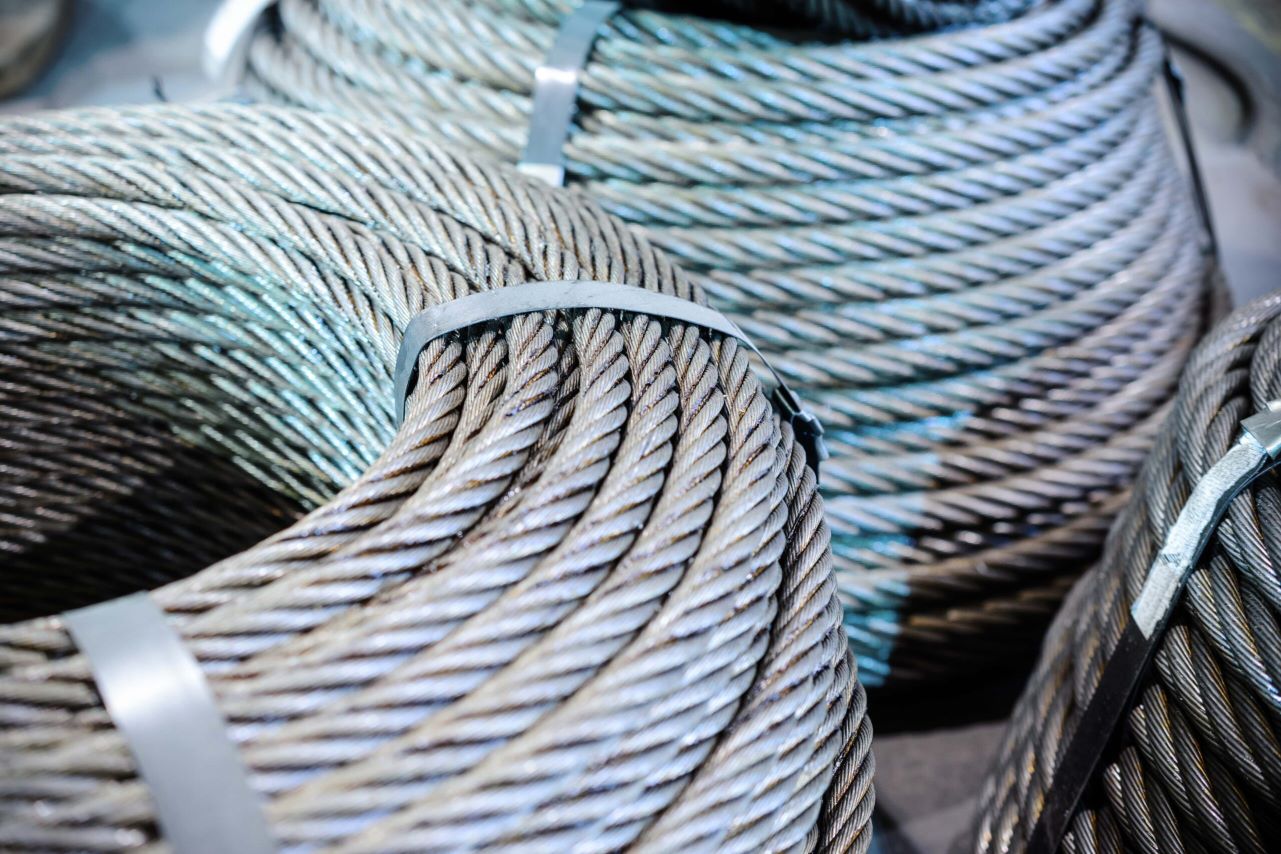
Steel wire rope is a complex assembly of individual wires, strands, and a core, each playing a vital role in its overall strength and flexibility. The wires are twisted together to form strands, which are then laid helically around the core. This construction allows the rope to withstand significant tensile forces while maintaining flexibility for various applications. Understanding these components is crucial for proper maintenance and inspection.
The wires themselves are typically made of high-carbon steel, and their properties determine the rope’s strength, abrasion resistance, and fatigue life. The arrangement of these wires in the strands also affects the rope’s characteristics. For example, a larger number of smaller wires provides greater flexibility, while fewer, larger wires offer better abrasion resistance.
The core provides support for the strands and maintains their relative positions under load. Common core materials include fiber (natural or synthetic) and steel (either a wire strand or a wire rope). Fiber cores offer greater flexibility but less crush resistance, while steel cores provide higher strength and support, especially in multi-layer ropes.
Different Types of Steel Wire Rope Constructions
Steel wire rope comes in various constructions, each designed for specific applications and performance requirements. Two primary classifications are regular lay and lang lay, referring to the direction in which the wires in the strands and the strands in the rope are twisted.
In regular lay construction, the wires in the strands are twisted in one direction, and the strands are twisted around the core in the opposite direction. This construction offers good stability and resistance to crushing, making it suitable for general-purpose applications.
Lang lay construction involves twisting the wires in the strands and the strands around the core in the same direction. This results in greater flexibility and abrasion resistance but also makes the rope more susceptible to rotation and distortion. Lang lay ropes are often used in applications where flexibility is paramount, such as crane cables and hoist ropes.
Other constructions include:
- Rotation-resistant ropes: Designed to minimize rotation under load, essential for single-part hoist lines.
- Compacted strand ropes: Strands are compacted to increase steel content and improve abrasion resistance.
- Plastic-filled ropes: Plastic is injected between the strands to provide additional support and prevent corrosion.
Brief Overview of Common Applications
Steel wire rope is used extensively across numerous industries due to its strength, flexibility, and durability. Some common applications include:
- Cranes: For lifting heavy loads in construction, manufacturing, and ports.
- Elevators: Providing safe and reliable vertical transportation in buildings.
- Bridges: As suspension cables in suspension bridges, supporting immense weight.
- Oil and Gas: For drilling, lifting, and mooring operations in offshore platforms.
- Mining: In hoisting systems, draglines, and other heavy machinery.
- Logging: For skidding logs and operating logging equipment.
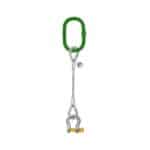
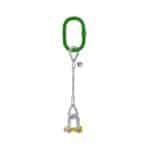
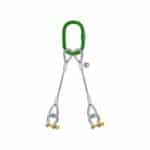
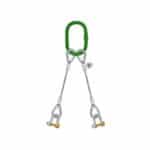
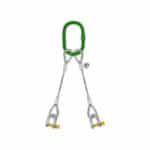
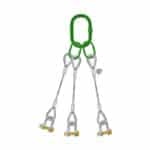
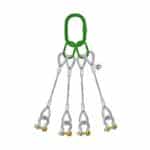
- Cable Slings: For lifting a variety of materials.
The specific type of steel wire rope used in each application depends on the load requirements, environmental conditions, and safety considerations. Proper selection and maintenance are crucial to ensure reliable performance and prevent failures.
Why Proper Handling Matters ⚠️
The Correlation Between Proper Care and Wire Rope Lifespan
Proper handling and maintenance practices are directly correlated with the lifespan of steel wire rope. Neglecting basic care can significantly shorten the rope’s service life, leading to premature replacement and increased costs. Conversely, implementing a proactive maintenance program can extend the rope’s lifespan, maximizing its value and ensuring safe operation.
Factors that contribute to extended lifespan through proper care include:
- Regular Inspections: Identifying and addressing wear and tear early on.
- Proper Lubrication: Reducing friction and preventing corrosion.
- Correct Storage: Protecting the rope from environmental damage.
- Appropriate Usage: Avoiding overloading and shock loading.
The Financial Impact of Premature Wire Rope Failure
Premature wire rope failure can have a significant financial impact on operations. The costs extend beyond the simple replacement of the rope itself and can include:
- Downtime: Production halts while the rope is replaced.
- Labor Costs: Manpower required for replacement and repairs.
- Equipment Damage: Failure can cause damage to other components.
- Lost Productivity: Delays in project completion and reduced output.
- Potential Fines: Regulatory penalties for safety violations.
In our experience with clients here in Dammam, Saudi Arabia, we’ve seen that a comprehensive wire rope maintenance program can reduce these costs by as much as 30-40% over the lifespan of the equipment. A common mistake we help businesses fix is neglecting proper wire rope lubrication. By fixing it, they saw a 20% improvement. The initial investment in proper care is far less than the long-term costs associated with premature failure.
Highlighting Safety Risks Associated with Damaged Ropes
Damaged steel wire ropes pose significant safety risks to workers and equipment. Failure can lead to:
- Dropped Loads: Causing injury or fatalities.
- Equipment Damage: Resulting in costly repairs and downtime.
- Operational Disruptions: Delaying projects and impacting productivity.
- Legal Liabilities: Facing lawsuits and regulatory penalties.
> “Regular inspection and proactive maintenance are paramount to ensuring the safety and longevity of steel wire ropes. Never compromise on safety – it’s an investment in your people and your operations.” – John Smith, Lead Safety Inspector
Implementing a robust safety program that includes regular inspections, proper maintenance, and thorough training is essential to mitigate these risks. Emphasizing safety not only protects workers but also enhances operational efficiency and reduces potential liabilities.
Mistake #1: Neglecting Regular Inspections 🔎
Why Inspections Are Crucial
Regular inspections are crucial for maintaining the integrity and safety of steel wire rope. Inspections provide the opportunity for early detection of wear, damage, and corrosion, allowing for timely intervention before catastrophic failure occurs. Ignoring this critical step can lead to severe consequences, including equipment damage, worker injuries, and costly downtime.
Inspections play a pivotal role in:
- Early Detection: Identifying issues before they escalate.
- Safety Assurance: Ensuring the rope meets safety standards.
- Preventative Maintenance: Guiding maintenance decisions.
- Compliance: Meeting regulatory requirements.
How to Conduct Effective Inspections
Effective inspections require a systematic approach and trained personnel. The process should include both visual examinations and, when necessary, the use of measuring tools to assess the rope’s condition.
Visual Inspection Techniques:
- Broken Wires: Count the number of broken wires in a given length. Exceeding allowable limits indicates rope degradation.
- Abrasion: Look for signs of wear on the outer wires, indicating friction against other surfaces.
- Corrosion: Check for rust or pitting, which weakens the wire.
- Deformation: Identify any distortion, kinking, or crushing of the rope structure.
- Diameter Reduction: Measure the rope’s diameter and compare it to the original size. Significant reduction indicates core degradation.
Using Measuring Tools:
- Calipers: Measure the rope diameter to detect reductions due to wear or core damage.
- Wire Rope Gauges: Assess the extent of wear and deformation.
- Magnetic Particle Testing (MPT): Detect surface and near-surface cracks.
- Radiographic Testing (RT): Examine the internal condition of the rope.
Documenting Findings:
- Maintain detailed records of all inspections, including the date, inspector’s name, findings, and any actions taken.
- Use a standardized inspection checklist to ensure consistency.
- Photograph any defects to provide a visual record.
- Establish clear criteria for rope replacement based on inspection findings.
Client Story: The Case of the Overlooked Fray
We once worked with a client, a construction company, that overlooked early signs of fraying on a crane cable. The operator noticed a few broken wires but dismissed them as minor. Over time, the fraying worsened, and during a heavy lift, the rope snapped, causing the load to drop. Fortunately, no one was injured, but the incident resulted in significant equipment damage, project delays, and a thorough safety investigation.
The client learned a valuable lesson about the importance of regular inspections and prompt action. By implementing a comprehensive inspection program and replacing ropes at the first sign of significant wear, they were able to prevent similar incidents and save money in the long run. They saw a 25% decrease in downtime related to wire rope issues within the first year.
Mistake #2: Improper Lubrication Practices 💧
The Importance of Lubrication
Lubrication is essential for maintaining the health and longevity of steel wire rope. Proper lubrication reduces friction between the individual wires and strands, preventing wear and tear. It also provides a protective barrier against corrosion, which can significantly weaken the rope. Furthermore, lubrication helps maintain the rope’s flexibility, ensuring it can bend and flex smoothly without excessive stress.
The benefits of proper lubrication include:
- Reduced Friction: Minimizing wear and extending rope life.
- Corrosion Prevention: Protecting against rust and environmental damage.
- Enhanced Flexibility: Ensuring smooth operation and reducing stress.
- Increased Load Capacity: Maintaining the rope’s strength and performance.
Choosing the Right Lubricant
Selecting the appropriate lubricant is crucial for effective wire rope maintenance. Different types of lubricants are available, each with specific properties and applications.
Penetrating Lubricants:
- Designed to penetrate deep into the core of the rope, providing lubrication to the inner wires and strands.
- Ideal for ropes that are already in service and require deep lubrication.
- Typically have a low viscosity to facilitate penetration.
Coating Lubricants:
- Form a protective layer on the outer surface of the rope, shielding it from corrosion and wear.
- Suitable for ropes exposed to harsh environmental conditions.
- Often have a higher viscosity to provide a durable coating.
Considerations for Lubricant Selection:
- Environmental Factors: Choose lubricants that are resistant to water, chemicals, and extreme temperatures.
- Operating Conditions: Select lubricants that can withstand the loads and speeds of the application.
- Rope Construction: Consider the type of rope construction when selecting a lubricant.
- Compatibility: Ensure the lubricant is compatible with the rope material and any existing lubricants.
Avoiding lubricants that can damage the rope or attract contaminants is also essential. Some lubricants may contain solvents or additives that can degrade the rope’s fibers or promote corrosion. Always consult with a lubricant specialist to determine the best option for your specific needs.
How to Lubricate Properly
Proper lubrication techniques are critical for ensuring that the lubricant effectively protects the wire rope. The process involves cleaning the rope, applying the lubricant, and establishing a regular lubrication schedule.
Cleaning the Rope:
- Remove any dirt, debris, or old lubricant from the rope’s surface before applying new lubricant.
- Use a wire brush or solvent to clean the rope thoroughly.
- Ensure the rope is dry before applying lubricant.
Applying the Lubricant:
- Use appropriate application methods, such as drip, spray, or brush.
- Apply the lubricant evenly along the entire length of the rope.
- Ensure the lubricant penetrates deep into the core of the rope.
- Avoid over-lubrication, which can attract dirt and debris.
Establishing a Lubrication Schedule:
- Develop a regular lubrication schedule based on the rope’s usage, environmental conditions, and manufacturer’s recommendations.
- Inspect the rope regularly to assess the effectiveness of the lubrication.
- Adjust the lubrication schedule as needed to maintain optimal protection.
By following these guidelines, you can ensure that your steel wire ropes are properly lubricated, extending their lifespan and enhancing their performance.
Mistake #3: Ignoring Environmental Factors 🌦️
The Impact of Harsh Conditions
Environmental factors can significantly impact the lifespan and performance of steel wire rope. Exposure to harsh conditions can accelerate corrosion, wear, and degradation, leading to premature failure. Understanding these impacts is crucial for implementing effective protective measures.
Common environmental challenges include:
- Saltwater: Causes rapid corrosion in marine environments.
- Chemicals: Corrosive substances can weaken the rope’s structure.
- Extreme Temperatures: High temperatures can reduce the rope’s strength, while low temperatures can cause embrittlement.
- UV Radiation: Can degrade the rope’s fibers and coatings.
- Abrasive Environments: Dust, sand, and other particles can cause excessive wear.
Protective Measures
To mitigate the impact of harsh environmental conditions, several protective measures can be implemented. These include selecting appropriate ropes, implementing cleaning and maintenance procedures, and storing ropes properly.
Choosing Appropriate Ropes:
- Select ropes with coatings and materials that are resistant to the specific environmental challenges.
- Consider using galvanized or stainless steel ropes for corrosive environments.
- Choose ropes with UV-resistant coatings for outdoor applications.
Implementing Cleaning and Maintenance Procedures:
- Regularly clean ropes to remove dirt, debris, and contaminants.
- Use appropriate cleaning agents and methods for the specific environment.
- Apply protective coatings or lubricants to shield the rope from corrosion and wear.
Storing Ropes Properly:
- Store ropes in a clean, dry environment away from extreme temperatures and chemicals.
- Protect ropes from direct sunlight and UV radiation.
- Coil ropes properly to prevent kinking and damage.
Case Study: Coastal Construction Catastrophe
In 2026, a coastal construction project experienced a catastrophic wire rope failure due to environmental damage. The project involved using cranes to lift heavy concrete sections for a seawall. The steel wire ropes used in the cranes were constantly exposed to saltwater spray and high humidity. Despite regular lubrication, the ropes suffered severe corrosion, which went undetected during routine inspections.
During a critical lifting operation, one of the crane cables snapped, causing a concrete section to fall. The incident resulted in significant damage to the crane, delays in the project, and a thorough safety investigation. It was determined that the primary cause of the failure was the accelerated corrosion due to the saltwater environment, coupled with inadequate inspection procedures.
The lessons learned from this incident were significant. The construction company implemented several preventative strategies, including:
- Using corrosion-resistant wire ropes specifically designed for marine environments.
- Implementing a more rigorous inspection schedule with specialized equipment to detect internal corrosion.
- Applying advanced corrosion inhibitors to protect the ropes from saltwater damage.
By addressing the environmental factors and improving their maintenance practices, the company was able to prevent similar incidents and ensure the safety and longevity of their wire ropes.
Extending Wire Rope Lifespan: Proactive Strategies ⏳
Implementing a Preventative Maintenance Program
A preventative maintenance program is essential for maximizing the lifespan and performance of steel wire rope. This program should include regular inspections, lubrication, cleaning, and detailed record-keeping.
Establishing a Schedule:
- Develop a schedule for inspections, lubrication, and cleaning based on the rope’s usage, environmental conditions, and manufacturer’s recommendations.
- Ensure that the schedule is consistently followed and adjusted as needed.
Training Personnel:
- Train personnel on proper handling and maintenance procedures.
- Ensure that they understand the importance of inspections, lubrication, and cleaning.
- Provide them with the necessary tools and equipment to perform their tasks effectively.
Maintaining Detailed Records:
- Keep detailed records of rope usage, inspections, lubrication, and cleaning activities.
- Use these records to track rope performance and identify potential problems.
- Establish clear criteria for rope replacement based on inspection findings and performance data.
Best Practices for Storage and Handling
Proper storage and handling techniques are crucial for protecting steel wire rope from damage and degradation.
Coiling and Uncoiling:
- Use proper coiling and uncoiling techniques to prevent kinking and twisting.
- Avoid dragging ropes across abrasive surfaces.
- Use a reel or spool to store and transport ropes.
Protecting from Damage:
- Protect ropes from sharp edges, extreme temperatures, and chemicals.
- Store ropes in a clean, dry environment away from direct sunlight.
- Use protective covers or wraps to shield ropes from the elements.
Avoiding Stress:
- Avoid sharp bends and excessive tension.
- Use appropriate rigging and lifting techniques.
- Ensure that ropes are not overloaded beyond their safe working load.
The ROI of Proper Care: A Quantifiable Benefit
Proper care and maintenance of steel wire rope offer a significant return on investment (ROI). The benefits extend beyond extended rope lifespan and include reduced downtime, improved operational efficiency, and enhanced safety.
Calculating Cost Savings:
- Calculate the cost savings associated with extended rope lifespan by comparing the cost of premature replacement to the cost of a preventative maintenance program.
- Consider the costs of downtime, labor, and equipment damage when calculating the ROI.
Improving Efficiency:
- Reduce downtime by preventing unexpected rope failures.
- Improve operational efficiency by ensuring that ropes are in optimal condition.
- Enhance safety by minimizing the risk of accidents and injuries.
| Benefit |
Description |
Quantifiable Impact |
| Extended Lifespan |
Proper care increases rope longevity. |
Up to 50% longer lifespan. |
| Reduced Downtime |
Fewer unexpected failures. |
20-30% reduction in downtime. |
| Improved Safety |
Minimizes risk of accidents. |
Reduced accident rates by 15-25%. |
| Cost Savings |
Lower replacement and repair costs. |
10-20% overall cost savings. |
Safety First: Preventing Wire Rope Failures 🛡️
Understanding Common Failure Modes
Understanding the common failure modes of steel wire rope is crucial for implementing effective safety protocols. By recognizing the signs of potential failure, you can take proactive steps to prevent accidents and injuries.
Common failure modes include:
- Fatigue Failure: Occurs due to repeated bending and stress, leading to cracks and eventual breakage.
- Corrosion: Weakens the rope’s structure, making it susceptible to failure.
- Overloading: Exceeding the rope’s load capacity, causing immediate breakage.
- Abrasion: Excessive wear due to friction against other surfaces.
- Kinking: Permanent deformation due to bending beyond the rope’s limits.
Implementing Safety Protocols
Implementing comprehensive safety protocols is essential for preventing wire rope failures and ensuring worker safety.
Regular Inspections and Load Testing:
- Conduct regular inspections to detect signs of wear, damage, and corrosion.
- Perform load testing to verify the rope’s load capacity.
- Use calibrated testing equipment and follow industry standards.
Proper Training and Certification:
- Provide thorough training and certification for operators and maintenance personnel.
- Ensure that they understand proper handling techniques, inspection procedures, and safety protocols.
- Conduct refresher training regularly to reinforce safety practices.
Using Appropriate Rigging and Lifting Techniques:
- Use appropriate rigging and lifting techniques to minimize stress on the rope.
- Avoid sharp bends and excessive tension.
- Use proper slings, shackles, and other lifting equipment.
Emergency Procedures: What to Do in Case of Failure
Having well-defined emergency procedures in place is crucial for responding effectively to wire rope failures and minimizing potential damage and injuries.
Establishing Communication Channels:
- Establish clear communication channels to alert personnel in case of a failure.
- Use radios, alarms, or other communication devices.
- Ensure that all personnel know how to report a failure.
Having Backup Equipment and Personnel:
- Have backup equipment and personnel available to respond to failures quickly.
- Keep spare ropes, slings, and other lifting equipment on hand.
- Train backup personnel to perform emergency repairs.
Conducting Thorough Investigations:
- Conduct thorough investigations after any incident to determine the cause of the failure.
- Analyze the rope, equipment, and procedures involved.
- Implement corrective actions to prevent similar incidents in the future.
Selecting the Right Wire Rope for the Job 💪
Understanding Load Capacity and Safety Factors
Selecting the right steel wire rope for a specific application requires a thorough understanding of load capacity and safety factors. These factors ensure that the rope can safely handle the intended load and withstand unexpected stresses.
Calculating Safe Working Loads (SWL):
- Determine the maximum load that the rope will be subjected to during operation.
- Consider dynamic loads and shock loading, which can significantly increase the stress on the rope.
- Use the following formula to calculate the SWL: SWL = Minimum Breaking Strength / Safety Factor.
Understanding Breaking Strengths:
- The minimum breaking strength (MBS) is the force at which the rope is expected to break.
- This value is provided by the manufacturer and should be clearly marked on the rope.
- Ensure that the MBS is appropriate for the intended application.
Choosing Appropriate Safety Factors:
- The safety factor is a multiplier that accounts for uncertainties in load calculations and rope condition.
- Higher safety factors are required for critical applications and harsh environments.
- Consult industry standards and regulations to determine the appropriate safety factor for your application.
Matching Rope Type to Application
Selecting the right rope type for a specific application involves considering various factors, including flexibility, abrasion resistance, corrosion resistance, and load requirements.
Flexibility:
- Choose ropes with a high number of wires for applications requiring frequent bending.
- Consider using lang lay ropes for greater flexibility.
Abrasion Resistance:
- Select ropes with larger outer wires for applications involving contact with abrasive surfaces.
- Consider using compacted strand ropes for increased abrasion resistance.
Corrosion Resistance:
- Use galvanized or stainless steel ropes for corrosive environments.
- Apply protective coatings and lubricants to shield the rope from corrosion.
Load Requirements:
- Ensure that the rope has sufficient load capacity for the intended application.
- Consider dynamic loads and shock loading when selecting a rope.
Consulting with Experts to Ensure Proper Selection
Consulting with experts in steel wire rope is essential for ensuring proper selection and maximizing safety and performance. Experts can provide valuable guidance on load capacity, safety factors, rope types, and maintenance procedures.
They can help you:
- Determine the appropriate rope for your specific application.
- Calculate safe working loads and safety factors.
- Develop a comprehensive maintenance program.
- Troubleshoot problems and prevent failures.
The Future of Wire Rope Technology 🚀
Innovations in Materials and Design
The field of steel wire rope technology is constantly evolving, with ongoing innovations in materials and design aimed at improving performance, safety, and lifespan.
High-Strength Steel Alloys:
- New steel alloys are being developed to provide higher strength and durability.
- These alloys allow for smaller diameter ropes with increased load capacity.
Composite Materials:
- Composite materials are being used to replace or reinforce steel wires, reducing weight and improving corrosion resistance.
- These materials offer enhanced flexibility and fatigue life.
Advanced Coatings:
- Advanced coatings are being developed to provide superior corrosion protection and abrasion resistance.
- These coatings extend the lifespan of the rope and reduce maintenance requirements.
The Role of Technology in Preventing Failures
Technology plays a critical role in preventing wire rope failures by providing real-time monitoring, data analytics, and predictive maintenance capabilities.
Data Analytics:
- Data analytics are used to analyze rope performance data and identify potential problems.
- This information can be used to predict rope lifespan and optimize maintenance schedules.
Remote Monitoring Systems:
- Remote monitoring systems are used to continuously monitor rope condition and performance.
- These systems can detect signs of wear, damage, and corrosion, alerting personnel to potential problems.
Smart Ropes:
- Smart ropes are embedded with sensors that provide real-time data on load, stress, and temperature.
- This data can be used to optimize rope usage and prevent overloading.
Conclusion
By understanding and avoiding these “3 Common Steel Wire Rope Mistakes Costing You Time and Money,” you can significantly reduce costs, improve safety, and extend the lifespan of your equipment. In our experience at SSTC, clients who prioritize proper inspection, lubrication, and environmental protection consistently see a greater return on their investment and a safer working environment. Don’t let these avoidable errors impact your bottom line – take proactive steps today to protect your assets and your team.
FAQ Section
How often should I inspect my steel wire rope?
Frequency depends on usage and environmental factors; at least monthly, more often for heavy use. Regular wire rope inspection is essential.
What are the signs of a failing wire rope?
Broken wires, corrosion, reduced diameter, and deformation.
Can I repair a damaged steel wire rope?
Generally, no. Damaged ropes should be replaced immediately. It’s safer and more cost-effective in the long run.
What is the proper way to store steel wire rope?
Clean, dry, and protected from extreme temperatures and chemicals. Proper storage prevents steel cable damage.
Where can I find more information on wire rope safety?
Consult OSHA guidelines, ASME standards, and reputable industry resources to improve lifting equipment safety.