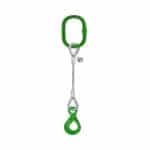
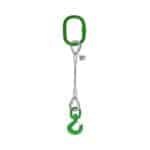
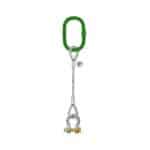
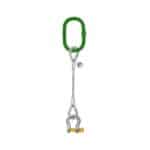
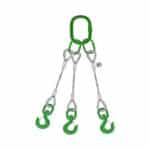
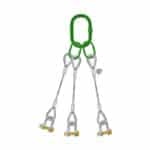
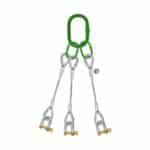
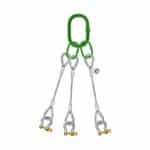
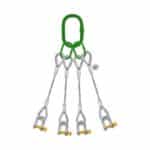
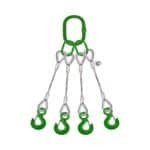
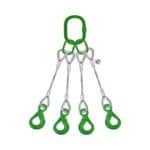
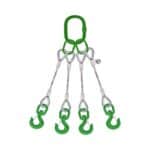
Pulleys, often overlooked in our modern world, are simple machines with a wide array of applications. Their ability to change the direction of force, and sometimes even reduce the amount of force needed to lift a load, makes them invaluable in numerous industries and everyday scenarios. Safe and Secure Trading Company (SSTC) understands the power of these lifting mechanisms and are here to explore seven unexpected uses for pulleys.
1. ✅ Optimizing Warehouse Layouts with Overhead Pulleys
Enhanced Space Utilization
Warehouses are constantly striving to maximize their storage capacity and improve operational efficiency. Conventional forklifts and ground-based systems often consume valuable floor space, hindering these goals. Overhead pulley systems offer a solution by enabling the vertical movement of goods, effectively freeing up horizontal space that can be used for other activities such as packing, sorting, or additional storage. This optimized space utilization is crucial for businesses looking to expand their operations without incurring the costs of expanding their physical footprint. SSTC can help you implement the best layout for your warehouse.
Reduced Congestion and Improved Flow
Congestion within a warehouse can lead to delays, increased operational costs, and even safety hazards. By using uses for pulleys to move inventory above ground level, bottlenecks can be minimized, improving material flow. This streamlined process reduces the risk of collisions between forklifts and workers, which contributes to a safer and more productive work environment. The improved flow contributes directly to faster order fulfillment times, enhancing customer satisfaction and overall business efficiency. For many of our clients here in Dammam, we’ve seen that a well-implemented rope and pulley system dramatically increases throughput.
Data-Driven Efficiency Gains
Studies have shown that implementing overhead pulley systems in warehouses can increase storage capacity by up to 40% and reduce retrieval times by 25%. These statistics underscore the significant impact that pulleys can have on warehouse operations. Such improvements translate directly into cost savings, increased revenue, and a stronger competitive advantage. Investing in a well-designed pulley system can provide a substantial return on investment, making it a smart choice for businesses seeking to optimize their warehouse operations.
2. ✅ Precision Stagecraft in Theaters
Smooth and Silent Scenery Changes
In the world of theater, seamless transitions between scenes are essential for maintaining the audience’s suspension of disbelief. Pulleys enable the smooth and silent raising and lowering of scenery, backdrops, and lighting rigs during theatrical productions. This precision is crucial for creating a captivating and immersive experience for the audience. Our clients in stagecraft rely on the reliability of our pulley systems.
Complex Rigging for Special Effects
Advanced pulley systems allow for the creation of elaborate aerial stunts and special effects, enhancing the visual spectacle of performances. From actors flying across the stage to intricate set pieces appearing and disappearing as if by magic, pulleys make it all possible. These effects add a layer of excitement and wonder to theatrical productions, captivating audiences and creating memorable experiences. The mechanical advantage gained through clever pulley design allows for intricate and safe execution of otherwise impossible feats.
Safety and Reliability
The safety of performers and stagehands is paramount in the theater industry. Properly maintained pulley systems ensure the reliable support and controlled movement of heavy objects, reducing the risk of accidents and injuries. Regular inspections and maintenance are crucial for ensuring the continued safe operation of these systems. Load bearing capabilities are thoroughly assessed before any performance.
3. ✅ Ergonomic Assistive Devices
Reducing Strain in Repetitive Tasks
Repetitive lifting and pulling motions in manufacturing or assembly lines can lead to musculoskeletal disorders and other injuries. Pulleys can be incorporated into assistive devices to reduce the physical strain associated with these tasks. These devices provide force reduction, making it easier for workers to perform their jobs without overexerting themselves.
Customizable Support for Various Needs
The design of pulley-based assistive devices can be customized to accommodate different tasks and individual user requirements, promoting workplace safety and comfort. These devices can be tailored to provide specific levels of support and assistance, ensuring that workers can perform their jobs efficiently and safely. The adaptability of pulley design allows for optimal ergonomic solutions.
Cost-Effective Solution
Compared to complex robotic systems, pulley-based assistive devices offer a more affordable and easily maintainable solution for improving ergonomics in the workplace. These devices are relatively simple to install and operate, making them a practical choice for businesses of all sizes. They also require less maintenance than more complex systems, reducing downtime and costs. We at SSTC understand the need for efficiency improvement without breaking the bank.
4. ✅ Efficient Material Handling on Construction Sites
Lifting Materials to Elevated Work Areas
Construction sites often require materials to be lifted to elevated work areas. Pulleys provide a simple and effective way to accomplish this task, reducing the need for heavy machinery such as cranes. This is especially useful in situations where space is limited or where the cost of renting a crane is prohibitive. Pulleys can be used to lift a wide range of construction materials, including bricks, lumber, and roofing tiles.
Navigating Confined Spaces
Cranes and forklifts cannot operate effectively in confined or hard-to-reach areas. Pulleys can be used in these situations to allow for precise material placement. They can be rigged to lift materials vertically or horizontally, making them a versatile tool for construction projects of all sizes. Our clients often need custom rigging configurations for unique site challenges, and we are here to provide solutions.
Reduced Labor Costs
By streamlining material handling, pulley systems can help reduce labor costs and accelerate project completion times. They enable workers to move materials more quickly and efficiently, reducing the amount of time spent on manual labor. This can lead to significant cost savings, particularly on large construction projects. We at SSTC focus on the bottom line benefits that a well-designed pulley system can provide.
5. ✅ Enhancing Fitness Equipment and Training
Resistance Training Variations
Pulleys can be integrated into fitness equipment to provide variable resistance during exercises, allowing for more targeted muscle engagement. This is particularly useful for exercises that require a full range of motion, as the resistance can be adjusted to match the individual’s strength at different points in the movement. The adaptability of pulley-based equipment makes it suitable for a wide range of fitness levels.
Smooth and Controlled Movements
Pulley systems enable smooth and controlled movements, reducing the risk of injury and promoting proper form. This is especially important for beginners who are still learning the correct technique for different exercises. The smooth action of pulleys helps to prevent jerky movements that can strain muscles and joints.
Rehabilitation Applications
Pulleys are used in rehabilitation settings to assist patients with regaining strength and range of motion after injuries. They can be used to provide gentle resistance during exercises, helping patients to gradually rebuild their strength and mobility. The controlled movement provided by pulleys is particularly beneficial for patients recovering from surgery or other traumatic injuries.
6. ✅ Streamlining Laundry Operations
Clotheslines with Adjustable Height
Pulleys enable the creation of adjustable-height clotheslines, making it easier to hang and retrieve laundry, especially for individuals with mobility limitations. This simple yet effective solution can greatly improve the convenience of air-drying clothes. The mechanical advantage also reduces the effort required to raise and lower the clothesline.
Space-Saving Solutions in Apartments
Pulley systems can be used to create space-saving drying racks in apartments or other small living spaces. These racks can be mounted on the ceiling and lowered when needed, freeing up valuable floor space. This is a great option for those who want to air-dry their clothes but don’t have a lot of room.
Reduced Energy Consumption
By utilizing natural air drying, pulley-based clotheslines can help reduce energy consumption compared to electric dryers. This is an environmentally friendly and cost-effective way to dry clothes. The savings in energy bills can be significant over time. Choosing natural solutions like rope and pulley systems offers sustainability benefits.
7. ✅ Optimizing Vertical Farming Systems
Automated Plant Movement
Vertical farming involves growing crops in vertically stacked layers, often indoors. Pulleys can be used to automate the vertical movement of plant trays in these systems, ensuring uniform light exposure and efficient space utilization. This automated movement is crucial for maximizing crop yields in vertical farms. SSTC can provide reliable systems for this growing industrial application.
Precise Control of Growing Conditions
Automated pulley systems allow for precise control of growing conditions, such as light intensity and humidity, leading to higher crop yields. By adjusting the height of the plant trays, farmers can optimize the amount of light each plant receives. They can also adjust the humidity levels by moving the plants to different locations within the growing area.
Reduced Labor Requirements
By automating plant movement, pulley systems can help reduce labor requirements and improve the overall efficiency of vertical farming operations. This reduces the need for manual labor, freeing up workers to focus on other tasks. Automation is a key component of successful vertical farming operations. The strategic uses for pulleys are revolutionizing food production.
“The strategic use of pulleys can significantly optimize operational efficiency across various sectors. Data consistently demonstrates their ability to reduce physical strain and increase output, making them a powerful tool for businesses of all sizes.” – Dr. Anya Sharma, Industrial Efficiency Expert
Bonus: Top 3 Unexpected Uses for Pulleys
Here’s a quick recap of the most innovative applications:
1. Warehouse Optimization: Maximizing space and streamlining material flow.
2. Ergonomic Assistive Devices: Reducing strain and improving workplace safety.
3. Vertical Farming: Automating plant movement and enhancing crop yields.
Critical Factors: Choosing the Right Pulley System
Before you implement any pulley system, consider these key factors:
- Load Capacity: Ensure the system can handle the maximum weight it will need to support.
- Material Quality: Opt for durable materials that resist wear and tear.
- Safety Features: Prioritize systems with safety mechanisms to prevent accidents.
To help you in choosing the right pulley system for your needs, consider the following table summarizing the key considerations:
| Factor |
Description |
Importance |
| Load Capacity |
The maximum weight the system can safely handle. |
Critical – Exceeding the load capacity can lead to system failure and accidents. |
| Material Quality |
The durability and resistance to wear and tear of the pulley components. |
High – Durable materials ensure a longer lifespan and reduced maintenance. |
| Safety Features |
Mechanisms that prevent accidents, such as overload protection and anti-rollback devices. |
Critical – Safety features protect workers and prevent damage to equipment. |
| Environmental Conditions |
The system’s ability to withstand harsh environmental conditions, such as extreme temperatures or corrosive substances. |
Conditional – Important for outdoor or industrial applications. |
| Ease of Use |
The system’s user-friendliness and ease of operation. |
Medium – A user-friendly system reduces training time and improves efficiency. |
| Maintenance Requirements |
The frequency and complexity of maintenance tasks. |
Medium – Lower maintenance requirements reduce downtime and costs. |
| Cost |
The initial investment and ongoing operating costs. |
Important – Balance cost with performance and reliability. |
| Rope Type |
The material and construction of the rope used in the pulley system. |
High – The rope must be strong and durable enough for the intended load. |
| Pulley Design |
The configuration of the pulley, including the number of sheaves and the type of bearings. |
High – The design affects the mechanical advantage and efficiency of the system. |
| Mechanical Advantage |
The ratio of the output force to the input force provided by the pulley system. |
High – A higher mechanical advantage reduces the amount of force needed to lift a load. |
Conclusion
From optimizing warehouse layouts to enhancing theatrical productions, the uses for pulleys are surprisingly diverse and impactful. The simple block and tackle mechanism provides so many solutions. By understanding the principles of mechanical advantage and applying them creatively, businesses and individuals can unlock significant efficiency improvement gains and improve operational outcomes. We at SSTC have the expertise to help you leverage these benefits.
FAQ Section
Q: What is the main advantage of using a pulley system?
A: The main advantage is the ability to change the direction of force and reduce the amount of force needed to lift a load, thanks to the mechanical advantage it provides.
Q: Where can pulley systems be used in industrial applications?
A: Pulley systems can be used in various industrial applications, including material handling, construction, manufacturing, and warehousing.
Q: How does a pulley system improve warehouse efficiency?
A: By enabling vertical movement of goods, pulley systems free up floor space, reduce congestion, and improve material flow, leading to increased storage capacity and faster retrieval times.
Q: What factors should be considered when choosing a pulley system for a specific application?
A: Key factors to consider include load bearing capacity, material quality, safety features, and environmental conditions.
Q: How can pulley systems contribute to workplace safety?
A: By reducing the physical strain associated with repetitive lifting and pulling motions, pulley systems can help prevent injuries and promote a safer work environment.
Q: Are pulley systems suitable for small businesses?
A: Yes, pulley systems offer a cost-effective and easily maintainable solution for improving efficiency and ergonomics in businesses of all sizes.
Q: How does the pulley design affect the overall system performance?
A: The pulley design, including the number of sheaves and the type of bearings, directly affects the mechanical advantage and efficiency improvement of the system.
Q: Can pulley systems be customized to meet specific needs?
A: Yes, pulley systems can be customized to accommodate different tasks and individual user requirements, providing tailored solutions for various applications.
Q: What types of ropes are best for pulley systems?
A: The best rope type depends on the application, but strong and durable materials like synthetic fibers or wire rope are commonly used.
Q: What are the maintenance requirements for pulley systems?
A: Regular inspections, lubrication, and replacement of worn parts are essential for ensuring the continued safe and efficient operation of pulley systems.