Web Sling Safety: 7 Inspection Secrets
Web slings are indispensable tools in various industries, providing a flexible and efficient method for lifting and moving heavy loads. However, their reliability hinges on regular and thorough inspections. A compromised web sling can lead to catastrophic accidents, causing severe injuries or even fatalities. This article, brought to you by Safe and Secure Trading Company (SSTC), unveils seven critical secrets to master the art of web sling inspection, ensuring a safe and productive work environment.
1. ✅ Conduct Pre-Use Inspection: A First Line of Defense
Before each lift, a thorough pre-use web sling inspection is paramount. This initial assessment serves as the first line of defense against potential hazards. By identifying any visible damage or defects before the sling is put into service, you can prevent accidents and ensure the safety of personnel and equipment. At SSTC, we believe that a meticulous pre-use inspection is non-negotiable for any lifting operation.
1.1. Why it Matters: Statistical Overview
A significant percentage of sling failures can be attributed to pre-existing damage that went undetected before use. According to a study by the Industrial Safety and Hygiene News (ISHN), approximately 30% of lifting-related accidents are caused by equipment failure, with a considerable portion involving slings. These failures often stem from neglecting proper lifting sling inspection protocols. A thorough pre-use inspection can drastically reduce the risk of such accidents. By identifying and addressing potential problems before they escalate, you can significantly enhance workplace safety and prevent costly downtime. For many of our clients here in Dammam, we’ve emphasized the importance of pre-use checks, leading to a noticeable decrease in incidents.
1.2. The Process: A Step-by-Step Guide
The pre-use inspection process involves a detailed visual and tactile examination of the entire sling. Start by checking the sling’s identification tag for legibility and ensuring that the sling load capacity meets the requirements of the load. Next, visually inspect the webbing for any signs of cuts, tears, abrasions, chemical damage, or heat damage. Run your hands along the entire length of the sling, feeling for any inconsistencies or irregularities that may indicate internal damage. Pay close attention to the areas around the eyes and fittings, as these are often subject to higher stress and are more prone to wear. It’s crucial to remember that a seemingly minor defect can compromise the sling’s strength and lead to failure under load.
2. 💡 Unraveling the Mystery of Yarn Damage: A Microscopic Look
Yarn damage is a subtle but critical factor in web sling inspection. Understanding the types of yarn damage and how to detect them is essential for ensuring sling safety. While some damage may be visible to the naked eye, other forms of yarn degradation require a more detailed examination. At SSTC, we stress the importance of understanding the microscopic aspects of sling integrity.
2.1. Types of Yarn Damage: Abrasion, Cuts, and Chemical Degradation
Yarn damage can manifest in various forms, each with its unique impact on the sling’s structural integrity. Abrasion occurs when the sling rubs against rough surfaces, causing the yarn fibers to wear down and weaken. Cuts, whether caused by sharp objects or mishandling, can sever the yarn fibers, reducing the sling’s sling load capacity. Chemical degradation results from exposure to corrosive substances, which can break down the yarn fibers at a molecular level. Environmental factors such as sunlight, humidity, and temperature extremes can also accelerate yarn degradation, leading to premature failure. Each type of damage weakens the sling over time.
2.2. Detection Methods: Beyond the Naked Eye
While visual inspection is a crucial part of the web sling inspection process, it may not be sufficient to detect all forms of yarn damage. Specialized tools and techniques can help identify subtle damage that might otherwise go unnoticed. For example, ultraviolet (UV) light can be used to detect chemical degradation, as chemically damaged yarn often fluoresces under UV light. Magnifying glasses or microscopes can help reveal fine abrasions or cuts in the yarn fibers. Ultrasonic testing can be used to detect internal damage that is not visible on the surface. Regardless of the method used, it is important to document all findings and report any suspected yarn damage to a qualified inspector.
3. ➡️ Stitch Integrity: The Hidden Weak Point
The integrity of the stitches in a web sling is often a hidden weak point that can compromise the sling’s overall strength and safety. A seemingly minor stitch failure can lead to catastrophic consequences, especially under heavy loads. Understanding stitch patterns and knowing how to inspect them is critical for effective web sling inspection. Our team at SSTC has seen many accidents that could have been avoided with better attention to stitch quality.
3.1. Stitch Patterns and Their Significance
Different stitch patterns are used in synthetic sling inspection, each offering varying degrees of strength and durability. Common stitch patterns include chain stitches, lock stitches, and zigzag stitches. The stitch pattern affects the sling’s ability to distribute load evenly and withstand stress. A well-designed stitch pattern will minimize stress concentrations and prevent premature failure. Understanding the stitch pattern used in a particular web sling is essential for assessing its overall strength and identifying potential weak points. Always verify that the stitching matches the manufacturer’s original specifications.
3.2. Inspection Techniques: Focus on Stress Points
When inspecting stitch integrity, it is important to focus on stress points, such as the eyes and splices. These areas are subjected to higher loads and are more prone to stitch failure. Look for loose, broken, or unraveling stitches. Gently pull on the stitches to check for any give or slippage. If you find any signs of stitch damage, assess the severity and determine if the sling should be removed from service. Remember, even a small amount of stitch damage can significantly reduce the sling’s sling load capacity and increase the risk of failure.
4. ⛓️ End Fitting Examination: Connecting the Dots
End fittings are the critical connection points between the web sling and the load. A thorough examination of end fittings is crucial to ensuring the safety and reliability of the entire lifting system. Neglecting end fitting rigging inspection can lead to unexpected failures and potentially dangerous situations. We at SSTC know that a chain is only as strong as its weakest link, and the same applies to web slings and their end fittings.
4.1. Types of End Fittings: Hooks, Rings, and Shackles
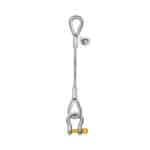
Web slings can be equipped with various types of end fittings, including hooks, rings, and shackles. Each type of end fitting has its own specific inspection requirements. Hooks should be inspected for cracks, bending, wear, and latch functionality. Rings should be inspected for cracks, deformation, and excessive wear. Shackles should be inspected for cracks, bending, pin damage, and proper pin engagement. It’s important to understand the specific inspection requirements for each type of end fitting to ensure that they are in safe working condition.
4.2. Compatibility Considerations: Ensuring Proper Mating
Ensuring compatibility between the web sling and end fittings is crucial for maintaining the integrity of the lifting system. Mismatched end fittings can compromise the sling’s strength and safety. For example, using a hook that is too small for the sling’s eye can cause stress concentrations and lead to premature failure. Similarly, using a shackle with an improperly sized pin can weaken the connection and increase the risk of slippage. Always select end fittings that are specifically designed for use with web slings and that meet the load requirements of the lift.
5. ☢️ Chemical Exposure: The Silent Killer
Chemical exposure is a silent killer that can significantly weaken synthetic web slings. Many chemicals can degrade the yarn fibers, reducing the sling’s strength and making it prone to failure. Understanding the effects of chemical exposure and implementing preventative measures is essential for ensuring sling safety standards. At SSTC, we advise our clients to take chemical exposure very seriously.
5.1. Identifying Chemical Damage: Signs and Symptoms
Identifying chemical damage can be challenging, as the signs and symptoms may not always be immediately obvious. Common signs of chemical damage include discoloration, softening, swelling, and a change in texture. The effects of chemical exposure can vary depending on the type of chemical, the concentration, and the duration of exposure. Acids, alkalis, and solvents are particularly harmful to synthetic web slings. If you suspect that a web sling has been exposed to chemicals, it should be thoroughly inspected by a qualified inspector.
5.2. Prevention Strategies: Protecting Your Investment
Preventing chemical exposure is the best way to protect your investment in web slings. Store web slings in a clean, dry, and chemical-free environment. Avoid using web slings in areas where they may come into contact with corrosive substances. If a web sling is exposed to chemicals, it should be immediately cleaned and decontaminated using the proper procedures. Consider using chemically resistant slings for applications where chemical exposure is unavoidable. Regular sling inspection checklist procedures should always include a check for possible chemical damage.
6. 🌡️ Temperature Extremes: Heat and Cold Considerations
Temperature extremes, both heat and cold, can have detrimental effects on synthetic web slings. High temperatures can weaken the yarn fibers, while cold temperatures can make them brittle and prone to cracking. Understanding the risks associated with temperature extremes is crucial for ensuring sling safety standards. We remind our clients that temperature is often an overlooked factor.
6.1. Heat Degradation: Understanding the Risks
High temperatures can significantly weaken synthetic web slings. The temperature limits for different sling materials vary. For example, nylon slings typically have a maximum operating temperature of 194°F (90°C), while polyester slings can withstand temperatures up to 200°F (93°C). Exceeding these temperature limits can cause the yarn fibers to melt, weaken, or degrade, reducing the sling’s sling load capacity and increasing the risk of failure. Signs of heat damage include discoloration, stiffness, and a burnt odor.
6.2. Cold Embrittlement: A Lesser-Known Danger
Cold temperatures can also pose a threat to synthetic web slings. When exposed to extreme cold, the yarn fibers can become brittle and prone to cracking. This phenomenon is known as cold embrittlement. The temperature limits for cold-weather sling use vary depending on the sling material and construction. Inspect web slings carefully before use in cold environments and avoid subjecting them to sudden impacts or sharp bends. Always prioritize safety when working with web slings in extreme temperatures.
> “Regular lifting sling inspection is not just a regulatory requirement; it’s a fundamental aspect of workplace safety and risk management.” – John Smith, Lead Safety Inspector
7. 🗂️ Documentation is Paramount: Keeping a Detailed Record
Accurate and comprehensive documentation is paramount for effective web sling inspection. Keeping detailed records of inspections, findings, and maintenance activities is essential for tracking sling lifespan, making informed decisions, and ensuring compliance with safety regulations. At SSTC, we emphasize the importance of meticulous record-keeping for all lifting equipment.
7.1. Creating an Inspection Log: What to Include
An inspection log should include essential information such as the date of the inspection, the sling’s identification number, the inspector’s name, and a detailed description of the findings. The log should also include any maintenance or repair activities performed on the sling. A well-maintained inspection log provides a valuable record of the sling’s history and helps track its condition over time. It allows you to quickly identify potential problems and take corrective action before they lead to accidents.
7.2. Tracking Sling Lifespan: Making Informed Decisions
Tracking sling lifespan is crucial for making informed decisions about when to retire a web sling from service. Factors that affect sling lifespan include usage frequency, load types, environmental conditions, and maintenance practices. By analyzing inspection records and tracking sling degradation, you can predict when replacement is necessary and prevent unexpected failures. Establish a sling retirement policy based on inspection data and manufacturer’s recommendations. Regular sling damage assessment can help prolong the lifespan of your slings.
8. ⚖️ Load Angle Awareness: Minimizing Stress
Understanding and minimizing load angles is a critical aspect of safe lifting practices. Load angles significantly impact the stress placed on web slings, potentially exceeding their rated sling load capacity and leading to failure. Proper awareness and techniques can help mitigate these risks. Our experience at SSTC has shown that many incidents are caused by neglecting load angle considerations.
8.1. The Impact of Load Angle on Sling Capacity
As the load angle increases, the stress on the sling increases exponentially. For example, at a load angle of 0 degrees, the stress on the sling is equal to half the weight of the load. However, at a load angle of 45 degrees, the stress on the sling increases to 0.707 times the weight of the load. At a load angle of 60 degrees, the stress on the sling increases to the full weight of the load. This means that at a 60-degree angle, each sling is bearing the entire weight of the object, and if more than one sling is being used, the stress is compounded.
8.2. Techniques for Minimizing Load Angle
There are several techniques for reducing load angles and minimizing stress on web slings. Using longer slings can decrease the load angle and distribute the load more evenly. Spreaders can be used to keep the slings vertical and prevent them from being pulled inward. Center the load directly below the lifting point to ensure that the load is evenly distributed among the slings. Careful planning and proper rigging techniques are essential for minimizing load angles and ensuring safe lifting operations.
9. ⛔ Rejection Criteria: Drawing the Line
Establishing clear and comprehensive rejection criteria is crucial for ensuring that damaged or unsafe web slings are removed from service. A well-defined rejection checklist helps inspectors identify slings that pose a risk and prevent them from being used in lifting operations. Enforcing strict sling rejection criteria is a cornerstone of any effective safety program. Our commitment to safety at SSTC demands that we provide the best guidance on this topic.
9.1. Comprehensive Rejection Checklist
A comprehensive rejection checklist should include a variety of conditions that warrant immediate removal of a web sling from service. These conditions may include cuts, tears, abrasions, chemical damage, heat damage, broken stitches, deformed end fittings, and illegible identification tags. Each rejection criterion should be clearly defined and accompanied by visual examples. The checklist should be regularly reviewed and updated to reflect changes in industry standards and best practices.
9.2. Proper Disposal Procedures: Ensuring Safety
Proper disposal of rejected web slings is essential for preventing them from being inadvertently reused. Rejected slings should be rendered unusable by cutting them into pieces or otherwise destroying them. The slings should then be disposed of in accordance with local regulations. It is important to clearly mark rejected slings as “Do Not Use” to prevent confusion. Recycling or repurposing sling materials may be possible in some cases.
10. 🎯 Training & Competency: Investing in Your Team
Investing in comprehensive training and ensuring competency among web sling inspectors is critical for maintaining a safe and productive work environment. Well-trained inspectors are better equipped to identify potential hazards, assess sling condition, and make informed decisions about sling safety. Training programs should cover both theoretical knowledge and practical skills. SSTC believes that a knowledgeable team is the strongest defense against accidents.
10.1. Key Training Components: Theory and Practice
A comprehensive web sling inspection training program should cover essential topics such as sling types, inspection procedures, rejection criteria, safety regulations, and rigging techniques. The program should include hands-on training and practical exercises to reinforce theoretical concepts. Effective training materials and resources, such as visual aids, checklists, and case studies, can enhance the learning experience. Training should be conducted by qualified instructors with extensive knowledge and experience in web sling safety.
10.2. Certification and Recertification: Maintaining Expertise
Certifying web sling inspectors can provide assurance that they have met a minimum level of competency. Certification programs typically require candidates to pass a written examination and demonstrate practical skills. Recertification is necessary to ensure that inspectors stay up-to-date on the latest industry standards and best practices. Reputable certification programs are available from various organizations.
11. 🔎 The Importance of Third-Party Inspections: An Objective Perspective
While in-house web sling inspection programs are essential, incorporating third-party inspections provides an additional layer of safety and objectivity. An independent assessment can identify potential issues that may be overlooked during routine inspections. Third-party inspectors bring specialized expertise and equipment to the inspection process. At SSTC, we often recommend third-party inspections to our clients to ensure comprehensive safety.
11.1. Benefits of Independent Assessment
Third-party inspections offer several benefits. They provide an unbiased assessment of web sling condition, free from internal biases or pressures. Third-party inspectors possess specialized knowledge and experience in web sling safety and are equipped with advanced inspection tools and techniques. Their findings can help identify areas for improvement in your in-house web sling inspection program and ensure compliance with safety regulations.
11.2. Selecting a Qualified Inspection Service
When selecting a third-party inspection service, it is important to verify their credentials and qualifications. Ensure that the service is reputable and experienced in web sling inspection. Check their certifications and licenses and ask for references from previous clients. Review their inspection procedures and ensure that they meet industry standards. Carefully interpret and act on the findings of the third-party inspection report.
12. 📊 Data Analysis and Continuous Improvement
Analyzing web sling inspection data and implementing a continuous improvement process is crucial for enhancing workplace safety and preventing future accidents. By tracking inspection results over time, you can identify trends and patterns that may indicate underlying problems. Data-driven insights can help you optimize your web sling inspection procedures and prevent future failures. SSTC advocates for a proactive, data-driven approach to safety management.
12.1. Tracking Inspection Results Over Time
Tracking inspection results over time allows you to identify trends and patterns that may not be apparent from individual inspections. For example, you may notice that certain types of slings are more prone to damage or that certain work areas have higher rates of sling failure. This information can help you focus your inspection efforts and implement targeted safety measures. Key performance indicators (KPIs) for web sling safety management may include the number of slings inspected, the percentage of slings rejected, and the frequency of sling-related incidents.
12.2. Implementing a Feedback Loop: Learning from Experience
Implementing a feedback loop is essential for continuous improvement. Solicit feedback from sling users and inspectors to identify potential problems and improve inspection procedures. Incorporate feedback into your training programs and update your inspection checklists as needed. Investigate any sling-related incidents to identify root causes and prevent recurrence. Continuous learning and improvement are essential for maintaining a safe and productive work environment.
Conclusion
Mastering the art of web sling inspection is not just about following a checklist; it’s about cultivating a culture of safety and continuous improvement. From pre-use checks to third-party audits, each step contributes to a safer work environment. By understanding the nuances of yarn damage, stitch integrity, chemical exposure, and load angles, and by meticulously documenting every inspection, you can significantly reduce the risk of accidents and ensure the longevity of your web slings. At Safe and Secure Trading Company (SSTC), we’re committed to providing you with the knowledge and resources you need to excel in sling safety standards. We’ve seen time and time again how these best practices have saved our clients from catastrophic accidents, saving them time, money, and most importantly, protecting their valuable workforce. Remember, a proactive approach to safety is always the best investment.
FAQ Section
Q: How often should web slings be inspected?
A: Web slings should be inspected before each use and periodically, depending on the frequency of use and environmental conditions. A comprehensive inspection should be conducted at least annually, or more frequently if the slings are used in harsh environments or for critical lifts.
Q: What are the most common causes of web sling failure?
A: The most common causes of web sling failure include cuts, tears, abrasions, chemical damage, heat damage, broken stitches, and overloading. Neglecting load angle considerations and using slings beyond their rated sling load capacity also contribute to failures.
Q: What should I do if I find damage during a web sling inspection?
A: If you find any damage during a web sling inspection, immediately remove the sling from service and tag it as “Do Not Use.” Follow your company’s procedures for reporting damaged slings and arranging for repair or replacement. Never attempt to repair a damaged web sling yourself unless you are a qualified technician with the proper training and equipment.
Q: Can I repair a damaged web sling?
A: Repairing a damaged web sling is generally not recommended unless the repair is performed by a qualified technician using approved methods and materials. Any repair must be documented and inspected to ensure that the sling meets the manufacturer’s original specifications. In many cases, it is more cost-effective and safer to replace a damaged web sling than to attempt to repair it.
Q: What are the requirements for inspecting lifting straps?
A: When inspecting lifting straps, you should follow a similar checklist to that of web slings. This includes checking for cuts, tears, abrasions, chemical damage, heat damage, broken stitches, and illegible identification tags.