Other
Lifting Equipment Safety: Essential Rules for a Safer Workplace
Introduction In industries where heavy lifting is part of daily operations, safety is not optional—it’s essential. Improper...


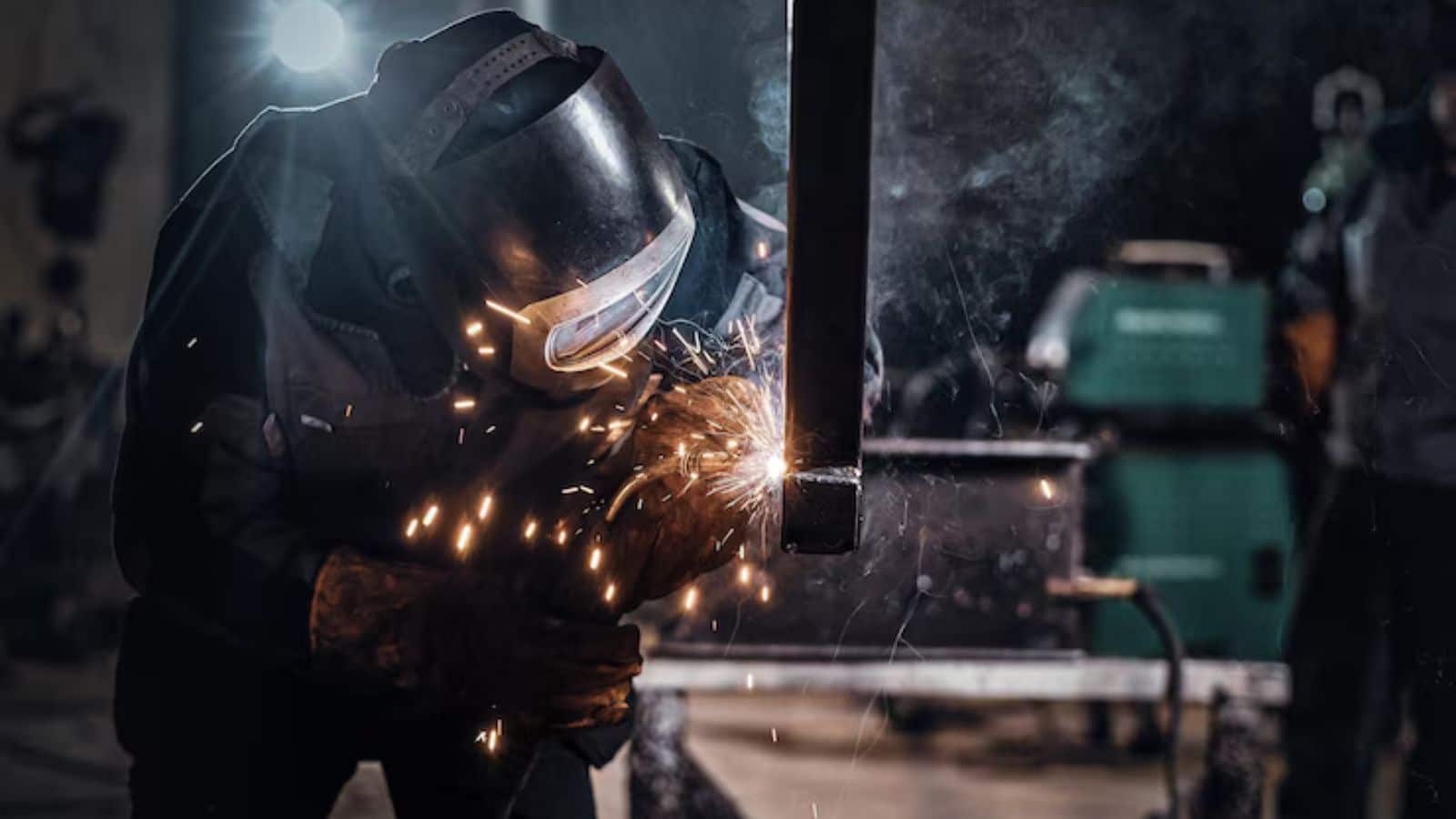
What Makes TIG & MIG Welding the Best Choice for Fabrication?: Welding is the backbone of the fabrication industry, especially in industrial hubs like Saudi Arabia, where oil & gas, construction, and infrastructure projects demand high-quality, durable metal structures. At Safe and Secure Trading Company (SSTC), our commitment to quality, safety, and innovation drives us to choose the most effective welding techniques—TIG (Tungsten Inert Gas) and MIG (Metal Inert Gas) welding—for our fabrication services.
In this blog post, we’ll dive into why TIG and MIG welding are the preferred choices at SSTC, how they enhance our fabrication process, and what makes us a responsible and reliable partner in Saudi Arabia’s growing industrial ecosystem.
TIG welding, also known as GTAW (Gas Tungsten Arc Welding), uses a non-consumable tungsten electrode and an inert gas (usually argon) to protect the weld area from atmospheric contamination. It is ideal for thin materials and applications requiring precision and clean welds.
Read Also: Top 5 Benefits of Using a 1 Leg Chain Sling With a Clevis Grab Hook
MIG welding, or GMAW (Gas Metal Arc Welding), uses a continuously fed wire electrode and shielding gas. It is more suited for thicker materials and high-volume fabrication due to its speed and efficiency.
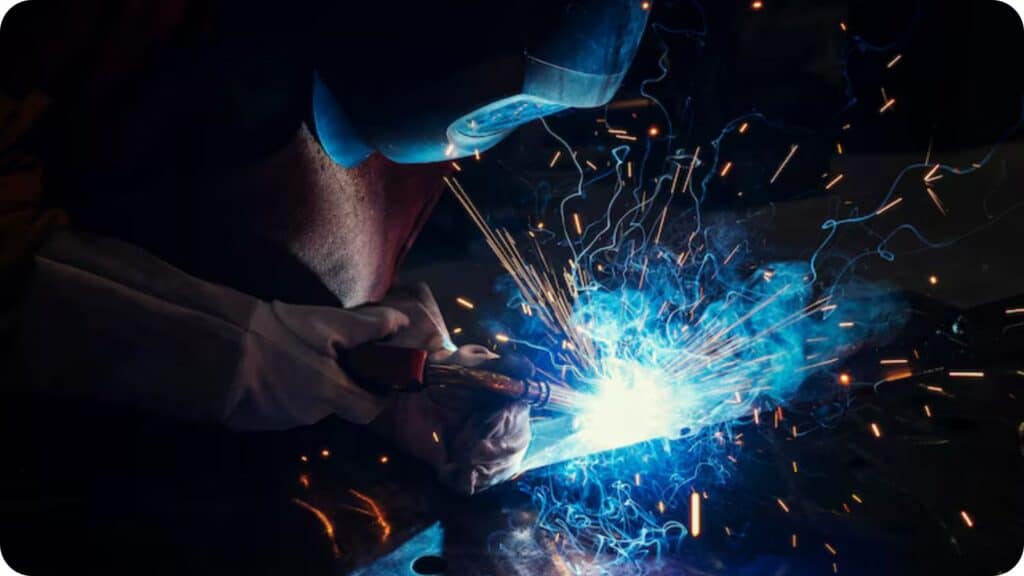
At SSTC, quality is non-negotiable. TIG welding offers exceptional control over the weld pool, resulting in cleaner and stronger welds—especially useful for stainless steel, aluminum, and exotic metals used in critical infrastructure and manufacturing.
MIG welding, on the other hand, provides deep penetration and consistent results, perfect for heavy-duty applications like frames, platforms, and support structures.
Saudi Arabia’s modern construction and manufacturing sectors demand not only strength but also visual appeal and accuracy. TIG welding excels in delivering fine, clean, and spatter-free welds, making it ideal for visible joints and high-end finishes.
MIG welding’s fast processing time makes it highly productive for large-scale fabrication jobs. SSTC utilizes automated and semi-automated MIG systems that allow us to maintain high throughput without compromising quality—a critical requirement for projects with tight deadlines.
SSTC handles a wide range of materials, from carbon steel and stainless steel to aluminum alloys. Both TIG and MIG welding are adaptable to various material types and thicknesses, giving us flexibility in our fabrication capabilities.
Our welding facilities adhere strictly to Saudi Arabian labor safety laws and international welding standards. Both TIG and MIG welding systems are equipped with safety-enhancing features like gas flow regulators, ventilation systems, and automated arc control, which help protect our workforce and the environment.
From high-rise buildings to industrial warehouses, SSTC uses MIG welding to fabricate beams, columns, frames, and trusses that meet structural integrity codes such as SBC (Saudi Building Code).
We provide customized fabrication of conveyors, process tanks, machinery frames, and housings using TIG welding to ensure precision and corrosion resistance for food processing, chemical, and manufacturing plants.
SSTC welds piping and ducting systems for HVAC installations using TIG for tight seals and leak-proof results, ensuring optimal energy efficiency and indoor air quality.
All our welders are certified by AWS (American Welding Society) and trained in-house on the latest techniques and safety protocols. Every weld is inspected through non-destructive testing (NDT) like X-ray, ultrasonic, and dye-penetrant methods to ensure defect-free joints.
SSTC adopts eco-friendly practices by:
Our welding bays are fitted with:
We also conduct routine safety audits and training sessions to minimize risk and create a safe work environment.
We are continually innovating by integrating CNC welding, robotics, and AI-based quality monitoring systems. SSTC is exploring hybrid welding processes that combine MIG/TIG with laser or plasma techniques to enhance precision and reduce welding time further.
As Saudi Arabia moves towards its Vision 2030 goals of industrial diversification and infrastructure expansion, SSTC is poised to lead with sustainable, scalable, and smart welding solutions.
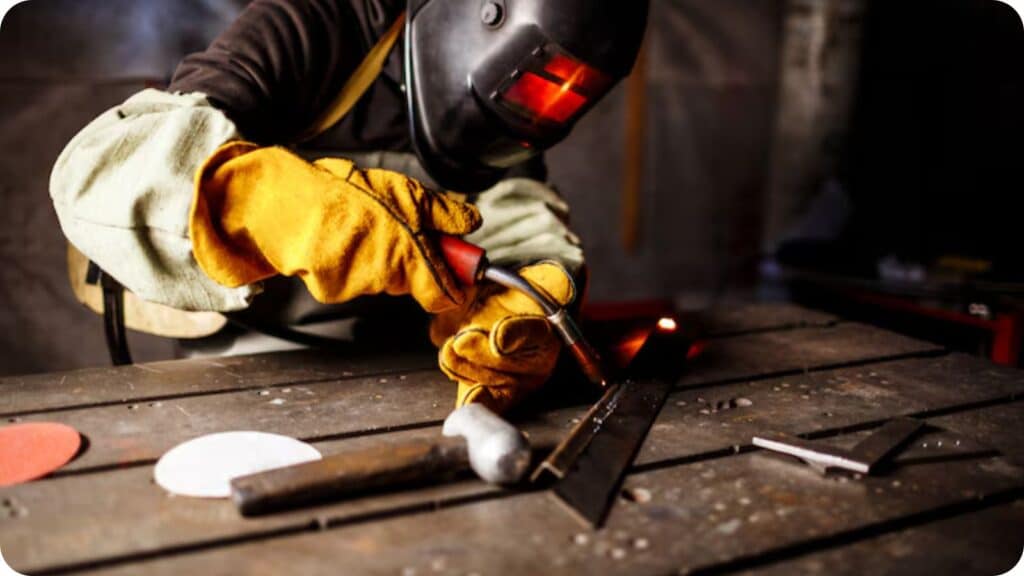
At Safe and Secure Trading Company (SSTC), we don’t just weld metal—we forge strength, reliability, and trust. Our use of TIG and MIG welding is not just a technical decision, but a strategic move to deliver the highest quality fabrication services across Saudi Arabia’s industrial landscape.
Whether you’re planning a mega industrial facility or a bespoke equipment project, SSTC is your partner for precision welding and responsible fabrication.
Lifting Equipment Safety: Essential Rules for a Safer Workplace

The Ultimate Guide to Full Body Safety Harnesses for Industrial Use

Your Guide to Choosing a Reliable Welding & Fabrication Partner

Efficient Fuel Management with 2500L Fuel Bowser Tank in KSA

The Ultimate Guide to 3 Strand High Strength Polypropylene Rope

Everything You Need to Know About 3 Strand Polyamide Nylon Rope