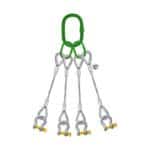
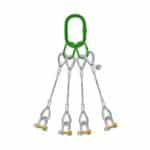
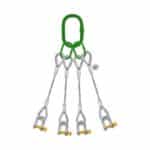
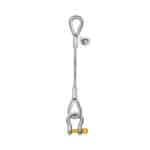
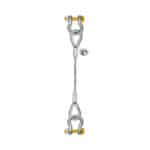
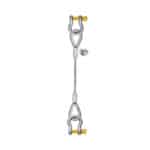
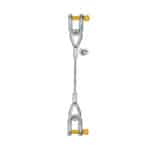
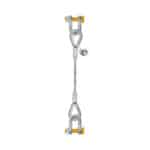
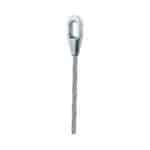
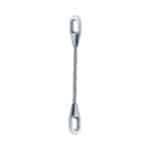
The integrity of wire rope is paramount in various industries, from construction and manufacturing to transportation and energy. Wire ropes are essential components in cranes, hoists, elevators, and other lifting equipment. Wire rope failures can lead to catastrophic consequences, including serious injuries, significant equipment damage, and costly downtime. Understanding the common causes of wire rope failures and implementing effective preventative measures is crucial for ensuring workplace safety and operational efficiency. This article aims to provide a comprehensive overview of the most frequent pitfalls leading to wire rope failures and offers practical solutions to mitigate these risks.
1. ✅ Ignoring Regular Inspections: A Recipe for Disaster
Problem: Undetected Wear and Damage
Failing to conduct regular inspections is a significant oversight that allows wear, corrosion, and damage to accumulate unnoticed. Wire rope degradation is a gradual process; therefore, consistent monitoring is essential for early detection. Without inspections, critical issues like broken wires, corrosion, and deformations can escalate, compromising the integrity of the entire system. This neglect can lead to unexpected and potentially catastrophic wire rope failures, endangering personnel and equipment.
Solution: Implementing a Consistent Inspection Protocol
Establishing a consistent inspection protocol is vital to detect potential problems early and prevent wire rope failures. The frequency of inspections should be based on usage intensity and environmental factors, with more demanding conditions requiring more frequent checks. During inspections, pay close attention to signs of wear, corrosion, broken wires, and any deformations. Using checklists and maintaining detailed documentation will ensure thoroughness and consistency, providing a record of the wire rope‘s condition over time. Our team at Safe and Secure Trading Company (SSTC) recommends a combination of visual and hands-on inspections, along with non-destructive testing methods like magnetic particle testing when appropriate.
2. 💡 Improper Lubrication: Accelerating Wear and Corrosion
Problem: Friction and Environmental Exposure
Inadequate lubrication leads to increased friction between the strands and wires within the wire rope. This friction accelerates wear, reducing the rope’s lifespan and increasing the risk of failure. Moreover, without proper lubrication, the wire rope is exposed to corrosion from moisture and chemicals, further weakening its structure. Internal corrosion, which is harder to detect, can be particularly insidious, silently compromising the integrity of the rope. For our clients in the marine industry, the effects of saltwater exposure are significantly amplified without proper lubrication.
Solution: Choosing and Applying the Right Lubricant
Selecting a wire rope-specific lubricant is essential for protecting against wear and corrosion. These lubricants are designed to penetrate the core of the rope, providing comprehensive protection. A lubrication schedule should be established based on usage and environmental conditions, with more frequent applications in harsh environments. The proper method for applying the lubricant is also crucial; ensure complete coverage by using techniques such as drip systems or pressure applicators. At SSTC, we emphasize the importance of using lubricants that not only reduce friction but also create a barrier against moisture and corrosive agents.
3. ➡️ Overloading: Pushing Wire Rope Beyond Its Limits
Problem: Exceeding the Safe Working Load
Exceeding the Safe Working Load (SWL) is a common cause of wire rope failures. The SWL is the maximum load that a wire rope is designed to safely handle, and surpassing this limit can lead to immediate or gradual damage. Many operators fail to fully understand load charts and the implications of improper weight distribution, leading to situations where the wire rope is subjected to excessive stress. Shock loading, which occurs when a load is suddenly applied, can also significantly increase the stress on the wire rope, even if the static load is within the SWL.
Solution: Strict Adherence to Load Limits and Proper Rigging Techniques
Strict adherence to load limits and the implementation of proper rigging techniques are vital for preventing overloading. Accurate weight estimations are crucial; using load cells or dynamometers to verify the load being lifted is highly recommended. Proper rigging techniques ensure that the load is distributed evenly, minimizing stress on the wire rope. SSTC always advises our clients to conduct thorough risk assessments before any lifting operation, identifying potential hazards and implementing control measures to mitigate those risks.
4. ⚙️ Incorrect Sheave and Drum Size: Causing Undue Stress
Problem: Bending Fatigue and Premature Wear
Using sheaves and drums that are too small can cause excessive bending stress on the wire rope. This repeated bending leads to fatigue cracking and premature failure. The smaller the diameter of the sheave or drum, the greater the bending stress on the wire rope as it passes around it. This is particularly problematic for wire ropes used in applications with frequent bending cycles, such as cranes and hoists. Selecting components without considering their impact on the wire rope‘s lifespan can result in costly replacements and dangerous operating conditions.
Solution: Selecting the Right Size Components and Maintaining Alignment
Consult manufacturer specifications for minimum sheave and drum diameters to ensure that the selected components are appropriate for the wire rope being used. Proper alignment of sheaves and drums is equally important; misaligned components can cause uneven wear and increased stress on the wire rope. Regular inspections should include checks for alignment and any signs of excessive wear on the sheaves and drums. When replacing sheaves or drums, always ensure that the new components meet or exceed the original specifications. SSTC emphasizes the importance of a holistic approach, considering the entire lifting system to ensure compatibility and optimal performance.
5. 💥 Using Damaged or Incompatible Fittings: Compromising the Entire System
Problem: Weak Links in the Lifting Chain
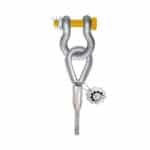
Damaged or worn fittings can significantly reduce the overall strength of the wire rope assembly, creating weak links in the lifting chain. Fittings such as clips, shackles, and eye bolts are critical components, and their condition directly impacts the safety of the entire system. Using incompatible fittings, which are not designed to work together, can also lead to failures. For example, using clips of the wrong size or material can result in slippage or breakage under load. It’s essential to recognize that the wire rope is only as strong as its weakest point, and neglecting the condition of the fittings is a serious safety hazard. We have seen firsthand how clip failures can result in dropped loads and severe damage.
Solution: Inspecting and Replacing Worn Fittings and Ensuring Compatibility
Regular inspection of all fittings for signs of wear, damage, or corrosion is essential. Any damaged or worn fittings should be replaced immediately. Only fittings that are specifically designed for the wire rope being used should be selected. Compatibility is key; ensure that the fittings are rated for the same load capacity as the wire rope and are made from compatible materials. SSTC recommends maintaining a log of all fittings, including their inspection dates and replacement history, to ensure proactive management of these critical components. In our experience, a well-maintained fitting program dramatically reduces the risk of wire rope failures.
6. 🌡️ Exposure to Extreme Temperatures: Weakening the Wire Rope
Problem: Material Degradation at High and Low Temperatures
Exposure to extreme temperatures can significantly weaken wire rope. Extreme heat can reduce the tensile strength of the wire rope, making it more susceptible to failure under load. Conversely, extreme cold can make the wire rope brittle and prone to cracking. The degree of temperature-induced degradation depends on the type of steel used in the wire rope and the duration of exposure. In industries such as steel manufacturing or arctic exploration, these temperature effects are particularly pronounced.
Solution: Using Heat-Resistant Wire Rope and Protecting Against Cold
In environments where high temperatures are a concern, using wire rope made from materials resistant to heat is crucial. Alloy steels, for example, retain their strength better at elevated temperatures compared to carbon steels. Protecting wire rope from extreme cold can be achieved by using insulation or heating systems. These measures help to maintain the wire rope‘s flexibility and prevent brittleness. Inspection schedules should be adjusted in environments with extreme temperatures, with more frequent checks to monitor for signs of degradation.
7. 💧 Corrosion: The Silent Killer of Wire Ropes
Problem: Weakening of Strands due to Rust
Corrosion is a pervasive threat to wire ropes, gradually weakening them over time and reducing their load-bearing capacity. Rust, the most common form of corrosion, occurs when moisture and oxygen react with the steel in the wire rope. This process weakens the strands, leading to eventual failure. Internal corrosion, which occurs within the core of the wire rope, is particularly dangerous because it is difficult to detect visually. Once internal corrosion has taken hold, the wire rope‘s strength can be compromised without any outward signs of damage.
Solution: Implementing Corrosion Prevention Strategies
Implementing comprehensive corrosion prevention strategies is crucial for extending the lifespan of wire ropes. Regular cleaning and lubrication prevent moisture from reaching the wire rope, thereby inhibiting corrosion. Corrosion inhibitors and protective coatings provide an additional layer of protection. Internal inspections, which involve opening up the strands to check for corrosion, should be performed periodically, especially in corrosive environments. SSTC offers specialized corrosion analysis services to assess the extent of corrosion and recommend appropriate mitigation measures.
8. 🌪️ Environmental Factors: Addressing Specific Regional Challenges
Problem: Unique Environmental Conditions Impacting Wire Rope
Unique environmental conditions can significantly impact wire rope performance and longevity. Coastal environments, for instance, pose a high risk of corrosion due to salt spray. The salt accelerates the corrosion process, leading to rapid degradation of the wire rope. Desert environments, on the other hand, can lead to increased abrasion due to sand and dust. These abrasive particles can wear down the wire rope‘s surface, reducing its strength. Extreme weather events, such as hurricanes and blizzards, can also cause sudden damage to wire ropes. For many of our clients here in Dammam, we’ve seen that the combination of heat and sand requires more frequent wire rope lubrication.
Solution: Tailoring Maintenance to the Specific Environment
Maintenance strategies should be tailored to the specific environmental challenges faced by the wire rope. In coastal environments, using corrosion-resistant wire rope and fittings is essential. Specialized lubricants that repel sand and dust are recommended for desert environments. Implementing pre- and post-storm inspection protocols in areas prone to extreme weather ensures that any damage is identified and addressed promptly. SSTC provides customized maintenance plans that take into account the specific environmental conditions at each client’s location.
9. 📚 Training and Competency: Ensuring Proper Handling and Maintenance
Problem: Human Error and Lack of Knowledge
Improper handling, installation, and maintenance practices can significantly contribute to wire rope failures. Human error, often stemming from a lack of knowledge or inadequate training, is a major cause of preventable incidents. For example, incorrect installation techniques can introduce stress points that weaken the wire rope. Similarly, improper maintenance practices, such as using the wrong type of lubricant or neglecting regular inspections, can accelerate degradation. It’s essential to ensure personnel are adequately trained on wire rope safety procedures.
Solution: Implementing Comprehensive Training Programs and Certification
Implementing comprehensive training programs and certification ensures that personnel are competent in wire rope handling and maintenance. Regular training on wire rope inspection, maintenance, and replacement is crucial. Implementing a certification program ensures that personnel have demonstrated their competence in these areas. Ongoing education and staying up-to-date on best practices are also important. SSTC offers a range of training programs designed to enhance personnel competency and promote a culture of wire rope safety.
10. 📝 Detailed Record Keeping: Tracking Wire Rope Performance and Identifying Trends
Problem: Lack of Data for Informed Decision-Making
Inadequate record-keeping makes it difficult to track wire rope performance over time and identify potential problems. Without detailed records, it’s challenging to assess the effectiveness of maintenance practices or predict when a wire rope may be nearing the end of its service life. This lack of data hinders informed decision-making, leading to reactive rather than proactive management of wire rope assets. Consistent and thorough record-keeping is essential for optimizing wire rope maintenance and preventing failures.
Solution: Implementing a Comprehensive Record-Keeping System
Implementing a comprehensive record-keeping system is vital for effective wire rope management. Detailed records of wire rope inspections, maintenance activities, and replacements should be maintained. Using a database or spreadsheet to track key performance indicators (KPIs) provides valuable insights into wire rope performance. Analyzing the data to identify trends and make informed decisions about wire rope management is also critical. SSTC assists clients in setting up and maintaining robust record-keeping systems to ensure optimal wire rope safety and performance.
| Failure Factor |
Problem |
Solution |
| Ignoring Inspections |
Undetected wear and damage |
Consistent inspection protocol |
| Improper Lubrication |
Friction and environmental exposure |
Wire rope-specific lubricant |
| Overloading |
Exceeding Safe Working Load (SWL) |
Adherence to load limits |
| Incorrect Sheave Size |
Bending fatigue |
Right size components |
| Damaged Fittings |
Weak links in lifting chain |
Inspect and replace fittings |
| Extreme Temperatures |
Material degradation |
Heat-resistant wire rope |
| Corrosion |
Weakening of strands |
Corrosion prevention |
| Environmental Factors |
Regional challenges |
Tailored maintenance |
| Lack of Training |
Human error |
Training programs |
| Poor Record Keeping |
Lack of data |
Record-keeping system |
“Regular inspection and proper lubrication are the two most critical factors in preventing wire rope failures. Don’t neglect these essential steps!” – John Smith, Senior Engineer
Conclusion: Prioritizing Wire Rope Safety for Operational Excellence
In conclusion, preventing wire rope failures requires a multifaceted approach that includes regular inspection, proper lubrication, adherence to safe working load limits, and a commitment to ongoing training and maintenance. The consequences of neglecting these critical steps can be severe, ranging from equipment damage and downtime to serious injuries and fatalities. Prioritizing wire rope safety is not only a matter of regulatory compliance but also a fundamental aspect of responsible operational management. By implementing the strategies outlined in this article, organizations can significantly reduce the risk of wire rope failures and create a safer, more efficient working environment. Here at Safe and Secure Trading Company, we are committed to helping our clients achieve operational excellence through comprehensive wire rope safety programs.
FAQ Section
Q: How often should I inspect my wire rope?
A: The frequency of wire rope inspection depends on several factors, including the type of equipment, the severity of the operating environment, and the frequency of use. As a general guideline, wire ropes should be inspected at least monthly, with more frequent inspections for high-usage or high-risk applications.
Q: What are the key signs of wire rope damage to look for during an inspection?
A: Key signs of wire rope damage include broken wires, corrosion, wear, deformation, and any signs of damage to the fittings. Pay close attention to areas where the wire rope comes into contact with sheaves or drums, as these areas are prone to wear.
Q: What type of lubricant should I use for my wire rope?
A: Use a wire rope-specific lubricant that is designed to penetrate the core of the wire rope and provide protection against corrosion. Avoid using general-purpose lubricants, as they may not provide adequate protection. We, at SSTC, can recommend specific lubricants based on your operating environment and the type of wire rope you are using.
Q: How can I prevent corrosion on my wire rope?
A: Implement a comprehensive corrosion prevention strategy that includes regular cleaning, lubrication, and the use of corrosion inhibitors or protective coatings. In highly corrosive environments, consider using wire rope made from corrosion-resistant materials.
Q: What is the Safe Working Load (SWL) and why is it important?
A: The Safe Working Load (SWL) is the maximum load that a wire rope is designed to safely handle. Exceeding the SWL can lead to immediate or gradual damage and increase the risk of failure. It’s essential to understand the SWL of your wire rope and ensure that you never exceed it.
Q: How can I ensure that my wire rope fittings are compatible with the wire rope?
A: Use only fittings that are specifically designed for the wire rope being used and that are rated for the same load capacity. Ensure that the fittings are made from compatible materials to prevent galvanic corrosion. Consult with a wire rope supplier or manufacturer to ensure compatibility.
Q: What type of training should personnel receive on wire rope safety?
A: Personnel should receive training on wire rope inspection, maintenance, and replacement procedures. The training should cover topics such as identifying signs of damage, proper lubrication techniques, and safe handling practices. SSTC offers comprehensive training programs that can be customized to meet your specific needs.
Q: How can I track the performance of my wire rope over time?
A: Implement a comprehensive record-keeping system to track wire rope inspections, maintenance activities, and replacements. Use a database or spreadsheet to track key performance indicators (KPIs) and analyze the data to identify trends and make informed decisions about wire rope management.
Q: What should I do if I suspect that my wire rope is damaged?
A: If you suspect that your wire rope is damaged, remove it from service immediately and conduct a thorough inspection. If the damage is significant, replace the wire rope with a new one. Never use a damaged wire rope, as it could lead to catastrophic failure.
Q: What are some of the common types of wire rope fittings?
A: Common types of wire rope fittings include wire rope clips, shackles, thimbles, swage sockets, and wedge sockets. Each type of fitting has its own specific applications and load-bearing capabilities.
Q: What is wire rope lubrication, and why is it important?
A: Wire rope lubrication is the process of applying lubricant to a wire rope to reduce friction and prevent corrosion. Proper lubrication extends the lifespan of the wire rope and helps to maintain its strength.
Q: What is lifting equipment safety, and why is it important?
A: Lifting equipment safety encompasses all the measures taken to ensure that lifting operations are conducted safely and without risk of injury or damage. This includes proper training, regular inspections, and adherence to safe working load limits.
Q: What is crane safety, and why is it important?
A: Crane safety refers to the measures taken to ensure that cranes are operated safely and without risk of accidents. This includes proper maintenance, operator training, and adherence to safety regulations.
Q: What is hoist safety, and why is it important?
A: Hoist safety involves the practices and procedures designed to ensure the safe operation of hoists, which are used to lift and lower materials. It includes regular inspections, load testing, and operator training to prevent accidents and injuries.