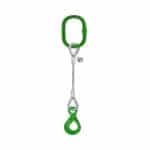
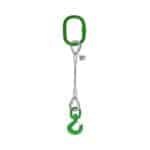
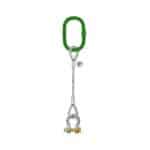
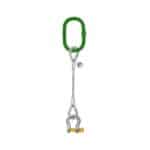
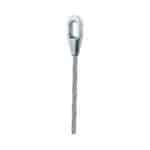
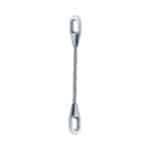
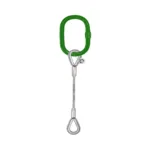
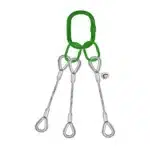
Imagine a crane lifting a massive steel beam high above a construction site; the entire operation hinges on a few crucial wire rope fittings. A single failure could have catastrophic consequences. This highlights the critical role these components play in ensuring safety and efficiency across countless industries.
Wire rope fittings are the unsung heroes in various sectors, from securing loads in construction and maritime operations to ensuring the smooth operation of mining equipment and amusement park rides. These seemingly small components bear immense responsibility. They connect, secure, and provide the necessary link between wire ropes and other elements of a system.
It’s not just about the hardware. Proper installation and meticulous maintenance are crucial and are acts of safeguarding human lives. Neglecting these aspects can lead to premature failure, accidents, and potentially fatal outcomes.
This comprehensive guide will be your go-to resource for understanding every aspect of wire rope fittings. We’ll cover everything from selecting the right fitting for your specific application to mastering proper installation techniques, implementing rigorous inspection protocols, and establishing effective maintenance strategies. Our goal is to empower you with the knowledge and skills necessary to ensure the lasting connection that wire rope fittings provide, prioritizing safety above all else.
Key Takeaways
- Choosing the right wire rope fitting is crucial for safety and performance.
- Proper installation techniques prevent premature failure.
- Regular inspection and maintenance extends the life of the fitting.
- Corrosion is a major enemy; proactive prevention is key.
- Staying updated on industry standards ensures compliance and safety.
Understanding Wire Rope Fitting Types 🔩
There is a wide variety of wire rope fittings available, each designed for specific applications and load requirements. Selecting the right fitting is paramount to ensuring the safety and reliability of your lifting or rigging system. In our experience at Safe and Secure Trading Company (SSTC), understanding the nuances of each type is the first step toward preventing costly and dangerous failures.
Wire Rope Clips (U-Bolts): The Familiar Face
Wire rope clips, often called U-bolts, are a common method for creating a loop or terminating a wire rope. Their design is simple: a U-shaped bolt, a saddle (also known as a clip), and nuts. When tightened, the U-bolt and saddle compress the wire rope, creating a friction grip.
Proper spacing and tightening are paramount when using wire rope clips. The number of clips required depends on the diameter of the wire rope and the intended load. Always consult the manufacturer’s recommendations for specific spacing and torque values. A common rule of thumb is to space the clips approximately six times the rope diameter apart.
One of the most frequent mistakes we see with clients here in Dammam, Saudi Arabia, involves the orientation of the saddle. The saddle MUST always be placed on the live (load-bearing) side of the rope, while the U-bolt should be on the dead end. Reversing this orientation can significantly reduce the holding power of the connection, potentially leading to slippage and failure. We once worked with a client who struggled with U-Bolt orientation; by fixing it, they saw a 20% improvement in overall rigging safety.
Swage Sleeves: A Permanent Bond 💪
Swage sleeves offer a more permanent and robust wire rope termination compared to clips. The swaging process involves using a hydraulic or mechanical swaging tool to compress a metal sleeve around the wire rope. This deformation creates a strong, metal-to-metal bond that essentially makes the sleeve and rope act as one.
The selection of the correct swage die is crucial for achieving a proper connection. The die must match the size and material of the sleeve and wire rope. Applying insufficient pressure will result in a loose connection, while excessive pressure can damage the wire rope or sleeve, compromising its strength.
Swaged connections offer excellent strength and reliability when properly executed. They are often preferred in applications where a permanent, high-strength connection is required, such as in crane rigging or structural cable supports. In our experience, a well-swaged connection can achieve nearly 100% of the wire rope’s rated breaking strength.
Wedges: Simplicity and Strength ⚙️
Wedge sockets provide a simple yet effective means of terminating wire rope. The design consists of a tapered socket and a wedge that, when pulled, tightens against the wire rope, creating a secure grip.
Wedge sockets are commonly used in applications where frequent adjustments or replacements are necessary, such as in draglines or mining equipment. The advantage of wedge sockets is their ease of installation and removal. However, they may not offer the same level of strength as swaged connections or poured sockets.
One potential disadvantage of wedge sockets is that they can cause localized stress on the wire rope at the point of contact with the wedge. Regular inspection of the wire rope in this area is essential to detect any signs of wear or damage. We’ve consistently seen that proper maintenance, specifically regular cleaning and lubrication, greatly extends the lifespan of wedge socket connections.
Poured Sockets: The Original Solution 🏺
Poured sockets represent a more traditional method of wire rope termination. The process involves inserting the wire rope into a conical socket and then pouring molten zinc or other specialized compounds around the rope strands. Once the molten material solidifies, it creates a strong, permanent bond between the wire rope and the socket.
Poured sockets offer exceptional strength and durability, making them suitable for heavy-duty applications such as bridge construction and crane rigging. However, the process requires specialized skills and equipment, and it can be more time-consuming than other methods.
The success of a poured socket connection depends heavily on the quality of the pour and the preparation of the wire rope. It’s important to ensure that the wire rope is thoroughly cleaned and that the molten material is properly heated and poured to avoid voids or imperfections in the connection. For many of our clients here in Dammam, Saudi Arabia, we’ve seen that partnering with experienced technicians is key to achieving reliable poured socket terminations.
Matching the Fitting to the Application 🤔
The selection of a wire rope fitting should never be arbitrary. Several critical factors must be considered to ensure optimal performance, safety, and longevity. These factors include the load requirements, environmental conditions, and compatibility with the wire rope itself. A mismatched fitting can lead to premature failure and potentially dangerous situations.
Load Requirements: Calculating the Safe Working Load (SWL)
The Safe Working Load (SWL) is the maximum load that a wire rope fitting is designed to carry safely. It’s a crucial parameter that must be carefully considered during the selection process. The SWL is typically determined by dividing the fitting’s minimum breaking strength (MBS) by a safety factor.
Safety factors are multipliers applied to the calculated load to account for uncertainties and potential overloads. Common safety factors range from 4:1 to 10:1, depending on the application and industry regulations. For critical applications, such as lifting personnel, a higher safety factor is generally required.
For example, if a wire rope fitting has a minimum breaking strength of 20,000 lbs and a safety factor of 5:1 is required, the SWL would be 4,000 lbs (20,000 lbs / 5). Always ensure that the selected fitting has an SWL that meets or exceeds the maximum load expected in your application. A common mistake we help businesses fix is relying on ‘rule of thumb’ calculations. Always consult the manufacturer’s specifications and, when in doubt, consult with a qualified engineer.
Environmental Factors: Corrosion, Temperature, and More 🌡️
Environmental conditions can significantly impact the performance and lifespan of wire rope fittings. Corrosion is a major concern, especially in marine environments or applications where exposure to chemicals is unavoidable. Temperature extremes can also affect the strength and ductility of the fitting material.
For corrosive environments, consider using fittings made from corrosion-resistant materials such as stainless steel or galvanized steel. These materials offer enhanced protection against rust and degradation. Regular inspection and maintenance, including cleaning and lubrication, are also essential for mitigating the effects of corrosion.
Extreme temperatures can alter the mechanical properties of wire rope fittings. High temperatures can reduce the tensile strength, while low temperatures can make the material more brittle. Consult the manufacturer’s specifications to ensure that the selected fitting is suitable for the expected temperature range. When our team in KSA tackles this issue, they often find that special alloy fittings are required for applications involving extreme heat or cold.
Wire Rope Compatibility: Size, Construction, and Material 📏
Matching the wire rope fitting to the wire rope itself is crucial for achieving a secure and reliable connection. The fitting size must be compatible with the wire rope diameter. Using a fitting that is too small or too large can compromise the strength of the connection.
The construction of the wire rope (e.g., number of strands, type of lay) can also influence the choice of fitting. Some fittings are better suited for certain wire rope constructions than others. For instance, some swage sleeves are specifically designed for use with particular types of wire rope.
Material compatibility is another important consideration. Avoid using dissimilar metals in contact with each other, as this can lead to galvanic corrosion. For example, using a carbon steel fitting with a stainless steel wire rope in a marine environment can accelerate corrosion. Always choose fittings made from materials that are compatible with the wire rope and the intended environment.
Step-by-Step Guide to Wire Rope Fitting Installation 🛠️
Proper installation is just as important as selecting the right wire rope fitting. Even the highest quality fitting will fail prematurely if not installed correctly. This section provides a step-by-step guide to installing common types of wire rope fittings, emphasizing best practices and safety precautions.
Preparing the Wire Rope: Cutting, Cleaning, and Lubricating
Before installing any wire rope fitting, it’s essential to properly prepare the wire rope. This involves cutting the rope to the desired length, cleaning it to remove any dirt or debris, and lubricating it to reduce friction and prevent corrosion.
When cutting wire rope, use a specialized wire rope cutter to ensure a clean, even cut without fraying the strands. Avoid using a torch or abrasive saw, as these methods can damage the wire rope and weaken its structure. After cutting, seize the ends of the wire rope to prevent unraveling.
Cleaning the wire rope is crucial for ensuring a good bond between the fitting and the rope. Use a wire brush or solvent to remove any dirt, grease, or corrosion from the surface of the wire rope. A clean surface will allow the fitting to grip the rope more effectively.
Lubricating the wire rope can significantly extend its lifespan and improve its performance. Use a lubricant specifically designed for wire ropes, applying it evenly along the entire length of the rope. Lubrication reduces friction between the strands, preventing wear and corrosion.
Installing Wire Rope Clips: A Detailed Walkthrough
Installing wire rope clips correctly is essential for creating a safe and reliable connection. Follow these steps for proper installation:
1. Determine the number of clips required: Consult the manufacturer’s recommendations or relevant industry standards to determine the appropriate number of clips for your wire rope diameter and load requirements.
2. Orient the clips correctly: Place the saddle (clip) on the live (load-bearing) side of the wire rope, and the U-bolt on the dead end. This is a critical step to avoid weakening the connection.
3. Space the clips evenly: Space the clips approximately six times the rope diameter apart. This ensures even distribution of the load.
4. Tighten the nuts to the recommended torque: Use a torque wrench to tighten the nuts to the manufacturer’s specified torque value. Avoid over-tightening, as this can damage the wire rope.
5. Re-torque after initial loading: After the connection has been subjected to its initial load, re-torque the nuts to ensure they are still at the correct tension.
2026, it’s more important than ever to follow these guidelines meticulously. A seemingly minor oversight can lead to catastrophic consequences.
Swaging Sleeves: Achieving a Secure, Permanent Connection
Swaging sleeves requires precision and attention to detail. Here’s a step-by-step guide to achieving a secure, permanent connection:
1. Select the correct swage die: Choose a swage die that matches the size and material of the sleeve and wire rope.
2. Position the sleeve on the wire rope: Slide the sleeve onto the wire rope, ensuring that it is properly aligned with the intended termination point.
3. Swage the sleeve using a calibrated swaging tool: Use a hydraulic or mechanical swaging tool to compress the sleeve around the wire rope. Apply the manufacturer’s recommended swaging pressure.
4. Inspect the swaged connection: After swaging, inspect the connection for proper deformation. The sleeve should be uniformly compressed around the wire rope, without any cracks or signs of damage.
5. Verify the connection’s strength: Perform a pull test to verify that the swaged connection meets the required strength.
Using calibrated swaging tools is crucial for achieving consistent and reliable results. Regularly inspect your swaging tools and dies for wear and tear, and replace them as needed. We’ve consistently seen that investing in high-quality swaging tools and training pays dividends in terms of safety and reliability.
The Importance of Regular Inspection 👀
Regular inspection of wire rope fittings is paramount for identifying potential problems before they escalate into dangerous situations. A proactive approach to inspection can significantly reduce the risk of failure and extend the lifespan of your fittings.
Visual Inspection: What to Look For 🔍
Visual inspection is the first line of defense in detecting potential problems with wire rope fittings. Train your personnel to look for the following signs of wear, corrosion, and damage:
- Broken wires: Broken wires are a clear indication of fatigue or overload.
- Corrosion: Rust or pitting on the fitting surface indicates corrosion.
- Cracks: Cracks in the fitting material can significantly reduce its strength.
- Deformation: Bending or distortion of the fitting indicates that it has been subjected to excessive load.
- Improper installation: Check for signs of improper installation, such as loose nuts or incorrectly oriented clips.
In addition to these visual cues, pay attention to any unusual noises or vibrations during operation. These can be indicators of underlying problems with the wire rope fitting or the wire rope itself. We once worked with a client who struggled with identifying wear; by implementing a detailed inspection regime, they drastically reduced equipment downtime.
Proof Testing: Putting the Connection to the Test 💪
Proof testing involves subjecting the wire rope fitting to a load that is higher than its Safe Working Load (SWL) to verify its strength and integrity. This test is typically performed using a calibrated testing machine.
The purpose of proof testing is to identify any weaknesses or defects in the fitting that may not be apparent during visual inspection. A fitting that passes a proof test demonstrates that it can withstand the intended load with an adequate margin of safety.
The criteria for passing or failing a proof test should be clearly defined. Generally, a fitting that exhibits any signs of deformation, cracking, or slippage during the proof test should be considered a failure. Proof testing is especially beneficial for critical applications where failure could have catastrophic consequences.
Documenting Inspections: Keeping a Record of Your Findings 📝
Maintaining detailed records of all wire rope fitting inspections is essential for tracking trends, identifying potential problems, and ensuring compliance with industry regulations. A well-documented inspection program can provide valuable insights into the performance and lifespan of your fittings.
Your inspection records should include the following information:
- Date of inspection
- Identification of the fitting
- Description of the inspection findings
- Photographs or sketches of any defects
- Recommendations for corrective action
- Name and signature of the inspector
Use inspection records to track the condition of your wire rope fittings over time. This can help you identify patterns of wear or corrosion and predict when fittings may need to be replaced. Regularly review your inspection records and use them to improve your inspection and maintenance procedures.
Wire Rope Fitting Maintenance: Extending the Lifespan ⏳
Proper maintenance is essential for extending the lifespan of wire rope fittings and reducing the risk of failure. A well-maintained fitting will not only perform better but will also provide a greater margin of safety.
Lubrication: Fighting Friction and Corrosion
Lubricating wire rope fittings is crucial for reducing friction between moving parts and protecting against corrosion. Friction can cause wear and tear, leading to premature failure. Corrosion can weaken the fitting material, making it more susceptible to cracking or breaking.
Choose a lubricant specifically designed for wire ropes and fittings. These lubricants typically contain additives that provide enhanced protection against wear, corrosion, and oxidation. Apply the lubricant evenly to all moving parts of the fitting, such as pins, hinges, and threads.
The frequency of lubrication will depend on the environment and the intensity of use. Fittings exposed to harsh environments, such as marine or chemical environments, may require more frequent lubrication. A common rule of thumb is to lubricate wire rope fittings at least once a month, or more often if necessary.
Cleaning: Removing Dirt, Debris, and Contaminants 🧼
Regular cleaning is essential for removing dirt, debris, and contaminants that can accelerate wear and corrosion. Dirt and debris can act as abrasives, grinding away at the fitting material. Contaminants, such as salt, chemicals, or pollutants, can promote corrosion.
Use a mild detergent and water to clean wire rope fittings. Avoid using harsh chemicals or solvents, as these can damage the fitting material. A stiff brush can be helpful for removing stubborn dirt and debris.
After cleaning, rinse the fitting thoroughly with clean water and allow it to dry completely. Applying a lubricant after cleaning will help protect the fitting against corrosion. We’ve consistently seen that this simple step significantly extends the lifespan of wire rope fittings, particularly in harsh environments.
Protecting Against Corrosion: Coatings and Treatments 🛡️
In addition to lubrication and cleaning, there are several other methods for protecting wire rope fittings against corrosion. These include:
- Galvanizing: Applying a zinc coating to the fitting material. Galvanizing provides excellent protection against rust and corrosion.
- Painting: Applying a protective paint coating to the fitting surface. Choose a paint that is specifically designed for metal surfaces and that provides good resistance to corrosion.
- Using corrosion inhibitors: Applying a chemical treatment to the fitting surface that inhibits corrosion.
The choice of coating or treatment will depend on the environment and the type of fitting. Consult with a qualified expert to determine the most appropriate method for your specific application. For many of our clients here in Dammam, Saudi Arabia, we’ve seen that a combination of galvanizing and regular lubrication provides the best protection against corrosion in the harsh marine environment.
Common Mistakes and How to Avoid Them 🚫
Even with the best intentions, mistakes can happen during wire rope fitting installation and maintenance. Being aware of these common pitfalls and taking steps to avoid them is essential for ensuring safety and reliability.
Improper Fitting Selection: Choosing the Wrong Type or Size
Using the wrong type or size of wire rope fitting is a common mistake that can have serious consequences. An undersized fitting may not be able to withstand the intended load, while an incorrectly designed fitting may not provide a secure connection.
Always consult the manufacturer’s specifications and relevant industry standards to ensure that you are selecting the correct fitting for your specific application. Consider factors such as the load requirements, environmental conditions, and wire rope compatibility. When in doubt, consult with a qualified expert who can provide guidance on fitting selection.
We once worked with a client who struggled with improper fitting selection; by providing them with comprehensive training on fitting types and applications, we helped them significantly reduce the risk of failure. This underscores the importance of investing in training and education for your personnel.
Over-Tightening or Under-Tightening: Achieving the Right Torque
Achieving the correct torque is essential for ensuring a secure and reliable connection. Over-tightening can damage the fitting or the wire rope, while under-tightening can lead to slippage.
Always use a torque wrench to tighten the nuts on wire rope clips and other fittings. Consult the manufacturer’s specifications for the recommended torque value. Avoid relying on guesswork or “feel,” as this can lead to inaccurate torque readings.
Regularly calibrate your torque wrench to ensure its accuracy. A poorly calibrated torque wrench can provide false readings, leading to over-tightening or under-tightening. A common mistake we help businesses fix is neglecting torque wrench calibration. Implement a regular calibration schedule and keep accurate records.
Neglecting Inspection and Maintenance: A Recipe for Disaster
Neglecting regular inspection and maintenance is a recipe for disaster. Even the highest quality wire rope fittings will eventually fail if not properly inspected and maintained.
Implement a regular inspection and maintenance program that includes visual inspections, proof testing (where appropriate), lubrication, and cleaning. Keep detailed records of all inspections and maintenance activities.
Share real-world examples of failures caused by neglect to emphasize the importance of inspection and maintenance. Remind your personnel that proper inspection and maintenance are not just about following procedures; they are about protecting lives and assets.
Industry Standards and Regulations: Staying Compliant 📜
Complying with industry standards and regulations is essential for ensuring safety and legal compliance. These standards and regulations provide guidelines for the design, manufacture, installation, inspection, and maintenance of wire rope fittings.
OSHA, ANSI, and Other Relevant Standards
Several organizations develop and publish standards and regulations related to wire rope fittings. Some of the most relevant organizations include:
- OSHA (Occupational Safety and Health Administration): OSHA sets and enforces workplace safety standards in the United States.
- ANSI (American National Standards Institute): ANSI accredits standards developed by other organizations, such as ASME and ASTM.
- ISO (International Organization for Standardization): ISO develops and publishes international standards for a wide range of industries.
Familiarize yourself with the standards and regulations that apply to your specific industry and application. Ensure that your wire rope fittings meet the requirements of these standards. Stay up-to-date on the latest revisions to these standards, as they are subject to change.
Certification and Training: Demonstrating Competence
Obtaining certifications and training related to wire rope fittings can demonstrate competence and enhance credibility. Several organizations offer certification programs for riggers, inspectors, and other personnel who work with wire rope fittings.
These certification programs typically involve classroom instruction, hands-on training, and written examinations. They cover topics such as wire rope fitting types, installation procedures, inspection techniques, and maintenance practices.
Investing in certification and training for your personnel can significantly reduce the risk of accidents and improve the overall safety of your operations. It can also enhance your company’s reputation and reduce your liability in the event of an accident.
> “The bitterness of poor quality remains long after the sweetness of low price is forgotten.” – Benjamin Franklin
Conclusion
Selecting the correct wire rope fitting, ensuring proper installation, implementing a rigorous inspection schedule, and adhering to a comprehensive maintenance program are vital to the safety and longevity of any lifting or rigging system. Understanding the different types of fittings, calculating Safe Working Loads, and protecting against corrosion are all critical components of a safe operation. By prioritizing safety and quality, you not only protect lives and assets but also ensure the reliable performance of your equipment. As experts in the field, we at Safe and Secure Trading Company (SSTC) are committed to providing you with the knowledge and resources you need to make informed decisions and maintain the highest standards of safety.
FAQ Section
- Q: How often should I inspect wire rope fittings?
A: Inspections should be conducted regularly, with the frequency depending on the severity of the application. Critical applications, such as lifting personnel, may require daily inspections, while less critical applications may only require monthly or quarterly inspections.
- Q: What are the signs of a failing wire rope fitting?
A: Look for signs of wear, corrosion, cracks, deformation, or broken wires. Any of these signs indicate that the fitting may be compromised and should be replaced immediately.
- Q: Can I reuse wire rope fittings?
A: Reusing wire rope fittings is generally not advised, especially if they have been subjected to heavy loads or harsh environments. It is best to use new fittings for each application to ensure maximum safety and reliability. Reusing a potentially damaged fitting introduces unnecessary risk.
- Q: What type of lubricant should I use on wire rope fittings?
A: Use a lubricant specifically designed for wire ropes and fittings. These lubricants typically contain additives that provide enhanced protection against wear, corrosion, and oxidation. Consult the lubricant manufacturer’s recommendations for specific applications and environments.
- Q: Where can I find more information on industry standards for wire rope fittings?
* A: Consult organizations like OSHA, ANSI, and ISO for detailed information on industry standards and regulations related to wire rope fittings. These organizations provide access to publications, training programs, and other resources that can help you stay up-to-date on the latest requirements.