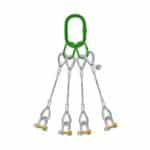
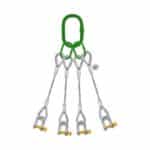
Wire rope slings are indispensable tools in countless industries, from construction and manufacturing to marine operations and material handling. Their strength and flexibility make them ideal for lifting and moving heavy loads, but these same qualities can also mask potentially dangerous conditions. A seemingly minor flaw can quickly escalate into a catastrophic failure, resulting in property damage, serious injuries, or even fatalities. Therefore, a meticulous wire rope inspection program is not just a best practice; it’s an ethical and legal imperative.
Understanding the Importance of Wire Rope Inspection
Why Regular Inspections Are Non-Negotiable
Regular wire rope inspection is the cornerstone of any comprehensive safety program involving lifting equipment. These inspections serve several critical functions:
- Early Detection of Damage: Inspections allow you to identify signs of wear, corrosion, and other forms of degradation before they compromise the rope’s integrity.
- Prevention of Accidents: By proactively addressing potential hazards, you can significantly reduce the risk of equipment failures and related accidents. We once had a client who narrowly avoided a crane collapse because a diligent inspector spotted a subtle crack in a crucial wire rope sling during a routine inspection. The cost of the repair was minimal compared to the potential consequences.
- Compliance with Regulations: Many regulatory bodies, such as OSHA in the United States and similar organizations worldwide, mandate regular inspections of wire ropes and lifting equipment. Adherence to these regulations is essential for avoiding fines and legal liabilities. Our team in Dubai frequently handles compliance audits and helps clients establish inspection schedules that meet all applicable standards.
- Extending Service Life: Proper inspection and maintenance can significantly extend the service life of wire ropes, maximizing your investment and reducing replacement costs. Regular lubrication, for example, can help prevent corrosion and reduce friction, prolonging the rope’s usability.
- Ensuring Safe Operations: Above all, regular rope inspection checklist practices ensure that lifting operations are conducted safely, protecting workers and preventing property damage.
The High Cost of Neglecting Inspections: A Case Study
The consequences of neglecting wire rope inspection can be devastating. Consider the hypothetical case of a construction company that prioritized speed over safety. They used wire rope slings to lift heavy concrete beams, but due to time constraints and budget limitations, they skipped regular inspections.
Over time, the slings endured significant wear and tear. Abrasion from contact with the concrete, coupled with exposure to the elements, caused corrosion and weakening of the wires. Crucially, broken wires and other signs of degradation went unnoticed due to the lack of inspection.
One fateful day, while lifting a particularly heavy beam, one of the wire rope slings snapped. The beam crashed to the ground, causing extensive damage to the construction site. Tragically, a worker was severely injured in the incident.
The ensuing investigation revealed that the wire rope sling had been severely compromised and should have been removed from service long before the accident. The construction company faced substantial fines for safety violations, as well as significant legal liabilities related to the worker’s injuries and property damage.
This case study illustrates the high cost of neglecting wire rope inspection. The initial cost savings from skipping inspections were far outweighed by the financial and human costs of the accident. A robust inspection program, coupled with proper training and adherence to safety standards, could have prevented this tragedy. We at Safe and Secure Trading Company firmly believe that safety is not just a cost; it’s an investment in the well-being of workers and the long-term success of any organization.
“The difference between a safe worksite and a dangerous one often comes down to the diligence of the inspection process.” – John Smith, Lead Safety Inspector
Mistake #1: Insufficient Pre-Use Inspection
Failing to Conduct a Visual Check Before Each Lift
One of the most common and easily avoidable mistakes is failing to conduct a thorough visual check of the wire rope sling before each lift. Many operators assume that if the rope looked fine during the last use, it’s still safe for the next one. However, damage can occur at any time, and a quick visual inspection can catch problems before they escalate.
This pre-use inspection should be a standard operating procedure, taking only a few minutes but potentially preventing serious accidents.
Overlooking Obvious Damage: Kinks, Crushing, Bird Caging
During the visual check, it’s crucial to look for obvious signs of damage. These include:
- Kinks: These are sharp bends in the wire rope that can significantly weaken its strength. Kinks are often caused by improper handling or storage.
- Crushing: This occurs when the wire rope is subjected to excessive pressure, causing the strands to flatten or deform. Crushing can be a sign of overloading or improper rigging.
- Bird Caging: This is a distortion of the wire rope in which the strands separate and resemble a birdcage. Bird caging is often caused by shock loading or improper winding on a drum.
[IMAGE: Close-up photo showcasing examples of kinks, crushing, and bird caging in wire rope.]
Failing to identify these obvious forms of damage can lead to catastrophic failures. Always err on the side of caution and remove any wire rope showing these defects from service immediately.
Neglecting to Check for Proper Sling Tag Identification
A crucial, yet often overlooked, aspect of pre-use inspection is verifying the sling tag. The sling tag provides critical information about the wire rope sling, including:
- Rated Capacity: The maximum weight the sling can safely lift.
- Sling Size and Type: Ensures the sling is appropriate for the intended application.
- Manufacturer Information: Allows you to trace the sling’s origin and obtain relevant specifications.
- Inspection Date: Confirms that the sling has been recently inspected and certified.
Missing or illegible sling tags render the sling unusable. Without proper identification, it’s impossible to determine if the sling is suitable for the intended lift, putting workers and equipment at risk.
Mistake #2: Improper Documentation and Record Keeping
Inconsistent Record Keeping Practices
Thorough documentation and record-keeping are vital components of a robust sling inspection program. Inconsistent record-keeping practices can lead to confusion, missed inspections, and ultimately, increased risk.
Many organizations rely on informal methods, such as handwritten notes or memory, to track inspections. This approach is prone to errors and omissions, making it difficult to identify trends or track the history of a particular wire rope sling.
Not Recording the Date, Inspector, and Findings
At a minimum, inspection records should include the following information:
- Date of Inspection: Essential for tracking inspection intervals and identifying potential issues that arise over time.
- Name of Inspector: Provides accountability and ensures that inspections are conducted by qualified personnel.
- Findings: A detailed description of any defects or damage observed during the inspection, including the location and severity of the issue.
Without this information, it’s impossible to effectively manage your wire rope sling inventory or identify potential safety hazards. For example, if a specific sling consistently shows signs of wear after a short period, it may indicate a problem with the application or the sling’s design.
The Importance of a Standardized Inspection Checklist
A standardized rope inspection checklist is an invaluable tool for ensuring consistency and completeness in your inspection process. A well-designed checklist will:
- Remind inspectors of key inspection points: Prevents overlooking important areas or potential defects.
- Provide a consistent framework for evaluation: Ensures that all inspections are conducted using the same criteria.
- Facilitate record-keeping: Provides a structured format for documenting inspection findings.
Here’s an example of a basic rope inspection checklist presented as raw HTML:
| Inspection Item |
Pass/Fail |
Comments |
| Sling Tag Legibility |
|
|
| Kinks or Crushing |
|
|
| Bird Caging |
|
|
| Broken Wires |
|
|
| Corrosion or Rust |
|
|
| Wear or Abrasion |
|
|
| Deformation of End Fittings |
|
|
| Evidence of Overloading |
|
|
By using a standardized rope inspection checklist, you can improve the quality and consistency of your inspections, reducing the risk of overlooking critical safety hazards.
Mistake #3: Ignoring Wire Rope Degradation Signs
Disregarding Visible Wear: Abrasion and Flattening
One of the primary goals of wire rope inspection is to identify signs of degradation that can compromise the rope’s strength and safety. Visible wear, such as abrasion and flattening, are common indicators of degradation that should never be ignored.
- Abrasion: This occurs when the outer wires of the rope are worn down due to friction against other surfaces. Abrasion can reduce the rope’s diameter and weaken its overall strength.
- Flattening: This is the deformation of the wire rope strands, causing them to become flattened or oval-shaped. Flattening can be a sign of overloading or excessive wear.
[IMAGE: Close-up photo illustrating examples of abrasion and flattening in wire rope.]
Ignoring these signs of wear can lead to sudden and unexpected failures. Regular inspection and prompt replacement of worn wire ropes are essential for maintaining a safe working environment.
Overlooking Corrosion and Rust Indicators
Corrosion and rust are insidious enemies of wire rope. They can weaken the wires from the inside out, making them brittle and prone to breakage. Rope inspection checklist protocols must include a thorough examination for signs of corrosion, including:
- Surface Rust: A reddish-brown coating on the outer wires.
- Pitting: Small indentations or holes on the wire surface, caused by corrosion.
- Internal Corrosion: Corrosion that occurs within the strands of the wire rope, often difficult to detect visually.
Internal corrosion is particularly dangerous because it can significantly weaken the rope without any obvious external signs. Techniques like Non-Destructive Testing (NDT) can detect internal corrosion.
Failing to Detect Broken Wires: The 6-Wire Rule
Broken wires are a clear indication of wire rope failure and should never be ignored. The “6-Wire Rule” is a widely accepted guideline for determining when a wire rope should be removed from service due to broken wires. This rule states that a wire rope should be removed from service if:
- Six or more broken wires are visible in one rope lay.
- Three or more broken wires are visible in one strand in one rope lay.
The “rope lay” refers to the distance it takes for one strand to make a complete revolution around the wire rope. Carefully examine the entire length of the rope, paying close attention to areas where the rope bends or comes into contact with other surfaces.
Mistake #4: Using the Wrong Inspection Tools
Relying Solely on Visual Inspection
While visual inspection is a crucial first step in wire rope inspection, relying solely on visual examination can be a significant mistake. Visual inspection alone may not be sufficient to detect:
- Internal Corrosion: As mentioned earlier, internal corrosion can weaken the rope without any obvious external signs.
- Small Cracks: Tiny cracks in the wires can be difficult to see with the naked eye.
- Changes in Rope Diameter: Subtle changes in rope diameter can indicate wear or damage that is not readily apparent visually.
To overcome these limitations, it’s essential to supplement visual inspection with other inspection tools and techniques.
The Necessity of Calibrated Measurement Tools
Calibrated measurement tools are essential for accurately assessing the condition of a wire rope sling. These tools include:
- Calipers: Used to measure the rope diameter and detect any reduction in size due to wear or abrasion.
- Pitch Gauges: Used to measure the distance between strands and detect any distortion or elongation of the rope.
- Crack Detectors: Used to identify small cracks in the wires.
[IMAGE: Photo of calipers and pitch gauges being used to measure wire rope.]
Ensure that all measurement tools are properly calibrated and maintained. Regular calibration ensures that the tools provide accurate readings, allowing you to make informed decisions about the rope’s condition.
Introducing NDT (Non-Destructive Testing) Methods
Non-Destructive Testing (NDT) methods are advanced inspection techniques that can detect internal flaws and damage without compromising the integrity of the wire rope. Common NDT methods include:
- Magnetic Particle Testing (MPT): Uses magnetic fields to detect surface and subsurface cracks.
- Ultrasonic Testing (UT): Uses sound waves to detect internal flaws and measure rope thickness.
- Radiographic Testing (RT): Uses X-rays or gamma rays to create images of the rope’s internal structure.
NDT methods are particularly useful for inspecting wire ropes that are used in critical applications or are subject to harsh operating conditions. While more expensive than visual inspection, NDT methods can provide valuable insights into the rope’s condition, helping to prevent catastrophic failures.
Mistake #5: Inadequate Training and Competency
Assigning Inspections to Untrained Personnel
One of the most critical mistakes an organization can make is assigning wire rope inspection duties to untrained personnel. Inspecting wire rope is not a task that can be performed effectively without proper knowledge and skills. Untrained inspectors may:
- Fail to recognize critical signs of damage: Overlooking defects that could lead to equipment failure.
- Use the wrong inspection techniques: Leading to inaccurate assessments of the rope’s condition.
- Make unsafe decisions: Putting workers and equipment at risk.
It’s essential to ensure that all personnel responsible for inspecting wire ropes have received adequate training and are competent to perform the task safely and effectively.
The Need for Certified Inspectors
In some industries, certification may be required for crane inspection and lifting equipment inspectors. Certification programs, such as those offered by recognized organizations, provide assurance that inspectors have met certain minimum standards of knowledge and experience.
Even if certification is not mandatory, it’s still a good practice to ensure that inspectors have received training from reputable sources and have demonstrated their competence through testing or practical assessments. The investment in training and certification will pay off in the form of improved safety and reduced risk.
Ongoing Training and Refresher Courses
Wire rope inspection techniques and standards are constantly evolving. Therefore, it’s essential to provide ongoing training and refresher courses to inspectors to keep them up-to-date on the latest best practices. Refresher courses should cover topics such as:
- New inspection techniques: Introducing inspectors to new tools and methods for detecting damage.
- Changes in regulations: Keeping inspectors informed of any updates to relevant safety standards and regulations.
- Case studies: Reviewing real-world examples of wire rope failures to learn from past mistakes.
Ongoing training and refresher courses will help ensure that inspectors maintain their competency and are equipped to identify potential safety hazards effectively.
Mistake #6: Disregarding Environmental Factors
Exposure to Chemicals and Extreme Temperatures
Environmental factors can significantly impact the lifespan and performance of wire rope slings. Exposure to chemicals and extreme temperatures can accelerate the degradation process and compromise the rope’s strength.
- Chemicals: Certain chemicals can corrode the wires or damage the rope’s core, weakening its overall strength. For example, exposure to acids, alkalis, or solvents can cause significant damage.
- Extreme Temperatures: High temperatures can reduce the rope’s tensile strength, while low temperatures can make it brittle and prone to breakage.
[IMAGE: Photo showing wire rope exposed to harsh chemicals or extreme temperatures.]
It’s crucial to consider the operating environment when selecting wire rope and establishing inspection intervals.
The Impact of UV Radiation
Prolonged exposure to ultraviolet (UV) radiation from the sun can also degrade wire rope slings, particularly those made with synthetic components. UV radiation can cause the synthetic fibers to break down, weakening the rope’s core and reducing its load-carrying capacity.
Wire ropes used in outdoor applications should be protected from direct sunlight whenever possible. Consider using ropes with UV-resistant coatings or covers to extend their service life.
Tailoring Inspection Frequency to Operating Environment
The frequency of wire rope inspection should be tailored to the specific operating environment and the severity of the conditions to which the rope is exposed. Wire ropes used in harsh environments, such as those involving exposure to chemicals, extreme temperatures, or UV radiation, should be inspected more frequently than those used in milder conditions.
A risk-based approach to inspection frequency is recommended. This involves assessing the potential consequences of a wire rope failure and adjusting the inspection frequency accordingly.
Mistake #7: Not Following Manufacturer’s Guidelines
Ignoring the Manufacturer’s Recommended Inspection Intervals
Wire rope manufacturers provide valuable information about the proper use, maintenance, and inspection of their products. Ignoring the manufacturer’s recommended inspection intervals is a common mistake that can have serious consequences.
Manufacturers base their recommendations on extensive testing and research. Their guidelines take into account factors such as:
- Rope construction: Different rope constructions have different wear characteristics.
- Material properties: The type of steel used in the rope affects its resistance to corrosion and wear.
- Intended application: The manufacturer’s recommendations may vary depending on the intended use of the rope.
Failure to follow the manufacturer’s recommended inspection intervals can lead to premature rope failure and increased risk of accidents.
Overlooking Specific Warnings and Limitations
In addition to inspection intervals, manufacturers may also provide specific warnings and limitations regarding the use of their wire rope slings. These warnings may relate to:
- Load limits: The maximum weight the rope can safely lift.
- Operating temperatures: The acceptable temperature range for the rope.
- Chemical compatibility: The chemicals the rope can safely be exposed to.
Overlooking these warnings and limitations can lead to misuse of the rope and increased risk of failure. Always carefully read and understand the manufacturer’s instructions before using any lifting equipment.
The Importance of Consulting the Wire Rope Manual
The wire rope manual is a comprehensive resource that provides detailed information about the construction, use, maintenance, and inspection of wire rope. The manual typically includes:
- Rope specifications: Details about the rope’s diameter, construction, and material properties.
- Safe working load limits: The maximum weight the rope can safely lift in various configurations.
- Inspection procedures: Step-by-step instructions for inspecting the rope for damage.
- Maintenance recommendations: Guidelines for lubricating and protecting the rope.
[IMAGE: A photo of someone consulting a wire rope manual.]
Consulting the wire rope manual is essential for ensuring that wire ropes are used and maintained safely and effectively. Make sure that the manual is readily available to all personnel who work with wire rope.
Mistake #8: Failing to Remove Damaged Ropes from Service
The Danger of Using a Compromised Wire Rope
One of the most dangerous mistakes an organization can make is continuing to use a wire rope that has been identified as damaged or compromised. Using a compromised wire rope puts workers and equipment at risk of serious injury or damage.
Even if the damage appears to be minor, it can significantly weaken the rope’s strength and increase the risk of sudden failure. A seemingly small crack or broken wire can quickly propagate under load, leading to catastrophic results.
Implementing a Strict “Remove from Service” Policy
To prevent the use of compromised wire ropes, it’s essential to implement a strict “remove from service” policy. This policy should clearly define the criteria for removing a wire rope from service, based on factors such as:
- Number of broken wires: As per the “6-Wire Rule”.
- Amount of wear or abrasion: Reduction in rope diameter.
- Presence of corrosion or rust: Pitting or internal corrosion.
- Deformation of the rope: Kinks, crushing, or bird caging.
Any wire rope that meets these criteria should be immediately removed from service and replaced with a new one.
Properly Disposing of Damaged Wire Ropes
Once a wire rope has been removed from service, it’s important to dispose of it properly to prevent it from being used again. Damaged wire ropes should be:
- Cut into short lengths: To make them unusable.
- Tagged as “Out of Service”: To clearly indicate that they are not to be used.
- Disposed of in a designated area: To prevent them from being mixed with usable ropes.
Proper disposal of damaged wire ropes is essential for preventing accidents and ensuring that only safe and reliable equipment is used in lifting operations. We also strongly advise recycling the metal material as an environmentally friendly practice.
Mistake #9: Neglecting Load Testing and Certification
Bypassing Periodic Load Tests
Periodic load tests are essential for verifying the continued integrity and load-carrying capacity of wire rope slings. Bypassing these tests can lead to the use of unsafe equipment and increased risk of accidents.
Load tests involve subjecting the wire rope sling to a specified load, typically a percentage of its rated capacity, and inspecting it for any signs of damage or deformation. These tests can identify hidden flaws and weaknesses that may not be apparent during visual inspection.
The Importance of Third-Party Certification
Third-party certification provides independent verification that wire rope slings meet applicable safety standards and regulations. Certification bodies, such as independent testing laboratories, conduct thorough inspections and load tests to ensure that the slings are safe and reliable.
Using certified wire rope slings provides assurance that the equipment has been rigorously tested and meets industry best practices. Look for slings that are certified by reputable organizations.
Ensuring Compliance with Industry Standards
Wire rope slings are subject to various industry standards and regulations, such as those issued by OSHA, ASME, and other organizations. These standards cover aspects such as:
- Design and construction: Requirements for the materials and manufacturing processes used to produce wire rope slings.
- Safe working load limits: The maximum weight the slings can safely lift in various configurations.
- Inspection and maintenance: Procedures for inspecting and maintaining wire rope slings.
- Load testing and certification: Requirements for load testing and certifying wire rope slings.
Ensuring compliance with these standards is essential for maintaining a safe working environment and avoiding legal liabilities. Rigging inspection and compliance with industry standards are often a key focus for our expert teams.
Troubleshooting Common Inspection Challenges
Difficulty Accessing Certain Sections of the Rope
Sometimes, gaining access to certain sections of the wire rope for inspection can be challenging. This is especially true in complex rigging systems or when the rope is located in a confined space.
To overcome this challenge, consider using:
- Remote visual inspection tools: Such as borescopes or cameras, to inspect hard-to-reach areas.
- Lifting platforms or aerial lifts: To gain access to elevated sections of the rope.
- Qualified riggers: To safely reposition the rope for inspection.
Always prioritize safety when accessing difficult-to-reach areas.
Identifying Subtle Signs of Internal Damage
Detecting subtle signs of internal damage, such as internal corrosion or broken wires within the core, can be difficult even for experienced inspectors.
To improve your ability to identify internal damage, consider using:
- NDT methods: Such as ultrasonic testing or radiographic testing.
- Experienced inspectors: With expertise in identifying internal damage.
- Regular lubrication: To prevent corrosion and make it easier to detect internal flaws.
Addressing Conflicting Inspection Findings
Occasionally, different inspectors may come to conflicting conclusions about the condition of a wire rope. This can create confusion and make it difficult to determine whether the rope should be removed from service.
To resolve conflicting inspection findings:
- Involve a third-party expert: To provide an objective assessment of the rope’s condition.
- Review the inspection records: To identify any discrepancies in the inspection procedures.
- Err on the side of caution: If there is any doubt about the rope’s safety, remove it from service.
Conclusion: Mastering Wire Rope Inspection for Safety
Mastering wire rope inspection is paramount for ensuring the safety and efficiency of lifting operations across various industries. By avoiding common mistakes, implementing robust inspection programs, and staying informed about the latest best practices, organizations can significantly reduce the risk of accidents and create a safer working environment. We hope that this tutorial has provided you with the knowledge and tools necessary to conduct thorough and effective wire rope inspection. With our guidance, you’ve gained vital knowledge about potential hazards and preventative measures. We are confident that with this knowledge, you can champion safety within your organization.
FAQ Section
Q: How often should wire rope be inspected?
A: The frequency of wire rope inspection depends on several factors, including the operating environment, the severity of the conditions, and the manufacturer’s recommendations. As a general guideline, wire ropes should be visually inspected before each use and thoroughly inspected at least monthly. Wire ropes used in harsh environments or critical applications may require more frequent inspections.
Q: What are the key signs of wire rope degradation?
A: Key signs of wire rope degradation include: broken wires, wear or abrasion, corrosion or rust, deformation of the rope (kinks, crushing, bird caging), and reduction in rope diameter. Any wire rope sling exhibiting these signs should be removed from service.
Q: What is the “6-Wire Rule”?
A: The “6-Wire Rule” is a guideline for determining when a wire rope should be removed from service due to broken wires. It states that a wire rope should be removed from service if six or more broken wires are visible in one rope lay, or if three or more broken wires are visible in one strand in one rope lay.
Q: What is NDT (Non-Destructive Testing)?
A: Non-Destructive Testing (NDT) refers to a variety of inspection techniques that can detect internal flaws and damage in materials without compromising their integrity. Common NDT methods for wire rope inspection include magnetic particle testing (MPT), ultrasonic testing (UT), and radiographic testing (RT).
Q: Why is documentation important for wire rope inspections?
A: Thorough documentation is essential for tracking the inspection history of wire rope slings, identifying potential issues that arise over time, and ensuring compliance with safety regulations. Inspection records should include the date of inspection, the name of the inspector, and a detailed description of any defects or damage observed.
Q: What is the role of a certified inspector?
A: Certified inspectors have met certain minimum standards of knowledge and experience in crane inspection and lifting equipment. Certification programs provide assurance that inspectors are competent to perform inspections safely and effectively.
Q: How do environmental factors affect wire rope?
A: Environmental factors such as exposure to chemicals, extreme temperatures, and UV radiation can accelerate the degradation of wire rope and compromise its strength. The frequency of wire rope inspection should be tailored to the specific operating environment.
Q: What should I do with a damaged wire rope?
A: Any wire rope that has been identified as damaged or compromised should be immediately removed from service. The rope should be cut into short lengths, tagged as “Out of Service,” and disposed of in a designated area to prevent it from being used again.
Q: Where can I find more information about wire rope inspection?
A: You can find more information about wire rope inspection from various sources, including: wire rope manufacturers, industry associations (such as ASME), regulatory agencies (such as OSHA), and safety consultants (such as Safe and Secure Trading Company). Always consult the wire rope manual for specific guidelines related to the rope you are using. The key is regular sling inspection to reduce risks.