The Unseen Dangers of Wire Rope Failure
Wire rope is the unsung hero of countless industries, silently bearing immense loads in cranes, elevators, bridges, and countless other applications. We often take for granted the strength and reliability of these seemingly simple strands of steel. However, the inherent risk of wire rope failure should not be ignored. A single undetected flaw can lead to catastrophic accidents, resulting in severe injuries, fatalities, and significant property damage.
Regular and thorough wire rope inspection is not just a best practice; it’s a critical necessity for maintaining safety and preventing disasters. These inspections serve as a proactive measure, allowing us to identify potential weaknesses, assess the rope’s condition, and take timely action to mitigate risks. By catching issues early, we can prevent failures, extend the lifespan of the lifting equipment, and ensure a safer working environment for everyone.
In recent years, there has been a growing emphasis on preventative measures related to crane safety and overall rigging inspection. Several high-profile incidents involving wire rope failure have highlighted the urgent need for more rigorous inspection protocols and better training. As a result, regulatory bodies and industry organizations are pushing for stricter compliance and promoting a culture of safety that prioritizes proactive inspection and maintenance.
Why Wire Rope Inspection is More Critical Than Ever
The demand placed on wire rope is greater than ever, exacerbating the need for frequent wire rope inspection. Increased usage demands, coupled with aging infrastructure, are placing immense strain on these critical components. Many wire ropes are operating beyond their intended lifespan or are being subjected to heavier loads than originally designed, increasing the risk of failure.
We are seeing rising safety standards and stricter regulatory enforcement across various industries. Government agencies and industry organizations are implementing more stringent guidelines for lifting equipment inspection and maintenance, including wire ropes. Companies that fail to comply with these regulations face hefty fines, legal liabilities, and reputational damage. Therefore, adhering to a robust wire rope inspection program is not only a matter of safety but also of legal and financial prudence.
The financial and reputational consequences of wire rope failure can be devastating. In addition to the direct costs associated with accidents, such as medical expenses and property damage, companies may also face indirect costs such as production delays, legal fees, and loss of business. The reputational damage resulting from a serious accident can be even more significant, eroding customer trust and impacting long-term profitability. Investing in regular wire rope inspection is a small price to pay compared to the potential costs of a failure.
The Latest Standards and Regulations Shaping Inspection Practices
Staying up-to-date with the latest standards and regulations is crucial for ensuring effective wire rope inspection. OSHA guidelines provide a comprehensive framework for safe lifting equipment operation, including specific requirements for wire rope inspection. These guidelines outline the frequency of inspections, the criteria for removing wire ropes from service, and the documentation requirements for inspection findings.
Updates to ASME B30.9 standards have a significant impact on rigging inspection practices. ASME B30.9 covers slings and provides detailed guidelines for their inspection, maintenance, and use. Recent updates to the standard have focused on enhancing inspection procedures, clarifying acceptance criteria, and promoting the use of advanced inspection technologies. These updates are essential for ensuring the safety and reliability of wire rope slings.
Emerging international standards and best practices are also shaping the landscape of wire rope inspection. Organizations such as the International Organization for Standardization (ISO) are developing standards that address various aspects of wire rope safety, including inspection, testing, and maintenance. By adopting these international standards and best practices, companies can demonstrate their commitment to safety and ensure that their wire rope inspection programs are aligned with global benchmarks.
Essential Steps for a Comprehensive Wire Rope Inspection
Step 1: Pre-Inspection Preparations: What You Need Before You Start
Before starting any wire rope inspection, we need to lay the groundwork with careful preparation. This includes reviewing the wire rope’s history and usage. Understanding the rope’s past performance, the types of loads it has handled, and any previous incidents or repairs can provide valuable insights into its current condition.
Gathering the necessary tools and equipment is also essential. Calipers are needed for accurate diameter measurements, while a magnifying glass helps in detecting subtle signs of wear and damage. A measuring tape is required for measuring lay length and broken wires. Other useful tools may include a wire brush, a flashlight, and a set of sling inspection gauges.
Finally, we must ensure proper lighting and access. Adequate lighting is crucial for spotting defects, especially in dimly lit areas. Proper access is also necessary to allow for a thorough inspection of the entire rope length. This may involve using ladders, scaffolding, or other access equipment to reach difficult-to-reach areas.
Step 2: Visual Inspection: Spotting the Obvious Signs of Wear
The visual inspection is the first line of defense in detecting rope failure and identifying potential problems. Checking for broken wires is a critical step. We need to carefully examine the rope’s surface for any signs of broken strands, paying close attention to areas where the rope passes over sheaves or drums. Corrosion is another common issue, particularly in marine environments. Look for rust, pitting, or other signs of corrosion, which can significantly weaken the rope. Abrasion can also cause significant damage, especially in areas where the rope rubs against other surfaces.
Inspecting for kinks, crushing, and bird caging is equally important. Kinks are permanent distortions in the rope that can weaken its structure. Crushing occurs when the rope is subjected to excessive pressure, causing it to flatten or deform. Bird caging is a condition where the strands of the rope separate and flare out, resembling a bird’s cage.
Documenting all findings with photos and notes is essential for tracking the rope’s condition over time. Photos provide a visual record of any defects, while notes capture details such as the location, size, and severity of the damage. This documentation can be used to make informed decisions about whether to continue using the rope or remove it from service.
Step 3: Diameter Measurement: Detecting Core Degradation
Taking accurate diameter measurements at multiple points along the wire rope sling is crucial for detecting core degradation. Core degradation is when the core of the wire rope sling is damaged or worn. This is a common issue that can lead to the wire rope losing strength and potentially failing. We once had a client in our Dubai office who was struggling with unexpected rope failure issues; they found that consistent diameter measurements revealed core issues they were missing in their visual inspection.
Comparing these measurements to the rope’s original diameter is essential. A significant reduction in diameter indicates that the core has deteriorated, and the rope may need to be replaced. Identifying signs of core damage or compression can be challenging, but careful measurements can provide valuable clues. Look for areas where the rope feels soft or spongy, or where the strands appear to be sinking into the core.
Step 4: Internal Inspection: Probing Beyond the Surface
Using magnetic particle testing (MPT) is one effective method for crack detection. MPT involves magnetizing the rope and applying magnetic particles to its surface. Any cracks or flaws will disrupt the magnetic field, causing the particles to concentrate around the defect. Employing radiographic testing (RT) is another advanced technique for detecting internal flaws. RT involves using X-rays or gamma rays to create an image of the rope’s internal structure. This image can reveal hidden cracks, voids, or other defects that are not visible on the surface.
Understanding the limitations of each NDT method is crucial for interpreting the results accurately. MPT is effective for detecting surface and near-surface cracks, but it may not be able to detect deep internal flaws. RT can detect internal flaws, but it requires specialized equipment and trained personnel.
Step 5: Lubrication Assessment: Ensuring Smooth Operation
Evaluating the condition and effectiveness of lubrication is essential for extending the lifespan of the wire rope sling. Proper lubrication reduces friction between the strands, preventing wear and corrosion. Identifying areas of inadequate or contaminated lubricant is important. Look for dry spots, rust, or the presence of dirt or debris in the lubricant. These signs indicate that the lubricant is not providing adequate protection.
Implementing a proper lubrication schedule is crucial for maintaining the rope’s condition. The frequency of lubrication will depend on the rope’s usage, environmental conditions, and the type of lubricant used. Consult the rope manufacturer’s recommendations for guidance on lubrication practices.
Step 6: End Termination Checks: Identifying Weak Points
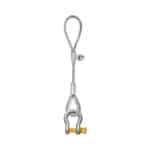
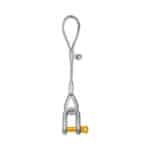
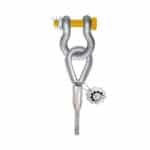
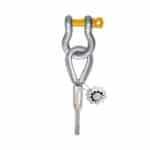
Examining splices, swage fittings, and sockets for damage is critical for ensuring the integrity of the entire wire rope sling assembly. These end terminations are often the weakest points in the system, and any damage can compromise the rope’s load-carrying capacity. Verifying the integrity of wedge sockets and clips is also essential. Wedge sockets and clips are used to secure the rope to various attachments, and any signs of wear, corrosion, or improper installation can pose a serious safety hazard.
Ensuring proper installation and securement of end terminations is paramount. Incorrectly installed or inadequately secured end terminations can slip or fail under load, leading to catastrophic accidents. Always follow the manufacturer’s instructions for installation and securement, and double-check that all connections are tight and secure.
Advanced Technologies Transforming Wire Rope Inspection
The rise of drone-based inspection systems is revolutionizing the way we inspect wire ropes. Drones equipped with high-resolution cameras can access hard-to-reach areas, capturing detailed images and videos of the rope’s surface. This technology allows for faster, safer, and more comprehensive inspections, reducing the need for manual climbing and minimizing downtime.
AI-powered image analysis is another game-changing technology. AI algorithms can automatically analyze images captured by drones or other inspection devices, detecting defects and anomalies with greater accuracy and speed than human inspectors. This technology can significantly reduce the time and effort required for wire rope inspection, while also improving the reliability of the results.
Remote monitoring and sensor technology are also gaining traction. Sensors embedded in the wire rope can continuously monitor its condition, providing real-time data on parameters such as load, stress, and temperature. This data can be used to detect early signs of wear or damage, allowing for proactive maintenance and preventing failures before they occur.
Common Mistakes to Avoid During Wire Rope Inspection
Neglecting to inspect the entire length of the rope is a common mistake. It’s essential to inspect every inch of the rope, including areas that are difficult to access or hidden from view. Failing to inspect the entire length can result in missed defects, increasing the risk of failure. Ignoring subtle signs of wear or damage is another pitfall. Sometimes, the most dangerous defects are not obvious, but rather subtle signs of wear or damage that can easily be overlooked.
Failing to document findings accurately is a critical error. Proper documentation is essential for tracking the rope’s condition over time and making informed decisions about its continued use. Failing to document findings accurately can lead to confusion and misinterpretations, increasing the risk of accidents. Using improper inspection techniques or tools can also compromise the effectiveness of the inspection.
“Thorough and consistent inspection, using the right tools and techniques, is the cornerstone of wire rope safety. Don’t cut corners – lives depend on it.” – John Anderson, Lead Safety Inspector
Training and Certification: Elevating Inspection Expertise
The importance of qualified and certified inspectors cannot be overstated. Wire rope inspection requires specialized knowledge and skills, and only qualified and certified inspectors possess the necessary expertise to perform thorough and accurate inspections. Using a certified inspector ensures adherence to safety standards and regulations.
Overview of available training programs and certifications (e.g., API, ASNT) highlights the commitment to excellence. Several organizations offer training programs and certifications for wire rope inspection, such as the American Petroleum Institute (API) and the American Society for Nondestructive Testing (ASNT). These programs provide inspectors with the knowledge and skills they need to perform effective inspections.
Staying current with the latest industry knowledge and best practices is essential for maintaining inspection expertise. The field of wire rope inspection is constantly evolving, with new technologies, standards, and best practices emerging regularly. Inspectors must stay up-to-date with these developments to ensure that they are using the most effective techniques and tools.
Case Studies: Learning from Past Failures
Analyzing real-world incidents caused by inadequate wire rope inspection can offer invaluable lessons. These incidents often reveal common mistakes and oversights that contributed to the failure. Identifying the root causes of failure and preventative measures is crucial for preventing similar accidents in the future. By understanding the factors that led to past failures, we can implement more effective inspection protocols and maintenance practices.
Sharing lessons learned to improve safety and prevent future accidents is a key objective. Case studies provide a platform for sharing knowledge and promoting a culture of safety within the industry. By openly discussing past failures and the lessons learned from them, we can help prevent similar accidents from occurring in the future.
Here’s a recent statistic: A study by the European Agency for Safety and Health at Work found that inadequate maintenance, including insufficient wire rope inspection, was a contributing factor in 25% of all workplace accidents involving lifting equipment.
The Future of Wire Rope Inspection: Trends and Innovations on the Horizon
Predictive maintenance and data-driven decision-making are transforming the way we manage wire rope sling assets. By analyzing data collected from sensors and inspections, we can predict when a rope is likely to fail and take proactive measures to prevent it. This approach allows for more efficient maintenance, reducing downtime and extending the lifespan of the rope.
The integration of IoT and cloud-based platforms is also driving innovation in wire rope inspection. IoT devices can collect and transmit data from remote locations, providing real-time insights into the rope’s condition. Cloud-based platforms allow for the storage and analysis of this data, enabling users to track the performance of their ropes over time and identify potential problems early on.
The development of new and improved inspection technologies is constantly pushing the boundaries of what’s possible. Researchers are developing new sensors, imaging techniques, and data analysis tools that will enable us to inspect wire ropes more quickly, accurately, and comprehensively than ever before. These advancements will play a crucial role in enhancing safety and preventing accidents in the years to come.
Conclusion: Prioritizing Safety Through Proactive Inspection
Regular wire rope inspection offers several key benefits, including early detection of defects, prevention of accidents, extension of rope lifespan, and compliance with safety standards. By investing in a robust wire rope inspection program, companies can protect their employees, assets, and reputation.
It is essential to emphasize the importance of continuous improvement and innovation in crane safety. The field of wire rope inspection is constantly evolving, and companies must stay up-to-date with the latest technologies, standards, and best practices to ensure the effectiveness of their inspection programs. By embracing continuous improvement and innovation, we can create a safer and more efficient working environment for everyone.
By embracing a culture of safety and accountability, we can create a workplace where everyone is committed to preventing accidents and protecting lives. We are committed to providing you with the best in wire rope inspection and maintenance services.
FAQ Section
Q: How often should I inspect my wire ropes?
A: The frequency of wire rope inspection depends on several factors, including the rope’s usage, environmental conditions, and applicable regulations. However, as a general guideline, wire ropes should be inspected at least monthly, with more frequent inspections for ropes that are subjected to heavy loads or harsh environments.
Q: What are the most common signs of wire rope wear and damage?
A: The most common signs of rope failure are broken wires, corrosion, abrasion, kinks, crushing, and bird caging. Any of these signs indicate that the rope may be weakened and should be inspected more closely. A certified sling inspection can catch things you might miss.
Q: Can I repair a damaged wire rope?
A: In most cases, damaged wire ropes cannot be repaired and must be removed from service. However, in some limited situations, minor repairs may be allowed, such as removing a few broken wires. Consult the rope manufacturer’s recommendations and applicable regulations for guidance on repair procedures.
Q: What are the requirements for documenting wire rope inspections?
A: Documentation of wire rope inspection should include the date of the inspection, the name of the inspector, the rope’s identification number, the location of the rope, a description of any defects or damage found, and any actions taken as a result of the inspection. The documentation should be retained for a specified period, as required by applicable regulations.
Q: What is NDT testing and when should I use it for wire rope inspection?
A: NDT testing, or nondestructive testing, includes methods like magnetic particle testing (MPT) and radiographic testing (RT). NDT testing should be used when you need to assess the internal condition of a wire rope or when visual inspection reveals potential subsurface damage. These methods can detect flaws that are not visible on the surface.
Q: What role does lubrication play in wire rope maintenance?
A: Lubrication is crucial for reducing friction between the strands of the wire rope, preventing wear and corrosion. Proper lubrication extends the lifespan of the rope and ensures smooth operation. Ensure that the lubricant is compatible with the rope material and is applied regularly according to the manufacturer’s recommendations.
Q: How do I choose the right type of wire rope for my application?
A: Selecting the right wire rope depends on factors such as the load requirements, operating environment, and safety standards. Consult with a qualified lifting equipment specialist to determine the appropriate rope type, construction, and size for your specific application. Consider factors such as tensile strength, flexibility, and resistance to corrosion. We at Safe and Secure Trading Company are always happy to assist you with this selection.
Q: What safety standards and regulations apply to wire rope slings?
A: Wire rope slings are subject to various safety standards and regulations, including OSHA guidelines and ASME B30.9 standards. These standards outline requirements for inspection, maintenance, and use of wire rope slings. Familiarize yourself with the applicable regulations and ensure that your operations comply with these requirements.
Q: What is the difference between a visual inspection and a thorough inspection?
A: A visual inspection involves a general examination of the wire rope for obvious signs of wear and damage. A thorough inspection, on the other hand, involves a more detailed examination using specialized tools and techniques, such as diameter measurements and NDT testing. A thorough inspection is typically performed less frequently than a visual inspection but provides a more comprehensive assessment of the rope’s condition.