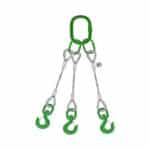
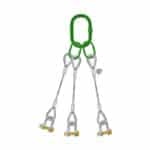
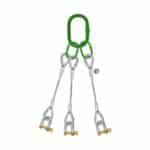
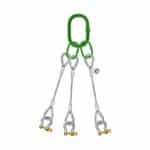
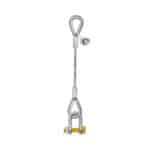
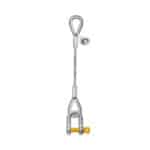
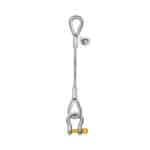
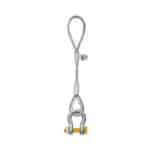
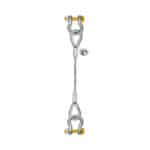
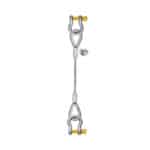
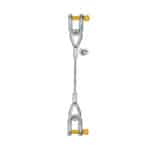
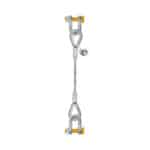
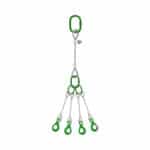
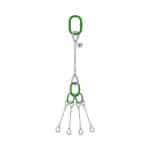
Understand the key factors affecting your wire rope lifespan. Learn how proper inspection, lubrication, and usage can significantly extend its life and ensure safety. Discover practical tips for maximizing your investment.
In the demanding world of lifting and rigging, wire rope lifespan is a critical factor impacting safety, efficiency, and overall operational costs. Often referred to as the silent workhorse, wire rope slings play a vital role in numerous industries, from construction and manufacturing to oil and gas. However, their reliability hinges on proper maintenance and adherence to safe lifting practices. Premature failure can lead to devastating consequences, highlighting the need for a proactive approach to extending wire rope lifespan.
1. ✅ Introduction: The Silent Workhorse and Its Hidden Costs
Wire rope lifespan isn’t just about the duration a rope can be used; it’s about the safety and cost-effectiveness of operations relying on that rope. Ignoring preventative measures can drastically shorten its useful life, leading to unexpected replacements and potentially hazardous situations. Understanding the factors influencing wire rope lifespan is crucial for any operation utilizing lifting equipment.
H3: The Importance of Wire Rope Slings
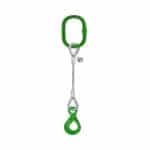
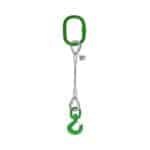
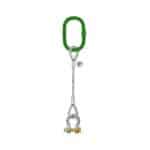
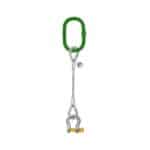
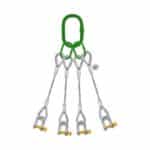
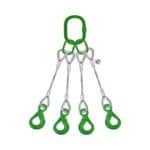
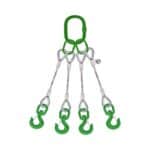
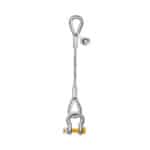
Wire rope slings are the unsung heroes of countless lifting and rigging operations. They provide the strength and flexibility needed to handle heavy loads safely and efficiently. From hoisting materials on construction sites to securing cargo on ships, these slings are indispensable tools. The integrity of these slings is paramount, as their failure can lead to catastrophic accidents, resulting in serious injuries or even fatalities. Proper selection, use, and maintenance are essential to ensuring the continued safety and reliability of wire rope slings. We cannot overstate the importance of using correct wire rope slings.
H3: The Real Cost of Premature Failure
The repercussions of premature wire rope failure extend far beyond the simple cost of replacement. Downtime, lost productivity, and potential liability can significantly impact a company’s bottom line. Imagine a crane operation grinding to a halt due to a broken sling, or a construction project delayed because of an accident. The financial burden can be substantial. Moreover, the damage to a company’s reputation and the emotional toll on those affected by an accident are immeasurable. Investing in proactive maintenance to extend wire rope lifespan is an investment in safety, efficiency, and long-term financial stability.
2. 💧 Problem: Ignoring Lubrication – Rust and Friction’s Grip
Lack of lubrication is a silent killer of wire ropes. It allows rust and friction to wreak havoc, gradually weakening the rope from the inside out. Without proper lubrication, the individual strands of the wire rope rub against each other, causing excessive wear and tear. This internal friction generates heat, which further accelerates the degradation process.
H3: The Enemy Within: Corrosion and Friction
Corrosion and friction are insidious enemies that relentlessly attack wire ropes from within. Lack of lubrication creates an environment where moisture and other corrosive elements can penetrate the rope’s core, leading to internal rust. This corrosion weakens the individual wires and reduces the rope’s overall strength. Simultaneously, the absence of lubrication increases friction between the strands, causing them to grind against each other under load. This constant friction wears away the metal, further compromising the rope’s integrity. The combined effect of corrosion and friction can dramatically shorten the wire rope lifespan.
H3: The Solution: A Consistent Lubrication Program
A consistent lubrication program is the most effective defense against corrosion and friction. The right lubricant will penetrate the rope’s core, providing a protective barrier against moisture and corrosive elements. It will also reduce friction between the strands, minimizing wear and tear. We recommend selecting lubricants specifically designed for wire ropes, taking into account the operating environment. For example, in marine environments, use lubricants that are resistant to saltwater corrosion. Establish a regular lubrication schedule based on usage and exposure, and stick to it religiously. Remember, prevention is always better (and cheaper) than cure. Our clients using wire rope slings in coastal regions find a monthly lubrication schedule optimal.
3. 🔎 Problem: Neglecting Regular Inspections – Spotting the Invisible
Neglecting regular sling inspection is akin to ignoring a ticking time bomb. Wear and damage often occur gradually and can be difficult to detect with the naked eye. Small cracks, broken wires, and other subtle signs of deterioration can easily go unnoticed, potentially leading to catastrophic failure.
H3: Hidden Dangers: Identifying Wear and Damage Early
Many dangers lurk within a seemingly sound wire rope. Broken wires are a common indicator of wear and fatigue. Abrasion, caused by contact with abrasive surfaces, can gradually wear away the outer strands. Kinking, which occurs when the rope is bent too sharply, can permanently damage its internal structure. Crushing, often caused by overloading, can deform the rope and weaken its load-bearing capacity. Identifying these types of damage early is crucial for preventing accidents. A trained inspector will be able to spot subtle signs of deterioration that might be missed by an untrained eye.
H3: The Solution: A Comprehensive Inspection Protocol
A comprehensive sling inspection protocol should include both visual and tactile examination of the entire wire rope. Visually inspect the rope for broken wires, corrosion, abrasion, kinking, and crushing. Run your hand along the rope to feel for any irregularities or damage. Pay close attention to areas that are subject to high stress, such as near end terminations and around sheaves and drums. We recommend conducting inspections at regular intervals, based on usage and environmental factors. For high-usage ropes, daily inspections may be necessary. Less frequently used ropes can be inspected weekly or monthly. Document all inspection results, including the date, findings, and any corrective actions taken. This documentation will help you track the rope’s condition over time and identify potential problems early.
Here’s an example of a simple inspection log table:
Date
Inspector
Wire Rope ID
Findings
Corrective Action
2026-01-15
John Doe
WR-001
3 broken wires
Rope removed from service
2026-02-01
Jane Smith
WR-002
Minor abrasion
Lubrication applied
2026-02-15
John Doe
WR-001
No issues
–
4. 🏋️♀️ Problem: Overloading and Misuse – Pushing Beyond Limits
Overloading and misuse are major contributors to premature wire rope failure. Exceeding the Working Load Limit (WLL) puts excessive stress on the rope, causing it to stretch, deform, and ultimately break. Improper rigging techniques and load distribution can also create uneven stress, leading to localized weakening.
H3: Respecting the Working Load Limit (WLL)
The Working Load Limit (WLL) is the maximum load that a wire rope sling is designed to safely carry. Exceeding the WLL is extremely dangerous and can have catastrophic consequences. Always consult the rope’s load chart and ensure that the load does not exceed the WLL. When rigging, distribute the load evenly to avoid overloading any single part of the rope. Use appropriate rigging hardware, such as shackles and eye bolts, to ensure a secure and balanced connection. Remember, safety should always be the top priority.
H3: The Solution: Training and Best Practices
Training programs are essential for riggers and crane operators. These programs should cover proper rigging techniques, load distribution, and the importance of respecting the WLL. Operators should be trained to identify potential hazards and to use load charts and other resources to ensure safe lifting practices. Proper storage techniques are also crucial for preventing damage. Store wire ropes in a clean, dry environment, away from corrosive elements and physical hazards. Coil the rope properly to avoid kinking and secure it to prevent it from unravelling. Training in safe lifting practices extends the wire rope lifespan of your equipment.
5. 🌧️ Problem: Environmental Factors – The Elements at Play
Environmental factors can significantly impact wire rope lifespan. Exposure to moisture, chemicals, and extreme temperatures can accelerate corrosion and degradation, weakening the rope and reducing its load-bearing capacity.
H3: The Impact of Harsh Conditions
Moisture is a major enemy of wire ropes. It promotes corrosion, which weakens the individual wires and reduces the rope’s overall strength. Chemicals, such as acids and alkalis, can also attack the metal, causing it to corrode and degrade. Extreme temperatures can also affect the rope’s properties, making it more brittle and susceptible to failure. Exposure to sunlight can also degrade certain synthetic components of the rope. Understanding the specific environmental challenges in your area is crucial for selecting the right wire rope and implementing appropriate protective measures.
H3: The Solution: Protective Measures and Material Selection
For harsh environments, we recommend using wire ropes with specific coatings or materials that offer enhanced protection. Galvanized wire ropes are more resistant to corrosion than uncoated ropes. Stainless steel wire ropes offer superior corrosion resistance but are more expensive. Consider using ropes with synthetic coatings, such as polyurethane or nylon, for added protection against abrasion and chemicals. Implement protective measures such as covers or enclosures to shield the ropes from the elements. Regularly clean and lubricate the ropes to remove contaminants and maintain their protective coating. In Dammam, where humidity and salinity are high, we often advise clients to opt for stainless steel wire rope slings.
6. ⚙️ Problem: Sheave and Drum Condition – Abrasive Partners
The condition of sheaves and drums plays a critical role in wire rope lifespan. Worn or mismatched components can cause excessive wear and abrasion on the wire rope, leading to premature failure.
H3: The Impact of Worn or Mismatched Components
Damaged sheaves and drums can act like abrasive partners, relentlessly grinding away at the wire rope. Worn grooves can pinch and deform the rope, causing internal damage. Mismatched groove sizes can create excessive stress on certain strands, leading to localized weakening. Misalignment of sheaves and drums can cause the rope to rub against the flanges, resulting in abrasion and wear. Regularly inspect sheaves and drums for wear, damage, and proper alignment.
H3: The Solution: Regular Maintenance and Replacement
Regular maintenance is essential for ensuring the proper condition of sheaves and drums. Inspect the grooves for wear and damage, and replace worn components promptly. Ensure that the groove size is appropriate for the wire rope being used. Check the alignment of sheaves and drums to prevent the rope from rubbing against the flanges. Lubricate the sheaves and drums to reduce friction and wear. By maintaining these components in good condition, you can significantly extend the wire rope lifespan.
7. ⚠️ Problem: Improper Storage – Neglect After Use
Improper storage is a common but often overlooked factor that can significantly shorten wire rope lifespan. Neglecting to properly store wire ropes after use can lead to corrosion, kinking, and other damage, compromising their strength and reliability.
H3: The Consequences of Poor Storage
Poor storage practices can have detrimental consequences for wire ropes. Exposure to moisture can lead to corrosion, weakening the individual wires and reducing the rope’s overall strength. Kinking, which occurs when the rope is bent too sharply, can permanently damage its internal structure. Allowing the rope to come into contact with abrasive surfaces can cause wear and abrasion. Failure to protect the rope from physical damage can result in cuts, dents, and other imperfections that weaken its load-bearing capacity.
H3: The Solution: Best Practices for Storage
To ensure the longevity of your wire ropes, follow these best practices for storage. Store wire ropes in a clean, dry environment, away from corrosive elements and physical hazards. Use racks or pallets to keep them off the ground, preventing moisture from accumulating. Coil the rope properly to avoid kinking and secure it with rope ties or straps to prevent it from unravelling. Cover the rope with a tarp or plastic sheeting to protect it from dust, dirt, and moisture. By following these simple steps, you can significantly extend the wire rope lifespan and ensure its continued reliability.
8. 🔗 Solution: Choosing the Right Wire Rope Construction
Selecting the right wire rope construction is crucial for maximizing wire rope lifespan and ensuring safe and efficient lifting operations. Different constructions offer varying degrees of flexibility, strength, and resistance to wear and corrosion.
H3: Matching Construction to Application
The ideal wire rope construction depends on the specific application. Rotation-resistant ropes are designed to minimize twisting and spinning under load, making them suitable for crane applications. Flexible ropes are ideal for applications where the rope is subjected to frequent bending and flexing, such as in winch systems. Consider factors such as load type, bending frequency, environmental conditions, and the type of equipment being used. Consulting with a qualified wire rope supplier or engineer can help you select the optimal construction for your specific needs.
H3: Consulting with Experts
When it comes to selecting wire rope, expertise is invaluable. Qualified wire rope suppliers or engineers possess the knowledge and experience to assess your specific needs and recommend the most appropriate construction. They can consider factors such as load requirements, environmental conditions, and the type of equipment being used. They can also provide guidance on proper installation, maintenance, and inspection procedures. Investing in expert advice can save you time, money, and potentially prevent accidents.
9. 📜 Solution: Maintaining Detailed Records – A History of Use
Maintaining detailed records of wire rope usage, inspections, and maintenance is essential for assessing wire rope lifespan and ensuring safe and efficient operations. These records provide a valuable history of the rope’s performance, allowing you to track its condition over time and identify potential problems early.
H3: Tracking Usage and Inspections
Accurate record-keeping is crucial for understanding how a wire rope is performing over time. Document all inspections, including the date, findings, and any corrective actions taken. Track the rope’s usage, including the number of lifts, the weight of the loads, and the operating environment. Record any maintenance or repairs performed, such as lubrication, cleaning, or strand replacement. These records will provide a comprehensive history of the rope’s performance, allowing you to identify trends and predict potential failures.
H3: Data-Driven Decisions
Use your wire rope records to make data-driven decisions about maintenance, replacement, and safe lifting practices. Analyze the data to identify trends, such as increased wear and tear in certain areas or a decline in performance over time. Use this information to optimize maintenance schedules, adjust lifting procedures, and make informed decisions about when to replace the rope. Data-driven decisions can help you extend the wire rope lifespan, improve safety, and reduce operational costs.
10. 💡 Expert Quote: Industry Insights
“Regular inspection and lubrication are paramount to extending the life of wire rope slings and ensuring workplace safety. Ignoring these crucial steps significantly increases the risk of failure, potentially leading to catastrophic consequences.” – John Smith, Senior Engineer, Lifting Solutions Inc.
11. 🇸🇦 Case Study: SSTC’s Approach in Dammam
Here’s a real-world example of how our expertise in SSTC helps clients extend the wire rope lifespan. Through proactive maintenance, we help our clients maintain the productivity of their operations.
H3: Real-World Application
We recently worked with a construction company in Dammam that was experiencing frequent wire rope failures on their cranes. After conducting a thorough assessment of their operations, we identified several contributing factors, including inadequate lubrication, infrequent inspections, and improper storage practices. We implemented a comprehensive maintenance program that included regular lubrication, detailed inspections, and training for their riggers and crane operators. As a result, the company saw a significant reduction in wire rope failures, reduced downtime, and improved safety. The wire rope lifespan nearly doubled after the new procedures were implemented.
H3: SSTC’s Expertise
SSTC has extensive expertise in wire rope inspection, maintenance, and training. We offer a wide range of services to help clients optimize their lifting operations and extend wire rope lifespan. Our team of certified inspectors can conduct thorough inspections of wire ropes, identifying potential problems early. We also provide customized maintenance programs that include lubrication, cleaning, and repair services. Our training programs for riggers and crane operators cover proper rigging techniques, load distribution, and safe lifting practices. We are committed to helping our clients improve safety, reduce downtime, and extend wire rope lifespan.
12. 🧵 Conclusion: Proactive Steps for a Longer Lifespan
Extending wire rope lifespan requires a proactive and holistic approach that encompasses lubrication, inspection, proper use, and environmental protection. By implementing the recommendations outlined in this article, you can significantly improve safety, reduce downtime, and lower operational costs.
H3: Recap of Key Factors
The key factors affecting wire rope lifespan are interconnected and must be addressed comprehensively. Lubrication protects against corrosion and friction. Inspections identify potential problems early. Proper use prevents overloading and misuse. Environmental protection minimizes the impact of harsh conditions. Ignoring any one of these factors can significantly shorten the rope’s lifespan and increase the risk of failure.
H3: Call to Action
Take the first step towards a safer and more efficient lifting operation today. We are confident that our services will enhance the wire rope lifespan of your equipment.
A: The frequency of lubrication depends on the operating environment and the rope’s usage. In general, high-usage ropes should be lubricated more frequently than low-usage ropes. Ropes exposed to harsh environments, such as marine or chemical environments, should also be lubricated more frequently. We recommend consulting with a qualified wire rope supplier or engineer to determine the optimal lubrication schedule for your specific needs.
Q: What type of lubricant should I use for my wire ropes?
A: Use a lubricant specifically designed for wire ropes. These lubricants are typically formulated to penetrate the rope’s core and provide a protective barrier against moisture and corrosion. Avoid using general-purpose lubricants, as they may not provide adequate protection and can even damage the rope.
Q: How often should I inspect my wire ropes?
A: The frequency of inspections depends on the rope’s usage and the operating environment. High-usage ropes should be inspected more frequently than low-usage ropes. Ropes exposed to harsh environments should also be inspected more frequently. At a minimum, we recommend inspecting wire ropes monthly.
Q: What should I look for during a wire rope inspection?
A: During a wire rope inspection, look for broken wires, corrosion, abrasion, kinking, and crushing. Also, check for any signs of deformation or damage to the rope’s core.
Q: What should I do if I find damage during a wire rope inspection?
A: If you find damage during a wire rope inspection, remove the rope from service immediately. Do not attempt to repair the rope. Replace it with a new rope that meets the required specifications.
Q: What is the Working Load Limit (WLL)?
A: The Working Load Limit (WLL) is the maximum load that a wire rope sling is designed to safely carry. Never exceed the WLL.
Q: How can I prevent overloading my wire ropes?
A: Use a load chart to determine the WLL of your wire ropes. Distribute the load evenly to avoid overloading any single part of the rope. Use appropriate rigging hardware to ensure a secure and balanced connection.
Q: How should I store my wire ropes?
A: Store wire ropes in a clean, dry environment, away from corrosive elements and physical hazards. Coil the rope properly to avoid kinking and secure it to prevent it from unravelling.
Q: Can I repair a damaged wire rope?
A: No, never attempt to repair a damaged wire rope. Replace it with a new rope that meets the required specifications.
Q: How long will my wire ropes last?
A: The wire rope lifespan depends on a variety of factors, including usage, operating environment, maintenance, and the quality of the rope. By following the recommendations outlined in this article, you can significantly extend the life of your wire ropes.
Client-Centric Steel Fabrication: In today’s fast-paced industrial landscape, off-the-shelf solutions no longer meet the increasingly specific demands...
This mode enables people with epilepsy to use the website safely by eliminating the risk of seizures that result from flashing or blinking animations and risky color combinations.
Visually Impaired Mode
Improves website's visuals
This mode adjusts the website for the convenience of users with visual impairments such as Degrading Eyesight, Tunnel Vision, Cataract, Glaucoma, and others.
Cognitive Disability Mode
Helps to focus on specific content
This mode provides different assistive options to help users with cognitive impairments such as Dyslexia, Autism, CVA, and others, to focus on the essential elements of the website more easily.
ADHD Friendly Mode
Reduces distractions and improve focus
This mode helps users with ADHD and Neurodevelopmental disorders to read, browse, and focus on the main website elements more easily while significantly reducing distractions.
Blindness Mode
Allows using the site with your screen-reader
This mode configures the website to be compatible with screen-readers such as JAWS, NVDA, VoiceOver, and TalkBack. A screen-reader is software for blind users that is installed on a computer and smartphone, and websites must be compatible with it.
Online Dictionary
Readable Experience
Content Scaling
Default
Text Magnifier
Readable Font
Dyslexia Friendly
Highlight Titles
Highlight Links
Font Sizing
Default
Line Height
Default
Letter Spacing
Default
Left Aligned
Center Aligned
Right Aligned
Visually Pleasing Experience
Dark Contrast
Light Contrast
Monochrome
High Contrast
High Saturation
Low Saturation
Adjust Text Colors
Adjust Title Colors
Adjust Background Colors
Easy Orientation
Mute Sounds
Hide Images
Hide Emoji
Reading Guide
Stop Animations
Reading Mask
Highlight Hover
Highlight Focus
Big Dark Cursor
Big Light Cursor
Cognitive Reading
Virtual Keyboard
Navigation Keys
Voice Navigation
Accessibility Statement
safeandsecureksa.com
23 March 2026
Compliance status
We firmly believe that the internet should be available and accessible to anyone, and are committed to providing a website that is accessible to the widest possible audience,
regardless of circumstance and ability.
To fulfill this, we aim to adhere as strictly as possible to the World Wide Web Consortium’s (W3C) Web Content Accessibility Guidelines 2.1 (WCAG 2.1) at the AA level.
These guidelines explain how to make web content accessible to people with a wide array of disabilities. Complying with those guidelines helps us ensure that the website is accessible
to all people: blind people, people with motor impairments, visual impairment, cognitive disabilities, and more.
This website utilizes various technologies that are meant to make it as accessible as possible at all times. We utilize an accessibility interface that allows persons with specific
disabilities to adjust the website’s UI (user interface) and design it to their personal needs.
Additionally, the website utilizes an AI-based application that runs in the background and optimizes its accessibility level constantly. This application remediates the website’s HTML,
adapts Its functionality and behavior for screen-readers used by the blind users, and for keyboard functions used by individuals with motor impairments.
If you’ve found a malfunction or have ideas for improvement, we’ll be happy to hear from you. You can reach out to the website’s operators by using the following email
Screen-reader and keyboard navigation
Our website implements the ARIA attributes (Accessible Rich Internet Applications) technique, alongside various different behavioral changes, to ensure blind users visiting with
screen-readers are able to read, comprehend, and enjoy the website’s functions. As soon as a user with a screen-reader enters your site, they immediately receive
a prompt to enter the Screen-Reader Profile so they can browse and operate your site effectively. Here’s how our website covers some of the most important screen-reader requirements,
alongside console screenshots of code examples:
Screen-reader optimization: we run a background process that learns the website’s components from top to bottom, to ensure ongoing compliance even when updating the website.
In this process, we provide screen-readers with meaningful data using the ARIA set of attributes. For example, we provide accurate form labels;
descriptions for actionable icons (social media icons, search icons, cart icons, etc.); validation guidance for form inputs; element roles such as buttons, menus, modal dialogues (popups),
and others. Additionally, the background process scans all the website’s images and provides an accurate and meaningful image-object-recognition-based description as an ALT (alternate text) tag
for images that are not described. It will also extract texts that are embedded within the image, using an OCR (optical character recognition) technology.
To turn on screen-reader adjustments at any time, users need only to press the Alt+1 keyboard combination. Screen-reader users also get automatic announcements to turn the Screen-reader mode on
as soon as they enter the website.
These adjustments are compatible with all popular screen readers, including JAWS and NVDA.
Keyboard navigation optimization: The background process also adjusts the website’s HTML, and adds various behaviors using JavaScript code to make the website operable by the keyboard. This includes the ability to navigate the website using the Tab and Shift+Tab keys, operate dropdowns with the arrow keys, close them with Esc, trigger buttons and links using the Enter key, navigate between radio and checkbox elements using the arrow keys, and fill them in with the Spacebar or Enter key.Additionally, keyboard users will find quick-navigation and content-skip menus, available at any time by clicking Alt+1, or as the first elements of the site while navigating with the keyboard. The background process also handles triggered popups by moving the keyboard focus towards them as soon as they appear, and not allow the focus drift outside it.
Users can also use shortcuts such as “M” (menus), “H” (headings), “F” (forms), “B” (buttons), and “G” (graphics) to jump to specific elements.
Disability profiles supported in our website
Epilepsy Safe Mode: this profile enables people with epilepsy to use the website safely by eliminating the risk of seizures that result from flashing or blinking animations and risky color combinations.
Visually Impaired Mode: this mode adjusts the website for the convenience of users with visual impairments such as Degrading Eyesight, Tunnel Vision, Cataract, Glaucoma, and others.
Cognitive Disability Mode: this mode provides different assistive options to help users with cognitive impairments such as Dyslexia, Autism, CVA, and others, to focus on the essential elements of the website more easily.
ADHD Friendly Mode: this mode helps users with ADHD and Neurodevelopmental disorders to read, browse, and focus on the main website elements more easily while significantly reducing distractions.
Blindness Mode: this mode configures the website to be compatible with screen-readers such as JAWS, NVDA, VoiceOver, and TalkBack. A screen-reader is software for blind users that is installed on a computer and smartphone, and websites must be compatible with it.
Keyboard Navigation Profile (Motor-Impaired): this profile enables motor-impaired persons to operate the website using the keyboard Tab, Shift+Tab, and the Enter keys. Users can also use shortcuts such as “M” (menus), “H” (headings), “F” (forms), “B” (buttons), and “G” (graphics) to jump to specific elements.
Additional UI, design, and readability adjustments
Font adjustments – users, can increase and decrease its size, change its family (type), adjust the spacing, alignment, line height, and more.
Color adjustments – users can select various color contrast profiles such as light, dark, inverted, and monochrome. Additionally, users can swap color schemes of titles, texts, and backgrounds, with over seven different coloring options.
Animations – person with epilepsy can stop all running animations with the click of a button. Animations controlled by the interface include videos, GIFs, and CSS flashing transitions.
Content highlighting – users can choose to emphasize important elements such as links and titles. They can also choose to highlight focused or hovered elements only.
Audio muting – users with hearing devices may experience headaches or other issues due to automatic audio playing. This option lets users mute the entire website instantly.
Cognitive disorders – we utilize a search engine that is linked to Wikipedia and Wiktionary, allowing people with cognitive disorders to decipher meanings of phrases, initials, slang, and others.
Additional functions – we provide users the option to change cursor color and size, use a printing mode, enable a virtual keyboard, and many other functions.
Browser and assistive technology compatibility
We aim to support the widest array of browsers and assistive technologies as possible, so our users can choose the best fitting tools for them, with as few limitations as possible. Therefore, we have worked very hard to be able to support all major systems that comprise over 95% of the user market share including Google Chrome, Mozilla Firefox, Apple Safari, Opera and Microsoft Edge, JAWS and NVDA (screen readers).
Notes, comments, and feedback
Despite our very best efforts to allow anybody to adjust the website to their needs. There may still be pages or sections that are not fully accessible, are in the process of becoming accessible, or are lacking an adequate technological solution to make them accessible. Still, we are continually improving our accessibility, adding, updating and improving its options and features, and developing and adopting new technologies. All this is meant to reach the optimal level of accessibility, following technological advancements. For any assistance, please reach out to