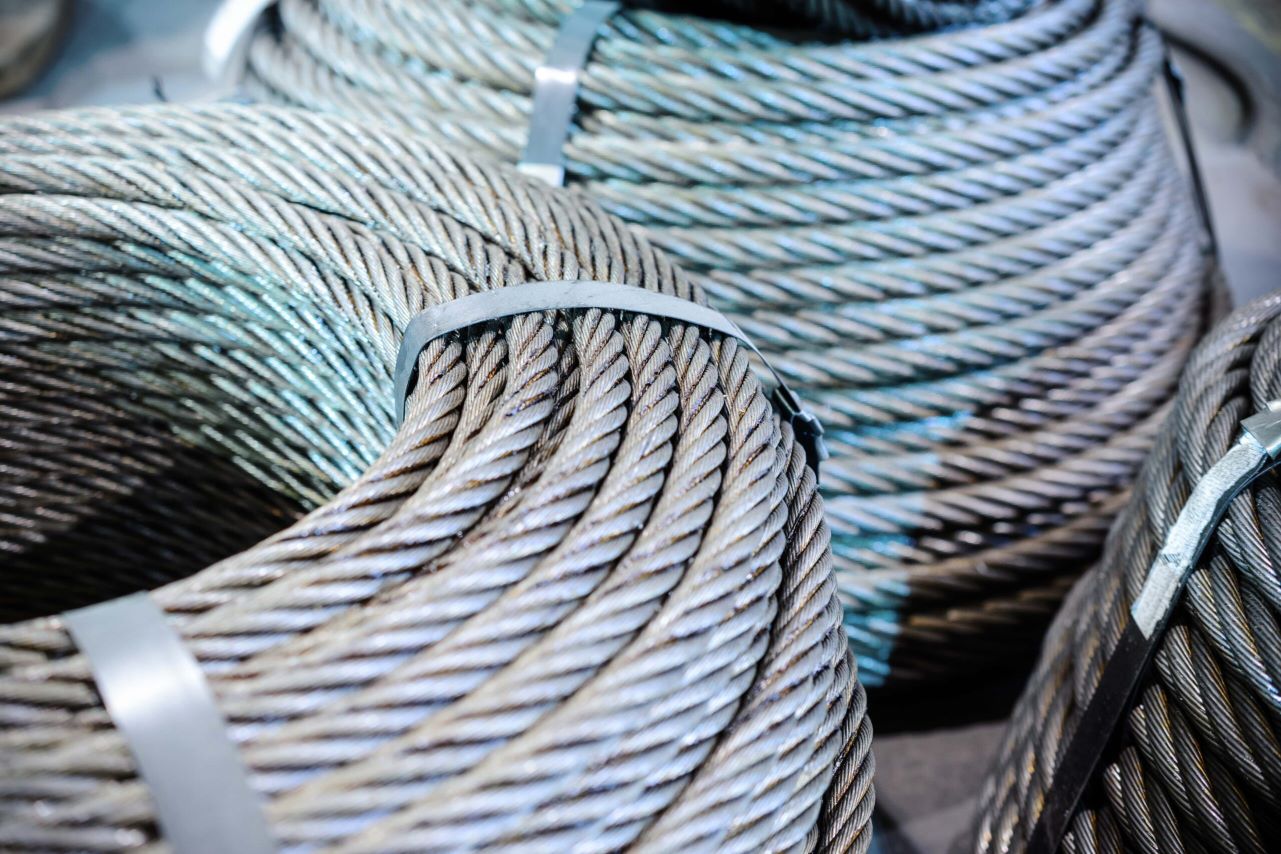
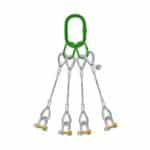
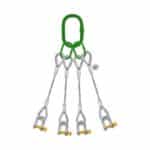
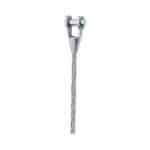
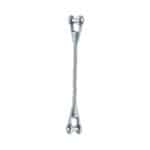
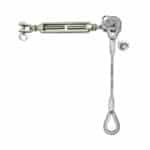
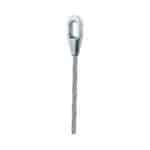
Steel wire rope is a critical component in numerous industrial applications, ensuring safety and efficiency in lifting, hoisting, and load-bearing tasks. Recognizing the signs of wear and damage is crucial for preventing catastrophic failures. This guide outlines key indicators for wire rope replacement, providing insights into inspection, maintenance, and safety standards. By understanding these signs, businesses can minimize risks and maintain a safe working environment.
1. Introduction to Wire Rope Integrity
1.1. Importance of Wire Rope in Industrial Applications
Steel wire rope is the backbone of many industrial operations, playing a crucial role in lifting, hoisting, and securing heavy loads. From construction cranes to oil rig derricks, the reliability of wire rope directly impacts the safety and efficiency of these tasks. Without properly maintained wire rope, the risk of accidents increases significantly, leading to potential injuries, equipment damage, and costly downtime. These cables are indispensable in ensuring that materials and personnel can be moved safely and efficiently across various sites.
1.2. The Consequences of Wire Rope Failure
The failure of steel cable can have devastating consequences, including severe injuries, fatalities, and significant property damage. When a cable snaps under load, the sudden release of energy can cause the load to fall uncontrollably, posing a direct threat to anyone in the vicinity. Moreover, equipment can be irreparably damaged, leading to extensive repair costs and operational delays. Preventing steel cable failure is not just a matter of regulatory compliance; it’s a fundamental aspect of workplace safety.
1.3. Proactive Maintenance and Inspection as Key to Safety
Regular inspections and proactive maintenance are essential for preventing wire rope failures and ensuring the safety of operations. By identifying potential problems early, such as wire rope corrosion or rope wear indicators, maintenance teams can address them before they escalate into critical issues. This approach not only extends the lifespan of the wire rope but also minimizes the risk of accidents and downtime. At Safe and Secure Trading Company (SSTC), we advocate for a culture of vigilance, where routine checks and timely interventions are prioritized to maintain the integrity of all lifting equipment.
2. Sign 1: Excessive Wire Breaks
2.1. Understanding the Significance of Wire Breaks
Broken wires are a primary indicator of wire rope degradation and can significantly compromise the overall strength and integrity of the cable. Each broken wire represents a loss of load-bearing capacity, and a growing number of breaks suggests that the cable is nearing the end of its safe service life. Ignoring wire breaks can lead to sudden and catastrophic failures, especially under heavy loads or dynamic stress. Monitoring and documenting these breaks is a critical part of any wire rope inspection program.
2.2. Quantifying Wire Breaks: ASTM Standards and Inspection Criteria
ASTM standards provide specific guidelines for assessing the severity of wire breaks and determining when a wire rope replacement is necessary. These standards specify the maximum allowable number of broken wires within a given length of rope, depending on the rope’s construction and application. For example, ASTM A1023 outlines the criteria for steel wire rope used in general applications, specifying the number of permissible breaks in a strand or across multiple strands. Adhering to these standards ensures that wire rope is replaced before it reaches a critical point of weakness.
2.3. Locating and Documenting Wire Breaks During Inspection
Systematically inspecting wire rope for broken wires requires a combination of visual and tactile methods. Proper lighting is essential for visual inspection, allowing inspectors to clearly see the surface of the cable. Running a gloved hand along the cable can help detect broken wires that may not be immediately visible. It’s important to document the location and number of breaks, as this information is crucial for tracking the progression of damage and making informed decisions about hoist cable replacement.
- 2.3.1. Using proper lighting for visual inspection.
Adequate lighting is paramount when conducting visual inspections of wire rope. Shadows and poor visibility can obscure broken wires, leading to inaccurate assessments of the cable’s condition. Portable LED lights are useful for illuminating hard-to-reach areas and providing consistent lighting across the entire length of the rope.
- 2.3.2. Running a gloved hand along the cable to feel for breaks.
Tactile inspection involves running a gloved hand along the wire rope to feel for protruding or broken wires. This method is particularly effective for detecting breaks that may be hidden beneath the surface or obscured by dirt and grime. Always wear gloves to protect your hands from injury.
- 2.3.3. Documenting location and number of breaks.
Accurate record-keeping is essential for tracking the condition of wire rope over time. Documenting the location and number of wire breaks during each inspection provides a valuable baseline for comparison and helps identify areas of accelerated wear. This information should be included in a comprehensive inspection report, along with any other relevant observations.
2.4. Distinguishing Between External and Internal Wire Breaks
External wire breaks are those that occur on the surface of the rope and are typically easier to detect during visual inspections. Internal breaks, on the other hand, occur within the rope’s core and are often more difficult to identify. Internal breaks can be a sign of wire rope corrosion, core degradation, or fatigue, and they can significantly weaken the cable’s overall strength. Advanced inspection techniques, such as magnetic particle testing or ultrasonic testing, may be necessary to detect internal breaks.
> “Regular inspection and documentation are critical for identifying and addressing wire breaks before they compromise the integrity of the wire rope.” – John Miller, Lead Crane Technician
3. Sign 2: Reduction in Rope Diameter
3.1. Measuring Rope Diameter: Tools and Techniques
Accurately measuring the diameter of wire rope is essential for detecting reductions that may indicate wear, core degradation, or structural damage. Calipers are the most commonly used tool for this purpose, providing precise measurements down to the nearest millimeter or inch. The measurement should be taken at several points along the length of the rope to account for variations. It’s important to use the correct technique, applying consistent pressure to the caliper jaws without compressing the rope excessively.
3.2. Assessing Diameter Reduction Against Original Specifications
The measured diameter should be compared to the manufacturer’s original specifications to determine if any significant reduction has occurred. A reduction in diameter beyond a certain threshold (typically 5-10%) indicates that the wire rope has experienced wear, stretching, or internal damage. This assessment should take into account the type of wire rope, its construction, and the specific application in which it is used. A noticeable reduction in diameter often signals the need for a wire rope replacement.
3.3. The Link Between Diameter Reduction and Core Degradation
Diameter reduction can be a telltale sign of core degradation, which can significantly weaken the wire rope. The core, typically made of fiber or steel, provides internal support and maintains the spacing between the outer strands. When the core deteriorates due to wear, corrosion, or crushing, the strands lose support and the rope diameter decreases. This internal damage may not always be visible from the outside, making diameter measurements a critical part of the inspection process.
3.4. Identifying Causes of Diameter Reduction
Several factors can contribute to diameter reduction in wire rope, including abrasion, corrosion, and overloading. Abrasion occurs when the wire rope rubs against other surfaces, such as sheaves or drums, causing the outer strands to wear down. Corrosion can weaken the steel strands and cause them to lose mass, leading to a reduction in diameter. Overloading the wire rope beyond its safe working load can cause permanent stretching and deformation, resulting in a decrease in diameter. Understanding the potential causes of diameter reduction can help identify and address underlying issues that may be affecting the rope’s integrity. For many of our clients here in Dammam, we’ve seen that harsh environmental conditions exacerbate the rate of diameter reduction due to accelerated corrosion.
4. Sign 3: Visible Corrosion
4.1. Types of Corrosion Affecting Steel Wire Rope
Corrosion is a major threat to the integrity of steel cable, leading to weakening and eventual failure. Surface rust is the most common type of corrosion, forming a reddish-brown layer on the surface of the wire rope due to exposure to moisture and oxygen. Pitting corrosion is a more localized form of corrosion, characterized by small pits or holes in the steel. Galvanic corrosion occurs when two dissimilar metals are in contact in the presence of an electrolyte, leading to accelerated corrosion of the more reactive metal. Understanding the different types of corrosion is essential for identifying and addressing them effectively.
4.2. Identifying Corrosion Damage: Visual Cues and Indicators
Corrosion damage can be identified through visual inspection, looking for signs such as rust, pitting, and discoloration. Surface rust may appear as a light coating or a thick layer of reddish-brown material. Pitting corrosion is characterized by small, localized pits or holes in the steel surface. Discoloration, such as a greenish or whitish tint, may indicate the presence of other types of corrosion. Any signs of corrosion should be carefully evaluated, and the wire rope should be inspected more thoroughly to assess the extent of the damage.
4.3. The Impact of Corrosion on Wire Rope Strength and Flexibility
Corrosion weakens the steel strands of wire rope, reducing its load-bearing capacity and making it more susceptible to failure. As corrosion progresses, it can penetrate deeper into the steel cable, causing internal damage that is not always visible from the surface. Corrosion also reduces the flexibility of the wire rope, making it more prone to cracking and breaking under stress. Even a small amount of corrosion can significantly compromise the safety and reliability of the steel cable, necessitating wire rope replacement.
4.4. Internal Corrosion Detection Techniques
Detecting internal corrosion in steel cable can be challenging, as it is often hidden beneath the surface. Non-destructive testing (NDT) methods, such as ultrasonic testing (UT) and radiographic testing (RT), can be used to detect internal corrosion without damaging the wire rope. UT uses sound waves to detect internal flaws and corrosion, while RT uses X-rays or gamma rays to create images of the wire rope’s internal structure. These advanced techniques provide a more comprehensive assessment of the wire rope’s condition, helping to identify hidden corrosion that may not be visible during visual inspections.
5. Advanced Inspection Techniques
5.1. Magnetic Particle Testing (MPT)
Magnetic Particle Testing (MPT) is a non-destructive testing method used to detect surface and near-surface cracks and discontinuities in wire rope. The process involves magnetizing the wire rope and applying fine magnetic particles to the surface. If cracks or discontinuities are present, the magnetic particles will be attracted to these areas, forming visible indications. MPT is particularly effective for detecting fatigue cracks and other surface defects that may not be readily visible during visual inspections.
5.2. Ultrasonic Testing (UT)
Ultrasonic Testing (UT) is another non-destructive testing method that uses sound waves to detect internal flaws and corrosion within the wire rope. A transducer emits high-frequency sound waves into the wire rope, and the reflected waves are analyzed to identify any anomalies. UT can detect a wide range of internal defects, including corrosion, cracks, and voids. This method provides valuable information about the internal condition of the wire rope, helping to assess its remaining service life and determine the need for hoist cable replacement.
5.3. Radiographic Testing (RT)
Radiographic Testing (RT) uses X-rays or gamma rays to create images of the wire rope’s internal structure, allowing inspectors to identify defects that may not be visible through other methods. The wire rope is placed between a radiation source and a detector, and the resulting image shows variations in density that indicate the presence of flaws, corrosion, or other abnormalities. RT is particularly useful for detecting internal corrosion and structural damage in steel cable.
6. Wire Rope Lubrication and Maintenance
6.1. The Role of Lubrication in Preventing Wear and Corrosion
Lubrication plays a crucial role in protecting wire rope from wear and corrosion, extending its service life and ensuring safe operation. Lubricant reduces friction between the individual strands of the wire rope, minimizing wear and preventing the formation of cracks. Lubrication also provides a barrier against moisture and other corrosive elements, preventing rust and other forms of corrosion. Regular lubrication is essential for maintaining the integrity and performance of wire rope.
6.2. Selecting the Right Lubricant for Your Application
Choosing the right lubricant is essential for effective wire rope maintenance. The lubricant should be compatible with the operating environment, load, and temperature. For example, in marine environments, a lubricant with excellent water resistance and anti-corrosion properties is necessary. In high-temperature applications, a lubricant with a high flash point and thermal stability is required. Consulting with a lubricant supplier and following the wire rope manufacturer’s recommendations can help you select the appropriate lubricant for your specific application. We often guide our clients on selecting the proper lubricants to extend wire rope longevity.
6.3. Lubrication Application Methods
Several methods can be used to apply lubricant to wire rope, including manual application, drip systems, and pressure lubrication. Manual application involves applying lubricant to the wire rope using a brush, spray, or pour-on method. Drip systems deliver a continuous flow of lubricant to the wire rope as it passes through a dispenser. Pressure lubrication uses a pump to force lubricant into the core of the wire rope, ensuring thorough coverage. The choice of application method depends on the size and type of wire rope, as well as the operating environment.
6.4. Creating a Preventative Maintenance Schedule
Developing a preventative maintenance schedule is essential for ensuring the long-term reliability and safety of wire rope. The schedule should include regular inspections, lubrication, and other maintenance tasks, performed at specified intervals. The frequency of these tasks depends on the operating environment, load, and usage patterns. A well-designed preventative maintenance schedule can help identify potential problems early, prevent costly repairs, and extend the service life of wire rope.
7. Regulatory Compliance and Safety Standards
7.1. Overview of OSHA Regulations for Wire Rope
OSHA (Occupational Safety and Health Administration) regulations provide specific requirements for wire rope inspection, maintenance, and replacement to ensure workplace safety. These regulations cover various aspects of wire rope usage, including load limits, inspection frequency, and removal criteria. Employers are responsible for complying with OSHA regulations and providing a safe working environment for their employees. Failure to comply with these regulations can result in fines, penalties, and legal liabilities.
7.2. Understanding ANSI/ASME Standards for Lifting Equipment
ANSI/ASME standards provide detailed guidelines for the safe operation of lifting equipment using wire rope. These standards cover various aspects of lifting equipment, including design, construction, inspection, testing, and maintenance. Adhering to ANSI/ASME standards helps ensure that lifting equipment is operated safely and reliably, minimizing the risk of accidents and injuries. Understanding these standards is crucial for anyone involved in the operation, inspection, or maintenance of lifting equipment.
7.3. Importance of Following Manufacturer’s Recommendations
Following the wire rope manufacturer’s recommendations is essential for ensuring the safe and efficient operation of lifting equipment. Manufacturers provide specific guidelines for wire rope usage, inspection, and wire rope replacement, based on the design and performance characteristics of their products. These recommendations should be followed closely to prevent premature failure and ensure optimal performance. Ignoring the manufacturer’s recommendations can void warranties and increase the risk of accidents.
8. Safe Wire Rope Handling Practices
8.1. Proper Storage Techniques to Prevent Damage
Proper storage techniques are essential for preventing damage to wire rope and extending its service life. Wire rope should be stored in a clean, dry environment, away from corrosive elements and extreme temperatures. The wire rope should be coiled or reeled properly to prevent kinking and distortion. Protective covers or wraps can be used to shield the wire rope from sunlight, moisture, and other environmental factors. Following these storage guidelines can help maintain the integrity of wire rope and prevent premature failure.
8.2. Avoiding Overloading and Shock Loading
Overloading and shock loading are common causes of steel cable failure and should be avoided at all costs. Overloading occurs when the wire rope is subjected to a load that exceeds its safe working load limit. Shock loading occurs when the wire rope is subjected to a sudden, dynamic force, such as when a load is dropped or jerked. Both overloading and shock loading can cause permanent damage to the steel cable, reducing its strength and increasing the risk of failure. Always ensure that the load is within the wire rope’s safe working load limit and avoid sudden, jerky movements.
8.3. Techniques for Minimizing Abrasion and Wear
Minimizing abrasion and wear is essential for extending the service life of wire rope. Proper rigging techniques can help reduce friction between the wire rope and other surfaces, such as sheaves or drums. Sheaves and drums should be properly aligned and maintained to prevent excessive wear on the wire rope. Regular lubrication can also help reduce friction and prevent abrasion. By implementing these techniques, you can significantly reduce wear and extend the life of wire rope.
9. Documenting Inspections and Maintaining Records
9.1. Creating a Detailed Inspection Checklist
Creating a detailed inspection checklist is crucial for ensuring thorough and consistent wire rope inspections. The checklist should include all critical points to examine, such as the number of wire breaks, diameter reduction, corrosion, and any other signs of damage. The checklist should also include spaces for recording the date, time, and location of the inspection, as well as the name of the inspector. A well-designed inspection checklist helps ensure that all critical aspects of the wire rope are evaluated and that inspections are performed consistently.
9.2. Importance of Accurate Record Keeping
Maintaining accurate records of inspections, maintenance, and replacements is essential for tracking the condition of wire rope over time. These records provide a valuable history of the wire rope’s performance and help identify trends that may indicate potential problems. Accurate record-keeping also facilitates compliance with regulatory requirements and helps demonstrate due diligence in maintaining a safe working environment. Inspection reports, maintenance logs, and hoist cable replacement records should be stored securely and readily accessible.
9.3. Using Digital Tools for Inspection Management
Digital tools, such as software and mobile apps, can streamline the process of managing wire rope inspections and maintaining records. These tools allow inspectors to record their observations directly on a mobile device, eliminating the need for paper-based checklists. The data can be automatically uploaded to a central database, where it can be analyzed and used to generate reports. Digital tools can also send reminders for upcoming inspections and maintenance tasks, ensuring that they are performed on schedule. Leveraging digital technology can improve the efficiency and accuracy of wire rope inspection management.
Here’s a summary of the top 3 indicators for wire rope replacement:
1. Excessive Wire Breaks: Exceeding the allowable number of breaks per length.
2. Diameter Reduction: Significant decrease from original specifications.
3. Visible Corrosion: Presence of rust, pitting, or internal degradation.
10. Wire Rope Replacement Procedures
10.1. Selecting the Correct Replacement Wire Rope
Selecting the correct replacement wire rope is crucial for ensuring the safety and performance of lifting equipment. The replacement wire rope should meet or exceed the original equipment manufacturer’s specifications for load capacity, diameter, and construction. Consider the operating environment, load requirements, and equipment specifications when choosing a replacement wire rope. Consult with a qualified wire rope supplier to ensure that you select the appropriate wire rope for your specific application. We are happy to assist in this process.
10.2. Safe Removal of the Old Wire Rope
Safely removing the old wire rope is essential for preventing accidents and injuries. Before beginning the removal process, ensure that the equipment is properly locked out and tagged out to prevent accidental operation. Use appropriate tools and equipment to remove the old wire rope, following the manufacturer’s instructions. Take precautions to prevent the old wire rope from falling or swinging uncontrollably, which could cause injury or damage. Dispose of the old wire rope properly, following local regulations and environmental guidelines.
10.3. Installation and Tensioning of the New Wire Rope
Proper installation and tensioning of the new wire rope are essential for ensuring optimal performance and safety. Follow the manufacturer’s instructions for installing the new wire rope, paying close attention to the direction of lay and the proper seating of the wire rope in the sheaves and drums. Tension the new wire rope according to the manufacturer’s specifications, using appropriate tensioning tools and techniques. Verify that the wire rope is properly aligned and that there are no kinks or distortions. After installation, perform a test lift to ensure that the equipment is operating safely and smoothly.
| Sign |
Description |
Action |
| Excessive Wire Breaks |
Too many broken wires within a defined length. |
Replace the wire rope immediately. |
| Diameter Reduction |
Significant decrease in rope diameter compared to original size. |
Inspect for core damage and consider replacement. |
| Visible Corrosion |
Presence of rust, pitting, or severe discoloration. |
Assess the extent of corrosion and replace if necessary. |
| Core Protrusion |
Core material protruding from the wire rope. |
Replace the wire rope. |
| Kinking or Crushing |
Permanent deformation of the wire rope structure. |
Replace the wire rope. |
| Heat Damage |
Evidence of exposure to excessive heat. |
Replace the wire rope. |
| Lack of Lubrication |
Dry or minimally lubricated wire rope. |
Apply appropriate lubrication or consider replacement if damage is present. |
11. Case Studies: Wire Rope Failure Analysis
11.1. Real-World Examples of Wire Rope Failures
Numerous case studies illustrate the potential consequences of wire rope failures. One example involves a construction crane where a corroded wire rope snapped under load, causing the boom to collapse and resulting in significant property damage. Another case involved a mine hoist where a wire rope with excessive wire breaks failed, trapping miners underground. These real-world examples highlight the importance of regular inspections and proactive maintenance in preventing wire rope failures.
11.2. Identifying Root Causes of Failures
Analyzing the root causes of wire rope failures is essential for preventing future incidents. Common root causes include improper maintenance, overloading, and environmental factors. Improper maintenance, such as inadequate lubrication and infrequent inspections, can accelerate the degradation of wire rope. Overloading the wire rope beyond its safe working load limit can cause permanent damage and increase the risk of failure. Environmental factors, such as exposure to corrosive elements and extreme temperatures, can also contribute to wire rope failures.
11.3. Implementing Preventative Measures Based on Case Studies
The lessons learned from case studies can be used to improve wire rope maintenance and inspection practices. Based on these lessons, organizations can implement preventative measures such as more frequent inspections, improved lubrication practices, and stricter adherence to load limits. Training and education programs can also be developed to raise awareness of the risks associated with wire rope failures and to promote safe operating procedures. By implementing these preventative measures, organizations can reduce the likelihood of wire rope failures and create a safer working environment.
12. Conclusion: Prioritizing Wire Rope Safety
12.1. Recap of Key Indicators for Wire Rope Replacement
Recognizing the key indicators for wire rope replacement is crucial for maintaining a safe and efficient operation. These indicators include excessive wire breaks, reduction in rope diameter, and visible corrosion. Regular inspections and proactive maintenance are essential for identifying these signs early and preventing catastrophic failures. By prioritizing wire rope safety, organizations can protect their employees, equipment, and reputation.
12.2. The Long-Term Benefits of Proactive Maintenance
Proactive wire rope maintenance offers significant long-term benefits, including reduced downtime, lower repair costs, and improved safety. By identifying and addressing potential problems early, organizations can prevent costly repairs and extend the service life of their wire rope. Proactive maintenance also reduces the risk of accidents and injuries, creating a safer working environment for employees. Investing in proactive wire rope maintenance is a wise decision that pays dividends in the form of increased efficiency, reduced costs, and improved safety.
12.3. Emphasizing the Importance of Continuous Training and Education
Continuous training and education are essential for personnel involved in wire rope inspection, maintenance, and operation. Training programs should cover topics such as wire rope construction, inspection techniques, lubrication practices, and safe operating procedures. Regular refresher courses can help reinforce these concepts and ensure that personnel stay up-to-date on the latest best practices. By investing in continuous training and education, organizations can empower their employees to make informed decisions and maintain a safe working environment. At SSTC, we believe that a well-trained team is the best defense against accidents. We equip our clients with the knowledge to make informed safety decisions. The lifting equipment safety is paramount.
We, at Safe and Secure Trading Company, are dedicated to providing our clients with the best solutions for ensuring the safety and reliability of their operations. Prioritizing wire rope safety will safeguard your operations.
FAQ Section
Q: How often should wire rope be inspected?
A: The frequency of wire rope inspection depends on the operating environment, load, and usage patterns. As a general guideline, wire rope should be inspected at least monthly, and more frequently in severe operating conditions. Critical applications, such as those involving overhead lifting, may require daily inspections.
Q: What are the key signs that wire rope needs to be replaced?
A: The key signs that wire rope needs to be replaced include excessive wire breaks, reduction in rope diameter, visible corrosion, core protrusion, kinking or crushing, and heat damage. Any of these signs indicates that the wire rope has been compromised and should be replaced immediately.
Q: How can I prevent wire rope corrosion?
A: You can prevent wire rope corrosion by implementing a regular lubrication program, storing wire rope in a clean, dry environment, and protecting it from exposure to corrosive elements. Selecting a lubricant with excellent water resistance and anti-corrosion properties is also important.
Q: What are the OSHA regulations for wire rope?
A: OSHA regulations provide specific requirements for wire rope inspection, maintenance, and replacement to ensure workplace safety. These regulations cover various aspects of wire rope usage, including load limits, inspection frequency, and removal criteria. Employers are responsible for complying with OSHA regulations and providing a safe working environment for their employees.
Q: How do I select the correct replacement wire rope?
A: Select the correct replacement wire rope by meeting or exceeding the original equipment manufacturer’s specifications for load capacity, diameter, and construction. Also, consider the operating environment, load requirements, and equipment specifications. It is also important to ensure that all cable safety standards are met. Consulting with a qualified wire rope supplier is also highly suggested.