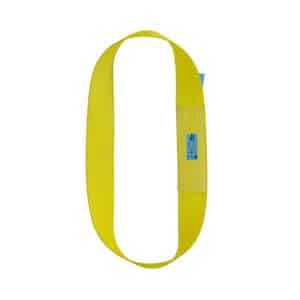
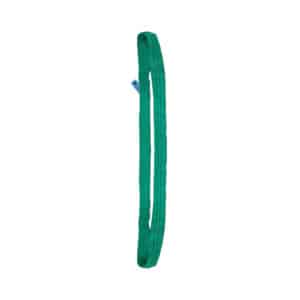
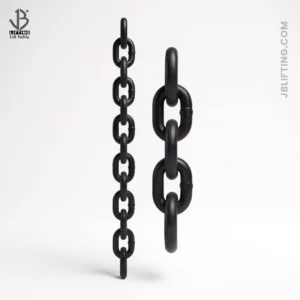
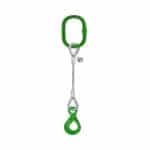
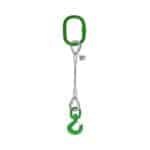
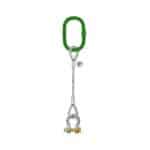
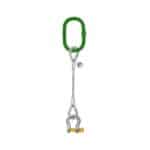
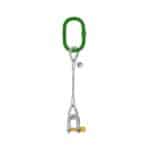
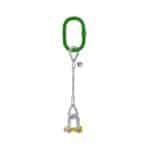
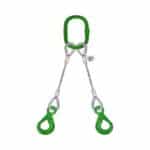
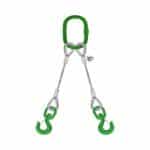
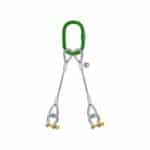
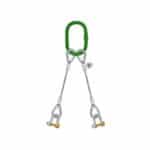
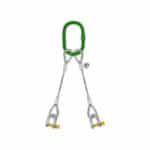
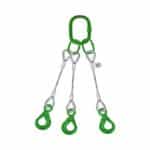
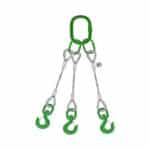
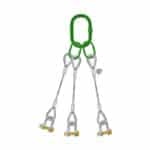
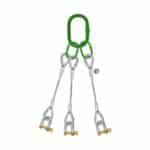
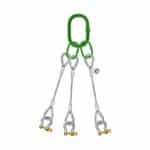
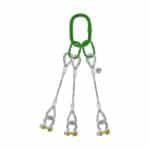
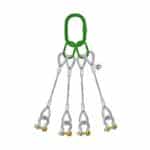
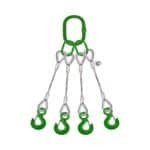
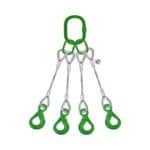
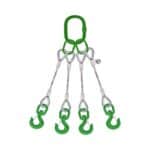
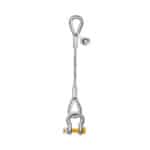
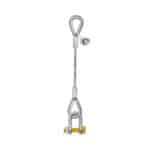
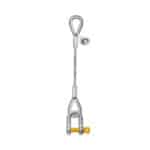
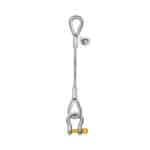
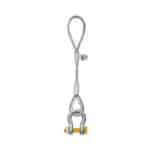
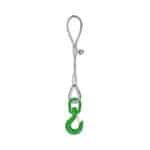
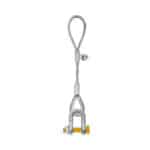
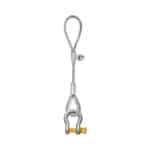
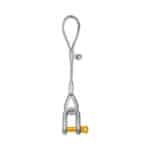
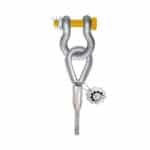
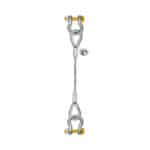
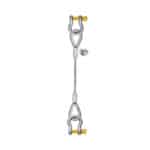
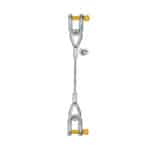
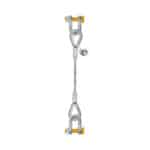
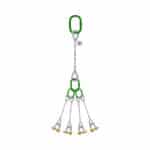
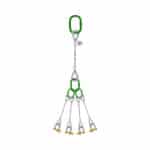
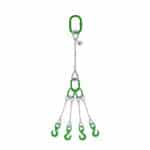
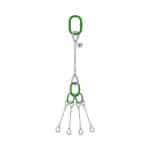
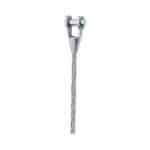
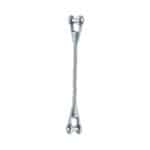
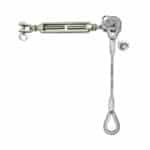
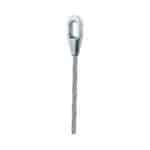
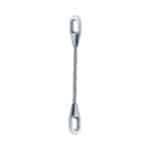
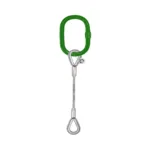
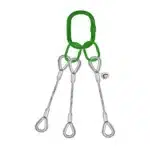
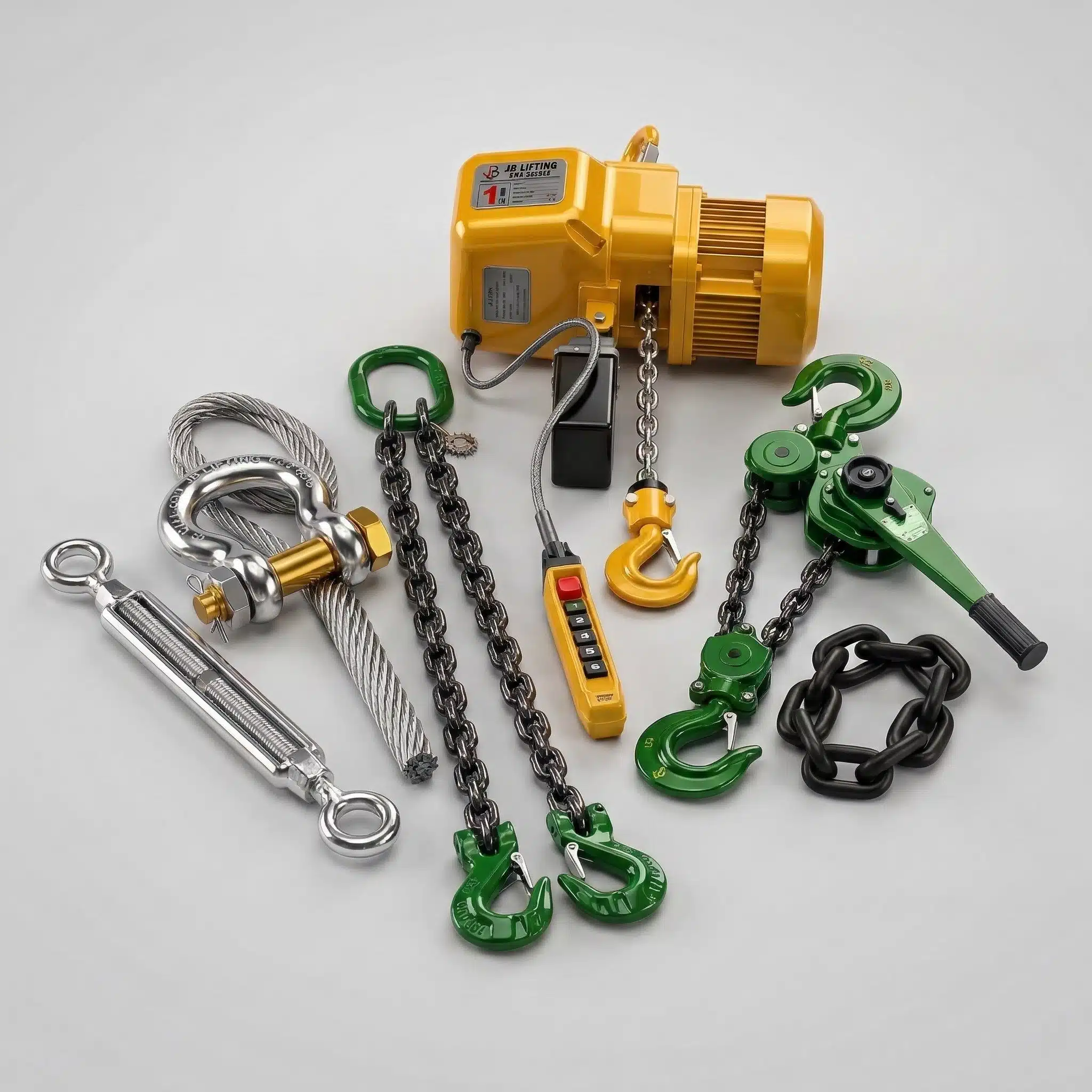
Steel wire rope slings are indispensable tools in various industries, offering safe and efficient solutions for lifting and securing heavy loads. They are categorized based on their design and application, with options ranging from single-leg slings for straightforward vertical lifting to multi-leg slings for complex loads requiring stability and balance. Endless slings provide versatility, adapting to different hitch configurations, while braided slings offer increased flexibility and abrasion resistance. High-temperature slings are specially engineered to endure extreme heat environments, and coated or vinyl-lined slings safeguard delicate loads. Adjustable slings feature hardware for on-the-fly configuration adjustments, and taglines and chokers provide control and gripping options. These categories ensure that steel wire rope slings Can be tailored to align precisely with the specific requirements. Lifting tasks while adhering to strict safety standards, making them a critical component in material handling and rigging operations.













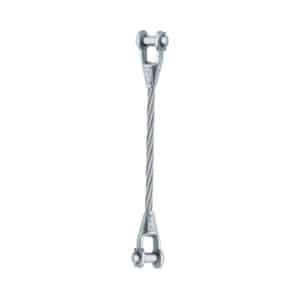


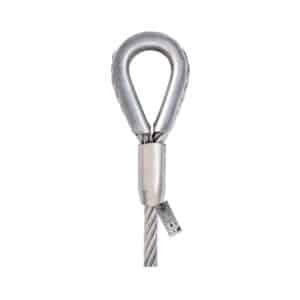
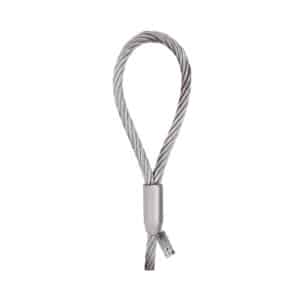
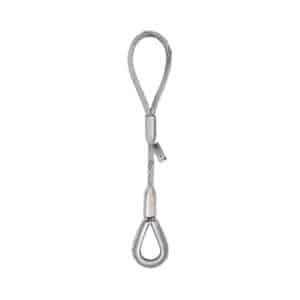
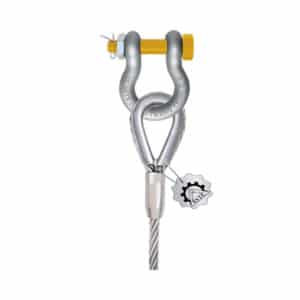
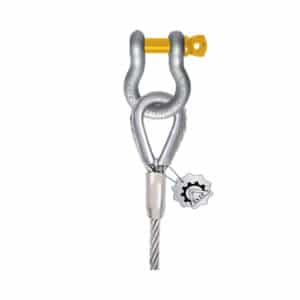
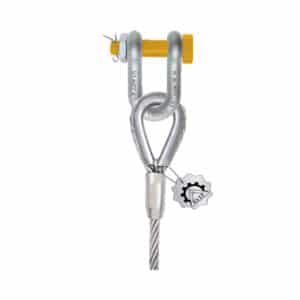
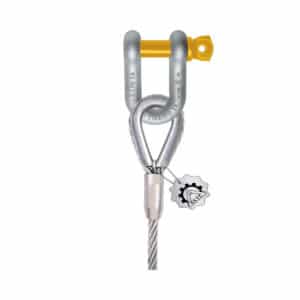
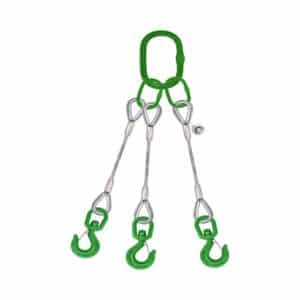
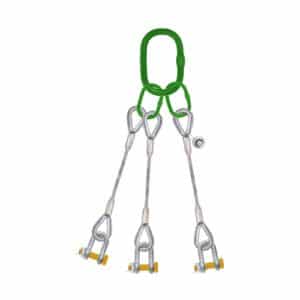
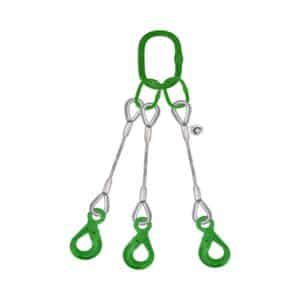
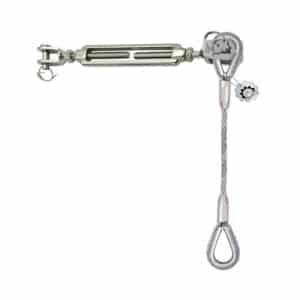
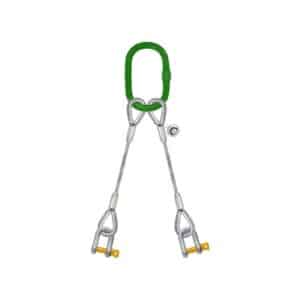
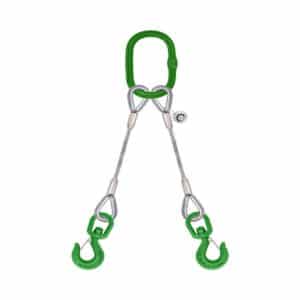

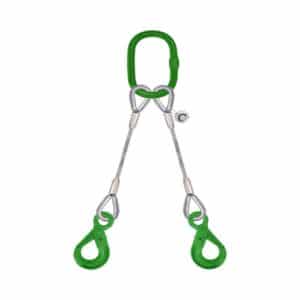
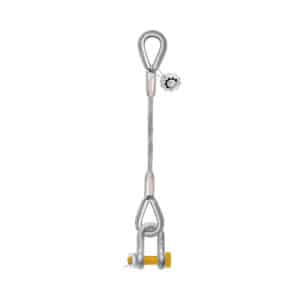
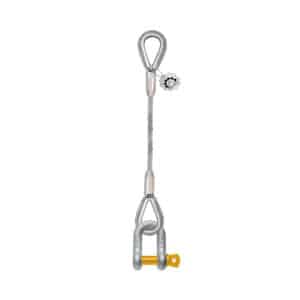
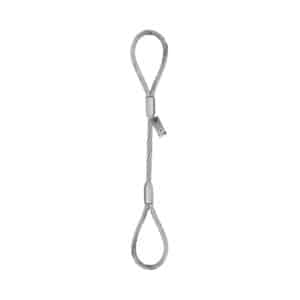
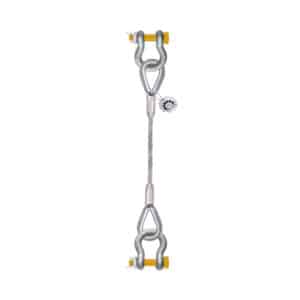
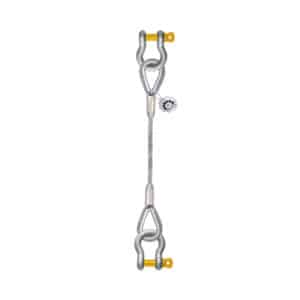
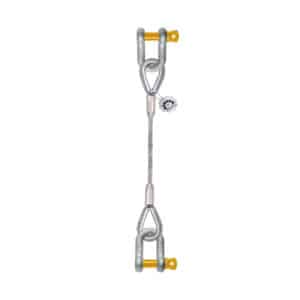
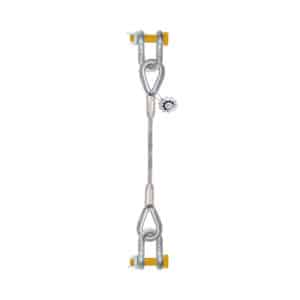
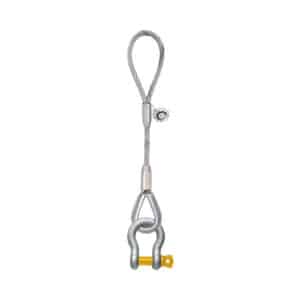
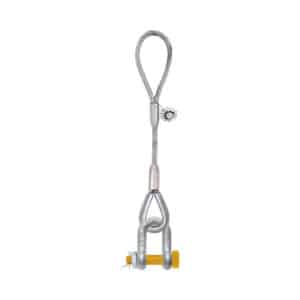
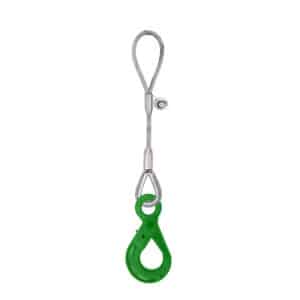
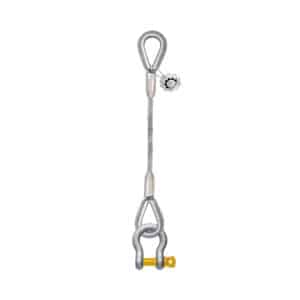
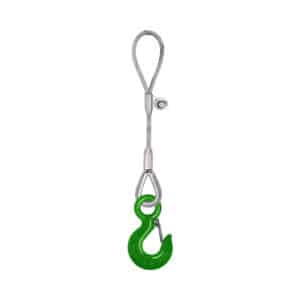
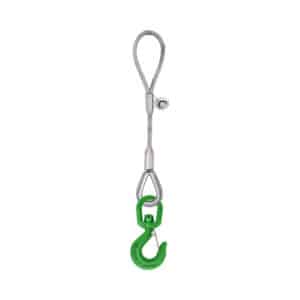
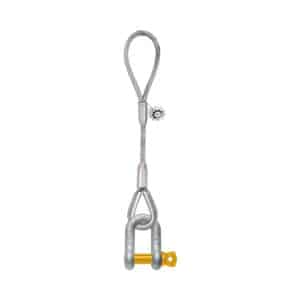
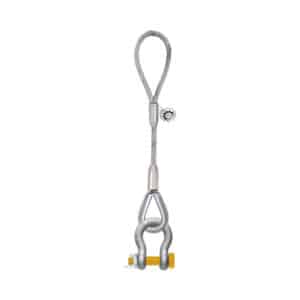
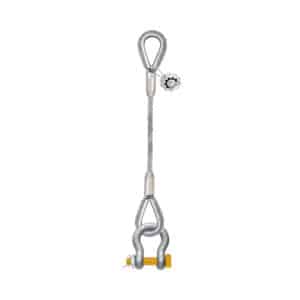
Steel Wire Rope Slings - Comprehensive Guide
Steel Wire Rope Slings are vital components in various industries that require the safe lifting and transportation of heavy loads. These slings are designed to provide superior strength and durability in applications that demand reliability and safety. As a trusted solution, steel wire rope slings are commonly used in construction, manufacturing, oil and gas, shipping, and other heavy-duty sectors. At SSTC, we offer a wide range of steel wire rope slings from JB Lifting to meet the specific needs of your business. Here’s a detailed guide on these essential lifting tools:What Are Steel Wire Rope Slings?
Steel wire rope slings are made from several strands of steel wires twisted together, creating a strong and flexible rope. The rope is then fabricated into slings for lifting heavy loads. Steel wire rope slings are commonly used in industries that require high strength and long-lasting performance under extreme conditions. They consist of:- Wire Rope: The core component made of steel wires.
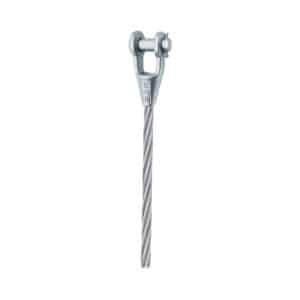
- End Fittings: The attachments at the ends of the rope, such as hooks, links, or eyes, that allow connection to lifting devices.
- Protection and Coating: Coatings may be applied to prevent corrosion and enhance durability.
Types of Steel Wire Rope Slings
Steel wire rope slings come in various types, each designed to meet specific lifting requirements. Here are the most common types:1. Single Leg Sling (Single Loop)
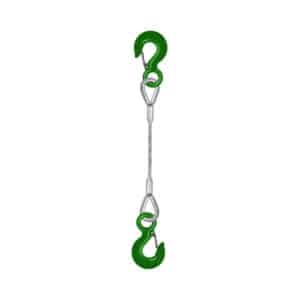
- Description: The single leg sling consists of a continuous loop of steel wire rope with a hook or other fitting at each end. It is the most straightforward and commonly used sling type.
- Applications: Ideal for smaller lifting tasks, such as lifting beams, pipes, or machinery where only a single connection point is required.
- End Fittings: Common fittings include hooks (such as grab hooks or sling hooks) and shackles.
- Advantages: Lightweight, simple to use, and cost-effective.
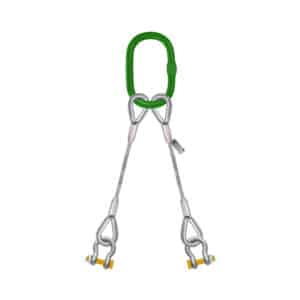
2. Double Leg Sling
- Description: A double leg sling has two legs connected to a central fitting, allowing for better load distribution and balance.
- Applications: Used for heavier loads and applications where better load stability is required, such as lifting large pipes, machinery, or construction materials.
- End Fittings: Shackles, sling hooks, or eye bolts are commonly used.
- Advantages: Provides better stability and load distribution compared to single leg slings.
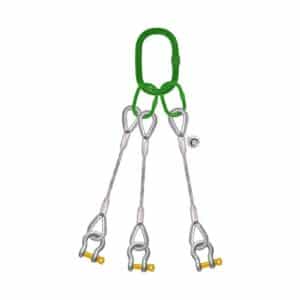
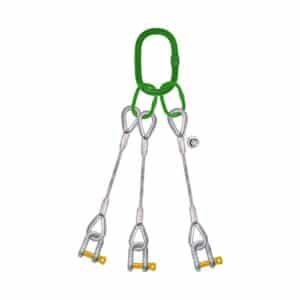
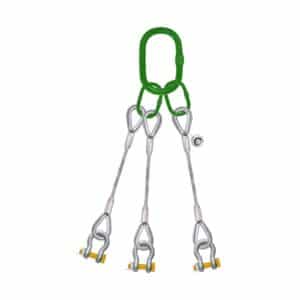
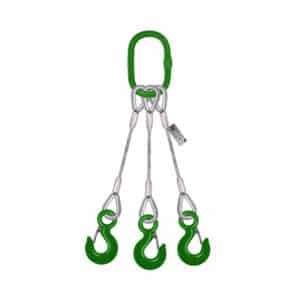
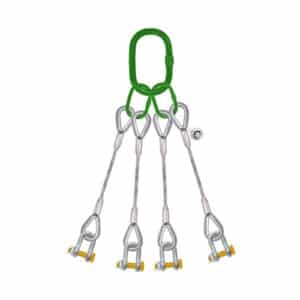
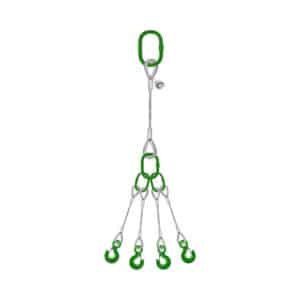
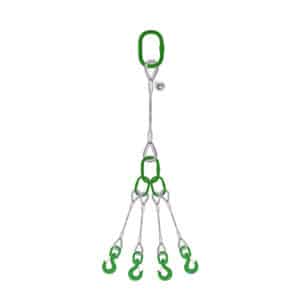
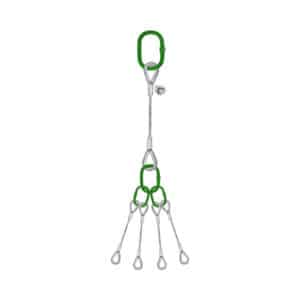
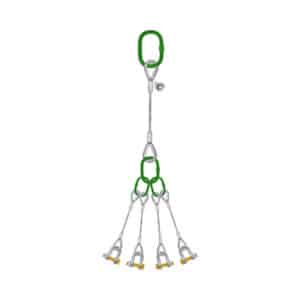
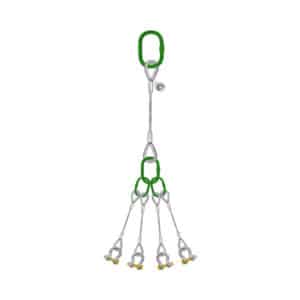
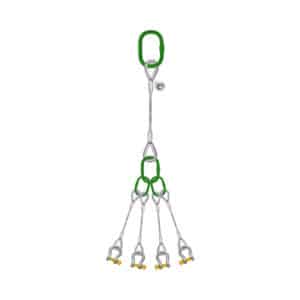
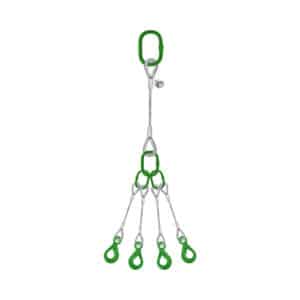
3. Multi-Leg Sling
- Description: A multi-leg sling consists of three or more legs attached to a central fitting. This type of sling provides excellent load distribution and is often used for large, heavy, or irregularly shaped loads.
- Applications: Ideal for lifting complex loads, large machinery, or oversized materials, such as in construction or offshore applications.
- End Fittings: Common end fittings include shackles, hooks, or clamps.
- Advantages: Excellent for load stability and balance, allowing safe lifting of uneven or bulky items.
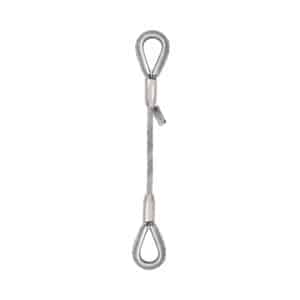
4. Eye Sling
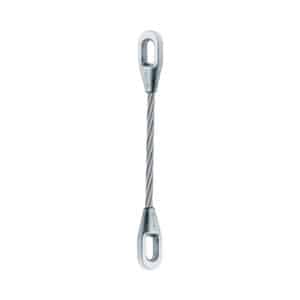
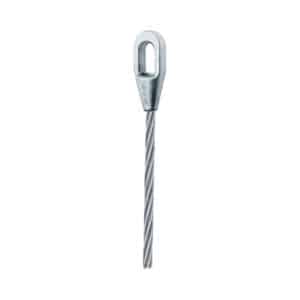
- Description: Eye slings are created by forming loops (eyes) at both ends of the steel wire rope, which can be attached to hooks or lifting points.
- Applications: Ideal for lifting with lifting hooks or other attachment points in cranes, hoists, or lifting equipment.
- End Fittings: Shackles or hooks.
- Advantages: Simple design for quick and secure attachment to lifting devices.
5. Basket Sling
- Description: A basket sling is formed by creating a loop that is doubled back onto itself to form a “basket.” The load is lifted from underneath the basket.
- Applications: Commonly used for lifting pipes, beams, and other large materials from beneath.
- End Fittings: Shackles, hooks, or lifting clamps.
- Advantages: Distributes the weight evenly, making it ideal for lifting larger or heavier loads safely.
6. Swaged Sling (Swaged End Sling)
- Description: Swaged slings are made by pressing the steel wire rope into fittings at the ends of the sling. This process enhances the strength and durability of the sling.
- Applications: Commonly used in heavy-duty applications like offshore drilling, oil rigs, and industrial machinery lifting.
- End Fittings: Typically uses swaged eyes or shackles.
- Advantages: Provides a strong and durable connection point for demanding lifting tasks.
7. Spliced Sling
- Description: Spliced slings are formed by weaving the ends of the wire rope back into itself, creating a loop. Splicing offers added strength and flexibility to the sling.
- Applications: Ideal for lifting tasks where customization is required. Used in various industries, such as shipbuilding, construction, and manufacturing.
- End Fittings: Shackles, eye bolts, or hooks.
- Advantages: Stronger connection points and customizable lengths for different lifting needs.
8. Double Braid Sling
- Description: Double braid slings consist of two layers of wire rope braided together. The outer layer protects the inner layer from wear and damage, enhancing the sling's durability.
- Applications: Used in harsh environments like offshore, marine, and industrial applications where additional protection is needed against abrasion and wear.
- End Fittings: Shackles, hooks, or clamps.
- Advantages: Extra protection against wear and tear, providing a longer lifespan in demanding conditions.
9. Flat Sling (Flat Wire Rope Sling)
- Description: A flat sling is a wide, flat wire rope configuration designed to handle large or wide loads by distributing the load over a broader area.
- Applications: Used for lifting large sheets of metal, timber, or other wide, flat materials.
- End Fittings: Shackles, hooks, or clamps.
- Advantages: Offers excellent load distribution and balance for lifting wide or flat materials.
10. Non-Rotating Sling
- Description: Non-rotating slings are designed to prevent rotation of the load during lifting. The wire rope is arranged in a way that limits twisting or turning of the load.
- Applications: Used for lifting delicate or sensitive equipment that must remain stable during the lift.
- End Fittings: Shackles, hooks, or eye bolts.
- Advantages: Prevents twisting or turning of the load, offering greater control during lifting operations.
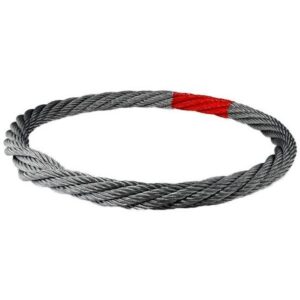
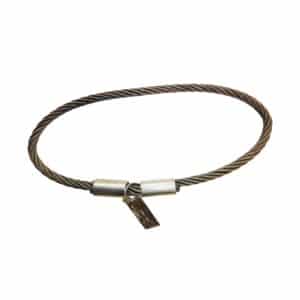
11. Grommet Endless Steel Wire Rope Sling
A Grommet Endless Steel Wire Rope Sling is made from a continuous loop of steel wire rope, with no mechanical fittings at the ends. The sling forms a grommet or loop by splicing the rope together, which is then used for lifting applications. The absence of fittings ensures there are no weak points, making it a highly durable and reliable lifting solution. Grommet slings can be used in a variety of lifting operations, offering flexibility and strength without the need for end attachments like hooks or shackles.Applications
- Construction: Ideal for lifting heavy materials such as steel beams, concrete panels, or machinery.
- Oil and Gas: Used in offshore and onshore applications for lifting pipes, drilling equipment, and heavy machinery.
- Manufacturing: Often used in factories and warehouses for lifting large, bulky components or heavy machinery.
- Shipping and Logistics: Used for lifting and transporting large cargo or containers at ports and docks.
- Marine: In maritime environments, grommet slings are utilized for handling large cargo and offshore equipment due to their durability in harsh conditions.
Advantages
- No Weak Points: The continuous loop design eliminates weak points, offering improved strength and durability over slings with end fittings.
- High Load Distribution: The even distribution of load along the entire loop reduces wear on any specific part of the sling, increasing its longevity.
- Flexibility: Grommet slings can be used for a wide variety of lifting tasks, especially in situations that require an evenly distributed load.
- Durability: The grommet design offers better protection against wear and damage, especially when lifting heavy or abrasive loads.
- Reduced Maintenance: With no fittings to wear out or damage, grommet endless slings require less maintenance, making them more cost-effective over time.
- Corrosion Resistance: Many grommet slings are coated or galvanized to protect them from corrosion, making them ideal for use in marine, offshore, and industrial environments.
End Fittings for Steel Wire Rope Slings
End fittings play a critical role in ensuring the safety and efficiency of lifting operations. They provide the connection points for attaching slings to lifting devices. Common end fittings used for steel wire rope slings include:Shackles
- Description: Shackles are strong metal fasteners used to connect the sling to lifting devices or the load. Types of shackles include bow shackles and D-shackles.
- Applications: Suitable for most lifting operations requiring secure connections.
Hooks
- Description: Lifting hooks, such as grab hooks, sling hooks, and self-locking hooks, are used to attach the sling to cranes, hoists, and other lifting machinery.
- Applications: Used for lifting and securing loads.
Clamps
- Description: Clamps are used to secure the wire rope to the lifting point or another device, especially in custom lifting setups.
- Applications: Used for temporary or specialized lifting tasks where quick adjustments are needed.
Eye Bolts
- Description: Eye bolts are threaded bolts with an eye (loop) at one end, used for attaching slings to load or lifting equipment.
- Applications: Ideal for use in fixed lifting points or attachment points that are already threaded.
Key Features and Benefits
- High Load Capacity Steel wire rope slings are known for their incredible strength and high load capacity. They are capable of lifting extremely heavy loads safely, even in harsh environments.
- Durability and Longevity These slings are durable and designed to withstand wear and tear in challenging conditions, including exposure to abrasions, chemicals, and extreme temperatures.
- Flexibility and Versatility Steel wire rope slings offer excellent flexibility, allowing them to be used for a wide range of lifting tasks, from heavy construction materials to industrial equipment.
- Resistance to Corrosion Many steel wire ropes are coated or galvanized to resist corrosion, making them suitable for use in outdoor environments or areas where exposure to moisture is common, such as marine and offshore applications.
- Customization Steel wire rope slings can be customized in terms of length, diameter, and end fittings to meet the specific needs of your lifting operations.
Applications of Steel Wire Rope Slings
- Construction Steel wire rope slings are commonly used on construction sites for lifting heavy building materials like steel beams, concrete, and machinery. Their high load capacity makes them essential for large-scale construction projects.
- Manufacturing and Warehousing In manufacturing plants and warehouses, steel wire rope slings are used to lift and transport machinery, heavy components, and raw materials. These slings offer the strength needed to handle heavy loads in these industrial environments.
- Oil and Gas In the oil and gas industry, steel wire rope slings are used for lifting drilling equipment, pipes, and other heavy machinery. Their durability makes them ideal for offshore and onshore operations where lifting equipment is exposed to harsh conditions.
- Shipping and Logistics Steel wire rope slings are also essential in shipping and logistics for lifting and securing cargo, especially during loading and unloading activities at ports.
- Mining Steel wire rope slings are used in mining operations to move large mining equipment and materials. These slings can withstand the tough conditions often found in mines.
Maintenance and Inspection Checklist for Steel Wire Ropes
To ensure the safe and efficient operation of steel wire ropes, it is essential to perform regular maintenance and inspections. Steel wire ropes are subject to wear and tear due to various factors such as load, environmental conditions, and frequency of use. Below is a detailed maintenance and inspection checklist to keep your steel wire ropes in top condition, extending their lifespan and ensuring safety in all lifting operations.General Guidelines
Frequency:-
- Daily: Visual inspection before use to ensure no immediate issues.
- Weekly: Routine check for general wear and tear.
- Annually: Detailed inspection by a certified inspector for long-term wear, corrosion, and any potential issues.
Steel Wire Rope Inspection Checklist
| Component | Inspection Criteria | Action |
| Visual Inspection | Check for visible damage such as wear, corrosion, or fraying along the rope. | If damage is found, immediately remove the rope from service for further evaluation. |
| Wire Condition | Inspect individual wires for breaks, corrosion, or bending. | Replace ropes with excessive broken wires. A rope with more than 10% of wires damaged should be replaced. |
| Strand Integrity | Check if strands are intact and not separated or distorted. | Replace the rope if there is significant separation or damage. |
| Kinks or Twists | Look for kinks, twists, or sharp bends in the rope. | Straighten the rope, and remove any severe twists or kinks. |
| Abrasion | Check for any signs of abrasion, especially at contact points with pulleys or edges. | Use protective sleeves in areas exposed to high abrasion; replace if damage is severe. |
| Corrosion | Inspect for rust or corrosion, especially in outdoor, marine, or offshore environments. | Clean the rope and apply a corrosion inhibitor; replace if corrosion is too severe. |
| Fatigue Cracks | Look for signs of fatigue or cracks that may appear due to repeated bending and loading. | Replace the rope if fatigue cracks are found. |
| End Fittings (Shackles, Hooks, etc.) | Inspect end fittings for any wear or damage, including deformation of shackles or hooks. | Ensure fittings are secure and free from wear. Replace if needed. |
| Lubrication | Check if the wire rope is properly lubricated, especially in areas exposed to moisture and friction. | Lubricate the rope according to manufacturer guidelines using an appropriate rope lubricant. |
| Sling Wear Points | Inspect contact points where the rope interacts with other equipment, such as pulleys or drums. | Ensure smooth operation; replace worn areas or damaged rope sections. |
| Overloading | Check if the rope has been used beyond its rated capacity (overloaded). | Never exceed the rope's load capacity; replace the rope if there is evidence of overloading. |
| Storage Conditions | Ensure the rope is stored in a clean, dry, and cool place away from chemicals, moisture, and extreme temperatures. | Store ropes properly to avoid exposure to harsh conditions when not in use. |
Maintenance Checklist for Steel Wire Ropes
| Maintenance Task | Frequency | Action |
| Cleaning | After each use (or regularly based on conditions) | Clean the rope with mild soap and water to remove dirt, grease, or contaminants. Avoid harsh chemicals that can damage the rope. |
| Lubrication | Monthly or as needed | Lubricate the rope using the correct type of lubricant, especially after exposure to harsh conditions (moisture, saltwater, chemicals). |
| Corrosion Protection | Regularly | Apply corrosion inhibitors or coatings to protect the rope from rust, particularly in marine or offshore environments. |
| Check for Proper Tensioning | Periodically | Ensure the rope is properly tensioned during use to prevent slack or excessive strain. |
| End Fitting Checks | Monthly or as needed | Check end fittings (shackles, hooks, clamps) for wear, deformation, and proper functioning. Lubricate fittings to ensure smooth operation. |
| Inspection of Pulley Systems | Regularly | Inspect pulleys and other equipment that interact with the wire rope for wear, alignment, and smooth operation to avoid rope damage. |
| Storage Inspection | After each use | Store ropes in a cool, dry place, away from UV rays and chemicals. Ensure ropes are not tangled or bent. |
| Load Capacity Review | Periodically | Verify that the rope is not being overloaded and that it meets the requirements of the task. |
| Record Keeping | Ongoing | Maintain an inspection log, including dates, findings, and any actions taken (replacing ropes, lubricating, etc.). |
Signs of Steel Wire Rope Wear and Damage
- Visible fraying or broken wires.
- Kinks or sharp bends in the rope.
- Corrosion or rust, especially in marine or wet environments.
- Excessive stretching or deformation of the rope.
- Abrasion from rough surfaces or repetitive wear against equipment.
Precautions for Safe Use and Maintenance
- Never overload the rope: Always respect the rope's rated load capacity.
- Avoid sharp bends or kinks: Use the rope according to its designed bending radius to avoid damage.
- Avoid dragging on rough surfaces: This can cause abrasion and damage. Use protective sheaths or rollers where necessary.
- Inspect regularly: Even if the rope looks fine, a detailed inspection can reveal hidden issues such as fatigue cracks or internal damage.
- Avoid sudden shocks: Shock loading can cause severe damage to the rope and equipment.
- Use appropriate lubricants: Ensure the right lubricant is used to maintain the rope's flexibility and corrosion resistance.
- Store properly: When not in use, steel wire ropes should be stored in a dry, cool area away from chemicals, excessive moisture, or direct sunlight.
Why Choose SSTC for Steel Wire Rope Slings in Saudi Arabia?
At SSTC, we are committed to providing high-quality, reliable, and durable steel wire rope slings that meet the most stringent safety and performance standards. As a trusted distributor, SSTC partners with JB Lifting and Bull Rope to offer a range of high-performance lifting solutions. Here are the key reasons why choosing SSTC for your steel wire rope slings in Saudi Arabia is the best decision for your business:1. Premium Quality Products
- SSTC partners with JB Lifting and Bull Rope, renowned brands in the lifting industry, to supply steel wire rope slings that offer superior strength, durability, and safety features.
- Our slings are designed to withstand extreme conditions, including heavy loads, abrasive surfaces, corrosion, and harsh environmental factors.
- We offer a wide range of steel wire rope slings, including single leg, double leg, multi-leg, grommet endless slings, and more, to meet diverse lifting needs.
2. Customization to Meet Your Needs
- Tailored Solutions: We understand that every lifting operation is unique. SSTC, in partnership with JB Lifting and Bull Rope, offers customizable steel wire rope slings in terms of length, diameter, load capacity, and end fittings (shackles, hooks, clamps, etc.) to perfectly fit your lifting requirements.
- Whether you need grommet endless slings for heavy-duty lifting or a multi-leg sling for more complex applications, we can provide the right sling for your business.
3. Excellent Customer Support
- Dedicated Team: Our knowledgeable team at SSTC is always ready to assist you with product selection, application advice, and technical support. We provide personalized consultations to ensure you choose the right steel wire rope slings for your lifting operations.
- Training and Guidance: We offer guidance on the proper use, maintenance, and inspection of slings to help you maximize safety and efficiency.
4. Reliable Delivery and Logistics
- With strategic locations in Dammam, Jubail, and Riyadh, we ensure that our steel wire rope slings are delivered fast and reliably across Saudi Arabia.
- Whether you are located in remote areas or major cities, SSTC, with its partnership with JB Lifting and Bull Rope, guarantees timely deliveries, helping you maintain smooth operations without delays.
5. Compliance with International Standards
- Safety First: Our steel wire rope slings are manufactured to meet or exceed international safety standards, including ISO, CE, and OSHA certifications, ensuring that your lifting operations comply with the highest safety regulations.
- By choosing SSTC, you’re assured that your slings are safe, reliable, and tested to handle the most demanding lifting tasks.
6. Competitive Pricing
- Value for Money: We offer competitive pricing on our steel wire rope slings without compromising on quality. Whether you're purchasing in bulk or for specific projects, SSTC ensures the best value for your investment.
- Bulk Order Discounts: We provide bulk order discounts for businesses with large-scale lifting needs, helping you save on purchases while maintaining the highest standards of safety and quality.
7. Long-Term Durability and Performance
- Steel wire rope slings from SSTC, in partnership with JB Lifting and Bull Rope, are designed for long-lasting performance. With proper maintenance and care, our slings will endure even the harshest conditions, reducing the need for frequent replacements and minimizing downtime.
8. Comprehensive After-Sales Services
- Maintenance and Inspections: SSTC offers maintenance services and inspection support to ensure that your steel wire rope slings remain in optimal condition, ensuring safety and efficiency for years.
- Spare Parts and Repairs: We provide easy access to replacement parts and offer repair services to extend the life of your equipment.
9. Trusted by Industries Across Saudi Arabia
- SSTC is trusted by a wide range of industries, including construction, oil and gas, shipping, manufacturing, mining, and more. Our steel wire rope slings are a reliable solution for heavy-duty lifting, offering the strength, flexibility, and safety required in demanding environments.
10. Commitment to Safety
- We prioritize worker safety in every lifting operation. Our steel wire rope slings undergo rigorous testing to ensure they meet safety standards, reducing the risk of accidents and providing peace of mind for both operators and employers.
Steel Wire Rope Slings with Unique ID Number and Certificate
At SSTC, we prioritize safety, quality, and traceability when providing steel wire rope slings. Each steel wire rope sling from JB Lifting is supplied with a unique ID number and a certificate of compliance to ensure it meets all safety standards and quality requirements. Here’s how the unique ID and certification process benefits your lifting operations:1. Unique ID Number
Purpose:
Every steel wire rope sling is assigned a unique identification number for traceability. This allows for easy tracking of the sling throughout its life cycle, from manufacturing to inspection and maintenance.Benefits:
- Track Record: Enables you to track the history of the sling, including inspection dates, maintenance records, and load testing results.
- Easy Identification: Helps differentiate between slings of various lengths, capacities, and configurations, ensuring the right sling are used for each lifting operation.
- Safety and Compliance: Ensures compliance with safety regulations, as each sling’s history is readily available for review.
2. Certificate of Compliance
Purpose:
Each steel wire rope sling comes with a certificate of compliance that verifies it meets international safety standards, such as ISO, CE, and OSHA. This certification assures customers that the sling has passed rigorous quality checks and is fit for use in lifting operations.Benefits:
- Safety Assurance: Guarantees that the sling has been manufactured and tested according to the highest safety standards.
- Regulatory Compliance: Helps businesses comply with regulatory requirements, reducing the risk of accidents and penalties.
- Load Testing Results: The certificate often includes information on the load testing conducted on the sling to confirm its strength and suitability for specific lifting tasks.
3. Benefits of the Unique ID and Certificate
- Improved Safety: The unique ID and certificate provide peace of mind, knowing that your steel wire rope slings are safe, reliable, and compliant with the relevant regulations.
- Enhanced Maintenance Tracking: The unique ID allows for more effective maintenance management, ensuring timely inspections and replacements when necessary.
- Reduced Liability: By having traceable products with certification, you reduce the risk of using defective or non-compliant slings, which can lead to accidents, damage, or legal issues.
- Audit and Inspection Readiness: The unique ID and certificate make it easier to produce documentation during audits, inspections, or quality reviews, helping you stay organized and compliant with industry standards.
Advantages of SSTC Steel Wire Rope Slings Over Competitors
When it comes to choosing steel wire rope slings for your lifting operations, selecting a reliable and high-quality supplier is crucial for ensuring safety, efficiency, and long-term performance. SSTC, in partnership with JB Lifting and Bull Rope, offers premium steel wire rope slings that are tailored to meet the needs of industries like construction, oil and gas, shipping, and manufacturing. Our products are designed to provide superior strength, durability, and versatility, giving you the confidence to handle heavy loads safely. Below is a comparison of the key advantages of SSTC Steel Wire Rope Slings over competitors in the market.| Feature | SSTC Steel Wire Rope Slings | Competitors' Steel Wire Rope Slings |
| Quality | Manufactured by JB Lifting and Bull Rope, ensuring superior quality and durability. | Varies by brand, may not consistently meet high-quality standards. |
| Customization | Fully customizable in terms of length, diameter, load capacity, and end fittings. | Limited customization options for specific needs. |
| Load Capacity | Offers a wide range of load capacities suitable for both light and heavy-duty lifting. | Typically offers fewer high-capacity options. |
| Durability | Designed for long-term use, resistant to wear, corrosion, and harsh conditions. | May have lower resistance to abrasion and wear in tough environments. |
| Compliance with Safety Standards | Meets ISO, CE, and OSHA certifications, ensuring adherence to international safety standards. | Some competitors may not consistently meet global safety standards. |
| Flexibility | Offers a wide variety of slings including single-leg, double-leg, multi-leg, and grommet endless slings. | Limited variety, fewer options for specialized lifting tasks. |
| Corrosion Resistance | Available with corrosion-resistant coatings for offshore and marine use. | Corrosion resistance may not be as robust in some competitor products. |
| End Fittings | Variety of shackles, hooks, and clamps for secure connections. | May offer fewer end fitting options or lower-quality fittings. |
| Customer Support | Dedicated support with expert consultations, after-sales service, and training. | Standard customer support, with less personalized assistance. |
| Delivery and Logistics | Fast and reliable delivery across Saudi Arabia, with locations in Dammam, Jubail, and Riyadh. | May experience longer delivery times or less reliable shipping. |
| Pricing | Competitive pricing with bulk order discounts and long-term value. | Pricing may be higher for similar quality or lack bulk discounts. |
| Maintenance Services | Regular maintenance and inspection services to ensure optimal performance. | Limited or no maintenance services provided. |
| Warranty | Longer standard warranty, backed by a trusted supplier. | Shorter warranty periods, with less flexibility. |
| Availability of Replacement Parts | Easy access to replacement parts and repairs from SSTC. | Parts availability may be slower or limited for competitors. |
| Performance in Harsh Environments | Ideal for use in offshore, industrial, and construction environments, where durability is critical. | Performance may be subpar in extremely harsh or demanding conditions. |
Steel Wire Rope Slings vs. Chain Slings vs. Web Slings: A Comparison
Choosing the right type of sling for your lifting operation is critical for safety, efficiency, and durability. Each type of sling - steel wire rope slings, chain slings, and web slings - offers unique features and benefits. Below is a detailed comparison of these three types of slings to help you choose the best option for your needs.| Feature | Steel Wire Rope Slings | Chain Slings | Web Slings |
| Strength | High strength, capable of lifting heavy and bulky loads. | Very strong, suitable for lifting heavy loads in industrial environments. | Lower strength compared to wire rope and chain slings. |
| Flexibility | Flexible, can be bent or twisted but retains strength. | Less flexible, rigid design, may require more space during operation. | Highly flexible and can conform to the shape of the load. |
| Durability | Extremely durable, resistant to wear, abrasion, and corrosion. | Very durable, resistant to wear and high temperatures. | Less durable, prone to wear and damage from abrasion or sharp edges. |
| Weight | Lightweight compared to chain slings but heavier than web slings. | Heavier than steel wire rope and web slings. | Lightweight, making it easier to handle and transport. |
| Abrasion Resistance | Excellent resistance to abrasion, especially when coated or galvanized. | Good abrasion resistance but can be damaged by rough or sharp edges. | Poor resistance to abrasion, vulnerable to cuts and tears. |
| Load Capacity | Available in a wide range of load capacities, ideal for heavy-duty lifting. | Can handle extremely heavy loads and high temperatures. | Best suited for lighter to medium-duty lifting tasks. |
| Corrosion Resistance | Corrosion-resistant options available, ideal for marine or offshore use. | Generally resistant to corrosion, but may require additional protection in extreme conditions. | Prone to corrosion, especially when exposed to moisture or chemicals. |
| Versatility | Highly versatile for various lifting applications, including multi-leg slings. | Versatile for heavy-duty lifting but less suitable for delicate items. | Great for lifting irregularly shaped items or items with delicate surfaces. |
| Cost | Generally more expensive than chain or web slings due to the material and manufacturing process. | Often higher in price due to heavy-duty design and manufacturing. | More affordable than wire rope and chain slings. |
| Ease of Use | Can be heavier and harder to handle than web slings but provides more stability for heavy loads. | Difficult to handle for lighter loads due to weight, but provides stability for very heavy loads. | Easy to handle, lightweight, and less physically demanding to use. |
| Storage | Requires more space for storage due to its rigidity. | Requires more storage space and may need to be hung to prevent damage. | Can be folded and stored in a smaller space. |
| Compliance with Safety Standards | Meets international standards like ISO, OSHA, and CE. | Complies with strict standards for heavy lifting operations. | Meets industry safety standards, but less robust for heavy lifting tasks. |
| Maintenance | Requires regular inspection for wear, corrosion, and damage to the wires. | Requires regular inspection for wear and damage to links or hooks. | Needs frequent inspection for cuts, tears, and overall condition. |
| Temperature Resistance | Can withstand high temperatures (with proper coatings). | Excellent resistance to high temperatures, suitable for heavy industrial environments. | Poor resistance to extreme temperatures. |
- Steel Wire Rope Slings are ideal for heavy-duty lifting applications where strength, durability, and abrasion resistance are critical.
- Chain Slings are best for environments that involve heavy lifting and high temperatures, offering excellent durability but being heavier and more rigid.
- Web Slings are great for lighter, more flexible lifting needs, especially where delicate items need to be handled, but they do not offer the same strength and durability as steel wire or chain slings.
Bulk Orders and Discounts for Steel Wire Rope Slings
At SSTC, we are dedicated to supporting businesses that rely on steel wire rope slings for their daily operations. For companies with large-scale needs, we offer exclusive pricing and loyalty benefits to help make your purchases more cost-effective while fostering lasting partnerships.Special Pricing for Bulk Orders
- Bulk Discounts: Save significantly when you order steel wire rope slings in larger quantities. Ideal for industries like construction, shipping, and oil and gas, bulk orders allow you to enjoy reduced prices and maximize savings while ensuring you meet your operational needs.
- Tailored Packages: Customize your order with different rope finishes, lengths, and constructions while still benefiting from bulk pricing. Whether you need grommet endless slings, multi-leg slings, or heavy-duty steel wire rope slings, we can tailor a solution that fits your specific lifting requirements.
- Fleet Solutions: Shipping companies, offshore operations, and fleets can enjoy special pricing for steel wire rope slings used in tasks like mooring, towing, and heavy lifting. We offer customized pricing packages for industries requiring frequent or high-volume purchases, ensuring cost savings while maintaining top-tier quality.
Loyalty Programs for Repeat Clients
- Exclusive Rewards: Repeat customers gain access to a range of perks, including free maintenance consultations for your steel wire rope slings, helping you keep them in optimal condition and extend their lifespan.
- Priority Support: Enjoy faster processing for orders and priority access to new product launches and limited-time offers. Our dedicated team ensures that your needs are met quickly and efficiently, keeping your operations running smoothly.
- Customized Discounts: As a loyal client, you’ll receive special loyalty pricing based on your usage and specific industry requirements, helping you save on future purchases of steel wire rope slings.
Custom and Tailored Steel Wire Rope Sling Orders
At SSTC, we understand that every lifting task requires specific solutions. That's why we offer custom and tailored steel wire rope slings, made in partnership with JB Lifting, to meet your exact operational needs. Whether you require specific lengths, constructions, tonnage, or fittings, our steel wire rope slings are designed to provide superior strength, durability, and safety.What We Offer
- Custom Lengths and Measurements:
- Steel wire rope slings can be ordered in meters, inches, feet, or centimeters, tailored to your precise requirements.
- Any length can be customized for your lifting, pulling, or rigging operations.
- Wire Rope Configurations:
- Available in single-leg, two-leg, three-leg, and four-leg slings, ideal for various load handling scenarios.
- Endless loops, eye-and-eye slings, and Flemish loop designs are offered for added versatility.
- Wire Rope Constructions:
- Choose from a range of wire rope constructions, including 6x19, 6x36, or 8x19, depending on your load and flexibility requirements.
- Coated or uncoated wire options are available for additional protection in harsh environments.
- Tonnage Requirement:
- We can customize steel wire rope slings for various tonnage capacities, ensuring they meet your specific load requirements.
- Tonnage capacities can range from light-duty to heavy-duty, and safety factors are applied for critical lifting applications.
- Custom tonnage options ensure that you are lifting within the safe limits for your operational needs.
- Enhanced Durability and Protection:
- Galvanized or stainless steel options for corrosion resistance in marine, oil, and gas applications.
- Protective sleeves or thimbles can be added to safeguard rope terminations and extend the sling's life.
- Fittings and Accessories:
- Choose from a wide range of fittings, including:
- Shackles
- Hooks (e.g., eye hooks, clevis hooks, self-locking hooks)
- Thimbles
- Turnbuckles and clamps
- Swivel hooks and master links
- All fittings are compatible with JB Lifting steel wire rope slings and meet safety standards.
- Choose from a wide range of fittings, including:
- Load Capacity and Safety Factors:
- Customize the sling’s safety factor to ensure it’s suitable for critical or heavy-duty lifting tasks.
- Clear labels on the sling ensure easy identification of load capacities and specifications.
- Industry-Specific Designs:
- Tailored wire rope slings for industries such as construction, mining, shipping, oil and gas, and manufacturing.
Why Choose SSTC for Custom Steel Wire Rope Slings?
- Expert Consultation:
- Our experienced team will consult with you to understand your lifting needs and design a steel wire rope sling with the correct length, tonnage, and safety factor.
- High-Quality Manufacturing:
- All steel wire rope slings are manufactured using top-grade materials for maximum strength, durability, and performance in challenging environments.
- Safety and Compliance:
- Our slings are designed and built to meet or exceed international safety standards, ensuring reliable and safe lifting operations.
- Flexible Order Quantities:
- We accommodate both small orders and bulk quantities to suit the needs of businesses of all sizes.
How to Place Your Custom Order
- Contact Us:
- Provide us with your length (in meters, inches, feet, or centimeters), tonnage requirement, wire rope construction, configuration, and required fittings.
- Consultation and Design:
- Our team will help you design a custom sling that meets your operational specifications, including tonnage capacity and safety factor.
- Receive Your Custom Steel Wire Rope Sling:
- Once manufactured, your custom slings, complete with fittings and protective enhancements, will be promptly delivered.
Submit Your Custom Wire Rope Sling Inquiry
Delivery and Shipping Information for Steel Wire Rope Slings
We offer fast, reliable shipping across Saudi Arabia for all our Steel Wire Rope Slings from JB Lifting, ensuring your lifting operations run smoothly with high-quality products. Here’s everything you need to know about our delivery and shipping process:Delivery Time
Standard Delivery:
- Orders are typically processed and shipped within 1–2 business days.
- Delivery time generally ranges between 3 to 7 business days, depending on your location within Saudi Arabia.
Expedited Shipping:
- If you require urgent delivery, we offer expedited shipping options.
- Please contact us directly to arrange faster shipping to meet your specific deadlines.
Shipping Fees
Free Shipping
- We offer free shipping on orders over a certain amount.
- Please check the product page or contact our sales team for more details about eligibility for free shipping.
Standard Shipping Rates
- Shipping rates are calculated based on your location and the size of your order.
- We aim to provide competitive shipping rates to offer the best value for our customers.
Packaging
Secure Packaging
- All Steel Wire Rope Slings from JB Lifting are securely packed to ensure they arrive in perfect condition.
- We use high-quality packaging materials to protect the slings during transit, preventing any damage.
Discrete Packaging
- For added privacy, we offer discrete packaging upon request. This ensures the confidentiality of your order, especially for sensitive shipments.
International Shipping
Availability
- We also offer international shipping for Steel Wire Rope Slings from JB Lifting.
- If you are located outside Saudi Arabia, please contact us for detailed information on shipping rates and delivery times to your country.
Customs and Duties
- International customers are responsible for any customs duties or taxes applicable in their country.
Steel Wire Rope Slings - Frequently Asked Questions (FAQ)
Here are some frequently asked questions (FAQs) about Steel Wire Rope Slings, which are commonly used in various industries for lifting heavy loads safely and efficiently:- What are Steel Wire Rope Slings?
- How do Steel Wire Rope Slings work?
- What are the different types of Steel Wire Rope Slings?
- Single Leg Slings: A simple loop with a single point of attachment.
- Double Leg Slings: Two legs connected to a central attachment point for better load distribution.
- Multi-Leg Slings: Multiple legs that provide excellent stability and load distribution.
- Grommet Endless Slings: A continuous loop without mechanical fittings for increased strength and durability.
- What are the advantages of using Steel Wire Rope Slings?
- High strength: Suitable for heavy-duty lifting tasks.
- Durability: Resistant to wear, corrosion, and harsh conditions, especially with protective coatings.
- Flexibility: Steel wire rope slings are highly flexible and can conform to the load and lifting equipment.
- Long lifespan: With proper maintenance, steel wire rope slings can last longer than other types of slings.
- Versatility: Can be used in various configurations, such as single-leg, multi-leg, or endless slings.
- What are Steel Wire Rope Slings typically used for?
- Heavy construction materials (steel beams, concrete, etc.).
- Industrial equipment and machinery.
- Shipping and logistics operations for moving large containers and cargo.
- Oil and gas operations, particularly in offshore and onshore environments.
- Mining and manufacturing for handling large and bulky materials.
- How do I choose the right Steel Wire Rope Sling for my needs?
- Load capacity: Ensure the sling can handle the weight of the load being lifted.
- Length: Choose the correct length to ensure proper positioning of the load.
- End fittings: Select the appropriate end fittings (such as hooks or shackles) based on your lifting equipment.
- Environment: If working in corrosive or high-temperature environments, consider corrosion-resistant or heat-resistant slings.
- How do I inspect Steel Wire Rope Slings?
- Visible damage: Check for broken wires, fraying, or kinks.
- Corrosion: Look for rust or signs of deterioration, especially if the sling has been exposed to moisture.
- Wear: Inspect the entire length of the rope for wear, particularly at points of contact with equipment.
- End fittings: Check the shackles, hooks, and other fittings for wear, cracks, or deformation.
- How often should Steel Wire Rope Slings be inspected?
- Daily: Conduct a visual inspection before use to check for obvious signs of damage or wear.
- Weekly: Perform a more detailed inspection, checking for any internal damage or wear.
- Annually: A thorough inspection by a certified technician should be performed, especially for long-term use.
- What are the maintenance requirements for Steel Wire Rope Slings?
- Cleaning: Clean the slings after use, especially after exposure to chemicals, saltwater, or harsh environments. Use mild soap and water.
- Lubrication: Lubricate the rope to reduce friction and prevent corrosion. Use the manufacturer's recommended lubricant.
- Storage: Store slings in a dry, cool place to avoid exposure to moisture, UV rays, and chemicals.
- Avoid Overloading: Never exceeds the rated load capacity of the sling to prevent damage and ensure safety.
- How long do Steel Wire Rope Slings last?
- Usage: Frequency of use and load weight.
- Environment: Exposure to corrosive substances, chemicals, or extreme temperatures.
- Maintenance: Regular maintenance and proper care will extend the sling's life. On average, steel wire rope slings can last 5-10 years with proper maintenance, though slings exposed to harsh conditions may need to be replaced sooner.
- Can Steel Wire Rope Slings be used in offshore or marine environments?
- What is the load capacity of Steel Wire Rope Slings?
- Can Steel Wire Rope Slings be repaired?