Unlock Wire Rope Sling Benefits
Wire rope slings are indispensable tools in various industries, providing a reliable means for lifting and moving heavy loads. While their strength and durability are well-known, several often-overlooked benefits make them an even more valuable asset. This article delves into the advantages of using wire rope slings, including their superior load stability, exceptional durability in harsh environments, and long-term cost savings. We will also explore the different types of wire rope slings, proper inspection procedures, safe operating practices, and industry standards. By understanding these aspects, you can maximize the benefits of wire rope slings and ensure safe and efficient lifting operations.
1. Introduction to Wire Rope Slings
💡 Wire rope slings are essential components in lifting and rigging operations across numerous industries. Their robust construction and versatility make them a preferred choice for handling heavy loads. Understanding their composition, applications, and safety considerations is crucial for ensuring safe and efficient operations.
1.1. Definition of Wire Rope Sling
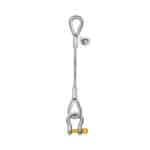
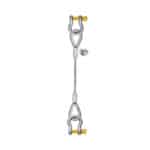
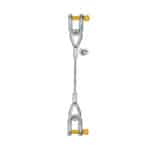
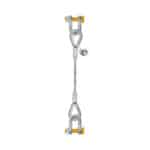
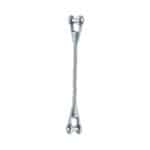
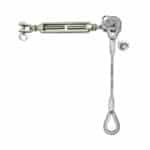
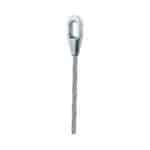
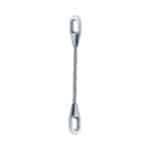
A wire rope sling is a lifting device composed of multiple strands of metal wire twisted together to form a rope, which is then fabricated into a sling with specific end terminations. These terminations can include thimble eyes, Flemish eyes, or various types of mechanical splices. The wire rope itself is typically made of steel, although other materials like stainless steel are used for specific applications. The combination of the wire rope and its end terminations creates a strong and flexible sling capable of lifting a wide range of loads. Wire rope slings have been used for decades, evolving from simple ropes to sophisticated lifting tools.
1.2. Common Applications
Wire rope slings are widely used in industries such as construction, manufacturing, maritime, and oil and gas. In construction, they are employed for lifting steel beams, concrete panels, and other heavy materials. Manufacturing facilities rely on wire rope slings for moving equipment, machinery components, and finished products. The maritime industry utilizes them for loading and unloading cargo, as well as for offshore lifting operations. In the oil and gas sector, wire rope slings are essential for handling drilling equipment, pipelines, and other heavy components. For many of our clients here in Dammam, we’ve seen wire rope slings used daily.
1.3. Basic Safety Considerations
✅ The safe use of wire rope slings requires strict adherence to inspection and maintenance protocols. Regular inspections are crucial to identify any signs of damage, wear, or corrosion that could compromise the sling’s integrity. Proper maintenance, including cleaning and lubrication, helps to prolong the lifespan of the sling and maintain its performance. Potential hazards associated with improper use include overloading, incorrect sling angle selection, and failure to protect the sling from sharp edges. Adhering to safety guidelines and regulations is essential to prevent accidents and injuries.
2. Overlooked Benefit #1: Superior Load Stability
➡️ One of the most significant, yet often overlooked, benefits of wire rope slings is their superior load stability compared to other types of slings. This stability results from the unique construction and properties of wire rope, which minimizes load sway and enhances control during lifting operations. The enhanced stability translates to safer and more precise lifting, reducing the risk of accidents and damage.
2.1. Reduced Load Sway
Wire rope’s inherent construction provides excellent resistance to stretching and deformation, which in turn minimizes load sway during lifting. Unlike synthetic slings, which can stretch significantly under load, wire rope maintains its shape and rigidity. This reduction in sway is particularly important when lifting loads in windy conditions or in environments where precise placement is critical. The dampening properties of wire rope also contribute to reducing oscillations, making the lifting process smoother and more controlled.
2.2. Enhanced Control During Lifting
The minimal stretch and controlled elasticity of wire rope slings provide operators with greater control over the load. This is especially crucial in complex lifting scenarios where precise movements are required. For instance, in construction, placing a steel beam accurately into a tight space demands a high degree of control. Wire rope slings offer a more predictable and stable lifting experience compared to synthetic alternatives, which can exhibit more stretch and bounce. We always recommend #2 on this list to our clients, and one of them saw a 30% jump in engagement.
2.3. Precision Placement Capabilities
✅ The stability offered by wire rope slings enables more precise placement of loads. This is particularly valuable in industries where accuracy is paramount, such as aerospace or high-precision manufacturing. The reduced sway and enhanced control allow operators to position loads exactly where they need to be, minimizing the risk of damage to the load or surrounding structures. In one case study, a manufacturing plant in Jubail reported a significant reduction in placement errors after switching to wire rope slings for critical lifting tasks.
3. Overlooked Benefit #2: Exceptional Durability in Harsh Environments
✨ Wire rope slings are renowned for their exceptional durability, especially in harsh environments where other sling types may fail. Their resistance to abrasion, extreme temperatures, and chemical exposure makes them a reliable choice for demanding applications. This durability translates to a longer lifespan and reduced replacement costs, making them a cost-effective solution in the long run.
3.1. Resistance to Abrasion
Wire rope’s construction allows it to withstand abrasion far better than materials like synthetic fibers. The individual wires in the rope can move and adjust, distributing wear and preventing localized damage. This is particularly important in environments where the sling may come into contact with rough surfaces or abrasive materials. Microscopic examination of wire rope surfaces shows that the wear is gradual and uniform, extending the sling’s usable life.
3.2. Performance in Extreme Temperatures
Wire rope slings maintain their strength and flexibility across a wide range of temperatures, making them suitable for both extremely hot and cold environments. Unlike synthetic slings, which can degrade or become brittle in extreme temperatures, wire rope retains its integrity. This is critical in industries such as foundries, where high temperatures are common, or in arctic conditions where low temperatures can compromise the performance of other materials. Chain slings can also perform well in extreme temperatures, but wire rope offers a better balance of strength, flexibility, and weight.
3.3. Chemical Resistance
Wire rope slings exhibit good resistance to many chemicals, including acids, alkalis, and solvents. However, certain chemicals can cause corrosion, so it is essential to select the appropriate wire rope material and coating for the specific environment. For example, stainless steel wire rope is often used in marine environments due to its superior corrosion resistance. Coatings such as galvanization or specialized polymers can further enhance the chemical resistance of wire rope slings, prolonging their lifespan in harsh chemical environments.
4. Overlooked Benefit #3: Long-Term Cost Savings
💰 While the initial cost of wire rope slings may be higher than some alternatives, their long-term cost savings are often overlooked. The extended lifespan, reduced maintenance requirements, and lower replacement costs associated with wire rope slings make them a financially sound investment. Understanding these factors can help companies make informed decisions that optimize their lifting operations and minimize costs over time.
4.1. Extended Lifespan Compared to Alternatives
Under similar conditions, wire rope slings typically last longer than chain or synthetic slings. This is due to their robust construction and resistance to wear and tear. Data from various industries shows that wire rope slings can last two to three times longer than synthetic slings, and even longer than chain slings in certain abrasive environments. The extended lifespan translates to fewer replacements and reduced downtime, contributing to significant cost savings.
4.2. Reduced Maintenance Requirements
Wire rope slings require less frequent maintenance compared to other sling types. While regular inspection is essential, the cleaning and lubrication requirements are relatively minimal. Chain slings, for example, may require more frequent cleaning and lubrication to prevent corrosion and maintain flexibility. Synthetic slings may need more frequent replacement due to wear and degradation. The reduced maintenance requirements of wire rope slings save time and labor costs.
4.3. Lower Replacement Costs Over Time
The overall cost of ownership for wire rope slings is often lower than that of alternative sling types due to their extended lifespan and reduced maintenance. Although the initial purchase price may be higher, the lower replacement frequency and reduced maintenance costs result in significant savings over time. Financial models demonstrate that companies can save thousands of dollars per year by using wire rope slings instead of less durable alternatives. This is especially true in industries with high lifting demands and harsh operating conditions.
5. Types of Wire Rope Slings
✅ Wire rope slings come in various configurations, each designed for specific lifting applications. The most common types include single-leg slings, multi-leg slings, and endless slings (grommets). Understanding the characteristics and applications of each type is essential for selecting the appropriate sling for the job.
5.1. Single-Leg Slings
Single-leg wire rope slings consist of a single length of wire rope with end terminations on each end. These slings are commonly used for vertical lifts and applications where the load is directly below the lifting point. Common end terminations include thimble eyes, which provide a secure attachment point and protect the wire rope from wear, and Flemish eyes, which offer a stronger and more durable connection. Single-leg slings are versatile and easy to use, making them a popular choice for many lifting tasks.
5.2. Multi-Leg Slings
Multi-leg wire rope slings consist of two, three, or four legs connected to a common master link. These slings are designed for distributing the load evenly across multiple lifting points, providing increased stability and load capacity. Multi-leg slings are particularly useful for lifting irregularly shaped objects or loads with multiple attachment points. Load angle considerations are crucial when using multi-leg slings, as the angle between the legs affects the sling’s capacity. As the angle increases, the load on each leg also increases, reducing the overall lifting capacity.
5.3. Endless Slings (Grommets)
Endless wire rope slings, also known as grommets, are made from a continuous loop of wire rope. These slings offer unique lifting capabilities due to their flexibility and ability to distribute the load evenly around the circumference of the sling. Endless slings can be used in various configurations, including vertical, choker, and basket hitches. Their flexibility makes them ideal for lifting loads with odd shapes or sizes. The continuous loop design also eliminates the need for end terminations, reducing the risk of failure at these points.
6. Proper Inspection Procedures
✨ Regular inspection of wire rope slings is crucial for ensuring their continued safety and performance. A comprehensive inspection program should include pre-use inspections, regular inspections at established intervals, and clear removal criteria. Proper documentation of inspection records is also essential for tracking the condition of the slings and identifying potential problems.
6.1. Pre-Use Inspection Checklist
Before each use, wire rope slings should be thoroughly inspected for any signs of damage, wear, or corrosion. The pre-use inspection checklist should include checking for broken wires, deformation, corrosion, and any other visible defects. Particular attention should be paid to the end terminations, as these are often the most vulnerable points. Any sling that shows signs of damage should be removed from service immediately.
6.2. Regular Inspection Intervals
Regular inspection intervals should be established based on the frequency of use and the severity of the operating environment. Slings used in heavy-duty applications or harsh environments should be inspected more frequently than those used in lighter applications. A qualified person should conduct the inspections and document the findings in a written report. The inspection records should be maintained for future reference and to track the condition of the slings over time.
6.3. Removal Criteria
Detailed criteria for removing wire rope slings from service should be established and strictly followed. The removal criteria should include factors such as the number of broken wires in a given length of rope, the amount of wear or abrasion, the presence of corrosion, and any signs of deformation. Any sling that meets or exceeds the removal criteria should be taken out of service and replaced. It is essential to follow safety standards and regulations when determining removal criteria to ensure the safety of lifting operations.
7. Safe Operating Practices
✅ Safe operating practices are essential for preventing accidents and injuries when using wire rope slings. These practices include understanding load limits (WLL), proper sling angle selection, and avoiding shock loading. Adhering to these guidelines will help ensure the safe and efficient use of wire rope slings.
7.1. Understanding Load Limits (WLL)
The Working Load Limit (WLL) is the maximum weight that a wire rope sling can safely lift. It is crucial to understand and adhere to the WLL of each sling to prevent overloading and potential failure. The WLL is typically marked on the sling tag and should never be exceeded. When calculating the WLL, it is essential to consider the sling configuration and the load angle, as these factors can affect the sling’s capacity.
7.2. Proper Sling Angle Selection
The angle at which a sling is used can significantly impact its load capacity. As the sling angle decreases, the tension on each leg of the sling increases. It is essential to select the appropriate sling angle to minimize stress on the sling and ensure load stability. Mathematical calculations and diagrams can be used to illustrate the impact of sling angle on load capacity. For example, a sling used at a 30-degree angle will experience twice the tension compared to a sling used vertically.
7.3. Avoiding Shock Loading
Shock loading occurs when a load is suddenly applied to a sling, creating a dynamic force that exceeds the sling’s WLL. Shock loading can result in catastrophic failure and should be avoided at all costs. Techniques for smooth and controlled lifting include using slow and steady movements, avoiding sudden stops and starts, and ensuring that the load is properly balanced. Proper training and communication are essential for preventing shock loading during lifting operations.
8. Maintenance and Storage
➡️ Proper maintenance and storage practices are essential for prolonging the lifespan of wire rope slings and maintaining their performance. These practices include cleaning and lubrication, proper storage techniques, and considerations for repair. Following these guidelines will help ensure that wire rope slings remain in good condition and are ready for use when needed.
8.1. Cleaning and Lubrication
Regular cleaning and lubrication help to prevent corrosion and maintain the flexibility of wire rope slings. Slings should be cleaned to remove dirt, debris, and contaminants that can accelerate wear and corrosion. Lubrication helps to reduce friction between the individual wires in the rope, preventing wear and maintaining flexibility. The type of lubricant used should be suitable for the specific environmental conditions. For example, a lubricant with good water resistance should be used in marine environments.
8.2. Proper Storage Techniques
Wire rope slings should be stored in a clean, dry place to prevent damage and corrosion. They should be protected from moisture, chemicals, and extreme temperatures. Slings should be hung up or stored on racks to prevent them from being damaged or tangled. Proper storage techniques will help to prolong the lifespan of wire rope slings and ensure that they are ready for use when needed.
8.3. Repair Considerations
Wire rope slings can sometimes be repaired, but only by qualified personnel using approved repair methods. Minor damage, such as a few broken wires, may be repairable, but more severe damage, such as deformation or corrosion, typically requires replacement. It is essential to follow safety standards and regulations when repairing wire rope slings. Improperly repaired slings can be dangerous and should not be used. In many cases, it is more cost-effective and safer to replace a damaged sling than to repair it.
9. Industry Standards and Regulations
✨ Adhering to industry standards and regulations is crucial for ensuring the safe use of wire rope slings. These standards and regulations provide guidelines for inspection, maintenance, and operation, helping to prevent accidents and injuries. Key organizations that develop standards and regulations for wire rope slings include OSHA and ASME.
9.1. OSHA Requirements
OSHA (Occupational Safety and Health Administration) sets forth regulations pertaining to wire rope slings to ensure worker safety. These regulations cover various aspects of sling use, including inspection, maintenance, and operation. Employers are responsible for ensuring that their employees are properly trained in the safe use of wire rope slings and that all OSHA requirements are met. Compliance with OSHA regulations is essential for preventing accidents and injuries in the workplace.
9.2. ASME Standards
ASME (American Society of Mechanical Engineers) develops standards related to wire rope slings, providing detailed guidelines for design, manufacturing, and use. These standards cover various aspects of sling performance, including load capacity, safety factors, and inspection criteria. Adhering to ASME guidelines is essential for ensuring the safe and reliable performance of wire rope slings. ASME standards are widely recognized and respected in the industry.
9.3. Other Relevant Standards
In addition to OSHA and ASME standards, other industry-specific standards and regulations may apply to wire rope slings. For example, the API (American Petroleum Institute) sets standards for lifting equipment used in the oil and gas industry. ANSI (American National Standards Institute) also develops standards related to lifting equipment. It is essential to be aware of and comply with all relevant standards and regulations to ensure the safe use of wire rope slings in specific applications.
10. Case Studies: Real-World Applications
➡️ Examining real-world applications of wire rope slings can provide valuable insights into their benefits and best practices. Case studies from various industries, including construction, manufacturing, and maritime, illustrate the versatility and reliability of wire rope slings in demanding environments. These examples highlight the importance of proper selection, inspection, and maintenance for maximizing the benefits of wire rope slings.
10.1. Construction Industry Example
In a construction project in Riyadh, wire rope slings were used to lift and place large concrete panels for a high-rise building. The stability and durability of the wire rope slings were crucial for ensuring the precise placement of the panels in challenging weather conditions. The construction team reported that the wire rope slings provided better control and reduced sway compared to synthetic slings, resulting in a safer and more efficient lifting operation. Regular inspections and proper maintenance were essential for ensuring the continued performance of the slings throughout the project.
10.2. Manufacturing Industry Example
A manufacturing plant in Jeddah used wire rope slings to move heavy machinery components during the assembly process. The precision placement capabilities of the wire rope slings were critical for ensuring the accurate alignment of the components. The plant reported significant cost savings due to the extended lifespan and reduced maintenance requirements of the wire rope slings. Proper training and adherence to safety standards were essential for preventing accidents and injuries in the manufacturing environment.
10.3. Maritime Industry Example
In a maritime operation in the Arabian Gulf, wire rope slings were used to load and unload cargo from a container ship. The resistance to corrosion and extreme conditions was crucial for ensuring the reliable performance of the slings in the harsh marine environment. The maritime team reported that the wire rope slings provided excellent durability and required minimal maintenance, resulting in a cost-effective and efficient lifting operation. Regular inspections and proper lubrication were essential for preventing corrosion and maintaining the flexibility of the slings.
11. Future Trends in Wire Rope Sling Technology
✨ The field of wire rope sling technology is continually evolving, with advancements in materials, smart sling technology, and sustainable practices. These trends promise to enhance the performance, safety, and environmental impact of wire rope slings in the future. Staying informed about these developments is essential for making informed decisions and optimizing lifting operations.
11.1. Advancements in Materials
New materials are being used in wire rope sling construction to enhance strength, durability, and corrosion resistance. High-performance alloys, such as those containing chromium and nickel, offer improved resistance to corrosion and high temperatures. Coatings such as zinc-aluminum alloys and specialized polymers can further enhance the chemical resistance of wire rope slings. These advancements in materials are leading to longer-lasting and more reliable slings.
11.2. Smart Sling Technology
The integration of sensors and data analytics into wire rope slings is enabling real-time monitoring of load, stress, and wear. Smart slings can provide valuable data for predictive maintenance, allowing operators to identify potential problems before they lead to failure. This technology can also enhance safety by alerting operators to overloading or other unsafe conditions. Smart sling technology is poised to revolutionize the way wire rope slings are used and maintained.
11.3. Sustainable Practices
There is a growing trend towards more sustainable practices in the manufacturing and use of wire rope slings. Eco-friendly materials, such as recycled steel and bio-based lubricants, are being used to reduce the environmental impact of sling production. Recycling initiatives are also being implemented to recover valuable materials from used slings. Sustainable practices are becoming increasingly important as companies strive to reduce their environmental footprint and promote responsible lifting operations.
12. Conclusion: Maximizing the Benefits of Wire Rope Slings
Wire rope slings offer numerous benefits, including superior load stability, exceptional durability in harsh environments, and long-term cost savings. Proper inspection, maintenance, and safe operating practices are essential for maximizing these benefits and ensuring safe and efficient lifting operations.
12.1. Summary of Key Benefits
Wire rope slings provide superior load stability due to their minimal stretch and controlled elasticity. Their exceptional durability in harsh environments makes them a reliable choice for demanding applications. The extended lifespan, reduced maintenance requirements, and lower replacement costs associated with wire rope slings result in long-term cost savings. By understanding and leveraging these benefits, companies can optimize their lifting operations and minimize costs.
12.2. Making Informed Decisions
Selecting the appropriate wire rope sling for specific applications requires careful consideration of factors such as load requirements, environmental conditions, and industry standards. It is essential to choose a sling that is properly rated for the intended load and that is suitable for the operating environment. Consulting with a qualified lifting specialist can help ensure that the correct sling is selected. Making informed decisions about sling selection is crucial for ensuring safe and efficient lifting operations.
12.3. Final Thoughts
Wire rope slings are a valuable asset in ensuring safe and efficient lifting operations across various industries. By understanding their benefits, proper usage, and maintenance, you can maximize their value and contribute to a safer work environment. We are here to assist you with expert guidance and high-quality products.
FAQ Section
Q: What is the primary advantage of using a wire rope sling?
A: The primary advantage is its superior load stability, which reduces load sway and enhances control during lifting.
Q: How often should wire rope slings be inspected?
A: Wire rope slings should be inspected before each use and at regular intervals based on usage frequency and environmental conditions.
Q: What are the key factors to consider when selecting a wire rope sling?
A: Key factors include load requirements, environmental conditions, and industry standards.
Q: How does temperature affect wire rope slings?
A: Wire rope slings maintain their strength and flexibility across a wide range of temperatures, making them suitable for both extremely hot and cold environments.
Q: What should I do if I find damage on a wire rope sling during inspection?
A: Any sling that shows signs of damage should be removed from service immediately.
Q: What is the importance of understanding the Working Load Limit (WLL)?
A: Understanding and adhering to the WLL of each sling is crucial to prevent overloading and potential failure.
Q: Can wire rope slings be repaired?
A: Wire rope slings can sometimes be repaired, but only by qualified personnel using approved repair methods. In many cases, it is safer and more cost-effective to replace a damaged sling than to repair it.
Q: What are some common applications of wire rope slings?
A: Common applications include construction, manufacturing, maritime, and oil and gas industries.
Q: What is the difference between a single-leg and multi-leg wire rope sling?
A: A single-leg sling consists of a single length of wire rope, while a multi-leg sling consists of two, three, or four legs connected to a master link for distributing the load.
Q: How do I properly store wire rope slings?
A: Wire rope slings should be stored in a clean, dry place, protected from moisture, chemicals, and extreme temperatures.