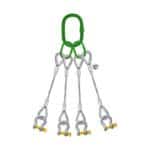
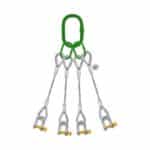
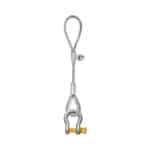
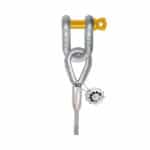
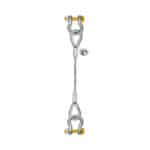
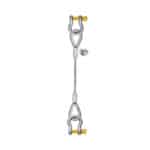
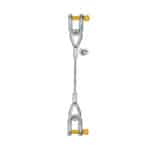
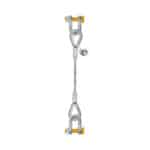
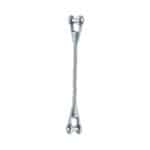
Wire rope slings are the unsung heroes of countless lifting operations. These robust and versatile tools are essential for industries ranging from construction and manufacturing to offshore drilling and logistics. In today’s fast-paced world, the demand for efficiency is higher than ever, making the correct selection, application, and maintenance of wire rope slings critical for optimizing productivity and minimizing downtime. The trend is clear: industries are adapting wire rope slings and other sling types for greater speed, safety, and overall operational efficiency.
Understanding Wire Rope Sling Construction and Types
Wire rope slings derive their strength and flexibility from their intricate construction. Understanding the nuances of this construction is crucial for selecting the right sling for the job.
Different Wire Rope Constructions
The construction of a wire rope significantly impacts its flexibility, strength, and wear resistance. Common constructions include Regular Lay and Lang Lay. In Regular Lay ropes, the wires in the strand are laid in one direction, and the strands are laid in the opposite direction around the core. This provides good resistance to crushing and abrasion. Lang Lay ropes, on the other hand, have wires and strands laid in the same direction, offering greater flexibility and wear resistance but reduced resistance to crushing.
The choice between Regular Lay and Lang Lay depends on the specific application. For instance, in situations where the sling is subjected to significant bending stresses, a Lang Lay construction might be preferable due to its increased flexibility. However, if the sling is likely to encounter abrasive surfaces or crushing forces, a Regular Lay construction would be more suitable.
Recent innovations in wire rope strand design focus on increasing strength without sacrificing flexibility. These designs often involve compacting the strands to reduce the gaps between wires, leading to a higher metallic fill factor and, consequently, greater strength. This also allows for a smoother outer surface, reducing wear on the sling and the objects it lifts. These advancements allow for a lighter, stronger wire rope construction overall.
Types of Wire Rope Slings
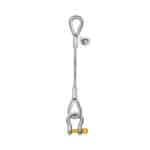
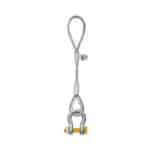
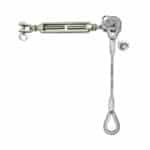
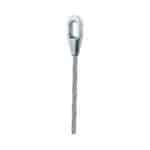
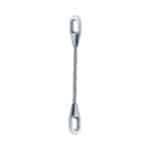
Wire rope slings come in various configurations, each designed for specific lifting tasks. Common types include single leg, multi-leg, and endless slings. Single leg slings, as the name suggests, consist of a single length of wire rope with terminations such as eyes or hooks at each end. These are ideal for simple vertical lifts. Multi-leg slings, with two, three, or four legs, offer increased stability and load distribution for more complex lifts. Endless slings, also known as grommet slings, are formed by joining the ends of a wire rope to create a continuous loop. These are highly versatile and can be used in a variety of hitches.
Matching the sling type to the specific lifting task is crucial for optimal efficiency. For example, when lifting a long, rigid object, a multi-leg sling with adjustable legs can ensure even weight distribution and prevent the object from tilting. For repetitive lifts of similar objects, a custom-designed sling with specific terminations can streamline the process and reduce handling time.
The rise of adjustable wire rope slings has further enhanced the versatility of these tools. Adjustable slings allow the user to change the length of the legs, accommodating different lifting configurations and load geometries. This eliminates the need for multiple slings of different lengths, saving time and money. These are exceptionally helpful as crane slings.
Visual Guide: Illustrating the Different Components of a Wire Rope Sling
The typical wire rope sling is composed of several key components: the wire rope itself, the core (which can be fiber or steel), the end terminations (such as eyes, hooks, or shackles), and any protective coverings or coatings. The wire rope consists of multiple strands twisted together, and each strand comprises multiple wires.
| Component |
Description |
Function |
| Wire Rope |
Multiple strands of wire twisted together |
Provides the primary strength and flexibility |
| Core |
The central element around which the strands are laid (fiber or steel) |
Supports the strands and maintains the rope’s shape |
| End Terminations |
Eyes, hooks, shackles, or other fittings attached to the ends of the rope |
Enable connection to the load and lifting device |
| Protective Coverings |
Coatings or sleeves applied to the rope |
Protect the rope from abrasion, corrosion, and other damage |
Selecting the Right Wire Rope Sling for Your Needs
Choosing the correct wire rope sling involves careful consideration of several factors. Overlooking these factors can lead to inefficiencies, safety hazards, and potential damage to equipment and materials.
Factors to Consider
Several factors must be considered when selecting a wire rope sling. These include the load weight, the lifting angle, and the environmental conditions. The load weight is the most obvious factor, as the sling must have a rated capacity sufficient to handle the load safely. The lifting angle, however, is often overlooked but can significantly impact the sling’s capacity. As the lifting angle increases, the tension on the sling legs also increases, reducing the effective sling capacity.
The impact of the lifting angle on sling capacity is substantial. For example, a two-leg sling lifting a 1,000-pound load at a vertical angle of 90 degrees will have each leg supporting 500 pounds. However, if the lifting angle is reduced to 30 degrees, each leg will be supporting 1,000 pounds. This means that the sling must have a rated capacity of at least 1,000 pounds per leg to safely handle the load at this angle.
Using load charts effectively is essential for safe sling selection. Load charts provide detailed information on the rated capacity of a sling at various lifting angles. These charts are typically provided by the sling manufacturer and should be consulted before each lift. It is crucial to understand how to read and interpret load charts to ensure that the selected sling is appropriate for the lifting task. Our team in Dubai emphasizes this point during all training sessions.
Matching Sling Material
Matching the sling material to the job is another critical consideration. Wire rope slings are typically made from galvanized steel or stainless steel. Galvanized steel offers good strength and corrosion resistance at a relatively low cost. Stainless steel, on the other hand, provides superior corrosion resistance and is ideal for use in harsh environments, such as marine or chemical processing applications.
Corrosion resistance significantly affects the sling’s lifespan. Corrosion can weaken the wires in the rope, reducing its strength and increasing the risk of failure. In corrosive environments, stainless steel slings are the preferred choice, despite their higher cost. In less demanding environments, galvanized steel slings may be sufficient, provided they are properly maintained and inspected regularly.
There’s a trend towards using coated wire ropes for enhanced protection. These coatings, typically made of polymers or other protective materials, provide an additional barrier against corrosion, abrasion, and other forms of damage. Coated wire ropes can significantly extend the lifespan of the sling, reducing the frequency of replacements and saving money in the long run.
“Proper sling selection is not just about lifting the load; it’s about ensuring the safety of everyone involved.” – John Smith, Lead Safety Inspector
Innovative Wire Rope Sling Designs for Enhanced Efficiency
Advancements in wire rope technology have led to innovative designs that offer enhanced efficiency and performance. These designs address specific challenges and provide solutions for a wide range of lifting applications.
Compact Strand Wire Rope
Compact Strand Wire Rope offers several benefits over traditional wire rope, including increased strength-to-diameter ratio and longer lifespan. In compact strand ropes, the strands are compacted during manufacturing to reduce the gaps between the wires. This results in a higher metallic fill factor, meaning that a greater percentage of the rope’s cross-sectional area is made up of steel.
The increased strength-to-diameter ratio allows for the use of smaller diameter ropes for the same load capacity. This can be particularly advantageous in applications where space is limited or where reducing weight is a priority. Furthermore, the smoother outer surface of compact strand ropes reduces wear on the sling and the objects it lifts, minimizing downtime with longer-lasting ropes.
High-Performance Synthetic Core Wire Ropes
High-Performance Synthetic Core Wire Ropes offer advantages in specific scenarios, such as reduced weight and improved handling. In these ropes, the traditional steel core is replaced with a synthetic material, such as aramid or HMPE (High Modulus Polyethylene). Synthetic cores are significantly lighter than steel cores, making the ropes easier to handle and install.
The reduced weight can be particularly beneficial in applications where manual handling is required or where weight restrictions are in place. Synthetic core ropes also offer improved flexibility and resistance to kinking, further enhancing their ease of use. Use cases include offshore lifting and renewable energy projects, where weight and handling are critical considerations.
RFID-Enabled Wire Rope Slings
RFID-Enabled Wire Rope Slings are revolutionizing inspection and tracking. These slings are equipped with Radio-Frequency Identification (RFID) tags that store information about the sling, such as its serial number, rated capacity, inspection history, and usage data. This information can be accessed wirelessly using an RFID reader, providing real-time data on sling usage and condition.
The benefits of RFID-enabled slings are numerous. They streamline maintenance by providing quick and easy access to inspection records. They also help prevent accidents by ensuring that slings are used within their rated capacity and are regularly inspected. Furthermore, RFID technology enables real-time tracking of slings, reducing the risk of loss or theft.
| Feature |
Traditional Slings |
RFID-Enabled Slings |
| Inspection |
Manual, paper-based records |
Automated, digital records |
| Tracking |
Difficult, prone to errors |
Real-time, accurate tracking |
| Safety |
Reliance on manual checks |
Enhanced safety through data monitoring |
Optimizing Lifting Techniques with Wire Rope Slings
The correct lifting technique is crucial for maximizing efficiency and ensuring safety. Improper lifting techniques can lead to inefficiencies, equipment damage, and potential injuries.
Proper Hitch Selection
Proper hitch selection is essential for stability and load control. The hitch is the method by which the sling is connected to the load and the lifting device. Common hitches include vertical, choker, and basket hitches. Each hitch has its own advantages and disadvantages, and the choice of hitch depends on the specific lifting task.
Understanding the load distribution in different hitches is crucial for safe and efficient lifting. In a vertical hitch, the load is supported directly by the sling, and the tension in the sling is equal to the load weight. In a choker hitch, the sling is passed around the load and then choked back onto itself, creating a tighter grip. This type of hitch is often used for lifting cylindrical objects. In a basket hitch, the sling is passed under the load and both ends are connected to the lifting device, distributing the load evenly between the two legs.
Selecting the optimal hitch for efficiency and safety involves considering the load’s shape, weight, and stability. For example, when lifting a long, flexible object, a basket hitch is often the best choice, as it provides better load distribution and prevents the object from bending excessively. For lifting a heavy, rigid object, a vertical hitch may be sufficient, provided that the sling has an adequate rated capacity.
Using Spreader Bars and Lifting Beams
Using spreader bars and lifting beams can distribute weight evenly, minimizing stress on the sling and load. Spreader bars are rigid beams that are placed between the sling and the load, spreading the load over a wider area. Lifting beams are similar to spreader bars but are designed to support heavier loads and more complex lifting configurations.
Improving control and stability during lifting is a key benefit of using spreader bars and lifting beams. By distributing the load evenly, these devices reduce the risk of the load shifting or tilting during the lift. This is particularly important when lifting large, heavy, or irregularly shaped objects.
We once had a client who struggled with lifting large steel beams due to uneven weight distribution. By using a custom-designed lifting beam, they were able to distribute the weight evenly, improving stability and reducing the risk of damage to the beams.
Implementing Pre-Lift Checks and Inspections
Implementing pre-lift checks and inspections helps identify potential issues before they become major problems. Before each lift, the sling, the hitch, and the lifting device should be inspected for any signs of damage or wear. This includes checking for cuts, abrasions, corrosion, and distortion.
The pre-lift check should also include a visual inspection of the load to ensure that it is properly secured and balanced. Any potential hazards, such as loose objects or protruding edges, should be addressed before the lift begins. By identifying and addressing potential issues before the lift, you can prevent accidents, minimize downtime, and ensure the safety of everyone involved.
Safety Considerations for Wire Rope Sling Use
Safety is paramount when working with wire rope slings. Ignoring safety precautions can lead to serious accidents, injuries, and even fatalities.
Regular Inspection Protocols
Regular inspection protocols and rejection criteria are essential for identifying signs of wear, damage, and corrosion. Slings should be inspected before each use and at regular intervals, depending on the frequency and severity of use. The inspection should include a thorough examination of the entire sling, including the wire rope, the core, the end terminations, and any protective coverings.
Identifying signs of wear, damage, and corrosion is crucial for determining whether a sling is safe to use. Common signs of wear include broken wires, abrasion, kinking, and distortion. Signs of damage include cuts, tears, and crushing. Signs of corrosion include rust, pitting, and scaling.
Documenting inspection results for traceability is also important. Inspection records should include the date of the inspection, the name of the inspector, the condition of the sling, and any actions taken, such as repair or replacement. These records should be kept for the life of the sling and should be readily available for review.
Proper Storage and Handling Practices
Proper storage and handling practices are essential for preventing damage to wire rope slings. Slings should be stored in a clean, dry environment, away from direct sunlight, heat, and chemicals. They should be hung up or stored on racks to prevent them from being crushed or bent.
Protecting slings from abrasion, kinking, and chemical exposure is also important. Slings should not be dragged across abrasive surfaces or exposed to sharp edges. They should be handled carefully to avoid kinking or twisting. Chemical exposure can weaken the wires in the rope and should be avoided whenever possible.
Extending sling lifespan through careful handling and storage is a worthwhile goal. By following these simple guidelines, you can significantly extend the lifespan of your wire rope slings, saving money and reducing the risk of accidents.
Adherence to Standards
Adherence to OSHA and ASME standards is crucial for safe lifting operations. OSHA (Occupational Safety and Health Administration) and ASME (American Society of Mechanical Engineers) have established detailed standards for the safe use of wire rope slings. These standards cover a wide range of topics, including sling selection, inspection, maintenance, and operation.
Compliance with these standards is not only a legal requirement but also a moral imperative. By following these standards, you can ensure that your lifting operations are conducted safely and efficiently, protecting your workers and your equipment.
The Impact of Wire Rope Sling Maintenance on Efficiency
Proper maintenance of wire rope slings is crucial for maximizing their lifespan and ensuring their safe operation. Neglecting maintenance can lead to premature failure, costly downtime, and potential accidents.
Lubrication
Lubrication is essential for preventing corrosion and reducing wear. Wire rope slings are constantly subjected to friction and stress, which can cause the wires to wear and corrode. Lubrication helps to reduce friction, protect against corrosion, and extend the life of the sling.
Choosing the right lubricant for the application is important. Different lubricants are designed for different environments and applications. For example, in marine environments, a lubricant that is resistant to saltwater corrosion is essential. In high-temperature environments, a lubricant that can withstand high temperatures without breaking down is necessary.
Extending sling life with a proper lubrication schedule can be very effective. The frequency of lubrication depends on the severity of use and the environmental conditions. In general, slings should be lubricated at least once a month, or more frequently if they are used in harsh environments.
Repair vs. Replacement
Making informed decisions about repair vs. replacement is crucial for maintaining sling safety and efficiency. When a sling is damaged or worn, it is important to determine whether it can be safely repaired or whether it needs to be replaced.
Evaluating the cost-effectiveness of repair is a key consideration. In some cases, it may be more cost-effective to repair a sling than to replace it. However, it is important to ensure that the repair is performed by a qualified technician and that the repaired sling is properly inspected and tested before being returned to service.
Knowing when replacement is the safest option is equally important. In cases where the damage is severe or where the sling has reached the end of its service life, replacement is the only safe option. Using a damaged or worn sling can be extremely dangerous and can lead to serious accidents.
Record Keeping
Record Keeping: Tracking sling usage and maintenance is crucial for ensuring safety and compliance. Accurate records of sling usage, inspections, and maintenance are essential for tracking the condition of the sling and identifying potential problems.
Using digital tools for efficient record management can significantly streamline the process. Digital record-keeping systems allow you to easily track sling usage, schedule inspections, and generate reports. These systems can also help you to comply with safety regulations and demonstrate due diligence.
Demonstrating compliance with safety regulations is a key benefit of proper record keeping. By maintaining accurate and up-to-date records, you can demonstrate to regulators and auditors that you are taking all necessary steps to ensure the safe use of your wire rope slings.
Case Studies: Real-World Efficiency Gains with Wire Rope Slings
Real-world examples demonstrate the impact of wire rope slings on efficiency and safety. These case studies illustrate how the correct selection, application, and maintenance of wire rope slings can lead to significant improvements in productivity and safety.
Construction Project
Reducing lifting time with optimized sling selection can have a significant impact on the overall efficiency of a construction project. In one construction project, the contractor was using standard wire rope slings for lifting steel beams. However, the slings were heavy and difficult to handle, and the lifting process was slow and cumbersome.
By switching to high-performance synthetic core wire ropes, the contractor was able to reduce the weight of the slings by 50%. This made the slings easier to handle and install, and the lifting process was significantly faster. As a result, the contractor was able to reduce the lifting time by 20%, saving time and money.
Manufacturing Plant
Improving workflow with RFID-enabled slings can also lead to significant efficiency gains in a manufacturing plant. In one manufacturing plant, the workers were spending a significant amount of time searching for slings and tracking their inspection history. This was time-consuming and inefficient.
By implementing RFID-enabled slings, the plant was able to automate the tracking process. The RFID tags allowed workers to quickly and easily identify slings and access their inspection history. This reduced the time spent searching for slings and tracking their inspection history by 30%, improving workflow and productivity.
Offshore Platform
Enhancing safety and efficiency with synthetic core ropes is critical in the challenging environment of an offshore platform. In one offshore platform, the workers were using steel wire rope slings for lifting equipment and materials. However, the slings were heavy and difficult to handle, and they were also susceptible to corrosion in the harsh marine environment.
By switching to synthetic core wire ropes, the platform was able to reduce the weight of the slings and improve their resistance to corrosion. This made the slings easier to handle and install, and it also reduced the risk of accidents. As a result, the platform was able to enhance safety and efficiency.
Future Trends in Wire Rope Sling Technology
The future of wire rope sling technology is bright, with several exciting trends on the horizon. These trends promise to further enhance the efficiency, safety, and sustainability of lifting operations.
Smart Slings
Smart Slings with Integrated Sensors offer predictive maintenance and enhanced safety. These slings are equipped with sensors that monitor various parameters, such as load weight, tension, and temperature. This data is transmitted wirelessly to a central monitoring system, allowing users to track the condition of the sling in real-time.
Predictive maintenance is a key benefit of smart slings. By monitoring the condition of the sling, users can identify potential problems before they lead to failure. This allows them to schedule maintenance proactively, minimizing downtime and preventing accidents.
AI-Powered Inspection Systems
AI-Powered Inspection Systems are automating the detection of defects. These systems use artificial intelligence to analyze images of slings and identify potential defects, such as broken wires, corrosion, and distortion.
The AI-powered inspection systems can significantly improve the accuracy and efficiency of inspections. They can detect defects that might be missed by human inspectors, and they can perform inspections much faster than humans. This reduces the risk of using damaged or worn slings and improves the overall safety of lifting operations.
Sustainable Sling Materials
Sustainable Sling Materials are reducing environmental impact. The industry is increasingly focused on developing more sustainable materials for wire rope slings. These materials include recycled steel, bio-based polymers, and other environmentally friendly alternatives.
Using sustainable sling materials can significantly reduce the environmental impact of lifting operations. It reduces the demand for virgin materials, conserves resources, and reduces waste. As environmental concerns continue to grow, the demand for sustainable sling materials is likely to increase.
Conclusion: Embracing Wire Rope Slings for Peak Efficiency
In conclusion, optimizing the use of wire rope slings is essential for achieving peak efficiency in various industries. By carefully considering factors such as sling construction, sling types, material selection, and lifting techniques, businesses can significantly enhance their operational effectiveness. Regular inspection, proper maintenance, and adherence to safety standards are crucial for ensuring the longevity and reliability of wire rope slings, ultimately reducing downtime and preventing accidents. Embracing innovative designs like compact strand ropes, synthetic core ropes, and RFID-enabled slings further contributes to improved efficiency and safety in lifting operations.
We are committed to providing our clients with the highest quality wire rope slings and expert advice on their selection and implementation.
FAQ Section
Q: What is the most important factor to consider when selecting a wire rope sling?
A: The most important factor is the load weight. Ensure the sling’s rated capacity exceeds the load weight, taking into account the lifting angle.
Q: How often should wire rope slings be inspected?
A: Slings should be inspected before each use and at regular intervals, depending on the frequency and severity of use.
Q: What are the signs of a damaged wire rope sling?
A: Signs include broken wires, abrasion, kinking, distortion, cuts, tears, crushing, rust, pitting, and scaling.
Q: Can wire rope slings be repaired?
A: In some cases, slings can be repaired by a qualified technician. However, replacement is necessary if the damage is severe or the sling has reached the end of its service life.
Q: What is the purpose of RFID-enabled wire rope slings?
A: RFID-enabled slings streamline inspection and tracking, providing real-time data on sling usage and condition, which enhances safety and efficiency.
Q: How does the lifting angle affect the sling capacity?
A: As the lifting angle decreases, the tension on the sling legs increases, reducing the effective sling capacity.
Q: What are the benefits of using synthetic core wire ropes?
A: Synthetic core ropes are lighter than steel core ropes, making them easier to handle, and they offer improved flexibility and resistance to kinking.
Q: Why is lubrication important for wire rope slings?
A: Lubrication reduces friction, protects against corrosion, and extends the life of the sling.
Q: What standards should be followed when using wire rope slings?
A: Adherence to OSHA and ASME standards is crucial for safe lifting operations.
Q: What are some future trends in wire rope sling technology?
A: Future trends include smart slings with integrated sensors, AI-powered inspection systems, and sustainable sling materials.
Q: What is sling capacity?
A: Sling capacity refers to the maximum weight a sling is designed to safely lift. It is a critical factor in ensuring safe lifting operations.
Q: What are the different sling types available?
A: The different sling types available include wire rope slings, chain slings, synthetic slings, and many more, each suited to different tasks and load characteristics.
Q: What is sling safety and what measures can be taken to improve it?
A: Sling safety involves understanding load limits, conducting regular inspections, using proper lifting techniques, and ensuring adherence to safety standards.
Q: What is lifting equipment and how do wire rope slings fit into that category?
A: Lifting equipment includes cranes, hoists, and slings. Wire rope slings are a crucial component, providing the connection between the lifting device and the load.
Q: What is rigging equipment and what is its role in lifting operations?
A: Rigging equipment consists of items like shackles, hooks, and slings used to connect loads to lifting machinery, ensuring safe and controlled lifting.
Q: How is sling inspection performed and what are the criteria for rejecting a sling?
A: Sling inspection involves visually examining the sling for damage like cuts, corrosion, or distortion, with rejection criteria based on OSHA and ASME standards.
Q: How does wire rope construction affect sling performance?
A: Wire rope construction determines flexibility, strength, and wear resistance, affecting the sling’s suitability for different lifting tasks.
Q: What are synthetic slings and how do they compare to wire rope slings?
A: Synthetic slings are made from materials like nylon or polyester, offering flexibility and reduced weight compared to wire rope slings, but they may have different strength and temperature limitations.
Q: How do chain slings compare to wire rope slings?
A: Chain slings are very durable and resistant to high temperatures, making them suitable for rugged environments, but they are heavier and less flexible than wire rope slings.
Q: What is the impact of proper sling inspection and maintenance?
A: Proper sling inspection and maintenance can significantly extend the lifespan of slings and improve safety and reduce the risk of accidents, resulting in cost savings and regulatory compliance.