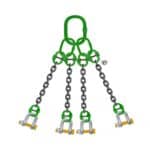
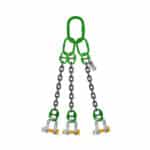
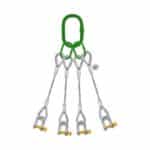
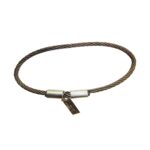
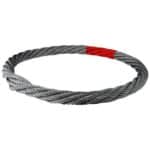
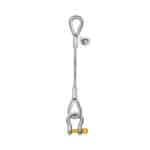
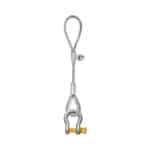
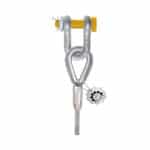
Wire rope slings are indispensable tools in various industries, from construction and manufacturing to maritime operations. However, their safe and effective use hinges on a thorough understanding of best practices and a diligent avoidance of common mistakes. These blunders can lead to catastrophic consequences, including severe injuries, property damage, and significant financial losses. Let’s look at a situation where proper practices were not followed.
Imagine a construction site where a crew was lifting a pre-fabricated concrete beam. The wire rope slings being used had not been inspected in weeks. One of the slings had several broken wires that were covered in grease, making them difficult to see. The rigger, eager to complete the job quickly, attached the slings without a second thought. As the crane began to lift the beam, the damaged sling snapped under the strain. The beam swung violently, narrowly missing several workers before crashing to the ground. Fortunately, no one was seriously hurt, but the incident caused significant delays and damage.
This near-miss serves as a stark reminder of the potential dangers associated with neglecting wire rope sling safety. This article serves as a comprehensive guide, shedding light on ten prevalent wire rope sling blunders and providing actionable strategies to mitigate these risks. By understanding these pitfalls and implementing the recommended precautions, you can significantly enhance the safety and efficiency of your lifting operations.
1. Neglecting Regular Inspections: The Silent Killer
✅ Regular inspections are the cornerstone of any safe wire rope sling program. Failing to conduct them is akin to ignoring a ticking time bomb. Over time, wire rope slings can degrade due to various factors, including wear and tear, corrosion, and mechanical damage. Without regular inspections, these issues can go unnoticed, leading to unexpected failures and potentially devastating consequences.
The “Set It and Forget It” Mentality
The “set it and forget it” mentality is a dangerous trap to fall into when it comes to sling maintenance. Assuming that a sling is safe simply because it was recently purchased or hasn’t been used extensively is a grave mistake. Environmental factors, improper storage, and even minor incidents can compromise the integrity of a wire rope sling over time. Regular inspection is crucial, regardless of usage frequency.
Frequency Matters
The recommended inspection frequency depends on several factors, including the intensity of sling usage, the environmental conditions, and the specific application. For slings used in demanding environments or for critical lifts, daily or pre-shift inspections are essential. For slings used less frequently, monthly or quarterly inspections may suffice. At SSTC, we advise clients to establish a documented inspection schedule based on a risk assessment, and that schedule should be strictly adhered to.
What to Look For
During inspections, pay close attention to the following signs of damage: broken wires (the most obvious sign), kinks (permanent distortions that weaken the rope), crushing (deformation caused by excessive pressure), corrosion (rust or other signs of chemical attack), and any other visible defects. Run a gloved hand along the sling to check for any hidden damage that might not be immediately apparent. It is also important to check for localized wear.
Documentation is Key
Documenting inspection findings is crucial for tracking the condition of wire rope slings over time. Keep detailed records of each inspection, including the date, the inspector’s name, the sling’s identification number, and any findings or observations. This information can help you identify trends, predict potential failures, and make informed decisions about sling maintenance and replacement.
Pro Tip
💡 A handy tool for wire rope inspection is a wire rope diameter card. This small, pocket-sized card features a series of calibrated slots that correspond to different wire rope diameters. By inserting the wire rope into the appropriate slot, you can quickly and easily determine if it has experienced any diameter reduction due to wear or damage. If the diameter is significantly reduced, it’s a clear indication that the sling should be removed from service.
2. Exceeding the Working Load Limit (WLL): A Recipe for Catastrophe
➡️ Exceeding the Working Load Limit (WLL) is one of the most dangerous mistakes you can make when using wire rope slings. The WLL is the maximum load that a sling is designed to safely handle. Exceeding this limit can lead to catastrophic sling failure, resulting in serious injuries or fatalities. Understanding WLL is vital to crane safety.
Understanding WLL
The Working Load Limit (WLL) is a critical safety parameter that should never be ignored. It represents the maximum weight a sling can safely lift under specific conditions. This limit is clearly marked on the sling’s identification tag. Always refer to the tag before each lift and ensure that the load weight does not exceed the WLL. Neglecting this simple step can have dire consequences.
Load Weight Estimation
Accurately estimating the weight of the load is paramount. Underestimating the weight can lead to unknowingly exceeding the WLL. Use calibrated scales or consult with engineers or manufacturers to obtain accurate weight information. When dealing with oddly shaped or complex loads, be extra cautious and err on the side of caution.
Sling Angle Impact
Sling angles have a significant impact on the effective load on each sling leg. As the angle between the slings increases, the load on each leg also increases. For example, at a sling angle of 60 degrees, each leg carries approximately 58% of the total load. At 90 degrees, each leg carries 71% of the load. It’s crucial to calculate the effective load based on the sling angles to ensure that the WLL is not exceeded.
Ignoring Load Charts
Load charts provide essential information about the safe lifting capacity of slings at different angles. These charts are typically provided by the sling manufacturer. Ignoring load charts and relying on guesswork is a recipe for disaster. Always consult the load chart before each lift to determine the safe lifting capacity for the specific sling configuration.
Real-World Example
Consider a scenario where a crew needs to lift a 4,000 lb machine using a two-leg wire rope sling. If the sling angle is 60 degrees, each leg will bear a load of approximately 2,320 lbs (4,000 lbs x 0.58). Therefore, each sling leg must have a WLL of at least 2,320 lbs to safely lift the machine. If the sling angle increases to 90 degrees, each leg will bear a load of 2,840 lbs, requiring slings with a higher WLL.
3. Improper Storage: Premature Aging
✅ Improper storage is a silent but significant factor that contributes to the premature aging and degradation of wire rope slings. Exposing slings to harsh environmental conditions, chemicals, or physical damage during storage can significantly reduce their lifespan and compromise their safety. Proper sling maintenance is more than just inspection.
The Elements at Work
Exposure to the elements, such as sunlight, rain, and extreme temperatures, can accelerate the degradation of wire rope slings. Sunlight can cause the rope’s core to dry out and weaken, while rain can lead to corrosion. Extreme temperatures can also affect the strength and flexibility of the wire rope. Proper storage practices can mitigate these effects.
Best Practices for Storage
Store wire rope slings in a clean, dry environment away from direct sunlight, rain, and chemicals. Ideally, the storage area should be climate-controlled to maintain a stable temperature and humidity level. Avoid storing slings on the ground, where they can be exposed to moisture and dirt. Also, be sure to keep your lifting gear in a safe place.
The Rack Solution
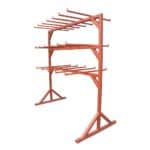
💡 A racking system is an excellent solution for storing wire rope slings. Racks provide a designated space for each sling, preventing them from being piled on top of each other and potentially damaged. The racks should be designed to support the weight of the slings without causing any deformation. Additionally, label each rack with the sling’s identification number for easy retrieval.
Visual Reminder
Proper sling storage not only extends the lifespan of your equipment but also saves money in the long run. By preventing premature degradation, you can reduce the frequency of sling replacements, saving on material costs and labor. Moreover, well-maintained slings are safer to use, reducing the risk of accidents and injuries.
Expert Quote
“Proper storage of wire rope slings is not just about organization; it’s about extending the life of your equipment and ensuring the safety of your operations. A little care goes a long way in preventing premature wear and tear.” – John Doe, Certified Rigging Inspector
4. Ignoring Environmental Factors: The Unseen Enemy
➡️ Environmental factors can have a significant impact on the integrity and lifespan of wire rope slings. Ignoring these factors can lead to accelerated degradation, corrosion, and ultimately, sling failure. It’s crucial to be aware of the environmental conditions in which slings are used and stored, and to take appropriate measures to mitigate their effects.
Chemical Exposure
Chemical exposure is a major concern for wire rope slings. Contact with corrosive chemicals, such as acids, alkalis, and solvents, can weaken the wire rope and lead to premature failure. It’s essential to select sling materials that are resistant to the specific chemicals present in the work environment. For example, stainless steel slings are more resistant to corrosion than carbon steel slings.
Temperature Extremes
Extreme temperatures can also affect the strength and flexibility of wire rope. High temperatures can cause the wire rope to lose its tensile strength, while low temperatures can make it brittle and prone to cracking. It’s important to consult the sling manufacturer’s specifications for temperature limits and to take appropriate precautions when using slings in extreme temperature conditions.
Abrasive Environments
Abrasive environments, such as those found in construction sites and mines, can cause significant wear and tear on wire rope slings. Contact with rough surfaces, sharp edges, and abrasive particles can gradually erode the wire rope, reducing its strength and lifespan. Regular rigging inspection is the best solution.
Mitigation Strategies
Several mitigation strategies can be employed to protect wire rope slings from environmental damage. Protective coatings, such as paint or galvanizing, can provide a barrier against corrosion. Sling covers, made from materials like nylon or polyester, can protect the wire rope from abrasion and chemical exposure. Additionally, regular cleaning and lubrication can help to prevent corrosion and maintain the sling’s flexibility.
Case Study
In a coastal construction project, wire rope slings were used to lift concrete panels. The slings were exposed to saltwater spray and high humidity, leading to rapid corrosion. The crew failed to recognize the signs of corrosion and continued to use the slings. One day, a sling snapped while lifting a heavy panel, causing it to fall and narrowly miss a worker. The incident highlighted the importance of considering environmental factors and implementing appropriate corrosion control measures.
5. Using Damaged Slings: Playing with Fire
✅ Using damaged slings, regardless of how minor the damage appears, is an extremely dangerous practice that can lead to catastrophic accidents. Damaged slings have a reduced lifting capacity and are more prone to failure. Prioritize sling safety above all else.
Identifying Damage
Regular rigging inspection is crucial for identifying damage to wire rope slings. Look for signs of broken wires, kinks, crushing, corrosion, and any other visible defects. Pay close attention to areas where the sling comes into contact with the load or other hardware, as these areas are more susceptible to damage. Even a small amount of damage can significantly weaken the sling.
Removal Criteria
Establish clear removal criteria for damaged slings. Any sling that exhibits signs of significant damage should be immediately removed from service. Specific removal criteria may vary depending on the sling manufacturer’s recommendations and industry standards, but generally, a sling should be removed if it has broken wires exceeding a certain threshold, significant corrosion, kinks, crushing, or any other condition that could compromise its integrity.
The “Just One More Lift” Mentality
The “just one more lift” mentality is a dangerous mindset that can lead to tragic consequences. Thinking that a damaged sling can safely handle “just one more lift” is a gamble that is not worth taking. Even if the sling doesn’t fail immediately, it may be weakened and more prone to failure during subsequent lifts.
Documenting Sling Discard
Properly document the discarding of slings that have been deemed unsafe for use. This helps prevent the sling from being accidentally put back into service. The best practice is to render the sling unusable by cutting it into smaller pieces and disposing of it properly. This ensures that no one else will be tempted to use the damaged sling.
6. Mismatched Sling and Load Hardware: A Compatibility Crisis
➡️ Using mismatched sling and load hardware is a common mistake that can compromise the safety and integrity of lifting operations. It’s essential to ensure that all components of the lifting system, including slings, shackles, hooks, and links, are compatible and properly matched in terms of size, load rating, and material. This contributes significantly to crane safety.
Shackles, Hooks, and Links
Shackles, hooks, and links are critical components of the lifting system that connect the sling to the load and the lifting equipment. These hardware components must be properly sized and rated to match the WLL of the sling. Using undersized or incompatible hardware can lead to premature failure and accidents.
Load Rating Mismatches
Using hardware with lower load ratings than the slings is a dangerous practice. The hardware should always have a load rating that is equal to or greater than the WLL of the sling. Otherwise, the hardware may fail before the sling does, resulting in a dropped load and potential injuries.
Connection Techniques
Proper connection techniques are essential for ensuring secure and reliable lifting. Always follow the manufacturer’s instructions for connecting slings to hardware. Avoid using makeshift or improvised connections, as these can be unreliable and prone to failure. Double-check all connections before each lift to ensure that they are properly secured.
The Right Fit
Using hardware that is properly sized and specified for the sling and the load is crucial. Oversized hardware can be cumbersome and difficult to handle, while undersized hardware may not be strong enough to support the load. Consult with rigging experts or the sling manufacturer to determine the appropriate hardware for your specific application.
SSTC Recommendation
Here at SSTC, we recommend using hardware from the same manufacturer as the slings whenever possible. This helps to ensure compatibility and proper matching of load ratings. Additionally, using hardware from a reputable manufacturer ensures that it meets industry standards and has been thoroughly tested for safety and reliability.
7. Improper Sling Angle Management: Geometry Gone Wrong
✅ Improper sling angle management is a frequently overlooked aspect of safe lifting operations. The angle at which the slings are rigged significantly affects the load on each sling leg. Neglecting to consider sling angles can lead to overloading, sling failure, and accidents. It also impacts proper overhead lifting.
Sling Angle Basics
As the angle between the slings increases, the load on each sling leg also increases. At a sling angle of 0 degrees (vertical lift), each leg carries half of the total load. However, as the angle increases, the load on each leg increases exponentially. At a sling angle of 60 degrees, each leg carries approximately 58% of the total load. At 90 degrees, each leg carries 71% of the load.
Exceeding Angle Limits
Exceeding the recommended sling angle limits can lead to overloading and sling failure. Most sling manufacturers recommend a maximum sling angle of 60 degrees. Exceeding this limit can significantly increase the load on each sling leg, potentially exceeding its WLL.
Using Spreaders
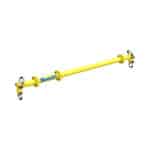
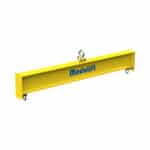
Using spreaders can help manage sling angles and reduce stress on the slings. Spreaders are rigid beams that connect to the slings and distribute the load more evenly. By using spreaders, you can maintain a smaller sling angle, reducing the load on each leg and increasing the overall safety of the lift.
Angle Measurement Tools
Accurately measuring sling angles is essential for safe lifting operations. Several tools can assist in measuring sling angles, including protractors, inclinometers, and laser angle finders. These tools allow you to determine the sling angle precisely and calculate the load on each sling leg accordingly.
Table of Sling Angle vs. Load Impact
| Sling Angle (degrees) |
Load on Each Sling (%) |
| 30 |
100 |
| 45 |
71 |
| 60 |
58 |
| 90 |
50 |
8. Lack of Training: Ignorance Isn’t Bliss
➡️ A lack of proper training for personnel involved in lifting operations is a significant contributing factor to sling accidents. Untrained personnel may not be aware of the hazards associated with wire rope slings or the proper procedures for inspecting, rigging, and using them safely. Investing in comprehensive training programs is essential for ensuring safe lifting operations. The topic of lifting slings deserves to be taken seriously.
Qualified Personnel
Using trained and qualified personnel for rigging operations is paramount. Qualified riggers have the knowledge, skills, and experience necessary to safely select, inspect, and use wire rope slings. They understand the principles of load management, sling angles, and hardware compatibility.
Training Topics
Essential training topics for riggers and sling users include sling inspection, load weight estimation, sling angle management, hardware selection, and proper rigging techniques. Training should also cover relevant safety regulations and industry standards. Hands-on training is crucial for developing practical skills and reinforcing theoretical knowledge.
Certification Programs
Several certification programs are available for riggers and sling users. These programs provide formal recognition of an individual’s knowledge and skills in rigging operations. Certification typically involves completing a training course, passing a written exam, and demonstrating proficiency in practical rigging tasks.
SSTC Training
For many of our clients here in Dammam, we’ve seen that trained employees are safer and more productive. At SSTC, we offer comprehensive training programs to our customers. Our training programs cover all aspects of wire rope sling safety, from basic inspection to advanced rigging techniques. Our experienced trainers provide hands-on instruction and real-world examples to ensure that participants gain the knowledge and skills they need to work safely and efficiently.
9. Failure to Use Protective Sleeves: Abrasion Aggravation
✅ Failing to use protective sleeves on wire rope slings can lead to premature wear and tear, reducing their lifespan and increasing the risk of failure. Protective sleeves provide a barrier between the sling and abrasive surfaces, preventing damage from friction and abrasion. Consider this factor in sling maintenance.
The Wear Point
Contact with abrasive surfaces, such as sharp edges, rough concrete, or steel structures, can cause significant wear and tear on wire rope slings. This wear can gradually erode the wire rope, reducing its strength and lifespan. The points where the sling comes into contact with the load or other hardware are particularly vulnerable to abrasion.
Protective Sleeve Options
Different types of protective sleeves are available, including nylon, polyester, and leather. Nylon sleeves are lightweight and flexible, providing good abrasion resistance. Polyester sleeves are more resistant to chemicals and heat than nylon sleeves. Leather sleeves offer excellent protection against abrasion and cutting. The choice of sleeve material depends on the specific application and the type of abrasive surfaces involved.
Installation and Maintenance
Protective sleeves should be properly installed and maintained to ensure their effectiveness. The sleeves should fit snugly around the sling and be securely fastened to prevent them from slipping or bunching up. Regularly inspect the sleeves for signs of wear and tear, and replace them as needed.
The Cost of Neglect
The cost of protective sleeves is minimal compared to the cost of replacing damaged slings. Investing in protective sleeves is a cost-effective way to extend the lifespan of your wire rope slings and reduce the risk of accidents. By protecting the slings from abrasion, you can prevent premature wear and tear, saving on material costs and labor.
10. Neglecting Load Testing and Certification: The Trust But Verify Approach
➡️ Neglecting load testing and certification for wire rope slings is a risky practice that can compromise safety and compliance. Load testing and certification provide verification that the sling meets industry standards and can safely handle the specified load. This is critical for sling safety.
Initial Certification
Initial load testing and certification are essential for new wire rope slings. This process involves subjecting the sling to a proof load that is higher than its WLL to verify its strength and integrity. The sling is then inspected for any signs of damage or deformation. If the sling passes the load test and inspection, it is certified and marked with its WLL and other relevant information.
Periodic Testing
Periodic load testing is necessary to verify the sling’s continued integrity over time. The frequency of periodic testing depends on the sling’s usage, environmental conditions, and industry standards. Generally, slings used in demanding environments or for critical lifts should be tested more frequently.
Third-Party Inspection
Using a third-party inspection service for load testing and certification provides an independent and objective assessment of the sling’s condition. Third-party inspectors have the expertise and equipment necessary to conduct thorough inspections and load tests. Their reports provide valuable documentation of the sling’s integrity and compliance with industry standards.
Peace of Mind
Load testing and certification provide peace of mind, knowing that your wire rope slings have been thoroughly tested and verified to meet industry standards. This ensures that your lifting operations are safe and compliant with regulations. Moreover, load testing and certification can help to identify potential problems before they lead to accidents, saving lives and preventing property damage.
Conclusion: Safe Lifting, Always
Avoiding these common wire rope sling mistakes is paramount for ensuring safety and preventing accidents in lifting operations. Regular inspections, proper load management, adequate training, and environmental awareness are all crucial components of a comprehensive sling safety program. Remember that safe lifting practices are a continuous effort that requires diligence, attention to detail, and a commitment to safety at all levels of the organization.
FAQ Section
Q: How often should I inspect my wire rope slings?
A: Inspection frequency depends on usage and environment, but daily or pre-shift inspections are crucial for demanding environments. Establish a documented inspection schedule based on a risk assessment.
Q: What are the key signs of damage to look for during wire rope sling inspections?
A: Look for broken wires, kinks, crushing, corrosion, and any other visible defects. Run a gloved hand along the sling to check for hidden damage.
Q: What is the Working Load Limit (WLL), and why is it important?
A: The WLL is the maximum load a sling is designed to safely handle. Never exceed the WLL, as it can lead to catastrophic sling failure.
Q: How do sling angles affect the load on each sling leg?
A: As the angle between the slings increases, the load on each sling leg also increases. Calculate the effective load based on sling angles to ensure the WLL is not exceeded.
Q: What are the best practices for storing wire rope slings?
A: Store slings in a clean, dry environment away from direct sunlight, rain, and chemicals. Use a racking system to prevent damage and ensure easy retrieval.
Q: What environmental factors can affect wire rope slings?
A: Chemical exposure, extreme temperatures, and abrasive environments can degrade wire rope slings. Take appropriate measures to mitigate these effects.
Q: Why is it important to use protective sleeves on wire rope slings?
A: Protective sleeves prevent abrasion and wear, extending the lifespan of the slings and reducing the risk of failure.
Q: What are the benefits of load testing and certification for wire rope slings?
A: Load testing and certification verify that the sling meets industry standards and can safely handle the specified load, providing peace of mind and ensuring compliance.
Q: Where can I get training on wire rope sling safety?
A: SSTC offers comprehensive training programs covering all aspects of wire rope sling safety. Contact us for more information.
Q: What should I do with a damaged wire rope sling?
A: Remove the sling from service immediately and destroy it to prevent accidental reuse. Document the discarding of the sling.