Introduction: The Lifting Dilemma
The Challenge: Choosing the Right Sling
Selecting the right sling for any lifting application is paramount to ensuring safety and efficiency. The consequences of using an inadequate or damaged sling can be severe, leading to equipment damage, material loss, and, most importantly, serious injury or even fatalities. With various sling types available, including wire rope slings and chain slings, navigating the selection process can be challenging. Many users find themselves weighing the pros and cons of each type, unsure which will best suit their specific needs.
Purpose of this Comparison
This article aims to provide a comprehensive comparison of wire rope slings and chain slings to help you make an informed decision for your lifting requirements. As Safe and Secure Trading Company (SSTC), we leverage our deep industry experience to present an objective analysis of each sling type. We will delve into critical factors such as strength, flexibility, durability, and cost, equipping you with the knowledge necessary to choose the most suitable option. Our goal is to empower you to enhance safety, optimize efficiency, and ensure long-term cost-effectiveness in your lifting operations.
Understanding Wire Rope Slings
What is a Wire Rope Sling?
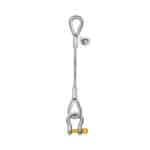
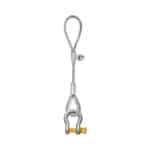
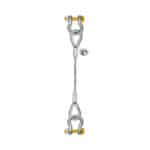
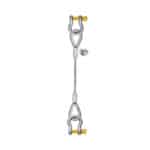
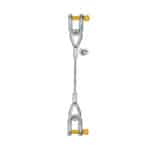
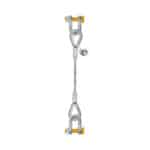
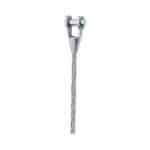
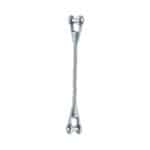
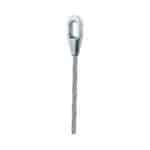
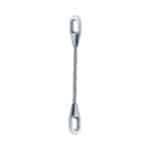
A wire rope sling is a type of lifting sling constructed from multiple strands of wire rope that are laid (twisted) together to form a helical structure. This construction provides the sling with significant strength and flexibility. The wire rope itself typically consists of a core (which can be fiber or steel) surrounded by multiple layers of wire strands. Common types of wire rope slings include single-leg slings, multi-leg slings (with two, three, or four legs), and endless (grommet) slings, each designed for different lifting configurations and load distribution.
Advantages of Wire Rope Slings
One of the primary advantages of a wire rope sling is its lower initial cost compared to chain slings. This can be a significant factor for businesses with budget constraints or those requiring a large number of slings. Wire rope slings also offer greater flexibility, making them easier to handle and rig, especially in confined spaces. Their smooth surface is less likely to damage delicate loads, which is crucial when lifting finished products or sensitive equipment. For example, we once worked with a client who needed to lift polished stainless-steel components. They found that using wire rope slings significantly reduced the risk of scratching or denting the surfaces compared to chain slings.
Disadvantages of Wire Rope Slings
Despite their advantages, wire rope slings have some notable drawbacks. They are susceptible to hidden damage, such as internal corrosion and broken wires, which can be difficult to detect during routine inspections. This makes thorough inspection even more critical. Wire rope slings also have lower resistance to abrasion and cutting compared to chain slings. In abrasive environments, the outer wires can wear down quickly, reducing the sling’s overall strength. Additionally, a wire rope sling’s capacity can be compromised by kinks, crushing, or improper storage.
Exploring Chain Slings
What is a Chain Sling?
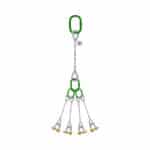
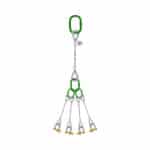
A chain sling is a type of lifting sling constructed from individual links of alloy steel that are joined together to form a chain. These links are typically heat-treated to enhance their strength and durability. Chain slings are known for their robust construction and ability to withstand heavy loads and harsh conditions. Common types of chain slings include single-leg slings, multi-leg slings (with various configurations), and adjustable chain slings, which allow for length adjustments to accommodate different lifting scenarios.
Advantages of Chain Slings
Chain slings offer several key advantages, including high strength and durability, making them ideal for heavy lifting applications. Their excellent resistance to abrasion and cutting ensures a long service life, even in demanding environments. Another significant advantage of chain slings is that damage is often easier to detect, as visible link distortion is a clear indicator of overload or stress. This simplifies inspection and reduces the risk of using a compromised sling. For many of our clients here in Dammam, we’ve seen that the ease of inspection is a major factor in their preference for chain slings, particularly in busy industrial settings.
Disadvantages of Chain Slings
One of the primary disadvantages of chain slings is their higher initial cost compared to wire rope slings. This can be a barrier for some businesses, especially those with limited budgets. Chain slings are also less flexible and more difficult to handle, which can be problematic in tight spaces or when dealing with intricate rigging configurations. The rough surface of chain slings can damage delicate loads, requiring the use of protective padding or specialized lifting techniques. Moreover, chain slings are heavier than wire rope slings, which can add to the overall weight of the lifting setup and potentially require stronger lifting equipment.
Key Differences: A Head-to-Head Comparison
Strength and Load Capacity
Wire rope slings and chain slings differ significantly in their strength and load capacity. Chain slings generally offer higher working load limits (WLL) compared to wire rope slings of similar size. This makes chain slings more suitable for heavy lifting applications where exceeding the sling’s capacity could have catastrophic consequences. The WLL is the maximum weight a sling is designed to lift safely, and it is crucial to adhere to this limit to prevent sling failure. Safety factors are also critical. Most standards require a minimum safety factor of 5:1 for wire rope slings and 4:1 for chain slings, meaning the sling’s breaking strength is several times higher than its WLL.
Flexibility and Handling
Flexibility and handling are key considerations when choosing between wire rope and chain slings. Wire rope slings are typically more flexible, making them easier to wrap around loads and maneuver in tight spaces. This flexibility can also reduce the risk of damage to the load by conforming to its shape. Chain slings, on the other hand, are less flexible and can be more difficult to handle, particularly in confined areas. The design of the sling also affects handling. Multi-leg slings, whether wire rope or chain, can distribute the load more evenly and provide greater stability, but they also require more careful planning and execution to ensure each leg is properly loaded.
Durability and Resistance
Durability and resistance to environmental factors are critical factors in sling selection. Chain slings excel in abrasive environments, as their alloy steel construction provides excellent resistance to wear and cutting. They also hold up well in high-temperature conditions, making them suitable for applications in foundries and steel mills. Wire rope slings are more susceptible to abrasion and cutting, and their steel wires can corrode if exposed to moisture or chemicals. However, specialized wire rope slings with corrosion-resistant coatings are available for harsh environments. For high-heat applications, chain slings are the clear choice, as wire rope slings can lose strength at elevated temperatures.
Inspection and Maintenance
Regular inspection and maintenance are essential for ensuring the safety and longevity of both wire rope and chain slings. For wire rope slings, inspectors should look for broken wires, corrosion, kinks, crushing, and any other signs of damage. Internal damage can be difficult to detect, so careful attention to detail is necessary. Chain slings are generally easier to inspect, as visible link distortion, cracks, or excessive wear are clear indicators of damage. Damaged slings must be removed from service immediately to prevent accidents. Maintenance procedures include cleaning, lubricating (for wire rope slings), and proper storage to prevent corrosion and physical damage.
Cost Considerations
The cost of wire rope slings versus chain slings can vary significantly depending on the type, size, and features of the sling. Wire rope slings typically have a lower initial cost, making them an attractive option for budget-conscious businesses. However, chain slings tend to have a longer service life in demanding environments, which can offset their higher initial cost over time. Maintenance costs for wire rope slings can be higher due to the need for more frequent inspections and lubrication. Replacement costs also need to be considered, as damaged slings must be replaced immediately to maintain safety. In the long run, the cost-effectiveness of each option depends on the specific application and environmental conditions.
Problem: Identifying Your Lifting Needs
Assessing Load Weight and Size
Accurately determining the weight and dimensions of the load is the first step in selecting the right sling. Underestimating the weight can lead to sling failure, while using an oversized sling can be cumbersome and inefficient. Use calibrated weighing equipment and carefully measure the load’s dimensions to ensure accurate data. It is crucial to exceed the minimum capacity requirements by a safe margin to account for dynamic loading and unexpected stresses. For example, if the load weighs 9,000 lbs, it’s safer to use a sling rated for 10,000 lbs or more.
Evaluating Environmental Conditions
The environmental conditions in which the sling will be used play a significant role in determining the appropriate sling type. Temperature extremes, exposure to chemicals, and abrasive environments can all impact the sling’s performance and lifespan. High temperatures can weaken wire rope slings, while chemicals can corrode both wire rope and chain slings. Abrasive environments can cause rapid wear and tear, reducing the sling’s strength. In such cases, chain slings are generally more durable. Some of our clients that work in saltwater environments or with highly corrosive materials have found that synthetic slings offer greater protection from corrosion, though they have their own drawbacks to consider.
Considering Frequency of Use
The frequency of use is another important factor to consider when selecting a sling. For infrequent lifting tasks, a wire rope sling may be sufficient, provided it is properly inspected and maintained. However, for daily or high-frequency lifting operations, a chain sling is likely a better choice due to its greater durability and resistance to wear. If a sling is used only occasionally, it may be more cost-effective to rent one rather than purchase it outright. On the other hand, a frequently used sling justifies the investment in a high-quality, durable option like a chain sling.
Solution: Matching Sling Type to Task
When to Choose a Wire Rope Sling
A wire rope sling is an ideal choice for lighter loads, delicate surfaces, dry environments, and controlled settings. These slings are particularly well-suited for lifting finished metal products, moving machinery indoors, and handling items that are susceptible to damage from rough surfaces. The flexibility of wire rope slings makes them easier to maneuver in tight spaces and wrap around irregularly shaped loads. The lower cost of wire rope slings also makes them an attractive option for applications where heavy lifting capacity is not required and where the sling will not be subjected to harsh conditions.
When to Choose a Chain Sling
A chain sling is the preferred choice for heavy loads, abrasive environments, high-heat conditions, and demanding applications. These slings are commonly used in construction sites, foundries, steel mills, and other industrial settings where strength and durability are paramount. Chain slings can withstand the rigors of heavy use and exposure to harsh conditions, making them a reliable and long-lasting option. Their resistance to cutting and abrasion ensures that they can handle loads with sharp edges or rough surfaces without sustaining significant damage.
Hybrid Solutions
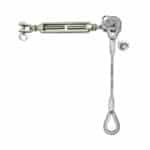
In some cases, a hybrid solution that combines elements of both wire rope and chain slings may be the best option. For example, a wire rope sling with chain sling components, such as chain legs or adjustable chain fittings, can provide added strength and versatility. These hybrid slings can be customized to meet specific lifting requirements and offer a balance of flexibility, durability, and cost-effectiveness. This approach allows you to leverage the advantages of each sling type while mitigating their individual limitations.
Safety Best Practices for Sling Usage
Pre-Lift Inspection Checklist
Before each lift, it is essential to conduct a thorough inspection of the sling to ensure it is in good working condition. Our pre-lift inspection checklist for lifting slings at Safe and Secure Trading Company includes the following:
- Check for broken wires, corrosion, kinks, and crushing (wire rope slings).
- Inspect for link distortion, cracks, and excessive wear (chain slings).
- Verify that the sling’s working load limit (WLL) is clearly marked and appropriate for the load.
- Ensure that all fittings, such as hooks and shackles, are in good condition and properly secured.
- Remove any sling from service that shows signs of damage or wear.
Proper Sling Handling Techniques
Safe sling handling techniques are crucial for preventing accidents and ensuring the longevity of the sling. Always attach the sling to the load in a way that distributes the weight evenly and avoids sharp edges or pinch points. Use appropriate lifting accessories, such as spreader bars and corner protectors, to minimize stress on the sling and prevent damage to the load. Avoid sudden movements and jerking during lifting, as this can create dynamic loading that exceeds the sling’s capacity. Never drag a sling across the ground or allow it to come into contact with abrasive surfaces.
Regular Maintenance and Storage
Regular maintenance and proper storage are essential for extending the life of your slings. Wire rope slings should be cleaned and lubricated regularly to prevent corrosion and maintain flexibility. Chain slings should be cleaned and inspected for wear and damage. Store slings in a dry, clean environment away from direct sunlight and extreme temperatures. Keep a record of all inspections and maintenance activities to track the sling’s condition and ensure that it is safe to use. Proper record-keeping is an integral component of sling safety and is often required by regulatory agencies.
> “Regular inspection and maintenance are critical to ensuring the continued safety and reliability of lifting slings.” – John Smith, Lead Safety Inspector
Case Studies: Real-World Examples
Wire Rope Sling Success Story
A local automotive parts manufacturer needed a reliable and cost-effective way to lift engine blocks during assembly. The engine blocks weighed approximately 2,000 lbs each, and the lifting process required precise positioning to avoid damaging the delicate components. After evaluating their needs, we recommended using a multi-leg wire rope sling with a WLL of 3,000 lbs. The flexibility of the wire rope sling allowed the workers to easily maneuver the engine blocks into place, and the smooth surface of the sling prevented scratches and dents. The lower cost of the wire rope sling also helped the manufacturer stay within budget.
Chain Sling Success Story
A large construction company was tasked with erecting steel beams for a new high-rise building. The steel beams weighed up to 10,000 lbs each, and the construction site was subject to abrasive conditions and exposure to the elements. We recommended using a heavy-duty chain sling with a WLL of 12,500 lbs. The chain sling’s high strength and durability enabled the construction workers to safely lift and position the steel beams, even in the face of challenging conditions. The easy-to-inspect links of the chain sling also made it simple to identify any signs of damage or wear, ensuring that the sling remained safe for use throughout the project.
Conclusion: Making the Right Choice
Recap of Key Considerations
In summary, the choice between a wire rope sling and a chain sling depends on several factors, including the weight and size of the load, the environmental conditions, the frequency of use, and the available budget. Wire rope slings offer greater flexibility and lower initial cost, making them suitable for lighter loads, delicate surfaces, and controlled environments. Chain slings, on the other hand, provide superior strength and durability, making them ideal for heavy loads, abrasive environments, and demanding applications.
Final Recommendations
Understanding the trade-offs between wire rope slings and chain slings is key to making the right choice for your lifting needs. If you prioritize flexibility and cost-effectiveness and are working with lighter loads in relatively clean environments, a wire rope sling may be the best option. However, if you require maximum strength and durability and are working with heavy loads in harsh conditions, a chain sling is likely the better choice. Consider all factors carefully and consult with a qualified lifting specialist to ensure that you select the sling that is best suited for your specific application.
FAQ Section
Q: What is the primary difference between a wire rope sling and a chain sling?
A: The primary difference lies in their construction and material properties. Wire rope slings are made from multiple strands of wire rope, offering flexibility, while chain slings are made from alloy steel links, providing high strength and durability.
Q: When should I use a wire rope sling instead of a chain sling?
A: Use a wire rope sling when lifting lighter loads, handling delicate surfaces, working in dry environments, or when flexibility and cost-effectiveness are priorities.
Q: When should I use a chain sling instead of a wire rope sling?
A: Choose a chain sling when lifting heavy loads, working in abrasive or high-heat environments, or when strength and durability are paramount.
Q: How do I inspect a wire rope sling for damage?
A: Inspect for broken wires, corrosion, kinks, crushing, and any other signs of wear or damage. Pay close attention to areas where the sling comes into contact with sharp edges or fittings.
Q: How do I inspect a chain sling for damage?
A: Inspect for link distortion, cracks, excessive wear, and any other signs of damage. Check the master links, hooks, and other fittings for proper function and security.
Q: What is the working load limit (WLL)?
A: The working load limit (WLL) is the maximum weight a sling is designed to lift safely. Never exceed the WLL to prevent sling failure and potential accidents.
Q: How often should I inspect my lifting slings?
A: Inspect lifting slings before each use and conduct more thorough inspections at regular intervals, as recommended by industry standards and regulations.
Q: What should I do if I find damage during a sling inspection?
A: Remove the damaged sling from service immediately and replace it with a new one. Do not attempt to repair a damaged sling, as this can compromise its strength and safety.
Q: Can I use a wire rope sling in a high-heat environment?
A: Wire rope slings can lose strength at elevated temperatures, so it is generally not recommended to use them in high-heat environments. Chain slings are a better choice for these applications.
Q: How should I store my lifting slings when they are not in use?
A: Store lifting slings in a dry, clean environment away from direct sunlight and extreme temperatures. Hang them up or place them on a rack to prevent them from being damaged or contaminated. As Safe and Secure Trading Company, we aim to provide the best products for any situation!