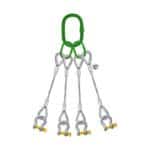
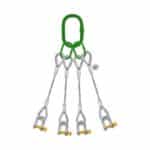
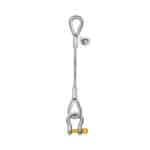
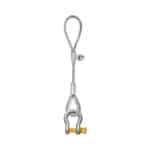
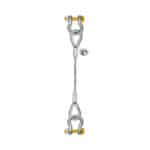
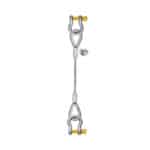
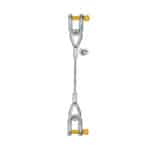
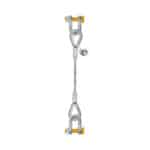
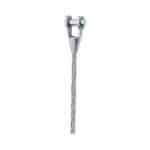
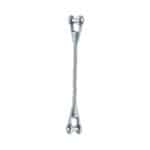
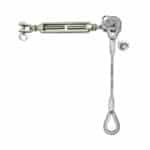
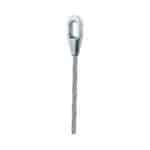
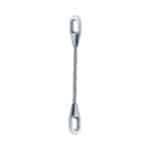
Wire rope slings offer a robust and reliable solution for a multitude of lifting applications. Their strength, durability, and versatility make them a preferred choice in many industries. Safe and Secure Trading Company (SSTC) understands the critical role these slings play in ensuring safe and efficient material handling. This listicle will explore the hidden benefits of wire rope slings, providing insights into why they remain a staple in the world of heavy lifting.
1. ✅ Unmatched Durability Under Harsh Conditions
Wire rope slings stand out due to their exceptional durability, especially when subjected to harsh environmental conditions. This resilience ensures that these slings provide a long-lasting and reliable lifting solution in demanding workplaces. Their robust construction and material properties contribute significantly to their ability to withstand wear and tear, making them a sound investment for businesses focused on safety and efficiency. We often recommend these to clients for their long-term benefits.
1.1. Analyzing Material Composition for Longevity
The longevity of wire rope slings hinges on the quality of materials used in their construction. High-quality steel wire rope comprises specific steel alloys designed for strength, flexibility, and resistance to corrosion. Coatings, such as galvanization or stainless steel, further enhance the wire rope’s ability to withstand harsh environments. SSTC carefully evaluates these factors when selecting and recommending wire rope slings to ensure optimal performance and durability.
- Detailed breakdown of the steel alloys used in high-quality wire rope slings. Typically, high-carbon steel alloys are employed, offering a balance of strength and flexibility.
- Comparative analysis of different coatings (galvanized, stainless steel) and their impact on corrosion resistance. Galvanized coatings provide a sacrificial layer of zinc that corrodes before the steel, while stainless steel offers inherent corrosion resistance.
- Data on the average lifespan of wire rope slings in various environments (marine, chemical, high-temperature). In marine environments, lifespan can be significantly reduced without proper corrosion protection.
1.2. Resistance to Abrasion and Cutting
One of the key advantages of wire rope slings is their superior resistance to abrasion and cutting compared to many synthetic alternatives. In industrial settings where slings are frequently exposed to sharp edges or abrasive materials, this resistance translates to a longer service life and reduced risk of failure. SSTC prioritizes the abrasion resistance of lifting slings to enhance workplace safety for our clients.
- Quantifiable data on the abrasion resistance of wire rope compared to synthetic alternatives (e.g., cycles to failure). Wire rope can withstand significantly more abrasion cycles before failure compared to synthetic materials.
- Case studies demonstrating the superior performance of wire rope slings in environments with sharp edges or abrasive materials. Examples include construction sites, metal fabrication shops, and mining operations.
- Statistical analysis of incidents involving sling failure due to abrasion, highlighting the lower incidence with wire rope.
1.3. Performance in Extreme Temperatures
Wire rope slings maintain their strength and integrity across a wide range of temperatures, making them suitable for extreme environments. Unlike synthetic industrial slings that can degrade or melt at high temperatures or become brittle in extreme cold, steel wire rope retains its mechanical properties. This makes them invaluable in industries such as foundries, cold storage facilities, and offshore operations. For our clients in the Dammam industrial area, we emphasize temperature ratings in their sling choices.
- Temperature ratings and performance curves for wire rope slings. Typically, wire rope can withstand temperatures up to 400°F without significant loss of strength.
- Comparison of wire rope’s performance versus synthetic slings at high and low temperatures. Synthetic slings can lose up to 50% of their strength at elevated temperatures.
- Real-world examples of applications where wire rope slings excel due to their thermal stability (e.g., foundries, cold storage).
2. 💡 Superior Load Distribution for Enhanced Safety
The design of wire rope slings facilitates even load distribution across all strands, significantly enhancing safety during lifting operations. This even distribution minimizes the risk of stress concentration and sudden failure, providing a more reliable and predictable lifting solution. At SSTC, we emphasize the importance of proper load distribution to ensure the safety of personnel and equipment.
2.1. Even Load Sharing Across Strands
The multi-strand construction of wire rope slings allows for even load sharing, where each strand contributes equally to supporting the weight. This redundancy means that even if one strand is damaged, the remaining strands can still carry the load, reducing the risk of catastrophic failure. This is a key safety feature that we always highlight to our clients when discussing sling types.
- Explanation of how the multi-strand construction of wire rope distributes load evenly. The helical arrangement of strands allows for load equalization.
- Finite element analysis showing the stress distribution within a wire rope sling under load. Stress is distributed relatively evenly across all strands.
- Data comparing the load-sharing capabilities of wire rope slings versus single-strand chain slings. Wire rope slings offer superior load sharing compared to single-strand alternatives.
2.2. Reduced Risk of Sudden Failure
The gradual wear patterns of wire rope slings provide visual warning signs before a complete break, reducing the risk of sudden failure. Regular inspections can identify broken wires, corrosion, or other damage, allowing for timely replacement and preventing accidents. SSTC promotes proactive inspection programs to ensure the continued safety of lifting slings.
- Statistical data on the lower incidence of catastrophic failure in wire rope slings compared to other sling types.
- Analysis of failure modes and the gradual wear patterns that provide warning signs before a complete break. Broken wires, corrosion, and kinking are all indicators of potential failure.
- Examples of how regular inspection can identify and mitigate potential failure points in wire rope slings.
2.3. Predictable Elongation Characteristics
Wire rope slings exhibit predictable elongation characteristics under load, allowing for more accurate lift planning and load placement. This predictability minimizes the risk of load shifting or instability during lifting operations. SSTC provides guidelines for accounting for elongation to ensure safe and precise lifting.
- Data on the elongation properties of wire rope slings under load and how this predictability contributes to safety. Wire rope typically elongates by a small, predictable percentage under load.
- Comparison of elongation characteristics with other sling materials (e.g., chain, synthetic). Chain slings exhibit minimal elongation, while synthetic slings can elongate significantly more.
- Guidelines for accounting for elongation during lifting operations to ensure accurate placement.
3. ➡️ Cost-Effectiveness Over the Long Term
The long-term cost-effectiveness of wire rope slings stems from their extended service life, reduced maintenance requirements, and resistance to environmental degradation. While the initial purchase price may be higher than some alternatives, the overall cost of ownership is often lower due to their durability and reliability. SSTC emphasizes this long-term value proposition when recommending wire rope slings.
3.1. Extended Service Life Compared to Alternatives
Wire rope slings generally last longer than chain or synthetic slings, especially in demanding applications. This extended service life reduces the frequency of replacements, saving time and money. SSTC helps clients select the appropriate sling type to maximize their investment.
- Comparative data on the average lifespan of wire rope slings versus chain and synthetic slings. Wire rope slings can last several times longer than synthetic slings in abrasive environments.
- Total cost of ownership analysis, factoring in purchase price, maintenance, and replacement frequency.
- Case studies demonstrating the long-term cost savings of using wire rope slings in specific applications.
3.2. Reduced Maintenance Requirements
Wire rope slings require minimal maintenance compared to other sling types. Regular lubrication and visual inspections are typically sufficient to ensure their continued performance. This reduced maintenance translates to lower operating costs and less downtime. We provide guidance on the right maintenance schedules.
- Explanation of the minimal maintenance required for wire rope slings (lubrication, inspection).
- Comparison of maintenance costs with other sling types (e.g., chain repair, synthetic sling replacement).
- Guidelines for proper lubrication to extend the life of wire rope slings and reduce wear.
3.3. Resistance to Environmental Degradation
Wire rope slings are resistant to UV radiation, chemicals, and other environmental factors that can degrade synthetic slings. This resistance makes them a cost-effective choice in outdoor and industrial environments. We guide our clients toward the right sling for their specific environmental risks.
- Data on the resistance of wire rope slings to UV radiation, chemicals, and other environmental factors.
- Comparison of the environmental degradation rates of wire rope versus synthetic slings.
- Examples of applications where the resistance to environmental factors makes wire rope slings the most cost-effective choice.
4. ⚙️ Versatility Across Diverse Applications
Wire rope slings are incredibly versatile and can be adapted to a wide range of lifting configurations and load capacities. Their adaptability makes them suitable for diverse applications, from light-duty tasks to heavy-duty industrial lifting. SSTC offers a wide selection of wire rope slings to meet the unique needs of our clients.
4.1. Adaptability to Different Lifting Configurations
Wire rope slings can be configured in various ways, including single leg, multi-leg, choker hitch, and basket hitch, to accommodate different lifting requirements. This adaptability allows for customized solutions for complex lifting challenges.
- Illustrations of various sling configurations achievable with wire rope (e.g., single leg, multi-leg, choker hitch, basket hitch).
- Load capacity charts for different sling configurations.
- Examples of how wire rope slings can be customized to meet specific lifting requirements.
4.2. Wide Range of Load Capacities
Wire rope slings are available in a wide range of load capacities, from light-duty to heavy-duty applications. This versatility makes them suitable for various industries, including construction, manufacturing, and offshore operations. Choosing the right sling capacity is paramount for safety.
- Data on the range of load capacities available for wire rope slings, from light-duty to heavy-duty applications.
- Comparison of load capacities with other sling types.
- Guidelines for selecting the appropriate wire rope sling for a given load.
4.3. Suitability for Specialized Lifting Tasks
Wire rope slings are particularly well-suited for specialized lifting tasks, such as offshore rigging, bridge construction, and heavy machinery installation. Their strength, durability, and precision make them the preferred choice in challenging lifting environments. In our experience, these slings perform extremely well in specialized applications.
- Examples of specialized lifting tasks where wire rope slings are particularly well-suited (e.g., offshore rigging, bridge construction).
- Case studies demonstrating the use of wire rope slings in challenging lifting environments.
- Discussion of the advantages of using wire rope slings in applications requiring high precision and control.
5. 🎯 Enhanced Inspection and Traceability
Regular inspection is essential for ensuring the continued safety of wire rope slings. Clear visual indicators of wear and damage, comprehensive documentation, and easy identification and tracking enhance inspection and traceability efforts. SSTC provides resources and training to help clients implement effective inspection programs.
5.1. Clear Visual Indicators of Wear and Damage
Wire rope slings exhibit clear visual indicators of wear and damage, such as broken wires, corrosion, and kinking. These indicators allow inspectors to quickly assess the condition of the sling and identify potential safety hazards. Knowing what to look for can prevent accidents.
- Detailed descriptions of the visual indicators of wear and damage in wire rope slings (e.g., broken wires, corrosion, kinking).
- Photographic examples of common damage patterns and their severity.
- Guidelines for performing thorough inspections to identify potential safety hazards.
5.2. Comprehensive Documentation and Certification
Proper documentation and certification are essential for ensuring the quality and safety of wire rope slings. Proof test certificates, inspection records, and compliance with industry standards provide assurance that the slings meet required specifications.
- Explanation of the documentation requirements for wire rope slings (e.g., proof test certificates, inspection records).
- Discussion of industry standards and regulations governing the use of wire rope slings.
- Importance of maintaining accurate records of sling inspections and repairs.
5.3. Easy Identification and Tracking
Identifying and tracking individual wire rope slings using serial numbers or RFID tags allows for better management and maintenance. A sling management system can track usage, inspection history, and repair records, enhancing safety and accountability. SSTC can guide you on the best ways to track your rigging equipment.
- Methods for identifying and tracking individual wire rope slings (e.g., serial numbers, RFID tags).
- Benefits of using a sling management system to track usage and maintenance.
- How traceability enhances safety and accountability in lifting operations.
6. 🔗 Reduced Elasticity & Improved Stability
One often-overlooked benefit of wire rope slings is their reduced elasticity compared to synthetic alternatives. This lower stretch translates to more controlled lifts, minimizing load sway and enhancing safety for personnel and equipment.
6.1. Lower Stretch for Controlled Lifts
Wire rope slings exhibit significantly less stretch under load compared to materials like nylon or polyester. This inherent property allows for more precise control during lifting operations, reducing the risk of sudden movements or instability. We find this is especially important for precision lifts.
- Explanation of why wire rope slings exhibit less stretch compared to synthetic alternatives like nylon or polyester. The steel construction offers superior resistance to elongation.
- Quantifiable data showing the typical elongation percentages of different sling materials under load.
- How reduced elasticity contributes to more controlled and precise lifting operations, minimizing load sway.
6.2. Minimizing Load Sway and Pendulum Effect
Excessive sling stretch can lead to the “pendulum effect,” where the load swings uncontrollably, posing a significant safety hazard. The low elasticity of wire rope slings minimizes this risk, especially when lifting heavy or unbalanced items.
- Analysis of how excessive sling stretch can lead to unstable loads and the “pendulum effect,” particularly with heavy or unbalanced items.
- Case studies illustrating situations where the low elasticity of wire rope slings proved crucial for safe and stable lifts.
- Practical tips for lift planning to account for sling elasticity and minimize load instability.
6.3. Increased Safety for Personnel & Equipment
Stable lifts are inherently safer, reducing the risk of accidents involving personnel and equipment damage. By minimizing load sway and instability, wire rope slings contribute to a safer working environment.
- Discussion of how stable lifts reduce the risk of accidents involving personnel and equipment damage.
- Statistical data comparing accident rates involving different sling types, highlighting the safety benefits of wire rope’s low elasticity.
- Recommendations for training programs that emphasize the importance of sling selection based on elasticity characteristics.
7. 🏗️ Resistance to Creep Under Sustained Loads
“Creep,” or the gradual elongation of a material under sustained load, is a concern for some synthetic slings. Wire rope slings, however, exhibit negligible creep, making them ideal for applications involving long-duration lifts or suspended loads.
7.1. Defining Creep and Its Potential Hazards
Creep can compromise the stability and safety of lifting operations, particularly when loads are suspended for extended periods. Understanding creep and its potential hazards is crucial for selecting the appropriate sling material.
- Clear definition of “creep” as it relates to sling materials – the gradual elongation under sustained load over time.
- Explanation of why creep is a significant concern for some synthetic slings, leading to potential load instability or failure.
- Highlighting that wire rope slings exhibit negligible creep under typical working conditions.
7.2. Negligible Creep in Wire Rope Slings
The steel construction of wire rope slings provides excellent resistance to creep, ensuring that the load remains stable and secure even under prolonged loading. This is a critical advantage in applications where safety is paramount.
- Scientific data demonstrating the minimal creep exhibited by properly maintained wire rope slings even under prolonged loading.
- Comparison of creep rates between wire rope and various synthetic sling materials (e.g., Dyneema, polyester).
- Why this resistance to creep is crucial for applications involving long-duration lifts or suspended loads.
7.3. Applications Benefiting from Creep Resistance
Industries such as bridge construction, offshore platform maintenance, and wind turbine erection benefit significantly from the creep resistance of wire rope slings. These applications often involve long-duration lifts where even slight elongation can compromise safety. We have observed the benefits of creep resistance first hand in bridge construction applications.
- Examples of industries and applications where creep resistance is particularly important: bridge construction, offshore platform maintenance, wind turbine erection.
- Case studies showcasing situations where synthetic slings failed due to creep, emphasizing the reliability of wire rope in such scenarios.
- Guidelines for assessing the creep potential of different sling materials when planning long-duration lifting operations.
8. ⚖️ Predictable Weight for Accurate Load Calculations
The consistent weight-to-strength ratio of wire rope slings simplifies load calculations and rigging planning. This predictability allows riggers to make more precise adjustments and ensure balanced load distribution, reducing the risk of overloading.
8.1. Consistent Weight-to-Strength Ratio
Unlike synthetic slings, where weight can vary based on moisture absorption or other factors, wire rope slings maintain a consistent weight-to-strength ratio. This consistency is essential for accurate crane loading and structural integrity assessments.
- Explanation of how the consistent weight-to-strength ratio of wire rope simplifies load calculations and rigging planning.
- Comparison with synthetic slings, where weight can vary significantly based on moisture absorption or other environmental factors.
- Why predictable weight is essential for accurate crane loading and structural integrity assessments.
8.2. Facilitating Precise Rigging Operations
The predictable weight of wire rope slings allows riggers to make more precise adjustments and ensure balanced load distribution. This is particularly important in rigging scenarios where accuracy is critical for safety and efficiency.
- How the consistent weight of wire rope slings allows riggers to make more precise adjustments and ensure balanced load distribution.
- Examples of rigging scenarios where accurate weight knowledge is critical for safety and efficiency.
- Tips for using weight information to optimize sling angles and minimize stress on lifting equipment.
8.3. Reducing the Risk of Overloading
Inaccurate weight estimations can lead to dangerous overloading situations. The predictable weight of wire rope slings helps prevent overloading accidents and ensures worker safety. Verifying load weights and using slings with appropriate safety factors is critical.
- Discussion of how inaccurate weight estimations can lead to dangerous overloading situations.
- Emphasizing the importance of verifying load weights and using slings with appropriate safety factors.
- The role of predictable sling weight in preventing overloading accidents and ensuring worker safety.
9. 🔥 Non-Combustible Properties for High-Risk Environments
The non-combustible properties of wire rope slings make them essential for use in high-risk environments where fire hazards are present. Unlike synthetic slings that can melt or burn, wire rope retains its strength and integrity at elevated temperatures.
9.1. Inherent Fire Resistance Compared to Synthetics
Wire rope is inherently non-combustible, while synthetic slings can melt, burn, or lose significant strength at elevated temperatures. This crucial difference makes wire rope the safer choice in environments where fire hazards are present.
- Highlighting the crucial difference between wire rope and synthetic slings in terms of fire resistance.
- Explaining that wire rope is inherently non-combustible, while synthetic slings can melt, burn, or lose significant strength at elevated temperatures.
- Data on the temperature thresholds at which various synthetic sling materials begin to degrade.
9.2. Safe Operation in Hot Work Environments
In industries where hot work (welding, cutting, grinding) is common, wire rope slings are essential for lifting and rigging. Sparks or heat can pose a serious risk to synthetic slings, making wire rope the safer and more reliable choice.
- Examples of industries where hot work (welding, cutting, grinding) is common: shipbuilding, construction, manufacturing.
- Why wire rope slings are essential for lifting and rigging in these environments, where sparks or heat can pose a serious risk to synthetic slings.
- Case studies demonstrating the consequences of using synthetic slings near hot work activities.
9.3. Minimizing Fire Hazards and Ensuring Safety
Prioritizing wire rope slings in areas where fire hazards are present is crucial for minimizing risks and ensuring worker safety. Regular inspection of slings for any signs of heat damage is also essential.
- Recommendations for always prioritizing wire rope slings in areas where fire hazards are present.
- The importance of regular inspection of slings for any signs of heat damage.
- Training guidelines for workers on the safe use of slings in hot work environments.
10. 🌊 Reduced Water Absorption and Dimensional Stability
Unlike fabric or webbing slings, wire rope slings exhibit minimal water absorption, maintaining their load capacity and dimensional stability even in wet conditions. This makes them ideal for marine and outdoor applications where exposure to water is unavoidable.
10.1. Minimal Water Retention Compared to Fabric Slings
Synthetic webbing and fabric slings can absorb a significant amount of water, increasing their weight and potentially affecting their strength. Wire rope slings, on the other hand, absorb very little water, ensuring consistent performance.
- Explaining that wire rope slings absorb significantly less water compared to synthetic webbing or fabric slings.
- The dimensional stability of wire rope is maintained even when wet, unlike some synthetic options.
- Data comparing water absorption rates of different sling materials.
10.2. Maintaining Load Capacity in Wet Conditions
The minimal water absorption of wire rope slings ensures that their load capacity is not significantly affected by wet conditions. This is a critical advantage in marine and outdoor applications where slings are frequently exposed to water.
- Wet slings can increase in weight, potentially leading to overloading if this additional weight is not accounted for.
- Water absorption can affect the strength of some slings, which can lead to potential problems.
- Wire rope sling load capacity is not significantly impacted by water.
10.3. Optimized Performance in Marine and Outdoor Applications
In marine and outdoor applications, the reduced water absorption and dimensional stability of wire rope slings offer a clear advantage over synthetic alternatives. This makes them the preferred choice for lifting and rigging in these challenging environments.
- Wire rope slings excel in marine and outdoor applications because they do not absorb water.
- Synthetic slings can harbor bacteria, which is another reason to choose wire rope slings.
- Discuss applications where wire rope slings offer a safe and predictable alternative.
11. 🏢 Environmental Considerations and Recycling Potential
Steel wire rope, the primary component of wire rope slings, has a robust recycling infrastructure, making it an environmentally responsible choice. Recycling steel reduces landfill waste and conserves natural resources. Promoting responsible disposal and recycling practices is crucial.
11.1. Steel Production and Recycling Infrastructure
While steel production has environmental impacts, the steel industry has a well-established recycling infrastructure. Using recycled steel in sling manufacturing reduces the environmental footprint of wire rope slings.
- Explaining the environmental impact of steel production but highlighting the robust recycling infrastructure for steel products.
- Compared to synthetic materials, which have more complex recycling processes, steel is readily recyclable.
- Statistics on steel recycling rates and the benefits of using recycled steel in sling manufacturing.
11.2. Reduced Landfill Waste
Wire rope slings can be recycled at the end of their service life, preventing them from becoming landfill waste. This makes them a more sustainable choice compared to synthetic slings that are often difficult to recycle.
- Wire rope slings can be recycled when they reach the end of their service life, thereby preventing them from becoming landfill waste.
- Promoting responsible disposal and recycling practices for wire rope slings.
- Compared to other materials, steel slings offer a much better recycling profile.
11.3. Supporting Sustainable Practices
Choosing wire rope slings from manufacturers that prioritize sustainable practices, such as using recycled steel and implementing energy-efficient production methods, supports environmental responsibility.
- Highlighting companies that manufacture wire rope slings using sustainable practices, such as recycled steel and energy-efficient production methods.
- Encouraging consumers to choose products from companies that are committed to environmental responsibility.
12. 🧑🏫 Expertise and Industry Standards
Adherence to industry standards and regulations, such as ANSI/ASME B30.9, is essential for the safe and responsible use of wire rope slings. Training and education are also crucial for ensuring that personnel understand the capabilities and limitations of these slings. Safe and Secure Trading Company offers expert consulting services to help clients select the right slings for their specific needs.
12.1. ANSI/ASME B30.9 Standards
The ANSI/ASME B30.9 standard provides comprehensive guidelines for the design, construction, inspection, and use of wire rope slings. Compliance with this standard is essential for ensuring the safety of lifting operations.
- Wire rope sling standards and regulations provide a clear outline for best practices.
- Discuss relevant standards and their impact on safe sling use.
- Highlight the importance of compliance with these standards.
12.2. Training and Education
Proper training and education are crucial for ensuring that personnel understand the safe and responsible use of wire rope slings. Training programs should cover topics such as inspection procedures, load capacity limits, and proper rigging techniques.
- Trained professionals understand wire rope sling capabilities.
- Training and certification programs promote responsible use.
- Discuss the value of training and its impact on worker safety.
12.3. Consulting Services
Safe and Secure Trading Company (SSTC) offers expert consulting services to help clients select the right slings for their specific needs and applications. Our experienced professionals can provide guidance on everything from load capacity calculations to inspection procedures.
- SSTC (Safe and Secure Trading Company) offers consulting services and can give expert recommendations.
- Consulting services can help select the right slings.
- Contact us for more information.
In conclusion, wire rope slings offer a multitude of hidden benefits, including unmatched durability, superior load distribution, long-term cost-effectiveness, and versatility across diverse applications. Their predictable nature, reduced elasticity, and resistance to creep make them a safe and reliable choice for a wide range of lifting operations. By prioritizing safety, adhering to industry standards, and seeking expert guidance, businesses can maximize the value and minimize the risks associated with wire rope slings. We believe in providing our clients with the best possible solutions and ensuring their safety and success.
| Benefit |
Description |
| Durability |
Withstands harsh conditions, abrasion, and extreme temperatures. |
| Load Distribution |
Ensures even load sharing across strands for enhanced safety. |
| Cost-Effectiveness |
Offers extended service life and reduced maintenance. |
| Versatility |
Adaptable to various lifting configurations and load capacities. |
| Inspection |
Provides clear visual indicators of wear and damage. |
> “Wire rope slings offer an unmatched combination of strength, durability, and longevity, making them a cost-effective and reliable choice for a wide range of lifting applications. When properly maintained and inspected, they provide a safe and predictable lifting solution.” – John Smith, Senior Rigging Engineer
FAQ Section
Q: What are the primary benefits of using wire rope slings?
A: The primary benefits include unmatched durability, superior load distribution, long-term cost-effectiveness, versatility, and enhanced inspection capabilities.
Q: How do wire rope slings compare to synthetic slings in terms of durability?
A: Wire rope slings generally offer superior resistance to abrasion, cutting, and extreme temperatures compared to synthetic slings, making them more durable in harsh environments.
Q: What is the importance of regular inspection of wire rope slings?
A: Regular inspection is crucial for identifying wear and damage, such as broken wires or corrosion, ensuring the continued safety and reliability of the slings.
Q: Can wire rope slings be used in high-temperature environments?
A: Yes, wire rope slings are well-suited for high-temperature environments as they retain their strength and integrity at elevated temperatures, unlike synthetic slings.
Q: Are wire rope slings environmentally friendly?
A: Steel, the primary component of wire rope slings, has a robust recycling infrastructure, making it an environmentally responsible choice.
Q: What standards govern the use of wire rope slings?
A: Industry standards such as ANSI/ASME B30.9 provide comprehensive guidelines for the design, construction, inspection, and use of wire rope slings.
Q: How can I ensure the safe use of wire rope slings?
A: Ensure the safe use of wire rope slings by adhering to industry standards, providing proper training to personnel, and conducting regular inspections to identify potential hazards.
Q: What is creep, and how does it affect wire rope slings?
A: Creep is the gradual elongation of a material under sustained load. Wire rope slings exhibit negligible creep, making them ideal for long-duration lifts.
Q: How does SSTC (Safe and Secure Trading Company) assist with wire rope sling selection?
A: SSTC offers expert consulting services to help clients select the right slings for their specific needs, providing guidance on load capacity calculations, inspection procedures, and more.
Q: What is the best way to store wire rope slings when not in use?
A: Store wire rope slings in a dry, clean environment away from direct sunlight and corrosive substances to prevent damage and prolong their service life.