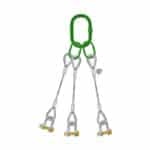
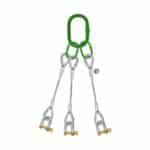
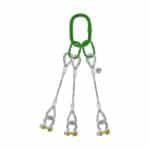
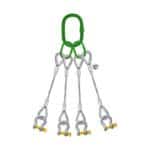
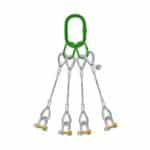
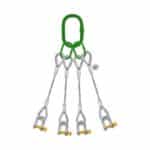
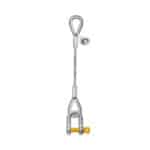
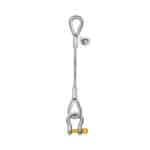
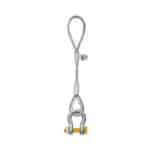
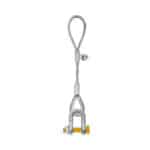
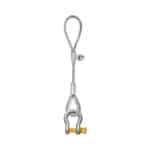
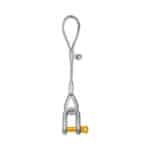
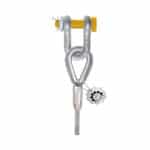
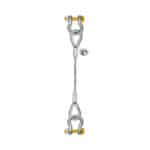
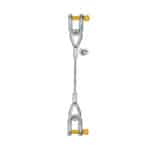
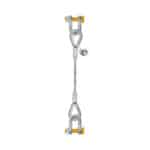
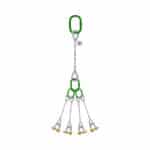
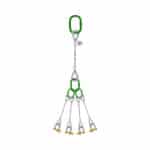
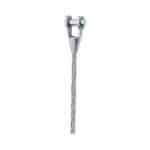
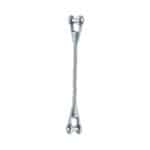
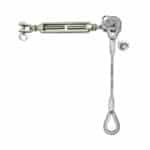
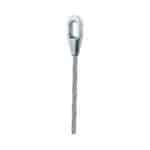
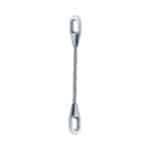
Wire rope slings are indispensable tools across numerous industries, offering a robust and reliable solution for heavy lifting needs. Their versatility stems from their construction, which involves multiple strands of steel wire twisted together to form a strong and flexible cable. This design allows wire rope slings to handle immense loads while maintaining a degree of flexibility that chain slings or synthetic slings might lack. As Safe and Secure Trading Company (SSTC), we understand the critical role these slings play in various applications, and we’re committed to providing high-quality options to our clients.
1. ✅ Heavy-Duty Construction Lifting
1.1. Bridge Construction
Wire rope slings are exceptionally well-suited for bridge construction due to their impressive strength-to-weight ratio and excellent resistance to abrasion. The construction environment often presents challenges like sharp edges and rough surfaces, which wire rope can withstand more effectively than some alternatives. Here in Dammam, we’ve seen numerous clients successfully use wire rope slings to lift and precisely position precast concrete segments during bridge construction, enhancing both efficiency and safety on the job site. The ability to handle these heavy components with confidence makes wire rope slings a preferred choice for this application.
1.2. Steel Erection
Steel erection inherently involves working with heavy, often unwieldy, steel beams and columns, many of which have sharp edges and abrasive surfaces. Wire rope slings are an excellent solution because of their inherent durability, which significantly minimizes the risk of damage or failure during lifts. We find that the robust nature of wire rope gives construction crews peace of mind knowing they can safely handle these challenging loads. Selecting the correct wire rope construction is vital for safe usage.
1.3. Precast Concrete Placement
Precision is paramount when placing precast concrete elements, and wire rope slings play a crucial role in achieving this accuracy. The minimal stretch characteristic of wire rope ensures the load remains stable during lifting and positioning, reducing the chance of misalignment or accidental damage. Moreover, their substantial load-bearing capacity provides an added layer of safety, allowing construction teams to manage these heavy elements with confidence. For our clients, especially those dealing with complex architectural designs, we emphasize the importance of using well-maintained wire rope slings for precise placements.
2. 💡 Demanding Industrial Manufacturing
2.1. Automotive Assembly Lines
In the high-paced environment of automotive assembly lines, efficiency and reliability are critical, and wire rope slings contribute significantly to both. They are commonly used to lift and move heavy components such as engine blocks, chassis, and body panels, ensuring a smooth and continuous workflow. The consistent performance of wire rope slings minimizes the risk of costly downtime, a factor that’s particularly important in maintaining production schedules. We at SSTC understand the need for dependable rigging equipment, and we provide our clients with wire rope slings designed for continuous, demanding use.
2.2. Aerospace Manufacturing
The aerospace industry demands meticulous handling of delicate yet heavy parts, ranging from aircraft engines to fuselage sections. Wire rope slings are ideal when used with proper padding and protection, providing the necessary strength to lift these components while minimizing the risk of surface damage. This combination of strength and protection is essential in an industry where precision and safety are paramount. For our clients in the aerospace sector, we recommend regular inspections of their lifting slings to ensure continued safe operation and prevent costly mistakes.
2.3. Heavy Machinery Production
The production of heavy machinery, such as turbines, generators, and large industrial pumps, necessarily involves the lifting and moving of extremely heavy parts. Wire rope slings are frequently selected for these applications due to their superior load-bearing capacity and inherent stability. Using the correct sling types for the job is paramount. Their robustness allows manufacturers to handle these massive components safely and efficiently, which in turn facilitates the assembly and testing processes. Our experience shows that investing in high-quality wire rope slings significantly improves the overall safety and efficiency of heavy machinery production.
3. ➡️ Marine and Offshore Operations
3.1. Ship Building and Repair
Shipyards rely heavily on wire rope slings for a variety of lifting tasks, including positioning massive hull sections, installing engine components, and handling other heavy equipment. The corrosive marine environment presents unique challenges, but wire rope slings designed for marine applications offer excellent resistance to corrosion, prolonging their lifespan and maintaining their integrity. SSTC prioritizes providing our maritime clients with wire rope slings specifically treated to withstand the harsh conditions of shipbuilding and repair.
3.2. Offshore Platform Construction
Constructing offshore oil platforms demands the lifting and positioning of large modules, equipment, and structural components, often in extremely challenging weather conditions. Wire rope slings are essential in these operations, providing the necessary strength and durability to handle these massive loads safely. Their reliability in harsh offshore environments makes them a preferred choice for construction teams working on these complex projects. We understand the critical nature of these lifts and emphasize the importance of using certified and regularly inspected rigging equipment.
3.3. Salvage Operations
Salvaging sunken vessels or retrieving heavy objects from the seabed often necessitates slings capable of withstanding extreme loads and underwater conditions. Wire rope slings are frequently used in these operations because of their high strength, abrasion resistance, and ability to function reliably even when submerged. The combination of strength and durability makes them a practical choice for salvage teams facing challenging and unpredictable underwater conditions.
4. 🛠️ Mining and Resource Extraction
4.1. Heavy Equipment Maintenance
Maintaining heavy machinery is a constant necessity in mining operations, involving excavators, haul trucks, and other large equipment. Wire rope slings are invaluable tools for lifting and replacing large components, such as engines, transmissions, and hydraulic systems. Their strength and durability make these maintenance tasks safer and more efficient, reducing downtime and maximizing productivity. We advise all our mining clients to implement rigorous inspection protocols for their wire rope slings to ensure they can handle the demanding conditions.
4.2. Ore Processing Plants
Ore processing plants utilize a wide range of heavy machinery and equipment, including crushers, grinding mills, and conveyor systems. Wire rope slings are indispensable for lifting and moving these components during installation, maintenance, and repairs. Their robust construction ensures they can withstand the abrasive environment and heavy loads commonly encountered in ore processing. For our clients, we always recommend selecting wire rope slings with appropriate safety factors to account for the potential for shock loading and abrasion.
4.3. Underground Mining
Underground mining operations present unique challenges due to confined spaces and the need for reliable lifting solutions. Wire rope slings are frequently used for various tasks, including moving equipment, supporting tunnel structures, and hoisting materials. Their flexibility allows them to maneuver in tight spaces, while their strength provides the necessary support for demanding lifting operations. Proper training in sling safety is crucial for workers in underground mines to prevent accidents and ensure efficient operations.
5. 🏗️ Infrastructure Projects
5.1. Dam Construction
Dam construction projects involve the handling of massive concrete blocks, heavy machinery, and other large materials. Wire rope slings are essential for lifting and positioning these components, thanks to their high load capacity and ability to withstand the rigors of the construction site. Their reliability ensures that construction teams can safely and efficiently build these large-scale structures. We stress that using the correct lifting slings, combined with thorough inspections, is crucial for the success of any dam construction project.
5.2. Tunnel Boring
Tunnel boring operations rely on specialized machinery, including tunnel boring machines (TBMs), which require careful assembly and maintenance. Wire rope slings are used to lift and position heavy TBM components and tunnel segments, facilitating the construction of underground passageways. Their strength and precision are vital for ensuring the accurate placement of these critical elements. Our team often consults with tunneling engineers to select the most appropriate wire rope construction for specific project requirements.
5.3. Bridge Repair and Maintenance
Maintaining and repairing existing bridges often involves replacing or reinforcing heavy sections of the structure. Wire rope slings offer the necessary strength and precision to lift these sections safely and efficiently. Their reliability is particularly important when working on bridges over roadways or waterways, where safety is paramount. SSTC provides a range of wire rope slings designed for bridge repair, ensuring that our clients have the right tools for the job.
5.4. Power Plant Construction
Power plants, whether they’re nuclear, coal-fired, or renewable energy facilities, demand heavy lifting, especially during initial construction phases. Wire rope slings are critical for moving large components like turbines, generators, and boilers into place. These components can weigh hundreds of tons, requiring the robust strength and reliability of wire rope. We have provided specialized lifting solutions for numerous power plant projects, contributing to their safe and efficient construction.
> “Regular inspection of wire rope slings is crucial to ensuring safety and preventing accidents in any lifting operation.” – John Smith, Lead Safety Inspector
In conclusion, wire rope slings are essential tools in a wide range of industries, offering a reliable and robust solution for various heavy lifting needs. From construction and manufacturing to marine operations and mining, their versatility and strength make them indispensable. By understanding the specific requirements of each application and selecting the appropriate type and grade of wire rope sling, companies can ensure both safety and efficiency in their lifting operations. The key benefits of using wire rope slings are their high strength-to-weight ratio, durability, and abrasion resistance. Choosing the proper rigging equipment can improve overall safety. The top 3 uses we’ve outlined are:
1. Construction Lifting: Ideal for bridges and steel erection.
2. Industrial Manufacturing: Essential for automotive and aerospace.
3. Marine Operations: Critical for shipbuilding and salvage.
We, at Safe and Secure Trading Company, are committed to providing our clients with top-quality wire rope slings and expert guidance to ensure their safe and effective use.
FAQ Section
Q: What are the main advantages of using wire rope slings?
A: Wire rope slings offer several key advantages, including high strength-to-weight ratio, excellent abrasion resistance, and the ability to withstand high temperatures. They are also relatively flexible, making them easier to handle than some other types of slings. The specific wire rope construction determines the level of abrasion resistance and flexibility.
Q: How often should wire rope slings be inspected?
A: Wire rope slings should be inspected regularly, ideally before each use. A thorough inspection should be conducted at least annually, or more frequently depending on the severity of the operating conditions. This helps identify any signs of wear, damage, or corrosion that could compromise their integrity.
Q: What are some common signs of damage to look for during inspections?
A: Common signs of damage include broken wires, crushing or distortion of the rope, kinking, corrosion, and wear. Any of these issues can significantly reduce the sling’s load capacity and increase the risk of failure.
Q: Can wire rope slings be repaired?
A: In most cases, wire rope slings cannot be repaired. If a sling is found to be damaged or worn, it should be removed from service and replaced. Attempting to repair a damaged sling can compromise its strength and safety.
Q: What is the proper way to store wire rope slings?
A: Wire rope slings should be stored in a clean, dry location away from direct sunlight and extreme temperatures. They should be hung or coiled loosely to prevent kinking or damage.
Q: What is the lifespan of a wire rope sling?
A: The lifespan of a wire rope sling depends on several factors, including the frequency of use, the severity of the operating conditions, and the quality of maintenance. With proper care and regular inspections, a wire rope sling can last for several years. However, any signs of damage or wear should be addressed immediately.
Q: What are the different types of wire rope construction?
A: Different wire rope constructions offer varying degrees of flexibility and abrasion resistance. Common constructions include 6×19, 6×37, and compacted strand ropes. The choice of construction depends on the specific application and the demands placed on the sling.
Q: What is the difference between a vertical, choker, and basket hitch?
A: A vertical hitch involves suspending the load directly from the sling, while a choker hitch wraps the sling around the load to provide additional grip. A basket hitch involves cradling the load within the sling, providing increased stability. Each hitch has different load capacity limitations and is suited to different types of loads.
Q: How do I determine the correct size and capacity of a wire rope sling for my lifting needs?
A: Determining the correct size and capacity of a wire rope sling requires careful consideration of the load’s weight, shape, and center of gravity, as well as the lifting configuration. It’s essential to consult with a qualified rigging expert to ensure that the selected sling is appropriate for the intended application and meets all applicable safety standards.
Q: What safety precautions should be followed when using wire rope slings?
A: Always ensure that the sling is properly sized and rated for the load being lifted. Inspect the sling before each use for any signs of damage or wear. Use proper lifting techniques and avoid shock loading. Keep personnel clear of the load during lifting operations. And always follow the manufacturer’s instructions and applicable safety regulations.