The Challenge of Choosing the Right Sling
Selecting the appropriate lifting sling is a critical decision that impacts both safety and operational efficiency. Different applications require specific sling characteristics to ensure secure and reliable lifting. The selection process involves careful consideration of factors such as load weight, environmental conditions, and the nature of the materials being lifted.
Wire Rope and Chain Slings: An Overview
Wire rope slings and chain slings are two of the most common types of lifting solutions used across various industries. Each offers unique advantages and disadvantages, making them suitable for different applications. This article provides a comprehensive comparison between wire rope vs chain, aiming to equip you with the knowledge necessary to make an informed decision for your lifting needs.
What is Wire Rope?
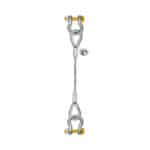
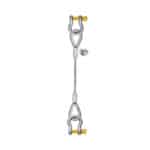
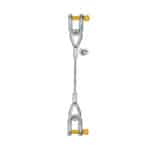
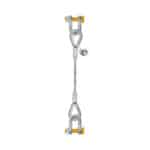
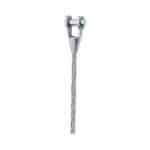
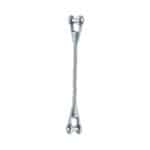
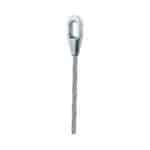
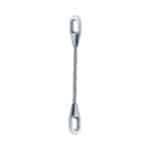
Wire rope consists of multiple strands of metal wire twisted together to form a strong, flexible cable. The construction typically involves a core, which can be made of fiber or steel, surrounded by strands of wires arranged in a specific pattern. Wire rope is made from various materials, including carbon steel and alloy steel, with different coatings to enhance corrosion resistance. Wire rope is used in a vast array of applications, including crane systems, elevators, and suspension bridges.
Advantages of Wire Rope Slings
Wire rope slings offer several key advantages that make them a popular choice for many lifting operations.
✅ Flexibility and Ease of Handling: Wire rope slings are known for their excellent flexibility, allowing them to easily wrap around loads of various shapes and sizes. This flexibility simplifies the lifting process, making it easier to secure loads quickly and efficiently. For many of our clients in Dammam, we’ve seen that this flexibility translates to faster turnaround times and reduced labor costs.
✅ High Strength-to-Weight Ratio: Wire rope slings provide a high lifting capacity relative to their weight. This means they can handle heavy loads without adding excessive weight to the lifting system, making them ideal for situations where weight is a critical consideration.
✅ Cost-Effectiveness: In many cases, wire rope slings are more cost-effective than chain slings. The initial purchase price is generally lower, making them an attractive option for businesses looking to minimize upfront costs.
Disadvantages of Wire Rope Slings
Despite their advantages, wire rope slings also have certain limitations that need to be considered.
❌ Susceptibility to Crushing and Kinking: Wire rope slings are vulnerable to damage from crushing and kinking. These types of damage can significantly reduce the sling’s lifting capacity and compromise its safety. It’s essential to handle wire rope slings with care to avoid these issues.
❌ Difficult to Inspect Internally: One of the biggest challenges with wire rope slings is the difficulty of inspecting them internally. Internal wear and corrosion can be hidden from view, making it hard to detect potential problems before they lead to failure.
❌ Lower Resistance to Abrasions: Wire rope slings are more susceptible to abrasion than chain slings. Dragging them along rough surfaces can quickly wear down the outer wires, reducing the sling’s strength and lifespan.
Ideal Applications for Wire Rope Slings
Wire rope slings are best suited for specific types of lifting applications.
- Lifting heavy loads that require flexibility
- Environments where cost is a major factor
- Applications where the load does not have sharp edges
What are Chain Slings?
Chain slings are made from interconnected metal links, typically constructed from alloy steel for superior strength and durability. The links are designed to withstand heavy loads and harsh conditions. Chain slings are available in various configurations, including single-leg, double-leg, and multi-leg designs, allowing for versatile lifting options. They are commonly used in construction, manufacturing, and other heavy-duty industries.
Advantages of Chain Slings
Chain slings offer several compelling advantages that make them a preferred choice in demanding lifting environments.
✅ Exceptional Durability and Resistance to Damage: Chain slings are highly durable and resistant to damage, making them ideal for use in harsh conditions. They can withstand abrasion, cutting, and other types of physical stress that would quickly degrade other types of slings. We once worked with a client choosing between wire rope and chain slings for their steel fabrication shop. They found chain slings were better for their specific workflow because of the constant exposure to sharp edges and weld splatter.
✅ Easy Inspection: Chain slings are relatively easy to inspect for signs of wear and damage. Individual links can be visually inspected for stretching, cracks, and other defects. This makes it easier to identify potential problems and take corrective action before a failure occurs.
✅ High Temperature Resistance: Chain slings can withstand much higher temperatures than wire rope slings. This makes them suitable for use in environments where heat is a concern, such as foundries and welding shops.
Disadvantages of Chain Slings
Despite their many advantages, chain slings also have some drawbacks that should be considered.
❌ Higher Weight: Chain slings are generally heavier than wire rope slings, which can make them more difficult to handle and maneuver. This added weight can also increase the overall load on the lifting system.
❌ Lower Flexibility: Chain slings are less flexible than wire rope slings, which can make them more challenging to use when wrapping complex loads. Their rigidity can also make them less suitable for certain types of lifting configurations.
❌ Higher Initial Cost: Chain slings typically have a higher initial cost than wire rope slings. This can be a significant factor for businesses with budget constraints.
Ideal Applications for Chain Slings
Chain slings are particularly well-suited for the following applications:
- Lifting loads with sharp edges or abrasive surfaces.
- High-temperature environments
- Applications where durability and longevity are crucial
Side-by-Side Feature Matrix
Here’s a detailed comparison of wire rope vs chain across key properties:
| Feature |
Wire Rope |
Chain |
| Strength |
High strength-to-weight ratio |
Exceptional durability |
| Flexibility |
Excellent |
Low |
| Durability |
Moderate |
High |
| Inspection |
Difficult (internal) |
Easy (visual) |
| Temperature Resistance |
Low to Moderate |
High |
| Cost |
Lower initial cost |
Higher initial cost |
| Weight |
Lighter |
Heavier |
| Maintenance |
Requires lubrication and careful handling |
Requires cleaning and link replacement |
Proper Inspection Procedures
Regular inspection of wire rope slings is essential for identifying potential hazards and ensuring safe operation. Visual checks should include looking for broken wires, crushing, kinking, and corrosion. Measuring wear and diameter reduction can also help detect internal damage. If any of these issues are found, the sling should be removed from service immediately.
Safe Usage Guidelines
To ensure safe usage of wire rope slings, it’s important to avoid sharp bends and kinking, which can damage the wires. Using appropriate sling protection, such as padding or sleeves, can help prevent abrasion and cutting. Always follow the manufacturer’s instructions and never exceed the sling’s working load limit.
Common Hazards and Prevention
Abrasion and cutting are common hazards when using wire rope slings. Protect the sling from sharp edges by using edge protectors or padding. Overloading is another significant risk. Always stay within the working load limit to prevent sling failure.
Proper Inspection Procedures
Regular inspection of chain slings is crucial for maintaining safety and preventing accidents. Check for stretched links, cracks, and deformation. Use a caliper to measure link diameter and detect wear. Any chain sling with damaged or worn links should be taken out of service immediately.
Safe Usage Guidelines
To ensure the safe use of chain slings, avoid knots and twists in the chain, as these can weaken the sling’s structure. Properly seat chain links on hooks to ensure even load distribution. Always adhere to the manufacturer’s guidelines and never exceed the sling’s working load limit.
Common Hazards and Prevention
Overloading is a primary hazard when using chain slings. Always stay within the working load limit to prevent chain failure. Impact loading, which occurs when a load is suddenly jerked or dropped, can also damage chain slings. Avoid sudden jerks and ensure smooth, controlled lifting.
Wire Rope in Action: A Manufacturing Plant
In a manufacturing plant, wire rope slings are often used for lifting machine parts in a controlled environment. These slings are chosen for their flexibility and cost-effectiveness, making them ideal for repetitive lifting tasks. The relatively clean and predictable environment minimizes the risk of abrasion and corrosion, extending the lifespan of the wire rope slings.
Chain Slings at Work: A Construction Site
On a construction site, chain slings are frequently used for lifting steel beams with sharp edges. Chain slings are selected for their durability and resistance to abrasion. The rugged environment and the need to handle heavy, potentially abrasive materials make chain slings the preferred choice.
Client Anecdote
We once worked with a client choosing between wire rope and chain slings for their shipyard. They found chain slings better suited their workflow due to the frequent exposure to saltwater and the need to lift heavy, awkwardly shaped metal plates with sharp edges.
Extending the Life of Wire Rope Slings
To maximize the lifespan of wire rope slings, regular lubrication and cleaning are essential. Lubrication helps reduce friction between the wires, preventing wear and corrosion. Proper storage in a dry, clean environment can also help prevent corrosion and extend the sling’s service life.
Maintaining Chain Slings
Maintaining chain slings involves regular cleaning and lubrication of the chain links. Lubrication helps prevent rust and reduces friction, while cleaning removes dirt and debris that can accelerate wear. Damaged or worn links should be replaced promptly to maintain the sling’s integrity.
Determining When to Replace a Sling
A sling should be removed from service if it shows signs of significant damage or wear. For wire rope slings, this includes broken wires, crushing, kinking, and corrosion. For chain slings, this includes stretched links, cracks, and deformation. Any sling that fails to meet inspection standards should be replaced immediately. Safe and Secure Trading Company advises clients to replace slings as soon as any doubt arises regarding their safety or integrity.
Initial Investment
The initial investment for wire rope slings is generally lower than for chain slings. This makes wire rope slings an attractive option for businesses with budget constraints. However, it’s important to consider long-term costs and the specific requirements of the application when making a decision.
Long-Term Costs
While wire rope slings may have a lower initial cost, chain slings often have lower long-term costs due to their increased durability and resistance to damage. Factoring in maintenance, repairs, and replacement frequency can provide a more accurate picture of the overall cost-effectiveness of each type of sling.
Calculating ROI
Assessing the overall cost-effectiveness of wire rope vs chain involves calculating the return on investment (ROI) based on application and lifespan. Consider factors such as the frequency of use, the severity of the lifting environment, and the potential for downtime due to sling failure. This analysis can help determine which type of sling offers the best value for your specific needs.
What the Experts Say
“While wire rope offers flexibility and cost-effectiveness, chain slings provide unparalleled durability and safety in harsh environments.” – John Smith, Certified Rigging Inspector
Relevant Standards and Regulations
Adhering to relevant standards and regulations is crucial for ensuring sling safety. OSHA (Occupational Safety and Health Administration) provides comprehensive standards for sling safety, including inspection, use, and maintenance requirements. ASME (American Society of Mechanical Engineers) also publishes standards for sling inspection and use, providing additional guidance for safe lifting practices.
Recommendation for Light-Duty Applications
For light-duty applications where flexibility and cost are primary concerns, wire rope might be the better choice. Its flexibility makes it easier to handle lighter loads, and its lower initial cost can be advantageous for businesses with budget constraints. However, regular inspection and careful handling are essential to ensure safety.
Recommendation for Heavy-Duty or Harsh Environments
For heavy-duty or harsh environments, chain slings are often the superior option. Their exceptional durability and resistance to damage make them well-suited for demanding lifting tasks. While the initial cost may be higher, the long-term benefits of increased safety and reduced downtime often outweigh the investment. For many of our clients here in Dammam, we’ve seen that the investment in chain slings for heavy-duty applications pays off in the long run.
Summary of Key Considerations
When deciding between wire rope vs chain, consider the following factors: cost, safety, environment, and application. Wire rope slings offer flexibility and cost-effectiveness, while chain slings provide durability and resistance to damage. Choose the sling that best meets your specific lifting needs and always prioritize safety.
Next steps
We, at Safe and Secure Trading Company (SSTC), can help you make the right choice.
FAQ Section
Q: What are the main differences between wire rope slings and chain slings?
A: Wire rope slings are known for their flexibility and cost-effectiveness, while chain slings are prized for their durability and resistance to damage. Wire rope slings are generally lighter and easier to handle for light-duty applications, whereas chain slings are better suited for heavy-duty and harsh environments.
Q: How often should I inspect my wire rope and chain slings?
A: Slings should be inspected before each use for any signs of damage, such as broken wires, stretched links, or deformation. A more thorough inspection should be conducted at least annually by a qualified inspector. The frequency of inspections may need to be increased depending on the severity of the lifting environment and the frequency of use.
Q: What are the key signs that a sling needs to be replaced?
A: For wire rope slings, signs of damage include broken wires, crushing, kinking, and corrosion. For chain slings, signs include stretched links, cracks, and deformation. Any sling that shows these signs or fails to meet inspection standards should be removed from service immediately.
Q: Can I use wire rope slings in high-temperature environments?
A: Wire rope slings have limited temperature resistance compared to chain slings. Prolonged exposure to high temperatures can weaken the wires and reduce the sling’s lifting capacity. Chain slings are the preferred choice for high-temperature environments.
Q: What is the working load limit (WLL) and why is it important?
A: The working load limit (WLL) is the maximum weight that a sling is designed to lift safely. Exceeding the WLL can lead to sling failure and potentially cause serious accidents. Always stay within the WLL and ensure that the sling is properly rated for the intended load.
Q: How should I store wire rope and chain slings when they are not in use?
A: Wire rope slings should be stored in a dry, clean environment to prevent corrosion. Chain slings should be cleaned and lubricated before storage to prevent rust and reduce friction. Both types of slings should be stored in a way that prevents damage and tangling.
Q: Are there specific OSHA or ASME standards for sling safety?
A: Yes, OSHA (Occupational Safety and Health Administration) provides comprehensive standards for sling safety, including inspection, use, and maintenance requirements. ASME (American Society of Mechanical Engineers) also publishes standards for sling inspection and use, providing additional guidance for safe lifting practices. Adhering to these standards is crucial for ensuring a safe working environment.
Q: Can I repair a damaged wire rope or chain sling?
A: Minor repairs may be possible, but it’s generally recommended to replace damaged slings rather than attempt to repair them. Repairs should only be performed by qualified professionals who are familiar with sling safety standards. It is always better to err on the side of caution and replace a damaged sling to ensure safety.
Q: How does the type of load affect the choice between wire rope and chain slings?
A: The type of load significantly impacts the choice between wire rope and chain slings. Loads with sharp edges or abrasive surfaces are better suited for chain slings, while loads that require flexibility and are free from sharp edges can be lifted with wire rope slings. Also, consider the lifting capacity needed as wire rope sling and chain sling can vary in maximum lifting capacity.
Q: What are the considerations for sling safety when performing overhead lifting?
A: Sling safety is paramount during overhead lifting. Ensure that the sling is in good condition, properly rated for the load, and correctly attached. Use proper lifting techniques and avoid sudden jerks or impacts. Establish a clear communication system between the crane operator and the ground crew to prevent accidents. Always prioritize sling safety to protect workers and prevent damage to equipment. Selecting the right sling types can greatly reduce the risk of accidents.