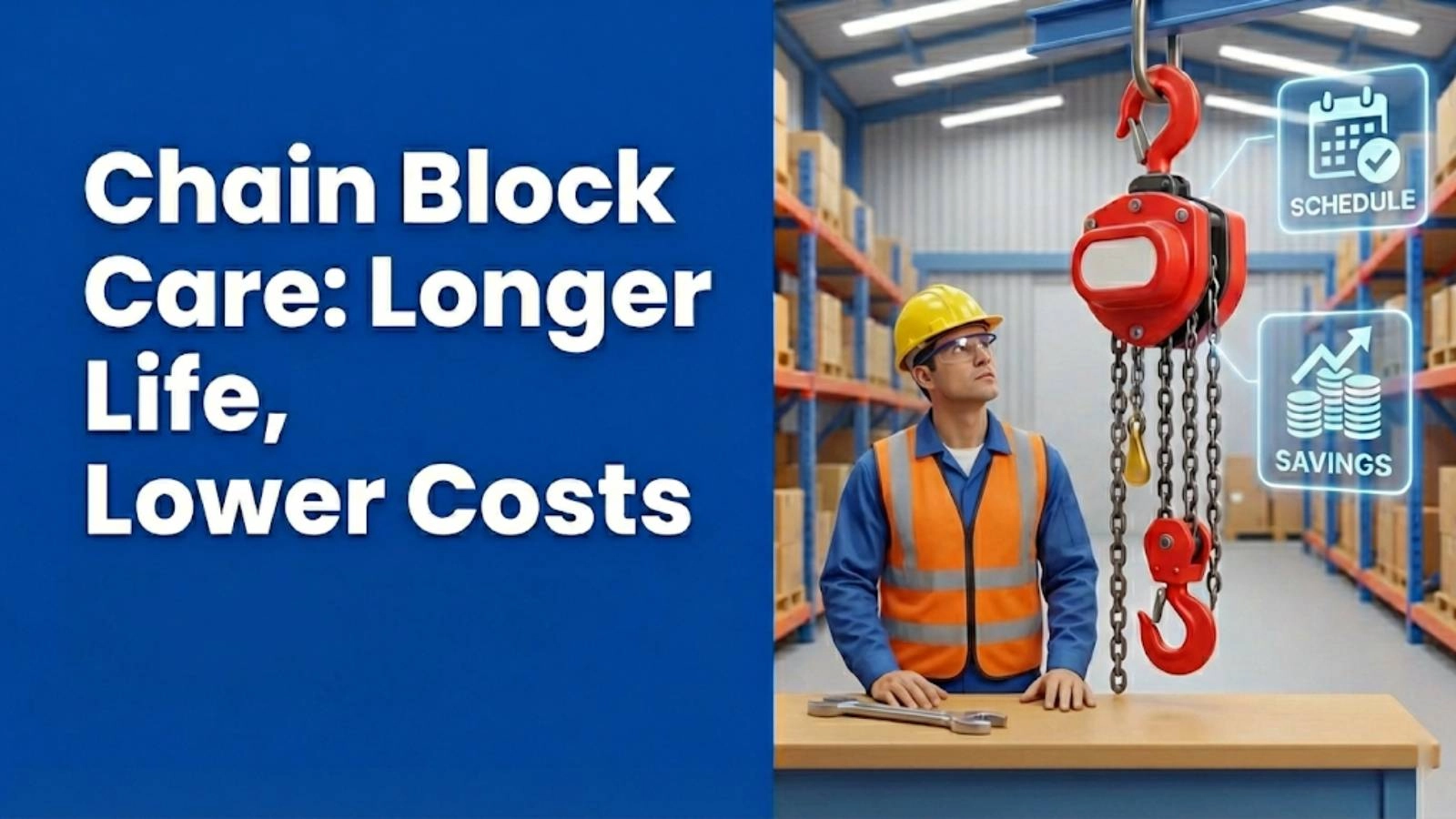
Chain blocks are indispensable tools in various lifting operations, from construction sites to manufacturing plants. However, the inherent power of these devices comes with significant responsibility. Incorrect usage can lead to equipment damage, serious injury, or even fatal accidents. This article highlights critical chain block mistakes that users often make, providing actionable advice on how to avoid them and ensure safe, efficient lifting practices.
We at Safe and Secure Trading Company (SSTC) understand the importance of safety in all lifting operations. Our goal is to provide you with the knowledge and resources needed to use chain blocks safely and effectively. By understanding and avoiding these common chain block mistakes, you can significantly reduce the risk of accidents and ensure a safer working environment.
1. Ignoring Load Capacity ✅
Understanding Load Limits
The Working Load Limit (WLL) is the maximum weight a chain block is designed to lift safely. This limit is clearly marked on the chain block’s body and should be easily visible. The WLL is a crucial piece of information that should always be considered before any lifting operation. Always double-check that the load weight never exceeds this limit.
Consequences of Overloading
Overloading a manual chain block can have devastating consequences. The chain can break, the gears can strip, or the entire unit can fail, causing the load to drop unexpectedly. This can result in serious injury to personnel, damage to the load, and costly repairs. In 2026, a construction site in Riyadh experienced a near-fatal accident when a chain block failed due to overloading, resulting in significant property damage. For many of our clients here in Dammam, we’ve seen that a simple miscalculation of load weight can have catastrophic results.
2. Neglecting Pre-Use Inspection ✅
Importance of Regular Inspections
Pre-use inspections are vital for identifying potential problems before they escalate into dangerous situations. A quick visual check before each lift can reveal issues such as worn chains, damaged hooks, or loose components. Even if a chain hoist is brand new, it should still be inspected for any manufacturing defects or damage sustained during shipping.
Key Inspection Points
Before each use, meticulously inspect the following components:
- Chains: Look for signs of wear, stretching, cracks, corrosion, or distortion. Any of these issues can compromise the chain’s strength and lead to failure.
- Hooks: Examine the hooks for any damage, deformation (such as bending or widening of the hook opening), or improper latch function. The latch should close securely to prevent the load from slipping off.
- Body: Inspect the chain block’s body for cracks, dents, or loose components. These can indicate internal damage or weakening of the structure.
“Regular inspection and maintenance of lifting equipment, especially chain blocks, is paramount to ensuring the safety of lifting operations and preventing accidents.” – John Smith, Lead Safety Inspector
3. Improper Sling Use ✅
Using Correct Sling Types
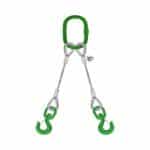
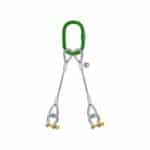
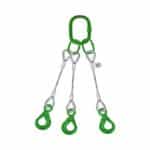
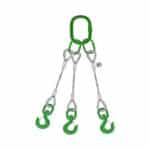
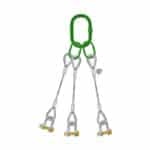
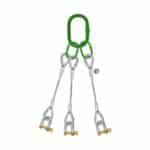
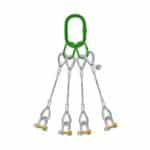
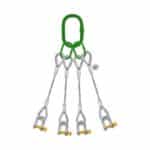
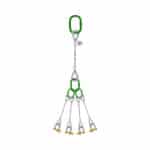
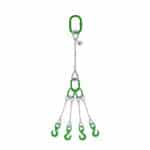
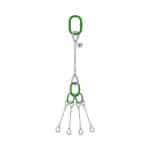
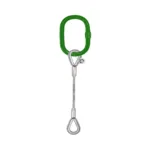
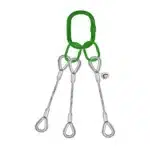
Slings are used to connect the load to the lifting equipment, and choosing the right type of sling is crucial for safety. Common sling types include chain slings, wire rope slings, and synthetic slings. Each type has its own advantages and limitations in terms of strength, flexibility, and resistance to abrasion and chemicals. Chain slings are known for their durability and resistance to cutting, while synthetic slings are lighter and easier to handle.
Sling Angle Considerations
The angle at which the slings are attached to the load significantly affects the load on each sling leg. As the angle increases, the tension on each leg also increases. Ideally, the sling angle should be kept as low as possible, preferably 45 degrees or less. Exceeding the recommended sling angle can overload the slings and the chain block, leading to failure.
4. Failure to Maintain Chain Block Lubrication ✅
Why Lubrication is Important
Lubrication is essential for reducing friction between moving parts, preventing wear, and extending the lifespan of the chain block. Proper lubrication ensures smooth operation and reduces the risk of jamming or seizing. Neglecting lubrication can lead to premature wear and eventual failure of the equipment.
Lubrication Schedule
A regular lubrication schedule should be established based on the frequency of use and the environmental conditions. For frequently used chain blocks, lubrication should be performed at least once a month. In harsh environments with dust, moisture, or extreme temperatures, more frequent lubrication may be necessary. The lubricant should be applied to the chain, gears, and other moving parts according to the manufacturer’s recommendations.
5. Not Using Proper Lifting Techniques ✅
Avoiding Shock Loading
Shock loading occurs when a sudden force is applied to the chain block, such as when the load is dropped abruptly or when the chain is jerked. Shock loading can significantly increase the stress on the equipment and lead to immediate failure. Always lift loads smoothly and gradually to avoid shock loading.
Maintaining a Vertical Lift
It is crucial to keep the load directly under the chain block to prevent side loading. Side loading occurs when the load is pulled at an angle, placing undue stress on the chain, gears, and other components. Side loading can damage the equipment and create a hazardous situation. Use tag lines or other methods to ensure the load remains vertical during lifting.
6. Storage and Environmental Factors ✅
Protecting Against Corrosion
Moisture, chemicals, and extreme temperatures can all damage the chain block. Corrosion can weaken the chain and other metal components, leading to failure. Store chain blocks in a dry, clean environment away from corrosive substances. When not in use, protect the chain block from the elements by covering it with a tarp or storing it indoors.
Regular Cleaning
Regular cleaning is essential for removing dirt, grime, and debris that can accumulate on the chain block. These contaminants can accelerate wear and corrosion, reducing the lifespan of the equipment. Clean the chain block with a mild detergent and water, and then dry it thoroughly. Avoid using harsh chemicals or abrasive cleaners that can damage the components.
7. Lack of Training and Competency ✅
Importance of Qualified Operators
Proper training and certification are essential for chain block operators. Untrained operators are more likely to make mistakes that can lead to accidents. Training should cover topics such as load capacity, inspection procedures, proper lifting techniques, and emergency procedures. Ensure that all operators are qualified and competent to use chain blocks safely.
Training Resources
There are many reputable training providers that offer courses on lifting equipment operation and safety. These courses can provide operators with the knowledge and skills they need to use chain blocks safely and effectively. Additionally, refresher training should be provided periodically to ensure that operators stay up-to-date on the latest safety practices. For example, many of our clients in the petrochemical industry in Jubail ensure all employees are certified in safe lifting practices.
8. Ignoring Manufacturer’s Instructions ✅
The Value of the Manual
The manufacturer’s instructions contain important safety information, maintenance procedures, and troubleshooting tips. Before using a chain block, it is essential to read and understand the manual. The manual provides specific guidelines for the safe operation and maintenance of the equipment. Ignoring the manufacturer’s instructions can lead to improper usage, equipment damage, and potential accidents.
Following Specific Guidelines
Specific guidelines that are often overlooked include proper chain block installation and usage limitations. For example, some chain blocks are not designed for horizontal lifting, while others have specific limitations on the length of the chain. Always follow the manufacturer’s recommendations for these and other specific guidelines.
9. Post-Lift Procedures and Checks ✅
The Importance of Post-Lift Inspection
A quick inspection after each lift can identify problems early. Look for any signs of wear, damage, or loose components. Reporting any issues immediately is crucial for preventing further damage or accidents. This proactive approach to hoist maintenance can save time and money in the long run.
Proper Storage After Use
Reiterate the proper storage guidelines mentioned earlier and the importance of following them consistently. Store the chain block in a dry, clean environment away from corrosive substances. Protect the chain block from the elements by covering it with a tarp or storing it indoors. Proper storage helps prevent damage and extends the lifespan of the equipment.
| Mistake |
Consequence |
Prevention |
| Ignoring Load Capacity |
Chain breakage, equipment damage, injury |
Always check the WLL and never exceed it. |
| Neglecting Pre-Use Inspection |
Unidentified problems leading to failure |
Conduct a thorough inspection before each use. |
| Improper Sling Use |
Overloaded slings, equipment failure |
Use the correct sling type and keep sling angles low. |
| Failure to Maintain Lubrication |
Increased wear, premature failure |
Establish and follow a regular lubrication schedule. |
| Not Using Proper Lifting Techniques |
Shock loading, side loading, equipment damage |
Lift smoothly and maintain a vertical lift. |
| Poor Storage and Environmental Factors |
Corrosion, damage, reduced lifespan |
Store in a dry, clean environment and clean regularly. |
| Lack of Training and Competency |
Increased risk of accidents |
Ensure operators are properly trained and certified. |
| Ignoring Manufacturer’s Instructions |
Improper usage, equipment damage |
Read and follow the manufacturer’s instructions. |
| Poor Post-Lift Procedures and Checks |
Unidentified problems, further damage |
Inspect after each lift and store properly. |
Conclusion
Avoiding chain block mistakes is paramount for ensuring safe and efficient lifting operations. Common errors such as overloading, neglecting inspections, improper sling use, and lack of maintenance can lead to serious accidents and equipment damage. By prioritizing training, adhering to manufacturer’s instructions, and implementing regular inspection and maintenance procedures, you can significantly reduce the risk of accidents and ensure a safer working environment.
We at Safe and Secure Trading Company (SSTC) are committed to providing our clients with the highest quality lifting equipment and safety resources. By working together, we can create a safer and more productive workplace for everyone.
FAQ Section
Q: How often should I inspect my chain block?
A: We recommend inspecting your chain block before each use and after each use. A more thorough inspection should be conducted at least quarterly by a qualified inspector.
Q: What is the most common chain block mistake?
A: In our experience, the most common chain block mistake is exceeding the Working Load Limit (WLL). Always double-check the load weight and ensure it never exceeds the WLL.
Q: How do I properly lubricate my chain block?
A: We advise using a high-quality chain lubricant recommended by the manufacturer. Apply the lubricant to the chain, gears, and other moving parts according to the manufacturer’s instructions.
Q: What type of slings should I use with my chain block?
A: We suggest using the correct type of sling for the load’s weight and shape. Common sling types include chain slings, wire rope slings, and synthetic slings. Each type has its own advantages and limitations.
Q: How can I prevent corrosion on my chain block?
A: We recommend storing your chain block in a dry, clean environment away from corrosive substances. Regular cleaning and lubrication can also help prevent corrosion.
Q: What should I do if I find a defect during a pre-use inspection?
A: We recommend that if you find any defects during a pre-use inspection, immediately remove the chain block from service and tag it as “out of service.” Do not attempt to repair the chain block yourself. Contact a qualified repair technician for assistance.
Q: Where can I find reputable training for chain block operation?
A: We can assist you in finding reputable training providers that offer courses on lifting equipment operation and safety. These courses can provide operators with the knowledge and skills they need to use chain blocks safely and effectively.
Q: What is shock loading and how can I avoid it?
A: Shock loading occurs when a sudden force is applied to the chain block, such as when the load is dropped abruptly or when the chain is jerked. To avoid shock loading, lift loads smoothly and gradually.
Q: Why is it important to follow the manufacturer’s instructions?
A: We stress that the manufacturer’s instructions contain important safety information, maintenance procedures, and troubleshooting tips. Ignoring these instructions can lead to improper usage, equipment damage, and potential accidents.
Q: What is the difference between a chain block and a lever block?
A: We often get asked this question, and the main difference lies in their operation and application. A chain block, also known as a hand chain hoist, uses a continuous chain to lift loads, making it ideal for vertical lifting applications. On the other hand, a lever block utilizes a lever and ratchet mechanism, providing more precise control and making it suitable for pulling, tensioning, and positioning loads in various directions, including horizontal or angled pulls.