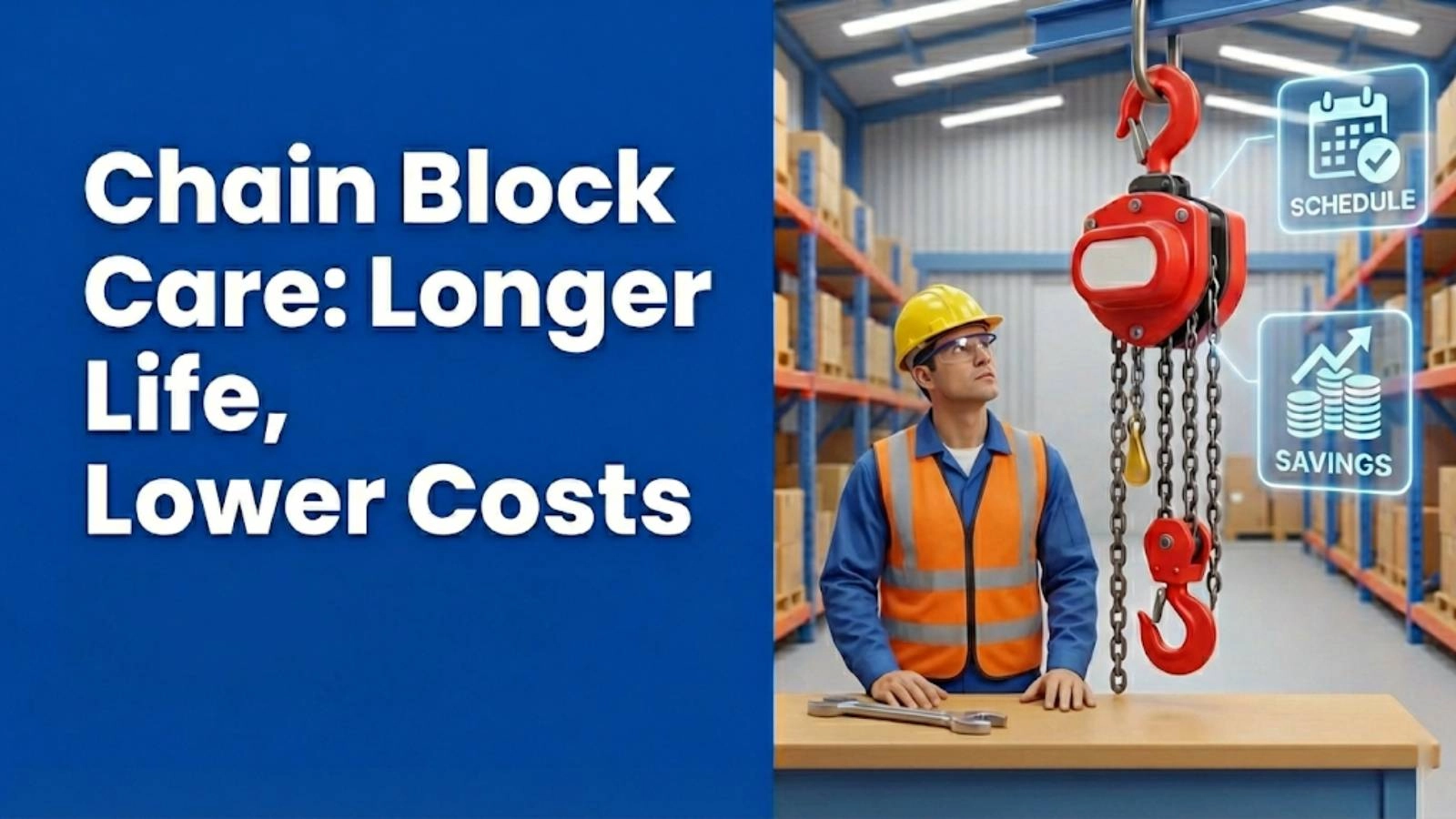
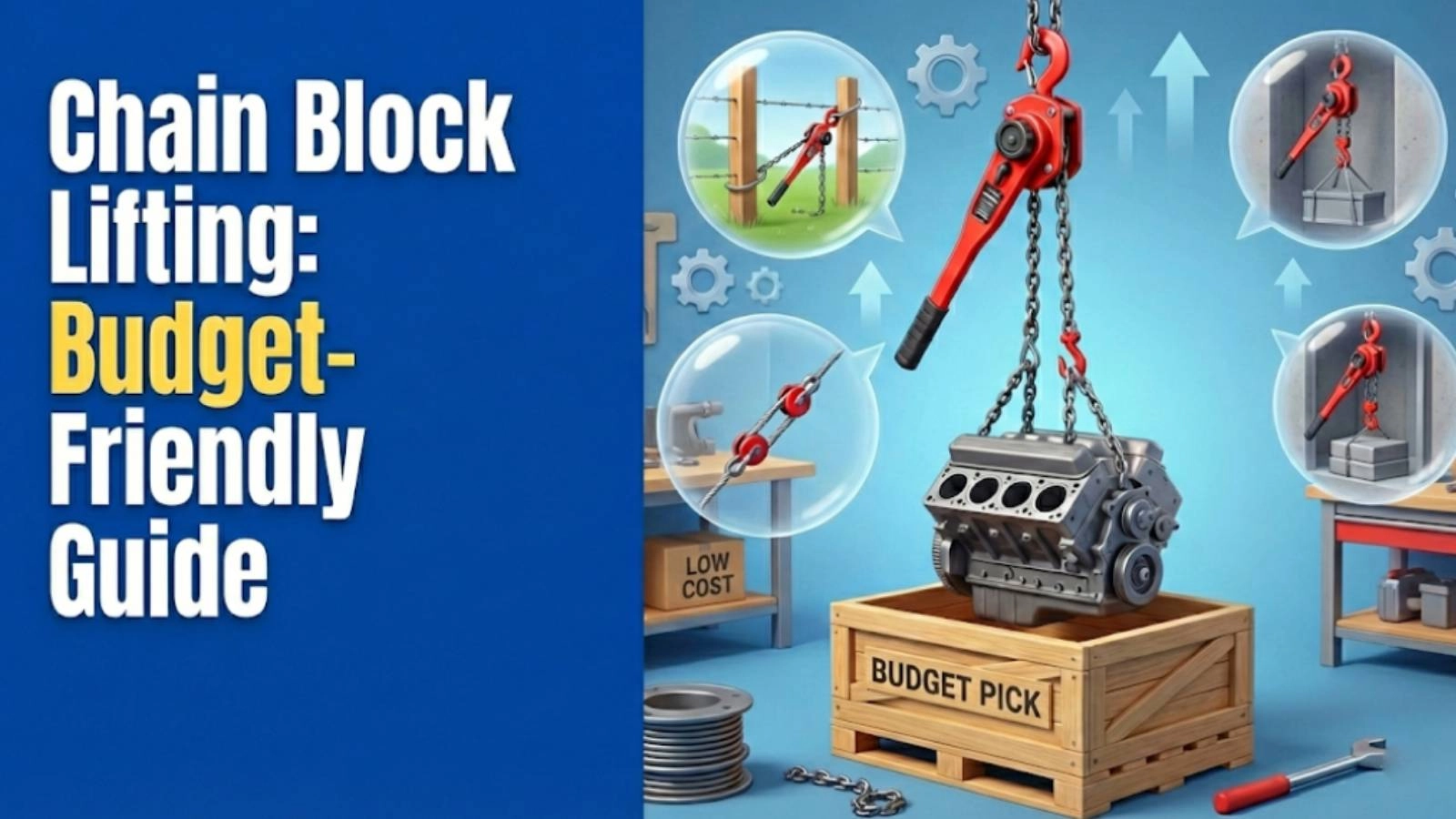
Chain blocks are indispensable tools in numerous industries, providing a safe and efficient means of lifting heavy loads. However, their reliability hinges on regular and thorough chain block inspection. Neglecting this critical maintenance aspect can lead to equipment failure, workplace accidents, and significant financial losses. In this comprehensive guide, we at SSTC outline 5 essential inspection points to ensure your chain blocks operate safely and efficiently. Ensuring chain block inspection occurs with frequency will maintain operational readiness.
1. ✅ Chain Integrity: The Foundation of Safety
The chain is arguably the most critical component of a chain block. Its integrity directly impacts the load-bearing capacity and overall safety of the equipment. A compromised chain can lead to catastrophic failures, putting personnel and property at risk. Therefore, a meticulous examination of the chain is paramount during any chain block inspection.
1.1 Visual Examination for Wear and Tear
A detailed visual inspection should be performed on each link of the chain. Look for signs of stretching, gouges, nicks, corrosion, or any other visible damage. These imperfections can significantly weaken the chain’s structural integrity and increase the risk of failure. Remember that even seemingly minor damage can propagate over time and lead to a more severe issue. We have found that a significant percentage of chain block inspection processes focus on identifying these visual cues.
A study indicates that approximately 60% of chain block failures are attributed to chain wear. This statistic underscores the importance of diligent visual inspections. To aid in identifying wear, consider using a wear gauge. Maintain a log of chain wear measurements over time to track degradation and establish a proactive replacement schedule. This documentation is crucial for workplace safety.
1.2 Measuring Chain Stretch
In addition to visual inspections, it’s essential to measure chain stretch accurately. Use calibrated instruments, such as calipers or chain gauges, to precisely measure the chain’s length. Compare these measurements to the original specifications provided by the manufacturer. This will help determine if the chain has exceeded its allowable stretch limit.
Establishing threshold values for chain stretch is essential; surpassing these values mandates immediate chain replacement. Adherence to industry standards, such as ANSI/ASME B30.9 for chain sling inspections and discard criteria, provides a data-driven approach to ensure consistent and reliable measurements. For many of our clients here in Dammam, we’ve emphasized that using a calibrated instrument provides a higher level of certainty and safety.
2. 💡 Hook Condition: Identifying Critical Deformities
The hook is another critical component of a chain block, responsible for securely attaching the load. Its condition directly impacts the stability and safety of the lifting operation. Any deformities, cracks, or damage to the hook can compromise its load-bearing capacity and lead to accidents. Therefore, a thorough inspection of the hook is a crucial aspect of chain block inspection.
2.1 Assessing Hook Opening and Throat
Measure the hook opening with calipers to detect any stretching or deformation. Hooks that have been subjected to excessive loads or impacts may exhibit an increased opening size, indicating a weakened structure. This measurement should be compared to the original hook dimensions to identify any significant deviations. A damaged hook can easily compromise lifting equipment safety.
Hooks with openings exceeding 15% of the original size should be immediately removed from service. This quantitative analysis provides a clear and objective criterion for determining hook acceptability. Regularly checking the hook opening ensures early detection of potential problems. It also ensures continued workplace safety.
2.2 Detection of Cracks and Bends
Carefully examine the hook for any signs of cracks, bends, or other deformities. These defects can significantly reduce the hook’s strength and increase the risk of failure. Pay close attention to areas of high stress concentration, such as the hook’s curved section and the area around the shank. Dye penetrant testing can be used to identify surface cracks that are invisible to the naked eye.
A report indicates that approximately 25% of hook failures result from undetected cracks. This statistic highlights the importance of using advanced inspection techniques to identify hidden defects. We at SSTC emphasize the importance of this non-destructive testing. It’s a key factor in comprehensive lifting equipment safety.
2.3 Latch Mechanism Functionality
Ensure that the latch mechanism functions properly. The latch is designed to prevent accidental slippage of the load from the hook. Verify that the latch engages fully and securely, providing a positive locking action. Also, check for any damage or wear to the latch mechanism, such as bent or broken parts.
Hooks with damaged or malfunctioning latches should be immediately replaced. The latch is a critical safety feature, and its proper functioning is essential for preventing accidents. Prioritizing the latch function improves overall workplace safety.
3. ➡️ Brake Mechanism: Ensuring Load Control
The brake mechanism is a critical component of a chain block, responsible for holding the load securely in place and preventing uncontrolled descent. A properly functioning brake is essential for safe lifting operations, as it provides the operator with precise control over the load. A malfunctioning brake can lead to dangerous situations, such as sudden load drops or uncontrolled movement. Therefore, a thorough inspection and testing of the brake mechanism is a crucial aspect of chain block inspection.
3.1 Functional Testing of the Brake
Apply a load to the chain block and verify that the brake holds the load securely without slipping. This test should be performed with a load that is representative of the chain block’s rated capacity. Observe the brake for any signs of slippage or erratic movement. If the brake fails to hold the load securely, it indicates a problem with the brake mechanism that needs to be addressed.
Measuring brake slippage under different load conditions is also helpful. This data can be used to assess the performance degradation of the brake over time. Regular functional testing of the brake ensures it continues to perform as intended. It also plays a critical role in lifting equipment safety.
3.2 Inspection for Wear and Contamination
Check the brake pads or surfaces for wear, oil contamination, or other debris. Wear on the brake pads can reduce the brake’s effectiveness, while oil contamination can cause slippage. Remove any debris or contaminants from the brake surfaces using a suitable cleaning agent. Also, inspect the brake mechanism for any signs of corrosion or damage.
Regular cleaning and lubrication of the brake mechanism are essential for ensuring optimal operation. This preventative maintenance helps to prolong the life of the brake and prevent premature failure. This is a key factor in extending the lifespan of your chain block and preventing the need for premature replacement. The practice also contributes to chain hoist maintenance.
3.3 Verification of Brake Engagement
Ensure that the brake engages smoothly and consistently when the load is applied. The brake should engage without any hesitation or jerking. If the brake engagement is erratic or inconsistent, it indicates a problem with the brake mechanism that needs to be investigated. Also, check the brake release mechanism to ensure it functions properly.
“A properly functioning brake is paramount for safe lifting operations. Neglecting brake maintenance is a gamble with potentially catastrophic consequences.” – John Smith, Certified Lifting Equipment Inspector
4. ⚙️ Housing and Frame: Structural Integrity Assessment
The housing and frame of a chain block provide structural support and protect the internal components. Any damage to the housing or frame can compromise the chain block’s overall integrity and increase the risk of failure. Therefore, a thorough inspection of these components is an essential part of chain block inspection.
4.1 Visual Inspection for Damage
Examine the housing and frame for dents, cracks, or any signs of structural damage. These imperfections can indicate that the chain block has been subjected to excessive loads or impacts. Pay close attention to areas of high stress concentration, such as the corners and edges of the housing. Any damage to the housing or frame should be carefully evaluated to determine its severity.
Identifying the causes of damage and implementing preventative measures can help to prevent future occurrences. This root cause analysis is an important step in maintaining the chain block’s structural integrity. Consider an incident reporting system to track damage.
4.2 Checking Fasteners and Connections
Verify that all bolts, nuts, and other fasteners are properly tightened and secured. Loose fasteners can compromise the structural integrity of the chain block and increase the risk of component failure. Use a torque wrench to tighten fasteners to the manufacturer’s specified torque values. Also, check for any signs of corrosion or damage to the fasteners.
Adhering to manufacturer’s torque specifications for all fasteners is essential for ensuring proper assembly and preventing loosening over time. Regular inspections of fasteners and connections help to maintain the chain block’s structural integrity. Loose connections can undermine lifting equipment safety.
4.3 Load Path Inspection
Trace the load path through the housing and frame to identify potential weak points. The load path is the route that the load takes through the chain block’s structure. Identifying any areas of high stress concentration or potential weak points can help to prevent failures. Also, check for any signs of distortion or deformation in the load path.
Utilizing computer modeling, such as finite element analysis, to assess stress distribution and identify areas of concern can provide valuable insights into the chain block’s structural behavior under load. These advanced techniques can help to identify potential weaknesses that may not be apparent during a visual inspection. Ensuring a sound load path is critical to lifting equipment safety.
5. 📊 Load Testing: Verifying Capacity
Load testing is a critical step in verifying the chain block’s capacity and ensuring its safe operation. This involves applying a load to the chain block and observing its performance. Load testing should be performed periodically, as well as after any major repairs or modifications. It helps to identify any weaknesses or defects that may not be apparent during a visual inspection. Load testing is a key component of lifting equipment safety.
5.1 Conducting Proof Load Testing
Apply a load exceeding the rated capacity to verify the chain block’s structural integrity. The proof load test is typically performed at a load that is 125% of the chain block’s rated capacity. This test should be performed under controlled conditions, with appropriate safety precautions in place. Observe the chain block for any signs of deformation or failure during the test.
Documenting the test load, duration, and any signs of deformation or failure is essential for maintaining a record of the chain block’s performance. This data can be used to track the chain block’s condition over time. Rigorous load testing is crucial for lifting equipment safety.
5.2 Visual Examination After Load Testing
Perform a thorough inspection of all components after load testing to identify any signs of stress or damage. This inspection should include the chain, hooks, housing, and frame. Pay close attention to areas of high stress concentration, such as the corners and edges of the housing. Any signs of stress or damage should be carefully evaluated to determine their severity.
Comparing the test results to acceptance criteria and taking appropriate action is essential for ensuring the chain block’s continued safe operation. This may involve repairing or replacing damaged components. Regular post-test inspections help maintain chain hoist maintenance.
5.3 Certification and Documentation
Maintain records of all load testing activities, including dates, results, and certifications. These records should be readily available for review by authorized personnel. Certification by a qualified testing organization provides assurance that the chain block has been properly tested and meets all applicable safety standards. Accurate records ensure lifting equipment safety.
Ensuring compliance with OSHA and other relevant safety regulations is essential for maintaining a safe workplace. These regulations provide guidelines for chain block inspection, maintenance, and load testing. Adhering to these regulations helps to prevent accidents and injuries. Documenting results is a crucial component of workplace safety.
6. 🛡️ Environmental Factors: Impact and Mitigation
Environmental factors can significantly impact the lifespan and safety of chain blocks. Exposure to corrosive substances, extreme temperatures, and abrasive materials can accelerate wear and degradation, leading to potential failures. Therefore, understanding these risks and implementing appropriate mitigation strategies is crucial for maintaining chain block integrity and lifting equipment safety.
6.1 Identifying Environmental Risks
Assess the specific environmental conditions to which the chain block is exposed. Identify potential hazards such as corrosive chemicals, high humidity, extreme temperatures, and abrasive dust. These factors can all contribute to premature wear and failure. Specific industries, such as marine or chemical processing, present unique challenges.
Keeping track of local environmental conditions (humidity, temperature) can aid in predicting wear rates. Documenting these conditions as part of the chain block inspection process allows for proactive maintenance and replacement schedules. A rigorous environmental assessment is crucial for chain hoist maintenance.
6.2 Protective Measures
Apply protective coatings, lubricants, and other preventative treatments to mitigate the effects of environmental factors. Protective coatings can shield the chain block from corrosion and abrasion, while lubricants can reduce friction and wear. Regular application of these treatments can significantly extend the chain block’s lifespan.
Scheduling chain block usage to avoid the worst environmental conditions is also a best practice. For example, avoid using chain blocks outdoors during periods of heavy rain or snow. Implement a rotation system to minimize exposure. This simple action can considerably improve workplace safety.
6.3 Storage and Handling Procedures
Implement proper storage and handling procedures to minimize environmental damage. Store chain blocks in a clean, dry environment, away from corrosive substances and extreme temperatures. Handle chain blocks carefully to avoid impacts and abrasion. Proper storage and handling procedures can significantly reduce the risk of environmental damage.
Ensuring storage and handling procedures meet or exceed regulatory standards is essential for maintaining compliance. Follow manufacturer’s recommendations for storage and handling. Regular audits of storage and handling practices can help identify areas for improvement. Proactive steps improve overall chain hoist maintenance.
7. 📝 Documentation and Record Keeping: Maintaining a Detailed History
Comprehensive documentation and record-keeping are essential for effective chain block management. Detailed records of inspections, maintenance, and training provide a valuable history of each chain block’s condition and usage. This information can be used to identify trends, predict failures, and improve overall safety and reliability.
7.1 Inspection Logs
Keep detailed logs of all inspections, including dates, findings, and corrective actions. Inspection logs should include the inspector’s name, the date of the inspection, the chain block’s identification number, and a detailed description of any defects or damage found. Corrective actions taken to address these issues should also be documented. Keeping detailed logs plays an important part of workplace safety.
Documenting the specific reasons for replacements helps to train workers on preventative maintenance. Analysis of inspection logs can reveal recurring issues. This data can be used to refine inspection procedures and improve training programs. This is a key strategy in chain hoist maintenance.
7.2 Maintenance Records
Record all maintenance activities, including repairs, replacements, and adjustments. Maintenance records should include the date of the maintenance, the nature of the work performed, the parts replaced, and the name of the technician who performed the work. This information is essential for tracking maintenance costs and identifying potential problems.
Using historical data to predict likely failures and schedule proactive replacements is a key element of predictive maintenance. Analyzing maintenance records can reveal patterns of failure. This information can be used to optimize maintenance schedules and minimize downtime. Meticulous maintenance records are crucial for lifting equipment safety.
7.3 Training Records
Maintain records of all training programs for chain block operators and inspectors. Training records should include the date of the training, the names of the participants, the topics covered, and the instructor’s name. This information is essential for verifying that operators and inspectors are properly trained and qualified.
Ensuring records meet or exceed all regulatory requirements is essential for maintaining compliance. Regularly audit training records to ensure they are complete and up-to-date. Maintaining proper training records is a key aspect of workplace safety.
8. 👨🔧 Training and Competency: Ensuring Skilled Operation
Proper training and competency are essential for safe and effective chain block operation and inspection. Operators must be trained in the proper use of chain blocks, including load handling, safety procedures, and basic inspection techniques. Inspectors must be certified and qualified to perform thorough inspections and identify potential hazards. Well-trained personnel are a cornerstone of workplace safety.
8.1 Operator Training
Provide comprehensive training on the proper operation and inspection of chain blocks. Operator training should cover topics such as load calculation, sling selection, safe lifting techniques, and emergency procedures. Hands-on training is essential for developing practical skills. Make sure the training complies with local and federal regulations.
Quantifying training effectiveness through certification exam scores is a valuable metric. Track operator performance on certification exams to identify areas for improvement. Regularly update training materials to reflect changes in industry standards and best practices. Effective training directly contributes to lifting equipment safety.
8.2 Inspector Certification
Require inspectors to be certified by a recognized organization. Inspector certification ensures that inspectors have the knowledge, skills, and experience necessary to perform thorough and accurate inspections. Certification programs typically involve written exams, practical demonstrations, and ongoing continuing education requirements. Certified inspectors enhance lifting equipment safety.
Requiring certifications that are accepted by regulatory bodies, e.g., OSHA, ensures compliance with legal requirements. Research and select certification programs that meet or exceed industry standards. Regularly verify the credentials of certified inspectors to ensure they remain current. Qualified inspectors are vital for chain hoist maintenance.
8.3 Refresher Courses
Provide regular refresher courses to keep operators and inspectors up-to-date on best practices. Refresher courses should cover new technologies, changes in regulations, and lessons learned from recent incidents. Regular refresher training helps to reinforce safety principles and improve overall competency. Consistent training ensures chain hoist maintenance.
Regularly updating the training modules with examples of equipment failures enhances the training value. Incorporate case studies of real-world incidents into the training program. Encourage operators and inspectors to share their experiences and insights. Continuous learning improves overall workplace safety.
9. 🔍 Specific Chain Block Types: Customizing the Inspection Process
Different types of chain blocks have unique design features and operating characteristics that require specific inspection procedures. Understanding these differences is essential for performing thorough and accurate inspections. Tailoring the inspection process to the specific type of chain block ensures that all potential hazards are identified.
9.1 Lever Hoists
Recognize the unique inspection requirements for lever hoists versus standard chain blocks. Lever hoists utilize a lever mechanism to lift loads, which requires specific attention to the lever arm, pawls, and ratchet mechanism. These components are subject to wear and damage from repeated use. Ensure comprehensive chain block inspection.
Conducting specialized inspections that consider the angle of the lever arm is critical. Check for any signs of bending, cracking, or distortion in the lever arm. Inspect the pawls and ratchet mechanism for wear, damage, or improper engagement. Precise inspections contribute to lifting equipment safety.
9.2 Electric Chain Hoists
Account for electrical components and safety interlocks during the inspection. Electric chain hoists incorporate electrical motors, wiring, and controls that require specialized inspection procedures. Check for any signs of electrical damage, such as frayed wires, cracked insulation, or loose connections. Ensuring safety measures boosts workplace safety.
Ensuring the inspections are following the recommendations of the manufacturer and regulatory standards is crucial. Inspect safety interlocks to ensure they function properly. Verify that the hoist is properly grounded to prevent electrical shock hazards. Regular inspections are vital for chain hoist maintenance.
9.3 Air Chain Hoists
Verify the integrity of pneumatic systems and air hoses. Air chain hoists utilize compressed air to power the lifting mechanism, requiring specific attention to the air hoses, fittings, and pneumatic components. Check for any signs of leaks, cracks, or damage to the air hoses. Detailed inspections strengthen chain hoist maintenance.
Keeping track of wear caused by lubricants in the air system is also important. Inspect the air filter and lubricator to ensure they are functioning properly. Verify that the air pressure is within the manufacturer’s specified range. Regular checks enhance lifting equipment safety.
10. ⚠️ Common Inspection Oversights: Avoiding Critical Errors
Even with the best training and procedures, it’s easy to overlook certain aspects of chain block inspection. Recognizing these common oversights and taking steps to avoid them is essential for ensuring a thorough and accurate inspection. Addressing potential errors fortifies lifting equipment safety.
10.1 Ignoring Minor Defects
Emphasizing the importance of addressing even seemingly minor defects promptly. Small cracks, dents, or corrosion can quickly escalate into major problems if left unaddressed. Promptly repairing or replacing damaged components prevents further deterioration and reduces the risk of failure. Prioritizing defect repair strengthens chain hoist maintenance.
Scheduling replacements before damage exceeds acceptable thresholds is a proactive approach. Implement a system for tracking minor defects and monitoring their progression. Regular inspections are vital for identifying minor defects before they become major problems. Avoid ignoring minor defects to preserve workplace safety.
10.2 Neglecting Load Chain
Recognizing the load chain as the most critical component and giving it adequate attention. The load chain is directly responsible for supporting the load, making its condition paramount. Thoroughly inspect the load chain for any signs of wear, damage, or corrosion. This vigilance preserves chain hoist maintenance.
Using the chain manufacturer’s recommendations for visual inspections of the load chain ensures proper inspection practices. Pay close attention to areas of high stress concentration, such as the links near the hooks. Replace the load chain immediately if any defects are found. Ensure load chain integrity to maintain lifting equipment safety.
10.3 Skipping Environmental Considerations
Highlighting the impact of environmental factors on chain block integrity. Exposure to corrosive substances, extreme temperatures, and abrasive materials can significantly accelerate wear and degradation. Failure to consider these factors can lead to premature failure and increased risk of accidents. Always consider the environment for chain block inspection.
Maintaining records of chains exposed to environmental damage allows for accelerated replacement schedules. Implement protective measures to mitigate the effects of environmental factors. Regularly inspect chain blocks for signs of environmental damage. Consider the environmental effects to boost workplace safety.
11. 💰 Cost of Neglecting Inspections: Financial Implications
Neglecting regular chain block inspections can have significant financial implications, including downtime costs, repair costs, and accident costs. These costs can quickly add up, making preventative maintenance a much more cost-effective approach. Understanding the financial risks of neglecting inspections can help justify the investment in a comprehensive inspection program.
11.1 Downtime Costs
Quantifying the financial impact of equipment downtime due to failures. When a chain block fails, it can halt production and disrupt operations, resulting in significant downtime costs. These costs can include lost production, delayed shipments, and idle labor. Reduce the risk of downtime with chain block inspection.
Tracking the annual cost of downtime attributed to chain block failures provides valuable data for justifying preventative maintenance. Analyze downtime data to identify recurring issues and implement corrective actions. Minimize downtime costs by investing in a comprehensive inspection program. Reduce downtime and strengthen chain hoist maintenance.
11.2 Repair Costs
Comparing the cost of preventative maintenance to the cost of major repairs. Regular inspections and preventative maintenance can help to identify and address minor issues before they escalate into major problems. This can significantly reduce the cost of repairs and extend the lifespan of the chain block. Preventative maintenance is crucial to lifting equipment safety.
Developing a preventative maintenance program that considers downtime losses can further optimize cost savings. Track the cost of repairs over time to assess the effectiveness of the preventative maintenance program. Minimize repair costs by investing in regular inspections and preventative maintenance. Prioritize maintenance to improve workplace safety.
11.3 Accident Costs
Estimating the financial consequences of accidents caused by faulty chain blocks. Accidents caused by faulty chain blocks can result in serious injuries, property damage, and legal liabilities. These costs can be substantial, making accident prevention a top priority. Accident prevention is an important element of lifting equipment safety.
Quantifying the risk of liability based on historical failure rate data can help justify the investment in a comprehensive inspection program. Implement safety measures to prevent accidents and injuries. Minimize accident costs by investing in regular inspections and preventative maintenance. Reduce liability and reinforce workplace safety.
12. 🌐 Industry Standards and Regulations: Staying Compliant
Adhering to industry standards and regulations is essential for ensuring chain block safety and compliance. Organizations such as OSHA, ANSI, and ASME have established standards for chain block inspection, maintenance, and operation. Staying up-to-date on these standards and regulations is crucial for maintaining a safe and compliant workplace. Compliance is the foundation of workplace safety.
12.1 OSHA Requirements
Summarizing the OSHA requirements for chain block inspection and maintenance. OSHA regulations provide guidelines for chain block inspection intervals, inspection procedures, and documentation requirements. Compliance with OSHA regulations is mandatory for all employers. Following the regulations enhances lifting equipment safety.
Ensuring all procedures are in compliance with current OSHA standards is essential for avoiding penalties and ensuring a safe workplace. Regularly review OSHA regulations to stay up-to-date on any changes. Implement procedures to ensure compliance with all applicable OSHA requirements. Maintain compliance to optimize chain hoist maintenance.
12.2 ANSI/ASME Standards
Referencing the relevant ANSI/ASME standards for chain blocks and hoists. ANSI/ASME standards provide detailed specifications for chain block design, construction, testing, and inspection. Compliance with these standards is often required by regulatory agencies and insurance companies. Adherence to the standards improves lifting equipment safety.
Regularly reviewing new updates to the ANSI/ASME standards for chain blocks and hoists is essential for staying up-to-date on best practices. Implement procedures to ensure compliance with all applicable ANSI/ASME requirements. Maintain compliance to optimize chain hoist maintenance.
12.3 International Standards
Highlighting relevant international standards, such as ISO, for global operations. International standards provide a framework for ensuring chain block safety and quality across different countries. Compliance with these standards can facilitate international trade and ensure consistent safety practices. International standards advance lifting equipment safety.
Implementing a global inventory and inspection system ensures compliance with diverse regulations. Research and implement best practices from international standards organizations. Maintain compliance to optimize chain hoist maintenance.
Conclusion
Ensuring chain block safety through regular and thorough inspections is not merely a regulatory requirement but a fundamental responsibility. By focusing on chain integrity, hook condition, brake mechanism, housing and frame, and load testing, we atSSTC have found that companies can significantly reduce the risk of accidents, minimize downtime, and extend the lifespan of their equipment. Prioritizing training, documentation, and adherence to industry standards further strengthens your safety protocols. By implementing these practices, you create a safer and more efficient work environment. We firmly believe in this proactive approach and stand ready to assist you in enhancing your safety measures.
FAQ Section
Q: How often should chain block inspections be performed?
A: Chain block inspections should be performed regularly, with the frequency depending on usage and environmental factors. At a minimum, a thorough inspection should be conducted annually. However, more frequent inspections may be necessary for chain blocks used in demanding environments or under heavy loads.
Q: What qualifications should an inspector have?
A: An inspector should be certified by a recognized organization and have the knowledge, skills, and experience necessary to perform thorough and accurate inspections. They should be familiar with industry standards and regulations, as well as the specific type of chain block being inspected.
Q: What should I do if I find a defect during an inspection?
A: If you find a defect during an inspection, you should immediately remove the chain block from service and tag it as “out of service.” The defect should be repaired or the damaged component should be replaced before the chain block is returned to service.
Q: Can I repair a damaged chain myself?
A: No, repairs to a damaged chain should only be performed by a qualified technician using approved methods and materials. Improper repairs can compromise the chain’s strength and increase the risk of failure.
Q: What is proof load testing?
A: Proof load testing is a process of applying a load exceeding the rated capacity to verify the chain block’s structural integrity. The proof load test is typically performed at a load that is 125% of the chain block’s rated capacity.
Q: Where can I find more information about chain block safety and regulations?
A: You can find more information about chain block safety and regulations from organizations such as OSHA, ANSI, and ASME. You can also consult with a qualified lifting equipment inspector or safety consultant.
Q: What are the environmental factors that affect chain block integrity?
A: Environmental factors that can affect chain block integrity include exposure to corrosive substances, extreme temperatures, and abrasive materials. These factors can accelerate wear and degradation, leading to potential failures.
Q: How do I choose the right chain block for my application?
A: When choosing a chain block, you should consider the load capacity, lifting height, environmental conditions, and frequency of use. You should also consult with a qualified lifting equipment supplier to ensure that you select the right chain block for your specific needs.
Q: What is the importance of training for chain block operators?
A: Proper training is essential for safe and effective chain block operation. Operators should be trained in the proper use of chain blocks, including load handling, safety procedures, and basic inspection techniques.
Q: What is the best way to store chain blocks when they are not in use?
A: Chain blocks should be stored in a clean, dry environment, away from corrosive substances and extreme temperatures. They should also be protected from impacts and abrasion.