Chain Block Safety: Avoiding Common and Costly Mistakes
Introduction: Why Chain Block Safety Matters
Chain blocks are indispensable tools in various industries, offering a reliable means of lifting heavy loads. However, the power of a chain block comes with significant responsibility. Improper use can lead to severe injuries, property damage, and costly downtime. This article aims to shed light on the critical aspects of chain block safety, focusing on the most common mistakes that occur and how to prevent them. We believe that by understanding these potential pitfalls, you can significantly enhance workplace safety and operational efficiency.
Effective training and strict adherence to safety protocols are paramount when using chain blocks. Operators must be thoroughly familiar with the equipment’s capabilities, limitations, and proper operating procedures. A lack of understanding can easily transform a useful tool into a hazard. The following sections will address common errors, like neglecting pre-use inspection, exceeding load capacity, and using improper lifting techniques. Our goal at Safe and Secure Trading Company (SSTC) is to provide you with the knowledge to avoid these costly mistakes and ensure a safe working environment.
Mistake #1: Neglecting Pre-Use Inspection
Failing to Check the Chain for Damage
Why is a pre-use inspection so important? Damaged chains can snap under load, leading to catastrophic consequences, including serious injury or even fatalities. Imagine a scenario: A construction worker, eager to get a job done, skips the inspection and begins lifting a heavy beam. Suddenly, the chain fails due to an unnoticed crack, causing the beam to fall and narrowly miss a colleague. Such incidents highlight the critical need for diligent inspection protocols.
How can you avoid this? Implement a comprehensive pre-use checklist that mandates a thorough visual inspection of the chain. Look for kinks, cracks, corrosion, or excessive wear. Pay close attention to any signs of stretching or deformation, as these indicate potential weakening of the metal. Regular inspection catches these issues before they become dangerous.
To ensure consistency, document the inspection process. Keep a logbook where operators can record the date, time, and findings of each inspection. This creates a paper trail and holds operators accountable for their checks. When our team in Dubai handles these inspections, they always emphasize the importance of clear documentation.
Overlooking Hook Condition
Bent or damaged hooks are a major safety concern. These compromised hooks can fail to securely hold the load, resulting in slippage or a complete drop. We once encountered a situation where a seemingly minor hook deformation led to a near-miss incident. The hook, weakened by a previous impact, gave way during lifting, causing the load to swing precariously. This incident served as a stark reminder of the importance of detailed hook inspections.
To avoid such incidents, always examine hooks for deformation, cracks, and proper latch function before each use. Ensure the hook’s safety latch is functioning correctly. The latch should close completely and securely, preventing the sling from accidentally slipping off. Any sign of damage should immediately disqualify the hook from use.
For precise inspection, use hook gauges. These tools allow you to accurately measure the hook’s dimensions and identify any deviations from the manufacturer’s specifications. This is a critical step in chain block inspection and ensures you’re not relying solely on visual estimation.
Ignoring the Condition of the Block Body
Cracks or damage to the block body can compromise the entire system. The block body is the structural foundation of the chain block, and any weakness can lead to catastrophic failure. Visual inspection alone is not enough; a thorough examination is necessary.
To avoid this, visually inspect the block body for any signs of damage or corrosion. Look for cracks, dents, or any other abnormalities that might indicate structural weakness. Pay close attention to the areas around the load-bearing points, as these are subject to the most stress.
“Regular inspections of the block body are essential for maintaining safety and preventing accidents.” – John Smith, Lead Safety Inspector
Mistake #2: Exceeding the Chain Block’s Load Capacity
Misludging the Weight of the Load
Overloading is one of the most dangerous mistakes you can make with a chain block. Exceeding the rated load capacity puts excessive stress on the chain block, which can lead to immediate failure or long-term damage. We’ve seen cases where operators, under pressure to complete a task quickly, underestimated the weight of a load, resulting in equipment failure and significant delays.
To avoid this, accurately determine the weight of the load before lifting. Never guess or rely on inaccurate estimates. Always consult the manufacturer’s specifications for the chain block’s maximum load capacity.
Use calibrated weighing scales to verify the weight of the load. This ensures you have an accurate measurement and are not exceeding the chain block’s limitations. Calibrated scales are essential for maintaining workplace safety and preventing overloading accidents.
Failing to Account for Load Distribution
Even if the total weight is within the chain block’s capacity, uneven weight distribution can still lead to problems. Uneven distribution can exceed the load limit on one side of the block, creating instability and potential failure. We once had a user who got stuck on this step. Here’s the trick to avoid that common issue: always ensure that the load is balanced and centered.
To avoid this, ensure the load is evenly distributed and balanced before lifting. Check that the weight is distributed equally across all lifting points. This prevents excessive stress on any one part of the chain block.
For unbalanced loads, use spreader bars. These devices distribute the weight evenly, preventing any single point from bearing too much load. Using spreader bars is a critical aspect of overhead lifting safety, especially when dealing with irregular or asymmetrical objects.
Mistake #3: Improper Sling Use and Attachment
Using Damaged or Inappropriate Slings
Slings are a critical component of the lifting system, and using damaged or inappropriate slings can have dire consequences. Damaged slings can break under load, causing the load to drop unexpectedly. We often emphasize that sling integrity is non-negotiable for safe lifting operations.
To avoid this, inspect slings for wear, cuts, and proper rating before each use. Look for any signs of damage, such as frayed fibers, cuts, or chemical damage. Ensure the sling is rated for the weight and type of load you are lifting.
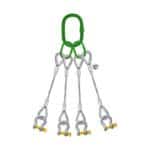
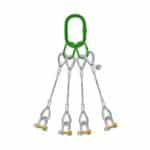
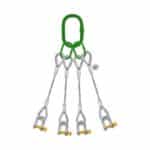
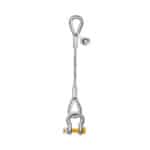
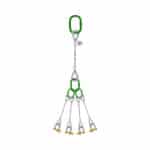
Choose the correct type of sling for the load. Different types of slings are designed for different applications. Wire rope slings, chain slings, and synthetic slings each have their own strengths and weaknesses. Selecting the appropriate sling ensures safe and efficient lifting.
Incorrect Sling Attachment
Incorrect sling attachment is a common cause of lifting accidents. Improper attachment can cause slings to slip or break, leading to load instability and potential injury. In our experience, many incidents stem from a lack of proper training in sling attachment techniques.
To avoid this, use proper sling attachment techniques, ensuring a secure and balanced connection. Avoid using makeshift or improvised methods, as these can compromise the sling’s integrity. A secure attachment minimizes the risk of slippage or breakage.
Provide training on various hitch types, such as choker, basket, and vertical hitches. Each hitch type has its own load-bearing capacity and appropriate use cases. Proper training ensures operators can select and use the correct hitch for the specific lifting task, further promoting manual chain hoist safety.
Mistake #4: Ignoring the Lifting Angle
Lifting at Excessive Angles
Lifting at excessive angles significantly increases the load on the chain block and slings. High lifting angles create horizontal forces that add stress to the entire system. We once analyzed an incident where an operator, attempting to lift a load at a sharp angle, unknowingly doubled the effective weight, leading to a near-collapse of the lifting apparatus.
To avoid this, keep lifting angles as small as possible, ideally below 45 degrees. Smaller angles reduce the horizontal forces and minimize stress on the equipment. Maintaining a small lifting angle is a fundamental principle of safe lifting practices.
Use a lifting angle calculator to determine the effective load based on the lifting angle. These tools help you accurately calculate the increased load and ensure you are not exceeding the equipment’s capacity. Always prioritize safety by accounting for the effects of lifting angles.
Failing to Adjust Load Capacity for Angle
Underestimating the increased load due to lifting angle can lead to failure. Even if the initial weight appears to be within the chain block’s capacity, the angle can dramatically increase the stress on the system. Our experts in Dubai constantly remind users that failing to adjust for lifting angles is a recipe for disaster.
To avoid this, calculate the effective load based on the lifting angle. Use the formula: Effective Load = Actual Load / Cosine (Angle). This calculation provides a more accurate representation of the stress on the chain block and slings.
Refer to load charts for angle adjustments. These charts provide pre-calculated load capacities for various lifting angles. Consulting these charts simplifies the process and ensures you are adhering to safety guidelines.
Mistake #5: Neglecting Proper Lifting Techniques
Jerky or Sudden Movements
Shock loading occurs when the chain block is subjected to sudden, forceful movements. These jerky or sudden movements can exceed the chain block’s capacity, leading to damage or failure. We’ve observed that many incidents involving shock loading occur due to operator inexperience or carelessness.
To avoid this, lift loads smoothly and gradually. Avoid sudden jerks or rapid acceleration. Controlled, deliberate movements minimize stress on the equipment and reduce the risk of shock loading.
Practice controlled lifting techniques. Train operators to start and stop movements gently, avoiding abrupt changes in speed or direction. Controlled lifting is a hallmark of safe and efficient operations.
Side Loading the Chain Block
Side loading occurs when the load is pulled at an angle to the chain block. This can damage the block and chain, reducing their load-bearing capacity. In our experience, side loading is often the result of improper rigging or inadequate load control.
To avoid this, ensure the load is directly below the chain block. The chain should be aligned vertically with the load. This minimizes the horizontal forces and prevents side loading.
Use tag lines to control load movement. Tag lines are ropes attached to the load that allow operators to guide and stabilize it during lifting. This helps prevent side loading and ensures the load remains directly below the chain block.
Mistake #6: Lack of Training and Competency
Allowing Untrained Personnel to Operate the Chain Block
Allowing untrained personnel to operate the chain block is a recipe for disaster. Untrained operators are more likely to make mistakes, leading to accidents and injuries. Safe and Secure Trading Company firmly believes that proper training is the cornerstone of chain block safety.
To avoid this, only allow trained and certified personnel to operate chain blocks. Implement a training and certification program that covers all aspects of safe operation. This ensures that operators have the knowledge and skills necessary to use the equipment safely.
Insufficient Knowledge of Safety Procedures
A lack of knowledge regarding safety procedures can lead to unsafe practices and increase the risk of accidents. Operators must be fully aware of all relevant safety regulations and guidelines. Comprehensive understanding prevents common mistakes and promotes a safer work environment.
To avoid this, provide comprehensive training on chain block safety procedures. This training should cover pre-use inspections, load capacity limits, proper lifting techniques, and emergency procedures. Regular refresher courses can help reinforce this knowledge and ensure that operators stay up-to-date with the latest safety practices.
Mistake #7: Inadequate Maintenance and Lubrication
Failing to Regularly Lubricate the Chain
Lack of lubrication can cause the chain to bind and wear prematurely. Proper lubrication reduces friction, prevents corrosion, and extends the life of the chain. In our experience, neglecting lubrication is a common oversight that can lead to costly repairs and downtime.
To avoid this, regularly lubricate the chain with a suitable lubricant. Use a lubricant specifically designed for chain blocks, following the manufacturer’s recommendations. Regular lubrication ensures smooth operation and reduces wear and tear.
Follow the manufacturer’s lubrication schedule. This schedule specifies how often the chain should be lubricated based on usage and environmental conditions. Adhering to this schedule helps maintain the chain block’s performance and longevity.
Ignoring Wear and Tear on Components
Worn components can fail without warning, leading to dangerous situations. Regular inspection and timely replacement of worn parts are essential for maintaining chain block safety. We emphasize that proactive maintenance is far more cost-effective than reactive repairs.
To avoid this, regularly inspect and replace worn components. Look for signs of wear, such as cracks, deformation, or excessive play. Replace any components that show signs of damage or wear.
Maintain a maintenance log. This log should record all inspections, maintenance tasks, and component replacements. A detailed maintenance log helps track the chain block’s condition and ensures that maintenance is performed on schedule.
Mistake #8: Ignoring Environmental Factors
Using Chain Blocks in Corrosive Environments
Corrosion can weaken the chain and block, compromising their structural integrity. Using chain blocks in corrosive environments without proper precautions can significantly reduce their lifespan and increase the risk of failure. Our team often advises clients to choose equipment specifically designed for harsh conditions.
To avoid this, use chain blocks specifically designed for corrosive environments. These chain blocks are constructed from corrosion-resistant materials, such as stainless steel or coated alloys. This protects against the damaging effects of corrosive substances.
Implement corrosion protection measures. Apply protective coatings to the chain and block to prevent corrosion. Regularly clean and inspect the equipment for signs of corrosion, and take corrective action as needed.
Extreme Temperatures
Extreme heat or cold can affect the strength of the chain, making it more susceptible to failure. Operating chain blocks outside their rated temperature range can create dangerous conditions. We have seen cases where extreme temperatures compromised the metal’s integrity, leading to equipment failure.
To avoid this, use chain blocks rated for the temperature range. Check the manufacturer’s specifications to ensure the chain block is suitable for the intended operating environment. Using the correct equipment minimizes the risk of temperature-related failures.
Adjust lifting procedures for extreme conditions. Reduce the load capacity in extreme temperatures to account for the reduced strength of the materials. Provide additional lubrication in cold temperatures to prevent binding.
Mistake #9: Poor Storage Practices
Storing Chain Blocks Incorrectly
Improper storage can lead to damage and corrosion, reducing the lifespan of the chain block. Leaving chain blocks exposed to the elements or in damp environments can accelerate deterioration. Safe and Secure Trading Company recommends implementing proper storage protocols to protect your investment.
To avoid this, store chain blocks in a clean, dry place. Protect them from moisture, dust, and extreme temperatures. Proper storage preserves their condition and ensures they are ready for use when needed.
Use protective covers to prevent damage. Covers shield the chain block from environmental elements and physical damage during storage. This simple measure can significantly extend the equipment’s lifespan.
Damaging Chains During Storage
Kinks or bends can weaken the chain, reducing its load-bearing capacity. Improper storage can lead to these types of damage, compromising the chain’s integrity. Attention to storage detail is critical.
To avoid this, store the chain neatly and avoid kinking or bending. Coil the chain carefully and secure it to prevent tangling. This preserves the chain’s condition and ensures it is ready for safe operation.
Use chain racks for organized storage. Chain racks provide a convenient and organized way to store chain blocks, preventing damage and keeping them readily accessible. Organized storage promotes hoist safety checklist adherence and efficient operations.
Conclusion
Avoiding these common mistakes is paramount for maintaining chain block safety and preventing costly accidents. By implementing thorough pre-use inspections, adhering to load capacity limits, using proper lifting techniques, and providing adequate training, you can significantly enhance workplace safety. Furthermore, regular maintenance, consideration of environmental factors, and proper storage practices will extend the lifespan of your chain blocks and ensure their reliable performance. You’ve now armed yourself with the knowledge to prevent these errors, fostering a safer and more efficient work environment. We’re confident that you’ll now be able to significantly reduce the risk of accidents and costly mistakes.
FAQ Section
Q: How often should I inspect my chain block?
A: Chain blocks should be inspected before each use and at regular intervals, such as monthly or quarterly, depending on the frequency of use and environmental conditions. A thorough inspection includes checking the chain, hooks, block body, and all other components for signs of damage or wear. Regular inspections are a key component of chain block maintenance.
Q: What type of lubricant should I use on my chain block?
A: Use a lubricant specifically designed for chain blocks. These lubricants are typically formulated to reduce friction, prevent corrosion, and withstand the heavy loads and pressures associated with lifting operations. Consult the manufacturer’s recommendations for the specific type of lubricant to use.
Q: How do I determine the weight of a load before lifting?
A: The most accurate way to determine the weight of a load is to use calibrated weighing scales. Place the load on the scales and record the weight. If scales are not available, consult the manufacturer’s specifications or use a load calculator based on the material and dimensions of the object. Accurate weight determination is crucial for safe lifting practices.
Q: What should I do if I find damage during a pre-use inspection?
A: If you find any damage during a pre-use inspection, immediately remove the chain block from service. Do not attempt to use the equipment until it has been properly repaired or replaced. Tag the damaged chain block to prevent accidental use and notify your supervisor or safety officer.
Q: How can I ensure that my operators are properly trained?
A: Implement a comprehensive training and certification program that covers all aspects of chain block safety, including pre-use inspections, load capacity limits, proper lifting techniques, and emergency procedures. Provide regular refresher courses to reinforce this knowledge and ensure that operators stay up-to-date with the latest safety practices. Practical, hands-on training is essential for developing competency.
Q: What are the key regulations related to chain block safety?
A: Chain block regulations vary by region and industry, but generally include requirements for inspection, maintenance, training, and load capacity limits. Consult your local safety regulations and industry standards to ensure compliance. Key regulations often reference standards set by organizations like OSHA (Occupational Safety and Health Administration) or ISO (International Organization for Standardization).
Q: How does lifting angle affect the load capacity of a chain block?
A: Lifting angle significantly increases the load on the chain block and slings. As the lifting angle increases, the horizontal forces also increase, adding stress to the equipment. Always calculate the effective load based on the lifting angle and adjust the load capacity accordingly. Keep lifting angles as small as possible, ideally below 45 degrees.
Q: What is the importance of a hoist safety checklist?
A: A hoist safety checklist ensures that all critical inspection points are covered before using a chain block. This checklist should include items such as checking the chain for damage, inspecting the hooks for deformation, verifying the load capacity, and ensuring proper lubrication. Using a hoist safety checklist helps prevent accidents and promotes a safer work environment.