Chain blocks are indispensable tools in various industries, offering a reliable means for lifting heavy loads with precision. However, their effectiveness hinges on strict adherence to safety protocols. Neglecting chain block safety can lead to severe accidents, injuries, and costly damages. At Safe and Secure Trading Company (SSTC), we’ve observed common mistakes that compromise safety. In this article, we will explore these oversights and provide practical solutions to ensure safe lifting operations. We aim to guide you through the critical aspects of chain hoist safety, emphasizing proactive measures to mitigate risks.
1. Ignoring Pre-Use Inspections: A Recipe for Disaster
✅ Pre-use inspections are fundamental to chain block safety. Skipping these checks drastically increases the risk of equipment failure and accidents. These inspections help identify potential issues before they escalate into serious problems. We’ve seen firsthand how diligent inspections prevent accidents and extend the lifespan of your equipment, ultimately saving time and money for our clients in the field.
1.1. Overlooking the Obvious: Visual Checks
- Mistake: Skipping visual inspections for wear, damage, or deformation.
- Solution: Always check for bent hooks, cracked housings, or damaged chains.
Visual inspections are the first line of defense in maintaining chain block safety. Neglecting to check for obvious signs of wear and tear can have disastrous consequences. For example, a bent hook may fail under load, causing the load to drop unexpectedly. We always advise our clients here in Jubail to implement a routine where they meticulously check for any cracks, deformations, or signs of corrosion before each use.
1.2. Forgetting the Functionality Test
- Mistake: Not testing the chain block’s operation before lifting.
- Solution: Ensure the chain moves smoothly and the brake engages properly without load.
A functionality test verifies that the chain block operates as intended before a load is applied. Failing to perform this test can lead to malfunctions during lifting, putting personnel and equipment at risk. A common issue we see is brake slippage, which can cause the load to descend unexpectedly. We recommend testing the chain movement and brake engagement to ensure smooth and secure operation.
2. Exceeding Load Capacity: The Number One Chain Block Killer
✅ Overloading is a leading cause of chain block failure and accidents. Exceeding the load capacity puts excessive stress on the equipment, increasing the likelihood of component failure. Understanding and respecting the load capacity is paramount for safe lifting operations. We at SSTC cannot stress enough how vital it is to adhere to these limits to prevent catastrophic failures.
2.1. Misreading the Load Capacity Label
- Mistake: Failing to accurately read or understand the load capacity label.
- Solution: Clearly identify the WLL (Working Load Limit) and never exceed it.
Misreading the load capacity label can have severe consequences. The Working Load Limit (WLL) indicates the maximum load the chain block is designed to handle safely. Overlooking this label or misinterpreting its value can lead to overloading and equipment failure. We always advise our clients to clearly mark the WLL on the chain block itself and to train operators to correctly identify and adhere to this limit.
2.2. Underestimating the Load’s Weight
- Mistake: Guessing the weight of the load instead of verifying.
- Solution: Use weighing scales or consult load charts to determine the precise weight.
Underestimating the weight of the load is a common mistake that can lead to dangerous overloading. Guessing the weight is unreliable and can easily result in exceeding the chain block’s capacity. To prevent this, we recommend using weighing scales or consulting load charts to accurately determine the weight before lifting. This ensures that the load remains within safe operational limits.
3. Improper Sling Usage: Compromising Stability
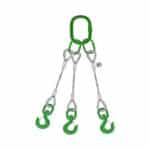
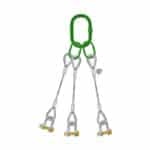
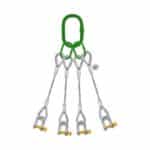
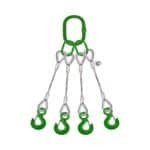
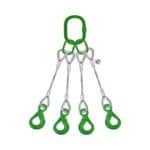
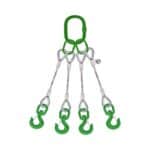
✅ Slings are critical components in lifting operations, and their proper usage is essential for maintaining stability. Using damaged or incorrectly rated slings can compromise the entire lifting process. This can lead to load instability, equipment damage, and potential injuries. Proper sling usage is a cornerstone of lifting safety, and we emphasize its importance to all our clients.
3.1. Using Damaged or Unrated Slings
- Mistake: Using slings that are frayed, cut, or lack proper identification.
- Solution: Only use certified slings with visible load ratings and inspect them regularly.
Using damaged or unrated slings is a serious safety hazard. Frayed or cut slings may fail under load, and unrated slings offer no assurance of their capacity. For our clients in Riyadh, we provide guidance on identifying certified slings and implementing regular inspection protocols. Only certified slings with visible load ratings should be used, and they should be inspected regularly for any signs of damage.
3.2. Incorrect Sling Angle Calculation
- Mistake: Not accounting for sling angles, which increase tension.
- Solution: Calculate sling angles and ensure the combined load on each sling does not exceed its capacity.
Incorrect sling angle calculation is a common oversight that can lead to overloading. As the sling angle decreases, the tension on each sling increases. Failing to account for this increased tension can cause the slings to exceed their capacity, leading to failure. We advise calculating the sling angles and ensuring that the combined load on each sling does not exceed its rated capacity, maintaining a safe margin.
4. Neglecting Load Balance: Creating Unnecessary Stress
✅ Maintaining load balance is crucial for safe and efficient lifting operations. An unbalanced load can create unnecessary stress on the chain block and slings, increasing the risk of failure. Proper load balancing ensures that the weight is evenly distributed, reducing strain and preventing accidents. We always emphasize the importance of careful planning and execution to maintain optimal load balance.
4.1. Lifting Loads Off-Center
- Mistake: Attaching the chain block in a way that causes uneven weight distribution.
- Solution: Ensure the load is balanced and the lifting point is directly above the center of gravity.
Lifting loads off-center causes uneven weight distribution, placing undue stress on one side of the chain block. This can lead to instability and potential equipment failure. To avoid this, ensure that the load is balanced and the lifting point is directly above the center of gravity. This distributes the weight evenly and minimizes stress on the equipment.
4.2. Ignoring Load Swing
- Mistake: Failing to control load swing during lifting.
- Solution: Use tag lines to stabilize the load and prevent uncontrolled movement.
Ignoring load swing can lead to uncontrolled movement, increasing the risk of collisions and accidents. Load swing places additional stress on the chain block and can destabilize the load. Using tag lines to stabilize the load prevents uncontrolled movement and ensures a smoother, safer lifting operation. We encourage our clients to use properly trained personnel to manage tag lines.
5. Poor Chain Maintenance: Inviting Failure
✅ Regular and thorough chain maintenance is vital for the longevity and safety of chain blocks. Neglecting maintenance can lead to increased friction, wear, and ultimately, equipment failure. Proper lubrication, cleaning, and inspection are essential for maintaining optimal performance. We recommend establishing a routine maintenance schedule to ensure your equipment remains in top condition.
5.1. Lack of Lubrication
- Mistake: Not lubricating the chain regularly, leading to increased friction and wear.
- Solution: Apply a suitable lubricant to the chain and gears per manufacturer recommendations.
Lack of lubrication increases friction and wear on the chain, reducing its lifespan and increasing the risk of failure. A well-lubricated chain operates more smoothly and efficiently, reducing strain on the equipment. Apply a suitable lubricant to the chain and gears regularly, following the manufacturer’s recommendations to ensure optimal performance. This simple step can significantly extend the life of your chain block.
5.2. Ignoring Chain Twists and Kinks
- Mistake: Allowing the chain to become twisted or kinked.
- Solution: Untwist and straighten the chain regularly to prevent damage.
Allowing the chain to become twisted or kinked can cause significant damage and weaken its structure. Twists and kinks create stress points that can lead to premature failure. Untwist and straighten the chain regularly to prevent damage and maintain its integrity. We advise our clients to train their operators to recognize and correct these issues promptly.
6. Operating in Unsafe Environments: Adding Unnecessary Risks
✅ Operating chain blocks in unsafe environments introduces unnecessary risks that can lead to accidents and injuries. Environmental factors such as working under suspended loads or near power lines significantly increase the potential for hazards. Implementing strict safety protocols and maintaining a safe distance from hazards are crucial for preventing accidents. We at SSTC prioritize creating safe working environments for all our clients.
6.1. Working Under Suspended Loads
- Mistake: Allowing personnel to work directly under a suspended load.
- Solution: Implement a strict policy prohibiting work under suspended loads.
Allowing personnel to work directly under a suspended load is extremely dangerous. If the chain block fails, the load could fall, causing serious injury or death. Implement a strict policy prohibiting work under suspended loads to protect personnel. We always emphasize the importance of creating a safe zone around lifting operations.
6.2. Operating Near Power Lines
- Mistake: Using the chain block near electrical hazards.
- Solution: Maintain a safe distance from power lines and de-energize equipment whenever possible.
Operating a chain block near power lines poses a significant electrical hazard. Contact with power lines can result in electrocution and severe injuries. Maintain a safe distance from power lines and de-energize equipment whenever possible. For our clients in Yanbu, we provide training on recognizing electrical hazards and implementing appropriate safety measures.
7. Lack of Training: The Root of Many Accidents
✅ Insufficient training is a primary cause of accidents involving chain blocks. Untrained operators are more likely to make mistakes that compromise safety. Comprehensive training ensures that operators understand proper operating procedures, safety protocols, and potential hazards. We strongly advocate for thorough training and certification for all chain block operators.
7.1. Unqualified Operators
- Mistake: Allowing untrained individuals to operate the chain block.
- Solution: Ensure all operators are properly trained and certified in safe lifting practices.
Allowing untrained individuals to operate the chain block is a recipe for disaster. Unqualified operators may not understand the equipment’s limitations or proper operating procedures, increasing the risk of accidents. Ensure all operators are properly trained and certified in safe lifting practices. We offer comprehensive training programs to equip operators with the knowledge and skills they need to operate safely.
7.2. Ignoring Manufacturer Instructions
- Mistake: Failing to read and understand the chain block’s operating manual.
- Solution: Thoroughly review the manufacturer’s instructions before using the equipment.
Failing to read and understand the manufacturer’s instructions is a common oversight that can lead to improper operation. The operating manual provides critical information on the chain block’s capabilities, limitations, and safety precautions. Thoroughly review the manufacturer’s instructions before using the equipment to ensure you are operating it correctly and safely.
8. Disregarding Proper Storage: Shortening Lifespan
✅ Proper storage is essential for prolonging the lifespan of chain blocks and maintaining their functionality. Exposing equipment to the elements or failing to clean it after use can lead to corrosion and damage. Proper storage protects the equipment from environmental hazards and ensures it is ready for use when needed. We emphasize the importance of implementing effective storage practices.
8.1. Leaving Chain Blocks Exposed to the Elements
- Mistake: Storing chain blocks outdoors, exposed to rain, snow, and sun.
- Solution: Store chain blocks in a dry, protected environment.
Storing chain blocks outdoors, exposed to rain, snow, and sun, can cause corrosion and damage. Environmental elements can degrade the metal components and compromise the equipment’s integrity. Store chain blocks in a dry, protected environment to prevent damage and extend their lifespan. A simple storage solution can save significant costs in the long run.
8.2. Improper Cleaning Procedures
- Mistake: Failing to clean chain blocks after use, leading to corrosion.
- Solution: Clean chain blocks regularly, removing dirt, grime, and other contaminants.
Failing to clean chain blocks after use allows dirt, grime, and other contaminants to accumulate, leading to corrosion. Regular cleaning removes these contaminants and prevents them from damaging the equipment. Clean chain blocks regularly, using appropriate cleaning solutions, to maintain their performance and longevity.
9. Modifying Equipment: A Dangerous Shortcut
✅ Modifying chain blocks without proper authorization or using non-approved parts can severely compromise their safety and functionality. Altering the equipment’s design or components can exceed its intended limits and lead to catastrophic failures. Strict adherence to manufacturer specifications and guidelines is essential for maintaining safety. We strongly advise against any unauthorized modifications.
9.1. Altering Chain Length or Components
- Mistake: Modifying the chain block by adding chain links or replacing parts with non-approved components.
- Solution: Only use manufacturer-approved parts and never alter the original design.
Modifying the chain block by adding chain links or replacing parts with non-approved components can compromise its structural integrity. These alterations can exceed the equipment’s design limits and lead to failure. Only use manufacturer-approved parts and never alter the original design to ensure safe operation. Using approved parts maintains the equipment’s certified safety standards.
9.2. Removing Safety Labels
- Mistake: Removing or defacing safety labels.
- Solution: Ensure all safety labels are present and legible. Replace any missing or damaged labels immediately.
Removing or defacing safety labels deprives operators of critical information about the chain block’s capabilities and limitations. These labels provide essential safety instructions and load capacity information. Ensure all safety labels are present and legible. Replace any missing or damaged labels immediately to maintain a safe operating environment.
10. Ignoring Audible Warnings: A Sign of Overload
✅ Audible warnings during chain block operation often indicate that the equipment is being overloaded or experiencing mechanical issues. Ignoring these warnings can lead to serious accidents and equipment damage. Training operators to recognize and respond to these warnings is crucial for preventing incidents. We emphasize the importance of immediate investigation when unusual noises are detected.
10.1. Overlooking Unusual Noises
- Mistake: Ignoring creaking, grinding, or other unusual noises during operation.
- Solution: Immediately stop the lifting operation and inspect the chain block if any unusual noises are heard.
Ignoring creaking, grinding, or other unusual noises during operation can be a critical mistake. These noises often indicate that the chain block is under excessive stress or experiencing mechanical problems. Immediately stop the lifting operation and inspect the chain block if any unusual noises are heard to identify and address the issue before it escalates.
10.2. Forcing Operation When Resistance is Felt
- Mistake: Continuing to operate the chain block even when significant resistance is felt.
- Solution: Stop the lifting operation and investigate the cause of the resistance. Never force the equipment.
Continuing to operate the chain block even when significant resistance is felt can cause serious damage and potential failure. Resistance indicates that the equipment is struggling to lift the load, often due to overloading or mechanical issues. Stop the lifting operation and investigate the cause of the resistance. Never force the equipment, as this can lead to catastrophic failure.
11. Inadequate Communication: A Silent Danger
✅ Clear and effective communication is essential for safe lifting operations. Inadequate communication can lead to misunderstandings, errors, and accidents. Establishing clear signals, using spotters, and defining roles and responsibilities are crucial for ensuring that all team members are coordinated and aware of the lifting operation. We prioritize fostering a culture of open communication in all lifting activities.
11.1. Lack of Signals or Spotters
- Mistake: Lifting loads without clear communication signals or a designated spotter.
- Solution: Establish clear communication protocols and use spotters to guide the lifting operation.
Lifting loads without clear communication signals or a designated spotter can lead to confusion and accidents. Clear signals ensure that all team members understand the instructions, and spotters provide visual guidance to the operator. Establish clear communication protocols and use spotters to guide the lifting operation, enhancing safety and coordination.
11.2. Unclear Roles and Responsibilities
- Mistake: Failing to define roles and responsibilities for each member of the lifting team.
- Solution: Clearly define roles and responsibilities before starting the lifting operation.
Failing to define roles and responsibilities for each member of the lifting team can result in confusion and a lack of accountability. Each team member should understand their specific tasks and responsibilities. Clearly define roles and responsibilities before starting the lifting operation to ensure that everyone knows what is expected of them.
12. Failing to Document Inspections: Losing Track of Safety
✅ Documenting inspections is vital for maintaining a comprehensive record of chain block condition and identifying recurring issues. Failing to maintain inspection records or performing inspections inconsistently can lead to overlooked problems and increased risk. Establishing a regular inspection schedule and maintaining detailed records are essential for ensuring ongoing safety. We advocate for meticulous documentation to track safety performance.
12.1. Not Maintaining Inspection Records
- Mistake: Failing to keep records of chain block inspections.
- Solution: Maintain a detailed inspection log, including dates, findings, and corrective actions.
Failing to keep records of chain block inspections makes it difficult to track the equipment’s condition and identify recurring issues. A detailed inspection log provides a history of the equipment’s maintenance and any repairs that have been made. Maintain a detailed inspection log, including dates, findings, and corrective actions, to ensure a comprehensive record of the equipment’s condition.
12.2. Inconsistent Inspection Schedules
- Mistake: Performing inspections inconsistently or infrequently.
- Solution: Establish a regular inspection schedule and adhere to it strictly.
Performing inspections inconsistently or infrequently can lead to overlooked problems and increased risk. Regular inspections are essential for identifying potential issues before they escalate. Establish a regular inspection schedule and adhere to it strictly to ensure that the chain block is always in safe operating condition. For many of our clients, we’ve seen this simple process lead to significantly fewer workplace injuries.
> “Regular inspections and proper training are critical for maintaining chain block safety and preventing accidents.” – John Smith, Lead Safety Inspector
Here are the top 3 ways to boost your chain block safety:
1. Enforce pre-use inspections.
2. Never exceed load capacity.
3. Train and certify all operators.
Conclusion
Avoiding these common mistakes is crucial for ensuring chain block safety and preventing accidents. By implementing proactive measures such as regular inspections, proper maintenance, and comprehensive training, you can create a safer working environment for your team. As experts at Safe and Secure Trading Company, we are committed to providing you with the highest quality equipment and safety resources. We are here to help you prioritize safety in your lifting operations, so you can reduce the risk of accidents. We can help you find the best solutions for your needs!
FAQ Section
Q: How often should chain blocks be inspected?
A: Chain blocks should be inspected before each use and regularly, according to the manufacturer’s recommendations and industry standards. A monthly comprehensive inspection is generally recommended.
Q: What are the key signs of wear and tear to look for during a chain block inspection?
A: Key signs include bent or cracked hooks, damaged chains, frayed slings, corrosion, and any unusual noises during operation.
Q: How do I determine the correct load capacity for a chain block?
A: The load capacity, or Working Load Limit (WLL), is clearly marked on the chain block’s safety label. Always refer to this label and never exceed the stated limit.
Q: What type of lubricant should I use for chain block maintenance?
A: Use a lubricant specifically designed for chain blocks, as recommended by the manufacturer. This type of lubricant will reduce friction and protect against corrosion.
Q: How can I ensure that operators are properly trained in chain block safety?
A: Provide comprehensive training programs that cover proper operating procedures, safety protocols, and potential hazards. Certification programs can also ensure that operators meet industry standards.
Q: What should I do if I suspect that a chain block is overloaded?
A: Immediately stop the lifting operation and inspect the chain block. Verify the weight of the load and ensure that it does not exceed the WLL. If the chain block is overloaded, reduce the load weight before continuing.
Q: Can I modify a chain block to increase its load capacity?
A: No, modifying a chain block is dangerous and should never be done. Only use the equipment within its specified load capacity and never alter its original design.
Q: What is the best way to store chain blocks when they are not in use?
A: Store chain blocks in a dry, protected environment to prevent corrosion and damage. Clean the equipment before storing it to remove dirt and grime.
Q: How important is workplace safety when using chain blocks?
A: Workplace safety is paramount when using chain blocks. Create a safe zone around lifting operations, implement strict safety protocols, and ensure that all personnel are properly trained. We at SSTC always want to emphasize that the safety of your employees is the most important part of every operation.
Q: How can Safe and Secure Trading Company help me with my chain block safety needs?
A: Safe and Secure Trading Company offers a wide range of high-quality chain blocks, slings, and other lifting equipment. We also provide comprehensive training programs and safety resources to help you create a safer working environment. Our team of experts can assist you in selecting the right equipment for your needs and implementing effective safety protocols.