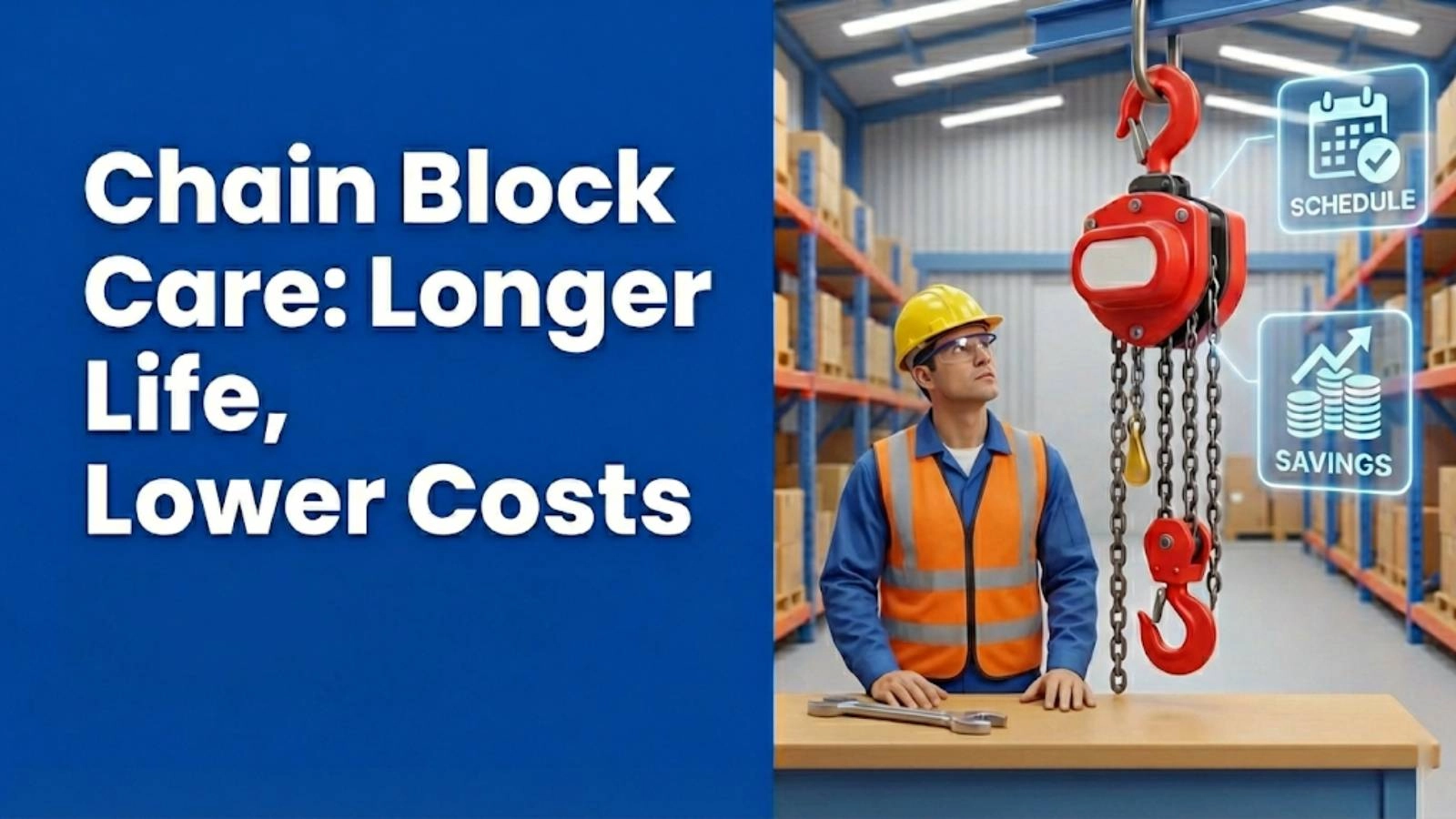
Chain block safety is paramount in any industrial or construction environment. A seemingly simple piece of equipment, the chain block, if misused or neglected, can lead to serious accidents and injuries. At Safe and Secure Trading Company (SSTC), we’ve seen firsthand the consequences of neglecting chain block safety. That’s why we’ve compiled this list of avoidable accidents and how to prevent them, providing valuable insights to ensure a safer working environment for everyone.
1. Neglecting Pre-Use Inspections
✅ One of the most common oversights in chain block operation is neglecting pre-use inspections. Often, operators are tempted to skip this step to save time. However, a quick check can identify potential hazards before they escalate into full-blown accidents.
1.1. The Mistake: Skipping Visual Checks
Failing to perform a quick visual inspection before each use is a critical mistake. Overlooking obvious signs of wear, damage, or corrosion on the chain, hooks, and body of the chain block can lead to catastrophic failures during lifting operations. These visual checks are the first line of defense against accidents, and neglecting them increases the risk exponentially.
1.2. The Prevention: Implement a Daily Checklist
To prevent this, we advise implementing a simple daily checklist covering critical components such as the chain, hooks, and body. Train operators to identify and report any defects immediately. This proactive approach will not only enhance safety but also extend the lifespan of your lifting equipment. It’s a small investment in time that yields significant returns in safety and productivity.
1.3 SSTC Insight: Inspection Frequency
For many of our clients here in Dammam, we’ve observed that those who follow our recommended inspection frequencies—daily for heavy use, weekly for moderate use, and monthly for light use—experience a significantly lower incident rate. These frequencies help catch issues early and prevent them from turning into costly repairs or, worse, accidents. We find that adhering to a structured inspection schedule is the best way to promote chain hoist safety.
2. Ignoring Load Capacity Limits
💡 Exceeding the working load limit (WLL) of a chain block is a recipe for disaster. This is perhaps the most critical aspect of chain block safety. Ignoring the load capacity can lead to equipment failure, dropping the load, and causing severe injuries or fatalities.
2.1. The Mistake: Exceeding the WLL (Working Load Limit)
Not knowing or disregarding the chain block’s maximum load capacity is a common and dangerous mistake. Failing to account for the weight of the load being lifted can easily lead to overloading, which stresses the equipment beyond its design limits. This not only damages the chain block but also creates an immediate and significant safety hazard.
2.2. The Prevention: Clearly Marked and Understood Limits
Ensure the WLL is clearly marked on the chain block. Educate operators on how to determine the weight of the load accurately. We recommend using calibrated scales and consulting load charts when dealing with unknown weights. Consistent training and clear signage are crucial in preventing overloads.
2.3. SSTC Insight: Load Monitoring Technologies
We’ve seen some of our clients successfully implement advanced load monitoring technologies, such as load cells and overload alarms, to prevent exceeding the WLL. These systems provide real-time feedback on the load being lifted, alerting operators to potential overloads before they occur. For example, one of our clients in Jubail implemented a load cell system on their overhead lifting equipment and saw a 20% reduction in near-miss incidents related to overloading.
3. Improper Sling and Rigging Techniques
➡️ The effectiveness of a chain block is highly dependent on the slings and rigging used in conjunction with it. Improper sling selection and attachment can lead to load slippage, equipment damage, and serious injuries. Correct rigging is crucial for maintaining load stability and preventing accidents.
3.1. The Mistake: Using Incorrect or Damaged Slings
Using slings that are not rated for the load or are damaged is a frequent error. Improperly attaching slings to the load or the chain block hook can cause the load to shift or fall. This can lead to severe injuries or even fatalities. The integrity of the rigging is as important as the chain block itself.
3.2. The Prevention: Sling Selection and Attachment Training
Provide training on selecting the correct type and size of sling for the job. Demonstrate proper sling attachment techniques to prevent slippage or damage. We recommend conducting regular training sessions to reinforce safe rigging practices. For instance, using the correct hitch type can increase sling capacity and stability.
3.3 SSTC Insight: Sling Inspection Programs
We strongly advocate implementing a routine sling inspection program. One of our clients in the construction industry implemented a color-coded sling inspection system, inspecting slings every three months. This proactive measure significantly reduced the number of damaged slings in use, minimizing the risk of rigging failures. This kind of diligence is essential for promoting workplace safety.
4. Failure to Use Proper Personal Protective Equipment (PPE)
🛡️ Chain block operations pose various risks, including hand injuries, eye injuries, and head trauma. Failure to use proper personal protective equipment (PPE) significantly increases the likelihood of these injuries. PPE is a critical component of any safe lifting operation.
4.1. The Mistake: Not Wearing Gloves, Eye Protection, or Hard Hats
Operating a chain block without appropriate PPE is a common mistake. Underestimating the risk of hand injuries, eye injuries, or head trauma can lead to serious consequences. PPE acts as a barrier between the operator and potential hazards, and its absence leaves the operator vulnerable.
4.2. The Prevention: Mandatory PPE Policy and Enforcement
Establish a mandatory PPE policy for chain block operation and enforce it through regular safety checks and training. Ensure that all operators wear gloves, eye protection, and hard hats. Regular audits can help ensure compliance with the PPE policy. This proactive approach demonstrates a commitment to safety and protects workers from preventable injuries.
4.3 SSTC Insight: PPE Recommendations
We recommend using gloves with a high grip to improve handling, safety glasses with side shields to protect against flying debris, and hard hats that meet or exceed ANSI standards. Additionally, consider providing specialized PPE such as cut-resistant gloves when handling sharp loads or slings. Choosing the right PPE can make a significant difference in preventing injuries.
5. Neglecting to Secure the Load Properly
⚠️ A load that is not properly secured is a major hazard. Lifting unstable or unbalanced loads can cause them to shift, slip, or fall, leading to serious accidents. Proper load securing techniques are essential for safe lifting operations.
5.1. The Mistake: Lifting Unstable or Unbalanced Loads
Lifting loads that are not properly balanced or secured is a hazardous practice. Failing to use tag lines to control the load during lifting can result in uncontrolled swinging or collisions. An unstable load puts everyone in the vicinity at risk.
5.2. The Prevention: Load Stabilization and Tag Line Procedures
Train operators on how to properly stabilize and balance loads. Require the use of tag lines to maintain control of the load during lifting. We recommend using chocks, wedges, or other stabilizing devices to prevent movement during lifting. Proper load securing ensures a controlled and safe lift.
5.3 SSTC Insight: Load Balancing Techniques
We often advise our clients to use specialized equipment or techniques for balancing irregular loads. For example, using spreader beams to distribute the load evenly or employing counterweights to offset imbalances. In one instance, we helped a client in the steel industry design a custom lifting fixture to safely handle large, asymmetrical steel beams. These tailored solutions enhance safety and efficiency.
6. Incorrect Chain Block Positioning and Setup
📐 Proper chain block positioning is critical for safe operation. Using the chain block at an angle or failing to ensure the chain is hanging vertically can cause undue stress on components and increase the risk of failure. Correct setup ensures that the load is evenly distributed and the equipment operates within its design parameters.
6.1. The Mistake: Using the Chain Block at an Angle
Operating the chain block at an angle causes undue stress on components. Failing to ensure the chain is hanging vertically can lead to uneven load distribution and potential equipment damage. This improper setup reduces the chain block’s effective load capacity and increases the risk of accidents.
6.2. The Prevention: Proper Alignment and Support
Provide guidance on how to properly align and support the chain block. Emphasize the importance of vertical chain alignment. We recommend using plumb bobs or laser levels to ensure accurate vertical alignment. Proper alignment minimizes stress and maximizes safety.
6.3 SSTC Insight: Structural Support Assessments
We always emphasize the importance of assessing the structural integrity of the support to which the chain block is attached. A weak or unstable support can collapse under load, leading to catastrophic consequences. We offer structural support assessments to ensure that the support structure can safely handle the intended load. This assessment is a critical step in ensuring chain block safety.
7. Lack of Regular Maintenance and Servicing
⚙️ Chain blocks, like all mechanical equipment, require regular maintenance and servicing to ensure safe and reliable operation. Neglecting lubrication, component wear, and damage can lead to equipment failure and accidents. A well-maintained chain block is a safe chain block.
7.1. The Mistake: Ignoring Lubrication and Component Wear
Failing to lubricate the chain and other moving parts can cause excessive wear and corrosion. Ignoring signs of component wear or damage, such as cracks, deformations, or excessive play, can lead to sudden failures during lifting operations. Neglecting maintenance shortens the lifespan of the equipment and increases safety risks.
7.2. The Prevention: Scheduled Maintenance Program
Implement a scheduled maintenance program based on manufacturer recommendations. Track maintenance activities and address issues promptly. We recommend keeping a detailed maintenance log to track inspections, repairs, and replacements. A proactive maintenance program ensures that the chain block is always in optimal condition.
7.3 SSTC Insight: SSTC Maintenance Services
SSTC offers comprehensive chain block maintenance and inspection services. Our certified technicians can perform thorough inspections, lubrication, and repairs to keep your equipment operating safely and efficiently. We also provide maintenance contracts to ensure that your chain blocks receive regular servicing, minimizing downtime and maximizing safety. Our goal is to help you maintain a safe and productive work environment.
8. Poor Communication and Coordination
🗣️ Lifting operations often involve multiple personnel, and effective communication and coordination are essential for safety. A lack of clear signals, teamwork, and pre-lift briefings can lead to misunderstandings and accidents. Clear communication prevents errors and ensures everyone is aware of the lifting plan.
8.1. The Mistake: Lack of Clear Signals and Teamwork
Failing to establish clear communication signals between operators and spotters can result in confusion and missteps. A lack of coordination among team members involved in the lifting operation can lead to collisions, dropped loads, and injuries. Poor communication undermines the entire lifting operation.
8.2. The Prevention: Standardized Hand Signals and Briefings
Implement standardized hand signals for communication. Conduct pre-lift briefings to discuss the lifting plan and potential hazards. We recommend posting a chart of standardized hand signals in the work area. Pre-lift briefings should cover the load weight, lifting path, potential obstructions, and emergency procedures. Clear communication and coordination are the cornerstones of safe lifting operations.
8.3 SSTC Insight: Communication Technology
We’ve seen many of our clients improve coordination by using communication technology such as two-way radios. This allows for real-time communication between operators, spotters, and supervisors, reducing the risk of misunderstandings. For example, we helped a client implement a radio communication system that included noise-canceling headsets, enabling clear communication even in noisy environments. This technology has significantly improved their lifting safety record.
9. Environmental Factors Ignorance
🌦️ Environmental conditions can significantly impact chain block operations. Ignoring weather conditions such as high winds, extreme temperatures, rain, or snow can lead to accidents. Assessing and adjusting for environmental factors is crucial for maintaining safe lifting practices.
9.1. The Mistake: Ignoring Weather Conditions
Operating chain blocks in high winds or extreme temperatures without considering the impact can be dangerous. Neglecting the effect of rain or snow on the load and equipment can lead to slippage, corrosion, and reduced visibility. Environmental factors can compromise the safety of the lifting operation.
9.2. The Prevention: Weather Condition Assessments and Adjustments
Train operators to assess weather conditions before each lift. Adjust lifting plans or postpone operations if conditions are unsafe. We recommend using anemometers to measure wind speed and consulting weather forecasts before commencing lifting operations. In extreme temperatures, consider using specialized lubricants and adjusting lifting schedules to avoid heat stress or equipment damage. Prioritizing safety over speed is always the right choice.
9.3 SSTC Insight: Specialized Equipment for Harsh Environments
We offer a range of chain blocks and accessories designed for extreme conditions. These include corrosion-resistant chains, weather-sealed housings, and high-temperature lubricants. One of our clients operating in a coastal environment experienced frequent chain block failures due to corrosion. We recommended our stainless-steel chain blocks, which significantly extended the lifespan of their equipment and improved safety. Investing in specialized equipment can pay dividends in safety and reliability.
10. Inadequate Training and Competency
🎓 Allowing untrained or unqualified personnel to operate chain blocks is a serious safety hazard. Comprehensive training programs and certification are essential for ensuring that operators have the knowledge and skills to operate the equipment safely. Competent operators are the key to preventing accidents.
10.1. The Mistake: Unqualified Personnel Operating Chain Blocks
Allowing untrained or unqualified personnel to operate chain blocks is a reckless practice. Failing to provide adequate training on safe operating procedures can lead to improper techniques and accidents. Untrained operators are a liability and a danger to themselves and others.
10.2. The Prevention: Comprehensive Training Programs and Certification
Implement comprehensive training programs for chain block operators. Require certification to demonstrate competency. We recommend covering topics such as chain block mechanics, load capacity limits, rigging techniques, PPE requirements, and emergency procedures. Regular refresher training is also essential to reinforce safe practices. Investing in training is an investment in safety.
10.3 SSTC Insight: SSTC Training Programs
SSTC offers comprehensive chain block safety training programs and certifications. Our experienced instructors provide hands-on training and theoretical knowledge to ensure that operators are competent and confident. We also offer customized training programs tailored to your specific needs and equipment. Our goal is to empower your workforce with the knowledge and skills to operate chain blocks safely and efficiently. Contact us today to learn more about our training programs.
11. Rushing the Lifting Process
🚀 Taking time is the safest way to ensure the lifting process is done safely. Trying to save a few minutes can risk the entire operation.
11.1 The Mistake: Hurrying to complete the task quickly
When speed is prioritized over safety, critical steps in the lifting process are often skipped. Shortcuts lead to mistakes.
11.2 The Prevention: Emphasize the importance of slow and controlled movements
Reinforce training to follow all prescribed safety checks and movements. Remind that a little more time is better than an accident.
11.3 SSTC Insight: Time Management
Clients are taught how to optimize the lifting process without sacrificing safety. We work to ensure our clients are using every tool available to maximize efficiency while keeping safety at the front of their minds.
“The time it takes to perform a lift safely should always be factored into the overall job schedule. Rushing never leads to good outcomes.” – John Smith, Lead Safety Inspector
12. Not Reporting Incidents or Near Misses
🤐 Transparency is a key component to a safe workplace. Reporting every incident or near miss ensures that all possible problems are investigated.
12.1. The Mistake: Not Reporting the incident and assessing the reasons.
When incidents are not reported, a pattern of problems can emerge without being corrected. Fear of penalty or blame will prevent proper reporting.
12.2. The Prevention: Promoting an incident reporting environment.
Educate employees about the value of reporting for safety. Show that reporting the incident will have a positive effect.
12.3 SSTC Insight: Case Studies on Incident Reporting
Incident reporting has saved our clients significant time and money by ensuring problems do not repeat in the future. Many of our clients have seen the benefit and have thanked us for the assistance.
Conclusion
Chain block safety is a critical aspect of workplace safety, and by addressing these common mistakes, companies can significantly reduce the risk of accidents and injuries. From neglecting pre-use inspections to ignoring environmental factors, each point highlights areas where vigilance and proper training can make a difference. Remember, a safe workplace is a productive workplace. We at SSTC are committed to helping you achieve the highest standards of chain block safety, providing expert advice, training, and maintenance services.
FAQ Section
Q: How often should chain blocks be inspected?
A: Chain blocks should be inspected before each use, with more thorough inspections conducted regularly (daily, weekly, or monthly) depending on usage and environmental conditions. SSTC recommends implementing a structured inspection schedule to ensure that all equipment is in safe working condition.
Q: What is the Working Load Limit (WLL) and why is it important?
A: The Working Load Limit (WLL) is the maximum load that a chain block is designed to lift safely. It’s crucial to adhere to the WLL to prevent equipment failure and accidents. Ensure that the WLL is clearly marked on the chain block and that operators are trained to determine the weight of the load accurately.
Q: What type of PPE should be used when operating chain blocks?
A: Operators should wear gloves, eye protection (such as safety glasses with side shields), and hard hats to protect against potential hazards such as hand injuries, eye injuries, and head trauma. SSTC recommends selecting PPE that meets or exceeds ANSI standards.
Q: How important is training for chain block operators?
A: Training is paramount for chain block operators. Comprehensive training programs and certification are essential for ensuring that operators have the knowledge and skills to operate the equipment safely. Untrained operators are a liability and a danger to themselves and others.
Q: What should be included in a pre-lift briefing?
A: A pre-lift briefing should cover the load weight, lifting path, potential obstructions, communication signals, emergency procedures, and any other relevant safety information. All team members involved in the lifting operation should attend the briefing to ensure clear communication and coordination.
Q: What environmental factors should be considered when operating chain blocks?
A: Weather conditions such as high winds, extreme temperatures, rain, and snow can significantly impact chain block operations. Assess weather conditions before each lift and adjust lifting plans or postpone operations if conditions are unsafe. SSTC offers specialized equipment designed for extreme conditions.
Q: What are some common signs of chain block wear or damage?
A: Common signs of wear or damage include cracks, deformations, corrosion, excessive play in moving parts, and frayed or damaged chains. Any equipment exhibiting these signs should be taken out of service immediately and inspected by a qualified technician.
Q: Why is it important to report incidents and near misses?
A: Reporting incidents and near misses allows companies to identify and address potential hazards before they lead to serious accidents. Transparency in reporting fosters a culture of safety and continuous improvement. SSTC encourages all clients to implement incident reporting systems.
Q: What role does regular maintenance play in chain block safety?
A: Regular maintenance is essential for ensuring that chain blocks operate safely and reliably. Neglecting lubrication, component wear, and damage can lead to equipment failure and accidents. Implement a scheduled maintenance program based on manufacturer recommendations and track maintenance activities diligently.
Q: How can communication technology improve chain block safety?
A: Communication technology such as two-way radios can improve coordination and reduce the risk of misunderstandings during lifting operations. Real-time communication between operators, spotters, and supervisors enhances situational awareness and enables quick responses to potential hazards.