Chain Block Safety: Don’t Overlook These!
Chain blocks are indispensable tools in various industries, providing a reliable means for lifting heavy loads. However, their safe operation hinges on strict adherence to safety protocols. Overlooking critical aspects of chain block safety can lead to accidents, injuries, and costly damages. We at Safe and Secure Trading Company (SSTC) understand the importance of maintaining a safe working environment, and we’ve compiled a list of crucial safety measures to ensure the well-being of your personnel and the integrity of your equipment. In our experience working with clients across the GCC, neglecting these protocols increases the likelihood of incidents.
1. ✅ Comprehensive Pre-Use Inspection Protocol
Before each use, a comprehensive inspection of the chain block is paramount. This includes a meticulous examination of the chain, hooks, housing, and all mechanical components. Addressing any defects or abnormalities before lifting operations begin is crucial. We emphasize this step to our clients because it’s a proactive measure that can prevent accidents before they occur.
1.1. Detailed Chain Inspection
Inspecting each link of the chain for wear, cracks, or distortion is crucial. Look for any signs of damage that could compromise the chain’s integrity. Proper lubrication is essential to prevent corrosion and ensure smooth operation. Measuring chain stretch against the manufacturer’s specifications is also important, as excessive stretch indicates wear and potential weakening. For many of our clients here in Dammam, we’ve seen that diligent chain inspection alone has prevented numerous near-misses.
1.2. Hook and Latch Assessment
Hooks are another critical component that require careful inspection. Examine them for cracks, deformation, or wear, especially in areas that experience the most stress. Verifying the functionality of the latch and its spring tension is equally important, as the latch prevents accidental disengagement of the load. Hooks should also swivel freely without binding, ensuring proper load alignment.
1.3. Housing and Mechanical Components
The housing of the chain block should be checked for any signs of damage or distortion, which could indicate internal problems. Testing the brake mechanism for proper holding force is essential to prevent uncontrolled descent of the load. Inspecting gears and bearings for smooth operation and wear ensures that the chain block functions efficiently and safely.
2. ✅ Load Weight Determination and Management
Accurately determining the load weight and managing it safely is crucial for preventing overloads and ensuring the stability of the lift. Exceeding the chain block’s capacity can lead to catastrophic failures and severe accidents. SSTC always advises its clients to double-check load weights and capacity ratings before commencing any lifting operation. We’ve seen firsthand the consequences of neglecting this crucial step.
2.1. Accurate Load Estimation
Using calibrated scales or load cells to determine the accurate weight of the load is essential. Accounting for load distribution and the center of gravity is also important, as unevenly distributed loads can create instability. Consider dynamic loads due to movement or vibration, which can add additional stress to the chain block.
2.2. Chain Block Capacity Verification
Confirming that the chain block’s working load limit (WLL) is adequate for the load is paramount. Understanding the safety factor applied to the WLL provides an additional margin of safety. Avoid exceeding the rated capacity under any circumstances, as this can lead to equipment failure and serious injury. Many hoist safety incidents occur because the equipment’s capacity was not verified.
2.3. Safe Load Attachment Techniques
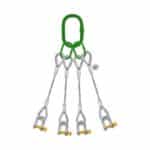
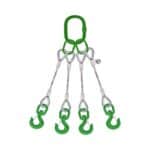
Using appropriate slings, shackles, and lifting equipment safety hardware is essential for secure load attachment. Ensure that the load is attached securely and balanced to prevent slipping or shifting during the lift. Avoid sharp edges or abrasive surfaces that could damage the chain or slings, potentially compromising their integrity.
3. ✅ Mastering Proper Lifting Techniques
Proper lifting techniques are crucial for maintaining stability and control during the lifting operation. Avoiding sudden movements and ensuring smooth operation of the lifting procedures can prevent accidents and protect both personnel and equipment. We consistently emphasize the importance of training and adherence to established protocols.
3.1. Controlled Lifting Speed
Avoid sudden jerks or rapid lifting motions, as these can create dynamic loads that exceed the chain block’s capacity. Maintaining a slow and steady lifting speed ensures stability and control. Ensuring the smooth operation of the chain block throughout the lifting process prevents unnecessary stress and strain on the equipment.
3.2. Avoiding Side Loading
Ensuring that the load is directly below the chain block is crucial to avoid side loading. Using tag lines to control load swing and prevent side forces helps maintain stability. Understanding the reduction in capacity due to side loading is also important, as side forces can significantly reduce the chain block’s safe working load.
3.3. Proper Hand Chain Operation
Pulling the hand chain smoothly and evenly ensures consistent lifting and lowering. Avoiding excessive force or jerking motions prevents unnecessary stress on the chain block. Ensuring that the hand chain is free from obstructions allows for smooth and controlled operation.
4. ✅ The Importance of Regular Maintenance Schedules
Regular maintenance is essential for ensuring the longevity and safe operation of chain blocks. A well-maintained chain block is less likely to fail and provides a safer working environment. We strongly recommend establishing a maintenance schedule based on the manufacturer’s recommendations and usage patterns.
4.1. Lubrication Best Practices
Using appropriate lubricants specifically designed for chain blocks is crucial. Establishing a lubrication schedule based on usage and environmental conditions ensures that components are properly protected. Cleaning and inspecting components before lubrication allows for the identification of any potential issues.
4.2. Component Replacement Protocol
Identifying worn or damaged components that require replacement is essential for preventing failures. Using only genuine replacement parts from the manufacturer ensures compatibility and optimal performance. Following the manufacturer’s instructions for replacement procedures guarantees proper installation and safe operation.
4.3. Record Keeping and Documentation
Maintaining detailed records of inspections, maintenance, and repairs is crucial for tracking the chain block’s history and identifying potential issues. Tracking chain block usage and identifying any recurring problems allows for proactive maintenance and prevents future failures. Ensuring that documentation is readily available for audits and inspections demonstrates compliance with safety regulations.
5. ✅ Environmental Factors and Their Impact
Environmental factors can significantly impact the performance and safety of chain blocks. Extreme temperatures, corrosive environments, and adverse weather conditions can all compromise the integrity of the equipment. Implementing appropriate measures to mitigate these factors is essential for ensuring safe operation.
5.1. Temperature Considerations
Understanding the effect of extreme temperatures on chain block capacity is crucial. Using chain blocks designed for specific temperature ranges ensures safe operation under various conditions. Implementing procedures to mitigate the impact of temperature variations, such as preheating or cooling the equipment, can prevent failures.
5.2. Corrosive Environments
Protecting chain blocks from exposure to corrosive substances is essential for preventing damage and maintaining their integrity. Using corrosion-resistant coatings or materials provides an additional layer of protection. Implementing regular cleaning and inspection protocols allows for the early detection and removal of corrosive substances.
5.3. Weather Conditions
Protecting chain blocks from rain, snow, and ice prevents corrosion and slipping hazards. Using appropriate covers or enclosures shields the equipment from the elements. Implementing procedures to prevent slipping hazards in wet conditions, such as using non-slip mats, ensures the safety of personnel.
6. ✅ Personal Protective Equipment (PPE) is Crucial
Personal Protective Equipment (PPE) is a vital component of any safety program. Ensuring that personnel wear appropriate PPE, such as hard hats, safety gloves, and eye protection, minimizes the risk of injury in the event of an accident. We strongly emphasize the importance of PPE to all our clients.
6.1. Mandatory Hard Hats
Ensuring that all personnel wear hard hats in the work area protects them from head injuries caused by falling objects. Inspecting hard hats for damage before each use ensures that they provide adequate protection. Replacing damaged or expired hard hats maintains the integrity of the PPE.
6.2. Safety Gloves and Eye Protection
Providing and requiring the use of safety gloves protects hands from cuts, abrasions, and other injuries. Ensuring that eye protection is worn prevents debris from entering the eyes and causing damage. Selecting appropriate gloves and eye protection for the specific task ensures adequate protection.
6.3. Safety Footwear
Requiring the use of safety footwear with slip-resistant soles prevents slips, trips, and falls. Ensuring that footwear provides adequate protection against impacts and punctures minimizes the risk of foot injuries. Regularly inspecting footwear for wear and damage maintains its protective qualities.
7. ✅ Advanced Training and Competency Verification
Advanced training and competency verification are essential for ensuring that personnel are qualified to operate and maintain chain blocks safely. Comprehensive training programs cover various aspects of lifting equipment safety, from inspection and operation to maintenance and emergency procedures. This is where SSTC provides immense value, ensuring all our clients’ staff are qualified.
7.1. Comprehensive Operator Training
Providing thorough training on chain block operation, inspection, and maintenance ensures that operators have the knowledge and skills necessary to perform their duties safely. Covering topics such as load weight determination, lifting techniques, and PPE requirements provides a comprehensive understanding of safety protocols. Ensuring that training is conducted by qualified instructors guarantees the quality and effectiveness of the training.
7.2. Regular Refresher Courses
Implementing regular refresher courses reinforces training and updates knowledge on new safety regulations or best practices. Addressing any new safety regulations or best practices keeps personnel informed and up-to-date. Encouraging ongoing learning and professional development promotes a culture of safety and continuous improvement.
7.3. Competency Assessment and Certification
Assessing operator competency through practical examinations and written tests verifies their ability to operate chain blocks safely. Providing certification to operators who demonstrate proficiency recognizes their skills and knowledge. Maintaining records of operator training and certification demonstrates compliance with safety regulations.
8. ✅ Rigging Considerations for Chain Block Use
Proper rigging practices are crucial for ensuring the stability and safety of the load. Selecting appropriate rigging hardware, understanding sling angles, and adhering to safe rigging practices are essential for preventing accidents. We’ve seen many incidents related to poor rigging safety.
8.1. Selecting Appropriate Rigging Hardware
Choosing the correct type and size of slings, shackles, and other rigging safety hardware is essential for ensuring that they can handle the intended load. Ensuring that all rigging hardware is rated for the intended load prevents overloading and potential failures. Inspecting rigging hardware for damage before each use ensures that it is in safe operating condition.
8.2. Understanding Sling Angles and Load Distribution
Calculating sling angles and their impact on load capacity is crucial for preventing overloads. Ensuring that the load is evenly distributed across multiple slings maintains stability and prevents uneven stress on the rigging hardware. Using appropriate rigging techniques to minimize stress on rigging hardware prolongs its lifespan and prevents failures.
8.3. Safe Rigging Practices
Avoiding sharp edges or abrasive surfaces that could damage slings protects them from wear and tear. Using edge protection prevents sling damage caused by sharp edges. Ensuring that slings are properly secured and cannot slip or slide maintains the stability of the load.
9. ✅ Emergency Procedures and Contingency Planning
Developing emergency procedures and contingency plans is essential for responding effectively to accidents or equipment failures. Having a plan in place minimizes the risk of further injury or damage. This includes training, clear communication, and readily available first aid.
9.1. Development of Emergency Response Plans
Creating detailed emergency response plans for various scenarios, such as load drops or equipment failures, provides a framework for responding effectively to emergencies. Identifying evacuation routes and assembly points ensures that personnel can safely evacuate the work area. Establishing communication protocols for emergency situations allows for quick and efficient communication.
9.2. Training on Emergency Procedures
Providing training to all personnel on emergency response procedures ensures that they know what to do in the event of an emergency. Conducting regular drills to practice emergency response skills reinforces training and improves response times. Ensuring that everyone knows how to report an emergency facilitates quick and efficient communication.
9.3. First Aid and Medical Support
Providing access to first aid supplies and trained first aid personnel allows for immediate medical attention in the event of an injury. Establishing procedures for obtaining medical assistance in the event of a more serious injury ensures that personnel receive the necessary care. Maintaining records of all incidents and injuries allows for the identification of potential hazards and the implementation of preventative measures.
10. ✅ Understanding Load Chart and Capacity Ratings
Accurate interpretation of load charts and adherence to capacity ratings are fundamental to chain block safety. Misunderstanding these crucial aspects can lead to dangerous overloads and potential equipment failure. This is especially important for overhead crane safety.
10.1. Interpreting Load Charts Correctly
Learning to accurately read and interpret load charts provided by manufacturers is essential for understanding the chain block’s limitations. Understanding the relationship between sling angles and load capacity prevents overloading. Accounting for any derating factors due to environmental conditions or equipment limitations ensures safe operation under various circumstances.
10.2. Adhering to Capacity Ratings
Never exceeding the rated capacity of the chain block or rigging hardware is paramount. Understanding the consequences of overloading and the potential for catastrophic failure emphasizes the importance of adherence to capacity ratings. Implementing procedures to prevent overloading, such as load weight verification and capacity checks, minimizes the risk of accidents.
10.3. Regular Review and Updates
Periodically reviewing load charts and capacity ratings to ensure they are current and accurate is essential. Updating load charts to reflect any changes in equipment or rigging configurations ensures that they remain relevant. Communicating any updates to all relevant personnel keeps everyone informed and up-to-date.
11. ✅ Chain Block Storage and Transportation Best Practices
Proper storage and transportation practices are crucial for protecting chain blocks from damage and ensuring their longevity. Storing them in appropriate conditions and securing them during transport prevents corrosion, damage, and potential safety hazards. Many overlook material handling safety during transport.
11.1. Proper Storage Environment
Storing chain blocks in a clean, dry environment prevents corrosion and damage. Protecting chain blocks from extreme temperatures, moisture, and UV radiation prolongs their lifespan. Using appropriate covers or enclosures protects chain blocks from the elements.
11.2. Safe Transportation Methods
Securing chain blocks during transportation prevents movement and damage. Using appropriate lifting equipment to load and unload chain blocks minimizes the risk of injury. Following all applicable transportation regulations ensures compliance and safety.
11.3. Inspection Before and After Transportation
Inspecting chain blocks for damage before and after transportation allows for the early detection of any potential issues. Documenting any damage and taking appropriate corrective action prevents further deterioration. Ensuring that chain blocks are in safe operating condition before being put back into service guarantees their reliability.
12. ✅ Compliance with Regulatory Standards
Adhering to relevant safety regulations and standards is essential for ensuring a safe working environment and avoiding legal liabilities. Familiarizing yourself with applicable regulations, documenting compliance efforts, and conducting regular audits are crucial steps in maintaining a safe and compliant operation. Neglecting safety regulations can have serious consequences.
12.1. Familiarization with Relevant Regulations
Understanding and complying with all relevant safety regulations and standards, such as OSHA, ANSI, and ASME, ensures a safe working environment. Staying up-to-date on any changes or updates to these regulations keeps operations compliant. Seeking guidance from regulatory agencies or safety consultants as needed provides expert advice and ensures adherence to best practices.
12.2. Documentation of Compliance
Maintaining detailed records of all inspections, maintenance, and training activities demonstrates compliance with safety regulations. Ensuring that all documentation is readily available for audits and inspections facilitates verification of compliance. Implementing procedures to track and address any non-compliance issues promotes continuous improvement and prevents future violations.
12.3. Regular Audits and Inspections
Conducting regular internal audits and inspections to verify compliance with safety regulations identifies potential hazards and areas for improvement. Engaging external auditors to conduct independent assessments of safety programs provides an unbiased evaluation of compliance efforts. Addressing any findings from audits and inspections in a timely and effective manner ensures that corrective actions are implemented and sustained.
“Regular inspections and maintenance are not just best practices, they are legal requirements in many jurisdictions.” – John Smith, Lead Safety Inspector
Top 3 Chain Block Safety Tips:
1. Pre-Use Inspection: Always perform a thorough inspection before each use.
2. Load Capacity: Never exceed the chain block’s working load limit.
3. Regular Maintenance: Adhere to a strict maintenance schedule.
Conclusion
In conclusion, prioritizing chain block safety is non-negotiable for any operation involving heavy lifting. From meticulous pre-use inspections and accurate load management to advanced training and strict compliance with regulations, every aspect plays a vital role in preventing accidents and ensuring the well-being of your team. By implementing these measures, you not only protect your personnel but also safeguard your equipment and maintain operational efficiency. Here at Safe and Secure Trading Company, we’re dedicated to providing you with the knowledge and resources needed to maintain a safe and secure workplace.
FAQ Section
Q: How often should chain blocks be inspected?
A: Chain blocks should be inspected before each use and at regular intervals, such as monthly or quarterly, depending on usage and environmental conditions.
Q: What are the key signs of chain wear that I should look for during inspection?
A: Look for signs of wear, cracks, distortion, corrosion, and excessive stretch in the chain links.
Q: What is the working load limit (WLL) and why is it important?
A: The working load limit (WLL) is the maximum load that a chain block is designed to lift safely. Exceeding the WLL can lead to equipment failure and serious accidents.
Q: What type of lubricant should I use for chain blocks?
A: Use a lubricant specifically designed for chain blocks, typically a high-quality, non-slinging grease that provides good protection against wear and corrosion.
Q: What should I do if I find a damaged component during inspection?
A: Remove the chain block from service immediately and replace the damaged component with a genuine replacement part from the manufacturer.
Q: How important is manual chain hoist safety?
A: It is very important. It ensures operator and worker safety, and reduces the risks of accidents, injury and downtime, while also maintaining equipment integrity.
Q: What are hoist safety regulations to be aware of?
A: Regulations like OSHA, ANSI and ASME provide comprehensive guidelines for safe operation, inspection, and maintenance of lifting equipment. Stay updated with their revisions.
Q: What are some tips for load chain inspection?
A: Inspect each link for wear, damage, or elongation, ensure proper lubrication, and check for corrosion. Replace chains that show significant wear.
Q: Why is rigging safety a critical component of chain block usage?
A: Rigging involves selecting and using appropriate hardware (slings, shackles) to connect the load to the chain block. Proper rigging distributes weight evenly, minimizing stress and preventing failures.
Q: What steps can be taken to enhance workplace safety with chain blocks?
A: Conduct safety training, enforce PPE use, maintain equipment regularly, and promote hazard reporting. Also, have documented safety procedures in place.
Q: How can suspended load safety be improved when using chain blocks?
A: Use proper rigging techniques, ensure the load is balanced, and implement tag lines to control movement and prevent swinging. Never leave loads suspended unattended.
Q: Are there any common chain block maintenance mistakes to avoid?
A: Yes, there are. Avoid using improper lubricants, neglecting regular inspections, using non-genuine replacement parts, or overloading the equipment.
Q: What is the importance of chain block maintenance?
A: Regular maintenance prevents failures, extends the lifespan of the equipment, and ensures safety during lifting operations. Lubrication, inspection, and timely replacement of worn parts are crucial.