Here’s your article:
Introduction: A Story of Near Misses
Imagine a busy construction site in the heart of Riyadh. A worker is using a chain block to lift a heavy steel beam. Suddenly, the chain slips, and the beam swings precariously, narrowly missing several workers below. This close call, while fictional, highlights the very real dangers of neglecting chain block safety. This article will highlight often-overlooked precautions that can significantly reduce the risk of accidents and ensure a safer working environment. Neglecting these safety measures can lead to severe injuries, equipment damage, financial losses, and even fatalities. Therefore, understanding and implementing these precautions is not just good practice; it’s a moral and legal imperative.
1. Neglecting Pre-Use Inspections: The Silent Danger
✅ Pre-use inspections are the first line of defense against potential chain block failures. Overlooking this critical step can lead to catastrophic consequences, turning a routine lifting operation into a dangerous situation. These inspections help identify existing damage and potential problems before they escalate into serious incidents. By diligently checking the equipment, workers can proactively address issues and prevent accidents.
Visual Inspection: Checking for obvious damage (cracks, bends, corrosion).
A thorough visual inspection is essential to identify any obvious signs of damage to the chain block. Cracks in the housing, bends in the chain, or corrosion on any component can significantly compromise the integrity of the equipment. These visual cues indicate potential weaknesses that could lead to failure under load. Pay close attention to areas of stress concentration, such as welds and joints.
Chain Integrity: Inspecting the chain for wear, stretching, and lubrication.
The chain itself is a critical component and must be inspected for wear, stretching, and proper lubrication. Wear can occur due to friction and repeated use, reducing the chain’s effective thickness and strength. Stretching indicates that the chain has been subjected to excessive loads, potentially weakening the metal. Proper lubrication reduces friction, preventing wear and ensuring smooth operation.
Hook and Latch Mechanisms: Ensuring proper function and secure locking.
The hook and latch mechanisms must be inspected to ensure they are functioning correctly and securely locking. A damaged or malfunctioning latch can allow the load to slip, causing a dangerous drop. The hook should be free from cracks, bends, or excessive wear. The latch should engage properly and securely prevent the load from detaching unintentionally.
2. Ignoring Load Capacity Limits: A Recipe for Disaster
💡 Understanding and adhering to load capacity limits is paramount to chain block safety. Exceeding these limits puts excessive stress on the equipment, increasing the risk of failure and potentially causing severe accidents. Ignoring load capacity is a recipe for disaster that can result in equipment damage, injuries, and even fatalities. Always double-check the weight of the load and compare it to the chain block’s rated capacity.
Understanding WLL (Working Load Limit) and its significance.
The Working Load Limit (WLL) is the maximum load that a chain block is designed to lift safely. This limit is clearly marked on the equipment and must never be exceeded. Understanding the WLL and its significance is crucial for preventing overloading and ensuring safe operation. The WLL takes into account various safety factors to account for dynamic loading, wear, and other variables.
Identifying and adhering to load charts and markings.
Load charts and markings provide critical information about the chain block’s capacity and limitations. These charts may include derating factors for specific lifting configurations or environmental conditions. Adhering to these charts and markings ensures that the equipment is used within its design parameters. Ignoring these guidelines can lead to dangerous situations and equipment failure.
The dangers of overloading and its impact on equipment integrity.
Overloading a chain block can have severe consequences, including equipment failure, load dropping, and potential injuries. Overloading puts excessive stress on the chain, hooks, and other components, leading to deformation, cracking, or even breakage. The impact on equipment integrity can be immediate and catastrophic. According to a recent study, approximately 15% of accidents involving lifting equipment are caused by overloading.
3. Improper Sling and Rigging Techniques: The Weakest Link
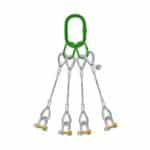
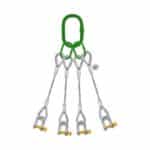
➡️ The use of proper sling and rigging techniques is crucial for ensuring load stability and preventing accidents. The sling and rigging components form the connection between the load and the chain block, and their integrity is paramount. Improper techniques can create stress concentrations, reduce load capacity, and increase the risk of failure. Always ensure that the slings and rigging hardware are in good condition and properly matched to the load and the chain block’s capacity.
Selecting the correct sling type for the load and environment.
Selecting the correct sling type for the load and environment is essential for safe lifting operations. Different sling materials, such as wire rope, synthetic fiber, and chain, have different properties and are suited for different applications. Consider the weight, shape, and surface characteristics of the load, as well as the environmental conditions, when selecting the appropriate sling. For instance, chain slings are often used in high-temperature environments, while synthetic slings are preferred for delicate loads.
Understanding sling angles and their effect on load capacity.
Sling angles have a significant impact on the effective load capacity of the slings. As the angle between the slings increases, the tension in each sling also increases. This means that the slings must be able to handle the increased tension without exceeding their WLL. Always calculate the sling angles and ensure that the slings are rated for the corresponding load.
Safe rigging practices: avoiding sharp edges and using protective padding.
Safe rigging practices are essential to prevent damage to the slings and ensure load stability. Avoid contact between the slings and sharp edges, which can cut or abrade the sling material. Use protective padding to cushion the slings and distribute the load evenly. Ensure that the load is properly balanced and secured to prevent shifting or tipping during lifting.
“Always remember that the sling is only as strong as its weakest point. Careful selection and rigging are paramount.” – John Smith, Certified Safety Engineer
4. Failure to Secure the Load Properly: Preventing Unforeseen Shifts
✅ Properly securing the load is crucial for preventing unforeseen shifts and ensuring a safe lifting operation. An unsecured load can shift during lifting or lowering, causing instability, equipment damage, and potential injuries. Take the time to assess the load’s characteristics and use appropriate tie-down methods to stabilize it. Consider the load’s center of gravity and its impact on stability.
Using appropriate tie-down methods to stabilize the load.
Using appropriate tie-down methods is essential for stabilizing the load and preventing shifting. This may involve using straps, chains, or other securing devices to restrain the load. Ensure that the tie-down methods are properly rated for the weight and configuration of the load. Distribute the tie-down points evenly to prevent uneven stress on the load.
Preventing load shifting during lifting and lowering operations.
Preventing load shifting during lifting and lowering operations is critical for maintaining stability. Lift and lower the load slowly and smoothly to avoid sudden movements that could cause the load to shift. Use tag lines to control the load’s movement and prevent it from swinging. Monitor the load closely for any signs of shifting or instability.
Considering the load’s center of gravity and its impact on stability.
The load’s center of gravity plays a significant role in its stability during lifting. The center of gravity is the point at which the load’s weight is evenly distributed. If the center of gravity is not properly aligned with the lifting point, the load can become unstable and tip over. Always consider the load’s center of gravity and adjust the lifting configuration accordingly to maintain stability.
5. Inadequate Communication and Spotting: The Eyes on the Load
💡 Clear communication and effective spotting are essential for safe lifting operations. Inadequate communication can lead to misunderstandings and errors, while poor spotting can result in collisions and injuries. A designated spotter can provide valuable guidance to the operator and monitor the load for potential hazards. Establish clear communication protocols and ensure that all personnel involved in the lifting operation understand their roles and responsibilities.
The importance of clear hand signals and communication protocols.
Clear hand signals and communication protocols are essential for coordinating lifting operations. Standardized hand signals allow the spotter to communicate instructions to the operator, even in noisy environments. Establish a set of hand signals that are understood by all personnel involved in the lifting operation. Conduct regular training sessions to reinforce the proper use of hand signals.
The role of a designated spotter in guiding the operator and monitoring the load.
A designated spotter plays a crucial role in guiding the operator and monitoring the load. The spotter’s primary responsibility is to ensure the safety of the lifting operation. The spotter should have a clear view of the load and the surrounding environment. The spotter should also be familiar with the equipment and the lifting procedures.
Ensuring visibility and awareness of the surrounding environment.
Ensuring visibility and awareness of the surrounding environment is critical for preventing collisions and injuries. The operator and the spotter should have a clear view of the lifting area. Remove any obstructions that could block their view. Be aware of other workers, equipment, and overhead hazards.
6. Overlooking Environmental Factors: Nature’s Hidden Hazards
➡️ Environmental factors can significantly impact chain block safety. Wind, temperature, and moisture can all affect the performance and integrity of lifting equipment. Overlooking these factors can lead to accidents and equipment damage. Take the time to assess the environmental conditions and adjust lifting procedures accordingly.
Wind: Its effect on load stability and control.
Wind can exert significant force on the load, causing it to swing or become unstable. The higher the wind speed, the greater the force. When lifting in windy conditions, reduce the load’s sail area by using smaller loads or shielding the load from the wind. Use tag lines to control the load’s movement and prevent it from swinging.
Temperature: Extreme temperatures and their impact on material strength.
Extreme temperatures can affect the material strength of the chain, hooks, and other components. High temperatures can reduce the material’s yield strength, making it more susceptible to deformation or failure. Low temperatures can make the material brittle, increasing the risk of cracking. Consult the manufacturer’s specifications for temperature limitations.
Moisture: Corrosion and its effect on chain and component integrity.
Moisture can cause corrosion, which weakens the chain and other components. Corrosion can occur in humid environments or when the equipment is exposed to rain or snow. Regular cleaning and lubrication can help prevent corrosion. Inspect the equipment for signs of corrosion and replace any corroded parts. Here in Dammam, we advise clients to be extra diligent due to the increased humidity and salt content in the air, both of which accelerate corrosion.
7. Skipping Regular Maintenance and Servicing: The Gradual Decline
✅ Regular maintenance and servicing are essential for maintaining the performance and safety of chain blocks. Skipping these procedures can lead to a gradual decline in equipment condition, increasing the risk of failure. Establish a regular maintenance schedule and ensure that it is followed diligently. Preventative maintenance is far more cost-effective than reactive repairs.
Establishing a regular maintenance schedule for chain blocks.
Establishing a regular maintenance schedule is crucial for preventing equipment failures and ensuring safe operation. The schedule should include regular inspections, lubrication, cleaning, and replacement of worn parts. Consult the manufacturer’s recommendations for specific maintenance intervals. Keep a record of all maintenance activities.
Lubrication, cleaning, and replacement of worn parts.
Lubrication reduces friction and prevents wear. Use a high-quality lubricant that is specifically designed for chain blocks. Clean the equipment regularly to remove dirt, grime, and other contaminants. Replace worn parts promptly to prevent further damage.
The importance of professional inspections and certifications.
Professional inspections and certifications provide an independent assessment of the equipment’s condition and safety. A qualified inspector can identify potential problems that may not be apparent during routine inspections. Certifications demonstrate that the equipment meets industry standards and is safe to use.
8. Ignoring Proper Storage Procedures: Protecting Your Investment
💡 Proper storage procedures are essential for protecting chain blocks from damage and extending their lifespan. Ignoring these procedures can lead to corrosion, degradation, and premature failure. Store chain blocks in a dry, clean environment, protected from the elements. Proper storage protects your investment and ensures that the equipment is ready for use when needed.
Storing chain blocks in a dry, clean environment.
Storing chain blocks in a dry, clean environment is crucial for preventing corrosion and degradation. Moisture can cause rust and other forms of corrosion, which weaken the chain and other components. Dirt and grime can accumulate on the equipment, interfering with its operation. Store the chain blocks in a location that is protected from the elements and free from dust and debris.
Protecting against corrosion and damage during storage.
Protecting against corrosion and damage during storage can significantly extend the life of the equipment. Apply a rust inhibitor to the chain and other metal components. Cover the chain blocks with a protective tarp or cover. Store the equipment in a location that is free from vibration and impact.
Proper handling and transport of chain blocks.
Proper handling and transport of chain blocks is essential for preventing damage. Avoid dropping or throwing the equipment. Use appropriate lifting devices to move the chain blocks. Secure the equipment during transport to prevent it from shifting or falling.
9. Lack of Training and Competency: The Human Element
➡️ Adequate training and competency are essential for safe chain block operation. A lack of training can lead to errors, accidents, and injuries. Ensure that all operators are properly trained and qualified to use the equipment. Regular refresher courses can reinforce best practices and keep operators up-to-date on the latest safety procedures. We pride ourselves in being the premier provider of safety training when it comes to heavy lifting.
Comprehensive training programs for chain block operators.
Comprehensive training programs should cover all aspects of chain block operation, including pre-use inspections, load capacity limits, rigging techniques, and emergency procedures. The training should be hands-on and interactive, allowing operators to practice the skills they have learned. The training should also cover relevant regulations and industry standards.
Emphasizing safe operating procedures and emergency protocols.
Safe operating procedures should be emphasized throughout the training program. Operators should be taught how to properly inspect the equipment, assess the load, and select the appropriate rigging techniques. They should also be trained on emergency protocols, such as how to respond to equipment failures or load shifting.
Regular refresher courses to reinforce best practices.
Regular refresher courses can reinforce best practices and keep operators up-to-date on the latest safety procedures. The refresher courses should cover any changes in regulations or industry standards. They should also provide an opportunity for operators to ask questions and address any concerns.
10. Not Addressing Ergonomic Considerations: Protecting the Operator
✅ Ergonomic considerations are often overlooked, but they are essential for protecting the operator from strain and injury. Chain block operation can be physically demanding, especially when lifting heavy loads or working in awkward positions. Addressing ergonomic considerations can reduce fatigue, improve productivity, and prevent long-term health problems.
Proper posture and lifting techniques to prevent strain.
Proper posture and lifting techniques can significantly reduce the risk of strain and injury. Operators should maintain a neutral spine and avoid twisting or bending. They should lift with their legs, keeping their back straight. They should also avoid reaching too far or lifting loads that are too heavy.
Using ergonomic aids to reduce physical exertion.
Ergonomic aids can help reduce physical exertion and prevent strain. These aids may include adjustable handles, support straps, or mechanical assistance devices. Select ergonomic aids that are appropriate for the specific task and the operator’s needs. Provide training on the proper use of ergonomic aids.
Taking breaks and rotating tasks to avoid fatigue.
Taking breaks and rotating tasks can help avoid fatigue and prevent injuries. Fatigue can impair judgment and increase the risk of errors. Operators should take regular breaks to rest and stretch. They should also rotate tasks to avoid repetitive movements.
11. Forgetting About Fall Protection: Mitigating the Risk
💡 Fall protection is a critical safety measure that should never be overlooked. When working at heights, the risk of falls is always present. Fall protection equipment, such as harnesses, lanyards, and lifelines, can significantly reduce the risk of serious injury or death in the event of a fall.
When fall protection is required during chain block use.
Fall protection is generally required when working at heights of 6 feet or more. This requirement may vary depending on the jurisdiction and the specific work environment. Always consult local regulations and company policies to determine when fall protection is required.
Types of fall protection equipment: harnesses, lanyards, and lifelines.
Harnesses are designed to distribute the force of a fall over the body, preventing serious injury. Lanyards connect the harness to an anchor point, providing a secure connection. Lifelines are vertical cables that allow workers to move up and down while remaining connected to a fall protection system.
Ensuring proper fit and use of fall protection equipment.
Ensuring proper fit and use of fall protection equipment is essential for its effectiveness. The harness should fit snugly but not too tightly. The lanyard should be of the correct length to prevent the worker from hitting the ground in the event of a fall. The lifeline should be properly anchored and maintained.
Conclusion: Prioritizing Chain Block Safety for a Secure Workplace
In conclusion, chain block safety is a multifaceted issue that requires diligence, attention to detail, and a proactive approach. By addressing the often-overlooked precautions discussed in this article, you can significantly reduce the risk of accidents and create a safer working environment. Remember that neglecting these safety measures can lead to severe consequences, including injuries, equipment damage, and financial losses. We here at Safe and Secure Trading Company are committed to providing safe and reliable lifting solutions. By prioritizing chain block safety, we can create a secure workplace for everyone.
FAQ Section
Q: How often should I inspect my chain block?
A: Chain blocks should be inspected before each use, as well as periodically according to a regular maintenance schedule.
Q: What is the most common cause of chain block failure?
A: Overloading and lack of maintenance are among the most common causes of chain block failure.
Q: What should I do if I suspect my chain block is damaged?
A: If you suspect that your chain block is damaged, remove it from service immediately and have it inspected by a qualified technician.
Q: Are there specific safety regulations I need to follow?
A: Yes, it’s essential to comply with all applicable local, national, and industry-specific safety regulations regarding lifting equipment safety. We can assist you in navigating these regulations.
Q: Where can I find reliable safety training for chain block operators?
A: Safe and Secure Trading Company offers comprehensive safety training programs for chain block operators. Contact us today to learn more.
Q: What is the Working Load Limit (WLL)?
A: The Working Load Limit (WLL) is the maximum load that a chain block is designed to lift safely. It should never be exceeded.
Q: How does temperature affect chain block safety?
A: Extreme temperatures can affect the material strength of the chain and other components. Consult the manufacturer’s specifications for temperature limitations.
Q: Why is proper storage important for chain blocks?
A: Proper storage protects chain blocks from corrosion, damage, and premature failure, extending their lifespan and ensuring their readiness for use.
Q: What role does communication play in chain block safety?
A: Clear communication is essential for coordinating lifting operations and preventing misunderstandings and errors.
Q: Can environmental factors affect chain block safety?
A: Yes, environmental factors such as wind, temperature, and moisture can all affect the performance and integrity of lifting equipment.
Q: How can I prevent overloading a chain block?
A: Always know the weight of the load and compare it to the chain block’s Working Load Limit (WLL). Use a load cell or other measuring device to accurately determine the load’s weight.
Q: What are the key elements of a chain hoist safety program?
A: A comprehensive chain hoist safety program should include regular inspections, proper maintenance, operator training, and adherence to all applicable safety regulations.