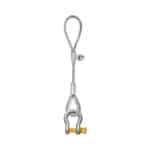
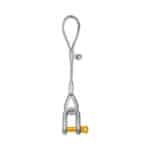
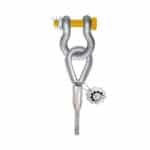
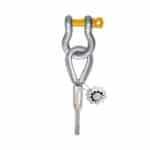
Chain blocks are indispensable tools in various industries, offering a reliable method for lifting heavy loads in environments where powered hoists may not be practical or available. However, their safe operation hinges on strict adherence to safety protocols. Neglecting essential safety measures can lead to serious accidents, injuries, and costly damages. This article will explore 12 common mistakes to avoid to ensure chain block safety and promote a safer working environment. From pre-use inspections to proper maintenance, we’ll cover the key aspects of responsible chain block operation.
1. Neglecting Pre-Use Inspection of the Chain Block
Failing to perform a thorough pre-use inspection is a critical oversight. A chain block might appear functional at a glance, but hidden damages or wear could compromise its integrity. A detailed inspection helps identify potential problems before they escalate into hazardous situations, ensuring the equipment is safe for operation. We at Safe and Secure Trading Company (SSTC) emphasize the importance of pre-use checks to all our clients.
1.1. Importance of Visual Inspection
A visual inspection is the first line of defense against potential chain block failures. It involves a careful examination of all components to identify any visible signs of damage or wear. This includes checking for cracks, deformation, corrosion, and other irregularities that could affect the chain block’s performance. A comprehensive visual check is quick, easy, and can prevent accidents.
1.2. Checking the Load Chain
The load chain is the most critical component of a chain block, bearing the entire weight of the load. Inspecting it meticulously for any signs of stretching, kinking, corrosion, or broken links is essential. Any damage to the load chain can significantly reduce its load-bearing capacity and increase the risk of failure. Here in Dammam, we’ve observed that daily load chain inspection drastically reduces downtime.
1.3. Hook Inspection
Hooks are another vital component that requires careful inspection. Examine the hooks for any bending, twisting, or cracking. Ensure the safety latch is functioning correctly to prevent accidental load slippage. A damaged or malfunctioning hook can lead to the load falling, causing serious injuries or property damage.
1.4. Housing and Body Check
The chain block’s housing and body provide structural support and protection for internal components. Inspect the housing for any signs of structural damage, such as cracks, dents, or loose components. Also, check for any signs of tampering or unauthorized modifications. We always advise clients to not use damaged chain blocks.
2. Ignoring the Weight Limit and Load Distribution
Overloading a chain block or distributing the load unevenly are common mistakes that can lead to catastrophic failures. Understanding and adhering to the working load limit (WLL) is paramount. Proper load distribution ensures that the chain block operates within its designed capacity, preventing undue stress on any single component.
2.1. Understanding the Working Load Limit (WLL)
The working load limit (WLL) is the maximum weight that a chain block is designed to lift safely. Exceeding the WLL can cause the chain block to fail, resulting in the load dropping and potentially causing severe injuries or fatalities. The WLL is usually clearly marked on the chain block itself.
2.2. Even Load Distribution
Distributing the load evenly is crucial for maintaining chain block safety. Uneven load distribution can create excessive stress on one side of the chain block, increasing the risk of failure. Ensure that the load is balanced and centered beneath the chain block before lifting. This is especially important when using slings.
2.3. Calculating Load Weight
Accurately determining the weight of the load before lifting is essential to prevent overloading. Underestimating the weight can lead to dangerous overloading, while overestimating it can result in unnecessary strain on the equipment. Use a calibrated weighing device to accurately measure the load’s weight. We’ve seen firsthand how neglecting this step causes accidents.
2.4. Dynamic Loading Considerations
Dynamic loading refers to the additional stress placed on the chain block when the load is suddenly applied or moved. This can occur during starting, stopping, or sudden changes in direction. Always account for dynamic loading effects when calculating the total load on the chain block.
3. Improper Sling Selection and Rigging Techniques
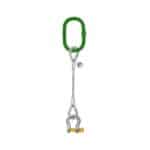
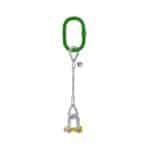
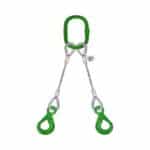
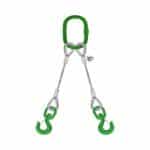
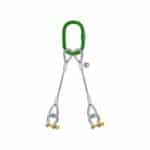
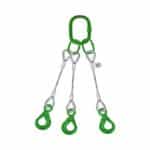
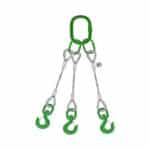
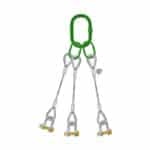
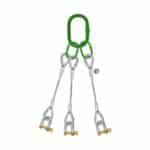
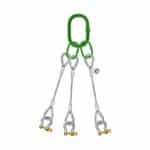
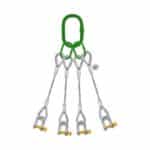
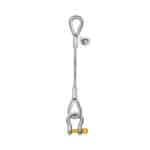
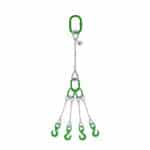
Using the wrong type of sling or employing incorrect rigging techniques can significantly compromise chain block safety. Slings must be selected based on the load’s weight, shape, and lifting configuration. Proper rigging techniques ensure that the load is securely attached and balanced, minimizing the risk of slippage or failure.
3.1. Choosing the Right Sling
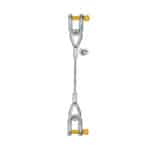
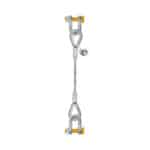
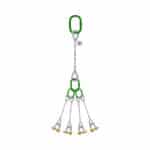
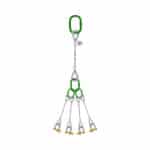
Selecting the appropriate sling for the job is crucial. Different types of slings, such as chain slings, wire rope slings, and synthetic web slings, have varying load capacities and are suitable for different applications. Choose a sling that is rated for the load’s weight and is compatible with the lifting configuration. We recommend our clients always consult the sling manufacturer’s guidelines.
3.2. Sling Angle Awareness
The angle at which slings are used can significantly affect their load-bearing capacity. As the sling angle increases, the tension on each sling leg also increases. Be aware of the sling angles and ensure that the slings are rated for the increased tension. A wider angle might require stronger slings.
3.3. Secure Attachment
Ensure that the slings are securely attached to both the load and the chain block’s hook. Use appropriate shackles, hooks, or other connecting hardware to create a secure connection. Double-check all connections before lifting to prevent accidental disengagement. Secure attachments prevent load shifting, which can be dangerous.
3.4. Avoiding Sharp Edges
Protect slings from sharp edges that can cut or damage them. Use edge protectors, such as padding or corner guards, to prevent the slings from coming into direct contact with sharp edges. Damaged slings should be removed from service immediately. SSTC always advocates for proper edge protection.
4. Failure to Secure the Load Properly
An unsecured load is a hazard waiting to happen. Ensuring the load is stable before lifting is critical to prevent shifting or tipping during the lift. Using tag lines can help control the load’s movement, while avoiding load binding prevents unpredictable stresses.
4.1. Load Stability
Ensure the load is stable before lifting to prevent shifting or tipping during the lift. Position the lifting points so that the load is balanced and centered. Use blocking or shims to stabilize the load if necessary. A stable load is less likely to cause accidents.
4.2. Using Tag Lines
Tag lines are ropes attached to the load to control its movement and prevent it from swinging or rotating. Use tag lines to guide the load during the lift and keep it away from obstacles or personnel. Tag lines are especially important when lifting in windy conditions. Tag lines are an essential part of material handling safety.
4.3. Load Binding Prevention
Avoid binding the load with the chain or slings, as this can create unpredictable stresses and potential failure points. Ensure that the load is free to move and that there are no obstructions that could cause binding. Binding can lead to sudden breakage.
4.4. Protecting Fragile Loads
Take extra precautions when lifting fragile loads, using padding and securement methods to prevent damage. Use soft slings or padding to protect the load from scratches or dents. Secure the load with straps or tie-downs to prevent it from shifting during the lift. Lifting fragile loads requires additional care and attention.
5. Lack of Communication and Coordination
Lifting operations require clear communication and coordination between all personnel involved. Establishing clear communication signals, assigning a designated spotter, and conducting a pre-lift briefing can help prevent misunderstandings and accidents. A coordinated effort ensures that everyone is aware of the lifting plan and potential hazards.
5.1. Clear Communication Signals
Establish clear communication signals between the operator and any spotters or riggers involved in the lift. Use hand signals, radios, or other communication devices to ensure that everyone can understand each other. Standardized signals minimize confusion and errors.
5.2. Designated Spotter
Assign a designated spotter to monitor the lift and communicate any potential hazards to the operator. The spotter should have a clear view of the lift and be able to alert the operator to any unsafe conditions. A spotter provides an extra set of eyes and can help prevent accidents.
5.3. Pre-Lift Briefing
Conduct a pre-lift briefing to discuss the lifting plan, potential hazards, and emergency procedures. Ensure that everyone involved understands their roles and responsibilities. The pre-lift briefing should cover all aspects of the lift, from start to finish.
5.4. Emergency Stop Procedures
Ensure everyone involved knows the emergency stop procedures and how to execute them if necessary. Designate a specific signal or command for stopping the lift in an emergency. Regularly practice emergency stop procedures to ensure that everyone is prepared to react quickly and effectively. Knowing the emergency stop can be life-saving.
6. Ignoring Environmental Conditions
Environmental conditions can significantly impact chain block safety. Adverse weather, extreme temperatures, and corrosive environments can all increase the risk of accidents. Being aware of these factors and taking appropriate precautions is essential.
6.1. Weather Considerations
Avoid lifting in adverse weather conditions, such as high winds, which can make it difficult to control the load. Wind can cause the load to swing or rotate, increasing the risk of accidents. Rain or snow can also make surfaces slippery and increase the risk of slips and falls. SSTC’s operations always cease in high winds.
6.2. Temperature Effects
Be aware of the effects of extreme temperatures on the chain block and slings. Cold temperatures can make steel more brittle, while high temperatures can reduce the load-bearing capacity of synthetic slings. Consult the manufacturer’s specifications for temperature limitations.
6.3. Corrosive Environments
In corrosive environments, regularly inspect the chain block and slings for signs of corrosion and apply appropriate protective coatings. Corrosion can weaken the metal components and increase the risk of failure. Use stainless steel or other corrosion-resistant materials in highly corrosive environments. Regular inspection is crucial in these environments.
6.4. Visibility Issues
Ensure adequate visibility during the lift. Use lighting if necessary to improve visibility and reduce the risk of accidents. Poor visibility can make it difficult to see obstacles or personnel, increasing the risk of collisions. Good lighting is essential for safe lifting operations.
7. Neglecting Proper Maintenance and Storage
Proper maintenance and storage are crucial for ensuring the longevity and safe operation of chain blocks. Regular lubrication, chain cleaning, and scheduled inspections can help prevent premature wear and identify potential problems before they lead to accidents. Proper storage protects the chain block from corrosion and damage.
7.1. Regular Lubrication
Lubricate the chain block regularly to ensure smooth operation and prevent corrosion. Use a high-quality lubricant recommended by the manufacturer. Lubrication reduces friction and wear, extending the life of the chain block. Lubrication is essential for maintaining chain block performance.
7.2. Chain Cleaning
Clean the load chain periodically to remove dirt, debris, and contaminants that can accelerate wear. Use a brush or solvent to remove any buildup on the chain. A clean chain is less likely to corrode or bind.
7.3. Scheduled Inspections
Conduct scheduled inspections by qualified personnel to identify any hidden damage or wear. These inspections should be more thorough than the pre-use inspections and should include non-destructive testing methods, such as magnetic particle inspection or ultrasonic testing. Scheduled inspections can detect problems before they become critical.
7.4. Proper Storage
Store the chain block in a clean, dry place to prevent corrosion and damage. Protect it from the elements and from physical damage. Proper storage extends the life of the chain block.
8. Lack of Training and Competency
Operating a chain block requires specific skills and knowledge. Ensuring that only trained and qualified personnel are allowed to operate chain blocks is essential for safety. Comprehensive training programs and regular refresher courses can help maintain competency and promote safe lifting practices.
8.1. Qualified Operators
Ensure that only trained and qualified personnel are allowed to operate chain blocks. Operators should be knowledgeable about chain block safety, rigging techniques, and emergency procedures. Qualified operators are less likely to make mistakes.
8.2. Training Programs
Implement comprehensive training programs that cover all aspects of chain block safety, including inspection, operation, and maintenance. The training should be hands-on and should include practical exercises. A well-designed training program can significantly reduce the risk of accidents.
8.3. Refresher Training
Provide refresher training periodically to reinforce safe lifting practices and update operators on any new regulations or procedures. Refresher training helps maintain competency and prevent complacency. Regular refresher training keeps skills sharp.
8.4. Competency Assessment
Regularly assess the competency of operators to ensure they are maintaining the required skills and knowledge. Use written tests, practical demonstrations, and performance evaluations to assess competency. Competency assessment ensures that operators are qualified to perform their tasks safely.
9. Ignoring Manufacturer’s Instructions
The manufacturer’s instructions provide essential information about the safe operation and maintenance of the chain block. Ignoring these instructions can lead to improper use and increase the risk of accidents. Always review the manual, adhere to specifications, and report any malfunctions.
9.1. Reviewing the Manual
Always review the manufacturer’s instructions before using a chain block. The manual contains important information about the chain block’s specifications, limitations, and safety procedures. Reading the manual is the first step in safe operation.
9.2. Adhering to Specifications
Adhere to all specifications and recommendations provided by the manufacturer. This includes the working load limit, operating temperature range, and lubrication requirements. Following the manufacturer’s specifications ensures that the chain block is used within its design parameters.
9.3. Reporting Malfunctions
Report any malfunctions or defects to the manufacturer or a qualified technician. Do not attempt to repair the chain block yourself unless you are qualified to do so. Promptly reporting malfunctions can prevent accidents.
9.4. Using Approved Parts
Use only approved replacement parts for maintenance and repairs. Using non-approved parts can compromise the chain block’s integrity and increase the risk of failure. Approved parts ensure compatibility and reliability.
“Chain block safety is not just about following rules; it’s about understanding the risks and taking proactive measures to prevent accidents.” – John Smith, Lead Safety Inspector
10. Overlooking Ergonomic Considerations
Lifting heavy loads can be physically demanding, and overlooking ergonomic considerations can lead to strain, fatigue, and injuries. Minimizing strain, adjusting handle height, and setting up the work area to reduce reaching and bending can help prevent ergonomic-related injuries.
10.1. Minimizing Strain
Minimize strain on the operator by using proper lifting techniques and ergonomic aids. Use lifting aids, such as dollies or carts, to move heavy loads. Avoid lifting loads that are too heavy or awkward to handle safely. Proper lifting techniques reduce strain.
10.2. Handle Height
Ensure the handle height is appropriate for the operator to prevent back strain. Adjust the handle height or use a handle extension to accommodate the operator’s height. A comfortable handle height reduces the risk of back injuries.
10.3. Work Area Setup
Set up the work area to minimize reaching and bending. Position the load close to the operator and at a comfortable height. Use adjustable work platforms or tables to optimize the work area. An ergonomically designed work area reduces fatigue.
10.4. Avoiding Repetitive Motions
Avoid repetitive motions that can lead to fatigue and injury. Rotate tasks among different operators to reduce the risk of repetitive strain injuries. Use ergonomic tools and equipment to minimize repetitive motions. Task rotation can prevent injuries.
11. Inadequate Record Keeping
Maintaining detailed records of inspections, maintenance, and training is essential for tracking the condition of the chain block and ensuring compliance with safety regulations. Inspection logs, maintenance records, and training documentation provide valuable information for identifying recurring issues and preventing accidents.
11.1. Inspection Logs
Maintain detailed inspection logs to track the condition of the chain block and identify any recurring issues. The logs should include the date of the inspection, the inspector’s name, and any findings or recommendations. Inspection logs provide a history of the chain block’s condition.
11.2. Maintenance Records
Keep records of all maintenance and repairs performed on the chain block. The records should include the date of the maintenance, the type of maintenance performed, and the name of the technician who performed the maintenance. Maintenance records help track the chain block’s maintenance history.
11.3. Training Documentation
Document all training and competency assessments for operators. The documentation should include the date of the training, the topics covered, and the names of the operators who attended the training. Training documentation provides evidence of operator competency.
11.4. Incident Reporting
Report and investigate all incidents and near misses involving chain blocks. The incident report should include the date of the incident, a description of what happened, and any injuries or damages that resulted. Incident reporting helps identify the root causes of accidents and prevent future occurrences.
12. Complacency and Overconfidence
Complacency and overconfidence can lead to a lapse in safety awareness and increase the risk of accidents. Combating complacency, continuously seeking ways to improve safety practices, and promoting a strong safety culture are essential for maintaining a safe working environment.
12.1. Avoiding Routine Fatigue
Combat complacency by emphasizing the importance of following chain block safety procedures every time. Regularly review safety procedures and conduct drills to reinforce safe lifting practices. Routine fatigue can lead to errors.
12.2. Continuous Improvement
Continuously seek ways to improve safety practices and prevent accidents. Encourage employees to suggest improvements and implement changes based on their feedback. Continuous improvement fosters a culture of safety.
12.3. Hazard Awareness
Maintain a high level of hazard awareness and encourage employees to report any potential safety concerns. Conduct regular safety audits and inspections to identify potential hazards. Hazard awareness is crucial for preventing accidents.
12.4. Promoting a Safety Culture
Promote a strong safety culture that values safety above all else. Recognize and reward employees who demonstrate safe work practices. A strong safety culture fosters a safe working environment.
Here’s a concise summary of the top 3 chain block safety tips:
1. Pre-Use Inspection: Always inspect the chain block before each use.
2. Weight Limit Awareness: Never exceed the working load limit (WLL).
3. Proper Sling Use: Select the right sling and use proper rigging techniques.
| Mistake |
Description |
Prevention |
| Neglecting Pre-Use Inspection |
Failing to inspect the chain block for damage before use. |
Conduct a thorough visual inspection before each use. |
| Ignoring Weight Limit |
Exceeding the working load limit (WLL) of the chain block. |
Accurately calculate the load weight and never exceed the WLL. |
| Improper Sling Selection |
Using the wrong type of sling or incorrect rigging techniques. |
Select the right sling for the load and use proper rigging methods. |
| Failure to Secure Load |
Not ensuring the load is stable and properly secured. |
Secure the load with tag lines and prevent load binding. |
| Lack of Communication |
Poor communication between the operator and spotter. |
Establish clear communication signals and conduct pre-lift briefings. |
| Ignoring Environment |
Failing to consider weather and temperature effects. |
Avoid lifting in adverse weather and be aware of temperature limits. |
| Neglecting Maintenance |
Not lubricating or cleaning the chain block regularly. |
Lubricate and clean the chain block regularly. |
Conclusion
Avoiding these 12 common mistakes is crucial for maintaining chain block safety and preventing accidents in the workplace. By prioritizing pre-use inspections, adhering to weight limits, using proper rigging techniques, and promoting a strong safety culture, you can create a safer working environment for everyone. We at SSTC are committed to providing high-quality lifting equipment and safety training to help you achieve your safety goals.
FAQ Section
Q: How often should I inspect my chain block?
A: You should inspect your chain block before each use and conduct scheduled inspections by qualified personnel at least annually.
Q: What should I do if I find damage during a pre-use inspection?
A: Remove the chain block from service immediately and report the damage to a qualified technician.
Q: Can I use a chain block that has been modified?
A: No, unless the modifications have been approved by the manufacturer or a qualified engineer.
Q: How do I determine the correct sling size for my load?
A: Consult a sling chart or the manufacturer’s specifications to determine the appropriate sling size based on the load’s weight and lifting configuration.
Q: What are the signs of a worn or damaged load chain?
A: Signs of a worn or damaged load chain include stretching, kinking, corrosion, and broken links.