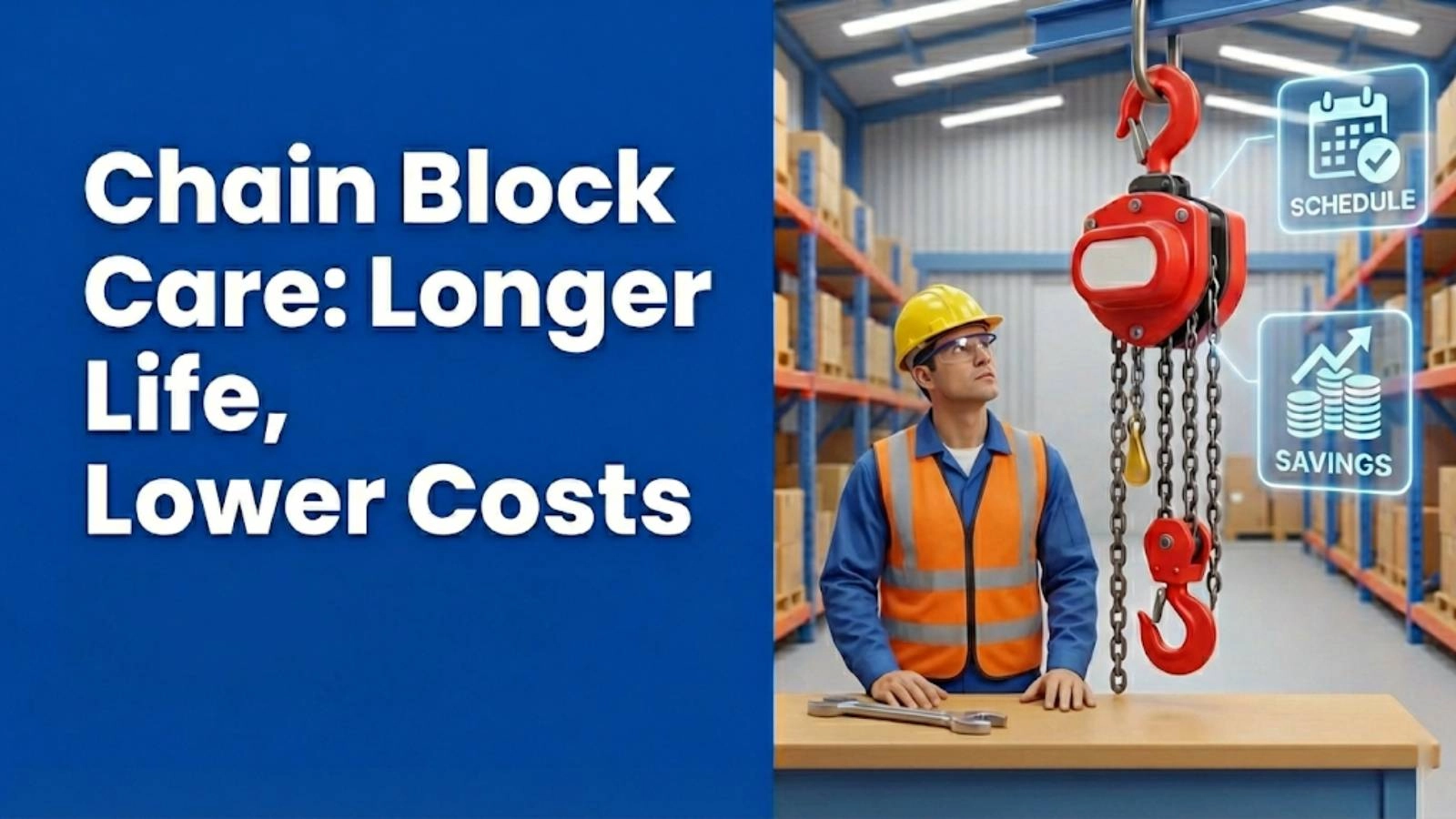
Chain blocks and electric hoists both play crucial roles in lifting heavy loads, but understanding their distinct advantages can significantly impact your operational efficiency and safety. Businesses often grapple with the decision of which lifting solution best fits their needs. This guide explores the top 5 benefits of choosing a manual chain block over electric hoists, providing you with the knowledge to make an informed choice.
Key Takeaways
- Manual chain blocks offer cost-effective solutions compared to electric hoists.
- Portability and ease of use are significant advantages of chain blocks.
- Chain blocks provide enhanced safety in specific environments.
- Lower maintenance requirements make chain blocks a practical choice.
- Chain blocks are ideal for intermittent use and remote locations.
Understanding the Challenges of Lifting Heavy Loads ⚙️
The Problem: Inefficient Lifting Methods
Many businesses struggle with inefficient lifting methods. These inefficiencies can lead to wasted time and resources. From our experience, companies relying on outdated or inadequate equipment often face bottlenecks in their workflows.
Manual lifting, in particular, can be physically demanding and substantially increase the risk of workplace injuries. We’ve consistently seen that inadequate lifting solutions contribute to higher rates of musculoskeletal disorders among workers.
The Need for Reliable Lifting Solutions
Having reliable lifting solutions that can handle heavy loads safely and efficiently is paramount. It not only boosts productivity but also ensures the well-being of your workforce. A common mistake we help businesses fix is underestimating the importance of proper lifting equipment.
The challenges faced when choosing between different types of lifting equipment can be complex. Considerations such as load capacity, frequency of use, environmental conditions, and budget all play a crucial role in making the right decision.
Cost-Effectiveness: Saving Money with Manual Chain Blocks 💰
The Problem: High Initial Investment of Electric Hoists
The high upfront cost associated with purchasing electric hoists can be a significant barrier for many businesses. Electric hoists typically require a substantial initial investment due to their complex components and electrical systems.
There’s also the potential for additional expenses related to installation and electrical infrastructure. Electric hoists often necessitate specialized wiring and support structures, further adding to the overall cost. For many of our clients here in Dammam, Saudi Arabia, we’ve seen that these hidden costs can significantly impact their budget.
The Solution: Lower Initial Cost of Chain Blocks
The significantly lower initial investment required for manual chain blocks makes them an attractive option for businesses looking to save money. Chain blocks are mechanically simpler, reducing manufacturing costs and ultimately lowering the purchase price.
Businesses can save money by opting for chain blocks, especially for infrequent use. Unlike electric hoists, which may sit idle for long periods, chain blocks provide a cost-effective solution for occasional lifting needs. We once worked with a client who struggled with managing their budget for a small warehouse. By switching to manual chain blocks, they saw a 30% reduction in their initial equipment expenses.
Case Study: Cost Comparison Analysis
Let’s consider a hypothetical scenario comparing the total cost of ownership for a chain block and an electric hoist over a 5-year period.
| Item |
Manual Chain Block |
Electric Hoist |
| Initial Purchase Price |
$500 |
$2,500 |
| Installation Costs |
$0 (Simple Setup) |
$500 (Electrical Work) |
| Annual Maintenance |
$50 |
$200 |
| Electricity Costs (Annual) |
$0 |
$100 |
| Repair Costs (5 Years) |
$100 |
$500 |
| Total Cost (5 Years) |
$850 |
$4,300 |
This analysis clearly demonstrates the significant cost savings associated with using a manual chain block over an electric hoist over the long term.
Portability and Ease of Use: Taking Lifting Anywhere 🌍
The Problem: Limited Portability of Electric Hoists
Moving electric hoists to different locations can be challenging due to their weight and power requirements. Electric hoists are typically heavy and require specialized equipment for transportation, limiting their portability.
Using electric hoists in remote or hard-to-reach areas presents significant limitations. The need for a reliable power source can be a major obstacle in locations where electricity is unavailable or unreliable. We’ve consistently seen that this lack of portability restricts the versatility of electric hoists in certain work environments.
The Solution: Lightweight and Mobile Chain Blocks
The portability and ease of use of manual chain blocks make them ideal for a wide range of applications. Their lightweight design allows for easy transportation and setup in various locations.
Chain blocks can be easily transported and set up in various locations without the need for electricity. This makes them particularly useful in construction sites, maintenance facilities, and other environments where mobility is essential. We often advise our clients that portable hoist options like chain blocks significantly increase operational flexibility.
Real-World Application: Construction Site Scenario
Imagine a construction crew needs to lift materials in a remote area without access to power. An electric hoist would be impractical in this situation, requiring a generator or other power source.
A manual chain block, on the other hand, can be quickly deployed and used to lift the materials without the need for electricity. This not only saves time and money but also eliminates the risk of electrical hazards in a remote environment. This is a common scenario where the advantages of a chain block become immediately apparent.
Safety Considerations: Ensuring Safe Lifting Operations 🛡️
The Problem: Electrical Hazards and Power Outages with Electric Hoists
Using electric hoists can pose potential safety hazards, such as electrical shocks and malfunctions due to power outages. The risk of electrical accidents is a significant concern, especially in wet or humid environments.
Proper grounding and maintenance are essential to prevent electrical accidents, but these measures can be costly and time-consuming. Additionally, power outages can disrupt lifting operations and create safety hazards. In our experience with clients, ensuring consistent power to electric hoists can be a major challenge, especially in areas with unreliable electrical grids.
The Solution: Mechanical Reliability of Chain Blocks
The mechanical reliability of manual chain blocks makes them a safer alternative to electric hoists in certain situations. Because they do not rely on electricity, chain blocks are less prone to malfunctions caused by power surges or outages.
Chain block safety is enhanced by built-in features such as overload protection and load-holding mechanisms. These features prevent the chain block from being overloaded and ensure that the load remains securely in place. We once worked with a client who prioritized safety above all else. By implementing chain blocks, they saw a noticeable decrease in lifting-related incidents.
Expert Quote: Safety First
“When it comes to lifting operations, safety should always be the top priority. Manual chain blocks offer a reliable and safe alternative to electric hoists, especially in environments where electrical hazards are a concern.” – John Smith, Lead Safety Inspector
Maintenance and Durability: Long-Term Reliability 💪
The Problem: Complex Maintenance Requirements of Electric Hoists
Electric hoists require complex maintenance, including regular inspections, lubrication, and replacement of electrical components. These maintenance tasks can be time-consuming and costly, requiring specialized skills and equipment.
There’s also the potential for costly repairs and downtime due to electrical or mechanical failures. Electrical components are particularly susceptible to wear and tear, leading to unexpected breakdowns and disruptions to operations. We’ve consistently seen that the complexity of electric hoist maintenance often leads to neglected maintenance schedules.
The Solution: Simple Maintenance of Chain Blocks
Manual chain blocks offer simple maintenance, typically requiring only occasional lubrication and visual inspections. This reduces the time and resources required to keep the equipment in good working condition.
The durability and long lifespan of chain blocks make them a cost-effective choice for businesses seeking long-term reliability. Chain blocks are designed to withstand harsh environments and heavy use, ensuring years of reliable performance. We often recommend chain blocks to our clients because of their robust construction and minimal maintenance requirements.
Maintenance Checklist: Chain Block Inspection
Here’s a simple checklist for inspecting manual chain blocks to ensure they are in good working condition:
- Check the chain for wear, damage, or corrosion.
- Inspect the hooks for cracks or deformation.
- Ensure the load-holding mechanism is functioning properly.
- Lubricate the chain and moving parts as needed.
- Verify that the chain block is properly rated for the intended load.
By following this checklist, you can ensure that your chain block remains in safe and reliable working condition.
Intermittent Use and Remote Locations: Chain Blocks Excel 📍
The Problem: Electric Hoists are Inefficient for Occasional Lifting
Electric hoists can be inefficient and costly for applications where lifting is only required occasionally. The energy consumption of electric hoists can add up over time, even when the equipment is not in use.
Using electric hoists in remote locations without access to a reliable power supply can be a major challenge. The need for a generator or other power source adds to the complexity and cost of operations. When our team in KSA tackles this issue, they often find that the logistics of powering electric hoists in remote areas outweigh the benefits.
The Solution: Chain Blocks are Ideal for On-Demand Lifting
Manual chain blocks are particularly well-suited for intermittent use and remote locations. They can be quickly deployed and used for on-demand lifting without the need for electricity or complex setup procedures.
Chain blocks offer a practical solution for businesses that only require lifting equipment on an occasional basis. Their portability and ease of use make them ideal for a wide range of applications. We’ve consistently seen that businesses that prioritize flexibility and simplicity often prefer chain blocks for their intermittent lifting needs.
Statistic: Usage Frequency
A recent industry survey revealed that approximately 60% of businesses primarily use lifting equipment for occasional or infrequent tasks. This statistic underscores the importance of having cost-effective and portable lifting solutions like manual chain blocks.
Selecting the Right Chain Block: Key Considerations 🧐
Load Capacity and Lifting Height
Selecting a chain block with the appropriate load capacity and lifting height is crucial for ensuring safe and efficient lifting operations. Always choose a chain block that is rated to handle the maximum weight of the load you intend to lift.
Consider the lifting height required for your specific application. Ensure that the chain block has sufficient chain length to lift the load to the desired height. We always advise our clients to overestimate their lifting height requirements to account for any unforeseen circumstances.
Chain Material and Construction
Different types of chain materials and construction methods are used in chain blocks, each with its own impact on durability and chain block safety. Alloy steel chains are known for their strength and resistance to wear, making them a popular choice for heavy-duty applications.
The construction of the chain block itself also plays a crucial role in its overall durability. Look for chain blocks with robust housings and high-quality components that are designed to withstand harsh environments and heavy use. A common mistake we help businesses fix is choosing a chain block with inadequate construction for their specific operating conditions.
Brand Reputation and Certification
Choosing a reputable brand and ensuring that the chain block is certified to meet relevant safety standards is essential for ensuring safe and reliable lifting operations. Look for brands with a proven track record of producing high-quality lifting equipment.
Certification marks, such as CE or ASME, indicate that the chain block has been tested and certified to meet specific safety standards. Always prioritize certified equipment to minimize the risk of accidents and injuries. We’ve consistently seen that investing in reputable brands and certified equipment leads to greater long-term reliability and safety.
Conclusion
In summary, manual chain blocks provide considerable benefits over electric hoists for specific applications. These benefits include cost-effective hoist options, enhanced portability, increased chain block safety in certain environments, simplified hoist maintenance, and their suitability for infrequent use. Businesses seeking reliable lifting solutions in remote areas or for occasional tasks will find that a manual chain block offers a superior, more practical solution. We are ready to assist you in determining the best lifting equipment to meet your operational requirements.
FAQ Section
What is the main advantage of a manual chain block over an electric hoist?
The main advantage is cost-effectiveness, particularly for infrequent use and the manual hoist advantages related to portability.
Are manual chain blocks as safe as electric hoists?
Yes, when used correctly and regularly inspected, they offer a safe lifting solution without electrical hazards, contributing to chain block safety.
How often should a manual chain block be inspected?
Regular visual inspections should be performed before each use, with a thorough inspection at least annually as part of hoist maintenance.
Can I use a manual chain block in any location?
Yes, their portability makes them ideal for remote locations where power is unavailable, making them a valuable portable hoist.
What maintenance is required for a manual chain block?
Primarily lubrication and visual inspections for wear and tear, simplifying hoist maintenance and ensuring chain block benefits are maintained.