Chain Blocks: Still Relevant?
Chain blocks, also known as chainfalls, are a staple in material handling and heavy lifting operations across various industries. From construction sites to manufacturing plants, these seemingly simple devices play a crucial role in safely and efficiently lifting heavy loads. But in an age of advanced technology and sophisticated lifting solutions, the question arises: are chain blocks still relevant? At Safe and Secure Trading Company (SSTC), we believe the answer is a resounding yes, but with important considerations for modern applications and safety standards. Let’s dive into the world of chain blocks, exploring their functionality, benefits, limitations, and why they remain an essential tool in 2026.
Understanding Chain Blocks: The Basics
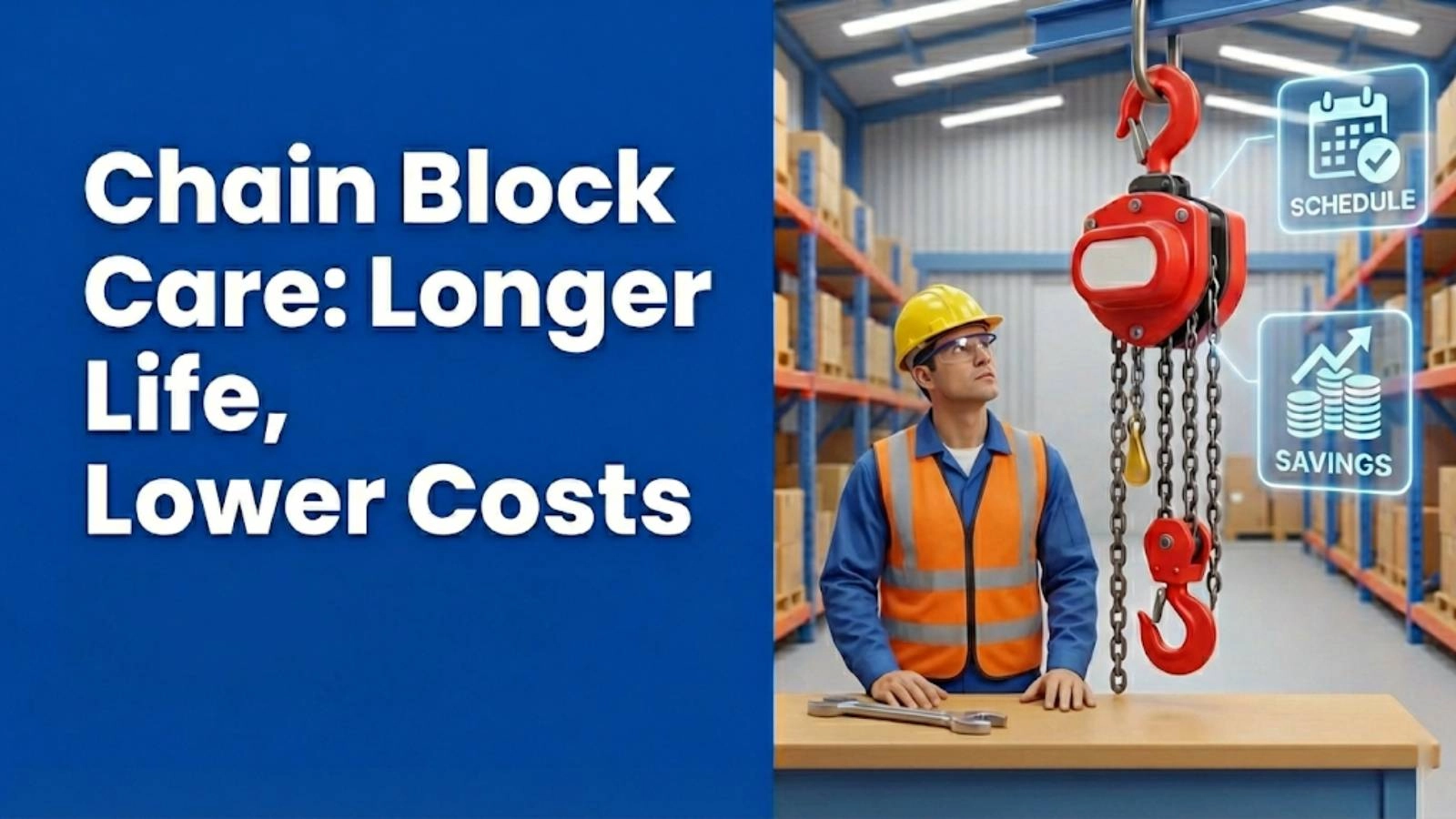
Chain blocks are manually operated lifting devices that utilize a gear system to multiply the force applied by the user. This mechanical advantage allows even a single person to lift incredibly heavy loads with relative ease. They are typically suspended from a fixed point using a hook or shackle, and the load is attached to the lower hook. Pulling on the hand chain engages the gears, which then raise or lower the load chain, thus lifting or lowering the attached weight.
The core components of a chain block are:
- Load Chain: This is the chain that directly supports the weight being lifted. It’s made of high-strength alloy steel and designed to withstand significant stress.
- Hand Chain: The operator pulls this chain to activate the lifting mechanism.
- Hooks: Both the top and bottom hooks are crucial for secure attachment. They are typically equipped with safety latches to prevent accidental disengagement.
- Gears: The gear system within the block provides the mechanical advantage needed for lifting heavy loads. The number and ratio of gears determine the lifting capacity and the effort required to operate the chain block.
- Brake Mechanism: A reliable brake is essential for holding the load in place and preventing accidental slippage. Most chain blocks use a mechanical load brake.
- Housing: The housing protects the internal components from damage and the environment.
Chain blocks come in various sizes and capacities, ranging from small units capable of lifting a few hundred kilograms to heavy-duty models designed for several tons. The choice of chain block depends on the specific lifting requirements of the job.
The Enduring Advantages of Chain Blocks
Despite the availability of powered hoists and other advanced lifting equipment, chain blocks continue to offer several key advantages:
- Portability: Chain blocks are relatively lightweight and easy to transport, making them ideal for use in remote locations or where access is limited. In our experience, this is a major factor for construction crews working on dispersed sites.
- Simplicity: Their simple design makes them easy to operate and maintain. Minimal training is required to use a chain block safely.
- Cost-Effectiveness: Chain blocks are generally less expensive than powered hoists, making them a cost-effective solution for many lifting applications.
- Reliability: With proper maintenance, chain blocks can provide years of reliable service. Their mechanical nature makes them less prone to breakdowns compared to electrical or hydraulic systems.
- No Power Required: Chain blocks operate manually, eliminating the need for electricity or other power sources. This makes them suitable for use in areas where power is unavailable or unreliable.
- Precision: Chain blocks offer precise control over lifting and lowering operations. This is particularly important when positioning delicate or sensitive loads.
Consider a situation where our team in Dubai needed to install heavy pipes in a newly constructed building. The confined space and lack of readily available power made using powered hoists impractical. Chain blocks provided the perfect solution, allowing the team to safely and precisely position the pipes.
Chain Block vs. Other Lifting Solutions: A Comparison
To fully appreciate the relevance of chain blocks, it’s helpful to compare them to other common lifting solutions:
Chain Block | Electric Hoist | Lever Block |
——————————————– | ——————————————— | ———————————————– |
Manual | Electric | Manual |
High | Moderate | High |
Low | Moderate to High | Moderate |
Slow | Fast | Slow |
High | Moderate to High | High |
Low | Moderate | Low |
Occasional lifting, remote locations, precision work | Repetitive lifting, high-speed operations | Tight spaces, pulling and tensioning applications |
| Feature |
Chain Block |
Electric Hoist |
Lever Block |
| Power Source |
Manual |
Electric |
Manual |
| Portability |
High |
Moderate |
High |
| Cost |
Low |
Moderate to High |
Moderate |
| Lifting Speed |
Slow |
Fast |
Slow |
| Precision |
High |
Moderate to High |
High |
| Maintenance |
Low |
Moderate |
Low |
| Best Use Cases |
Occasional lifting, remote locations, precision work |
Repetitive lifting, high-speed operations |
Tight spaces, pulling and tensioning applications |
Manual Hoists: Chain Blocks vs. Lever Blocks
While both are manual hoists, chain blocks and lever blocks serve different purposes. Chain blocks excel at vertical lifting, while lever blocks are more versatile, capable of lifting, pulling, and tensioning loads in various orientations. Lever blocks are particularly useful in confined spaces where a full 360-degree swing of the hand chain is not possible. The lever action allows for incremental movement and precise control.
Electric Hoists: When Power is the Answer
Electric hoists offer significant advantages in terms of speed and efficiency, especially for repetitive lifting tasks. However, they require a power source and are generally more expensive and less portable than chain blocks. They also involve more complex maintenance procedures.
Chain Block Safety: A Paramount Concern
Safety is paramount when using any lifting equipment, and chain blocks are no exception. Adhering to proper safety procedures and regular inspection is crucial to prevent accidents and ensure the safe operation of chain blocks.
Essential Safety Practices
- Load Capacity: Never exceed the rated load capacity of the chain block. This is clearly marked on the device.
- Inspection: Inspect the chain block before each use for any signs of damage, wear, or corrosion. Pay close attention to the load chain, hooks, and brake mechanism.
- Proper Lifting Techniques: Use proper lifting techniques to avoid sudden jerks or swings, which can overload the chain block or cause the load to become unstable.
- Secure Attachment: Ensure that the load is securely attached to the bottom hook using appropriate rigging equipment.
- Clearance: Ensure that the area around the chain block is clear of obstructions and personnel.
- Training: Only trained and authorized personnel should operate chain blocks.
- Regular Maintenance: Follow the manufacturer’s recommendations for regular maintenance and lubrication.
Understanding Hoist Safety Standards
Various safety standards govern the design, manufacturing, and use of chain blocks. These standards aim to ensure the safety and reliability of lifting equipment. Examples include:
- ASME B30.16: This standard covers overhead hoists (underhung).
- EN 13157: This European standard specifies requirements for hand-operated chain hoists.
Adhering to these standards is crucial for ensuring hoist safety and compliance. Safe and Secure Trading Company prioritizes compliance with all relevant safety standards in our operations.
Common Misconceptions About Chain Block Safety
❌ Myth: Chain blocks are so simple that anyone can use them safely without training.
✅ Reality: While chain blocks are relatively simple to operate, proper training is essential to understand safe lifting practices, identify potential hazards, and perform pre-use inspections. Lack of training can lead to serious accidents. We always recommend thorough training for all operators, regardless of their experience.
Maintaining Your Chain Block for Longevity
Proper maintenance is essential for extending the lifespan of your chain block and ensuring its safe operation. Regular inspection, lubrication, and cleaning are key components of a comprehensive maintenance program.
Chain Block Maintenance Checklist
- Daily Inspection: Before each use, visually inspect the chain block for any signs of damage, wear, or corrosion.
- Lubrication: Regularly lubricate the load chain, hand chain, and gears with a suitable lubricant. This reduces friction and prevents corrosion.
- Cleaning: Keep the chain block clean and free of dirt, debris, and contaminants.
- Load Chain Inspection: Carefully inspect the load chain for any signs of wear, stretching, or damage. Replace the chain if necessary.
- Hook Inspection: Check the hooks for any signs of bending, cracking, or wear. Ensure that the safety latches are functioning properly.
- Brake Inspection: Inspect the brake mechanism for proper operation. Ensure that it holds the load securely without slippage.
- Professional Servicing: Periodically have the chain block inspected and serviced by a qualified technician.
The Importance of Chain Block Maintenance Records
Maintaining accurate records of all inspections, maintenance, and repairs is crucial for tracking the condition of your chain blocks and ensuring compliance with safety regulations. These records can also help identify potential problems early on and prevent costly breakdowns. We advise all our clients to keep detailed maintenance logs for all their lifting equipment.
Chain Blocks in Modern Industries: Applications and Use Cases
Chain blocks remain a valuable tool in a wide range of industries, including:
- Construction: Lifting and positioning materials, equipment, and components.
- Manufacturing: Assembling products, moving heavy parts, and performing maintenance tasks.
- Mining: Installing and maintaining equipment in underground and surface mines.
- Automotive: Lifting engines, transmissions, and other heavy components during repair and maintenance.
- Shipping and Logistics: Loading and unloading cargo, securing loads, and performing maintenance on ships and trucks.
- Entertainment: Lifting and positioning lighting, sound equipment, and scenery in theaters and concert venues.
Even with technological advancements, the versatility and reliability of chain blocks continue to make them an indispensable tool in these industries. When our team in Jakarta assists clients with setting up manufacturing facilities, chain blocks are always part of the recommended equipment list.
The Future of Chain Blocks: Innovations and Trends
While the basic design of chain blocks has remained largely unchanged for decades, some innovations are emerging to improve their performance, safety, and usability:
- Improved Materials: Manufacturers are using stronger and lighter materials to increase the load capacity and reduce the weight of chain blocks.
- Enhanced Brake Systems: Advanced brake systems offer improved holding power and reduced wear.
- Ergonomic Designs: Ergonomic hand chains and handles reduce operator fatigue and improve ease of use.
- Integrated Overload Protection: Some chain blocks now feature integrated overload protection systems that prevent lifting loads beyond the rated capacity.
- Smart Chain Blocks: Integration with sensors and IoT platforms for monitoring usage, maintenance needs, and potential safety issues.
These innovations suggest that chain blocks will continue to evolve and adapt to the changing needs of modern industries.
“The simplicity and reliability of chain blocks make them an essential tool for lifting operations, even in the age of advanced technology.” – John Miller, Lead Safety Inspector
Choosing the Right Chain Block: Key Considerations
Selecting the right chain block for your specific application is crucial for ensuring safety and efficiency. Consider the following factors:
- Load Capacity: Determine the maximum weight you need to lift and choose a chain block with a sufficient load capacity. Always err on the side of caution and select a chain block with a higher capacity than you think you need.
- Lift Height: Select a chain block with a sufficient lift height to reach the required lifting point.
- Headroom: Consider the available headroom and choose a chain block that fits within the space.
- Environment: Choose a chain block that is suitable for the operating environment. For example, if you are working in a corrosive environment, select a chain block with corrosion-resistant components.
- Frequency of Use: If you will be using the chain block frequently, choose a model that is designed for heavy-duty use.
- Brand Reputation: Choose a chain block from a reputable manufacturer with a track record of producing high-quality, reliable products.
- Price: While price is a factor, prioritize safety and quality over cost. A cheaper chain block may not be as reliable or durable, and it could compromise safety.
- Lifting Equipment Certification: Ensure that the chain block is certified to meet relevant safety standards.
Chain Block Accessories: Enhancing Functionality and Safety
A variety of accessories can enhance the functionality and safety of chain blocks:
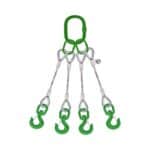
- Slings: Used to attach the load to the bottom hook. Choose slings that are appropriate for the weight and shape of the load.
- Shackles: Used to connect slings to the load and the chain block.
- Trolleys: Allow the chain block to be moved horizontally along a beam or track.
- Chain Bags: Used to collect the slack hand chain and prevent it from becoming tangled.
- Overload Indicators: Provide a visual indication when the chain block is approaching its load capacity.
- Remote Controls: Allow the chain block to be operated from a distance, improving safety and convenience.
These accessories can significantly enhance the versatility and safety of chain blocks.
Common Misconceptions About Chain Blocks
❌ Myth: All chain blocks are the same.
✅ Reality: Chain blocks vary significantly in terms of quality, load capacity, features, and safety standards. Choosing a reputable brand and selecting the right model for your specific needs is crucial. We’ve seen firsthand the consequences of using substandard equipment.
Chain Block Lifespan
The lifespan of a chain block depends on several factors, including the frequency of use, the operating environment, and the quality of maintenance. With proper care and maintenance, a high-quality chain block can last for many years. However, it is important to regularly inspect the chain block for any signs of wear, damage, or corrosion and replace it if necessary.
Chain Block Storage
Proper storage is essential for protecting chain blocks from damage and corrosion. When not in use, store chain blocks in a clean, dry place. Avoid storing them in direct sunlight or near corrosive materials.
Chain Blocks: Still a Relevant Choice in 2026?
Chain blocks remain a highly relevant and valuable tool in 2026 for a multitude of lifting applications. Their portability, simplicity, cost-effectiveness, and reliability make them an attractive option for many industries. While powered hoists offer advantages in terms of speed and automation, chain blocks provide a manual and precise solution that is often the best choice for specific tasks and environments. By understanding the benefits, limitations, and safety requirements of chain blocks, users can ensure their safe and efficient operation for years to come.
Conclusion
In conclusion, chain blocks continue to be a relevant and reliable solution for various lifting needs. Their enduring advantages, coupled with ongoing innovations, ensure their place in modern industries. Understanding their operation, safety protocols, and maintenance requirements is crucial for maximizing their benefits and ensuring safe working conditions. At Safe and Secure Trading Company, we are committed to providing our clients with the highest quality chain blocks and expert guidance to meet their lifting needs. We stand ready to assist you in selecting the right equipment and implementing safe practices for your operations.
FAQ Section
Q: What is the maximum load capacity of a chain block?
A: Chain blocks are available in a wide range of load capacities, from a few hundred kilograms to several tons. The maximum load capacity is clearly marked on the chain block.
Q: How often should I inspect my chain block?
A: You should inspect your chain block before each use for any signs of damage, wear, or corrosion.
Q: How do I lubricate my chain block?
A: Regularly lubricate the load chain, hand chain, and gears with a suitable lubricant. Follow the manufacturer’s recommendations for lubrication frequency and type of lubricant.
Q: What are the key safety precautions when using a chain block?
A: Key safety precautions include never exceeding the rated load capacity, inspecting the chain block before each use, using proper lifting techniques, and ensuring that the load is securely attached.
Q: Can I use a chain block in any environment?
A: No, you should choose a chain block that is suitable for the operating environment. For example, if you are working in a corrosive environment, select a chain block with corrosion-resistant components.
Q: What is the difference between a chain block and a lever block?
A: Chain blocks are designed primarily for vertical lifting, while lever blocks can be used for lifting, pulling, and tensioning loads in various orientations.
Q: Are manual hoists safe?
A: Yes, manual hoists like chain blocks and lever blocks are safe when used correctly and maintained regularly. Proper training and adherence to safety guidelines are essential. Hoist safety is a top priority.
Q: What are some common issues with chain block maintenance?
A: Common issues include neglecting lubrication, failing to inspect the chain regularly, and using the wrong type of lubricant.
Q: Are chain blocks considered industrial lifting equipment?
A: Yes, chain blocks are a type of industrial lifting equipment used in various material handling applications.
Q: Where can I buy chain blocks?
A: Chain blocks can be purchased from reputable suppliers of lifting equipment, such as Safe and Secure Trading Company. We offer a wide range of chain blocks to meet your specific needs.