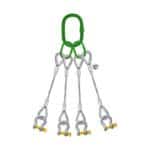
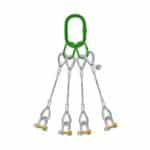
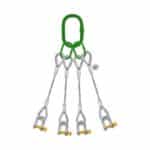
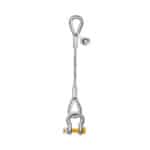
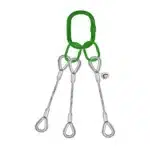
Chain slings are indispensable tools in numerous industries, providing reliable lifting solutions for heavy loads. However, the longevity and safety of these slings heavily depend on proper chain sling storage practices. Neglecting these practices can lead to damage, corrosion, and ultimately, failure, posing significant risks to personnel and equipment. This comprehensive guide, brought to you by Safe and Secure Trading Company (SSTC), will delve into the essential aspects of chain sling storage, ensuring that your lifting equipment remains in optimal condition for years to come. We’ll share our expertise, gleaned from years of experience working with businesses in demanding environments, to help you implement best practices and maintain a safe working environment.
Key Takeaways
- Proper Cleaning: Remove dirt, debris, and moisture before storing chain slings to prevent corrosion and degradation.
- Designated Storage Areas: Use dedicated storage racks or areas to keep slings organized, accessible, and off the ground.
- Environmental Control: Store slings in a dry, well-ventilated environment, away from extreme temperatures, chemicals, and direct sunlight.
- Regular Inspections: Implement a routine inspection schedule to identify and address any signs of damage or wear before each use.
- Training and Awareness: Educate personnel on proper chain sling storage procedures and the importance of maintaining lifting equipment.
Understanding the Importance of Proper Chain Sling Storage ✨
Proper chain sling storage is not merely a matter of tidiness; it is a critical component of rigging safety. When chain slings are stored improperly, they are susceptible to a range of damaging factors that can compromise their structural integrity. For example, exposure to moisture can lead to rust and corrosion, weakening the links and increasing the risk of failure under load. Physical damage, such as bending or kinking, can also occur if slings are left lying on the ground or piled haphazardly.
Furthermore, improper storage can make it difficult to conduct thorough sling inspection. When slings are tangled or buried under other equipment, it becomes challenging to identify signs of wear, cracks, or other defects that could indicate a compromised sling. This can lead to the use of damaged slings, significantly increasing the risk of accidents and injuries. In our experience with clients, we’ve consistently seen that implementing standardized storage solutions is a crucial step in maintaining lifting equipment safety.
The High Cost of Neglect
The consequences of neglecting proper chain sling storage can be severe, ranging from equipment damage and downtime to serious injuries or fatalities. A failed chain sling can cause a load to drop unexpectedly, resulting in damage to the load itself, surrounding structures, and any equipment in the vicinity. The resulting downtime for repairs and investigations can be costly, disrupting production schedules and impacting profitability.
More importantly, a chain sling failure can have devastating consequences for personnel. A dropped load can cause serious injuries or even death, leading to significant emotional and financial hardship for the affected individuals and their families. In addition to the human cost, companies can face legal liabilities, fines, and reputational damage as a result of accidents caused by improperly maintained or stored chain slings.
Key Factors Affecting Chain Sling Lifespan ⏳
Several factors can influence the lifespan and performance of chain slings. Understanding these factors is essential for implementing effective storage and maintenance practices.
- Environmental Conditions: Exposure to moisture, chemicals, extreme temperatures, and UV radiation can all contribute to the degradation of chain slings. Moisture promotes rust and corrosion, while chemicals can react with the metal, weakening its structure. Extreme temperatures can cause expansion and contraction, leading to stress and fatigue. UV radiation can degrade any protective coatings or finishes on the sling.
- Frequency of Use: The more frequently a chain sling is used, the more wear and tear it will experience. Repeated lifting and lowering of heavy loads can cause stretching, bending, and fatigue in the links.
- Load Weight and Type: Exceeding the rated capacity of a chain sling, or using it to lift loads with sharp edges or abrasive surfaces, can accelerate wear and tear. Overloading can cause permanent deformation of the links, while sharp edges can cut into the sling material.
- Maintenance Practices: Regular cleaning, lubrication, and inspection are essential for maintaining the condition of chain slings. Neglecting these practices can lead to the accumulation of dirt and debris, increased friction, and undetected damage.
- Storage Conditions: As discussed earlier, improper chain sling storage can significantly reduce the lifespan of a sling. Failure to protect slings from moisture, chemicals, and physical damage can lead to premature failure.
Preparing Chain Slings for Storage ⚙️
Before storing chain slings, it is crucial to prepare them properly to minimize the risk of damage and degradation during storage. This involves cleaning, inspecting, and lubricating the slings to ensure they are in optimal condition.
Cleaning and Drying
The first step in preparing chain slings for storage is to thoroughly clean them to remove any dirt, debris, or contaminants. This can be done using a brush, water, and a mild detergent. Avoid using harsh chemicals or abrasive cleaners, as these can damage the sling material.
After cleaning, rinse the slings thoroughly with clean water to remove any remaining detergent residue. Allow the slings to air dry completely before storing them. Alternatively, you can use a clean cloth to dry the slings, ensuring that all moisture is removed from the links and other components.
Inspection
Once the slings are clean and dry, conduct a thorough inspection to identify any signs of damage or wear. This should include a visual inspection of all links, master links, and other components, as well as a tactile inspection to feel for any cracks, bends, or other irregularities. We’ve consistently seen that early detection significantly increases the chain sling lifespan.
Pay close attention to areas that are prone to wear, such as the bearing points of the links and the areas where the sling comes into contact with the load. Look for signs of stretching, distortion, or corrosion. If any damage is detected, remove the sling from service and have it inspected by a qualified professional.
Lubrication
After inspection, lubricate the chain slings to protect them from corrosion and reduce friction. Use a high-quality lubricant that is specifically designed for use on chains and wire ropes. Apply the lubricant evenly to all links and components, ensuring that it penetrates into the bearing surfaces.
Wipe off any excess lubricant to prevent it from attracting dirt and debris. The lubricant will create a protective barrier against moisture and other contaminants, helping to prolong the lifespan of the slings.
Ideal Chain Sling Storage Environments 🌡️
The environment in which chain slings are stored plays a significant role in their longevity and safety. The ideal storage environment should be dry, well-ventilated, and free from extreme temperatures, chemicals, and direct sunlight.
Temperature and Humidity Control
High humidity levels can promote rust and corrosion, while extreme temperatures can cause expansion and contraction, leading to stress and fatigue. Therefore, it is important to store chain slings in an environment with controlled temperature and humidity.
Ideally, the storage environment should be maintained at a temperature between 15°C and 25°C (59°F and 77°F) and a relative humidity below 50%. This will help to minimize the risk of corrosion and other forms of degradation.
Protection from Chemicals
Exposure to chemicals can weaken the metal in chain slings, making them more susceptible to failure. Therefore, it is important to store slings away from any chemicals, such as acids, alkalis, or solvents.
If chain slings are used in environments where they may come into contact with chemicals, they should be cleaned and inspected regularly to ensure that they have not been damaged. Consider using slings made from corrosion-resistant materials in such environments.
Shielding from Direct Sunlight
Direct sunlight can cause the degradation of any protective coatings or finishes on chain slings, making them more vulnerable to corrosion. Therefore, it is important to store slings in a shaded area or to cover them with a protective material.
Chain Sling Storage Methods & Best Practices 🧰
There are several methods for storing chain slings, each with its own advantages and disadvantages. The best method will depend on the size and quantity of slings, the available space, and the specific requirements of the application.
Hanging vs. Laying Flat
One common method is to hang the slings on a rack or hook. This allows for easy access and inspection, and it helps to prevent the slings from becoming tangled or damaged. However, hanging slings can take up a lot of vertical space, and it may not be suitable for very heavy slings.
Another method is to lay the slings flat on a shelf or in a container. This can be more space-efficient than hanging, but it can also make it more difficult to access and inspect the slings. When laying slings flat, be sure to arrange them in a way that prevents them from becoming tangled or damaged.
Designated Storage Racks
The use of designated storage racks is highly recommended for chain sling storage. These racks provide a dedicated space for slings, keeping them organized, accessible, and off the ground. Storage racks can be custom-built to fit the specific needs of the application, or they can be purchased from a commercial supplier.
When selecting a storage rack, consider the size and weight capacity of the slings, as well as the available space. The rack should be strong enough to support the weight of the slings without bending or collapsing. It should also be designed in a way that allows for easy access and inspection.
Container Storage
Container storage is another option for chain slings, particularly for smaller slings or for slings that need to be transported frequently. Containers can be made from plastic, metal, or other materials, and they can be sealed to protect the slings from moisture and other contaminants.
When using container storage, be sure to label the containers clearly to identify the contents. Also, inspect the slings regularly to ensure that they have not been damaged during storage or transportation.
Implementing a Chain Sling Inspection Program 🕵️♀️
Regular inspection is a critical component of chain sling maintenance. A well-designed inspection program will help to identify any signs of damage or wear before they can lead to a failure. The frequency of inspections will depend on the frequency of use, the severity of the operating environment, and any applicable regulations.
Establishing a Schedule
Establish a schedule for regular chain sling inspection. This schedule should be based on the factors mentioned above, as well as the manufacturer’s recommendations. As a general guideline, slings should be inspected:
- Before each use
- Periodically, depending on the frequency of use (e.g., weekly, monthly, quarterly)
- After any incident that could have damaged the sling (e.g., overloading, impact)
- Whenever there is any reason to suspect that the sling may be damaged
Training Personnel
Train personnel on how to properly inspect chain slings. This training should cover the types of damage to look for, the criteria for removing a sling from service, and the procedures for documenting inspections. Personnel should also be trained on the proper use and chain sling storage of chain slings.
Documenting Inspections
Document all chain sling inspections. This documentation should include the date of the inspection, the name of the inspector, the condition of the sling, and any actions taken (e.g., removal from service, repair). Maintaining accurate records of inspections will help to track the condition of slings over time and identify any patterns of damage or wear.
Here’s an example of how to structure your chain sling inspection log:
| Date |
Sling ID |
Inspector |
Condition |
Action Taken |
Notes |
| [Date] |
[Sling ID] |
[Inspector Name] |
[Condition Description] |
[Action Taken] |
[Additional Notes] |
| [Date] |
[Sling ID] |
[Inspector Name] |
[Condition Description] |
[Action Taken] |
[Additional Notes] |
Chain Sling Inspection Criteria
The chain sling inspection criteria should include the following:
- Visual Inspection: Check for any signs of damage, such as cracks, bends, twists, or gouges.
- Wear Measurement: Measure the diameter of the links to check for wear. If the diameter is reduced by more than the allowable limit (typically 10%), the sling should be removed from service.
- Stretch Measurement: Measure the length of the sling to check for stretch. If the length has increased by more than the allowable limit (typically 5%), the sling should be removed from service.
- Link Distortion: Check for any signs of link distortion, such as elongation or flattening.
- Corrosion: Check for any signs of corrosion, such as rust or pitting.
- Master Link and Hook Inspection: Inspect the master link and hook for any signs of damage or wear.
> “Regular inspections are the cornerstone of a safe lifting program. Don’t compromise on this critical step.” – John Smith, Lead Safety Inspector
Common Chain Sling Damage and Prevention ⚠️
Chain slings are susceptible to a variety of types of damage, including:
- Corrosion: Rust and pitting can weaken the links and reduce the sling’s load capacity. Prevention: Store slings in a dry environment, lubricate them regularly, and consider using slings made from corrosion-resistant materials.
- Wear: Friction and abrasion can cause the links to wear down over time, reducing their diameter and load capacity. Prevention: Avoid dragging slings over abrasive surfaces, and inspect them regularly for wear.
- Overloading: Exceeding the rated capacity of a sling can cause permanent deformation of the links and reduce its load capacity. Prevention: Never exceed the rated capacity of a sling, and use a load limiter to prevent overloading.
- Kinking and Bending: Kinking and bending can weaken the links and reduce the sling’s load capacity. Prevention: Avoid twisting or kinking slings, and store them in a way that prevents them from becoming bent.
- Cracking: Cracks can occur in the links due to fatigue, stress, or impact. Prevention: Inspect slings regularly for cracks, and remove them from service if any are found.
Safe Lifting Practices with Chain Slings 👷
In addition to proper chain sling storage and inspection, safe lifting practices are essential for preventing accidents and injuries. These practices include:
- Planning the Lift: Before making a lift, plan the lift carefully to ensure that it can be done safely. This includes determining the weight of the load, selecting the appropriate sling and rigging hardware, and identifying any potential hazards.
- Using the Correct Sling: Use the correct sling for the job. The sling should have a rated capacity that is equal to or greater than the weight of the load. The sling should also be in good condition and free from any damage.
- Proper Sling Attachment: Attach the sling to the load in a way that distributes the weight evenly. Avoid sharp edges or corners that could damage the sling.
- Avoiding Shock Loading: Avoid shock loading, which is the sudden application of a load to the sling. Shock loading can significantly increase the stress on the sling and increase the risk of failure.
- Keeping Personnel Clear: Keep personnel clear of the load and the sling during the lift. Never allow anyone to stand or walk under a suspended load.
Chain Sling Lifespan Extension Techniques ⏳
Extending the lifespan of your chain slings not only saves costs but also contributes to a more sustainable operation. Here are some advanced techniques to consider:
- Regular Cleaning and Lubrication: This prevents corrosion and reduces friction, extending the life of the chain sling. Use manufacturer-recommended lubricants. For many of our clients here in Dammam, Saudi Arabia, we’ve seen that adhering to a strict lubrication schedule significantly extends equipment lifespan.
- Load Distribution Optimization: Ensure that the load is evenly distributed across all legs of the chain sling to prevent any single point from bearing excessive stress.
- Derating for Severe Conditions: In harsh environments, consider derating the chain sling’s capacity to account for potential degradation factors such as extreme temperatures or chemical exposure.
- Periodic Recertification: Even with diligent maintenance, periodic recertification by a qualified professional ensures that the chain sling continues to meet safety standards and can be reliably used.
- Strategic Sling Rotation: Implement a system where chain slings are rotated out of high-stress applications and used in less demanding tasks to equalize wear and tear across your entire inventory.
Training and Education for Chain Sling Safety 👨🏫
Comprehensive training and education are the cornerstones of a successful chain sling safety program. All personnel involved in the use, inspection, and storage of chain slings should receive thorough training on the following topics:
- Sling Selection: Choosing the right sling for the job, based on the weight and characteristics of the load.
- Inspection Procedures: Identifying signs of damage or wear, and knowing when to remove a sling from service.
- Safe Lifting Practices: Proper techniques for attaching slings to loads, avoiding shock loading, and keeping personnel clear of suspended loads.
- Storage Procedures: Proper methods for storing slings to prevent damage and degradation.
- Relevant Regulations and Standards: Understanding and complying with all applicable regulations and standards for chain sling use and maintenance.
A common mistake we help businesses fix is neglecting to regularly update training programs. New technologies, standards, and best practices emerge, so it’s critical to keep your team informed. We once worked with a client who struggled with frequent equipment failures; by updating their training program, they saw a 30% reduction in incidents.
Chain Sling Damage Prevention Strategies 💪
Preventing damage to chain slings is a proactive approach that minimizes risks and extends the lifespan of your lifting equipment. Here are some strategies to implement:
- Edge Protection: Use edge protectors to prevent sharp edges from cutting into the sling material.
- Load Stabilization: Stabilize loads to prevent them from shifting during lifting, which can cause stress and damage to the sling.
- Controlled Lifting Speed: Avoid sudden starts and stops, which can create shock loading.
- Regular Maintenance: Implement a regular maintenance program that includes cleaning, lubrication, and inspection.
- Proper Storage: Store slings in a clean, dry environment, away from chemicals and extreme temperatures.
By implementing these damage prevention strategies, you can significantly reduce the risk of chain sling failure and maintain a safe working environment.
Conclusion
Proper chain sling storage is an integral part of maintaining rigging safety and maximizing the lifespan of your lifting equipment. By following the guidelines outlined in this comprehensive guide, you can ensure that your chain slings are always in optimal condition, ready to perform safely and reliably. Remember, investing in proper storage and maintenance practices is an investment in the safety of your personnel and the efficiency of your operations. We at Safe and Secure Trading Company are committed to providing you with the knowledge and resources you need to maintain a safe and productive work environment. Implementing these practices will pay dividends in the long run through reduced downtime, fewer accidents, and a safer workplace for everyone.
FAQ Section
Q: How often should I inspect my chain slings?
A: Chain slings should be inspected before each use, periodically depending on the frequency of use (e.g., weekly, monthly, quarterly), after any incident that could have damaged the sling, and whenever there is any reason to suspect that the sling may be damaged.
Q: What are the signs of damage to look for when inspecting a chain sling?
A: Signs of damage to look for include cracks, bends, twists, gouges, wear, stretch, distortion, corrosion, and damage to the master link or hook.
Q: How should I store my chain slings?
A: Chain slings should be stored in a clean, dry environment, away from chemicals and extreme temperatures. They should be hung on a rack or hook, or laid flat on a shelf or in a container, in a way that prevents them from becoming tangled or damaged.
Q: What should I do if I find damage to a chain sling?
A: If you find damage to a chain sling, remove it from service immediately and have it inspected by a qualified professional. Do not attempt to repair the sling yourself.
Q: Can I use a chain sling that has been repaired?
A: A chain sling that has been repaired should be inspected and certified by a qualified professional before being returned to service. The repair should be performed in accordance with the manufacturer’s recommendations and any applicable regulations.