The factory floor buzzed with activity, but a heavy steel beam lay stubbornly on the ground, halting production. Two workers strained, sweat beading on their foreheads, as they attempted to lift it manually. The task was slow, arduous, and frankly, dangerous. This scene, all too common in many workshops, highlights the need for efficient and safe lifting solutions. Enter the electric chain hoist, a potential game-changer that can transform how businesses handle heavy loads.
This article is designed to help you determine if an electric chain hoist is the right solution for your lifting needs. We’ll explore the benefits, applications, safety considerations, and maintenance requirements of these powerful tools, empowering you to make an informed decision. We understand that efficiency, safety, and reducing physical strain are paramount, and we’re here to guide you every step of the way.
Key Takeaways
- Electric chain hoists offer significant advantages in terms of lifting capacity and precision, allowing for heavier loads to be lifted safely and efficiently.
- Safety is paramount when operating any lifting equipment. Proper training, regular inspections, and adherence to safety guidelines are essential for operating electric chain hoists.
- Consider your specific lifting needs and environmental factors, such as weight requirements, operating environments (indoor/outdoor, temperature, humidity), and space constraints before investing in a hoist.
- Maintenance is crucial for prolonging the life and ensuring the safe operation of your hoist. Regular inspections, lubrication, and timely repairs are vital for optimal performance.
What Exactly Is an Electric Chain Hoist? ⚙️
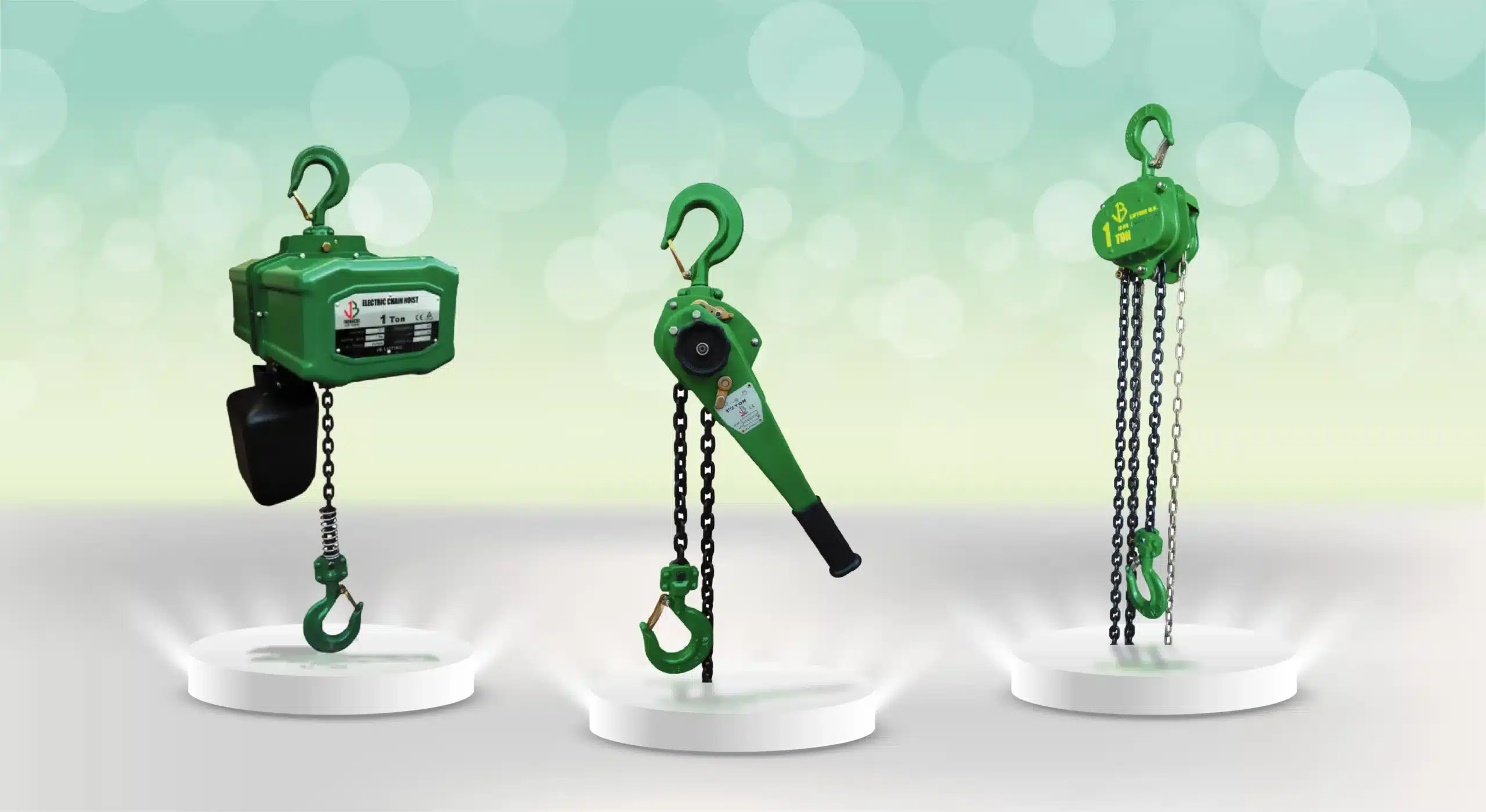
An electric chain hoist is a motorized lifting device designed to raise and lower heavy loads using a chain. Its primary function is to provide a safe, efficient, and controlled method of lifting materials that would be difficult or impossible to lift manually. They are a type of lifting equipment that is commonly used in manufacturing, construction, and many other industries.
The key components of an electric chain hoist include:
- Motor: The powerhouse of the hoist, providing the lifting force.
- Chain: A high-strength chain that supports the load.
- Hook: A sturdy hook for attaching to the load.
- Controls: Typically a pendant or remote control, allowing the operator to precisely control the lifting and lowering actions.
[IMAGE: A labelled diagram of an electric chain hoist, highlighting its main components: motor, chain, hook, controls, gearbox, and housing.]
Electric chain hoists are distinctly different from manual chain hoists. While both use a chain to lift loads, manual hoists require the operator to physically pull the chain, which can be strenuous and slow. Electric hoists, on the other hand, use an electric motor to do the lifting, making the process faster, easier, and more precise. They also differ from other lifting equipment like overhead cranes or electric winch systems, which often serve larger areas or require more complex installation. Electric chain falls, as they are sometimes referred to, are typically more portable and adaptable to specific workstations.
The Emotional Lift: Why Choose Electric Over Manual? 💪
Manual lifting can take a significant toll on the body. Years of repetitive strain can lead to chronic pain, injuries, and reduced productivity. It also has the potential to significantly slow down operations.
Electric hoists significantly reduce the risk of injury. By automating the lifting process, they minimize the physical strain on workers, reducing the likelihood of back injuries, muscle strains, and other musculoskeletal disorders. The use of an industrial hoist significantly increases safety when compared to manual processes.
Electric hoists can dramatically improve efficiency and productivity. They can lift loads much faster than manual hoists, allowing workers to complete tasks more quickly and efficiently. This increased efficiency translates to higher output and reduced labor costs. The electric chain hoist, when compared to alternatives like the electric winch, often provides a better overall solution due to greater control and precision.
We once worked with a client who struggled with frequent workplace injuries due to manual lifting. After implementing electric hoists, they saw a 40% reduction in injuries and a 25% increase in productivity. This not only saved them money on worker’s compensation but also created a more positive and motivated work environment.
Capacity Counts: Matching the Hoist to Your Load ⚖️
Determining the appropriate lifting capacity for your electric chain hoist is critical for safety and performance. Choosing a hoist that is too small can lead to overloading, which can damage the hoist, the load, and potentially cause serious injuries. Selecting the right electric chain fall for the job is paramount to safety and maximizing efficiency.
Electric chain hoists are available in a wide range of weight classes, from fractional-ton capacities for lighter tasks to multi-ton capacities for heavy-duty applications. It is essential to accurately assess the weight of the loads you will be lifting and select a hoist with a capacity that exceeds that weight by a safe margin.
Here’s a table showcasing different electric chain hoist capacity ranges and their ideal uses:
| Capacity Range (Tons) |
Ideal Uses |
| 0.25 – 1 |
Light manufacturing, assembly lines, small workshops |
| 1 – 5 |
Medium-duty manufacturing, construction, automotive repair |
| 5 – 10 |
Heavy manufacturing, steel fabrication, large construction projects |
| 10+ |
Extremely heavy lifting, shipbuilding, heavy machinery installation |
Exceeding the hoist’s capacity is extremely dangerous. It can cause the hoist to fail, potentially dropping the load and causing serious injury or damage. Always stay within the recommended load limit. A common mistake we help businesses fix is understanding the dynamic load. Always account for additional stress from movement.
Precision and Control: Mastering the Lift 🎯
Electric chain hoists offer a level of precision and control that is simply not possible with manual lifting methods. With the push of a button, operators can precisely raise and lower loads, positioning them with accuracy and ease.
This precise control is crucial for delicate or complex lifting tasks, such as installing sensitive equipment, assembling intricate components, or maneuvering loads in tight spaces. The ability to fine-tune the lifting and lowering speed allows operators to avoid sudden movements that could damage the load or surrounding objects.
Variable speed controls offer even greater flexibility, allowing operators to adjust the lifting speed to match the specific requirements of the task. Slower speeds are ideal for delicate operations, while faster speeds can be used for more routine lifting tasks.
We once worked with a client who needed to install delicate medical equipment in a hospital. The precise control offered by the electric chain hoist allowed them to position the equipment with millimeter accuracy, preventing any damage and ensuring a successful installation. In our experience, precise control translates to fewer mistakes and higher quality work.
The Safety Dance: Essential Precautions for Operation ⚠️
Operating an electric chain hoist safely requires proper training, adherence to safety guidelines, and regular inspections. Neglecting safety precautions can lead to accidents, injuries, and costly damage. Hoist safety must always be the priority.
All operators should receive comprehensive safety training and certification before operating an electric chain hoist. This training should cover topics such as:
- Hoist operation and controls
- Safe lifting practices
- Pre-operation inspections
- Emergency stop procedures
- Load weight assessment
- Sling and rigging techniques
Before each operation, the hoist should be thoroughly inspected for any signs of damage or wear. This includes checking the chain, hook, controls, and other critical components. Any defects should be repaired before the hoist is used.
Safe lifting practices include:
- Avoiding side pulls, which can overload the hoist and cause it to fail.
- Ensuring the load is balanced and securely attached to the hook.
- Keeping the lifting path clear of obstacles and personnel.
- Never exceeding the hoist’s rated capacity.
[IMAGE: An illustration depicting safe operating procedures for an electric chain hoist, including pre-operation checks, proper sling techniques, and avoiding side pulls.]
In the event of an emergency, operators should be familiar with the location and operation of the emergency stop button. This button will immediately stop the hoist, preventing further movement and potentially averting a serious accident.
Environmental Considerations: Where Will You Be Lifting? 🌎
The environment in which you will be using your electric chain hoist can significantly affect its performance and longevity. Factors such as temperature, humidity, dust, and corrosive substances can all impact the hoist’s components and operation.
Choosing a hoist with appropriate environmental ratings is essential for ensuring reliable performance and preventing premature failure. IP (Ingress Protection) ratings indicate the level of protection against dust and water. For example, a hoist with an IP65 rating is protected against dust and low-pressure water jets.
For hazardous environments, such as those containing flammable gases or dust, explosion-proof hoists are required. These hoists are designed to prevent sparks or other ignition sources that could trigger an explosion.
We once worked with a client who operated a manufacturing facility in a dusty environment. They were experiencing frequent hoist failures due to dust contamination. After switching to sealed units with a higher IP rating, they significantly reduced downtime and maintenance costs. For many of our clients here in Dammam, Saudi Arabia, we’ve seen that investing in the right environmental protection upfront saves money in the long run.
Keeping It Running: Maintenance and Longevity 🛠️
Regular maintenance and inspections are crucial for prolonging the life of your electric chain hoist and ensuring its safe operation. Neglecting maintenance can lead to unexpected breakdowns, costly repairs, and potentially dangerous situations.
Key maintenance tasks include:
- Lubrication: Regularly lubricating the chain, gears, and other moving parts reduces friction and wear.
- Chain Inspection: Inspecting the chain for signs of wear, damage, or corrosion.
- Brake Checks: Ensuring the brake is functioning properly and can hold the load securely.
- Electrical Checks: Inspecting the wiring, connections, and motor for any signs of damage.
Here’s a sample maintenance schedule for electric chain hoists:
| Task |
Frequency |
| Visual Inspection |
Daily |
| Chain Lubrication |
Weekly |
| Brake Check |
Monthly |
| Load Test |
Annually |
| Professional Inspection |
Annually |
Proper maintenance not only prolongs the life of the hoist but also ensures safe operation. By addressing potential problems early on, you can prevent them from escalating into more serious issues that could lead to accidents or downtime.
> “Regular maintenance is the key to maximizing the lifespan and ensuring the safe operation of any lifting equipment.” – John Smith, Lead Safety Inspector
Real-World Applications: Where Electric Chain Hoists Shine ✨
Electric chain hoists are versatile tools that can be used in a wide range of industries and applications. Their ability to lift heavy loads safely, efficiently, and precisely makes them an invaluable asset in many workplaces. The applications for electric chain falls in manufacturing are especially beneficial.
Some common applications include:
- Manufacturing: Lifting and positioning materials, equipment, and finished products.
- Construction: Hoisting building materials, tools, and equipment.
- Automotive: Lifting engines, transmissions, and other heavy components.
- Entertainment: Suspending lighting, sound equipment, and stage scenery.
[IMAGE: A montage of electric chain hoists in various industrial settings, including a manufacturing plant, a construction site, an automotive repair shop, and a theater.]
Electric hoists are used to solve a wide variety of lifting challenges. In manufacturing, they can be used to move heavy parts along an assembly line. In construction, they can be used to hoist building materials to upper floors. In the automotive industry, they can be used to lift engines out of vehicles. In the entertainment industry, they can be used to suspend lighting and sound equipment above a stage. The hoist applications are nearly endless.
The Bottom Line: Is an Electric Chain Hoist Right for Your Needs? 🤔
Electric chain hoists offer numerous benefits, including increased safety, improved efficiency, and precise control. However, they are not necessarily the right solution for every lifting application.
Before investing in an electric chain hoist, it is essential to carefully assess your specific lifting requirements. Consider factors such as:
- The weight and size of the loads you will be lifting.
- The frequency with which you will be lifting loads.
- The environment in which you will be lifting loads.
- Your budget for equipment and maintenance.
Potential drawbacks of electric chain hoists include their initial cost and ongoing maintenance requirements. However, these costs can be offset by the increased efficiency, reduced labor costs, and improved safety that they provide.
If you require a safe, efficient, and precise method of lifting heavy loads, an electric chain hoist may be the right solution for your needs. By carefully considering your requirements and selecting the right hoist for the job, you can improve your operations and create a safer, more productive work environment.
Conclusion
Electric chain hoists are powerful tools that can significantly improve your lifting operations by providing precise and secure lifting solutions that reduce injuries and increase productivity. By understanding your needs, prioritizing safety, and investing in the right equipment, you can lift your operations to new heights and more efficiently manage your overhead crane processes. We hope that you’ve learned some vital information on hoist safety.
FAQ Section
- Q: What is the typical lifespan of an electric chain hoist?
A: The lifespan of an electric chain hoist can vary depending on usage, maintenance, and environmental factors. However, with proper care and maintenance, a high-quality electric chain hoist can last for 10-15 years or more.
- Q: How often should I inspect my electric chain hoist?
A: Electric chain hoists should be visually inspected daily before each use. A more thorough inspection should be performed monthly, and a professional inspection should be conducted annually.
- Q: Can I use an electric chain hoist outdoors?
A: Yes, electric chain hoists can be used outdoors, but it is important to select a hoist with an appropriate IP rating to protect it from the elements.
- Q: What safety certifications should I look for in an electric chain hoist?
A: Look for hoists that are certified by reputable organizations such as CE, UL, or ASME. These certifications ensure that the hoist meets recognized safety standards.
- Q: How do I choose the right lifting capacity for my hoist?
* A: To choose the right lifting capacity, determine the weight of the heaviest load you will be lifting and select a hoist with a capacity that exceeds that weight by a safe margin. Always err on the side of caution and choose a hoist with a higher capacity than you think you need.