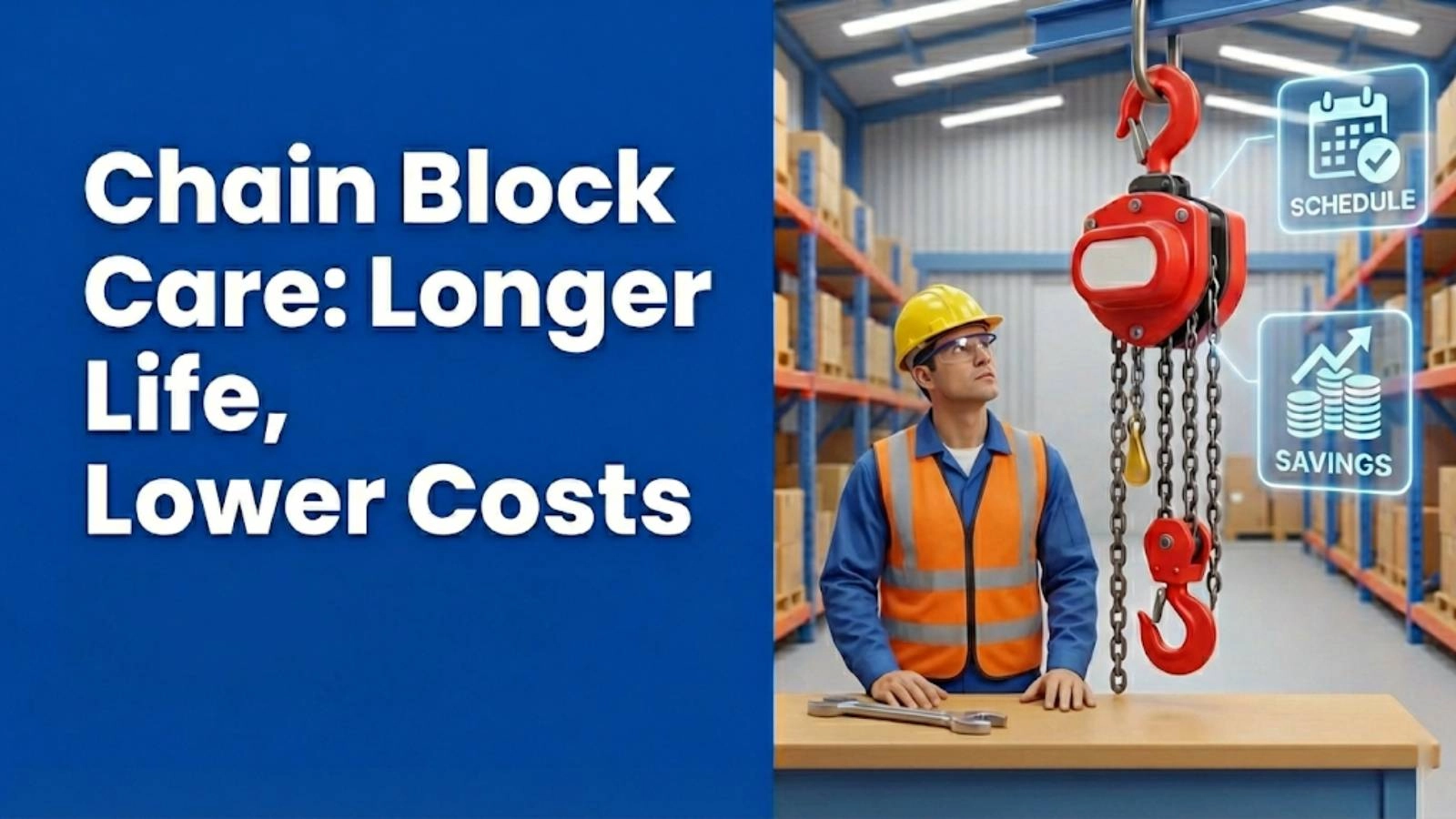
Chain Block Safety: Lifting with Confidence
A Story of Near Misses and Lessons Learned
At Safe and Secure Trading Company (SSTC), we’ve seen firsthand how crucial chain block safety is. We remember a situation at a construction site where a heavy steel beam was being lifted using a chain block. The initial inspection was rushed, and a minor crack in one of the chain links went unnoticed. As the beam was being raised, the cracked link began to widen under the strain. Fortunately, a worker nearby noticed the deformation and immediately stopped the operation. The beam was carefully lowered, and the damaged chain block was taken out of service. This incident served as a stark reminder that even seemingly minor defects can have catastrophic consequences if overlooked. Understanding and diligently implementing chain block safety measures is paramount to preventing accidents and ensuring a safe working environment for everyone involved.
What is a Chain Block and Why Does Safety Matter?
Defining the Chain Block
A chain block, also known as a manual chain hoist, is a simple yet powerful mechanical device used for lifting and lowering heavy loads. It operates using a system of gears and pulleys, allowing a user to lift significant weight with relatively little effort. The user pulls on a hand chain, which rotates a series of gears that amplify the force and lift the load chain. These are commonly used in workshops, construction sites, and various industrial settings where powered lifting equipment isn’t available or practical. It’s a core piece of material handling equipment.
[IMAGE: A clear diagram of a chain block with its key components labeled.]
The High Stakes of Lifting
The potential consequences of improper chain block use can be severe. Accidents involving chain blocks can result in serious injuries, property damage, and even fatalities. A dropped load can crush workers, damage equipment, and disrupt operations. The use of damaged or improperly maintained chain blocks can lead to equipment failure, causing loads to fall unexpectedly. Neglecting chain block safety can also lead to costly fines and legal liabilities for companies. According to the Bureau of Labor Statistics, lifting-related accidents account for a significant percentage of workplace injuries each year, highlighting the critical need for comprehensive safety protocols. A comprehensive approach to workplace safety is paramount to minimizing risk.
Essential Chain Block Safety Practices
Pre-Use Inspection: Your First Line of Defense
Before each use, a thorough inspection of the chain block is essential. This inspection should include checking the condition of the chain for any signs of wear, damage, or corrosion. Look for stretched links, cracks, or any other deformities. The hooks should also be inspected for cracks, bends, or excessive wear. Ensure that the safety latches are functioning correctly. The housing of the chain block should be examined for any signs of damage, such as cracks or dents. Any defects should be immediately addressed before using the chain block. This pre-use inspection forms the cornerstone of lifting safety.
[IMAGE: A close-up image showing how to inspect a chain for damage.]
Calculating and Respecting Load Capacity
Determining the load capacity of a chain block is crucial. The safe working load (SWL) is the maximum weight that the chain block is designed to lift safely. This information is typically marked on the chain block itself. It is essential to never exceed the SWL, as overloading can lead to equipment failure and accidents. To ensure safety, always verify the weight of the load before lifting.
Here’s a simplified formula to reinforce this concept:
| Variable |
Description |
| SWL |
Safe Working Load (Chain Block Capacity) |
| LW |
Load Weight |
| Condition |
LW ≤ SWL (Load Weight must be less than or equal to Safe Working Load) |
John Davies, Safety Engineer, emphasizes:
“Always double-check your load weight and the chain block’s SWL. Overloading is a recipe for disaster.”
Proper Lifting Techniques: Avoiding Common Mistakes
When using a chain block, proper lifting techniques are crucial. Ensure that the chain block is securely attached to both the load and the support structure. The support structure must be strong enough to bear the weight of the load. The lift should be plumb, meaning the load should be lifted vertically to avoid side loading. Side loading can put undue stress on the chain block and increase the risk of failure. Avoid jerky or sudden movements, as these can also overload the equipment. These techniques improve rigging safety overall.
[IMAGE: An illustration showing correct and incorrect lifting techniques.]
Communication and Coordination: Teamwork Makes the Dream Work
Clear communication between the operator and other workers in the area is essential for safe lifting operations. Use hand signals and verbal commands to coordinate movements and ensure that everyone is aware of what is happening. Before lifting, ensure that the area is clear of obstructions and that no one is in the path of the load. When our team in Dubai coordinates a heavy lift, they always designate a spotter to monitor the load and communicate with the operator. Effective communication protocols are central to overhead crane safety.
Mastering the Manual Chain Block: A Step-by-Step Guide
Step 1: Inspect the Chain Block Thoroughly ⚙️
Before each use, meticulously inspect every component of the chain block. Start by examining the load chain for any signs of damage, such as kinks, twists, or corrosion. Check the hand chain for smooth operation and any signs of wear. Inspect the hooks for cracks, bends, or deformation. Ensure the safety latches are functioning properly. Examine the housing for any signs of damage or stress. This step is the most important because it identifies potential hazards before they can cause an accident, ensuring chain block safety.
Step 2: Secure the Chain Block to a Safe Anchor Point ✅
Selecting a secure anchor point is critical. The anchor point must be capable of supporting the weight of the load plus the weight of the chain block itself. Use a properly rated shackle or sling to attach the chain block to the anchor point. Ensure that the connection is secure and that there is no risk of slippage or failure. Double-check the anchor point’s load capacity to ensure it meets or exceeds the requirements. This is the base of hoist safety.
[IMAGE: Step-by-step visuals of securing the chain block.]
Step 3: Attach the Load Carefully 💡
Attaching the load to the hook requires careful attention. Ensure that the load is balanced and that the weight is evenly distributed. Use appropriate slings or lifting straps to secure the load to the hook. Avoid wrapping the chain directly around the load, as this can damage the chain and create an unsafe lifting condition. Double-check that the load is securely attached before lifting.
Step 4: Lift Slowly and Steadily
When lifting the load, do so slowly and steadily. Avoid jerky or sudden movements. Maintain constant control of the hand chain to prevent the load from swinging or shifting. If the load appears unstable, stop lifting immediately and reassess the situation. Lifting slowly allows for better control and reduces the risk of accidents.
Step 5: Lower the Load with Precision
Lowering the load requires the same level of care and attention as lifting. Lower the load slowly and steadily, maintaining constant control of the hand chain. Avoid dropping the load abruptly, as this can damage the load and the chain block. Ensure that the load is placed gently on the ground or on the intended support. Constant control ensures material handling is done properly.
Chain Block Maintenance: Extending Lifespan and Safety
Regular Cleaning and Lubrication
Regular cleaning and lubrication are essential for maintaining the performance and safety of the chain block. Clean the chain block regularly to remove dirt, grime, and other contaminants. Lubricate the chain and other moving parts with a high-quality lubricant to reduce friction and prevent corrosion. Use a lubricant specifically designed for chain blocks. For example, a lithium-based grease works well. We recommend lubricating at least every three months, or more frequently if the chain block is used in harsh environments.
Scheduled Inspections: Catching Problems Early
Scheduled inspections by a qualified technician are necessary for identifying potential problems early. These inspections should include a thorough examination of all components, including the chain, hooks, housing, and gears. The technician should also test the chain block to ensure that it is functioning properly. Keep a detailed record of all inspections, including the date, findings, and any corrective actions taken. Monthly inspections are advisable, with a more comprehensive annual inspection.
Repair or Replacement: Knowing When to Say Goodbye
Knowing when to repair or replace a chain block is crucial for ensuring safety. If the chain block shows signs of significant damage or wear, it should be taken out of service immediately. Damaged components should be repaired or replaced by a qualified technician. If the cost of repair is too high, or if the chain block is beyond repair, it should be replaced with a new one. Using damaged equipment can be extremely dangerous and should be avoided at all costs.
Troubleshooting Common Chain Block Issues
Chain Binding or Jamming
Chain binding or jamming can occur for several reasons, including lack of lubrication, dirt or debris in the chain, or damaged chain links. To resolve chain binding, first clean and lubricate the chain thoroughly. Inspect the chain for any damaged links and replace them if necessary. Ensure that the chain is properly aligned and that there are no obstructions. To prevent future occurrences, establish a regular cleaning and lubrication schedule. One of our customers using manual chain hoists in the shipbuilding industry found that regular cleaning with a solvent-based cleaner and lubrication with a marine-grade grease significantly reduced chain binding issues.
Difficulty Lifting or Lowering
Difficulty in lifting or lowering can be caused by several factors, such as overloading, a damaged chain, or a malfunctioning brake mechanism. If you experience difficulty lifting or lowering a load, first ensure that you are not exceeding the SWL. Inspect the chain for any signs of damage and replace it if necessary. Check the brake mechanism to ensure that it is functioning properly. If the problem persists, have the chain block inspected by a qualified technician. We once had a client in our Dubai office who found the chain jamming due to improper lubrication. Ensure proper lubrication schedules.
Hook Damage
Hook damage can include cracks, bends, or deformation. Any damaged hooks should be replaced immediately. Using a hook that is damaged can lead to load slippage or equipment failure. Ensure that the replacement hooks are properly rated for the chain block’s SWL. Regularly inspect the hooks for any signs of damage.
Chain Block Safety Checklist: Your Pocket Guide to Safety
Daily Checklist: Quick and Easy
- ✅ Inspect the chain for any signs of damage or wear.
- ✅ Check the hooks for cracks, bends, or deformation.
- ✅ Ensure the safety latches are functioning properly.
- ✅ Verify that the load capacity is clearly marked and not exceeded.
- ✅ Confirm smooth operation of the hand chain.
Monthly Checklist: More Detailed Review
- ✅ Perform all daily checklist items.
- ✅ Inspect the housing for any signs of damage.
- ✅ Lubricate the chain and other moving parts.
- ✅ Check the brake mechanism for proper function.
- ✅ Review the chain block’s maintenance records.
Annual Checklist: Professional Assessment
- ✅ Perform all daily and monthly checklist items.
- ✅ Have a qualified technician perform a thorough inspection.
- ✅ Conduct a load test to verify the chain block’s capacity.
- ✅ Document all inspection findings and corrective actions.
- ✅ Update the chain block’s maintenance records.
Conclusion: Lifting Responsibly
Recap of Achievement
In this guide, we’ve walked through the essential aspects of chain block safety, from understanding what a chain block is to implementing comprehensive safety practices and maintenance routines. By following these guidelines, you can significantly reduce the risk of accidents and create a safer working environment for yourself and your colleagues. Remember, chain block safety is not just a set of rules to follow, but a commitment to responsible lifting and the well-being of everyone involved. We at Safe and Secure Trading Company are dedicated to providing you with the knowledge and tools you need to lift responsibly and with confidence.
FAQ Section
Q: How often should I inspect my chain block?
A: We recommend performing a quick daily inspection before each use, a more detailed monthly inspection, and an annual inspection by a qualified technician.
Q: What should I do if I find a damaged chain link?
A: If you find a damaged chain link, take the chain block out of service immediately and replace the damaged chain.
Q: Can I use a chain block to lift a load that is heavier than its SWL?
A: No, never exceed the safe working load (SWL) of the chain block. Overloading can lead to equipment failure and accidents.
Q: What type of lubricant should I use on my chain block?
A: We recommend using a high-quality lubricant specifically designed for chain blocks, such as a lithium-based grease.
Q: How do I properly store my chain block when not in use?
A: Store the chain block in a clean, dry place, away from direct sunlight and extreme temperatures. This prevents corrosion and other damage.
Q: What qualifications should a technician have to inspect my chain block annually?
A: The technician should be certified and experienced in inspecting and maintaining chain blocks and other lifting equipment. They should also be knowledgeable about relevant safety standards and regulations. Workplace safety is something that should not be taken lightly.
Q: Can I repair a damaged hook myself?
A: No, damaged hooks should only be repaired or replaced by a qualified technician. Attempting to repair a hook yourself can compromise its strength and safety.
Q: What are the consequences of neglecting chain block safety?
A: Neglecting chain block safety can lead to serious injuries, property damage, fatalities, and legal liabilities. Implementing and maintaining proper safety practices is essential for protecting workers and preventing accidents.