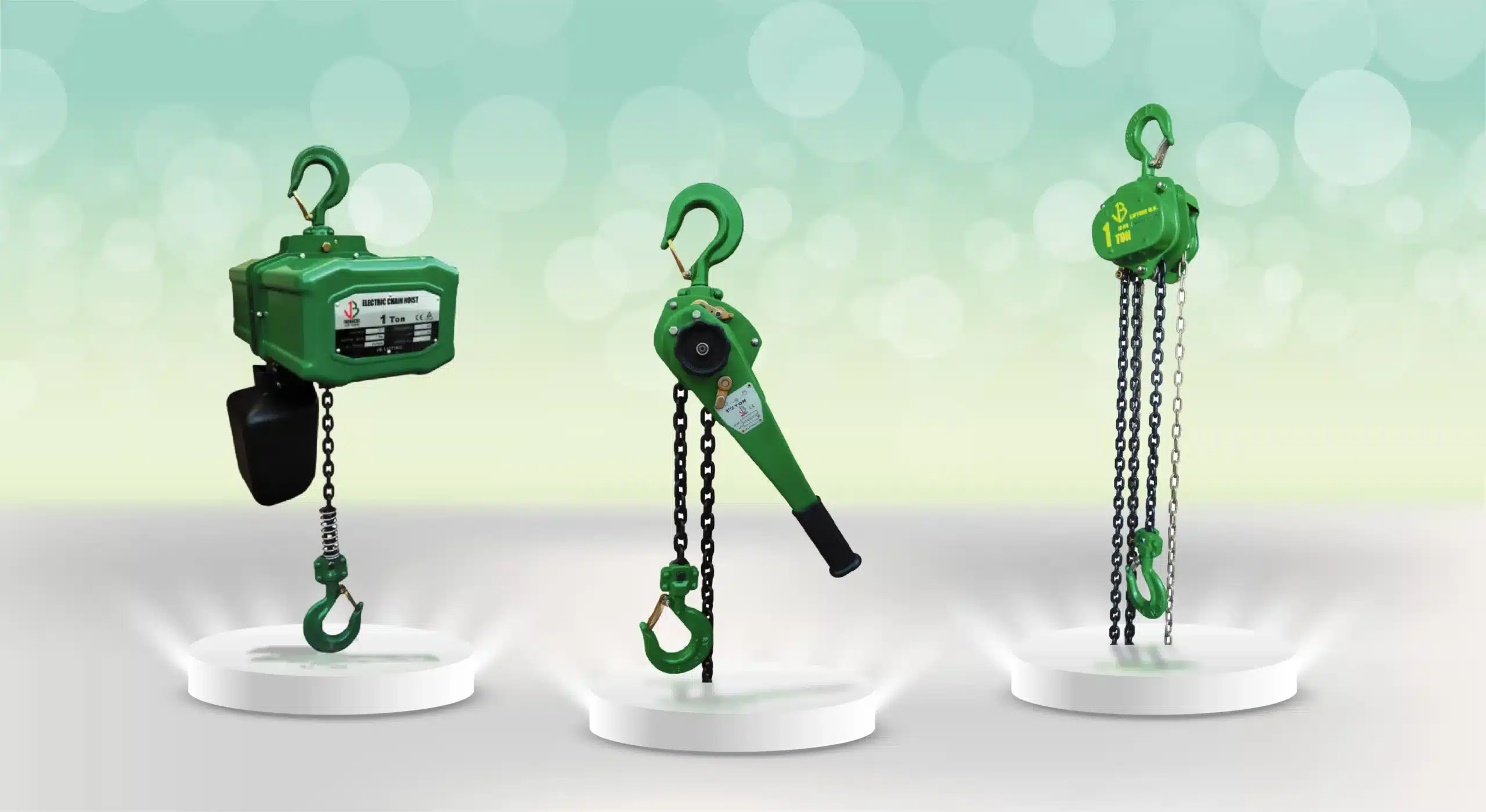
Before the advent of modern industrial solutions, material handling was a vastly different, often perilous, and always laborious endeavor. We at Safe and Secure Trading Company have witnessed firsthand the transformative power of technological advancements in this critical area, particularly with the widespread adoption of robust industrial lifting solutions. The journey from rudimentary methods to the sophisticated systems we employ today is a testament to human ingenuity and the relentless pursuit of greater efficiency and safety.
The Dawn of a New Era: Remembering the Old Ways
For centuries, the movement of goods, especially heavy items, relied almost entirely on human muscle, simple levers, and eventually, basic pulley systems. Imagine the sheer effort required to construct ancient monuments or even load a cargo ship a mere century ago. This wasn’t just strenuous; it was fraught with risk, leading to countless injuries and significant delays in production.
The Backbreaking Reality: A Personal Anecdote
In our early days, some of our senior team members recall visiting facilities where workers manually wrestled with loads that clearly exceeded safe ergonomic limits. We’ve seen teams of individuals straining to move large components across a factory floor, their faces etched with effort. This backbreaking reality wasn’t just inefficient; it created a culture of physical exhaustion and chronic injury, directly impacting morale and long-term productivity. It highlighted the desperate need for better safety in material handling practices.
A particularly memorable instance involved a small manufacturing plant attempting to lift engine blocks using a combination of brute force and a makeshift, undersized hoist. The inherent danger was palpable, and the process was agonizingly slow. Our intervention involved introducing them to proper overhead lifting equipment, which immediately mitigated the risks and dramatically sped up their operations. This vivid memory underscores why we are so passionate about modern lifting solutions.
When Manual Labor Just Isn’t Enough: The Bottleneck
Manual material handling, while sometimes necessary for very light or delicate items, quickly becomes a severe bottleneck in any operation dealing with significant weight or volume. The limits of human strength, endurance, and speed mean that tasks that could take seconds with automation often stretch into minutes or even hours. This not only slows down the entire production line efficiency but also incurs higher labor costs without commensurate output.
Consider a busy warehouse or a demanding construction site; reliance on manual methods for heavy load transport can bring operations to a grinding halt. The sheer impossibility of manually lifting tons of raw materials or finished products creates an unavoidable delay point that cascades through the entire supply chain. Our experience shows that identifying and addressing these manual bottlenecks is a critical first step towards optimizing any facility’s output. This is where the profound impact of solutions like electric chain hoists material handling truly begins to shine.
Enter the Game Changer: What Exactly is an Electric Chain Hoist?
An electric chain hoist is a sophisticated piece of overhead lifting equipment designed to lift and lower heavy loads with precision and control, utilizing an electric motor. Unlike manual hoists, which require significant physical effort, electric chain hoists handle heavy lifting tasks with the push of a button, greatly improving both efficiency and safety. They are foundational components in various industrial settings, from manufacturing plants to warehouses, offering unparalleled reliability.
The widespread adoption of electric chain hoists material handling has revolutionized how businesses manage their logistics and production processes. These devices integrate seamlessly into existing structures, often suspended from overhead cranes, jib cranes, or monorail systems, providing versatile lifting capabilities wherever they are needed. They represent a significant leap forward in ergonomic lifting and overall operational effectiveness.
More Than Just a Motor: Key Components Simplified
While the electric motor is undoubtedly the “heart” of an electric chain hoist, several other critical components work in concert to ensure safe and efficient operation. Understanding these parts helps appreciate the engineering prowess behind these essential machines.
- Motor: The driving force, typically an AC motor, provides the power to lift and lower loads. Modern motors are designed for high efficiency and often feature variable speed controls.
- Gearbox: Reduces the motor’s high rotational speed to a slower, more powerful speed for the lifting mechanism. This translates motor power into usable lifting torque.
- Brake: Essential for safety, the brake holds the load securely in place when the motor is not running and prevents uncontrolled descent. Many hoists feature multiple braking systems for redundancy.
- Load Chain: A specialized, high-strength chain designed to bear the weight of the load. It’s engineered for durability and resistance to wear and tear.
- Hook: The attachment point for the load, typically equipped with a safety latch to prevent accidental disengagement.
- Chain Guide/Sprocket: Ensures the load chain feeds smoothly and correctly into the hoist mechanism, preventing jams and damage.
- Limit Switches: Crucial safety devices that automatically stop the hoist if the load reaches its maximum upper or lower travel limits, preventing over-travel.
- Control Pendant: The user interface, allowing operators to safely control the hoist’s movements from a distance. These often include emergency stop buttons.
Each component is meticulously designed and rigorously tested to withstand the demanding conditions of industrial lifting solutions.
The Power Behind the Lift: How They Work
The operational principle of an electric chain hoist is elegant in its simplicity, yet powerful in its execution. When the operator presses a button on the control pendant, electrical current flows to the motor. The motor then drives a series of gears within the gearbox, which in turn rotates a sprocket. This sprocket engages with the load chain, drawing it upwards or allowing it to descend.
The sophisticated interplay between the motor, gearbox, and brake ensures that movements are smooth, controlled, and precise. Many modern electric chain hoists incorporate features like soft start and stop to minimize load sway, further enhancing safety and control. The load capacity management system is often integrated, providing feedback on the weight being lifted and preventing overloads. This meticulous engineering is why electric chain hoists material handling has become synonymous with reliability and performance in industrial settings worldwide.
The Heart of Your Operations: Why Electric Chain Hoists are Indispensable
In any operation involving the movement of heavy goods, the efficiency of material handling directly correlates with overall productivity and profitability. Electric chain hoists are not merely pieces of equipment; they are strategic assets that elevate the core functionality of warehouses, manufacturing facilities, and distribution centers. Their ability to consistently and safely move substantial weights transforms workflow, eliminates bottlenecks, and empowers workforces.
From enhancing production line efficiency to facilitating seamless logistics equipment operations, these hoists are pivotal. They ensure that components arrive where they are needed, finished products are moved efficiently, and operators can focus on skilled tasks rather than strenuous lifting. Our team in Dubai often emphasizes to clients how integrating the right hoist technology can be the single most impactful decision for their operational throughput.
A Client’s Story: From Strain to Streamline
We recall a manufacturing client in Qatar who struggled with significant downtime and worker fatigue. Their process involved moving large metal sheets between stamping machines, a task previously performed by several workers using manual levers and winches. This was not only physically demanding but also created inconsistent cycle times, leading to bottlenecks and quality issues due to handling errors.
When we introduced them to an integrated system featuring multiple electric chain hoists material handling, the transformation was immediate and measurable. The need for multiple workers on this single task was eliminated, freeing them for other value-added activities. Lift times became predictable, reducing overall cycle time by 25% and virtually eliminating damage from mishandling. This client’s experience is a powerful example of how strategic investment in proper hoist technology leads directly to a measurable lift in KPIs.
Precision and Control: Mastering Every Movement
One of the standout features of electric chain hoists is their unparalleled precision and control. Unlike manual lifting methods that are prone to human error and inconsistency, electric hoists allow for minute adjustments in positioning. This is critical in applications where components must be precisely aligned, such as during assembly or machine tool loading.
Many models come equipped with variable frequency drives (VFDs), enabling operators to adjust lifting and lowering speeds with fine granularity. This means delicate components can be handled gently, while robust items can be moved more quickly, optimizing production line efficiency. This level of control minimizes the risk of damage to valuable goods and equipment, ensuring a smoother workflow and reducing costly rework. The advanced hoist technology embedded in these units empowers operators to master every movement, even during heavy load transport.
The Unseen Hero: Boosting Safety, Reducing Risk
While often highlighted for their efficiency, the most profound impact of electric chain hoists material handling might well be in the realm of safety. In environments where heavy objects are routinely moved, the potential for accidents is ever-present. These hoists fundamentally alter this risk profile, transforming dangerous manual tasks into safe, controlled operations.
At Safe and Secure Trading Company, we consider safety not just a regulatory requirement but a moral imperative. Implementing electric chain hoists is a proactive step towards creating a safer workplace, protecting employees, and safeguarding the financial well-being of a company. The reduction in manual handling injuries alone often justifies the investment many times over.
Protecting Your Most Valuable Asset: Your Team
The human body is not designed for repeated heavy lifting, twisting, and straining. Manual material handling is a leading cause of workplace injuries, including sprains, strains, herniated discs, and musculoskeletal disorders. These injuries lead to lost workdays, reduced productivity, and significant workers’ compensation claims.
Electric chain hoists eliminate the need for workers to physically lift heavy objects, drastically reducing the risk of such injuries. Operators can control the movement from a safe distance using a pendant or remote control, keeping them out of the immediate danger zone of moving loads. This focus on ergonomic lifting protects your most valuable asset – your employees – allowing them to work longer, more comfortably, and more safely. It ensures a healthier, more engaged workforce, which directly contributes to overall manufacturing productivity.
The Cost of Accidents: A Preventable Expense
Beyond the human cost, workplace accidents carry a substantial financial burden. This includes medical expenses, lost wages, insurance premium increases, legal fees, investigation costs, and the often-overlooked cost of lost productivity during downtime. A single serious injury can quickly escalate into a six-figure expense, not to mention the damage to company reputation and employee morale.
By investing in high-quality electric chain hoists, businesses are making a strategic decision to prevent these costly incidents. The initial capital outlay for these industrial lifting solutions is often quickly recouped through avoided accident costs and increased operational efficiency. We encourage our clients to view these hoists not just as equipment, but as a robust insurance policy against preventable expenses, fostering greater safety in material handling.
“Investing in automated lifting solutions is not merely about efficiency; it’s about embedding a culture of safety. The ROI on preventing even one serious injury far outweighs the cost of state-of-the-art hoisting equipment.” – Dr. Eleanor Vance, Industrial Safety Analyst
Beyond Lifting: The Ripple Effect on Productivity
The impact of electric chain hoists extends far beyond the immediate act of lifting. Their integration into an operational workflow creates a powerful ripple effect, enhancing various aspects of productivity and overall output. We’ve seen businesses transform their entire operational landscape simply by embracing efficient overhead lifting equipment.
From accelerating the pace of work to ensuring consistent quality, these hoists are catalysts for continuous improvement. Our teams frequently demonstrate how optimized hoist technology can unlock hidden potential within existing infrastructure, leading to significant gains in throughput and profitability. They are an essential element of modern logistics equipment.
Speed and Efficiency: More Done, Faster
Manual lifting is inherently slow, limited by human strength and stamina. Electric chain hoists, conversely, operate at consistent speeds, moving loads quickly and reliably. This translates directly into faster cycle times for manufacturing processes, quicker loading and unloading of trucks, and accelerated movement of goods within warehouses.
The ability to move components and finished products rapidly means that production bottlenecks are minimized, and throughput is maximized. For example, in a busy distribution center, the swift movement facilitated by electric chain hoists material handling can dramatically improve order fulfillment rates. This enhanced speed and efficiency contribute directly to improved manufacturing productivity and the ability to meet demanding deadlines.
Consistency is Key: Maintaining Peak Performance
Manual operations are subject to variability due to human factors such as fatigue, differing skill levels, and attention lapses. This inconsistency can lead to unpredictable production rates, quality control issues, and delays. Electric chain hoists provide a level of consistency that manual labor simply cannot match.
Every lift and lower operation is performed with the same precision and speed, ensuring predictable cycle times. This reliability allows for better planning, scheduling, and overall production management. When tasks are performed consistently, it becomes easier to identify and address other inefficiencies in the process, further boosting production line efficiency and leading to sustained peak performance across the board. This steady performance is crucial for effective supply chain optimization.
The Financial Advantage: How They Save You Money
Investing in industrial lifting solutions like electric chain hoists material handling represents a significant capital outlay. However, when viewed through a holistic lens, the long-term financial advantages far outweigh the initial costs. These advantages manifest in various forms, from direct cost reductions to increased revenue generation through enhanced capacity.
At Safe and Secure Trading Company, we help our clients conduct comprehensive cost-benefit analyses, consistently demonstrating a strong return on investment (ROI). The savings accumulate over time, proving these hoists to be not just expenses, but strategic financial assets.
Reduced Labor Costs: Smart Allocation of Resources
One of the most immediate and tangible financial benefits of electric chain hoists is the reduction in labor costs associated with heavy lifting. Tasks that previously required multiple workers can often be performed by a single operator with the aid of a hoist. This frees up valuable personnel to be redeployed to more skilled, value-adding roles within the organization.
Rather than eliminating jobs, we often see businesses reallocating their workforce more effectively, focusing human capital on areas that truly require human intellect and dexterity. This smart allocation of resources optimizes your payroll expenditure, ensuring every employee is contributing maximally to manufacturing productivity. This is a critical component of warehouse automation and achieving true operational lean practices.
Longevity and Durability: A Wise Investment
Electric chain hoists are built to last. Manufactured from high-quality, durable materials and engineered for rigorous industrial environments, they are designed for years of reliable service with proper maintenance. This longevity makes them a wise, long-term investment that continues to deliver value year after year.
Compared to the ongoing costs associated with manual labor (wages, benefits, injury claims, productivity losses), the one-time investment in a quality hoist, coupled with routine maintenance, presents a far more cost-effective solution over its operational lifespan. We ensure our clients receive robust overhead lifting equipment that stands the test of time, providing a solid foundation for their material handling needs for decades. This focus on durability is key to sustainable supply chain optimization.
Not All Hoists Are Created Equal: Choosing the Right Partner
Selecting the correct electric chain hoist for your specific application is paramount to maximizing its benefits and ensuring safety. A hoist that is too small for the load will be unsafe, while one that is excessively oversized may be an unnecessary expense. This is where expert guidance becomes invaluable.
We understand that every operation has unique demands regarding load capacity management, environmental factors, and operational flow. Our role at Safe and Secure Trading Company is to act as your trusted advisor, navigating the complexities of hoist technology to provide a tailored solution. This expertise ensures that your investment truly transforms your material handling processes.
Assessing Your Needs: Weight, Height, and Environment
Before recommending any industrial lifting solutions, we conduct a thorough assessment of your operational requirements. This involves asking critical questions to understand the full scope of your material handling challenges:
- Weight Capacity: What is the maximum weight you need to lift regularly? This dictates the required load capacity of the hoist.
- Lifting Height: How high do you need to lift the load? This determines the necessary chain length and hoist design.
- Duty Cycle: How frequently will the hoist be used? Light, moderate, or heavy duty cycles influence the motor and component durability required.
- Operating Environment: Are there specific environmental factors such as dust, moisture, corrosive chemicals, or extreme temperatures? These conditions necessitate specialized enclosures or materials for the hoist’s components.
- Power Supply: What electrical power is available at your facility (voltage, phase)?
- Trolley Type: Does the hoist need to move horizontally along a beam, and if so, what type of trolley (manual, geared, electric) is appropriate?
Understanding these variables ensures that we specify an electric chain hoist material handling system that is perfectly matched to your operations, guaranteeing optimal performance and safety.
SSTC’s Approach: Custom Solutions, Global Expertise
At Safe and Secure Trading Company, we don’t believe in one-size-fits-all solutions. Our approach is deeply consultative, focusing on understanding your specific challenges and objectives. We leverage our global expertise, drawing insights from our operations in diverse industrial landscapes, including our teams in Saudi Arabia who frequently deal with heavy industrial applications.
We collaborate with leading manufacturers of hoist technology to offer a comprehensive range of electric chain hoists, from compact models for light-duty tasks to robust units capable of heavy load transport. Our team of engineers and material handling specialists works with you to design a custom solution that integrates seamlessly into your existing infrastructure, enhancing your production line efficiency and overall manufacturing productivity. We ensure you have the right overhead lifting equipment for your needs.
Common Misconceptions Debunked: Separating Fact from Fiction
Despite their widespread adoption and clear benefits, certain myths and misconceptions about electric chain hoists persist. These misunderstandings can sometimes deter businesses from investing in these valuable industrial lifting solutions. We believe it’s crucial to address these head-on, providing clear, factual information to help you make informed decisions.
Separating fact from fiction about electric chain hoists material handling is key to unlocking their full potential and avoiding costly missteps. Let’s debunk some of the most common myths we encounter.
Myth 1: Too Complex for Small Operations
A frequent misconception is that electric chain hoists are overly complex and only suitable for large-scale industrial operations or massive warehouses. This couldn’t be further from the truth. While they certainly excel in such environments, there is a wide array of compact, user-friendly electric chain hoists designed specifically for smaller workshops, repair garages, and light manufacturing facilities.
These smaller units offer the same benefits of safety, precision, and efficiency as their larger counterparts, albeit on a smaller scale. They can easily be integrated into existing structures, often requiring minimal installation. For any small business looking to improve ergonomic lifting and reduce manual strain, even a single electric chain hoist can represent a significant upgrade, dramatically enhancing safety in material handling without undue complexity.
Myth 2: Only for Extremely Heavy Loads
Another common misunderstanding is that electric chain hoists are exclusively for moving “extremely heavy loads” – often perceived to be several tons. While it’s true that some models can lift many tons, there are numerous hoists designed for much lighter capacities, starting from a few hundred kilograms. The term “heavy load transport” might suggest only multi-ton capacities, but even 500 kg lifted manually is a heavy load for a human.
The true value of an electric chain hoist is not just in its ability to lift immense weights, but in its consistent, safe, and precise lifting of any load that would otherwise require manual exertion. Whether it’s moving a gearbox in an automotive repair shop or positioning a component on a assembly line, these hoists provide a safer and more efficient alternative to manual methods, regardless of the absolute weight. They are versatile pieces of logistics equipment, not just for the heaviest applications.
The Future is Lifting: Integrating Smart Hoist Technology
The evolution of electric chain hoists is far from over. As industrial processes become increasingly automated and interconnected, hoist technology is also advancing, embracing smart features and data-driven insights. At Safe and Secure Trading Company, we are at the forefront of these innovations, guiding our clients towards the next generation of material handling solutions.
The integration of smart technologies promises even greater efficiency, safety, and operational intelligence, further solidifying the role of electric chain hoists material handling as indispensable assets in the modern industrial landscape. This includes advancements that will continue to improve manufacturing productivity and enhance warehouse automation.
Automation and IoT: The Next Frontier
The future of electric chain hoists lies in their deeper integration with automation and the Internet of Things (IoT). Imagine hoists that can autonomously retrieve and deliver components based on real-time production schedules, or those that communicate their status and location to a central warehouse management system. This level of automation streamlines workflows, reduces human intervention, and minimizes errors.
IoT-enabled hoists can collect vast amounts of data on usage patterns, performance metrics, and environmental conditions. This data can be leveraged for predictive maintenance, operational optimization, and even energy management. For facilities striving for complete warehouse automation and seamless supply chain optimization, smart hoist technology is not just an option; it’s a necessity.
Predictive Maintenance: Staying Ahead of the Curve
One of the most significant benefits of smart hoist technology is the capability for predictive maintenance. Instead of relying on scheduled maintenance or reacting to breakdowns, IoT sensors can monitor key performance indicators (KPIs) like motor temperature, vibration levels, and chain wear in real-time. This data can then be analyzed to predict potential failures before they occur.
This proactive approach allows maintenance teams to schedule interventions precisely when needed, minimizing unexpected downtime and extending the lifespan of the equipment. Predictive maintenance dramatically improves the reliability of industrial lifting solutions, reduces repair costs, and ensures continuous production line efficiency, keeping your electric chain hoists material handling operations running smoothly year-round.
Real-World Impact: Stories from the Front Lines
The theoretical benefits of electric chain hoists are compelling, but it’s in the real-world applications that their true impact becomes evident. We’ve had the privilege of partnering with countless businesses across various sectors, helping them implement these transformative solutions. These case studies highlight the tangible improvements in safety, efficiency, and profitability that are achievable.
These stories from the front lines illustrate how strategic investment in high-quality overhead lifting equipment translates into concrete results, proving the immense value of electric chain hoists material handling in diverse industrial settings. They are a testament to enhanced manufacturing productivity and optimized logistics equipment.
Case Study 1: Transforming a Manufacturing Plant
A large automotive parts manufacturer faced challenges with slow material flow and high rates of product damage between processing stations. Workers were spending significant time manually manipulating heavy metal blanks, leading to fatigue and inconsistency. Our team was brought in to revamp their internal material handling processes.
We designed and installed a comprehensive system featuring multiple electric chain hoists integrated with an overhead monorail system. This allowed for seamless transfer of components between different manufacturing stages. The result was a remarkable 30% increase in production line efficiency, a 90% reduction in product damage, and a significant improvement in overall safety in material handling. The client reported an uplift in employee morale, as the most arduous tasks were automated. This transformation was a direct consequence of optimizing their industrial lifting solutions.
Case Study 2: Enhancing Warehouse Logistics
A national logistics provider struggled with the speed and safety of loading and unloading heavy pallets from delivery trucks in their main distribution hub. Manual pallet jacks and forklifts were insufficient for precision placement, leading to bottlenecks during peak hours and occasional minor accidents. They needed a robust solution for heavy load transport within a confined space.
Our solution involved installing several high-capacity electric chain hoists on jib cranes strategically placed at each loading dock. These hoists, featuring advanced load capacity management systems, allowed operators to precisely position pallets quickly and safely onto conveyor belts or directly into storage racks. The company achieved a 20% reduction in truck turnaround time and virtually eliminated loading-related accidents. This enhancement in warehouse automation directly contributed to their supply chain optimization efforts and improved overall logistics equipment performance.
Our Commitment to Your Success: Partnering with SSTC
At Safe and Secure Trading Company, our mission extends beyond simply selling equipment. We are committed to being your long-term partner in achieving operational excellence through superior material handling solutions. We understand that your success is our success, and that means providing comprehensive support every step of the way.
From initial consultation to ongoing maintenance, we ensure that your investment in electric chain hoists material handling delivers maximum value throughout its lifespan. Our global footprint means we have the expertise and resources to support operations from our hubs in various regions, including our dedicated team in Singapore, ensuring consistent service delivery.
Expert Installation and Support
The proper installation of electric chain hoists is as crucial as selecting the right equipment itself. Our certified technicians possess extensive experience in installing and commissioning a wide range of industrial lifting solutions. We adhere to the highest safety standards and regulatory requirements, ensuring that your hoist system is set up for optimal performance and longevity from day one.
Furthermore, our commitment doesn’t end after installation. We offer ongoing technical support, preventative maintenance services, and prompt repair capabilities to ensure your operations experience minimal downtime. When you partner with us, you gain access to a team dedicated to keeping your hoist technology running smoothly.
Training and Optimization Services
Even the most advanced electric chain hoist is only as effective as the operators using it. That’s why we provide comprehensive training programs for your staff, covering everything from safe operation procedures to routine inspection and basic troubleshooting. Empowering your team with knowledge ensures they can utilize the equipment safely and efficiently, maximizing your production line efficiency.
Beyond training, we offer optimization services, reviewing your material handling workflows to identify further areas for improvement. Our experts can help you fine-tune your processes, integrate new hoist technology, and continually adapt your systems to evolving operational needs, ensuring that your electric chain hoists material handling strategy remains at the cutting edge. This holistic approach underpins our philosophy of driving manufacturing productivity for our clients.
Elevating Your Business, One Lift at a Time
The journey through the transformative power of electric chain hoists material handling reveals a clear path to operational excellence. From eradicating the backbreaking realities of manual labor to ushering in an era of precision, safety, and unmatched efficiency, these machines are truly indispensable in the modern industrial landscape. They are not merely tools; they are strategic assets that elevate every aspect of your business, from the factory floor to the bottom line.
Key Benefits of Embracing Electric Chain Hoists in Material Handling
Embracing electric chain hoists translates into a multitude of tangible benefits that directly impact your profitability and operational strength. We’ve consolidated the core advantages into this summary:
| Benefit Category |
Key Advantages |
Impact on Operations |
| Enhanced Safety |
Eliminates manual heavy lifting, reducing strains, sprains, and musculoskeletal injuries. Features multiple safety mechanisms (e.g., limit switches, robust brakes). Protects personnel and valuable inventory. |
Significantly lowers workplace accident rates, reduces workers’ compensation claims, and fosters a safer work environment. Improves employee morale and retention. |
| Increased Efficiency & Productivity |
Faster lift/lower speeds compared to manual methods. Consistent and predictable operation. Reduces cycle times and minimizes production bottlenecks. |
Boosts overall throughput, increases production line efficiency, and allows for greater output with fewer resources. Contributes to higher manufacturing productivity. |
| Precision & Control |
Accurate load positioning for assembly or placement. Variable speed options for delicate tasks. Minimizes product damage and errors. |
Improves product quality, reduces rework, and enables seamless integration into automated processes. Critical for tasks requiring fine adjustments. |
| Cost Reduction |
Lowers labor costs by reducing reliance on multiple workers for lifting. Decreases injury-related expenses (medical, legal, lost workdays). Long lifespan with proper maintenance. |
Achieves a strong ROI through direct and indirect savings. Optimizes resource allocation. Represents a wise, long-term investment. |
| Ergonomic Improvement |
Minimizes physical strain on operators. Reduces fatigue, allowing workers to focus on skilled tasks. Promotes a healthier workforce. |
Enhances ergonomic lifting practices. Increases job satisfaction and reduces absenteeism due to work-related injuries. |
| Versatility & Adaptability |
Suitable for a wide range of industries and load capacities. Integrates with various overhead crane systems. Adaptable to different environmental conditions. |
Offers flexible solutions for diverse material handling needs, from small workshops to large industrial complexes. Supports warehouse automation and heavy load transport. |
| Future-Proofing |
Compatible with smart technologies (IoT, automation). Enables data-driven insights and predictive maintenance. Prepares businesses for industry 2026 standards. |
Ensures readiness for advanced warehouse automation and supply chain optimization. Minimizes future downtime and extends equipment longevity. |
Your Next Step Towards Operational Excellence
For businesses looking to optimize their logistics equipment, improve safety in material handling, and unlock new levels of manufacturing productivity, the choice is clear. Electric chain hoists provide a robust, reliable, and financially sound pathway to achieving these goals. We at Safe and Secure Trading Company are ready to guide you through every step of this transformation. Our expertise in industrial lifting solutions ensures that you receive the right hoist technology tailored precisely to your needs, providing optimal load capacity management and ensuring seamless integration.
Discover how our comprehensive solutions for electric chain hoists material handling can revolutionize your operations and provide a measurable lift in your KPIs.
FAQ Section
Q1: What is the average lifespan of an electric chain hoist?
The average lifespan of an electric chain hoist can vary significantly depending on its duty cycle, operating environment, and maintenance schedule. High-quality hoists, when properly maintained and operated within their load capacity, can last anywhere from 10 to 20 years or even longer. Regular inspections, timely lubrication, and prompt replacement of worn parts are crucial for maximizing longevity. Investing in a hoist from a reputable manufacturer also plays a key role, as they typically use more durable components and robust designs.
Q2: Can electric chain hoists be used outdoors?
Yes, many electric chain hoists are designed for outdoor use, but it’s essential to ensure they have the appropriate IP (Ingress Protection) rating. An IP rating indicates the hoist’s resistance to dust and water. For outdoor applications, you would typically look for a hoist with a higher IP rating (e.g., IP54 or IP65) to protect internal components from environmental elements. Additional features like protective covers or specialized coatings may also be necessary depending on the specific weather conditions and potential exposure to corrosive elements. Always consult with a material handling expert to ensure the chosen hoist is suitable for your exact outdoor environment.
Q3: What is the difference between an electric chain hoist and a wire rope hoist?
The primary difference lies in their lifting medium: electric chain hoists use a durable chain, while wire rope hoists use a steel wire rope. Chain hoists are generally more compact, offer true vertical lift, and are often preferred for lighter to medium loads where headroom is a concern. They are typically more rugged and forgiving in environments with dust or debris. Wire rope hoists, on the other hand, are usually preferred for very heavy loads, higher lifting speeds, and extremely long lifts, as wire rope tends to be smoother and offers a more controlled swing-free lift for very long spans. The choice between them depends on specific application requirements, load capacity management, and budget.
Q4: How often should an electric chain hoist be inspected?
The frequency of inspections for an electric chain hoist depends on its usage, the operating environment, and regulatory requirements. Generally, we recommend the following:
- Frequent Inspections (daily or before each shift): A visual check by the operator for any obvious damage, unusual sounds, or malfunctions.
- Periodic Inspections (monthly to annually): A more detailed inspection by a qualified person, often involving checking wear on the chain, hooks, brakes, limit switches, and electrical components.
- Annual Comprehensive Inspection: A thorough examination by a certified inspector, often involving disassembly of critical components and non-destructive testing, as required by standards like ASME B30.16. Adhering to a robust inspection and maintenance schedule is critical for safety in material handling and ensuring the longevity of your overhead lifting equipment.
Q5: Are electric chain hoists energy efficient?
Modern electric chain hoists are designed with energy efficiency in mind. Many models incorporate high-efficiency motors and variable frequency drives (VFDs) that optimize power consumption based on the load and speed requirements. VFDs allow for soft starts and stops, reducing energy spikes and wear on components. While they consume electricity, the overall energy cost is often significantly offset by the dramatic improvements in manufacturing productivity, reduced labor costs, and elimination of manual handling inefficiencies. When selecting an industrial lifting solution, looking for models with energy-saving features can contribute to lower operating expenses over time.