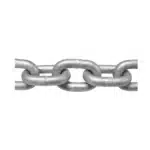
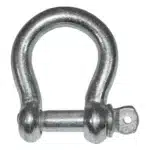
Industrial chains are the unsung heroes of countless operations, forming the backbone of heavy lifting, material handling, and power transmission across industries. From the bustling ports of Dammam to the expansive construction sites in Riyadh, we at Safe and Secure Trading Company understand their critical role. These robust components enable everything from moving raw materials to securing ships, powering machinery, and ensuring the smooth flow of production lines. Their reliable performance is paramount for both operational efficiency and, more importantly, safety.
The Unseen Power of Industrial Chains
At first glance, an industrial chain might appear to be a simple piece of equipment – just a series of interconnected links. However, beneath this simplicity lies a complex engineering marvel, designed to withstand immense forces, abrasive environments, and continuous stress. The sheer variety of industrial chain types available, each engineered for a specific purpose, highlights their widespread utility. Ignoring the nuances of their design, application, and maintenance can lead to costly failures, downtime, and severe safety hazards. Our experience has shown us that even the most robust systems are only as strong as their weakest link, both literally and figuratively.
Why Understanding Versatility is Key
The adaptability of industrial chains is what makes them indispensable. They are not merely for lifting; their versatile industrial chain applications extend to complex power transmission systems, high-speed conveyor belts, critical marine moorings, and robust anchoring solutions. Understanding this versatility means appreciating that a chain designed for one purpose, say power transmission chains, is fundamentally different from lifting chain standards required for an overhead crane. Our clients often consult us on how to optimize these varied applications, ensuring they get the most out of their investment while prioritizing safety. This knowledge is crucial for making informed decisions, preventing common errors, and unlocking the full potential of these vital components.
Our Focus: Common Mistakes and How to Master Them
Through decades of experience providing solutions and services across the Kingdom, we’ve identified several recurring mistakes that lead to premature wear, reduced efficiency, and heightened risk in versatile industrial chain applications. This article will delve into nine critical errors we frequently observe, offering insights and best practices to help you avoid them. By understanding these pitfalls and implementing our recommended solutions, you can significantly enhance the longevity, reliability, and safety of your industrial chain operations. We are committed to empowering our partners with the knowledge needed to maintain secure and efficient trading and operational environments.
—
✅ 1. Misjudging Load Capacity and Application Type
One of the most frequent and dangerous mistakes we encounter across various versatile industrial chain applications is the misjudgment of a chain’s load capacity relative to its intended use. This isn’t merely about attaching a chain to a load; it involves a deep understanding of dynamic forces, environmental factors, and the specific demands of the application. Many assume that if a chain “looks strong enough,” it will suffice, but this oversight can lead to catastrophic failures. Each chain is designed with a specific set of parameters in mind, and deviating from these can compromise the entire system.
The Peril of Overloading and Under-specifying
Overloading a chain is a direct path to failure. When a chain is subjected to forces exceeding its designed capacity, its structural integrity is compromised, leading to elongation, deformation, or outright breakage. Even seemingly minor overloads can induce micro-fractures that propagate over time, weakening the chain invisibly until a critical failure occurs. Under-specifying, on the other hand, involves selecting a chain that is technically within the load limit but is not robust enough for the operational environment or the type of stress it will endure. For instance, a chain specified for static loads might not withstand the dynamic shock loading in a crane application, even if the peak load falls within its static limit. We always emphasize that the working load limit (WLL) is a critical safety parameter that must be respected without exception, factoring in all potential forces, not just the static weight.
Why a “One-Size-Fits-All” Mentality Fails
The industrial landscape is vast, encompassing everything from intricate manufacturing processes to heavy construction and marine operations. Consequently, the industrial chain types required for these diverse environments are equally varied. A “one-size-fits-all” approach is fundamentally flawed because it ignores the specialized engineering behind each chain type. Chains designed for power transmission chains in machinery operate under vastly different conditions (high speed, continuous motion, specific sprocket engagement) than lifting chain standards used in overhead crane chains, which must handle intermittent heavy loads and dynamic stresses. Similarly, conveyor chains are designed for specific material handling capacities and abrasion resistance, while mooring chains demand extreme corrosion resistance and fatigue strength for marine environments. Each of these specialized chain uses requires a unique design and material composition, and trying to interchange them can lead to significant operational inefficiencies and safety risks.
The Crucial Role of Working Load Limit (WLL)
The Working Load Limit (WLL), also known as the Rated Load, is the maximum load that a lifting device or accessory is designed to support in general service. It is distinct from the Breaking Strength, which is typically several times higher. The ratio between the Breaking Strength and the WLL is known as the Safety Factor. For instance, a common safety factor for lifting chain standards might be 4:1, meaning the chain’s breaking strength is four times its WLL. Understanding and strictly adhering to the WLL is paramount for industrial chain safety. We advise our clients in places like Jubail to always factor in dynamic loads, acceleration forces, and any potential shock loading, which can momentarily increase the effective load far beyond the static weight. It’s not enough to know the WLL; one must also accurately calculate the maximum potential load the chain will experience under all operating conditions.
—
💡 2. Neglecting Material Compatibility with Environment
The environment in which an industrial chain operates profoundly impacts its longevity and performance. A common mistake is to overlook chain material selection, assuming that a standard steel chain will perform optimally in all conditions. This oversight can lead to rapid degradation, premature failure, and compromised industrial chain safety. We’ve seen firsthand how an improperly specified chain can quickly succumb to corrosion, embrittlement, or excessive wear, even when operating well within its load limits. The interaction between the chain’s material and its surroundings is a critical factor that dictates its suitability and lifespan.
Ignoring Chemical Exposure Risks
Industrial environments often involve exposure to a myriad of chemicals, ranging from mild acids and alkalis to solvents, cleaning agents, and process fluids. Many standard steel chains are highly susceptible to chemical attack, which can lead to localized corrosion, stress corrosion cracking, or general material degradation. For example, chains used in wastewater treatment plants or certain food processing facilities require specific material grades, such as stainless steel, to resist caustic or acidic solutions. Even seemingly innocuous substances, like some lubricants, can react with chain materials if not chosen carefully. We consistently guide our clients, especially those in the petrochemical industries around Ras Tanura, to conduct thorough assessments of chemical exposure and to specify chains with appropriate chemical resistance to prevent irreversible damage and maintain chain maintenance best practices.
The Impact of Extreme Temperatures on Chain Integrity
Temperature extremes, both high and low, can significantly alter the mechanical properties of chain materials. At elevated temperatures, steel chains can experience a reduction in tensile strength and yield strength, leading to accelerated creep, permanent deformation, and reduced load capacity. Conversely, very low temperatures can cause certain steel alloys to become brittle, increasing the risk of sudden, catastrophic failure, especially under impact loading. Applications in cold storage facilities, outdoor operations in winter months, or high-temperature furnaces necessitate chains made from specialized alloys designed to retain their strength and ductility across wide thermal ranges. Proper chain material selection requires understanding the maximum and minimum operational temperatures and choosing a material that can withstand these conditions without compromising integrity.
Choosing the Wrong Alloy for Specific Conditions (e.g., marine vs. dry)
The specific environmental conditions dictate the optimal alloy choice for versatile industrial chain applications. A chain perfectly suited for a dry, indoor factory setting will likely fail prematurely in a marine environment.
Mooring chains, for example, are exposed to highly corrosive saltwater, abrasive sand, and dynamic wave action. These require high-strength steel alloys with excellent corrosion resistance, often with specialized coatings, and design considerations for fatigue strength. In contrast, chains used in cleanroom environments might prioritize non-shedding, corrosion-resistant materials like specific grades of stainless steel, sometimes even with electropolished surfaces to minimize particulate generation. For applications requiring specialized chain uses in areas with high humidity or outdoor exposure, galvanization or other protective coatings are often necessary to prevent rust.
We advise the following considerations for chain material selection:
| Environmental Factor |
Material Considerations / Recommended Alloys |
Typical Industrial Chain Types Affected |
| Corrosion (Wet/Chemical) |
Stainless Steel (304, 316, Duplex), Galvanized Steel, Nickel Alloys |
Mooring chains, Food Processing Chains, Wastewater Treatment Chains, Chemical Plant Chains |
| Extreme High Temperature |
Alloy Steels (e.g., G100, specific heat-resistant alloys), Specialized Nickel-Chromium Alloys |
Furnace Chains, Kiln Chains, High-Temperature Conveyor Systems |
| Extreme Low Temperature |
Low-Temperature Carbon Steel, Specific Alloy Steels with high impact strength at cold temps |
Cold Storage Chains, Outdoor Chains in Arctic Climates, Refrigeration Unit Chains |
| Abrasion/Wear |
Hardened Alloy Steels (e.g., Manganese Steel), Case-Hardened Steels, Specific Conveyor chains alloys |
Conveyor chains, Drag Chains, Bucket Elevator Chains |
| High Humidity/Outdoor |
Galvanized Steel, Stainless Steel, Coated Carbon Steel |
Outdoor Lifting chain standards, Agricultural Chains, Construction Chains |
This careful consideration of chain material selection is fundamental to ensuring the longevity and safe operation of versatile industrial chain applications in various demanding environments.
—
➡️ 3. Improper Lubrication Practices
Lubrication is arguably one of the most critical, yet often neglected, aspects of chain maintenance best practices for versatile industrial chain applications. Many assume that any oil will do, or worse, that industrial chains are somehow “self-lubricating.” This misconception leads to premature wear, increased power consumption, and significantly shortened chain lifespan. Proper lubrication for chains reduces friction, dissipates heat, and protects against corrosion, all of which are vital for sustained performance and industrial chain safety.
The Myth of “Self-Lubricating” Chains
While some specialized chains incorporate internal lubrication mechanisms (e.g., sealed O-ring chains, sinter-bushed chains), the vast majority of industrial chain types are not self-lubricating. Relying on this myth for standard roller or leaf chains is a grave error. Without external lubrication, the metal-on-metal contact between pins, bushings, and rollers generates immense friction and heat. This friction rapidly wears down critical components, leading to elongation, pitting, and ultimately, chain failure. We often educate our clients in manufacturing facilities that even chains in relatively clean environments require diligent lubrication to prevent this accelerated wear.
Using the Wrong Type or Amount of Lubricant
Choosing the correct lubricant is just as important as the act of lubricating itself. Different industrial chain types and operating conditions demand specific lubricant properties. For instance:
- Viscosity: High-speed chains often require lighter oils to penetrate internal components quickly, while heavy-duty, slow-moving chains might benefit from higher-viscosity oils or even greases that adhere better.
- Additives: Extreme pressure (EP) additives are crucial for chains operating under heavy loads or shock loading, preventing metal-to-metal contact. Anti-corrosion additives are essential in humid or chemically aggressive environments.
- Temperature Range: Lubricants must retain their properties across the chain’s operational temperature range, neither thinning excessively at high temperatures nor solidifying at low temperatures.
Using too little lubricant means insufficient protection, while using too much can attract dirt and abrasive particles, turning the lubricant into a grinding paste, which is counterproductive. Over-lubrication can also cause slippage in power transmission chains and create housekeeping challenges. We guide our clients on selecting the right lubrication for chains, considering factors like speed, load, temperature, and environmental contaminants, ensuring precise and effective application methods.
Consequences of Inadequate Lubrication: Wear and Corrosion
The absence or inadequacy of lubrication for chains leads to a cascade of negative consequences. The primary issue is accelerated wear, particularly at the pin-bushing joints, which are the most critical points for load transfer and articulation. This wear causes chain elongation, often referred to as “stretch,” which can lead to mistracking on sprockets, increased vibration, and eventually, tooth jump or complete disengagement, especially in power transmission chains and conveyor chains. Beyond wear, poor lubrication leaves the chain’s metal surfaces exposed to the environment, making them highly susceptible to rust and chemical corrosion. This reduces the chain’s strength and can lead to premature fatigue failure. Regular, appropriate lubrication is a cornerstone of chain maintenance best practices, significantly extending the service life of versatile industrial chain applications and reducing the need for costly replacements and downtime.
—
✨ 4. Skipping Regular Inspections and Maintenance Schedules
One of the most critical aspects of maintaining industrial chain safety and ensuring the longevity of versatile industrial chain applications is adherence to a stringent chain inspection and maintenance schedule. Skipping these routines is a pervasive error that often stems from a misconception that “if it’s not broken, don’t fix it.” This reactive approach inevitably leads to unexpected failures, costly emergency repairs, and significant risks to personnel. Proactive chain maintenance best practices are non-negotiable for any operation relying on industrial chains.
The Danger of Reactive vs. Proactive Maintenance
Reactive maintenance, where repairs are only initiated after a failure occurs, is a recipe for disaster in any industrial setting. For chains, this means waiting for visible signs of distress, such as excessive noise, vibrations, or even breakage, before taking action. This approach not only results in unplanned downtime and production losses but also significantly increases the risk of accidents. A chain failure during a lift with overhead crane chains, or a sudden stoppage in a high-speed conveyor chain, can have severe consequences, including equipment damage, material loss, and worker injury. In contrast, proactive maintenance, centered around regular chain inspection and preventative action, aims to identify potential issues before they escalate. This strategy allows for scheduled repairs and replacements, minimizing disruption and ensuring continuous industrial chain safety.
Overlooking Subtle Signs of Wear and Fatigue
The human eye can often miss the subtle, initial indicators of chain degradation. Minor elongation, slight pitting on rollers, hairline cracks in side plates, or discoloration due to overheating might seem insignificant but are often precursors to major failures. For lifting chain standards like G80 or G100, even a slight stretch can indicate that the chain has been overloaded or is approaching its fatigue limit. Failure to detect these nuances during chain inspection means missing opportunities for timely intervention. We emphasize the importance of thorough visual and tactile inspections, training personnel to look for specific signs of wear, corrosion, distortion, and damage to individual links or components. Our teams in Al Khobar routinely train clients on these detection methods, highlighting that the earliest signs are the easiest to address.
Establishing a Robust Inspection Protocol (Pre-use, Daily, Periodic)
To ensure comprehensive industrial chain safety and maximize operational efficiency, a multi-tiered chain inspection protocol is essential:
- Pre-use Inspection: This is a quick visual check performed by the operator before each shift or use. It focuses on obvious damage, proper lubrication, and correct attachment. For
overhead crane chains or any lifting equipment, this is a non-negotiable step.
- Daily/Weekly Operational Inspection: A more detailed visual inspection, often performed by a trained supervisor, checking for signs of wear, lubrication adequacy, alignment, and any unusual noises or vibrations during operation. This is especially crucial for continuously running systems like
power transmission chains and conveyor chains.
- Periodic (Monthly/Quarterly/Annual) Thorough Inspection: This is an in-depth, hands-on inspection, typically performed by a certified
chain inspection expert or technician. It often involves disassembling sections of the chain, measuring elongation, checking for internal wear, and sometimes using non-destructive testing methods. This is where compliance with lifting chain standards and other specialized chain uses regulations is rigorously verified.
Implementing and strictly adhering to these protocols is fundamental to chain maintenance best practices and overall operational reliability for all versatile industrial chain applications.
—
💡 5. Using Incorrect Attachments and Fittings
Industrial chains are rarely used in isolation; they are part of a larger system that includes various attachments, fittings, and accessories like hooks, shackles, and master links. A critical mistake we frequently observe is the use of incorrect or incompatible components, which creates weak points in an otherwise robust chain system. The integrity of the entire assembly is only as strong as its weakest link, and often, this weakness lies not in the chain itself, but in the connection hardware.
Mismatching Components Leads to Failure Points
Each component within a chain assembly – from the master link at the top of an overhead crane chains sling to the hook that grasps the load – is designed with a specific Working Load Limit (WLL) and material grade. Mismatching these components by using a fitting with a lower WLL than the chain, or one made from a different material grade, introduces a critical failure point. For example, coupling a high-strength G100 chain with a G80 hook or a non-rated shackle effectively downgrades the entire assembly’s capacity to that of the weakest component. This oversight can lead to unexpected failures, especially under dynamic loads, and severely compromises industrial chain safety. We routinely advise clients to standardize their fittings and ensure all components are rated equally or higher than the chain itself.
The Importance of Certified and Compatible Hardware
To ensure industrial chain safety and optimal performance, it is imperative to use only certified hardware that is explicitly designed for the specific industrial chain types and applications. Certified components have undergone rigorous testing and meet industry standards (e.g., ASME B30.9, EN 818). Compatibility extends beyond just WLL; it also involves ensuring that the dimensions, material properties, and design of the fittings are suitable for the chain. For instance, the diameter of a shackle pin must fit correctly within the chain link to prevent excessive wear or concentrated stress points. Using hardware from reputable manufacturers, with clear traceability and certifications, provides assurance that the components will perform as expected under specified conditions. We have found that investing in quality, certified hardware is a far more cost-effective strategy in the long run than risking failure with unrated or incompatible parts.
Common Mistakes with Hooks, Shackles, and Couplings
Specific mistakes are prevalent with common chain attachments:
- Hooks: Using hooks without safety latches, overloading the tip of a hook instead of cradling the load in the bowl, or using bent/damaged hooks are common issues. Hooks must also be correctly matched to
lifting chain standards and not used if showing signs of opening, twisting, or wear at the throat.
- Shackles: Incorrectly sized shackles that do not allow the chain to move freely, or overtightening shackle pins to the point of binding, can compromise load distribution. Using non-rated or homemade shackles is an absolute no-go.
- Couplings/Master Links: Using makeshift connections, incorrect types of connecting links for
overhead crane chains, or failing to properly assemble mechanical couplings can lead to complete chain separation. Every component must be designed to withstand the same forces as the chain itself, making chain material selection for fittings equally important.
Adhering to manufacturer guidelines and industry standards for all attachments is fundamental to safe and efficient versatile industrial chain applications.
—
➡️ 6. Failing to Provide Adequate Personnel Training
Even the most robust and perfectly maintained versatile industrial chain applications can become unsafe and inefficient if the personnel operating and managing them lack proper training. A significant mistake is the assumption that basic operational knowledge is sufficient, or that experienced workers automatically understand best practices for industrial chain safety. This oversight creates critical knowledge gaps that can lead to improper operation, incorrect chain inspection procedures, and a general disregard for safety protocols.
Assuming Basic Knowledge is Sufficient
Many industries, particularly those involving heavy machinery, often rely on on-the-job training, which can be inconsistent and lack comprehensive coverage of all safety and operational nuances. For industrial chain types ranging from power transmission chains to overhead crane chains, simply knowing how to turn a machine on or attach a hook is far from sufficient. Operators and maintenance personnel must understand the underlying principles of chain mechanics, the importance of WLL, the implications of chain material selection, and the specifics of chain maintenance best practices. Without this foundational knowledge, workers may unknowingly make decisions that compromise safety or accelerate wear, such as exceeding load limits, using incorrect lifting angles, or neglecting critical lubrication for chains.
The Risks of Untrained Operators and Installers
Untrained operators pose a direct threat to industrial chain safety. They may:
- Operate chains improperly: Leading to shock loading, improper tensioning, or incorrect engagement with sprockets.
- Fail to identify hazards: Missing signs of wear, damage, or improper setup during pre-use
chain inspection.
- Use incorrect procedures: For
specialized chain uses or complex lifting scenarios.
- Improperly store chains: Contributing to premature degradation.
Untrained installers can make errors during setup or repair, such as using incorrect assembly methods, applying the wrong torque to fasteners, or failing to align components properly. These errors can create latent defects that may not be immediately apparent but can lead to sudden failure months or even years later. We stress the importance of comprehensive training for anyone who interacts with industrial chains, from the engineers specifying industrial chain types to the floor operators and maintenance crews.
> “Investing in ongoing, certified training for personnel working with industrial chains isn’t an expense; it’s an investment in safety and operational longevity. A well-trained workforce is the first and most critical line of defense against catastrophic failures.” – Dr. Faisal Al-Qahtani, Industrial Safety Consultant
Implementing Comprehensive Safety and Operational Training Programs
Effective training programs should cover a broad spectrum of topics to ensure industrial chain safety and efficiency:
- Fundamentals of Chain Mechanics: Understanding tension, compression, shear forces, and dynamic loads.
Industrial Chain Types and Their Applications: Specific knowledge of roller, conveyor, leaf, overhead crane chains, and mooring chains.- Working Load Limit (WLL) and Safety Factors: How to calculate and adhere to them for various
lifting chain standards.
Chain Inspection Procedures: Detailed instruction on identifying wear, damage, and deformities.Lubrication for Chains: Proper types, application methods, and schedules.- Rigging and Lifting Techniques: For
lifting chain standards applications, including sling angles, load distribution, and avoiding shock loading.
- Storage and Handling Best Practices: To prevent damage when chains are not in use.
- Emergency Procedures: What to do in case of a chain failure or accident.
- Relevant Regulations: Adherence to national and international
lifting chain standards and safety codes.
At Safe and Secure Trading Company, we collaborate with clients to develop and implement tailored training modules, empowering their workforce with the knowledge and skills necessary for safe and efficient versatile industrial chain applications.
—
✨ 7. Poor Storage and Handling of Chains
The life of an industrial chain doesn’t begin and end with its operational use. How a chain is stored and handled when not in active service significantly impacts its longevity, performance, and industrial chain safety. A common but often overlooked mistake is the improper storage and handling of chains, leading to damage, corrosion, and premature degradation before the chain even enters its primary application. This neglect undermines all efforts made in chain material selection and chain maintenance best practices.
Leaving Chains Exposed to Elements
Leaving chains exposed to the elements is a direct route to premature corrosion and damage. Rain, humidity, direct sunlight, extreme temperatures, and airborne contaminants (dust, chemicals, salt spray) can all accelerate the degradation of even robust industrial chain types. Rust, in particular, can quickly form on unlubricated or unprotected surfaces, leading to pitting and reduction in tensile strength. Exposure to UV radiation can degrade any rubber or plastic components on the chain, while extreme temperatures can affect the material’s properties over time. For mooring chains or chains used in marine specialized chain uses, even when off the vessel, careful storage away from saltwater and corrosive atmospheres is essential. We always recommend storing chains in a clean, dry, climate-controlled environment, protected from direct exposure to prevent such issues.
Incorrect Coiling and Untangling Practices
The physical handling of chains also plays a crucial role. Incorrect coiling or haphazard storage can lead to kinking, twisting, and tangling. When a chain is kinked, specific links are subjected to localized stress and deformation, creating weak points that can fail prematurely under load. Attempting to untangle a severely kinked chain by force can further damage the links or even lead to permanent distortion. This is particularly problematic for power transmission chains and conveyor chains where smooth, unhindered movement is critical. Proper coiling techniques, such as figure-eight patterns for longer chains, prevent kinking and make deployment easier and safer. For overhead crane chains and lifting slings, storing them on proper racks or stands keeps them off the ground and prevents entanglement.
How Proper Storage Extends Chain Lifespan
Implementing proper storage and handling protocols is a simple yet highly effective way to extend the lifespan of versatile industrial chain applications. This includes:
- Cleaning Before Storage: Removing dirt, grease, and corrosive residues after use.
- Lubrication Before Storage: Applying a protective coating of
lubrication for chains to prevent rust during dormancy.
- Proper Coiling/Racking: Storing chains in a way that prevents kinking and entanglement, such as on reels, hooks, or in neat coils.
- Environmental Control: Storing in a dry, covered area, away from direct sunlight, extreme temperatures, and corrosive agents.
- Isolation: Keeping different
industrial chain types and grades separate to prevent cross-contamination or accidental misuse.
- Clear Labeling: Labeling chains with their WLL, grade, and last
chain inspection date.
By adopting these chain maintenance best practices for storage, businesses can ensure that their chains remain in optimal condition, ready for deployment, and contribute to overall industrial chain safety and operational efficiency. A well-stored chain is a reliable chain, and reliability is paramount for all versatile industrial chain applications.
—
💡 8. Ignoring Manufacturer Guidelines and Industry Standards
In the pursuit of efficiency or due to a misguided “we’ve always done it this way” mentality, many organizations inadvertently make the mistake of ignoring manufacturer guidelines and established industry standards for versatile industrial chain applications. This disregard can lead to improper specification, installation, operation, and maintenance, ultimately compromising industrial chain safety, legal compliance, and operational integrity. Adhering to these guidelines is not merely a suggestion; it is a fundamental requirement for optimal performance and risk mitigation.
The “We’ve Always Done It This Way” Fallacy
This deeply ingrained mindset is a significant barrier to adopting modern chain maintenance best practices and safety protocols. Industrial practices evolve, new industrial chain types are developed, and lifting chain standards are updated based on research, incident analysis, and technological advancements. What might have been considered acceptable decades ago may no longer meet current safety or performance benchmarks. For instance, older power transmission chains or conveyor chains might have been selected with less stringent material requirements, which, if replicated today, would fall short of performance expectations. Relying on outdated practices without consulting current manufacturer recommendations or industry standards is a recipe for inefficiency and increased risk. We consistently advocate for a culture of continuous learning and adaptation, ensuring that our clients’ operations align with the latest best practices.
Understanding Specific Chain Grade Requirements (e.g., G80, G100)
Chain grades are crucial indicators of a chain’s strength, material composition, and intended use, particularly for lifting chain standards and overhead crane chains. For example:
- Grade 80 (G80): High-strength alloy steel chain, heat-treated, commonly used for overhead lifting applications where
industrial chain safety is paramount. It offers good strength-to-weight ratio.
- Grade 100 (G100): An even higher strength alloy steel chain, offering approximately 25% more lifting capacity than G80 for the same chain size. It is becoming increasingly prevalent for heavy-duty lifting due to its superior strength and fatigue resistance.
Mixing chain grades within a single sling or assembly is a dangerous practice, as the overall WLL will be dictated by the lowest grade component. Failing to understand these lifting chain standards and selecting the appropriate grade for specific specialized chain uses can lead to overloading and failure. Manufacturer guidelines explicitly detail the properties, applications, and limitations of each grade, making it essential to consult them during chain material selection and system design.
Adhering to OSHA, ASME, and Other Relevant Regulations
Beyond manufacturer specifications, a plethora of regulatory bodies and industry associations establish critical standards for versatile industrial chain applications. In many regions, organizations like the Occupational Safety and Health Administration (OSHA) and the American Society of Mechanical Engineers (ASME) provide comprehensive guidelines for industrial chain safety, inspection, and operation, particularly for overhead crane chains and other lifting apparatus. These regulations cover aspects such as:
- Design and Manufacturing: Specifications for
industrial chain types and their components.
- Installation: Proper setup and alignment.
Chain Inspection and Testing: Frequency and methods.Lubrication for Chains: Recommendations for specific applications.- Personnel Training: Requirements for operators and maintenance staff.
- Documentation: Record-keeping for maintenance and inspections.
Ignoring these regulations not only jeopardizes industrial chain safety but can also lead to severe legal penalties, fines, and operational shutdowns. Our team assists clients throughout the GCC, including industries in cities like Jeddah, in understanding and adhering to both international and local standards, ensuring full compliance and fostering a safe working environment.
—
✨ 9. Not Documenting Chain History and Usage
The final significant mistake in managing versatile industrial chain applications is the failure to maintain comprehensive records of a chain’s history and usage. Many organizations treat chains as disposable commodities, replacing them only when they visibly fail, without understanding the root cause or tracking their operational lifespan. This lack of documentation hinders effective chain maintenance best practices, compromises industrial chain safety, and prevents data-driven decision-making for future purchases and maintenance scheduling.
The Lack of Traceability for Maintenance and Lifespan
Without proper documentation, there is no traceability. This means it becomes impossible to track when a chain was purchased, how frequently it has been used, under what conditions, or when its last chain inspection was performed. For lifting chain standards like those used in overhead crane chains, this absence of history makes it difficult to assess fatigue life, predict potential failures, or justify scheduled replacements. If a chain fails, the lack of records makes root cause analysis challenging, preventing the identification of systemic issues, such as consistent overloading or inadequate lubrication for chains. This guesswork leads to inefficient maintenance, increased risk, and often, premature chain replacement based on arbitrary timelines rather than actual wear.
Missing Records of Inspections, Repairs, and Load Cycles
Detailed records should capture every significant event in a chain’s life:
- Purchase Date and Manufacturer Information: Essential for warranty claims and traceability.
- Installation Date and Location: To understand its operational environment.
- All
Chain Inspection Reports: Including dates, findings (e.g., elongation, wear, corrosion), and inspector’s signature.
- Repair History: Details of any repairs, link replacements, or re-certifications.
- Load Cycles/Usage Data: While difficult for some
industrial chain types, for critical specialized chain uses like overhead crane chains, tracking usage cycles or operational hours can provide valuable insights into fatigue life.
- Lubrication Schedule: Dates and types of
lubrication for chains applied.
- Environmental Exposure Notes: Any significant chemical spills, extreme temperatures, or unusual conditions encountered.
These records provide a vital narrative of the chain’s journey, allowing for informed decisions regarding its continued use or retirement. We have seen how proper documentation can extend the safe working life of chains, optimizing resources and enhancing industrial chain safety.
Implementing a System for Tracking Chain Performance
To overcome this deficiency, we advocate for implementing a robust system for tracking chain performance. This can range from simple logbooks for smaller operations to sophisticated digital asset management systems for larger enterprises. Key elements of such a system include:
- Unique Identification: Assigning a unique ID to each chain (e.g., via stamping, RFID tags, or barcoding).
- Centralized Database: A accessible repository for all chain-related data.
- Standardized Forms: Ensuring consistency in
chain inspection and maintenance reporting.
- Regular Updates: Mandating timely entry of all data after inspections, maintenance, or incidents.
- Review and Analysis: Periodically reviewing data to identify trends, forecast maintenance needs, and refine
chain material selection and chain maintenance best practices.
By effectively documenting chain history and usage, organizations can transition from reactive guesswork to proactive, data-driven management, maximizing the efficiency, lifespan, and industrial chain safety of their versatile industrial chain applications. This practice not only optimizes operational costs but also significantly contributes to a safer working environment.
—
Conclusion: Mastering Your Industrial Chain Applications
Industrial chains are fundamental to the operational success and safety of countless businesses across diverse sectors. From power transmission chains to mooring chains, their versatile industrial chain applications are indispensable. However, as we’ve explored, a multitude of common mistakes can undermine their performance, shorten their lifespan, and, most critically, compromise industrial chain safety. At Safe and Secure Trading Company, our extensive experience has shown us that avoiding these pitfalls is not merely about reactive fixes but about adopting a proactive, informed, and systematic approach to chain management.
Summarizing Key Takeaways for Longevity and Safety
To summarize, mastering your versatile industrial chain applications hinges on several critical areas. You must meticulously assess load capacities and choose the correct industrial chain types for the job, never underestimating dynamic forces. Chain material selection must always be aligned with environmental conditions, considering factors like corrosion and temperature extremes. Diligent lubrication for chains is non-negotiable for minimizing wear, and a robust chain inspection protocol, including pre-use, daily, and periodic checks, is vital for early detection of issues. Furthermore, using only certified and compatible attachments, coupled with comprehensive personnel training, forms the human backbone of industrial chain safety. Finally, proper storage, strict adherence to lifting chain standards and manufacturer guidelines, and thorough documentation of chain history are crucial for long-term reliability and informed decision-making.
Embracing Best Practices for Optimal Performance
Embracing these best practices transforms industrial chains from potential liabilities into reliable assets. It reduces costly downtime, extends the service life of equipment, and significantly enhances the safety of your workforce. By understanding the nuances of overhead crane chains, conveyor chains, and other specialized chain uses, and by implementing rigorous chain maintenance best practices, you safeguard your operations and your people. Our commitment is to help you navigate these complexities, ensuring that every chain in your system performs optimally and safely, from initial chain material selection to ongoing lubrication for chains and end-of-life management.
Your Partner in Secure and Efficient Operations
At Safe and Secure Trading Company, we pride ourselves on being a trusted partner for industries across the Kingdom and beyond. We offer expert consultation, high-quality products, and comprehensive support to ensure your versatile industrial chain applications operate at peak performance with maximum safety. Our insights, honed through years of practical experience in the field, are designed to empower you with the knowledge and resources needed for secure and efficient operations.
—
FAQ Section
Q1: What are the primary differences between G80 and G100 lifting chains?
A1: The primary difference lies in their strength and working load limit (WLL) for a given size. Grade 100 (G100) chains are made from a higher strength alloy steel and undergo specific heat treatments, allowing them to have approximately 25% higher WLL compared to Grade 80 (G80) chains of the same nominal size. This means G100 chains can lift heavier loads or be used in a smaller, lighter form factor for the same load, making them advantageous for overhead crane chains and other lifting chain standards applications where weight and strength are critical.
Q2: How often should industrial chains be inspected?
A2: The frequency of chain inspection depends heavily on the industrial chain types, application, operating environment, and regulatory requirements. Generally, a multi-tiered approach is recommended: a pre-use visual inspection by the operator, a more detailed daily or weekly inspection by trained personnel (especially for power transmission chains and conveyor chains), and a thorough periodic inspection (monthly, quarterly, or annually) by a certified expert. Specific lifting chain standards and manufacturer guidelines often dictate minimum inspection frequencies for versatile industrial chain applications.
Q3: What are the key factors to consider for proper chain material selection in harsh environments?
A3: For harsh environments, chain material selection must consider extreme temperatures (both high and low), chemical exposure (acids, alkalis, solvents), corrosive agents (saltwater for mooring chains, humidity, airborne pollutants), and abrasive particles. Materials like various grades of stainless steel (e.g., 304, 316) offer corrosion resistance, while specific alloy steels are developed for high-temperature applications. Specialized coatings or treatments like galvanization can also enhance durability. It’s crucial to match the chain material’s properties directly to the specific environmental stressors it will encounter.
Q4: Why is lubrication so important for industrial chains, and what are the best practices for lubrication for chains?
A4: Lubrication for chains is vital because it reduces friction between internal components (pins, bushings, rollers), dissipates heat, and protects against corrosion. Without proper lubrication, chains experience accelerated wear, leading to elongation, reduced efficiency, and premature failure. Best practices include selecting the correct type of lubricant (viscosity, additives like EP or anti-corrosion) based on the chain’s speed, load, and environment, and applying it regularly and adequately. The lubricant should penetrate the pin-bushing areas. Over-lubrication should be avoided as it can attract contaminants.
Q5: How does proper documentation contribute to industrial chain safety and longevity?
A5: Proper documentation of versatile industrial chain applications provides traceability, allowing you to track a chain’s full history from purchase to retirement. This includes records of chain inspection findings, maintenance activities, repairs, and usage patterns. This data is critical for:
1. Safety: Identifying patterns of wear, predicting fatigue life, and ensuring compliance with lifting chain standards.
2. Longevity: Making informed decisions about maintenance and replacement, extending the chain’s useful life, and optimizing chain maintenance best practices.
3. Efficiency: Facilitating root cause analysis for failures and improving future chain material selection and operational strategies. Without documentation, industrial chain safety management becomes guesswork.