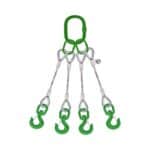
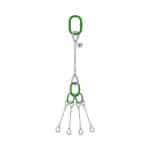
Fall protection is paramount in any workplace where there’s a risk of falling from heights. Ensuring the safety of workers requires not only the provision of adequate fall protection equipment but also a rigorous inspection regime. This fall protection checklist serves as a comprehensive guide to help you maintain a safe working environment and comply with OSHA regulations. We, at Safe and Secure Trading Company, understand the importance of fall protection and offer this checklist to assist in keeping your team safe.
1. Introduction: The Critical Importance of Fall Protection Equipment Inspections
1.1 The High Stakes of Fall Accidents
Falls are a leading cause of workplace injuries and fatalities, making fall protection an undeniable necessity. The consequences of a fall can range from severe injuries like fractures and head trauma to, in the worst cases, death. Beyond the human cost, fall accidents also lead to significant financial burdens, including medical expenses, workers’ compensation claims, and potential legal ramifications. Regular workplace safety measures such as fall protection equipment helps mitigate the risk.
1.2 The Proactive Approach: Regular Inspections
Consistent, thorough inspections are the first line of defense against fall-related incidents. Identifying potential issues with fall protection equipment before they lead to accidents is crucial. A proactive approach, which includes regular checks and maintenance, significantly reduces the likelihood of equipment failure and ensures that workers are always using safe and reliable gear. We’ve observed that workplaces prioritizing consistent PPE inspection see a marked decrease in incident rates.
1.3 Scope of the Checklist: What This Guide Covers
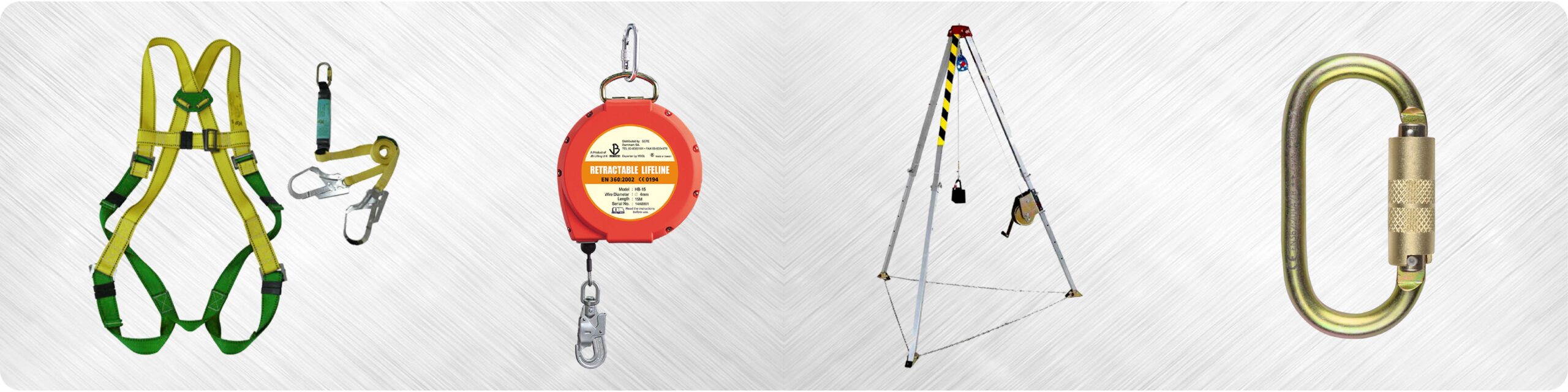
This comprehensive fall protection checklist covers a wide range of fall protection equipment, including harnesses, lanyards, anchorage points, and self-retracting lifelines (SRLs). It provides step-by-step instructions on how to inspect each type of equipment for common deficiencies and potential hazards. By following this guide, you can ensure that all your fall protection gear meets safety standards and provides adequate protection for your workers.
2. Problem: Common Deficiencies Found During Inspections
2.1 Harness Issues
Harnesses are a critical component of any fall arrest system, but they are susceptible to wear and tear. Common deficiencies include fraying, cuts, tears, and UV degradation of the harness webbing. These issues can compromise the harness’s strength and ability to withstand the forces of a fall. Regular harness inspection is crucial to identify and address these problems before they lead to equipment failure.
2.2 Lanyard Problems
Lanyards, like harnesses, are subject to damage from regular use and environmental factors. Common problems include cuts, abrasions, corrosion, and issues with snap hooks. A damaged lanyard can fail to arrest a fall properly, putting the worker at serious risk. It’s essential to check lanyards meticulously for any signs of wear or damage, paying particular attention to the snap hooks and connection points. Lanyard inspection should be a critical component of workplace safety procedures.
2.3 Anchorage Concerns
Anchorage points are the secure attachment locations for fall arrest systems, and their integrity is paramount. Problems can include inadequate strength, improper placement, and corrosion. An anchorage point that is not strong enough or is poorly positioned can fail during a fall, rendering the entire system ineffective. Always ensure that anchorage points are properly rated and inspected regularly.
2.4 Hardware Malfunctions
Buckles, D-rings, and other metal components are integral to the proper functioning of fall protection equipment. These parts can suffer from malfunctions due to wear, impact, or corrosion. A broken or malfunctioning buckle or D-ring can cause the harness or lanyard to fail, leading to a fall. Careful inspection of these hardware components is essential for ensuring worker safety.
3. Solution: Pre-Use Inspection Checklist for Harnesses
3.1 Webbing Examination
When inspecting a harness, begin by carefully examining the webbing for any signs of cuts, tears, abrasions, or chemical damage. Run your hands along the entire length of the webbing, feeling for any inconsistencies or weak spots. Pay close attention to areas that are frequently exposed to friction or stress. Damaged webbing can significantly reduce the harness’s strength and should be addressed immediately.
3.2 Stitching Integrity
Stitching is critical for holding the harness together, so it’s important to check it for loose threads, broken seams, and pulled stitches. Examine all stitched areas closely, using a bright light if necessary. Any compromised stitching can weaken the harness and increase the risk of failure during a fall. Address any issues with stitching promptly by repairing or replacing the harness.
3.3 Hardware Check
Inspect buckles, D-rings, and adjusters for proper function, damage, and corrosion. Ensure that buckles latch securely and release smoothly. Check D-rings for any signs of bending or cracking. Look for any corrosion on metal components, which can weaken them over time. Hardware that is not functioning properly or shows signs of damage should be replaced immediately.
3.4 Label Legibility
Ensure that all labels on the harness are legible, as they provide critical information about the harness model, size, and inspection dates. If the labels are faded or missing, it can be difficult to determine if the harness is appropriate for the job and if it has been properly inspected. Replace any harnesses with illegible labels to maintain safety and compliance.
3.5 Fit and Adjustment
Proper fit and adjustment are essential for a harness to function correctly. Before each use, ensure that the harness fits snugly but not too tightly. Adjust the straps so that the harness is secure and allows for a full range of motion without being restrictive. A poorly fitted harness can cause discomfort and may not properly distribute the forces of a fall.
4. Solution: Pre-Use Inspection Checklist for Lanyards
4.1 Lanyard Material Inspection
Inspect the lanyard rope or webbing for cuts, abrasions, and fraying. Run your hands along the entire length of the lanyard, feeling for any inconsistencies or weak spots. Pay close attention to areas that are frequently exposed to friction or stress. Damaged material can significantly reduce the lanyard’s strength and should be addressed immediately.
4.2 Snap Hook and Carabiner Functionality
Check snap hooks and carabiners for proper locking, gate function, and damage. Ensure that the locking mechanisms engage securely and that the gates open and close smoothly. Look for any signs of bending, cracking, or corrosion. Snap hooks and carabiners that are not functioning properly should be replaced immediately to prevent accidental disconnections.
4.3 Energy Absorber Pack
Inspect energy absorber packs for signs of deployment or damage. If the energy absorber pack is deployed, it means that it has been subjected to a fall and should be replaced immediately. Look for any tears, punctures, or other damage to the pack. A damaged energy absorber pack may not function properly during a fall, putting the worker at increased risk.
4.4 Connector Compatibility
Ensure that connectors are compatible and correctly attached to the harness and anchorage. Use only connectors that are designed to work together and that are rated for the intended load. Verify that all connections are secure and that the connectors are properly locked. Incompatible or improperly connected equipment can lead to failures during a fall.
5. Solution: Anchorage Point Inspection Checklist
5.1 Structural Integrity
Verify that the anchorage point is structurally sound and capable of supporting the required load. Consult the manufacturer’s specifications or a qualified engineer to determine the load capacity of the anchorage point. Look for any signs of damage or deterioration, such as cracks, corrosion, or bending. An anchorage point that is not structurally sound can fail during a fall, rendering the entire fall arrest system ineffective.
5.2 Proper Placement
Ensure that the anchorage point is located correctly to minimize swing fall hazards. A swing fall occurs when a worker falls horizontally from the anchorage point, which can result in serious injuries from impacting objects. Position the anchorage point directly above the work area to reduce the potential for swing falls. Proper placement of anchorage points is crucial for minimizing the risk of injury during a fall.
5.3 Connection Compatibility
Confirm that the connection method (e.g., D-ring, beam strap) is compatible with the lanyard or self-retracting lifeline. Use only connection methods that are designed to work together and that are rated for the intended load. Verify that all connections are secure and that the connectors are properly locked. Incompatible or improperly connected equipment can lead to failures during a fall.
5.4 Identifying Approved Anchorages
Highlighting the importance of properly marked and certified anchor points. Always use anchorage points that are clearly marked and certified to meet safety standards. These anchorages have been tested and approved for fall protection use, providing assurance that they will perform as intended during a fall. Avoid using makeshift or unapproved anchorages, as they may not be strong enough to support the load.
6. Solution: Self-Retracting Lifeline (SRL) Inspection Checklist
6.1 Housing Integrity
Check the SRL housing for cracks, dents, or other damage. The housing protects the internal components of the SRL, and any damage can compromise its functionality. Look for any signs of impact or wear that could affect the housing’s integrity. A damaged housing can allow dirt and moisture to enter the SRL, leading to corrosion and malfunction.
6.2 Cable/Webbing Condition
Inspect the cable or webbing for fraying, kinks, cuts, or corrosion. Run your hands along the entire length of the cable or webbing, feeling for any inconsistencies or weak spots. Pay close attention to areas that are frequently exposed to friction or stress. Damaged cable or webbing can significantly reduce the SRL’s strength and should be addressed immediately.
6.3 Retraction Mechanism
Verify that the retraction mechanism is functioning smoothly and reliably. The retraction mechanism is responsible for keeping the cable or webbing taut, which is essential for minimizing free fall distance. Test the retraction mechanism by pulling out the cable or webbing and allowing it to retract slowly. If the retraction mechanism is not functioning properly, the SRL should be removed from service.
6.4 Locking Mechanism
Test the locking mechanism to ensure it engages properly under load. The locking mechanism is designed to stop the cable or webbing from retracting during a fall, which is essential for arresting the fall. Test the locking mechanism by pulling sharply on the cable or webbing. If the locking mechanism does not engage properly, the SRL should be removed from service.
7. Problem: Documentation and Record Keeping
7.1 The Importance of Inspection Logs
Maintaining detailed inspection logs is crucial for compliance and safety management. Inspection logs provide a record of when equipment was inspected, who performed the inspection, and what findings were noted. This information can be used to track the condition of equipment over time, identify potential problems, and ensure that equipment is properly maintained.
7.2 What to Include in the Log
Essential elements of an inspection log include the date of the inspection, the inspector’s name, the equipment ID, findings, and corrective actions taken. Be specific about any deficiencies found and the steps taken to address them. Include photos or other documentation if possible. Thorough and accurate inspection logs are essential for demonstrating compliance with safety regulations.
7.3 Digital vs. Paper Records
Discuss the pros and cons of using digital or paper-based record-keeping systems. Digital records are easier to store, search, and share, but they require access to electronic devices and may be vulnerable to data loss. Paper records are more portable and do not require electronic devices, but they can be more difficult to manage and may be more easily lost or damaged. Choose the system that best meets your needs and resources.
8. Solution: Establishing a Regular Inspection Schedule
8.1 Frequency Recommendations
Provide guidance on how often fall protection equipment should be inspected (e.g., before each use, monthly, annually). OSHA regulations require that fall protection equipment be inspected before each use and at least annually by a competent person. However, more frequent inspections may be necessary depending on the equipment’s usage and environment. Establish a regular inspection schedule that meets or exceeds these requirements.
8.2 Factors Influencing Frequency
Discuss factors that may necessitate more frequent inspections: harsh environments, heavy use, and previous damage. Equipment that is used in harsh environments, such as those with exposure to chemicals, extreme temperatures, or abrasive materials, should be inspected more frequently. Equipment that is used heavily or has sustained previous damage should also be inspected more often. Adjust your inspection schedule as needed to account for these factors.
8.3 Integrating Inspections into Workflow
Suggest ways to seamlessly integrate equipment inspections into daily work routines. Make inspections a part of the daily routine by designating specific times for inspections and providing checklists or other tools to help workers perform inspections quickly and efficiently. Encourage workers to report any problems they find immediately. Integrating inspections into the workflow can help ensure that equipment is always in good condition.
9. Training and Competency
9.1 Qualified Inspector Requirements
Outline the qualifications and training needed to become a competent person for inspecting fall protection equipment. A competent person is someone who has the knowledge, training, and experience to identify hazards and implement corrective actions. OSHA regulations require that fall protection equipment be inspected by a competent person. Ensure that your inspectors have the necessary qualifications and training to perform inspections effectively.
9.2 Employee Training
Emphasize the importance of training all employees on how to properly use, inspect, and maintain fall protection equipment. All employees who use fall protection equipment should be trained on how to inspect it before each use and how to properly use and maintain it. Training should cover topics such as proper harness fit, lanyard connection, and anchorage point selection. Well-trained employees are more likely to use equipment safely and identify potential problems before they lead to accidents.
9.3 Refresher Courses
Highlight the need for periodic refresher courses to keep employees up-to-date on best practices. Fall protection technology and regulations are constantly evolving, so it’s important to provide periodic refresher courses to keep employees up-to-date on best practices. Refresher courses should cover any changes to equipment or regulations and should reinforce the importance of proper inspection and maintenance. Regular refresher courses can help ensure that employees are always using the latest and most effective fall protection techniques.
10. Problem: What to Do When Equipment Fails Inspection
10.1 Immediate Removal from Service
Stress the importance of immediately removing any equipment that fails inspection from service. Equipment that fails inspection should be immediately removed from service to prevent accidental use. Tag the equipment to indicate that it is out of service and store it in a secure location until it can be repaired or replaced. Never allow workers to use equipment that has failed inspection.
10.2 Tagging and Quarantine
Explain the proper procedure for tagging and quarantining damaged equipment to prevent accidental use. Tag damaged equipment with a clear and conspicuous tag indicating that it is out of service and the reason for its removal. Quarantine the equipment in a secure location to prevent accidental use. Follow these procedures to ensure that damaged equipment is not used until it has been properly repaired or replaced.
10.3 Repair vs. Replacement
Provide guidance on when it is appropriate to repair damaged equipment versus when replacement is necessary. Some types of damage, such as minor cuts or abrasions, can be repaired by a qualified technician. However, other types of damage, such as severe tears or corrosion, may require replacement of the equipment. Consult the manufacturer’s recommendations and a qualified technician to determine whether repair or replacement is appropriate. As a general rule, safety equipment should not be taken lightly, so replacement is often the best route.
11. Solution: Long-Term Maintenance and Storage
11.1 Cleaning Procedures
Recommend appropriate cleaning methods for different types of fall protection equipment. Follow the manufacturer’s recommendations for cleaning fall protection equipment. Use mild soap and water to remove dirt and grime. Avoid using harsh chemicals or solvents, which can damage the equipment. Allow the equipment to air dry completely before storing it.
11.2 Proper Storage Conditions
Describe the ideal storage conditions for preventing damage from moisture, sunlight, and chemicals. Store fall protection equipment in a clean, dry, and well-ventilated area. Protect the equipment from direct sunlight, moisture, and chemicals. Avoid storing equipment in areas where it could be exposed to extreme temperatures or abrasive materials. Proper storage conditions can help extend the lifespan of fall protection equipment. We advise our clients in hot, humid climates like those near our Dammam office to pay special attention to this.
11.3 Extending Equipment Lifespan
Offer tips for extending the lifespan of fall protection equipment through proper care and maintenance. Regularly inspect and clean equipment to prevent damage from dirt, grime, and chemicals. Store equipment in a safe and secure location to protect it from the elements. Follow the manufacturer’s recommendations for maintenance and repair. Proper care and maintenance can help extend the lifespan of fall protection equipment and save you money in the long run.
12. Conclusion: Prioritizing Safety with Diligence
12.1 Recap of Key Inspection Points
In summary, remember to meticulously inspect harnesses for webbing integrity, stitching, and hardware functionality. Check lanyards for material integrity, snap hook function, and energy absorber condition. Ensure anchorage points are structurally sound and properly placed. Regularly inspect SRLs for housing integrity, cable condition, and locking mechanism reliability.
12.2 Reinforce the Importance of Proactive Safety
Proactive safety measures are essential for preventing accidents and protecting workers. By following this fall protection checklist and implementing a comprehensive safety program, you can create a safer work environment and reduce the risk of fall-related injuries. Prioritizing safety is not just a matter of compliance; it’s a commitment to the well-being of your workers.
FAQ Section
Q: How often should fall protection equipment be inspected?
A: Fall protection equipment should be inspected before each use and at least annually by a competent person, according to OSHA regulations. However, more frequent inspections may be necessary depending on the equipment’s usage and environment.
Q: What are the qualifications for a competent person who inspects fall protection equipment?
A: A competent person is someone who has the knowledge, training, and experience to identify hazards and implement corrective actions. They should be trained on the proper inspection procedures and have a thorough understanding of fall protection equipment.
Q: What should I do if I find damaged fall protection equipment?
A: Immediately remove the damaged equipment from service and tag it to indicate that it is out of service. Store the equipment in a secure location until it can be repaired or replaced. Never allow workers to use equipment that has failed inspection.
Q: Can I repair damaged fall protection equipment myself?
A: Some types of damage, such as minor cuts or abrasions, can be repaired by a qualified technician. However, other types of damage, such as severe tears or corrosion, may require replacement of the equipment. Consult the manufacturer’s recommendations and a qualified technician to determine whether repair or replacement is appropriate.
Q: How should I store fall protection equipment?
A: Store fall protection equipment in a clean, dry, and well-ventilated area. Protect the equipment from direct sunlight, moisture, and chemicals. Avoid storing equipment in areas where it could be exposed to extreme temperatures or abrasive materials.
Q: What are some common mistakes to avoid during fall protection equipment inspections?
A: Common mistakes include failing to inspect all components of the equipment, overlooking minor damage, and using unqualified inspectors. Always follow the manufacturer’s recommendations and use qualified inspectors to ensure that inspections are thorough and accurate.
Q: How can I improve our company’s fall protection program?
A: To improve your company’s fall protection program, provide comprehensive training to all employees, establish a regular inspection schedule, and use qualified inspectors. Keep detailed inspection logs and take prompt corrective actions when equipment fails inspection. Also, make sure all employees understand OSHA regulations. By implementing these measures, you can create a safer work environment and reduce the risk of fall-related injuries.