Is Your Fall Protection Equipment a False Sense of Security?
Introduction: The Silent Dangers of Complacency
The statistics are alarming. Every year, countless workplace injuries and fatalities occur due to falls. These incidents often happen despite the presence of fall protection equipment. This stark reality highlights a critical gap: simply having fall protection equipment doesn’t guarantee safety. The effectiveness of fall protection hinges on proper selection, consistent inspection, adequate training, and diligent planning. We often see situations where companies believe they’re safe because they’ve invested in equipment, but haven’t addressed the human factors and environmental considerations that are equally vital.
Many companies make critical mistakes that undermine the safety provided by their fall protection equipment. We aim to shed light on these common errors, offering practical solutions to create a safer working environment. This article will provide actionable insights, drawing from our extensive experience at Safe and Secure Trading Company (SSTC), to help you avoid potentially fatal oversights. We firmly believe that understanding these pitfalls is the first step toward building a robust fall protection program.
Mistake #1: Choosing the Wrong Equipment for the Job
Selecting Inappropriate Harnesses
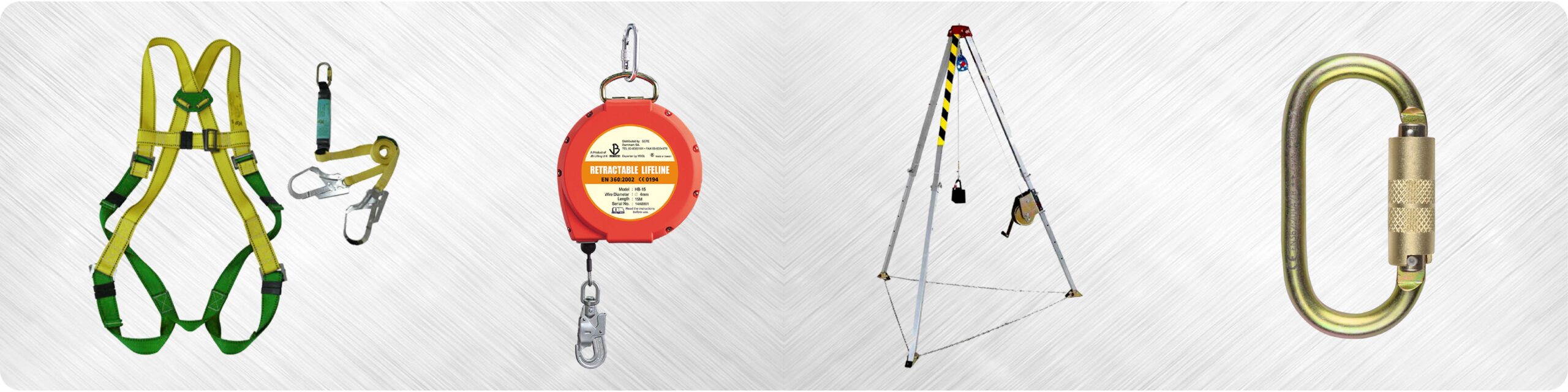
A “one-size-fits-all” approach to safety harnesses is a dangerous gamble. Different work environments and potential hazards demand specific harness features. For example, a construction worker welding at heights requires a different harness than a telecommunications technician working on a pole. A harness designed for general fall arrest may not provide adequate protection against specific hazards like arc flash or chemical exposure.
When selecting a harness, consider factors such as: the type of work being performed, the potential fall distance, and the presence of any environmental hazards. For instance, our team in Dubai often deals with extreme heat, necessitating harnesses made with breathable materials. Always consult with a qualified safety professional to ensure the harness is appropriate for the intended use.
Ignoring Lanyard Compatibility
Using incompatible lanyards and anchorage connectors can have disastrous consequences. Lanyards are designed to work with specific types of anchorages and to arrest falls within a certain distance. Mismatching components can compromise the entire system. The free fall distance, the deceleration distance, and the total fall distance are critical factors to consider.
A lanyard that is too long for the available fall clearance can result in the worker striking a lower level before the fall is arrested. A lanyard that is not compatible with the anchorage connector may not properly engage, leading to a complete system failure. To calculate total fall distance, add the lanyard length, deceleration distance (the distance it takes for the lanyard to absorb the fall energy), and a safety factor. Always refer to the manufacturer’s instructions for specific lanyard and anchorage compatibility requirements. We often advise our clients to maintain a comprehensive matrix of compatible components.
Overlooking Anchorage Strength Requirements
A common misconception is that any overhead structure can serve as a suitable anchorage point. This is far from the truth. Anchorages must be capable of withstanding significant forces to safely arrest a fall. OSHA mandates minimum strength requirements for anchorages: they must be capable of supporting 5,000 pounds per attached worker, or be designed with a safety factor of at least two.
Properly identifying and inspecting suitable anchorage points is crucial. Look for certified anchorages that meet or exceed OSHA’s requirements. If you’re unsure about the strength of an existing structure, consult with a qualified engineer to assess its load-bearing capacity. Remember, the anchorage is the foundation of your fall protection system; don’t compromise on its integrity. We’ve seen too many accidents caused by relying on inadequate anchorages.
Mistake #2: Skipping Essential Inspections
Neglecting Pre-Use Inspections
A quick glance at your fall protection equipment isn’t enough to ensure its safety. Pre-use inspections are essential for identifying any damage or wear that could compromise its performance. Before each use, a systematic inspection checklist should be followed for harnesses, lanyards, and other components. This is a critical step often overlooked in the rush to get the job done.
Common signs of damage or wear to look for include: cuts, abrasions, corrosion, frayed stitching, deformed hardware, and any other visible defects. Pay close attention to areas that are subject to high stress or friction. If you find any damage, immediately remove the equipment from service and replace it. At SSTC, we emphasize the importance of training workers to conduct thorough pre-use inspections, as this is the first line of defense against equipment failure.
Failing to Document Regular Inspections
Maintaining inspection records is essential for accountability and compliance. These records provide a documented history of the equipment’s condition and any repairs or replacements that have been made. Without proper documentation, it’s difficult to track the lifespan of the equipment and ensure that it’s being properly maintained. Inspection logs or digital tracking systems should be used to maintain these records.
Formal inspections by a competent person should be conducted at regular intervals, typically every six months to a year, depending on the frequency of use and the environmental conditions. These inspections should be more thorough than the pre-use inspections and should be documented in detail. Maintaining these records is not just about compliance; it’s about demonstrating a commitment to safety and identifying potential problems before they lead to accidents.
Overlooking the Environmental Impact on Equipment
Sunlight, chemicals, and extreme temperatures can significantly degrade fall protection equipment over time. UV radiation can weaken synthetic fibers, while chemicals can corrode metal components. Extreme temperatures can also affect the flexibility and strength of materials. This degradation can compromise the equipment’s ability to perform as intended during a fall.
Proper storage and maintenance practices are essential for prolonging the lifespan of equipment. Store equipment in a cool, dry, and clean environment, away from direct sunlight and chemicals. Regularly clean equipment according to the manufacturer’s instructions. Establish a procedure for removing equipment from service when it shows signs of environmental damage or when it reaches its expiration date. We’ve seen cases where equipment that looked fine failed due to hidden degradation.
Mistake #3: Improper Fitting and Adjustment
The “Too Loose” Harness Syndrome
A loose harness offers inadequate protection during a fall. If the harness is not properly fitted, the worker could slip out of it during a fall, or the harness could cause serious injuries due to improper load distribution. A snug but comfortable fit is essential for ensuring that the harness will properly arrest a fall and minimize the risk of injury.
Proper techniques for tightening leg straps, chest straps, and shoulder straps should be taught. The leg straps should be snug enough to prevent the worker from slipping out of the harness, but not so tight that they restrict circulation. The chest strap should be positioned across the chest and tightened to keep the shoulder straps in place. The shoulder straps should be adjusted to distribute the weight evenly across the shoulders. Workers should be trained to perform a “fit test” by reaching overhead to ensure that the harness does not ride up excessively.
Ignoring Suspension Trauma Considerations
Prolonged suspension after a fall can lead to suspension trauma, a potentially life-threatening condition. When a worker is suspended in a harness, the leg straps can restrict blood flow to the legs, leading to blood pooling and a drop in blood pressure. This can result in unconsciousness and, if not addressed quickly, death.
Suspension trauma straps or other solutions should be implemented to mitigate the risk. These straps allow the worker to stand up in the harness, relieving pressure on the legs and restoring blood flow. Workers should also be trained on how to recognize and respond to suspension trauma. Rescue plans should include procedures for quickly rescuing suspended workers and providing them with medical attention. At SSTC, we prioritize training on self-rescue techniques to minimize the risk of suspension trauma.
Mismatching Harness Size to Body Type
Selecting the correct harness size for individual workers is crucial for ensuring a proper fit and adequate protection. Harnesses come in a range of sizes, and it’s important to choose the size that best fits each worker’s body type. Using a harness that is too large or too small can compromise its effectiveness and increase the risk of injury.
To properly measure a worker’s torso and leg length for accurate sizing, follow the manufacturer’s instructions. Most manufacturers provide sizing charts that correlate body measurements with harness sizes. Ensure that workers try on different sizes to find the best fit. A harness that is too large may not properly restrain the worker during a fall, while a harness that is too small may be uncomfortable and restrict movement. We recommend having a variety of sizes available to accommodate all workers.
Mistake #4: Inadequate Training and Competency
The “Check-the-Box” Training Mentality
Basic fall protection training is often insufficient for complex fall protection scenarios. Many companies adopt a “check-the-box” mentality, providing minimal training to meet regulatory requirements without truly ensuring that workers understand the risks and how to protect themselves. This type of training often fails to address the specific hazards and equipment used in the workplace.
Training should be tailored to the specific hazards and equipment used in the workplace. Workers should be trained on how to properly inspect, use, and maintain their fall protection equipment. They should also be trained on how to identify fall hazards and how to implement appropriate control measures. Regular refresher training and competency evaluations are essential for reinforcing knowledge and ensuring that workers maintain their skills. We believe that ongoing training is an investment in safety, not just a regulatory requirement.
Failing to Address Rescue Procedures
Having a documented rescue plan is critical for responding to fall incidents. A rescue plan outlines the steps that will be taken to rescue a worker who has fallen and is suspended in a harness. This plan should include procedures for quickly and safely retrieving the worker, providing medical attention, and investigating the incident. Without a well-defined rescue plan, valuable time can be lost, increasing the risk of suspension trauma and other complications.
Workers should be trained on self-rescue techniques and assisted rescue procedures. Self-rescue techniques involve using specialized equipment to lower oneself to the ground or to a safe location. Assisted rescue procedures involve using rescue equipment and techniques to retrieve a suspended worker. Rescue equipment, such as descent devices and rescue poles, should be readily available at the worksite. The rescue plan should be practiced regularly to ensure that workers are familiar with the procedures.
> “Proper training isn’t just about knowing how to wear a harness; it’s about understanding the entire fall protection system and how to react in an emergency.” – John Smith, Certified Safety Professional
Neglecting Language Barriers in Training
Providing training in the languages spoken by workers is essential for ensuring comprehension. In a diverse workforce, language barriers can significantly hinder the effectiveness of safety training. Workers who do not understand the training may not be able to properly use their fall protection equipment or identify fall hazards. This can lead to increased risk of accidents and injuries.
Visual aids, demonstrations, and translated materials should be used to ensure comprehension. Training materials should be translated into the languages spoken by workers. Visual aids, such as diagrams and videos, can help to illustrate key concepts. Hands-on demonstrations can provide workers with the opportunity to practice using their fall protection equipment under supervision. Quizzes and hands-on assessments should be used to verify understanding. We often provide multilingual trainers to overcome language barriers.
Mistake #5: Ignoring the Fall Clearance Calculation
Underestimating Fall Distance
Failing to account for lanyard length, deceleration distance, and body height can have serious consequences. Underestimating the fall distance can result in the worker striking a lower level or the ground before the fall is arrested. This can lead to serious injuries or fatalities. Accurate fall clearance calculations are essential for ensuring that there is adequate space below the worker to safely arrest a fall.
A fall clearance calculator should be used to determine the required clearance below the worker. This calculator takes into account the lanyard length, deceleration distance, body height, and a safety factor. The anchorage points or using different equipment should be adjusted to ensure adequate clearance. For example, a shorter lanyard or a self-retracting lifeline (SRL) may be used to reduce the fall distance. It’s vital to remember that clearance changes based on the specific equipment.
Creating Swing Fall Hazards
Swing falls can significantly increase the severity of a fall. A swing fall occurs when a worker falls from a position that is not directly below the anchorage point. In this situation, the worker will swing like a pendulum, potentially colliding with objects in the swing path. This can lead to serious injuries, even if the fall is arrested.
Anchorage points should be positioned to minimize swing fall potential. Ideally, the anchorage point should be directly above the worker’s center of gravity. Self-retracting lifelines (SRLs) can be used to reduce swing fall distances. SRLs allow the worker to move freely within a certain radius of the anchorage point, while still providing fall protection. When a fall occurs, the SRL will quickly lock, minimizing the swing fall distance. Understanding the geometry of the workspace is key to preventing swing falls.
Failing to Factor in Environmental Conditions
Wind, ice, and other environmental factors can affect fall distance and swing fall. Wind can increase the fall distance and make it more difficult to control a swing fall. Ice can make walking and working surfaces slippery, increasing the risk of falls. These variables can significantly impact the effectiveness of fall protection equipment and increase the risk of accidents.
Fall protection plans should be adjusted to account for these variables. Work should be suspended during hazardous weather conditions. Wind screens or other barriers can be used to reduce the impact of wind. Anti-slip measures, such as sanding or salting, can be used to improve traction on icy surfaces. Environmental conditions can change rapidly, so it’s important to continuously monitor the situation and adjust fall protection plans as needed.
Mistake #6: Modifying Equipment Without Authorization
The Temptation to “Improve” Equipment
Altering fall protection equipment can compromise its integrity and effectiveness. Workers may be tempted to modify their equipment to make it more comfortable or convenient to use. However, any unauthorized modifications can weaken the equipment, alter its performance characteristics, and void the manufacturer’s warranty. This can significantly increase the risk of equipment failure during a fall.
OSHA prohibits unauthorized modifications to fall protection equipment. Equipment defects should be reported to the manufacturer or a qualified technician. The manufacturer or technician can assess the damage and determine whether the equipment can be repaired or needs to be replaced. Never attempt to repair or modify fall protection equipment yourself.
Using Non-Approved Replacement Parts
Using generic or incompatible replacement parts can compromise the safety of fall protection equipment. Replacement parts should be manufacturer-approved. These parts are designed to meet the same performance standards as the original components. Using generic or incompatible parts can weaken the equipment and increase the risk of failure during a fall.
Records of all repairs and replacements should be maintained. This information can be used to track the lifespan of the equipment and ensure that it’s being properly maintained. The records should include the date of the repair or replacement, the type of part replaced, and the name of the person who performed the work. We advise our clients to create a detailed database for tracking equipment maintenance.
Overlooking the Equipment’s Lifespan
Understanding the manufacturer’s recommended service life for fall protection equipment is essential for ensuring its continued safety. Fall protection equipment has a limited lifespan, even if it appears to be in good condition. Over time, the materials used in the equipment can degrade due to exposure to sunlight, chemicals, and other environmental factors. This degradation can weaken the equipment and increase the risk of failure during a fall.
Equipment should be retired when it reaches its expiration date, regardless of its apparent condition. The manufacturer’s instructions typically specify the recommended service life for the equipment. Proper disposal procedures should be followed for retired equipment. The equipment should be rendered unusable to prevent it from being used by someone else. We recommend a strict “no exceptions” policy regarding equipment lifespan.
Mistake #7: Poor Housekeeping Practices
Creating Trip Hazards
Clutter and debris can significantly increase the risk of falls. Trip hazards can cause workers to lose their balance and fall from elevated surfaces. Maintaining a clean and organized work area is essential for preventing these types of accidents.
A regular housekeeping program should be implemented to keep work areas clean and organized. This program should include procedures for removing clutter and debris, storing materials properly, and cleaning up spills. Adequate lighting should be provided to improve visibility. Workers should be encouraged to report any trip hazards they identify. At SSTC, we promote a “see something, say something” culture regarding housekeeping.
Neglecting Walking-Working Surfaces
Maintaining safe walking and working surfaces is crucial for preventing falls. Damaged flooring, handrails, and other structural elements can create tripping hazards and increase the risk of falls. Regular inspections should be conducted to identify and repair any damage to walking and working surfaces.
Damaged flooring, handrails, and other structural elements should be repaired promptly. Non-slip coatings can be used to prevent slips and falls. Handrails should be installed on stairways and elevated walkways. Adequate lighting should be provided to improve visibility. Addressing surface hazards proactively is a hallmark of a robust safety program.
Improper Storage of Equipment
Storing equipment in damp, dirty, or corrosive environments can damage it and reduce its lifespan. Improper storage can also make it difficult to find the equipment when it’s needed. Designated storage areas should be used to protect equipment from damage.
Equipment should be stored in a cool, dry, and clean environment. It should be protected from direct sunlight, chemicals, and other environmental hazards. A system for tracking and managing equipment inventory should be implemented. This system should include procedures for checking equipment in and out, inspecting it for damage, and ensuring that it’s properly stored. We often advise clients on setting up efficient and compliant storage systems.
Mistake #8: Bypassing Fall Protection Altogether
The “It Won’t Happen to Me” Mentality
Addressing the psychological factors that contribute to unsafe behavior is crucial for preventing falls. One of the most common psychological factors is the “it won’t happen to me” mentality. This mentality can lead workers to take unnecessary risks and bypass fall protection measures.
A culture of safety and accountability should be promoted in the workplace. Workers should be encouraged to speak up about safety concerns. They should be rewarded for following safety rules and disciplined for violating them. Leading by example is essential for demonstrating a commitment to safety. When leaders prioritize safety, workers are more likely to do the same.
Rushing the Job
Taking shortcuts to save time or money can have deadly consequences. Rushing the job can lead workers to bypass fall protection measures or make other unsafe decisions. It’s important to plan work tasks carefully to ensure adequate time for safety procedures.
Workers should be empowered to stop work if they feel unsafe. They should not be pressured to complete tasks quickly if it compromises their safety. Adequate time should be allocated for safety procedures, such as setting up fall protection equipment and conducting pre-use inspections. Planning work tasks carefully is a cornerstone of a proactive safety program.
Failing to Enforce Safety Rules
Consistently enforcing fall protection regulations is essential for creating a safe work environment. Failure to enforce safety rules can send the message that safety is not a priority. This can lead to a decline in safety performance and an increase in accidents.
Disciplinary procedures should be implemented for violations of fall protection regulations. These procedures should be consistently applied to all workers, regardless of their position or seniority. Leading by example is essential for demonstrating a commitment to safety. When supervisors and managers consistently follow safety rules, workers are more likely to do the same. We’ve found that consistent enforcement is critical for maintaining a strong safety culture.
Correct Fall Protection: It’s More Than Just Equipment
The Holistic Approach to Fall Prevention
Prioritizing hazard elimination and engineering controls over personal protective equipment is the most effective way to prevent falls. Hazard elimination involves removing the hazard altogether, such as by relocating a work task to ground level. Engineering controls involve modifying the work environment to reduce the risk of falls, such as by installing guardrails or safety nets. Personal protective equipment (PPE), such as fall protection equipment, should be used as a last resort when hazard elimination and engineering controls are not feasible.
A comprehensive fall protection plan should be developed that addresses all aspects of safety. This plan should include procedures for identifying fall hazards, implementing control measures, training workers, and inspecting equipment. The plan should be reviewed and updated regularly to ensure that it remains effective. A truly effective plan is a living document that adapts to changing conditions.
Investing in Advanced Fall Protection Solutions
Exploring innovative technologies such as smart harnesses and fall detection systems can further enhance fall protection. Smart harnesses can monitor worker movements and provide alerts if a fall occurs. Fall detection systems can automatically detect falls and notify emergency responders. These technologies can help to improve response times and reduce the severity of injuries.
Data analytics can be leveraged to identify and mitigate fall hazards. By analyzing data on fall incidents, near misses, and other safety metrics, companies can identify patterns and trends that can help them to prevent future falls. Staying up-to-date on the latest advancements in fall protection is essential for maintaining a safe work environment. We continuously evaluate new technologies to offer our clients the best solutions.
Conclusion: Your Life Depends on It
Understanding and avoiding these common fall protection mistakes is not just about compliance; it’s about saving lives. By prioritizing proper equipment selection, inspection, training, and planning, you can create a safer work environment and protect your most valuable asset: your employees. Remember, complacency can be deadly. Prioritize safety, always.
FAQ Section
Q: How often should fall protection equipment be inspected?
A: Fall protection equipment should be inspected before each use and at least every six months by a competent person.
Q: What are the minimum anchorage requirements for fall protection?
A: Anchorages must be capable of supporting 5,000 pounds per attached worker or be designed with a safety factor of at least two.
Q: What is suspension trauma and how can it be prevented?
A: Suspension trauma is a potentially life-threatening condition that can occur when a worker is suspended in a harness after a fall. It can be prevented by using suspension trauma straps and implementing a prompt rescue plan.
Q: Is fall protection training required by OSHA?
A: Yes, OSHA requires employers to provide fall protection training to all workers who may be exposed to fall hazards.
Q: What is a fall protection plan?
A: A fall protection plan is a written document that outlines the procedures and equipment that will be used to prevent falls at a particular worksite.
Q: Can I modify my fall protection equipment to make it more comfortable?
A: No, unauthorized modifications to fall protection equipment are prohibited by OSHA and can compromise its safety.
Q: What is the difference between a self-retracting lifeline (SRL) and a lanyard?
A: A self-retracting lifeline (SRL) is a device that automatically extends and retracts a lifeline, allowing the worker to move freely while still being protected from falls. A lanyard is a fixed-length rope or strap that connects the worker’s harness to an anchorage point.
Q: How do I calculate fall clearance?
A: Fall clearance is calculated by adding the lanyard length, deceleration distance, body height, and a safety factor. A fall clearance calculator can be used to determine the required clearance below the worker.
Q: What should I do if I find damage to my fall protection equipment?
A: If you find any damage to your fall protection equipment, immediately remove it from service and replace it.
Q: What is the role of a competent person in fall protection?
A: A competent person is someone who is qualified to identify fall hazards and implement control measures. They are also responsible for inspecting fall protection equipment and training workers.