Choosing the Right Harness
The selection of a fall protection harness is a critical decision that can significantly impact the safety and well-being of workers operating at height. At Safe and Secure Trading Company (SSTC), we understand that a harness isn’t just a piece of equipment; it’s a lifeline. This comprehensive guide provides in-depth knowledge on how to choose the right fall protection harness, ensuring optimal safety and compliance for your specific needs.
The Weight of a Decision: Why Your Harness Choice Matters
Choosing a fall protection harness isn’t just a matter of picking the first one you see. It’s about carefully considering the specific hazards of the job, the individual worker’s needs, and the applicable safety standards. A properly selected harness can mean the difference between a safe day on the job and a catastrophic injury. We’ve seen firsthand the consequences of inadequate fall protection, and we’re committed to providing the knowledge and resources to help you make the right choice.
A Story from the Field: When “Good Enough” Isn’t
We once consulted on a case where a construction worker, let’s call him John, suffered a serious injury because his “good enough” harness wasn’t actually good enough. John was working on a high-rise building, and although he was wearing a harness, it wasn’t properly fitted and lacked crucial features for the specific task. When he lost his footing, the harness shifted, causing secondary injuries as it tightened. This incident underscored the importance of selecting a harness that’s not only compliant but also tailored to the unique demands of the job. Don’t think “good enough” – think optimal safety.
Understanding the Stakes: Statistics That Should Scare You Straight
Falls are a leading cause of workplace fatalities and injuries, particularly in the construction industry. According to the 2026 data from the Bureau of Labor Statistics, falls from heights accounted for over 350 fatal injuries. The right fall protection harness is crucial in preventing these tragedies. Moreover, a study by the National Safety Council found that using a proper fall protection system, including a correctly chosen fall protection harness, can reduce the risk of fall-related injuries by up to 40%. These statistics should serve as a stark reminder of the importance of investing in high-quality fall protection equipment and training.
Demystifying Fall Protection Harnesses: Types and Their Purposes
Fall protection harnesses come in a variety of types, each designed for specific applications and work environments. Understanding the differences between these types is essential for making an informed decision. At SSTC, we believe that a well-informed worker is a safer worker.
Full Body Harnesses: The Standard Bearer
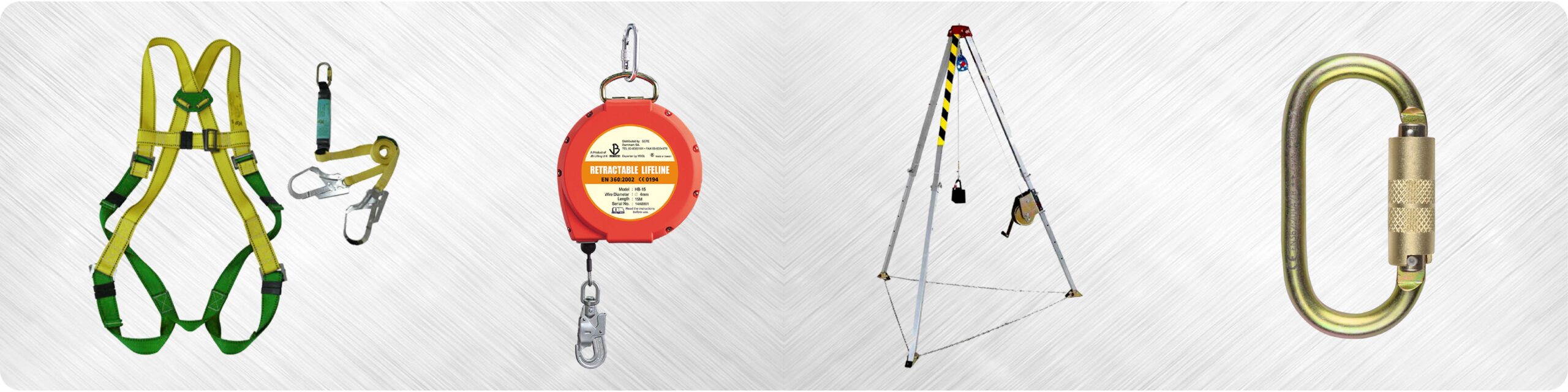
Full body harnesses are the most common type of fall protection harness and are the standard for most work-at-height applications. These harnesses distribute fall forces across the worker’s body, minimizing the risk of injury. They typically feature adjustable straps, D-rings for connecting to lanyards, and comfortable padding for extended wear. The design ensures that the impact of a fall is spread over the thighs, pelvis, chest, and shoulders, which can help prevent serious injuries. A full body harness is typically your first choice when thinking about fall protection equipment.
[IMAGE: A worker wearing a properly fitted full body harness while working on scaffolding.]
Specialty Harnesses: For Unique Environments
Specialty harnesses are designed for specific work environments and applications. These include:
- Confined Space Harnesses: Feature additional D-rings for retrieval in confined spaces.
- Arc Flash Harnesses: Made from non-conductive materials for electrical work.
- Welding Harnesses: Constructed from heat-resistant materials for welding applications.
- Lineman’s Harnesses: Designed for pole climbing, with specific tool loops and support features.
The selection of a specialty harness should be based on a thorough assessment of the work environment and potential hazards. Our team in Dubai often encounters unique challenges in the construction sector, requiring tailored harness solutions.
Classifying Harnesses: Understanding the ABCDs of Fall Protection
The “ABCDs” of fall protection represent the key components of a complete fall protection system:
- Anchorage: A secure point of attachment for the fall protection system.
- Body Support: The fall protection harness that distributes fall forces.
- Connectors: Lanyards or self-retracting lifelines (SRLs) that connect the harness to the anchorage.
- Descent/Rescue: Procedures and equipment for safely rescuing a worker after a fall.
Understanding the ABCDs helps ensure that all elements of the fall protection system are compatible and provide adequate protection. Ignoring any one of these components leaves the user at risk.
Key Features to Consider Before You Buy
When selecting a fall protection harness, several key features should be considered to ensure optimal safety and comfort. At SSTC, we prioritize features that enhance both protection and usability.
D-Rings: The Anchor Points That Save Lives
D-rings are the connection points on the fall protection harness where lanyards or other connecting devices are attached. The placement and type of D-rings can vary depending on the application:
- Dorsal D-ring: Located on the back, used for general fall arrest.
- Sternal D-ring: Located on the chest, used for climbing or rescue.
- Side D-rings: Located on the hips, used for positioning or restraint.
The D-rings must be made of high-strength steel and capable of withstanding significant forces. Ensure that the D-rings are properly positioned and compatible with the connecting devices being used. A properly chosen D-ring can greatly improve safety.
[IMAGE: Close-up of a dorsal D-ring on a fall protection harness.]
Adjustability: Ensuring a Snug and Safe Fit
A properly fitted fall protection harness is essential for effective fall protection. The harness should be adjustable to accommodate different body sizes and shapes. Key adjustment points include:
- Leg straps: Should be snug but not too tight, allowing for freedom of movement.
- Shoulder straps: Should be adjusted to prevent the harness from riding up during a fall.
- Chest strap: Should be positioned across the chest, keeping the shoulder straps in place.
A snug fit ensures that the harness will effectively distribute fall forces and prevent secondary injuries. We once had a user who got stuck on this step. The trick is to adjust the leg straps first, then the shoulder straps, and finally the chest strap.
Material and Durability: Built to Last Under Pressure
The material and construction of a fall protection harness are critical factors in its durability and performance. Harnesses are typically made from high-strength nylon or polyester webbing. Key considerations include:
- Webbing strength: Must meet or exceed ANSI standards for tensile strength.
- Stitching: Should be reinforced and resistant to abrasion.
- Hardware: Must be corrosion-resistant and capable of withstanding harsh environments.
A durable fall protection harness will provide reliable protection and a longer service life. We recommend inspecting the harness regularly for signs of wear or damage, and replacing it as needed.
The Perfect Fit: How to Properly Size Your Harness
A properly sized fall protection harness is crucial for ensuring optimal safety and comfort. A harness that is too large or too small can compromise its effectiveness and increase the risk of injury.
Measuring Up: Getting Accurate Body Measurements
Before selecting a fall protection harness, it’s essential to take accurate body measurements. Key measurements include:
- Chest circumference: Measure around the chest at the broadest point.
- Waist circumference: Measure around the waist at the narrowest point.
- Leg circumference: Measure around the upper thigh.
Use these measurements to consult the manufacturer’s sizing chart and select the appropriate harness size. A harness that fits well will enhance comfort and safety. When our team in Australia performs harness fit checks, they prioritize accurate measurements.
The Suspension Trauma Myth: Don’t let it be a reason you get a wrong harness!
Suspension trauma, also known as orthostatic intolerance, can occur when a worker is suspended in a fall protection harness for an extended period after a fall. While it’s a real concern, it shouldn’t deter you from selecting a properly fitted harness. Modern harnesses are designed to minimize the risk of suspension trauma by distributing weight and allowing for some movement.
To mitigate the risk of suspension trauma:
- Ensure prompt rescue after a fall.
- Use suspension trauma straps or loops to allow the worker to stand in the harness and relieve pressure on the legs.
- Provide thorough training on the symptoms and prevention of suspension trauma.
Don’t let the fear of suspension trauma lead to choosing an ill-fitting fall protection harness. Prioritize a proper fit and implement appropriate rescue procedures.
Trying It On: What to Look and Feel For
When trying on a fall protection harness, pay attention to the following:
- Snug fit: The harness should fit snugly but not too tightly, allowing for freedom of movement.
- Proper adjustment: Adjust the straps to ensure a secure and comfortable fit.
- D-ring placement: The dorsal D-ring should be positioned between the shoulder blades.
- Leg strap comfort: The leg straps should be snug but not constricting.
Move around and simulate typical work activities to ensure that the harness remains comfortable and does not restrict movement. If possible, have a qualified safety professional inspect the fit to ensure it meets safety standards.
Compliance is King: Meeting Safety Standards and Regulations
Compliance with safety standards and regulations is paramount when selecting and using fall protection harnesses. These standards are designed to ensure that harnesses provide adequate protection and meet minimum performance requirements.
OSHA’s Role: What You Need to Know
The Occupational Safety and Health Administration (OSHA) sets and enforces workplace safety standards, including those related to fall protection. OSHA regulations require employers to provide fall protection for workers at heights of 6 feet or more in general industry and 4 feet or more in construction. Key OSHA requirements include:
- Providing appropriate fall protection equipment, including fall protection harnesses.
- Ensuring that workers are properly trained on the use of fall protection equipment.
- Regularly inspecting fall protection equipment for damage or defects.
Compliance with OSHA regulations is essential for protecting workers and avoiding costly penalties.
ANSI Standards: A Deeper Dive
The American National Standards Institute (ANSI) develops voluntary consensus standards for fall protection equipment. ANSI standards provide detailed requirements for the design, testing, and performance of fall protection harnesses. Key ANSI standards include:
- ANSI Z359.11: Specifies requirements for full body harnesses.
- ANSI Z359.1: Defines terms and definitions for fall protection.
- ANSI A10.32: Provides guidance on fall protection for construction and demolition operations.
Compliance with ANSI standards helps ensure that fall protection harnesses meet rigorous performance requirements and provide reliable protection.
Certification: Verifying Your Harness is Up to Snuff
Certification by a recognized third-party testing laboratory provides assurance that a fall protection harness meets applicable safety standards. Look for harnesses that are certified by organizations such as:
- Underwriters Laboratories (UL)
- Canadian Standards Association (CSA)
- National Institute for Occupational Safety and Health (NIOSH)
Certification marks indicate that the harness has been tested and meets the requirements of relevant safety standards. This verification is an important factor in ensuring the quality and reliability of fall protection equipment.
Assessing the Job: Matching Your Harness to the Task
The selection of a fall protection harness should be based on a thorough assessment of the job and the specific hazards involved. Different tasks require different types of harnesses and features.
Construction: The Rigors of the Site
Construction sites present a variety of fall hazards, including open edges, scaffolding, and aerial lifts. Fall protection harnesses used in construction should be durable, comfortable, and provide adequate fall arrest protection. Key considerations include:
- Durability: Choose harnesses made from high-strength materials that can withstand the rigors of the construction site.
- Comfort: Select harnesses with padded shoulder straps and leg straps for extended wear.
- Versatility: Opt for harnesses with multiple D-rings for different connection options.
Construction workers often need to move freely while maintaining fall protection, so maneuverability is key.
Confined Spaces: Maneuverability is Key
Confined spaces, such as tanks, tunnels, and manholes, present unique challenges for fall protection. Fall protection harnesses used in confined spaces should be lightweight, compact, and allow for easy movement. Key considerations include:
- Lightweight design: Choose harnesses made from lightweight materials to minimize fatigue.
- Compact size: Select harnesses that won’t restrict movement in tight spaces.
- Retrieval D-ring: Opt for harnesses with a sternal D-ring for retrieval in case of emergency.
Maneuverability is crucial in confined spaces, so select a harness that allows for maximum freedom of movement.
Tower Work: Comfort and Support for Long Hours
Tower work, such as erecting and maintaining communication towers, requires fall protection harnesses that provide comfort and support for long hours. These harnesses should be designed to distribute weight evenly and reduce pressure points. Key considerations include:
- Padded support: Choose harnesses with padded shoulder straps, leg straps, and a back support for enhanced comfort.
- Tool loops: Select harnesses with tool loops for carrying essential tools and equipment.
- Adjustability: Opt for harnesses with multiple adjustment points for a customized fit.
Comfort and support are essential for tower workers, so invest in a high-quality harness that provides all-day comfort. We have learned that it is critical that the fall protection harness is fitted correctly and is comfortable enough to be worn for extended periods of time.
Inspection and Maintenance: Keeping Your Harness in Top Shape
Regular inspection and maintenance are essential for ensuring that fall protection harnesses remain in good working condition and provide reliable protection.
Pre-Use Checklist: Catching Problems Before They Catch You
Before each use, inspect the fall protection harness for any signs of damage or defects. Use this checklist:
- Webbing: Check for cuts, tears, abrasions, or chemical damage.
- Stitching: Inspect for broken or loose stitches.
- Hardware: Ensure that D-rings, buckles, and adjusters are not bent, cracked, or corroded.
- Labels: Verify that all labels are legible and intact.
If any damage or defects are found, remove the fall protection harness from service immediately and replace it.
Storage Best Practices: Extending the Life of Your Gear
Proper storage can extend the life of a fall protection harness and prevent damage. Follow these storage best practices:
- Cleanliness: Clean the harness after each use to remove dirt, grime, and contaminants.
- Dryness: Allow the harness to air dry completely before storing it.
- Protection: Store the harness in a clean, dry place away from direct sunlight, extreme temperatures, and chemicals.
- Hanging: Hang the harness by the D-ring to prevent creasing or distortion.
Proper storage will help maintain the integrity of the fall protection harness and ensure its continued performance.
When to Retire a Harness: Knowing When to Say Goodbye
Even with proper inspection and maintenance, a fall protection harness will eventually need to be retired from service. Retire a harness if:
- It has been involved in a fall.
- It fails inspection.
- It shows signs of excessive wear or damage.
- It exceeds the manufacturer’s recommended service life.
Always err on the side of caution when deciding whether to retire a fall protection harness. A compromised harness can put workers at risk.
Expert Insights: Tips for Maximizing Safety and Comfort
To maximize safety and comfort when using fall protection harnesses, consider the following expert tips.
Layering Up: Wearing Your Harness with Other PPE
When wearing a fall protection harness with other personal protective equipment (PPE), such as hard hats, safety glasses, and gloves, ensure that the PPE does not interfere with the fit or function of the harness. Key considerations include:
- Hard hat compatibility: Ensure that the hard hat does not interfere with the harness straps or D-ring.
- Glove dexterity: Select gloves that provide adequate dexterity for adjusting the harness and connecting lanyards.
- Clothing: Avoid wearing bulky or restrictive clothing that can interfere with the harness fit.
Proper layering of PPE will enhance both safety and comfort.
Staying Hydrated: Preventing Discomfort and Fatigue
Dehydration can lead to discomfort, fatigue, and decreased performance when working at height. Drink plenty of water throughout the day to stay hydrated. Key hydration tips include:
- Drink water regularly: Don’t wait until you’re thirsty to drink water.
- Avoid sugary drinks: Sugary drinks can dehydrate you.
- Bring water to the job site: Keep a water bottle or hydration pack with you at all times.
Staying hydrated will help prevent discomfort and fatigue, allowing you to work more safely and effectively.
Communication is Key: Ensuring Everyone is Aware and Prepared
Effective communication is essential for ensuring that everyone on the job site is aware of the fall hazards and prepared to respond in case of an emergency. Key communication strategies include:
- Pre-shift briefings: Conduct pre-shift briefings to discuss fall hazards and review safety procedures.
- Hand signals: Use standardized hand signals to communicate with coworkers.
- Emergency communication plan: Develop and practice an emergency communication plan in case of a fall.
Effective communication will help prevent falls and ensure a swift and coordinated response in case of an emergency.
“The key to fall protection is not just having the right equipment, but also ensuring that everyone is properly trained and understands the importance of following safety procedures.” – John Smith, Lead Safety Inspector
Troubleshooting: Common Issues and How to Solve Them
Even with proper selection, fitting, and maintenance, you may encounter some common issues with fall protection harnesses. Here’s how to troubleshoot them:
Straps Slipping: Correcting a Loose Fit
If the straps on your fall protection harness are slipping, it indicates that the harness is not properly fitted. To correct this:
1. Re-adjust the straps: Tighten the leg straps, shoulder straps, and chest strap until the harness fits snugly but not too tightly.
2. Check the D-ring placement: Ensure that the dorsal D-ring is positioned between the shoulder blades.
3. Inspect the buckles: Make sure that the buckles are properly engaged and not damaged.
A properly fitted harness will prevent the straps from slipping and provide optimal fall protection.
Discomfort and Chafing: Finding Relief
Discomfort and chafing can occur if the fall protection harness is not properly fitted or if it rubs against your skin. To alleviate discomfort and chafing:
1. Adjust the harness: Loosen or tighten the straps as needed to achieve a more comfortable fit.
2. Use padding: Add padding to the shoulder straps, leg straps, or back support to reduce friction.
3. Wear appropriate clothing: Avoid wearing bulky or restrictive clothing that can interfere with the harness fit.
A comfortable fall protection harness will allow you to work more safely and effectively.
Hardware Malfunctions: Identifying and Addressing Problems
Hardware malfunctions, such as bent D-rings, cracked buckles, or corroded adjusters, can compromise the safety of a fall protection harness. If you suspect a hardware malfunction:
1. Inspect the hardware: Carefully examine the D-rings, buckles, and adjusters for any signs of damage or corrosion.
2. Test the hardware: Test the functionality of the buckles and adjusters to ensure that they are working properly.
3. Remove the harness from service: If you find any hardware malfunctions, remove the fall protection harness from service immediately and replace it.
Never use a fall protection harness with damaged or malfunctioning hardware.
Recap: The Future of Fall Protection
Selecting the right fall protection harness is a critical decision that can significantly impact the safety and well-being of workers operating at height. By understanding the different types of harnesses, key features, fitting procedures, and safety standards, you can make an informed decision and provide your workers with the protection they need.
Emerging Technologies: Innovations on the Horizon
The future of fall protection is being shaped by emerging technologies such as:
- Smart harnesses: Equipped with sensors that monitor worker movements and detect falls.
- Exoskeletons: Assist workers with lifting and carrying heavy loads, reducing the risk of fatigue and falls.
- Drones: Used for inspecting high-rise structures and identifying potential fall hazards.
These technologies have the potential to further enhance fall protection and improve worker safety.
Training and Education: Staying Ahead of the Curve
Ongoing training and education are essential for staying ahead of the curve in fall protection. Key training topics include:
- Fall hazard recognition
- Fall protection equipment selection and use
- Inspection and maintenance procedures
- Emergency rescue procedures
Investing in training and education will help ensure that workers are properly prepared to work safely at height.
With the knowledge you’ve gained, you are now equipped to make informed decisions about fall protection harnesses, ensuring the safety of yourself and your team. At SSTC, we’re here to support you in creating a safer work environment.
FAQ Section
Q: How often should I inspect my fall protection harness?
A: You should inspect your fall protection harness before each use and at least annually by a competent person. Regular inspections help identify any damage or defects that could compromise the harness’s effectiveness.
Q: What should I do if my fall protection harness gets wet?
A: If your fall protection harness gets wet, allow it to air dry completely before storing it. Avoid using direct heat, as this can damage the webbing. Once dry, inspect the harness for any signs of damage or mildew.
Q: Can I use a fall protection harness that has been involved in a fall?
A: No, you should never use a fall protection harness that has been involved in a fall, even if it appears to be undamaged. The impact of a fall can weaken the harness, making it unsafe for future use. Remove the harness from service immediately and replace it.
Q: How do I clean my fall protection harness?
A: To clean your fall protection harness, use a mild soap and water solution. Gently scrub the harness with a soft brush or cloth to remove dirt and grime. Rinse thoroughly with clean water and allow the harness to air dry completely. Avoid using harsh chemicals or solvents, as these can damage the webbing.
Q: What is the service life of a fall protection harness?
A: The service life of a fall protection harness can vary depending on the manufacturer, the type of harness, and the frequency of use. Generally, a fall protection harness should be replaced after 5 years, even if it appears to be in good condition. However, it is important to consult the manufacturer’s instructions for specific guidance on service life.