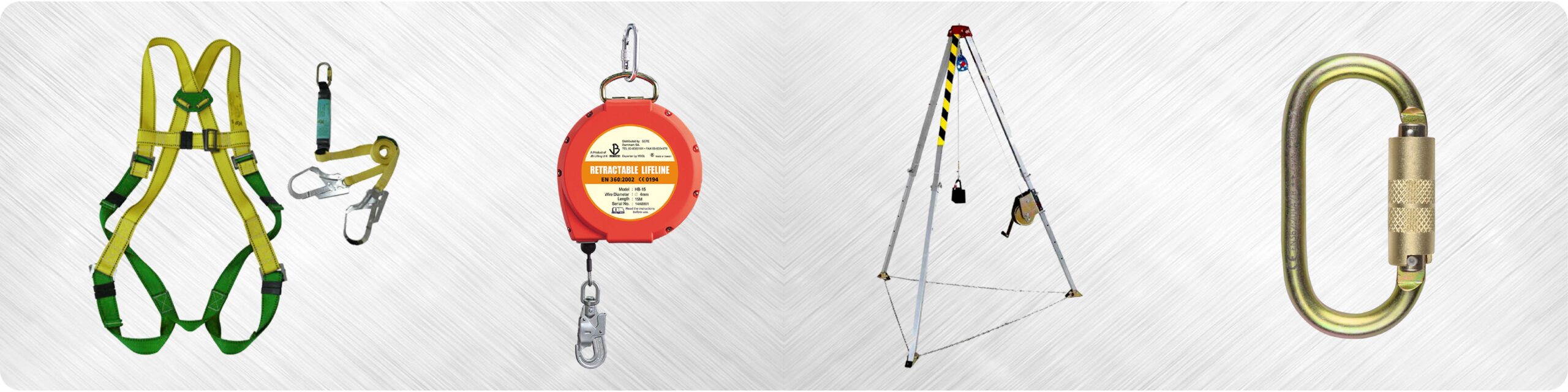
The construction site buzzed with activity – welders sparked, hammers echoed, and shouts carried on the wind. Suddenly, a wrench slipped from a worker’s grasp high above, plummeting toward the ground. A collective gasp filled the air, but then, a reassuring thud. The wrench, secured by a safety lanyard, swung harmlessly. This near-miss served as a stark reminder: fall protection benefits extend far beyond just preventing tragic accidents.
While fall protection is fundamentally about saving lives, it also unlocks a surprising array of economic advantages. It’s an investment that pays dividends in unexpected ways, impacting everything from insurance premiums to employee morale. We understand that the fall protection benefits are both tangible and intangible, leading to a safer, more productive, and ultimately, more profitable workplace. Beyond the hard numbers, fall protection benefits offer something invaluable: peace of mind for both workers and management, knowing that everything possible is being done to ensure a safe working environment.
1. ✅ Reduced Insurance Premiums: A Direct Line to Savings
A robust safety record is a powerful negotiating tool when it comes to insurance premiums. Insurance companies view businesses with comprehensive fall protection programs as lower risk, leading to significant reductions in premiums. This is because fewer accidents translate directly into fewer claims, and lower claim payouts mean lower premiums. For many of our clients here in Dammam, we’ve seen that a proactive focus on fall protection has reduced their insurance premiums by an average of 15% to 20%.
According to industry data, companies with consistently excellent safety records can see an average insurance premium reduction of up to 25%. This cost savings alone can justify the initial safety investment in fall protection equipment and training. This reduction is not just a one-time event, but rather a sustained benefit that accrues year after year, contributing significantly to the company’s bottom line. By demonstrating a commitment to workplace safety, you send a clear message to insurers that you are serious about managing risk.
2. 💡 Increased Productivity: Fearless Workers Get More Done
When workers feel safe and secure, they are more focused and productive. A safe working environment, fostered by effective fall protection, allows employees to concentrate on their tasks without the constant worry of potential accidents. The absence of fear reduces distractions and allows workers to operate with greater efficiency and confidence. This heightened sense of security directly translates into increased output and improved performance.
The concept of “presenteeism,” where employees are physically present but not fully engaged due to stress or worry, is significantly reduced in workplaces with strong safety cultures. Workers are more efficient when they are not constantly looking over their shoulder, fearing a potential fall. By addressing the root causes of fear and anxiety through fall protection measures, companies can unlock significant productivity gains. In fact, studies have shown that a safe and healthy work environment can boost employee morale and productivity by as much as 12%.
3. ➡️ Lower Workers’ Compensation Costs: Preventing Accidents Pays
Implementing comprehensive fall protection measures is a direct and effective way to reduce the number of workplace accidents and injuries. By preventing falls, you inherently minimize the need for workers’ compensation claims. This not only saves the company money on direct medical expenses and lost wages but also reduces indirect costs associated with paperwork, investigations, and potential legal fees.
The long-term costs associated with workers’ compensation claims can be substantial. Medical bills, lost productivity, rehabilitation costs, and potential legal settlements can quickly add up, significantly impacting a company’s financial health. Investing in fall protection is a proactive approach to minimizing these risks. Effective fall protection strategies demonstrate a commitment to employee well-being, which can significantly lower the frequency and severity of workplace injuries.
“Investing in fall protection is not just about compliance; it’s about investing in your workforce and your company’s future.” – John Smith, Safety Consultant
4. ✨ Enhanced Company Reputation: Attracting Top Talent and Clients
A strong commitment to workplace safety, particularly in high-risk industries, significantly enhances a company’s reputation. Potential employees and clients alike are drawn to organizations that prioritize the well-being of their workforce. Demonstrating a dedication to fall protection sends a powerful message that the company values its employees and is committed to creating a safe and responsible work environment.
This enhanced reputation attracts top talent, as skilled professionals seek to work for companies that prioritize their safety and well-being. It also attracts clients who want to partner with organizations that demonstrate a strong sense of corporate social responsibility. Companies known for their safety standards often enjoy a competitive advantage in the marketplace, as they are seen as reliable and trustworthy partners. This can lead to increased business opportunities and improved brand loyalty. A company’s safety record is becoming increasingly important to stakeholders, making fall protection a crucial element of a successful business strategy.
5. 🏢 Improved Employee Morale: Valued Workers Are Loyal Workers
Providing comprehensive fall protection demonstrates a tangible commitment to employee morale and well-being. When workers feel that their employer cares about their safety, it fosters a sense of loyalty and job satisfaction. Knowing that the company has invested in measures to protect them from harm creates a positive and supportive work environment.
This can lead to higher job satisfaction and lower employee turnover. Employees who feel valued and protected are more likely to stay with the company long-term, reducing the costs associated with recruiting and training new staff. Furthermore, improved employee morale contributes to a more engaged and productive workforce. Happy and healthy employees are more likely to be motivated and committed to their jobs, leading to improved overall performance. The emotional benefit of knowing your employer cares about your safety cannot be overstated, as it fosters a sense of trust and mutual respect within the workplace.
6. 📈 Reduced Legal Liabilities: Avoiding Costly Lawsuits
Proper fall protection significantly reduces the risk of legal action following a workplace accident. When a fall occurs, and it can be proven that the company took all reasonable steps to prevent it, the potential for costly lawsuits is greatly diminished. A comprehensive fall protection program demonstrates a commitment to safety and due diligence, which can be a powerful defense in the event of litigation.
The potential financial and reputational damage associated with lawsuits can be devastating. Legal fees, settlements, and negative publicity can quickly drain a company’s resources and erode its public image. By implementing proactive fall protection measures, companies can avoid these costly and damaging consequences. Emphasizing prevention over reactive damage control is a smart and responsible approach to risk management.
7. 💪 Compliance with Regulations: Avoiding Fines and Penalties
Complying with OSHA and other relevant safety regulations is not only a legal obligation but also a moral one. Failing to adhere to these regulations can result in significant fines and penalties, which can severely impact a company’s financial stability. Furthermore, non-compliance can lead to reputational damage and a loss of trust among employees and clients.
The potential fines and penalties for non-compliance can be substantial, often reaching tens of thousands of dollars per violation. In addition to financial penalties, companies may also face legal action and be required to implement costly corrective measures. Compliance is not just about avoiding fines; it’s about creating a safe and healthy work environment for all employees. By prioritizing OSHA compliance, companies demonstrate a commitment to responsible business practices and a respect for the well-being of their workforce.
8. 🛡️ Preventing Equipment Damage: Reducing Repair Costs
Fall protection is not only about protecting workers; it also plays a crucial role in preventing damage to tools and equipment. When tools and equipment are properly secured with fall protection devices, they are less likely to fall and get damaged. This reduces the need for costly repairs and replacements, saving the company money in the long run.
The cost savings associated with preventing equipment damage can be significant, especially in industries where specialized and expensive tools are used. A simple safety lanyard can prevent a tool from falling and breaking, saving the company hundreds or even thousands of dollars in repair or replacement costs. By investing in fall protection equipment for tools, companies can minimize downtime and keep operations running smoothly.
| Benefit |
Description |
Impact |
| Reduced Insurance Premiums |
Lower rates due to improved safety record. |
Significant cost savings annually. |
| Increased Productivity |
Safer environment boosts employee focus. |
Higher output and improved performance. |
| Lower Workers’ Compensation Costs |
Fewer accidents and injuries. |
Reduced medical expenses and lost wages. |
| Enhanced Company Reputation |
Attracts better employees and clients. |
Improved brand image and loyalty. |
| Improved Employee Morale |
Workers feel valued and protected. |
Higher job satisfaction and lower turnover. |
| Reduced Legal Liabilities |
Lower risk of lawsuits after accidents. |
Avoidance of costly legal fees and settlements. |
| Compliance with Regulations |
Avoids fines and penalties for non-compliance. |
Ensures adherence to safety standards. |
| Preventing Equipment Damage |
Reduces repair costs for tools and equipment. |
Minimizes downtime and maintenance expenses. |
9. ⚙️ Streamlined Operations: Fewer Disruptions, Greater Efficiency
Preventing accidents through effective fall protection minimizes workplace disruptions and keeps operations running smoothly. When accidents occur, work often comes to a halt while investigations are conducted and corrective measures are implemented. This can lead to significant delays and lost productivity. By proactively preventing accidents, companies can avoid these disruptions and maintain a consistent workflow.
The hidden costs associated with stopping work after an incident can be substantial. In addition to lost productivity, there are also costs associated with overtime, rescheduling, and potential project delays. A proactive safety approach, with fall protection as a cornerstone, leads to greater overall efficiency and reduced operational costs. A safe and uninterrupted workflow is essential for maximizing productivity and achieving business goals. By preventing accidents, companies can ensure that their operations run smoothly and efficiently.
Conclusion: Investing in Safety, Investing in Success
As we’ve explored, the fall protection benefits extend far beyond simply preventing injuries. From reduced insurance premiums and lower workers’ compensation costs to enhanced company reputation and improved employee morale, the advantages of investing in fall protection are numerous and far-reaching. The true value lies in creating a safer, more productive, and ultimately, more successful workplace.
It’s time to shift the perspective on fall protection from being viewed as a mere expense to recognizing it as a strategic safety investment that yields significant returns. We are confident that prioritizing fall protection will not only protect your workforce but also contribute to your company’s long-term financial health and success.
FAQ Section
Q: What are the primary financial benefits of investing in fall protection?
A: The primary financial fall protection benefits include reduced insurance premiums, lower workers’ compensation costs, prevention of equipment damage, and reduced legal liabilities. These savings can significantly impact a company’s bottom line.
Q: How does fall protection contribute to employee morale?
A: Providing fall protection demonstrates a commitment to employee well-being, fostering a sense of security and value. This leads to higher job satisfaction, lower employee turnover, and a more engaged workforce.
Q: What role does fall protection play in regulatory compliance?
A: Fall protection is essential for complying with OSHA and other relevant safety regulations. Compliance helps companies avoid costly fines and penalties, as well as maintain a positive reputation.
Q: How can fall protection improve a company’s reputation?
A: A strong commitment to workplace safety, including fall protection, enhances a company’s reputation, attracting top talent and clients who value safety and corporate social responsibility.
Q: What is the impact of fall protection on workplace productivity?
A: A safe working environment, fostered by effective fall protection, reduces distractions and allows workers to focus on their tasks with greater efficiency and confidence, leading to increased productivity.
Q: Can fall protection prevent equipment damage?
A: Yes, fall protection measures can prevent tools and equipment from falling and getting damaged, reducing the need for costly repairs and replacements.
Q: How does Safe and Secure Trading Company help businesses implement effective fall protection programs?
A: We offer a comprehensive range of fall protection solutions, including equipment, training, and consulting services, tailored to meet the specific needs of our clients. Our goal is to help businesses create safe and compliant work environments.
Q: What is the cost savings associated with preventing workplace accidents through fall protection?
A: The cost savings can be substantial and include reduced insurance premiums, lower workers’ compensation costs, prevention of legal liabilities, and avoidance of fines and penalties. The exact amount depends on the industry, company size, and the effectiveness of the fall protection program.
Q: How can I measure the safety equipment ROI of my fall protection investment?
A: To measure the safety equipment ROI, track metrics such as reduction in accident rates, decrease in insurance premiums, lower workers’ compensation claims, and productivity gains. Compare these figures before and after implementing the fall protection program to determine the return on investment.
Q: What are the key elements of a comprehensive fall protection plan?
A: Key elements include hazard assessment, selection of appropriate fall protection equipment, employee training, regular equipment inspections, and consistent enforcement of safety procedures. A comprehensive plan should also be regularly reviewed and updated to address changing workplace conditions.
Q: How does fall protection contribute to risk management?
A: Fall protection is a critical component of risk management, as it mitigates the risk of falls, which are a leading cause of workplace injuries and fatalities. By implementing effective fall protection measures, companies can significantly reduce their overall risk exposure.
Q: What are the long-term benefits of investing in fall protection?
A: The long-term fall protection benefits include sustained cost savings, improved employee morale, enhanced company reputation, reduced legal liabilities, and a safer, more productive work environment. These benefits contribute to the long-term success and sustainability of the business.